





Co-Curated Biennials Are Rarely Harmonious. Why Not Embrace This?
The catalogues and press statements for most co‑curated biennials present a vision of perfect harmony among the team in charge. But differing perspectives are no bad thing. Save to My OculaOver the last five years, a growing number of biennials have appointed not one but three or four co-curators to helm a single edition. The public statements from these co-curators inevitably read as consensus: we work together on everything, the vision is shared, the process is collective.
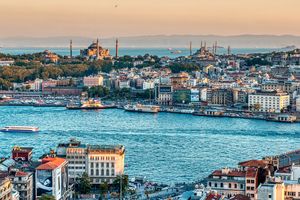
The 2022 Istanbul Biennial, curated by Ute Meta Bauer, Amar Kanwar and David Teh, didn’t have a single title or theme. The curators said that the organising metaphor was “compost”, “an invisible fermentation” with “no noisy culmination, no final knot”. The language is beautiful, but it is also telling: three curatorial sensibilities dissolved into a shared understanding, with no visible boundaries between them.


São Paulo followed in 2023 with a curatorial collective of four—Diane Lima, Grada Kilomba, Hélio Menezes and Manuel Borja-Villel—who described themselves in their curatorial text as “a collective, acting horizontally, in a counter-dance”. Writing in Frieze, Marko Gluhaich noted that he wished the curators had admitted they couldn’t agree on much, describing the resulting exhibition as “impressive yet scattered, frustrating yet significant”. The public materials never specified what was actually disagreed about, or where the counter-dance took place.
The trend raises an interesting question: what is the relationship between the curators in these collaborations? Why does the public presentation of that relationship almost always default to seamless harmony? And what does the performance of unity produce, and what might it foreclose?
“What is the relationship between the curators in these collaborations?”
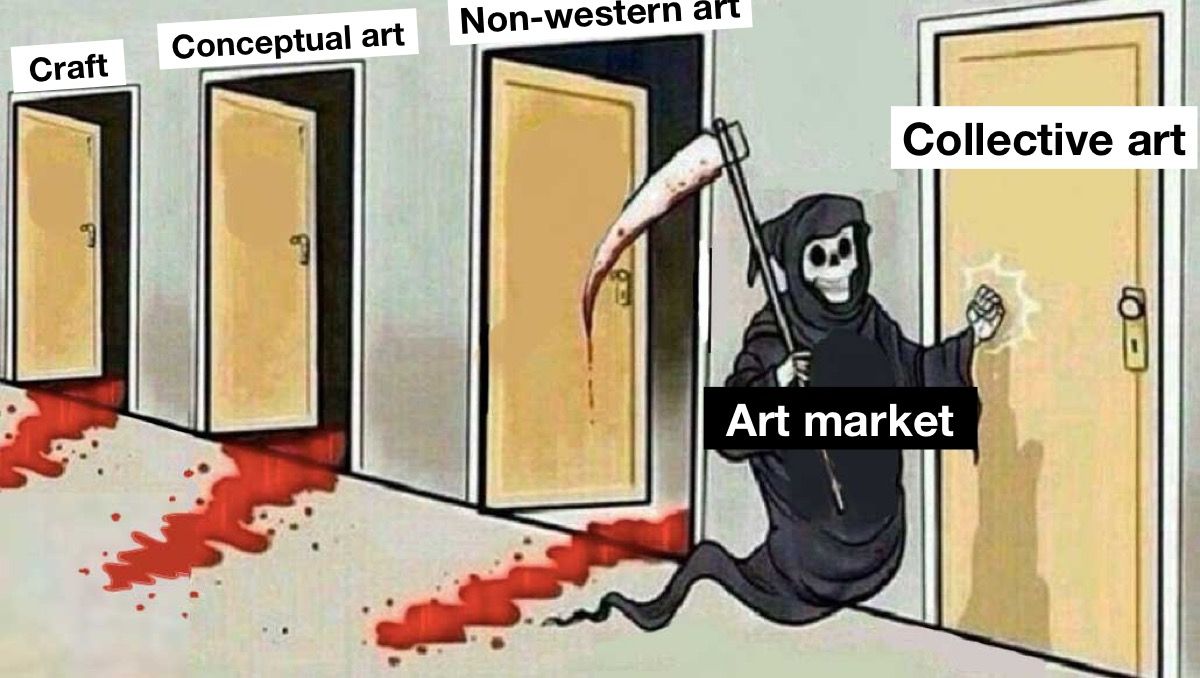
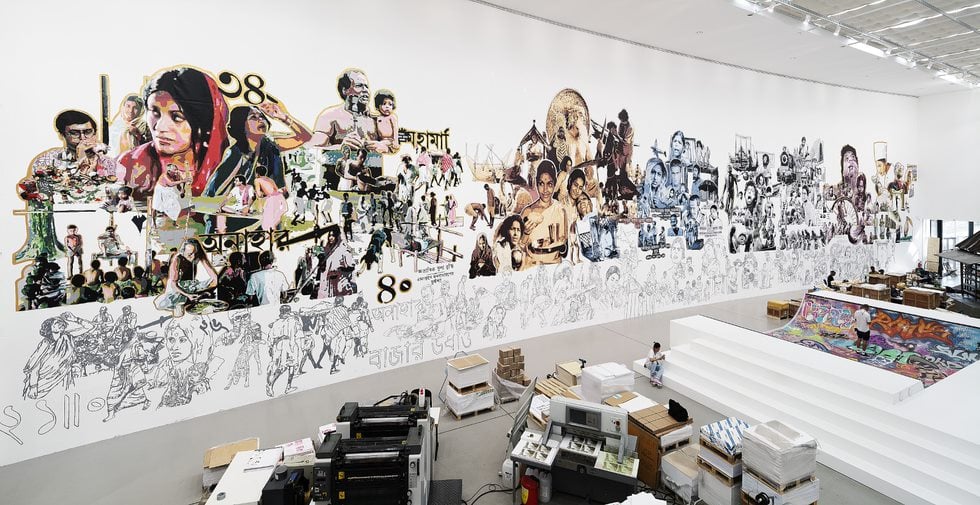
This trend overlaps with, but is distinct from, the art world’s recent romance with collectives. That romance kicked off with the appointment of ruangrupa as artistic directors of documenta fifteen in 2019. Suddenly, collectives were everywhere. In 2021, the Turner Prize shortlisted only collectives for the first time in its history. On my Instagram account @freeze_magazine, I jokingly coined the term “collective washing”: the institutional co‑optation of a heterogenous array of collectives to signal progressive values, often without the reciprocity, multiplicity and conflict management that real collective practice demands.

Unlike an art collective, which tends to form organically around shared methodology and mutual choice, a co-curated biennial assembles individual curators through an institutional mandate. Each curator brings their own practice, reputation and curatorial voice, but the collaboration is imposed rather than chosen, and the constellation never repeats. Whatever working methodology develops between them will not outlive the exhibition. And yet, in how they present themselves—both publicly and, often, privately—co-curators adopt the posture of a collective: unified, harmonious, indivisible. The result is a strange performance: an awkward choreography of agreement.
“Co-curators adopt the posture of a collective. The result is a strange performance: an awkward choreography of agreement”
In practice, as anyone who has worked inside these structures will recognise, the division of labour is usually clearer than the public narrative suggests. Different curators tend to be de facto responsible for different venues or aspects of the programme. The artworks may be mixed, but the curatorial sensibilities behind them are not identical. There are preferences, territories, tensions… and this is normal—even healthy. Yet these dynamics are rarely engaged reflexively or turned into a productive methodology. Instead, the biennales tend to maintain a kind of strategic ambiguity about who brought what, who argued for whom, who conceded where. The question is not whether this happens, but how it is concealed.
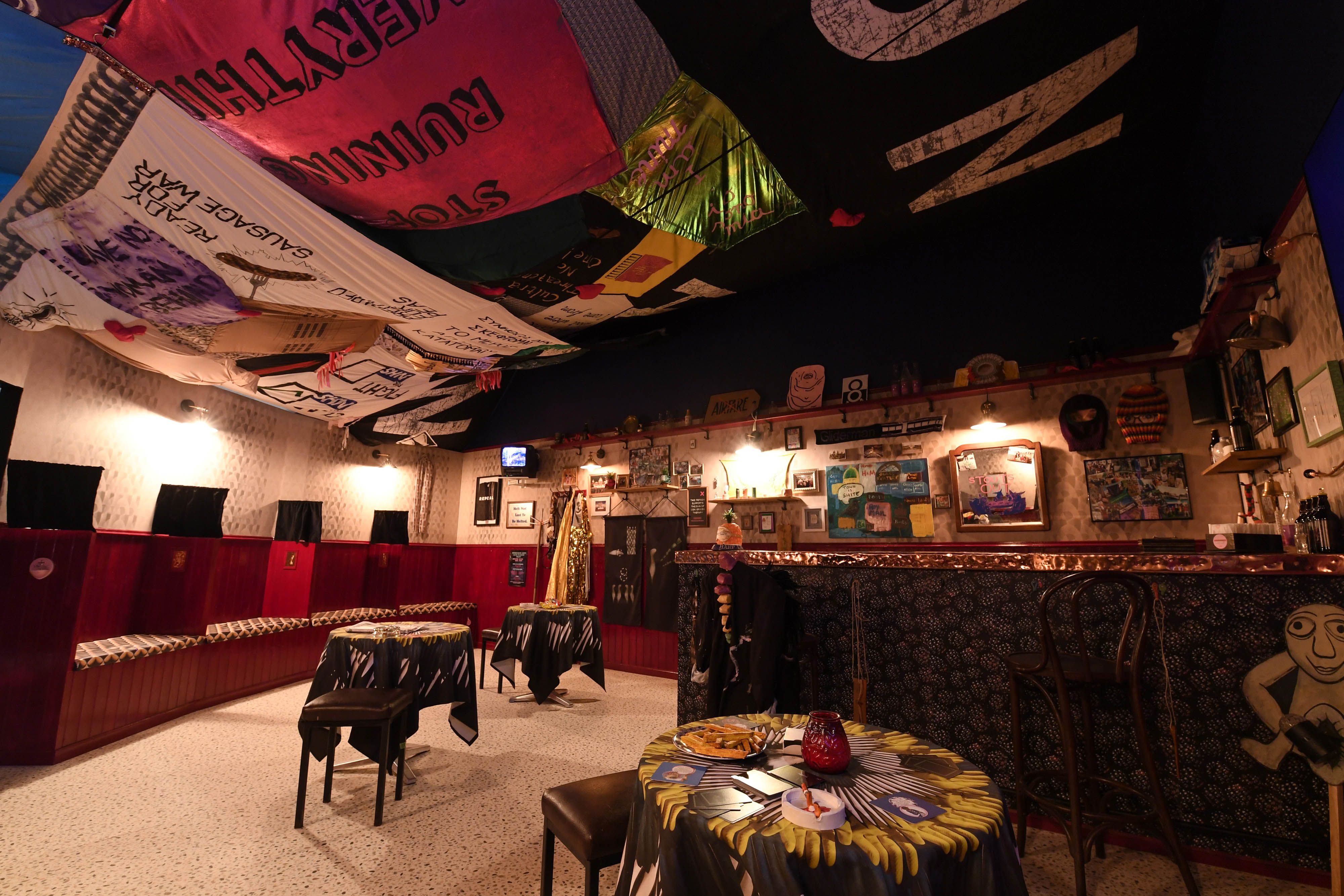
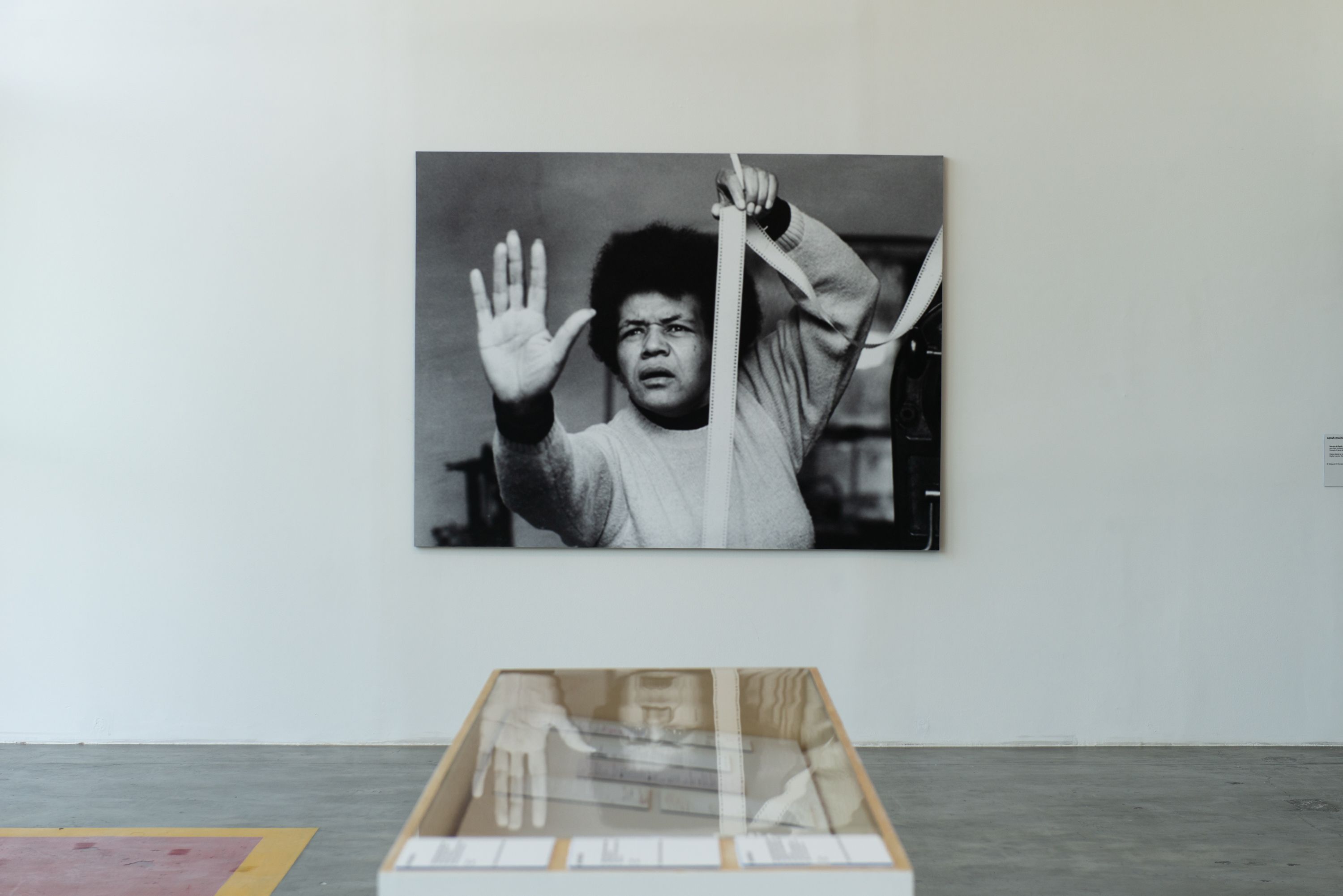
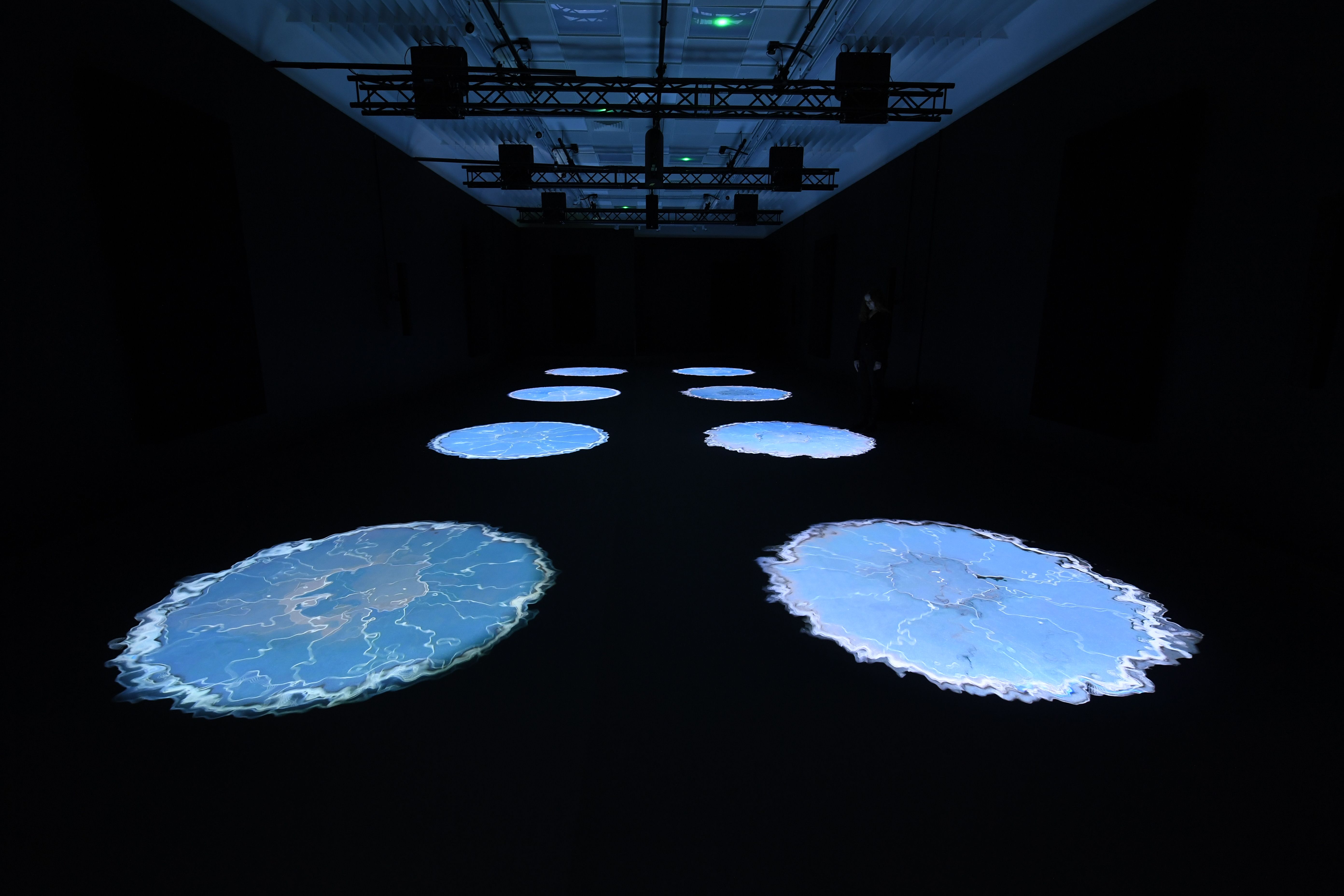
This pattern does not require insider knowledge to detect. The seams are visible in the exhibitions’ public framing: in curatorial statements that speak of “polyphony”, “confluences” and “horizontal processes” without specifying who contributed what; in catalogues where plural authorship is claimed but perspective is implicitly singular; in titles that avoid a theme so as not to impose one curator’s voice on the others. The São Paulo curators named their method “dissensus” but never located where the disagreement lived. What this produces is arguably the opposite of diversity: plural curators speaking in a publicly singular voice, with the specificity of each position sanded down to accommodate all of them. The effect is often described as “decentralised” or “expansive”, but the language itself narrows.
There are many reasons to take this route. One is pragmatic. Biennials have grown in scale and expectation. Appointing multiple curators distributes the workload, the risk, and the geographic knowledge. Part of it is the art world’s gig economy: everyone is stretched thin, and collaboration is a survival strategy. But there is also a communications logic at work. Presenting a co-curated biennial as a seamless curatorial vision—rather than a negotiated, sometimes contentious, working relationship—is easier to communicate. Disagreement is messy.
“Everyone is stretched thin, and collaboration is a survival strategy”
The irony is that these collaborations could be far more interesting than they’re currently allowed to be. Unlike a collective, co-curators are not bound by a shared methodology or identity. They don’t need to present a unified argument. There is also a contradiction worth naming here: in an art world that emphasises the specificity of an artist’s identity, background and perspective as the ground on which their work stands, it is curious that when curators are placed together, they are expected to dissolve into a single voice. Artists must present their individuality; curators, apparently, must suppress theirs.

What if the opposite were possible? Co-curators could work with complementary or even contradictory themes. They could build on each other’s positions, challenge each other’s assumptions and stage a genuine intellectual debate across the venues of a biennial, in public, with real stakes. Imagine a biennial where each section carried a distinct curatorial argument, where the visitor was trusted to navigate the tension rather than be soothed by an overarching harmony.
“Artists must present their individuality; curators, apparently, must suppress theirs”
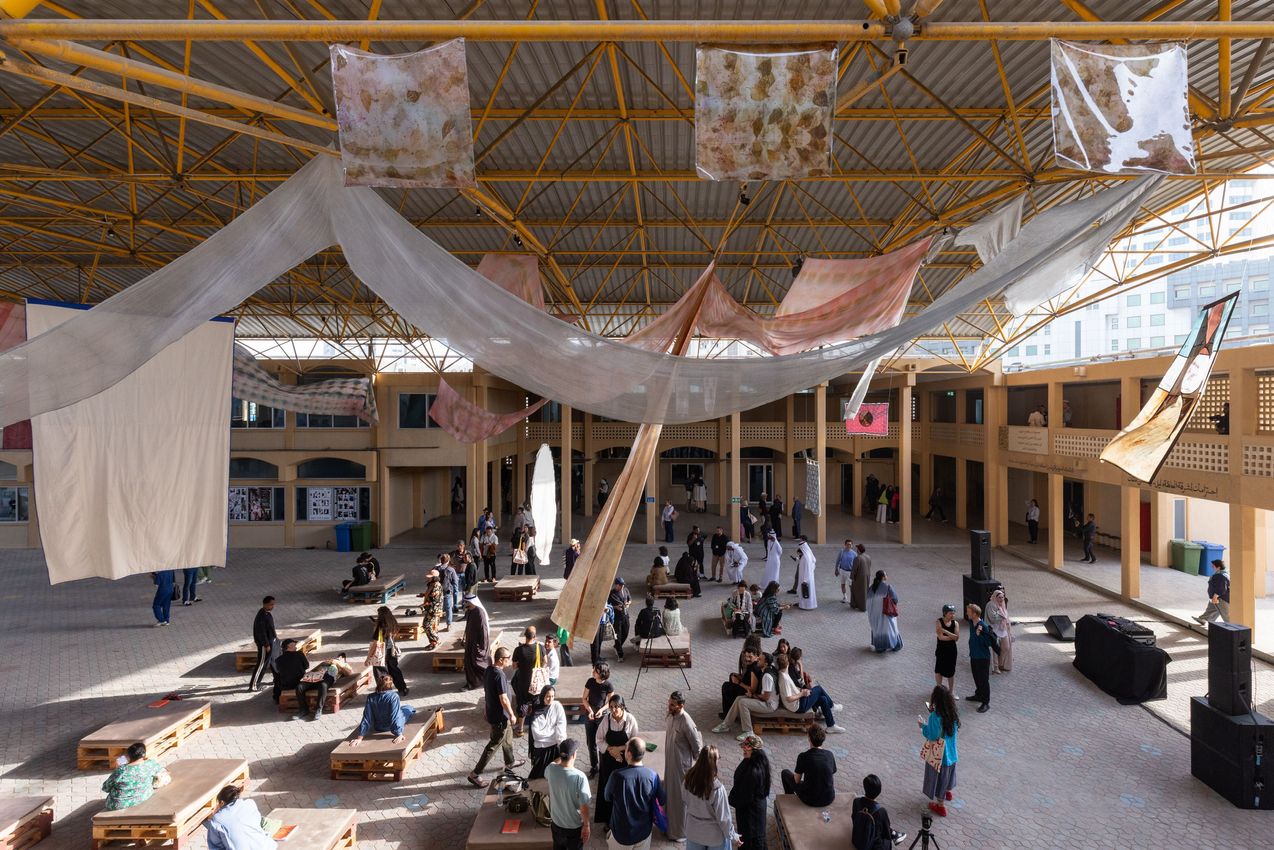
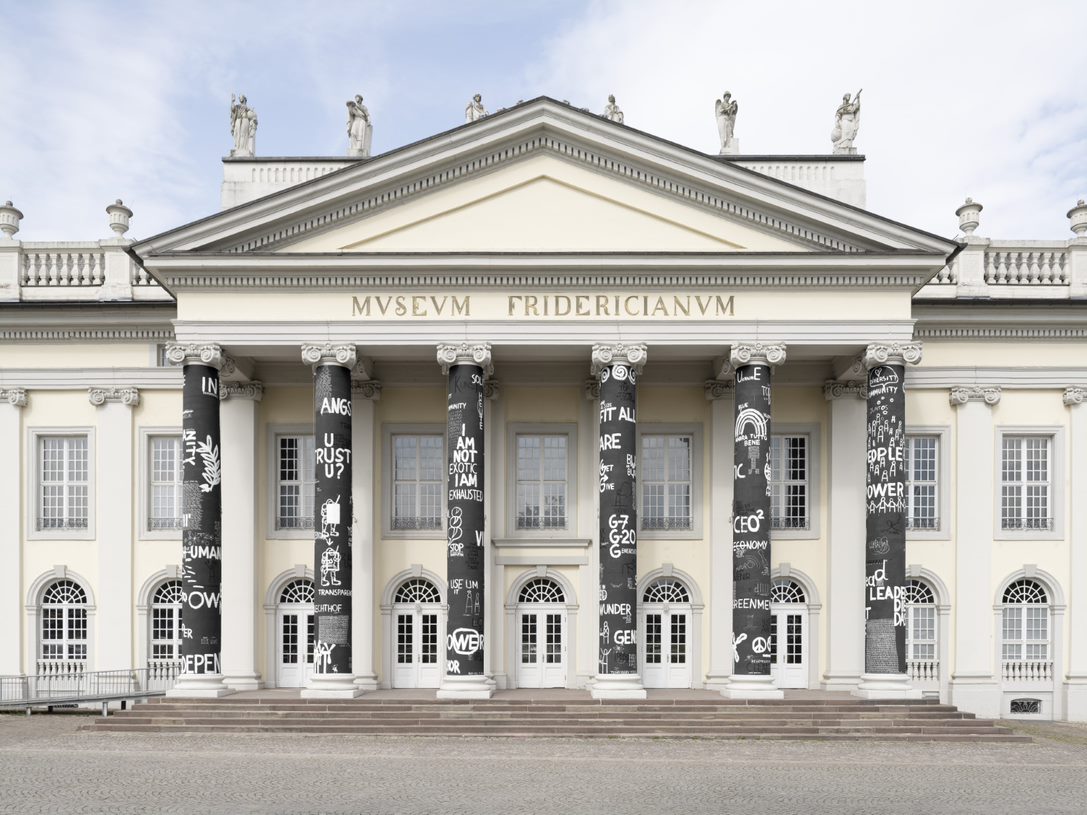
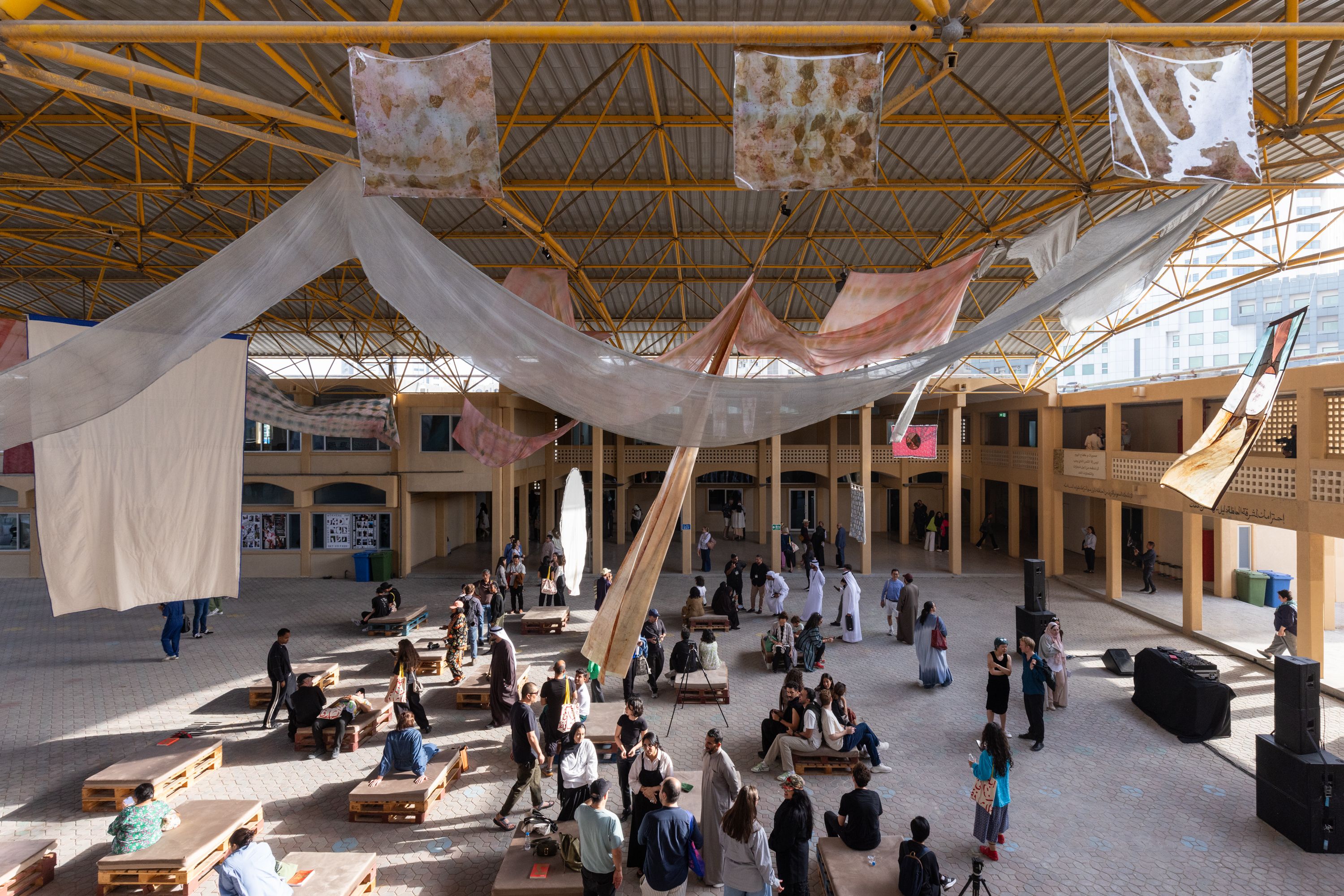
Traces of this are already visible. The 16th Sharjah Biennial in 2025, curated by Alia Swastika, Amal Khalaf, Megan Tamati-Quennell, Natasha Ginwala and Zeynep Öz, publicly named each curator’s distinct thematic focus and, in several venues, let works selected by different curators sit alongside one another. The Bienal de São Paulo in 2018 saw Gabriel Pérez-Barreiro give each of seven artist-curators full autonomy over their section, described the resulting exhibitions as “islands in an archipelago”, and deliberately withheld an overarching theme. But both gestures make distributed authorship visible without fully committing to it as a methodology; the debates implicit in the structure never really surfaced, and the biennials stopped short of treating difference as their subject.
What would happen if, the next time a biennial appointed three curators, they simply presented different arguments, or even contradicted each other? It might turn out to be far more generative. —[O]
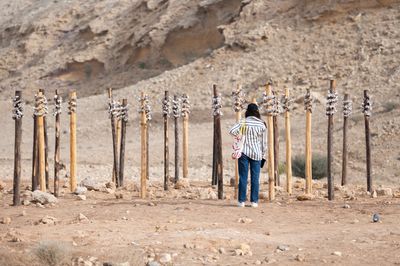
Main image: Hashel Al Lamki, Maat (2025). Exhibition view: Sharjah Biennial 16: to carry, Al Mureijah Art Spaces, Sharjah (6 February–15 June 2025). Courtesy Sharjah Art Foundation. Photo: Motaz Mawid.









A respected voice in contemporary art discourse.
Focusing on ambitious storytelling and insightful art-world commentary. Ocula Magazine publishes in-depth interviews, critical essays and timely analysis on the artists, exhibitions and ideas driving the global art world.
Learn more about Ocula Magazine
Showcasing the best of the art world.
Ocula partners with galleries from around the world to highlight their artists, artworks and exhibitions. Gallery membership is by application and invitation, with each member vetted by an independent panel.
Learn more about Ocula Membership
Specialises in the sale of major artworks.
Led by a team with deep ties to the world’s leading auction houses, galleries and collectors. Ocula’s advisory team offers bespoke services to high-net-worth clients from around the world who are looking to acquire the best of contemporary and modern art.
Learn more about our team and services