





10 Exhibitions to See in Venice That Aren’t Part of the Biennale
Save to My OculaAs the art world assembles in the Floating City, Ocula’s editors select the must-see collateral shows, including Nancy Spector’s examination of contemporary America and Hernan Bas’ ironic look at tourism.
Shirin Neshat, Do U Dare! (8 May – 6 September 2026) at Palazzo Marin
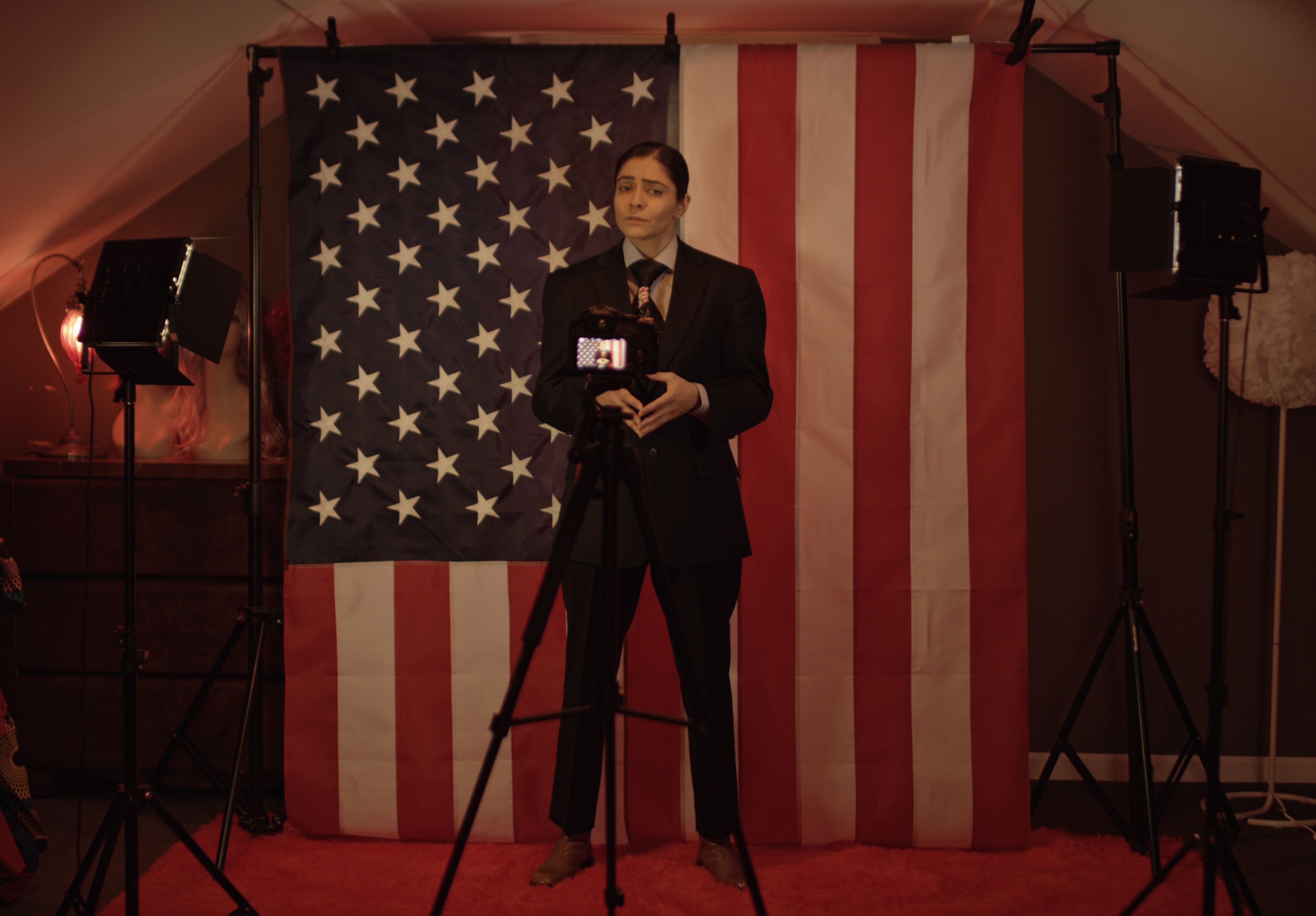
In 2018, Nasim Aghdam walked into YouTube’s headquarters in California and opened fire, wounding three people before taking her own life. Aghdam was just 38 when she died; the Iranian had built an online profile centred around her own imaginative world as a media personality. In her stylised videos, which garnered millions of views, she mocked the forces of power and influence shaping an ever-growing industry of content creation.
Aghdam is the fictionalised protagonist of Iranian artist and filmmaker Shirin Neshat’s new film trilogy, Do U Dare!: we follow Aghdam from her arrival in the US, shot in black and white, to an increasingly frenetic full-colour representation of her fragile mental state, as fiction and reality begin to blur. Neshat deftly weaves connections between the relentlessly commodified, surveilled and consumed female body in both American contemporary media and the Iranian authoritarian regime. What, she asks, does freedom really mean today? —Louise Benson
Hernan Bas. The Visitors (7 May–30 August 2026) at Ca’ Pesaro International Gallery of Modern Art, Santa Croce
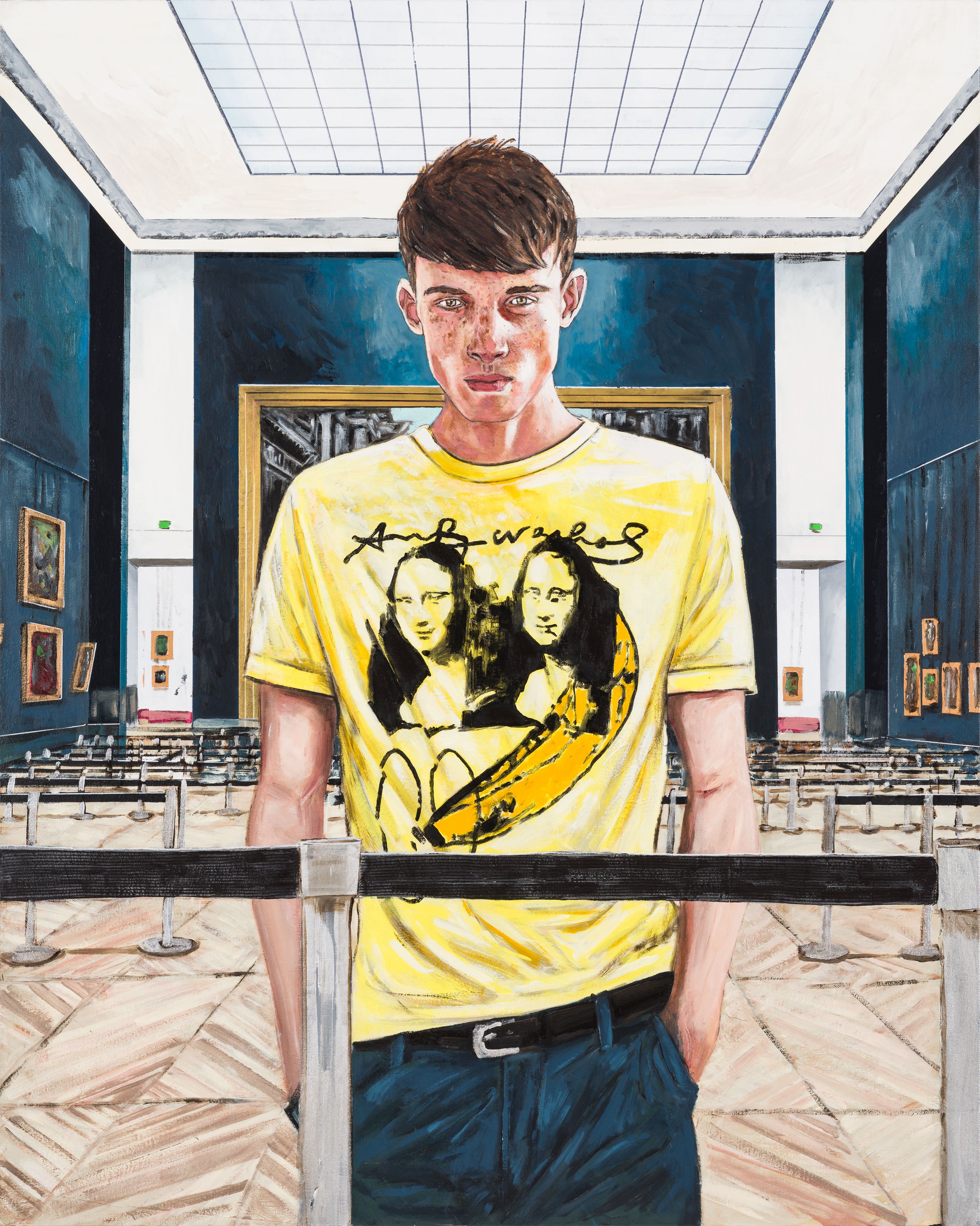
The Cuban American painter Hernan Bas lives and works in the Little Havana area of Miami, so he is no stranger to the gawping and camera-wielding of tourists. Following a residency in Venice, he brings his well-tuned eye to bear on the visitors of the Floating City, for a new exhibition at Ca’ Pesaro, the International Gallery of Modern Art. More than 30 new paintings feature tourists in real and imagined situations. His characters, mostly young white men, frequent famed destinations: the room in the Louvre housing the Mona Lisa; the steamy waters of the hot springs in Iceland; the kitchen of Alcatraz, the notorious former prison in San Francisco Bay. They veer from gormless, slightly bored-looking youths to frustrated, angry figures. With characteristic dark irony, Bas casts them as both perpetrators and victims of the bland, surface-level engagement that comes with mass tourism. —Baya Simons
Outta Love (7 May–30 June 2026) at Palazzo Vendramin ai Carmini
Do you remember the exquisite pain of your first break-up? A grief so intense, so unfiltered by the sensibility of age, that it was experienced not just in the mind but throughout the entire body? If you do, then you likely also recall the lasting impact of such a rupture: less a sudden collision, more a lingering ache.
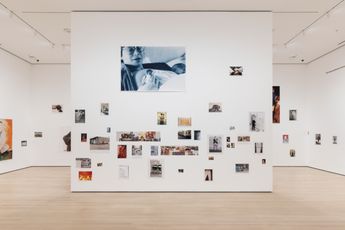
Outta Love examines what happens in this emotional aftermath: what we do once intimacy has fractured, and how new forms emerge in its place. It does so through the timeless, unsettling self-portraiture of Francesca Woodman; the fleshy, visceral paintings of Jenny Saville (who also has a solo show at Ca’ Pesaro) and the poetic, intimate worlds of Wolfgang Tillmans. Accompanied by textiles, text and installations, and presented within the layered interiors of Palazzo Vendramin ai Carmini, these works become part of a multi-textured experience—an exploration of loss and reinvention as changeable as our own desires. —Philippa Kelly
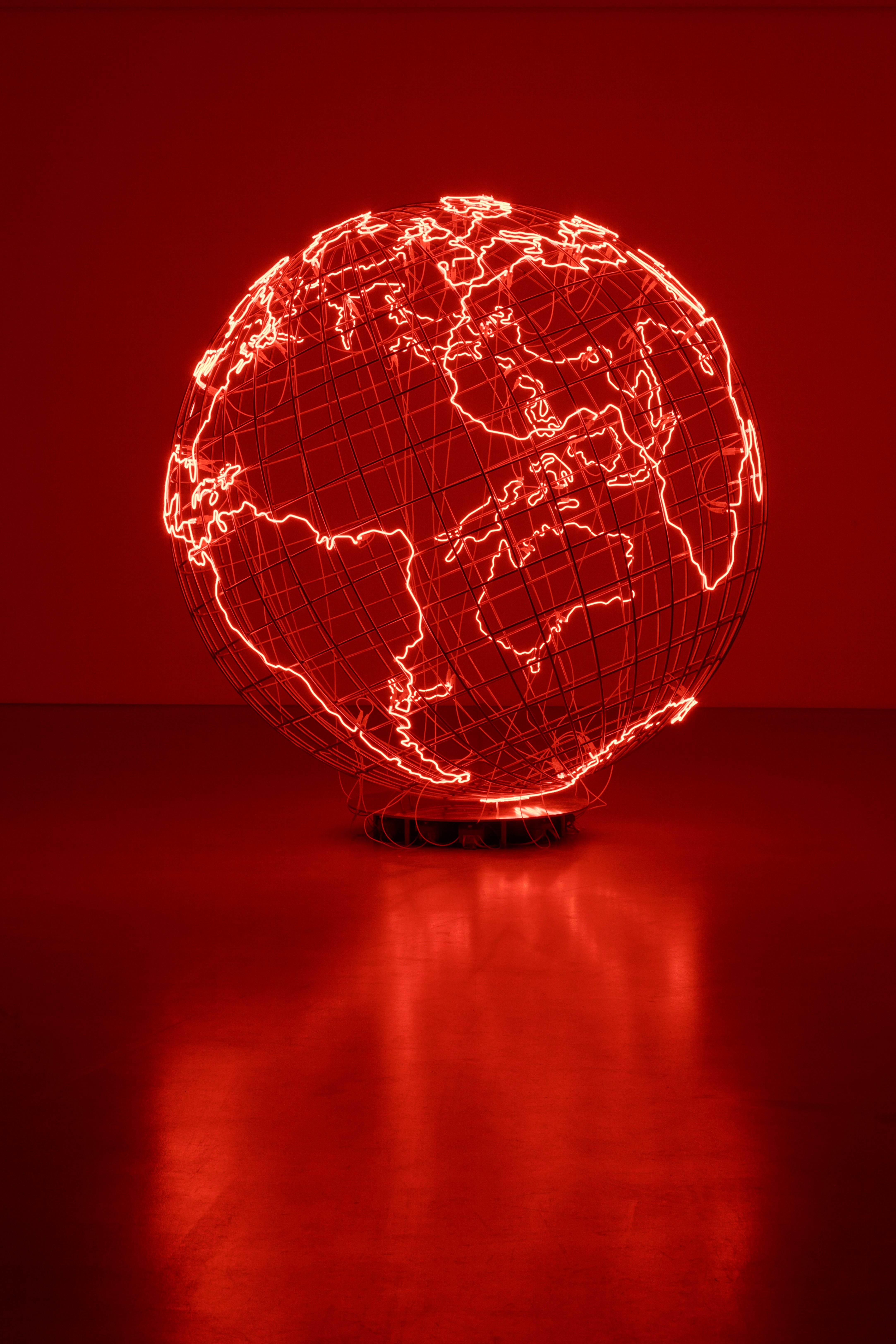
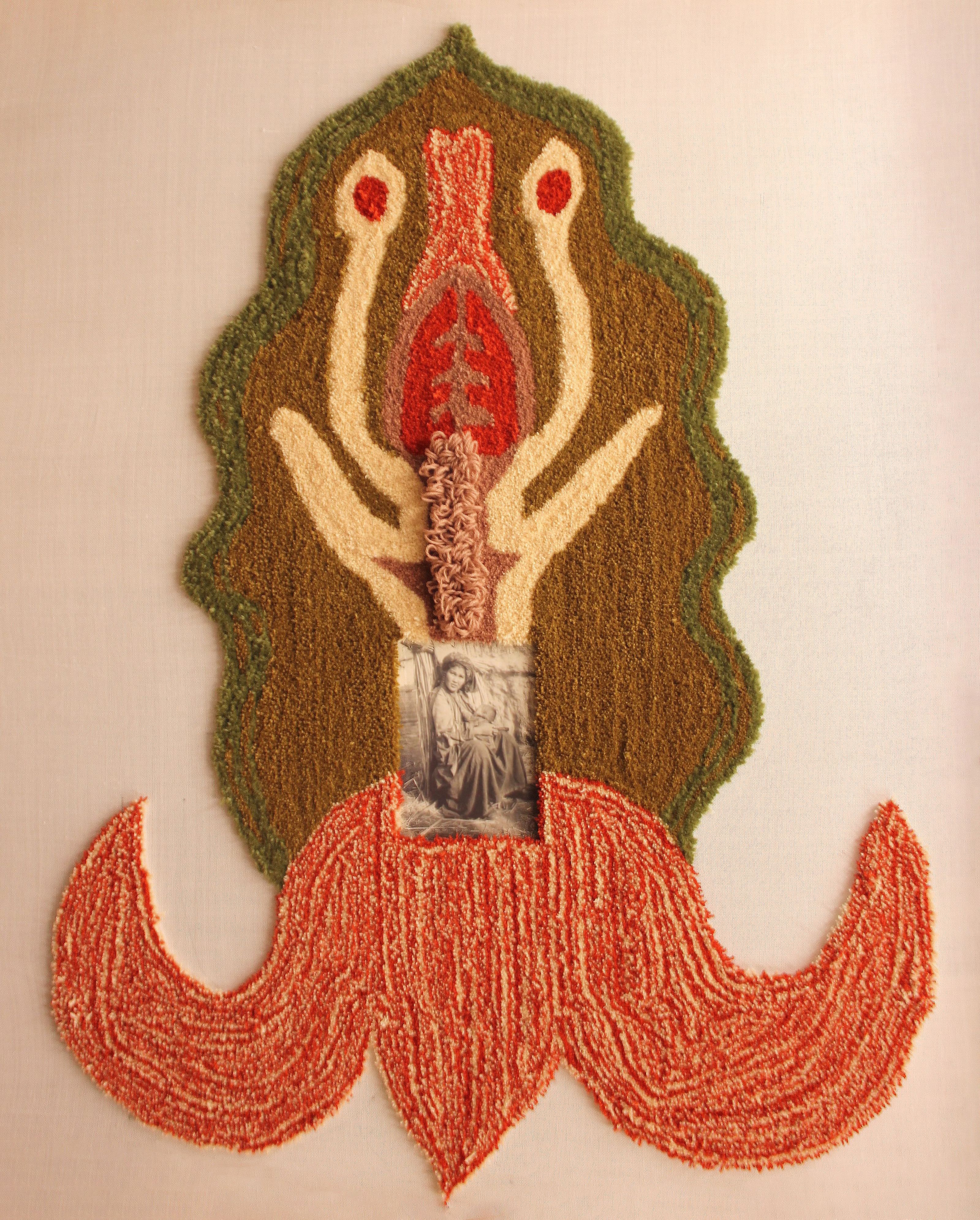
Parasol unit foundation for contemporary art presents TURANDOT: To the Daughters of the East (9 May–31 October 2026) at Palazzo Cavalli-Franchetti, Fondamenta Narisi
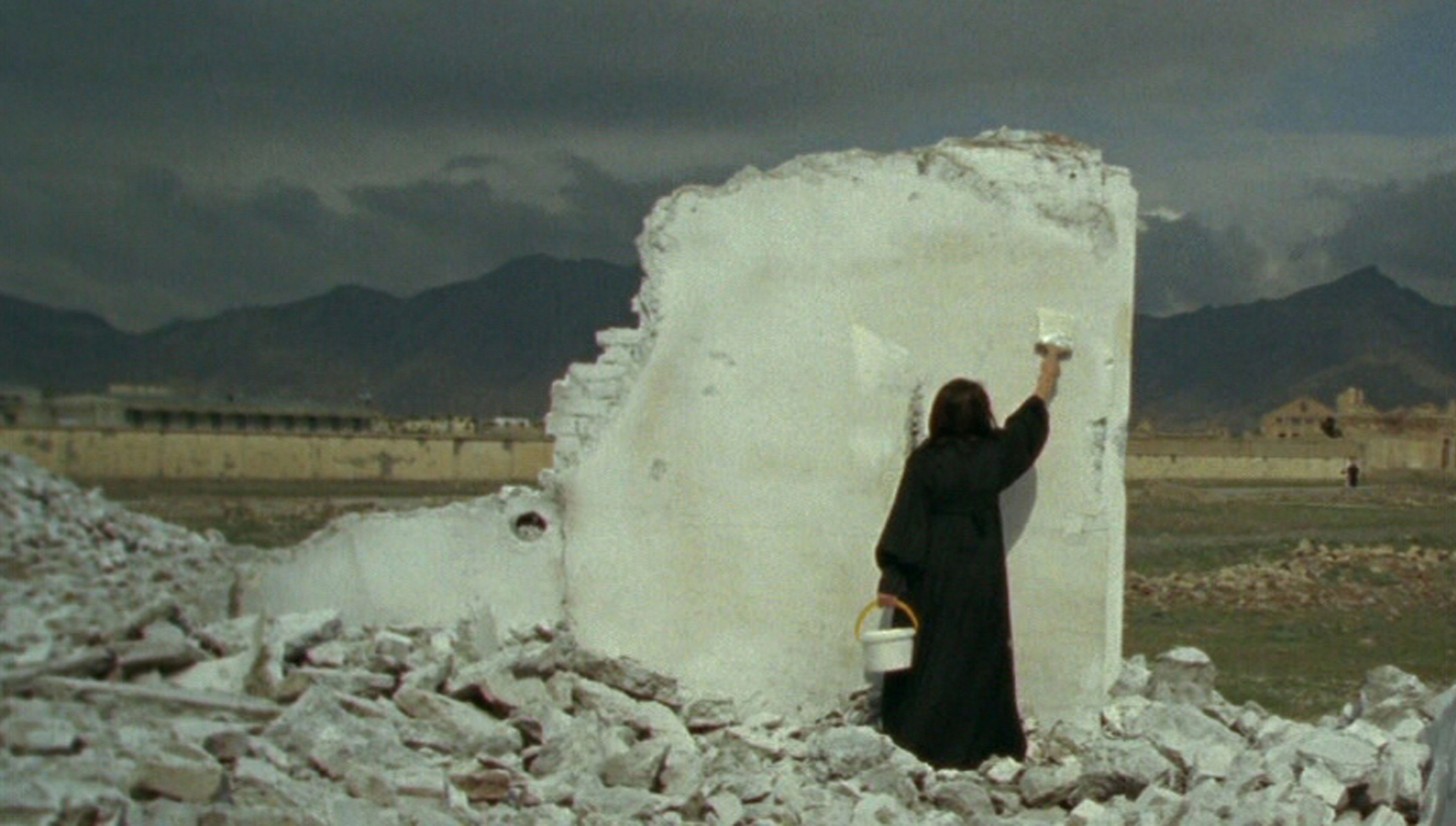
I remember learning about the heroine of Puccini’s opera Turandot when I was a child: a Chinese princess with a Persian name, who presided over a Greek “solve-or-die” riddle. This depiction of the “East” unsettled me. Both Persia and Greece lay to the west of China, where I grew up. As the princess cries in Puccini’s opera: “What has become of me? I’m lost!”. It took me years, and reading Edward Said, to recognise how such dissonance is produced: the “Oriental” as a collage, flattening distinct histories into a uniform exoticism.
This exhibition from Parasol unit returns the name Turāndokht—“daughter of Turan”, the region spanning present-day Kazakhstan, Kyrgyzstan, Tajikistan, Turkmenistan and Uzbekistan—to its origin. Bringing together 11 female artists from Central Asia and beyond, the exhibition places established figures such as Huma Bhabha and Mona Hatoum alongside younger voices including Tala Madani and Nazira Karimi. Their works trace entangled histories, geographies and mythologies, letting the East fracture into multiple, situated narratives. —Shanyu Zhong
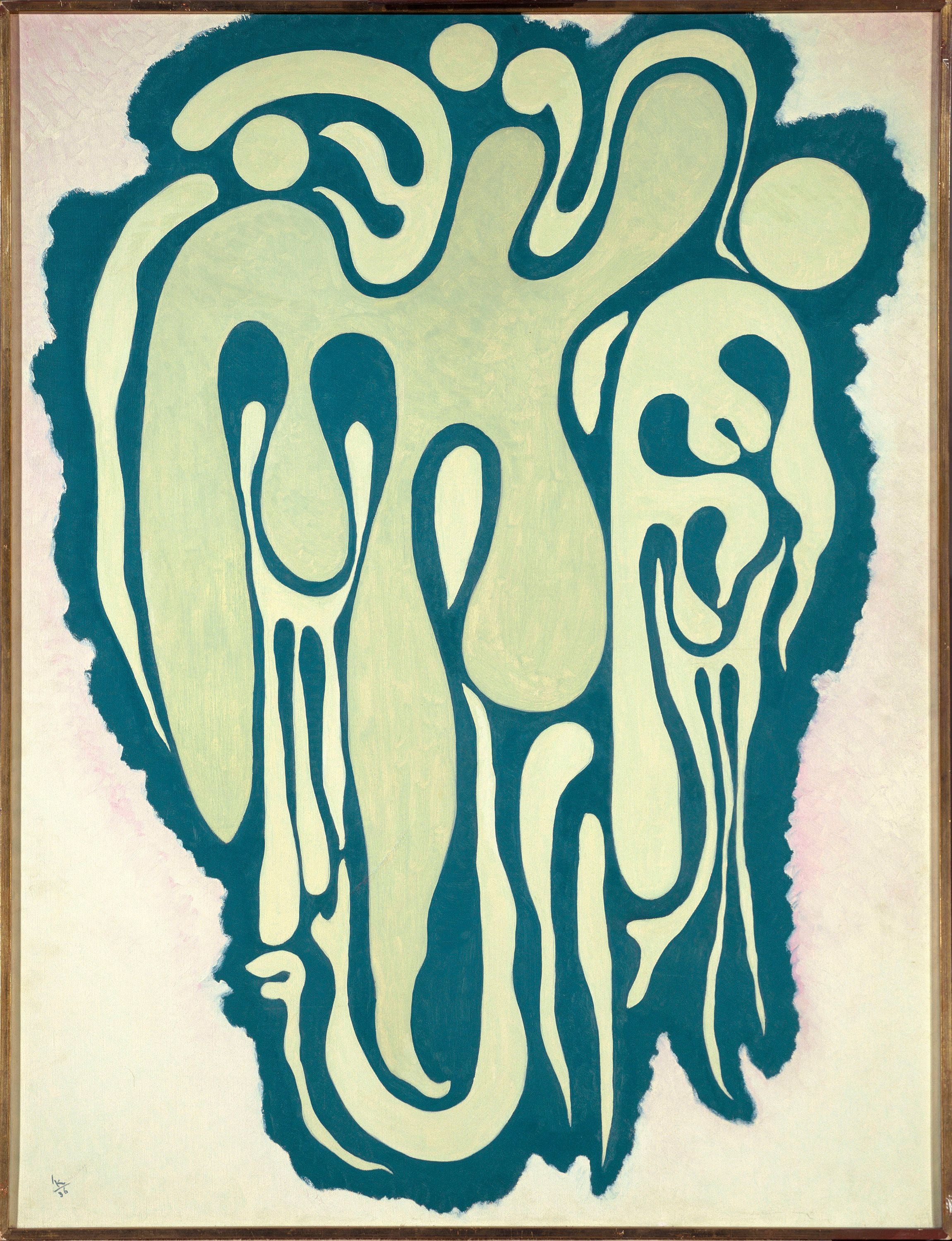
Peggy Guggenheim in London: The Making of a Collector (until 19 October 2026) at The Peggy Guggenheim Collection, Palazzo Venier dei Leoni
In the 1930s, London did not yet have a modern art museum. It had not developed the taste for one, either; institutional shows and purchases remained conservative. But in 1938, monied American collector Peggy Guggenheim arrived in London. Partly inspired by her lover Samuel Beckett’s admiration of modern art, she decided to open a small gallery, Guggenheim Jeune, showing art by living artists and launching with work by Jean Cocteau. In the year-and-a-half that Guggenheim ran the gallery, she staged more than 20 shows, giving Wassily Kandinsky his first UK solo exhibition and putting on a show of art by children, including a submission from a young Lucian Freud. That 18-month flowering of avant-garde art in London is the subject of this new exhibition, which brings together paintings, sculptures, works on paper and photographs that were on show at Guggenheim Jeune during the period, including portraits by Cedric Morris and abstracts by Piet Mondrian. —Baya Simons
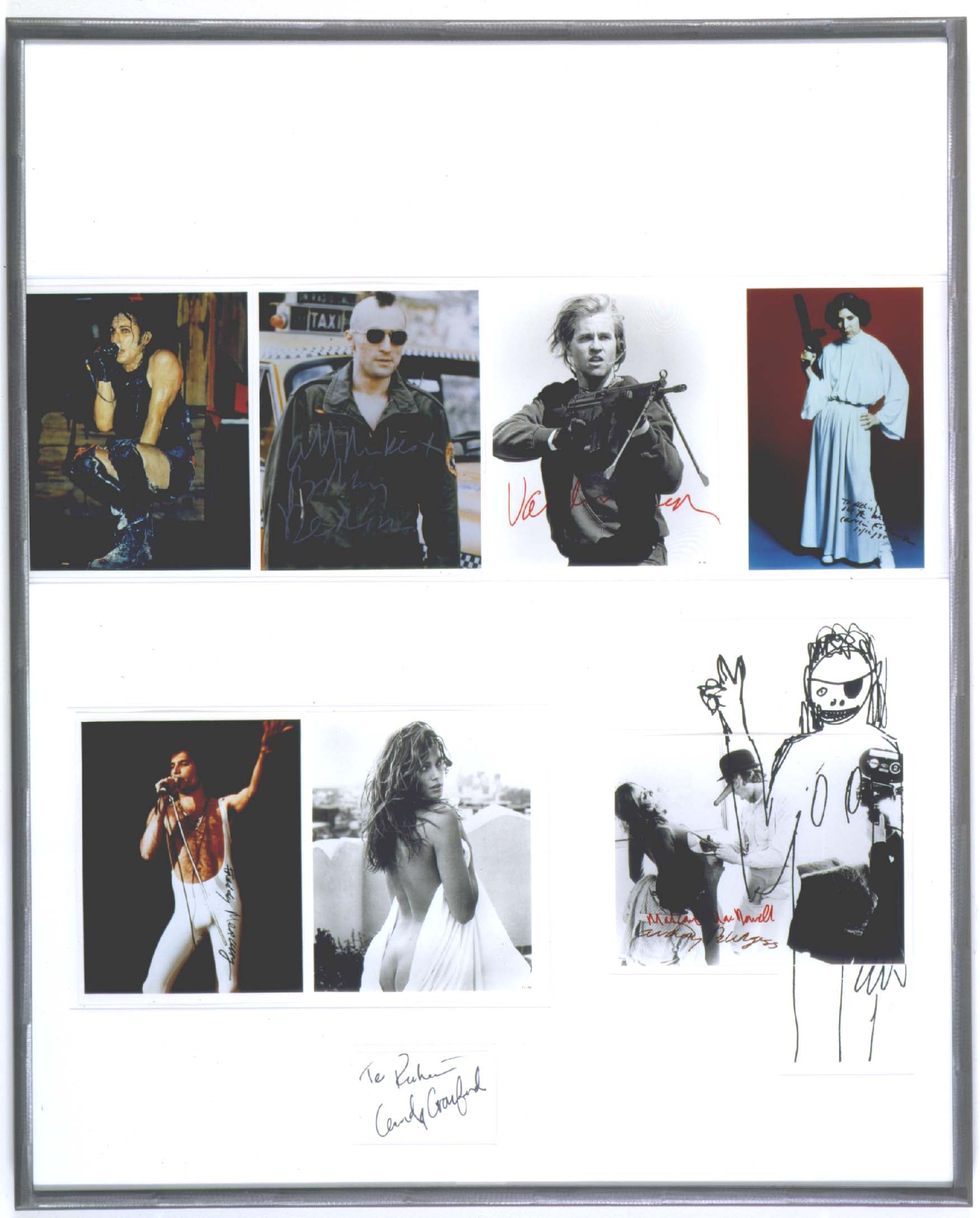
Helter Skelter: Arthur Jafa and Richard Prince (9 May–23 November 2026) at Fondazione Prada, Santa Croce
I truly cannot imagine a more “fuck you very much” exhibition than this one from Nancy Spector, the curator dubbed “The Guggenheim’s Scapegoat” after she left her role at the museum over racism allegations, which an investigation found to be baseless. Who else would have imagined a two-person show featuring Richard Prince, the glib American appropriationist who makes even the most open-minded art lover laugh with rage, alongside Arthur Jafa, the American artist whose seminal film collage Love is the Message, the Message is Death (2016) composes an epic poem about racism in the United States. Spector described the show as “a love letter to and searing indictment of the complex mess of a country we live in”. It will bring together new work from both artists, including a zine made up of images they sent each other while forming the exhibition, and photographs, videos, installations, sculptures and paintings from throughout their careers. Perhaps the exhibition will give these works space to breathe, outside the context of a country that seems intent on strangling its best and brightest artists to death. —Aimee Walleston
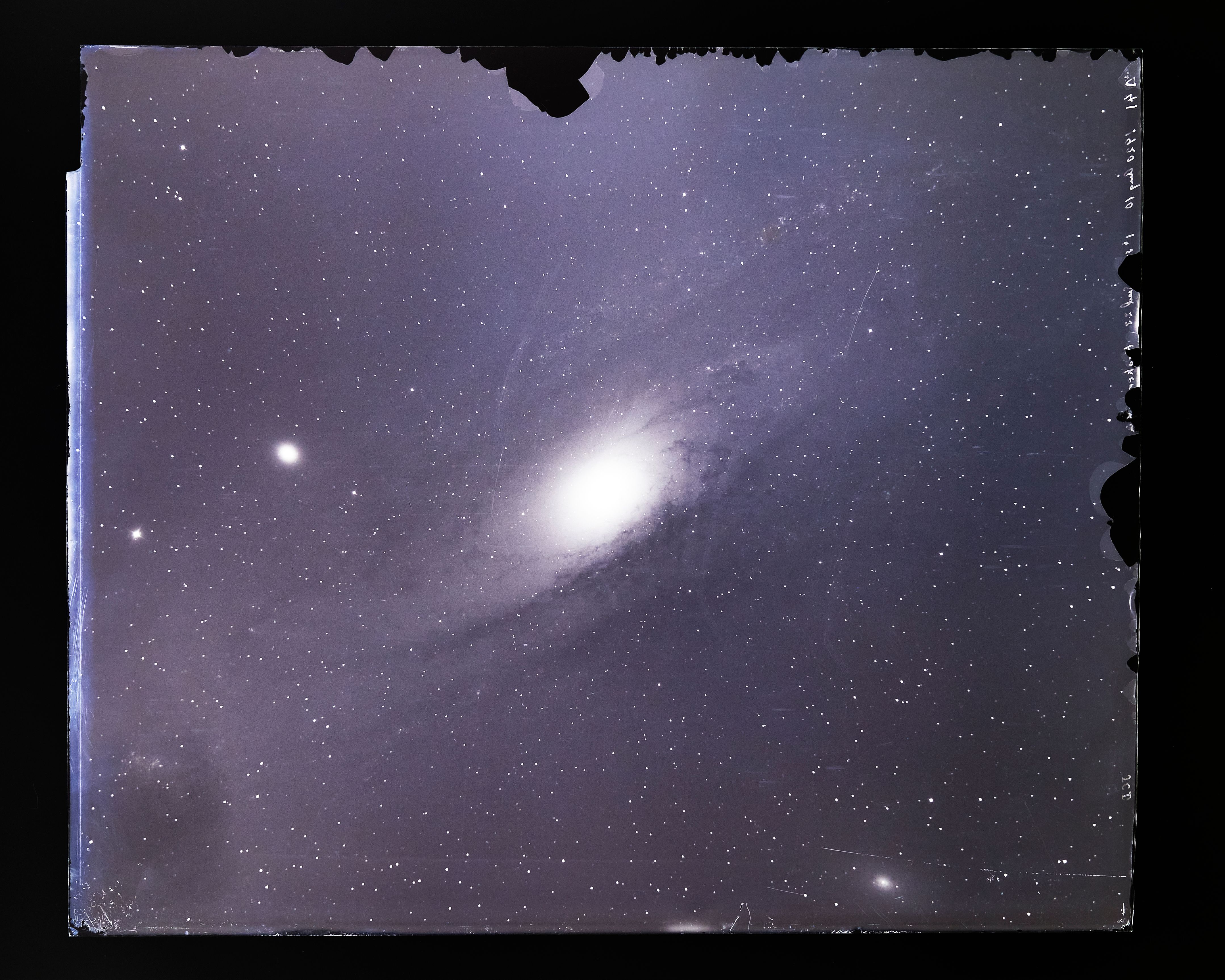
Jennifer West, Stitched Cosmos (6 May-6 July 2026) at Ca’ Foscari University of Venice
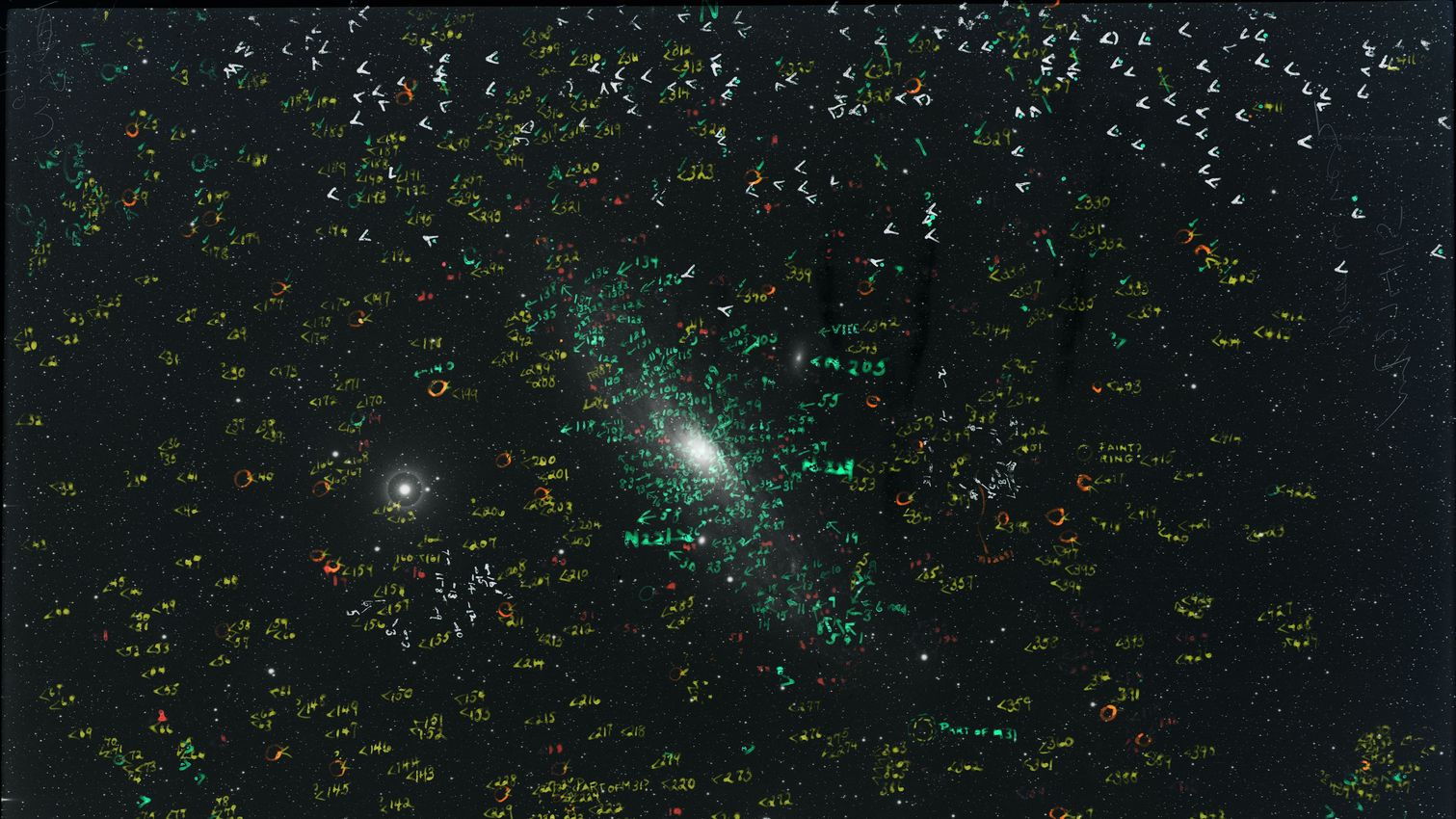
You’d be forgiven for thinking you were tripping on hallucinogens when entering Jennifer West’s exhibition Stitched Cosmos, secreted away in Venice’s oldest university. The ground floor has been transformed into a psychedelic device for contemplating outer space, with a series of luminous collages and animations. At the heart of the presentation is a monumental installation in which analogue film strips have been stitched together into a translucent patchwork quilt, set against the light streaming in through huge glass windows. The installation draws on West’s recent research conducted in the Astronomical Plate Stacks collection, held at the Harvard & Smithsonian Center for Astrophysics, which comprises over half a million glass plates bearing images of the universe. These hand-annotated photographic negatives, captured through telescopes, reveal the little-known work of the group of female scientists hired to categorise and calculate their findings over the last century. In West’s hands, a reproduction of these time-worn, fragmented images expands into a re-stitched, ever-shifting universe of its own, in which the unseen labour of documenting the stars becomes as miraculous as the night sky. —Louise Benson
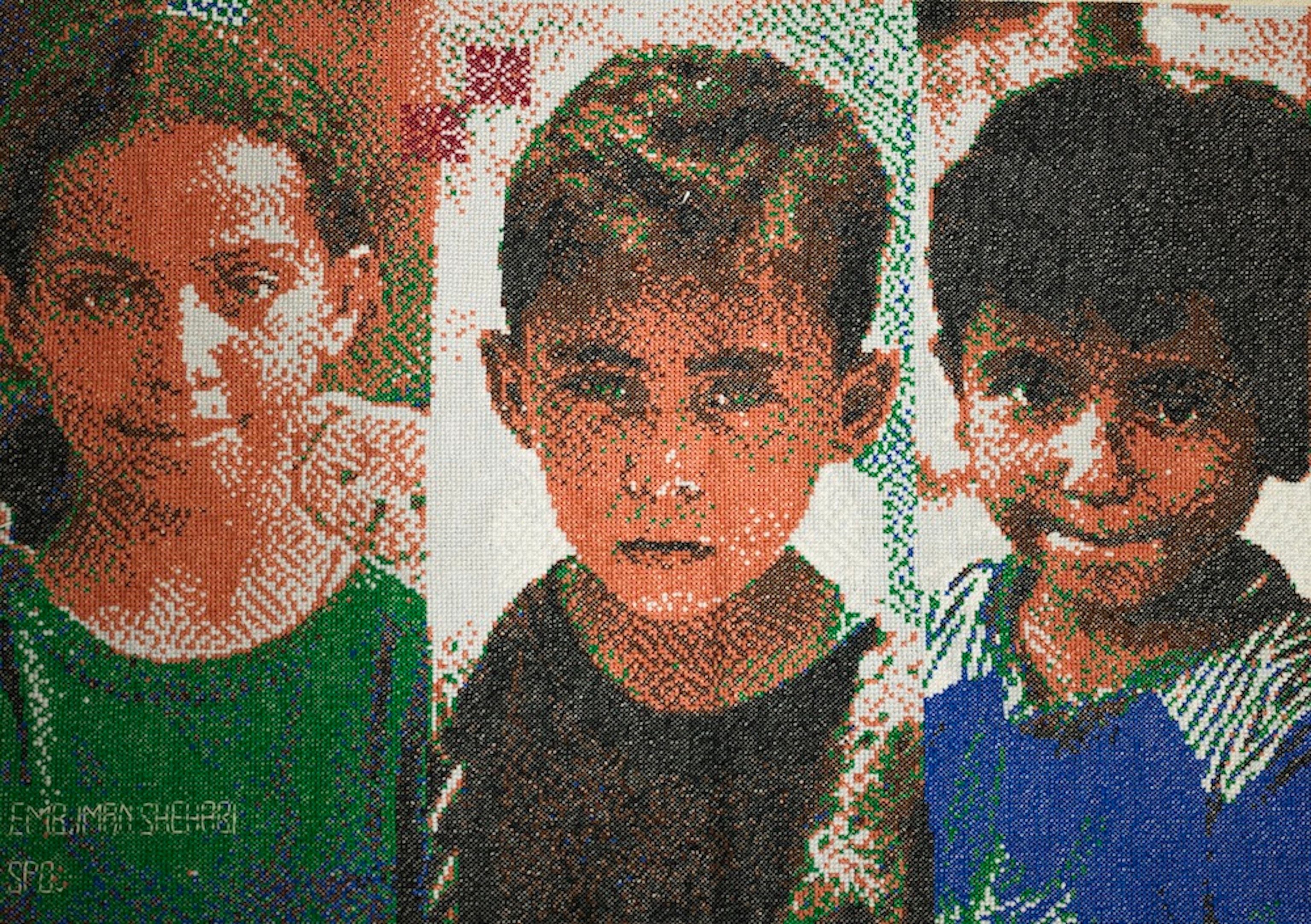
Gaza—No Words—See the Exhibit (9 May–22 November 2026) organised by Palestine Museum US at the Palazzo Mora
Earlier this month, the United Nations reported that between October 2023 and December 2025, an average of 47 women and girls were killed in Gaza every day. For the women and girls who have survived, war has been devastating, with many left to head families alone and to carry the burdens of caregiving and survival.
It is these same women—who have witnessed but somehow survived the horror of war—whose skill is celebrated in Gaza—No Words—See The Exhibit. The large-scale show, a Biennale Collateral Event hosted at Palazzo Mora, presents 100 Palestinian tatreez embroideries—a colourful needlework technique dating back 3,000 years, which tells of each maker’s life and connection to her home. Created by women in refugee camps and villages in Lebanon, Jordan and the West Bank, each tatreez is made up of approximately 55,000 stitches—5.5 million tiny histories of death, conflict and resilience. —Philippa Kelly

Lorna Simpson. Third Person (until 22 November 2026) at Punta della Dogana, Dorsoduro
Last spring, the Metropolitan Museum of Art mounted Source Notes, the first-ever museum survey of paintings by American artist Lorna Simpson. Organised in partnership with the Met, and curated by Emma Lavigne of Pinault Collection, Lorna Simpson. Third Person expands the contours of Source Notes with more than 20 additional works that span 20 years of Simpson’s practice. New works made specifically for this exhibition are shown alongside a suite of Simpson’s stunning, deeply blue-hued monumental paintings, including Night Fall (2023), which depicts the bust of a woman emerging from an upside-down waterfall. The presentation also features Simpson’s first foray into painting: Three Figures (2014). Originally created for Simpson’s participation in the 2015 Venice Biennale, curated by Okwui Enwezor, the 12-panel work relives a moment of horror at the Children’s Crusade in May 1963 when children in Birmingham, Alabama, were attacked with fire hoses for the “crime” of peacefully marching for their civil rights. —Aimee Walleston
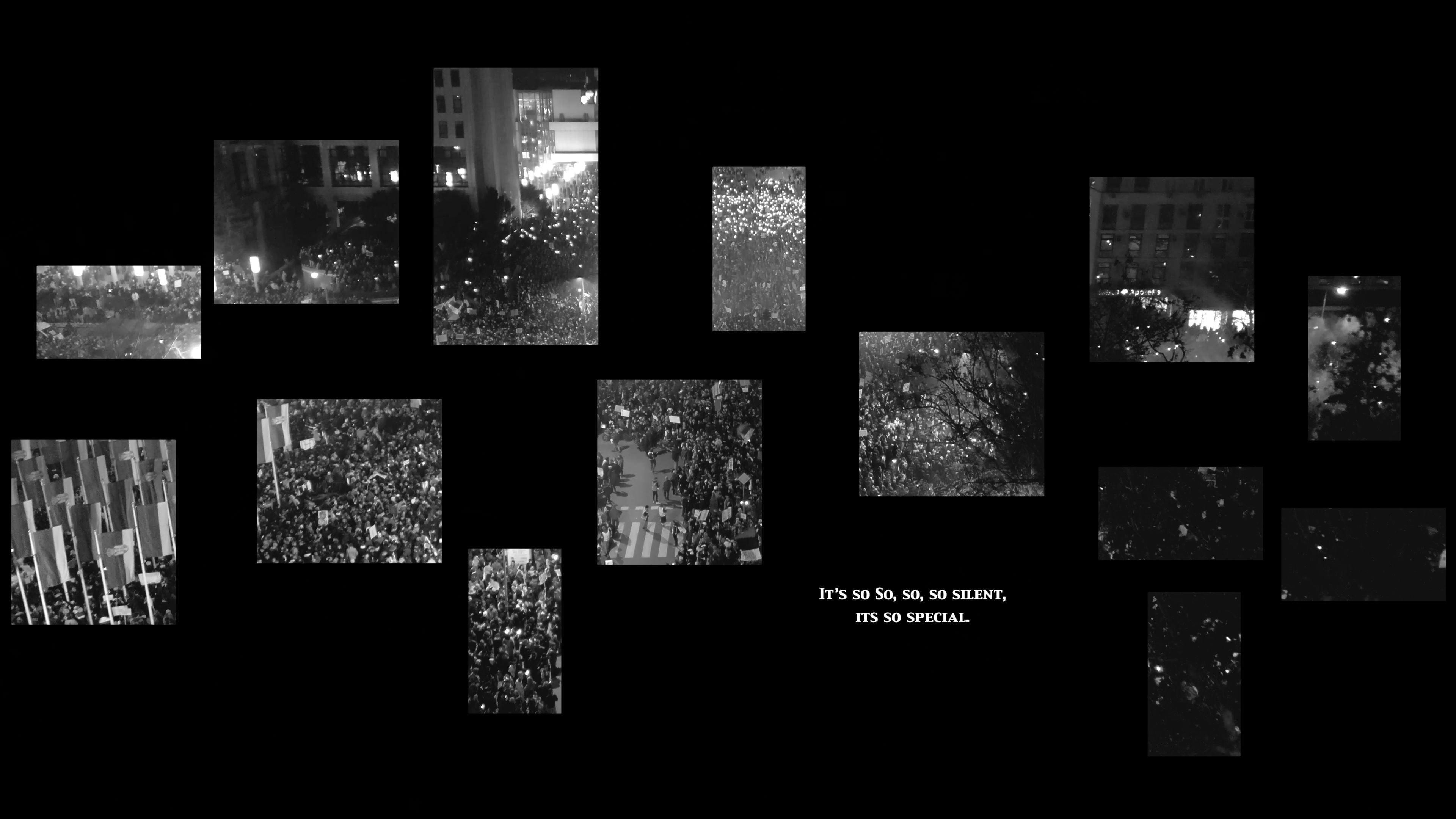
Canicula—Fondazione In Between Art Film (6 May–22 November 2026) at Complesso dell’Ospedaletto, Barbaria de le Tole
Fondazione In Between Art Film, an institution dedicated to contemporary film founded by Beatrice Bulgari, has shown itself to be a formidable commissioning engine, staging video works by a tightly selected cohort of established artists, all inside a former hospital in Venice. This is the final part of the Trilogy of Uncertainties (2022–2026), each themed around different atmospheres: first was low light (Penumbra), then fog (Nebula) and now extreme heat (“dog days” of summer). The new exhibition features eight newly commissioned video installations. Works by Wang Tuo and Yuyan Wang extend the exhibition’s long-term inquiry on environmental change into automation, algorithmic governance and post-human ecologies. Against this expanded horizon, war casts a persistent shadow. Roman Khimei and Yarema Malashchuk stage fictional deathbed testimonies from Russian soldiers, performed by Ukrainian actors. Lawrence Abu Hamdan’s 450XL: The Story of a Fugitive Sound (2026) reconstructs a sonic attack during protests in Belgrade, in which silence becomes both evidence and resistance. —Zian Chen
Main image: Jennifer West, Stitched Cosmos curated by Francesco Urbano Ragazzi at Ca’ Foscari University of Venice



A respected voice in contemporary art discourse.
Focusing on ambitious storytelling and insightful art-world commentary. Ocula Magazine publishes in-depth interviews, critical essays and timely analysis on the artists, exhibitions and ideas driving the global art world.
Learn more about Ocula Magazine
Showcasing the best of the art world.
Ocula partners with galleries from around the world to highlight their artists, artworks and exhibitions. Gallery membership is by application and invitation, with each member vetted by an independent panel.
Learn more about Ocula Membership
Specialises in the sale of major artworks.
Led by a team with deep ties to the world’s leading auction houses, galleries and collectors. Ocula’s advisory team offers bespoke services to high-net-worth clients from around the world who are looking to acquire the best of contemporary and modern art.
Learn more about our team and services