





Keeping Up Appearances

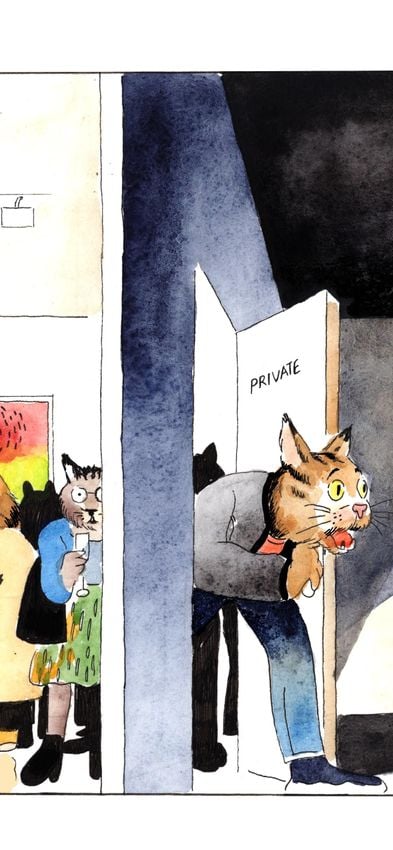


Walking through London’s Mayfair one Wednesday in early February, I noticed an inconspicuous paper notice attached to the door of Stephen Friedman Gallery. “The gallery will be closed this week,” it read. The gallery had opened its latest solo exhibition just five days earlier and was slated to participate in the inaugural edition of Art Basel Qatar, which was to commence the following day. Later that afternoon, news broke that the gallery had gone into administration after 30 years in operation. Staff preparing to travel to Doha found themselves with a free weekend and Friedman’s stable of 39 artists and estates were left to plan their next move.
Gallery closures happen for a variety of reasons, but they almost always take place without warning. When I spoke to British journalist Georgina Adam, who has been reporting on the art market for more than three decades, she described gallery closures unfolding as Hemingway once wrote that bankruptcy does: “Gradually, then suddenly.” But why do galleries’ prospects remain so opaque until the last minute, all too often leaving artists to pick up the pieces—and how might this change?
When London’s Simon Lee Gallery closed suddenly in 2023, many of its artists, who The Art Newspaper reports were owed a total of more than £1 million by the gallery, found out the news the same way that everyone else did: via the press. When Tim Blum told the media that he was “sunsetting” his eponymous Los Angeles gallery last summer, he chose to use a term borrowed from tech to describe an intentional process of winding down. The reality seemed to be more sudden. By far the least comprehensible aspect of the closure was “the lack of notice”, as one person with knowledge of the gallery’s operations reflected in an interview at the time.
“Gallery closures happen for a variety of reasons, but they almost always take place without warning ”
Arusha Gallery’s sudden closure last year left many artists scrambling to recover their work from administrators and creditors. “I’ve had to try to find things in shipping units, in various art-handling companies in London,” the Welsh artist John Abell, who had multiple works consigned to the gallery, told me. “It’s been absolutely crazy.” He also alleged that The British Shop, a logistics company used by Arusha to store artworks, is refusing to return some of his paintings unless he pays a portion of the money owed to it by the gallery. Ocula approached both Arusha Gallery—via its administrators—and The British Shop regarding these allegations, but neither provided a response by the time of publication.
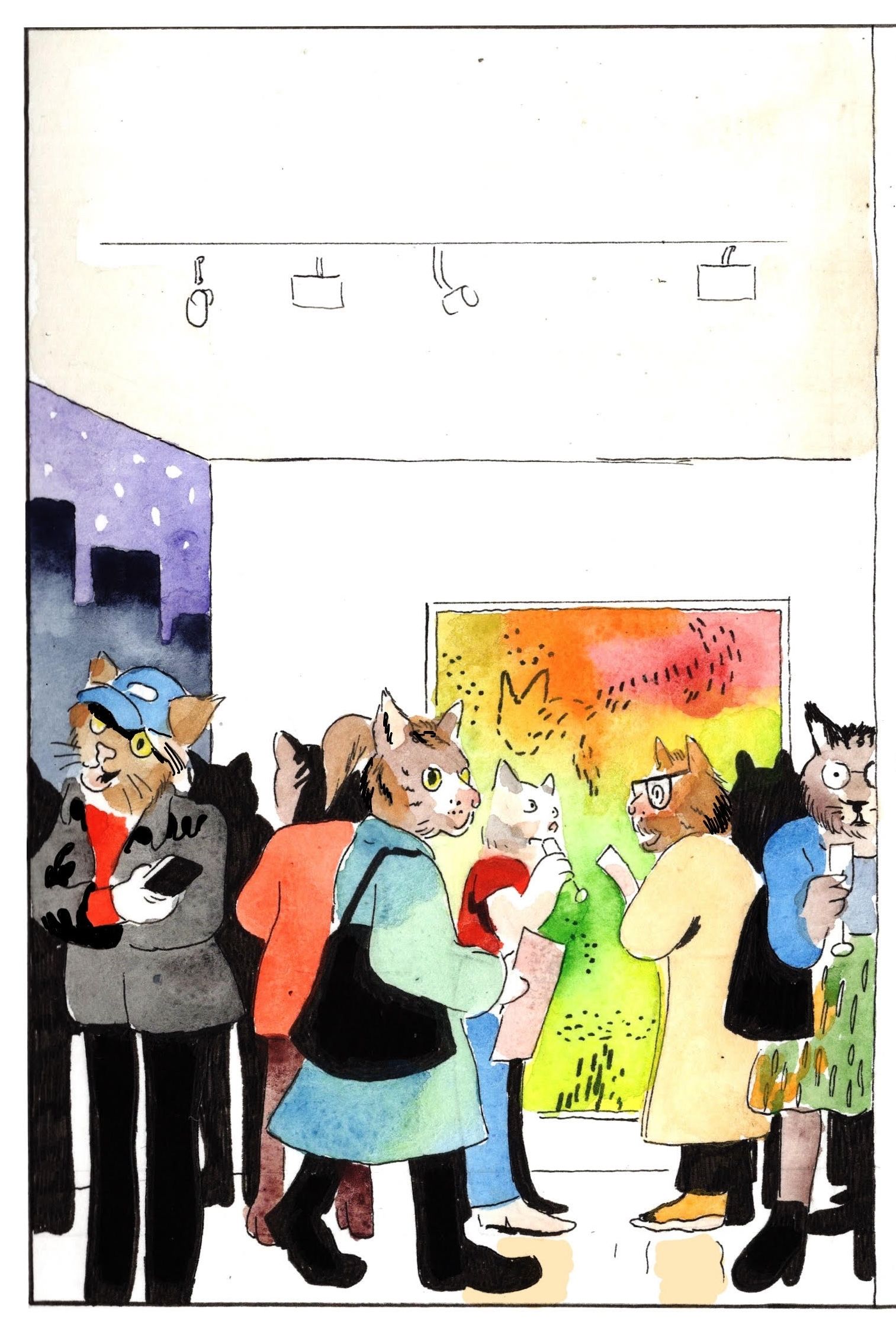
The multidisciplinary artist Jonathan Baldock found himself in a similar position last month. Having been represented by Friedman since 2019, decades worth of his work was on consignment with the gallery. “I found out very shortly before the gallery formally entered administration, and everything happened incredibly quickly,” he tells me. He learned that, if he wanted to access his work, he would have to pay the gallery’s outstanding storage debts alongside a host of other costs.
With the total bill in the tens of thousands of pounds, Baldock made the difficult decision to have more than half of it destroyed. Though he doesn’t see the experience as an invitation to become cynical about working with galleries, it “has made very clear how fragile the financial ecology around making art can be,” he says. Ocula approached Friedman Gallery’s administrators regarding Baldock’s comments, but received no response.
“If you step back in a way that looks like you’re in trouble, your small troubles will become huge troubles overnight”
The main reason for the here today, gone tomorrow exit strategy of waning galleries is a perceived imperative for dealers to appear successful. Implicitly or explicitly, art is often bought and sold as an investment. Inevitably, collectors tend to want to back winners rather than purchase from a gallery that they perceive to be struggling.
This leads many gallerists into a kind of double life where their ever-optimistic public faces mask significant financial worries. At Frieze Seoul last September, I overheard two very different versions of a conversation between a journalist and a prominent dealer. On the record, the gallerist breezily described, in vague terms, a positive reaction to their booth and strong sales. Yet when the journalist stopped the tape, they confessed that the fair had, in fact, been a complete disaster.
“Because the art market is a faith-based system, as soon as people hear a rumour that you’re in trouble, they stop buying from you and your artists leave,” says Darren Flook, who closed his own London gallery in 2023. “If you step back in a way that looks like you’re in trouble, your small troubles will become huge troubles overnight.”
“It’s a question of confidence,” Georgina Adam reflects, adding that artists who perceive their galleries to be struggling are also disincentivised to raise alarms, even if it means keeping quiet about missed payments. “They daren’t say anything because they daren’t precipitate bankruptcy and end up getting nothing.”
“ The difference between success and failure for many galleries could be just one or two big sales”
Unlike in industries where transactions are more frequent but lower in value, the difference between success and failure for many galleries could be just one or two big sales. This can incentivise optimistic dealers to resist closure until the absolute last minute. “The art market is a weirdly optimistic thing,” Flook tells me. Adam agrees: “If you’re getting 50 percent and you’re waiting for a sale that’s a million, that’s £500,000, which will help your gallery keep going for a bit longer.”
For struggling galleries, the problem is compounded by the high price of keeping up appearances and creating opportunities for that deus ex machina sale. The costs of shipping artworks around the world, constantly travelling and hosting lavish dinners and blowout parties can be ruinous, and seem easy to avoid. But for dealers, to step off this financial hamster-wheel is to invite speculation about your financial wellbeing, potentially beginning the vicious cycle of doubt and instability.
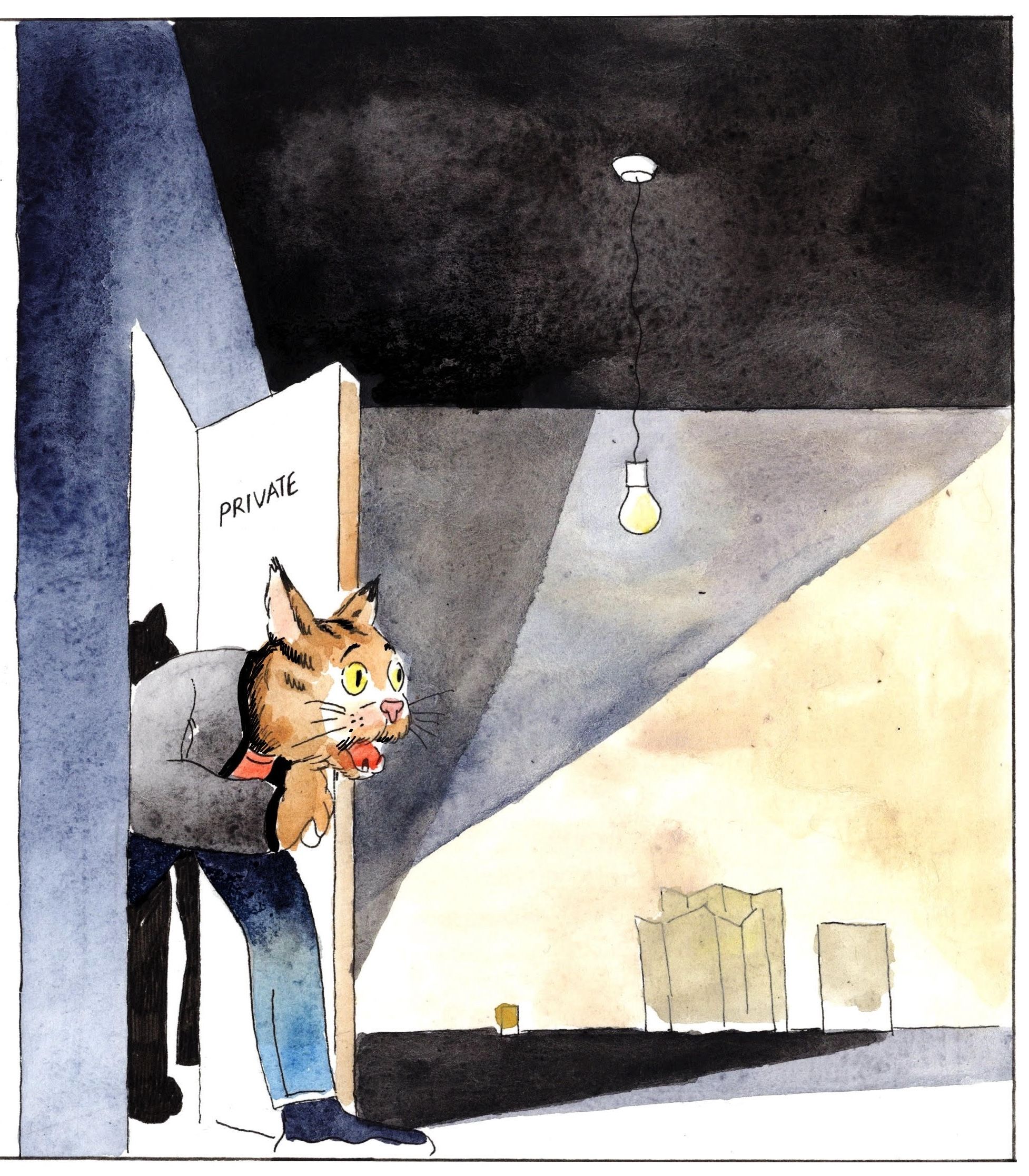
Art fairs are the locus of this pressure. They have dealers, to use Georgina Adam’s phrasing, “over a barrel”. Just months before closing, Blum spent $450,000 on showing at Art Basel Hong Kong. When the international gallery Clearing closed in 2025, its owner Olivier Babin lamented that “with Basel you can’t get away with less than $80,000 for a small booth”. For a gallery already facing uncertainty, it is a cost that could be a fatal financial blow.
While researching this column, I heard a particularly poignant story about the personal lengths one dealer, who wishes to remain anonymous, has gone to in order to maintain a façade of success. They are currently working evening shifts at a bar to offset the loss their gallery is making. Without a wealthy family background to fall back on, they feel they have no option but to hide the financial reality they are facing as best they can.
“There’s a growing tide of opinion against art being positioned as an asset class”
It doesn’t seem healthy for the market—for artists, for dealers or for their staff—that those who keep the lights on in galleries feel such pressure to project an image of perfect health regardless of the reality. But to change this state of affairs would likely involve a fundamental shift in the spirit in which art is bought and sold.
There’s a growing tide of opinion against art being positioned as an asset class. Marc Spiegler, the former global director of Art Basel, argued in Business of Fashion last year that art should be sold not as a financial instrument but “as an Instagramable, sapiosexy pleasure for the wealthy, high IQ set”. Similarly, art market journalist Scott Reyburn writes that significant growth in the art market is currently happening where “people are simply buying art to decorate their interiors”. Neither value proposition is likely to set the hearts of artists racing, but they could be better than the current one.
Spiegler and Reyburn may simply be realists. It’s unlikely that the art market could trade at the volume it does today based on the deep and sincere appreciation of the work alone. But if it could move away from pitching art as an investment and towards encouraging collectors to purchase work that they actually want to live with, then at least the attractiveness of an artwork purchase wouldn’t be so staked on the prospects of the gallery offering it.
However, in a world where artworks are often sold directly into storage and tech companies are building machine learning models to help determine their value, even this vision remains utopian. —[O]












A respected voice in contemporary art discourse.
Focusing on ambitious storytelling and insightful art-world commentary. Ocula Magazine publishes in-depth interviews, critical essays and timely analysis on the artists, exhibitions and ideas driving the global art world.
Learn more about Ocula Magazine
Showcasing the best of the art world.
Ocula partners with galleries from around the world to highlight their artists, artworks and exhibitions. Gallery membership is by application and invitation, with each member vetted by an independent panel.
Learn more about Ocula Membership
Specialises in the sale of major artworks.
Led by a team with deep ties to the world’s leading auction houses, galleries and collectors. Ocula’s advisory team offers bespoke services to high-net-worth clients from around the world who are looking to acquire the best of contemporary and modern art.
Learn more about our team and services