





‘Everything Has Been So Cleaned Up’: Modern Imitations Lack Nan Goldin’s Immediacy

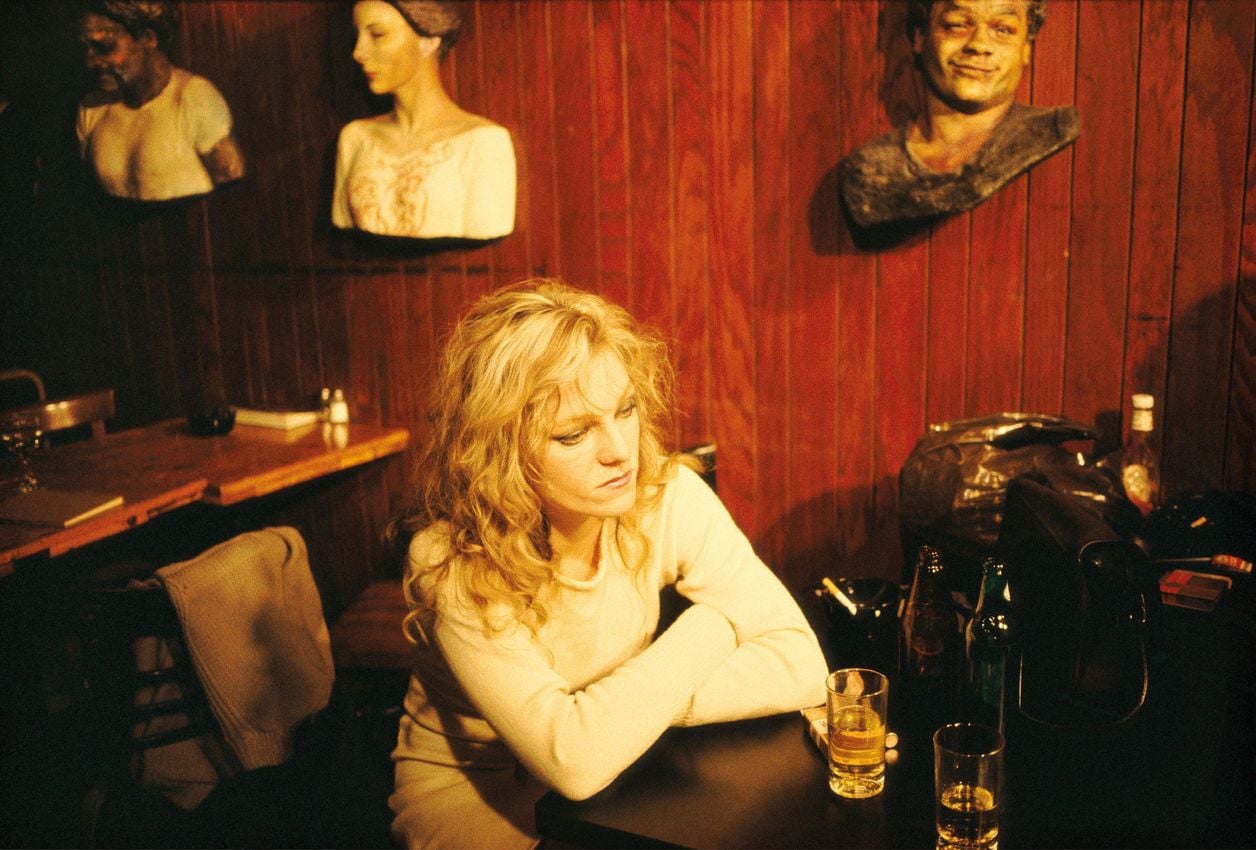


When I saw The Ballad of Sexual Dependency, 1973-86 for the first time as a teenager almost a decade ago, I really wanted to dislike American photographer Nan Goldin’s era-defining series, shot in downtown New York against the backdrop of the AIDS crisis. To my eye, Goldin’s influence is clear in the image-making that now circulates online among a new generation keen to align itself with the nostalgic signifiers of counterculture. Dazed magazine shoots, the work of British subculture photographer Ewen Spencer, or snapshot photography in general… they all gave me a pre-emptive, perma-dislike of the source material. Yet one image from the series, Goldin’s Cookie at Tin Pan Alley, New York City (1983), struck me, reminding me why the artist could not be held responsible for the imitations that followed.
At the composition’s centre is the late Cookie Mueller: actress, writer, poet, and foundation of Nan Goldin’s chosen family (or what she has referred to as “the tribe”), sat alone in Tin Pan Alley, a Times Square bar in New York where Goldin previously worked as a bartender. On the timber walls behind her are mounted wood-carved sculptures—like medieval reliquary busts—cut off at the shoulders. Mueller is a magnetic force, described by American writer Gary Indiana in his biography Edgewise: A Picture of Cookie Mueller (2014) as a figure who “galvanised people, electrified people”. She is captured by Goldin as she sits daydreaming, looking downwards and away from the camera’s lens. Mueller’s facial muscles have softened to an angelic, child-like disposition against the rough, kitschy expressions of the communion of sculptures assembled behind.

From the over-saturated, blurry messes of American streetwear brand Supreme’s “resident photographer” to the deliberately askew afterparty shots published the morning after exclusive events such as the Oscars or the Met Gala, in which a jaunty angle is common currency, flash film photography has become synonymous with a largely futile search for the analogue in a digital world. These commercialised attempts rehash the singularity of Goldin’s series and her frank approach to alternative forms of community, friendship and love through an applied aesthetic, reducing the contemporary realities of the original to nothing more than visual signifiers. As Goldin noted in The Ballad of Sexual Dependency photobook (1986): “These pictures come out of relationships, not observation.”
“Flash film photography has become synonymous with a largely futile search for the analogue in a digital world”
The images stand as a diatribe against their poor imitators. Goldin has stated that she wishes there was no distance between her and her camera, that it would be a mechanical extension (like Shinya Tsukamoto’s salaryman in the 1989 sci-fi horror film Tetsuo: The Iron Man) from her arm. In contrast, a new generation, for whom the analogue camera is inherently an affectation and not a necessity, wield their apparatus as an obfuscatory tool between them and their subject: a thick, viscous veil seeped in nostalgia which separates them from the real.
As Indiana writes at the beginning of his horny, epic novel Do Everything In the Dark (2003): “Zeitgeist is a historian’s favourite hallucination.” He describes a 1980s downtown New York scene in which people’s lives, sexual relationships and art were all wrapped tightly around the same maypole. In his fictionalised memoir of his experiences during this period in pre-gentrified New York—a time and place many continue to romanticise today—Indiana chooses to see the present’s continued cannibalisation of the past as a detriment.
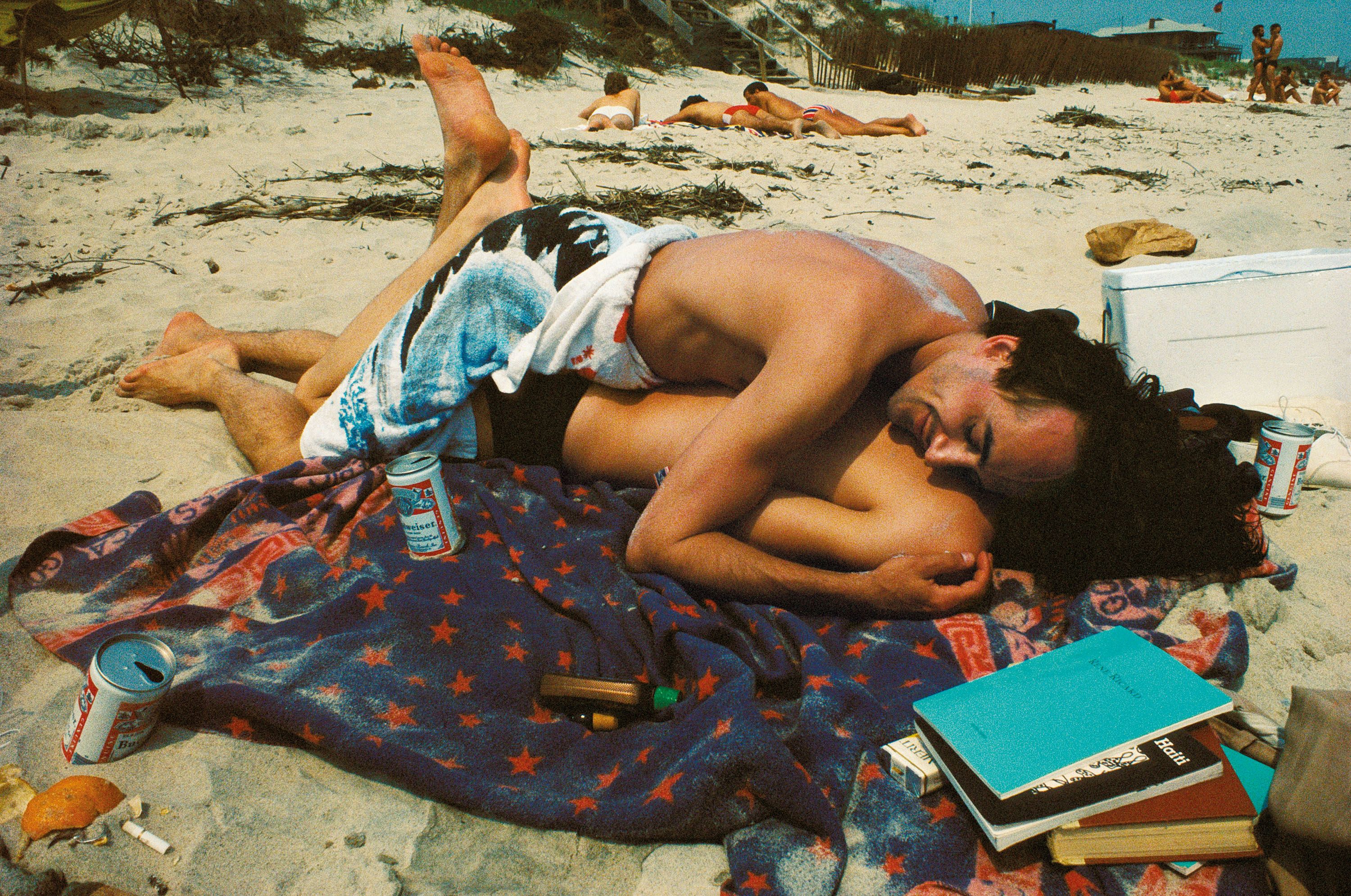
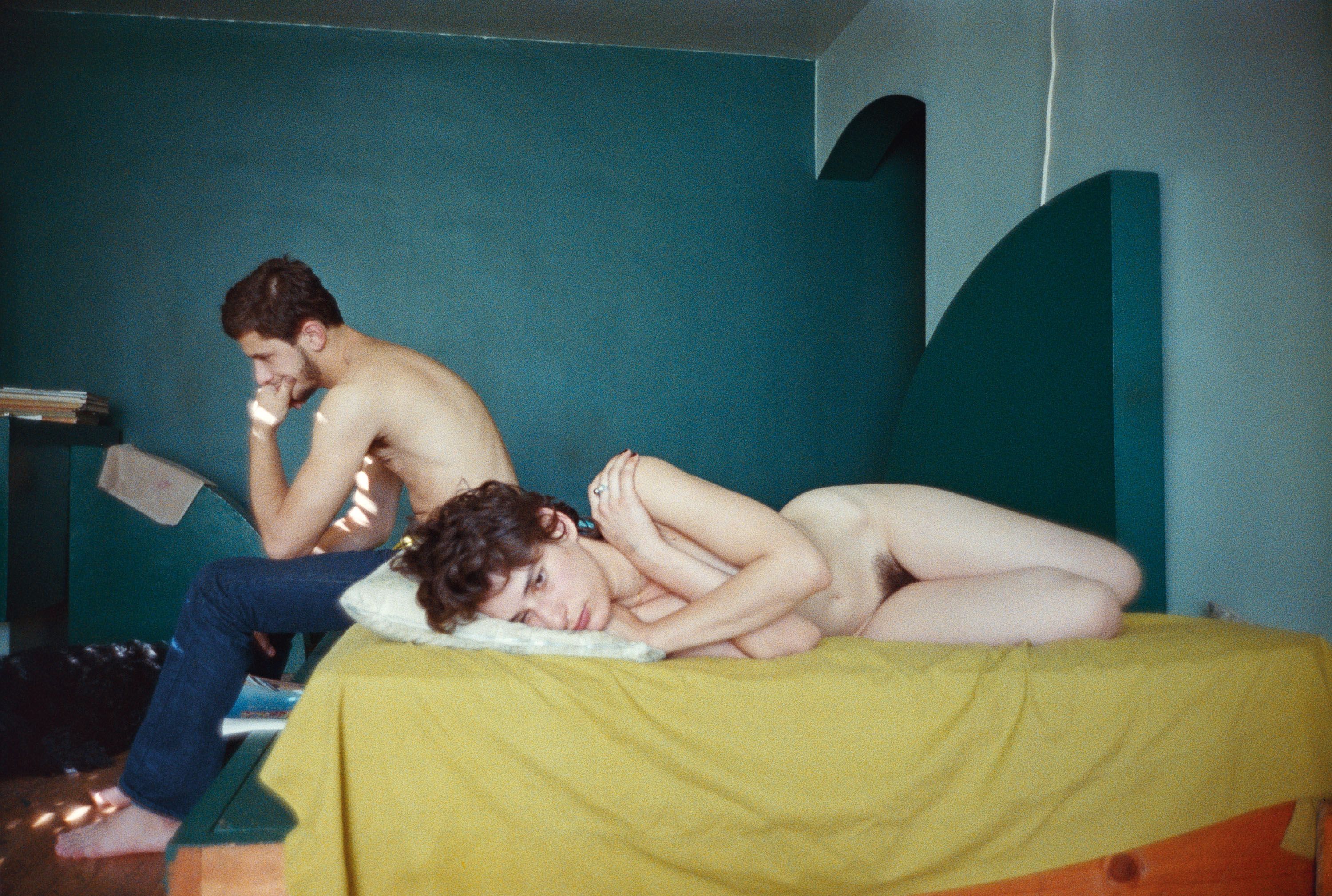
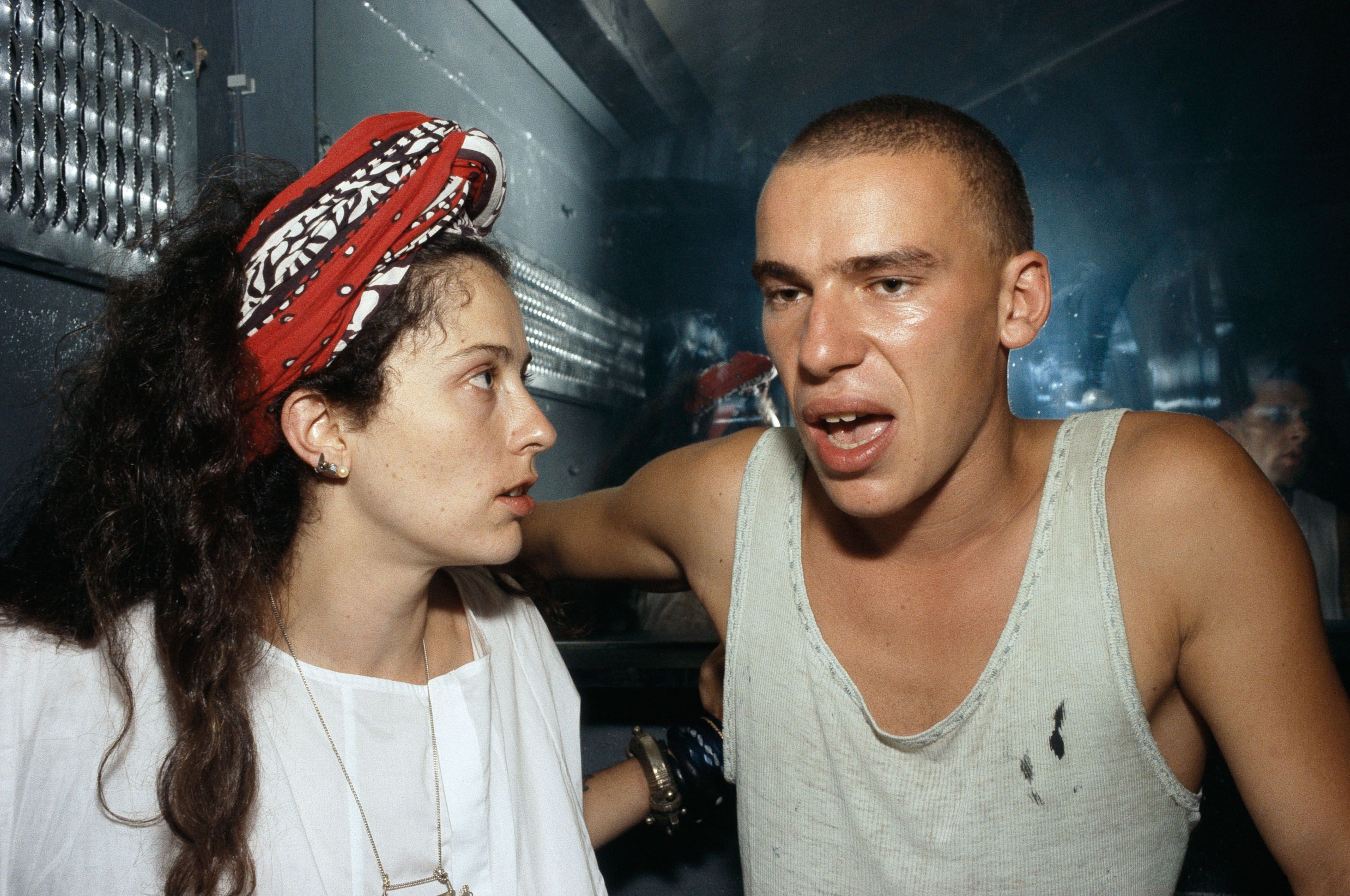
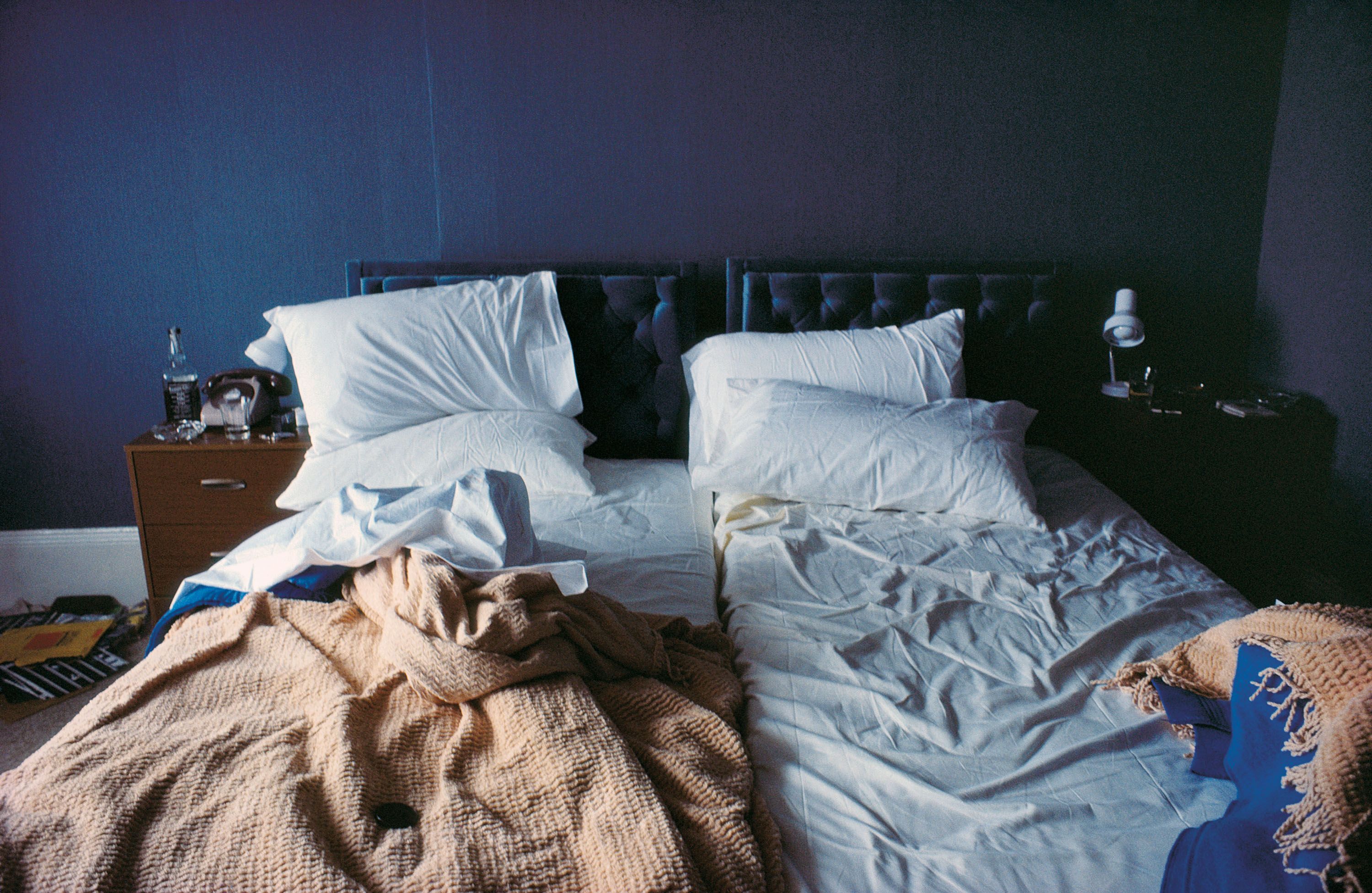
The entirety of The Ballad of Sexual Dependency, 1973-86 is currently on display at Gagosian in London, all 126 images framed and displayed as a grid across the walls of the pocket-sized space. As I moved from image to image, I saw that the zeitgeist cannot be faked. The immediacy of these images of glamour and creativity against the odds, and of life at the margins, is lost when translated by luxury and fashion brands into nothing more than a visual reference and buried in the clamour of celebrity, with the edges sanded down for media safety.
“As I moved from image to image, I saw that the zeitgeist cannot be faked”
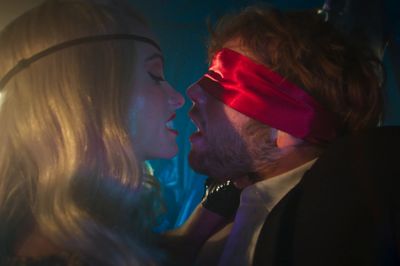
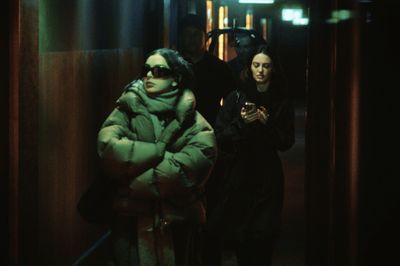
Goldin’s own 2024 photo and video campaign for Gucci, We Will Always Have London, is the prime example of The Ballad’s genius inverted. The short feature film for Gucci sees Blondie frontwoman Debbie Harry and a gaggle of models in a montage-like facsimile of The Ballad in a slideshow format set to music—as The Ballad’s first iteration was presented by Goldin in 1980 at The Times Square Show. Yet the stilted expression of the models and the impositions of the luxury clothing render it unrecognisable as an ode to the heartrending sentiment of loss, or love, behind The Ballad. Like a balmy wax figure imitation of a celebrity, We Will Always Have London misses the mark through malformed aesthetic hallmarks.
In a 2003 interview with Artforum, Goldin recalled that during the 1980s, she didn’t want anything to do with the methodology of the fashion photographer. Her work wasn’t about sex, or drugs, or recognisable faces. It was about family. Now, The Ballad has been subsumed into a collective longing for the past, her memories fragmented through their continued influence. As she says in the afterword to the 2021 reprinted edition of her The Ballad of Sexual Dependency photobook, written 35 years after the original was first published, “Everything has been so cleaned up.” The grime, now, is just hallucinated. —[O]








A respected voice in contemporary art discourse.
Focusing on ambitious storytelling and insightful art-world commentary. Ocula Magazine publishes in-depth interviews, critical essays and timely analysis on the artists, exhibitions and ideas driving the global art world.
Learn more about Ocula Magazine
Showcasing the best of the art world.
Ocula partners with galleries from around the world to highlight their artists, artworks and exhibitions. Gallery membership is by application and invitation, with each member vetted by an independent panel.
Learn more about Ocula Membership
Specialises in the sale of major artworks.
Led by a team with deep ties to the world’s leading auction houses, galleries and collectors. Ocula’s advisory team offers bespoke services to high-net-worth clients from around the world who are looking to acquire the best of contemporary and modern art.
Learn more about our team and services