





Reframing Rotterdam: Is Europe’s Largest Port Entering a Cultural Golden Age?
Ocula looks at how a succession of new museums are spearheading a citywide cultural regeneration and cementing Rotterdam’s place on the European cultural map. Save to My OculaAs Europe’s largest port, Rotterdam has long been a centre of Western European industry, along with its role as a beacon of modernist architecture and postwar resilience. But while the city’s history plays a huge role in defining its present identity, local stakeholders are convinced that the best is yet to come as its cultural life enters a new era.
Fons Hof, director of contemporary art fair Art Rotterdam, says while Rotterdam is inherently a production city—that doesn’t just have to apply to its industrial sector.
‘This has always been true economically, with the port as its driving force, but it is equally true culturally. Nowhere else in the Netherlands are so many cultural creators—architects, artists, and designers—actively working.’
He credits this energetic creative base with supporting the cultural surge now underway.
‘Rotterdam breathes the feeling that anything is possible.’
Hof also highlights the city’s unique openness to transformation. ‘While other city centres have become museums where nothing may be changed, Rotterdam’s dynamism is unparalleled. Historic port buildings in the heart of the city are being given new cultural purposes, transforming the city’s energy in profoundly positive ways.’

According to Wim Pijbes, the former director of the Rijksmuseum and now director of the Droom en Daad Foundation, ‘Rotterdam is now ready for its third golden age’.
Pijbes traces this cultural momentum back to two earlier peaks in the city’s development: the 17th-century Dutch Golden Age and the interwar roaring twenties, when the city thrived as a hub of modernism and international trade: ‘And now, in the roaring twenties of the 21st century, we are seeing a new era of revival’.
Meanwhile, Anne Kremers, director of the newly opened Fenix Museum of Migration, says Rotterdam is a city created by the movement of people.
‘It’s a city of departure and arrival—and that’s what makes it so powerful.’

A City Shaped by Destruction and Renewal
Rotterdam remains marked by a spring day more than 85 years ago. In just 15 minutes on 14 May 1940, German bombs destroyed around 25,000 homes and 11,000 buildings in the city, killing nearly 900 people and leaving approximately 85,000 without homes. Fires ignited by incendiary bombs burned uncontrollably for days, devastating infrastructure, eradicating historic architecture and permanently reshaping Rotterdam’s urban landscape.
But today, the city is on the brink of transformation. Landmark redevelopments of institutions like the Nederlands Fotomuseum (NMP) and Fenix, combined with a broader revitalisation of its historic port districts and a dynamic existing arts ecosystem, are positioning the Dutch port as one of Europe’s most compelling cultural destinations.



The New Face of Rotterdam’s Museums
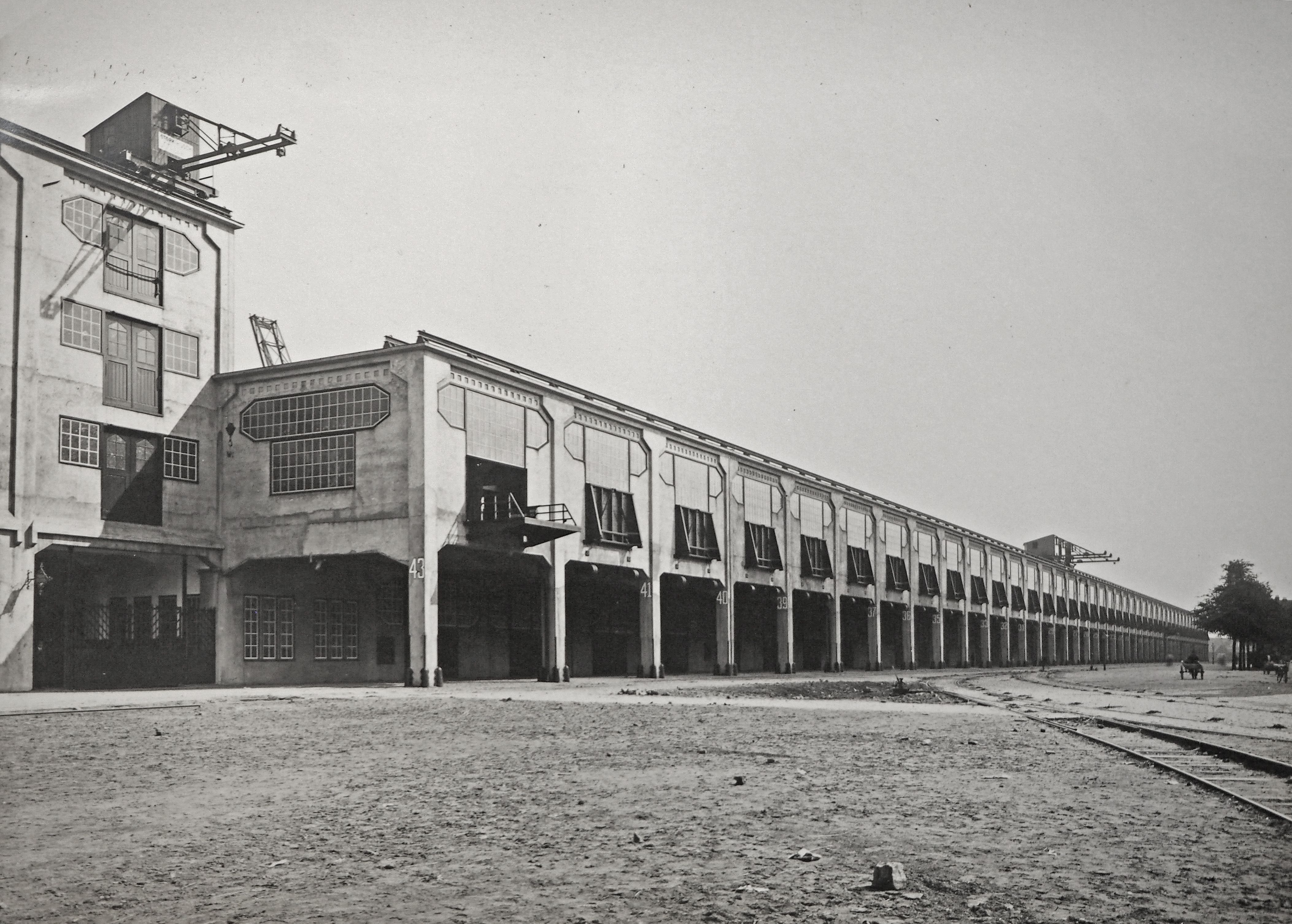
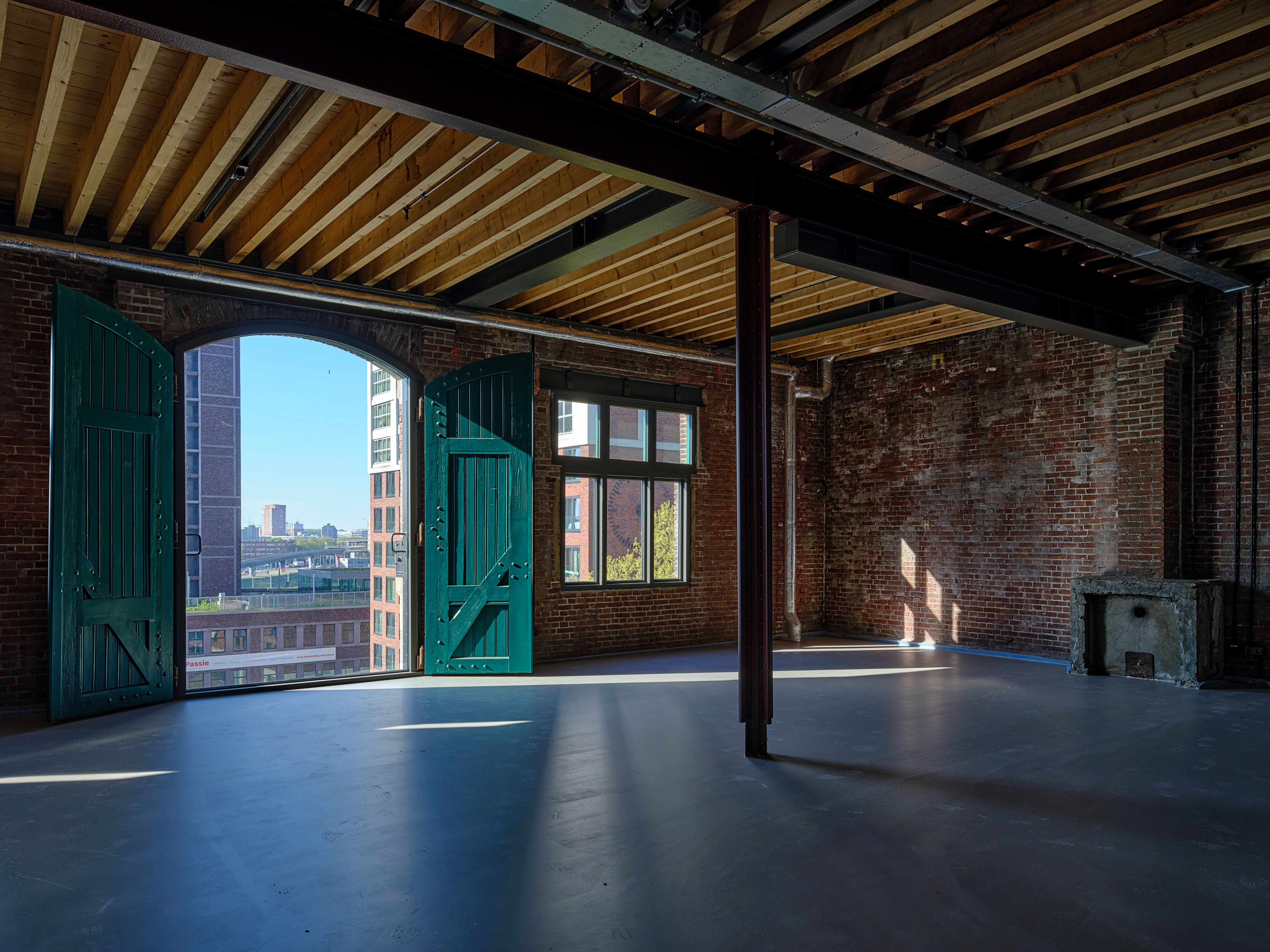
This autumn, the Nederlands Fotomuseum will relocate to the Santos warehouse in Rijnhaven, a monumental 1902 building originally used for storing Brazilian coffee. The restored eight-storey structure will house one of the world’s largest photographic archives, with over 6.5 million images.
As one of the few state-funded museums dedicated solely to photography in the world, NMP combines collection, public programming, and elite conservation under one roof.
The reopening positions it alongside international peers like the International Center of Photography Museum in New York and C/O Berlin, while offering something unique: visibility into the processes of preservation and photographic storytelling across centuries.
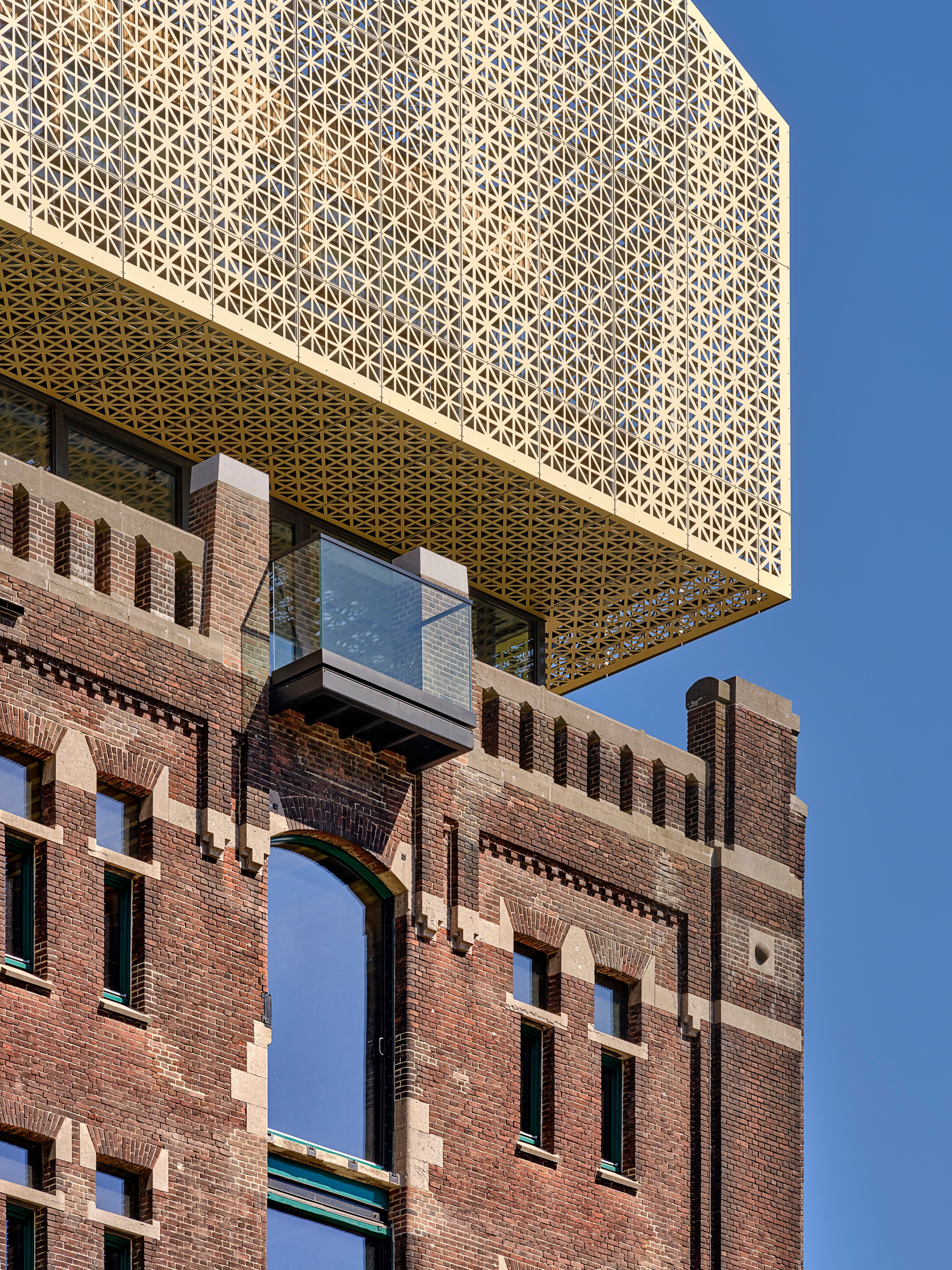
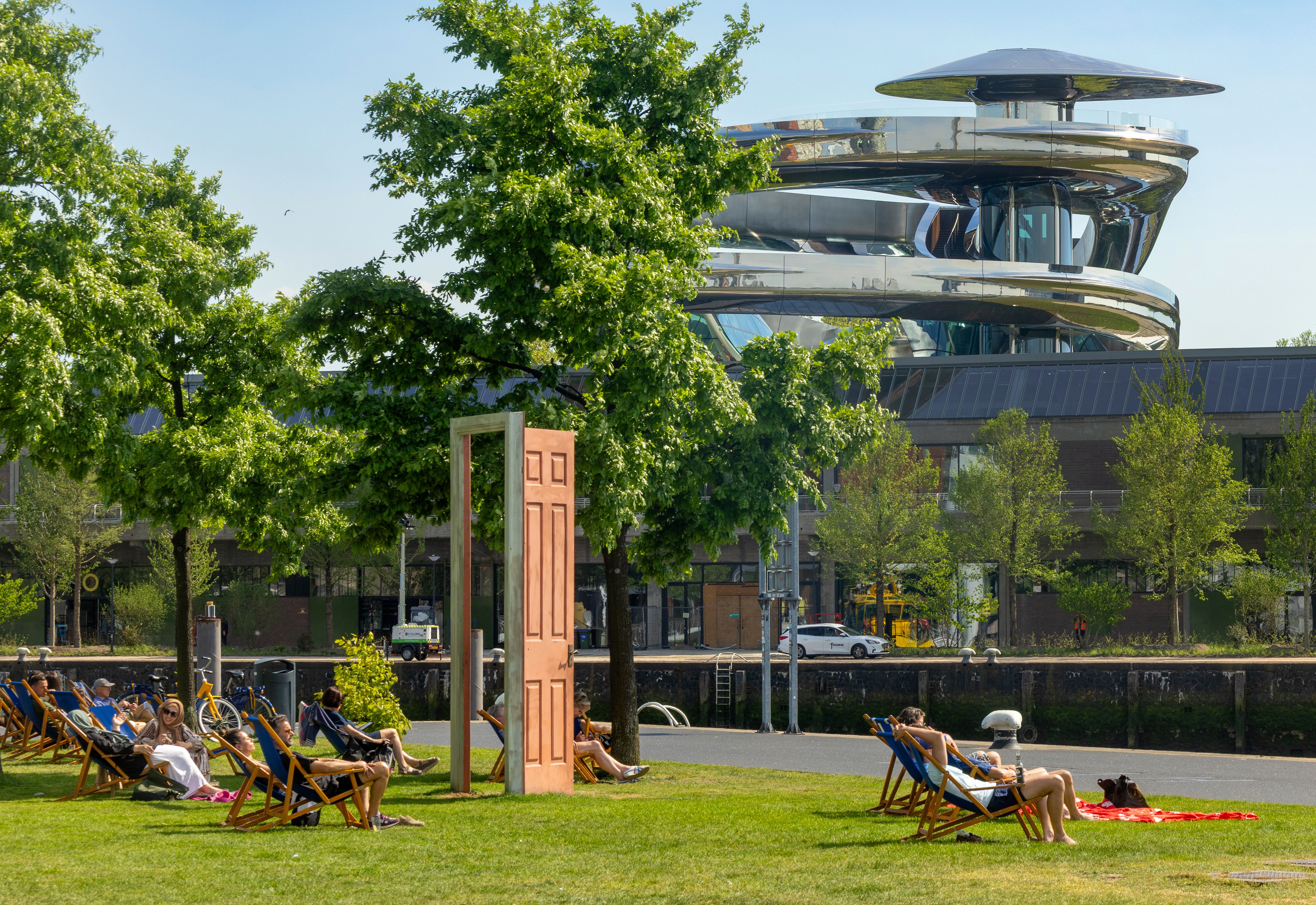
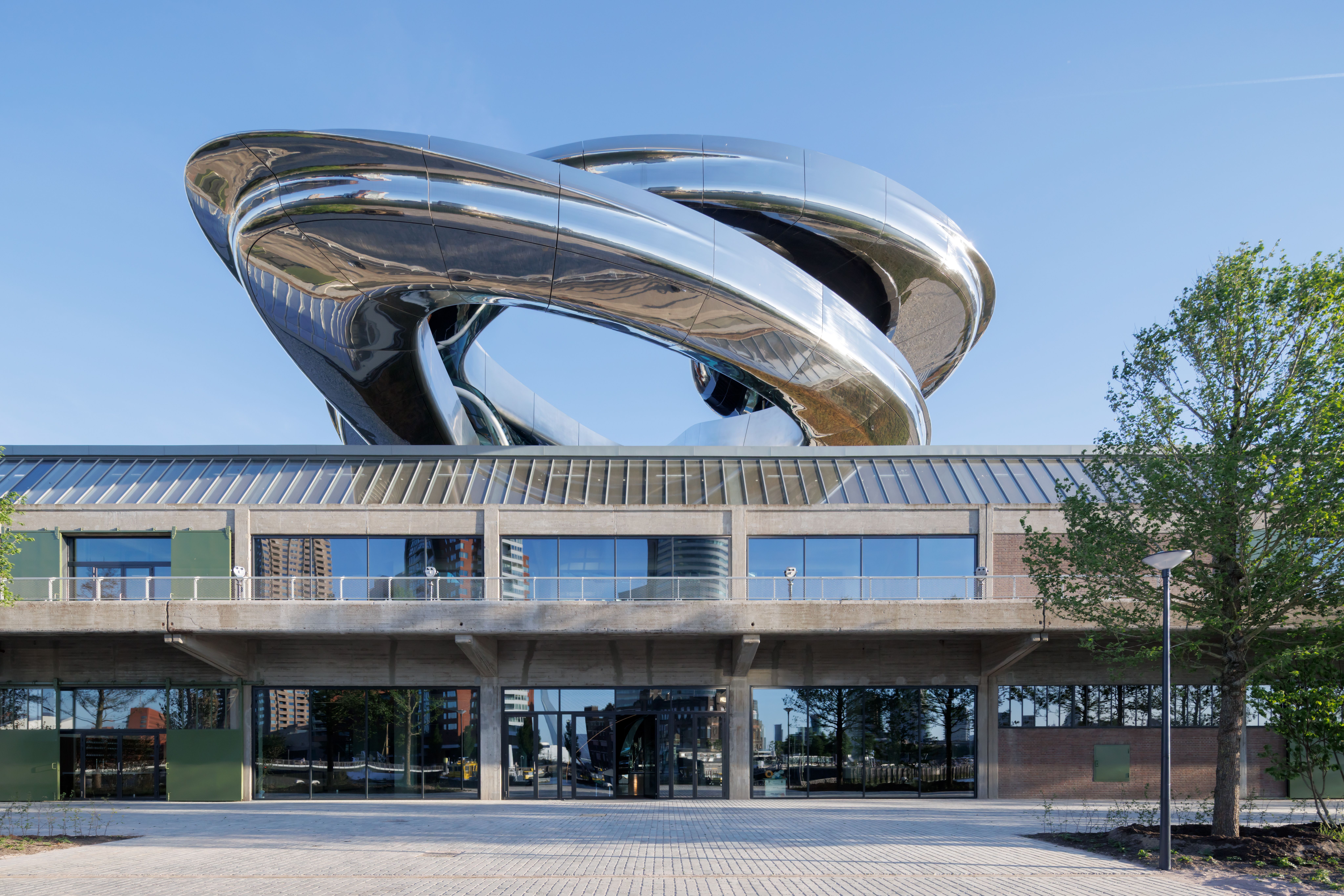
Meanwhile, over the harbour in Katendrecht, another transformation is underway with the opening of the Fenix museum in a historic warehouse redesigned by Ma Yansong of the Beijing-based firm MAD Architects.
Fenix is dedicated to the theme of migration—a natural fit for a port city that has long been a gateway to and from Europe.
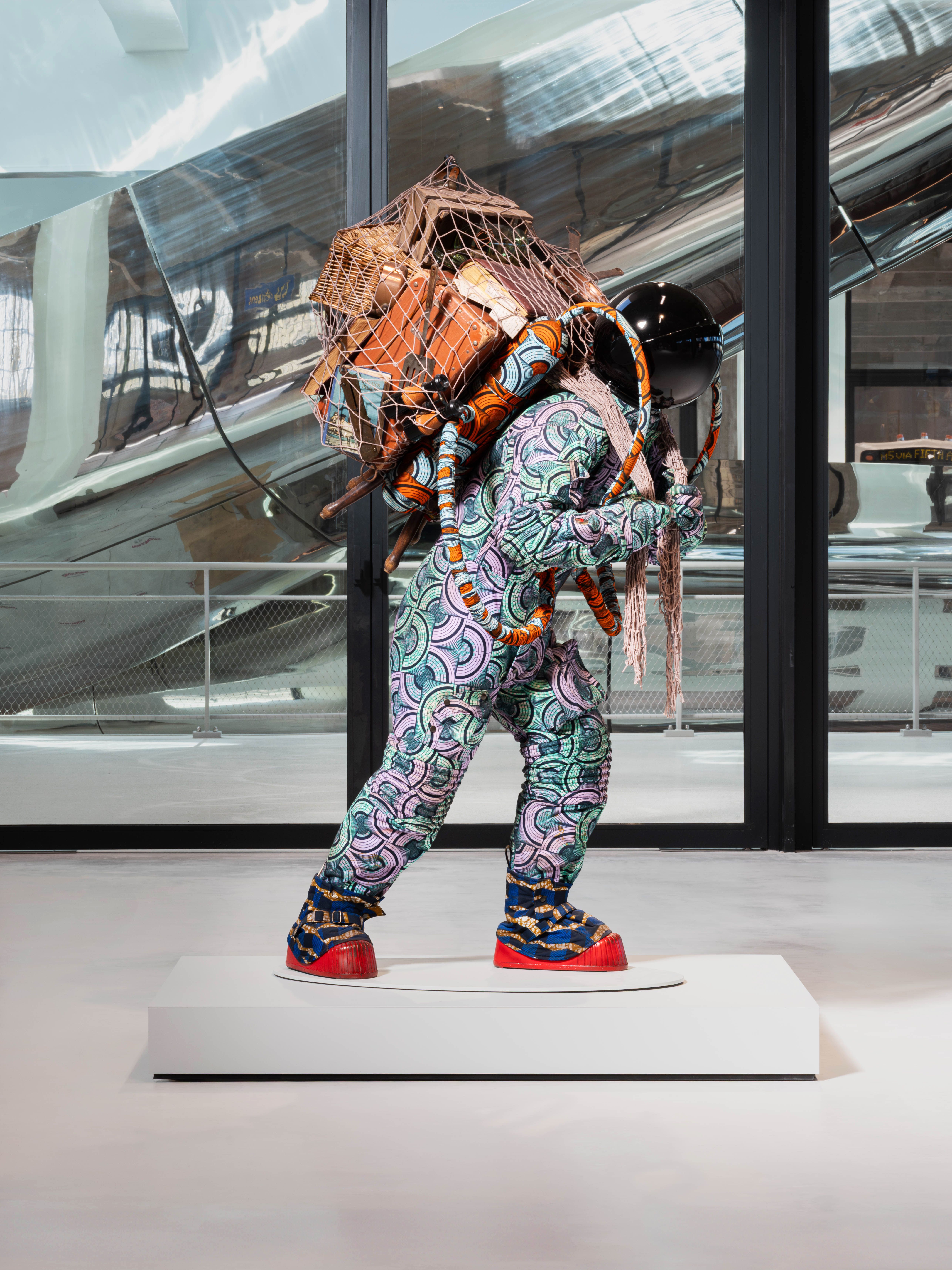
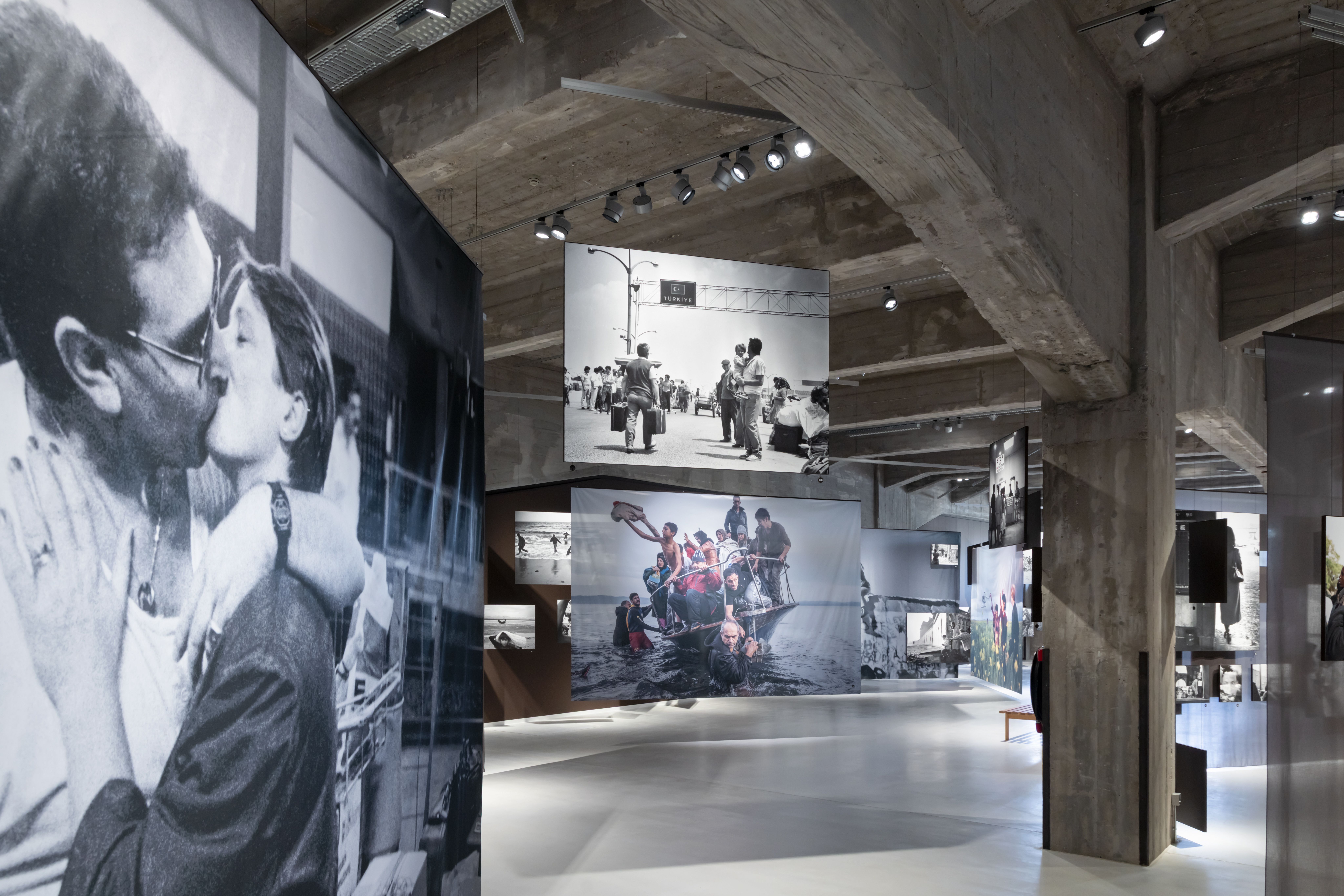
The inaugural exhibition, The Family of Migrants (on show now), draws inspiration from Edward Steichen’s 1955 exhibition The Family of Man at New York’s Museum of Modern Art and features 194 photographs from 55 countries, including Dorothea Lange’s portrait of Florence Owens Thompson, Migrant Mother (1936), and Steve McCurry’s famed portrait of Sharbat Gula (Afghan Girl, 1984).

Museum director Kremers says it’s the history of departures and arrivals that make Rotterdam—and the museum itself—such a powerful place: ‘The museum stands opposite the former headquarters of the Holland America Line, from where millions of people set out to build new lives across the Atlantic. That physical and emotional sense of movement is part of the building itself.’
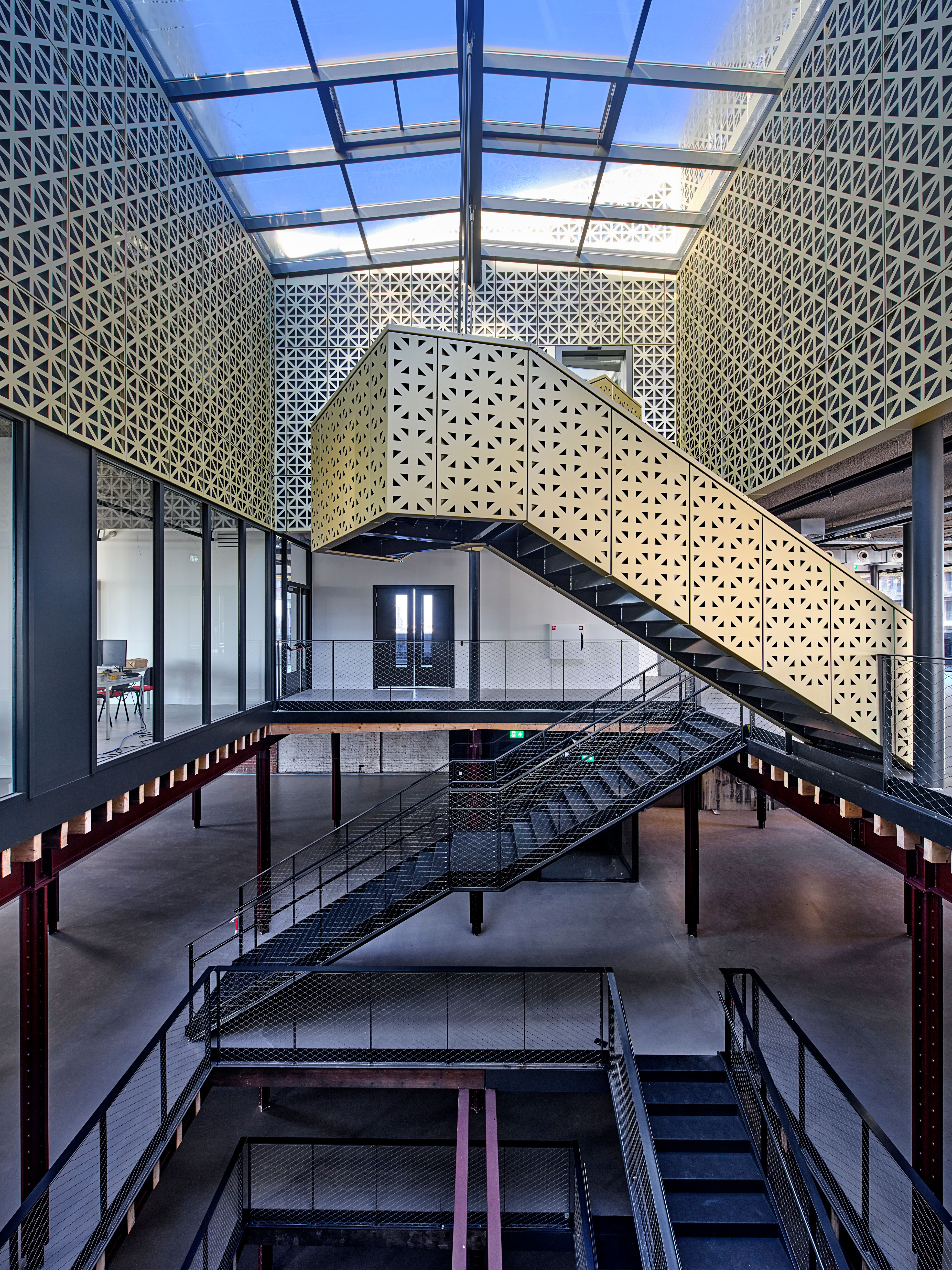
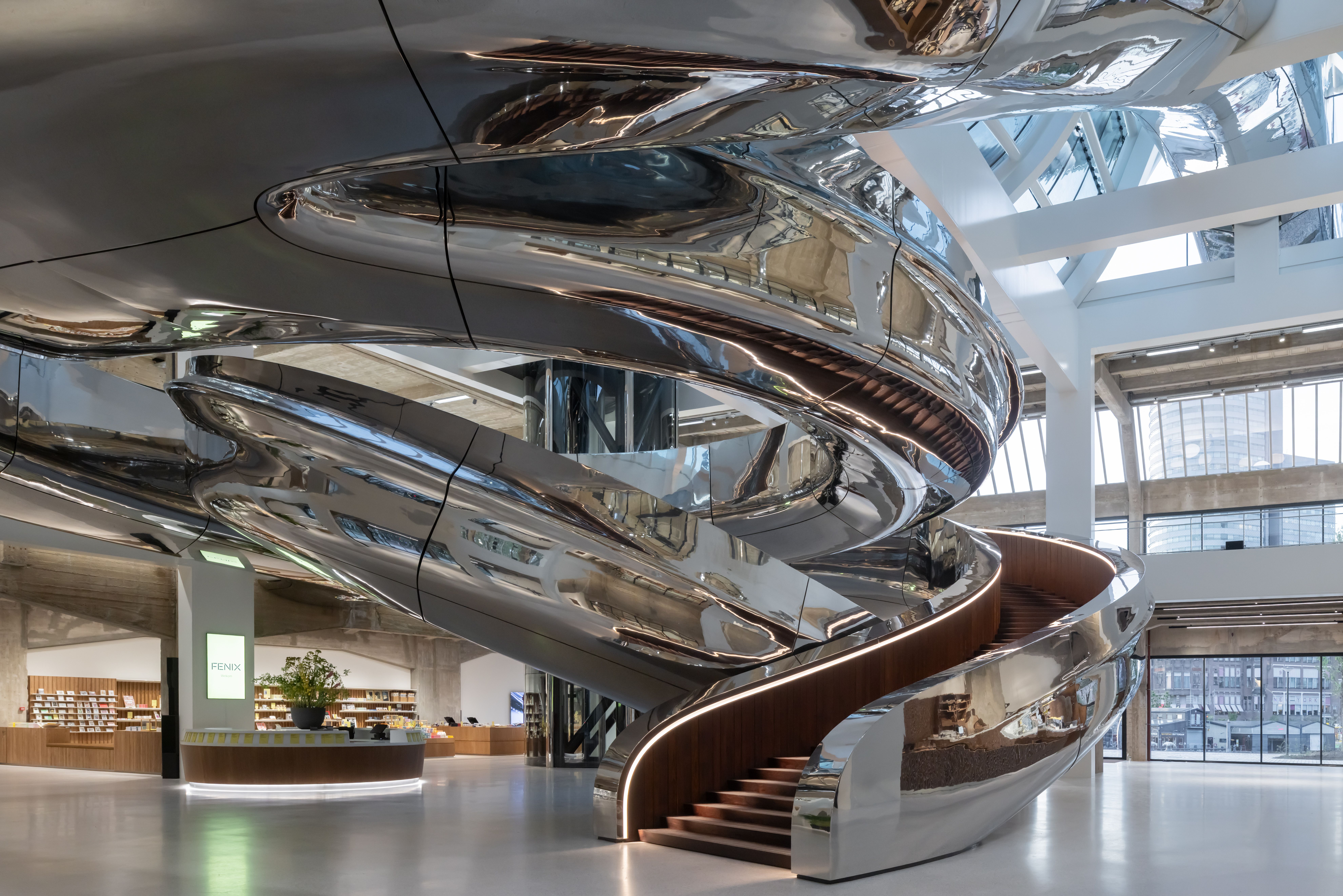
Architecturally, Fenix embodies this ethos. Kremers describes the museum’s centrepiece—a double-helix form of two intertwined staircases rising through the atrium, allowing visitors to ascend from the base of the building in multiple ways—as ‘a metaphor for the journey of the migrant.’
‘You’re not really sure where you’re heading,’ Kremers explains. ‘But the only way is up.’

A Citywide Cultural Regeneration
The transformation of former industrial districts like Rijnhaven and Katendrecht into cultural destinations suggests a wider shift: Rotterdam embracing its layered histories while investing in a creative future.
Rotterdam’s embrace of modernist urban planning following the devastation of the 1940 bombing also plays a significant role in its identity. Pijbes describes how, in the postwar era, the city centre was intentionally cleared to create space for cars, retail, banks, and cultural institutions—leading to an urban landscape that was functional but depopulated.
‘Only ten years ago did we start asking, “Where are the people?” It took decades for the city centre to re-emerge as a place for living.’
Now, that shift is accelerating.
‘You suddenly see a new ambition popping up all over the city,’ says Pijbes. ‘With Fenix, the photography museum, the Museum Boijmans Van Beuningen renovation, and other new infrastructure projects, Rotterdam is entering a fresh cultural wave.’
Another example of impending change can be seen in the Merwe-Vierhaven area, where artist Joep van Lieshout is developing the Brutus complex—a vast creative site combining exhibition spaces, studios, housing, and social programming. These are the kinds of projects, Hof says, that help place Rotterdam firmly on the international cultural map.

‘When we started Art Rotterdam 26 years ago, the prevailing sentiment among galleries was that there were no art buyers in Rotterdam,’ Hof says.
It’s a perception that has completely reversed: ‘Rotterdam’s economic potential has grown enormously, and many of the Netherlands’ most important new collectors now come from Rotterdam’.
Rotterdam is better known for its ports and modernist skyline than its art—but that’s changing fast. With cultural landmarks like the Santos and Fenix buildings and a rising generation of artists, curators, and architects shaping the future, Rotterdam is proving itself to be a cultural capital of the moment. —[O]
Main image: Fenix Museum of Migration, Rotterdam. Photo: © Iwan Baan.


A respected voice in contemporary art discourse.
Focusing on ambitious storytelling and insightful art-world commentary. Ocula Magazine publishes in-depth interviews, critical essays and timely analysis on the artists, exhibitions and ideas driving the global art world.
Learn more about Ocula Magazine
Showcasing the best of the art world.
Ocula partners with galleries from around the world to highlight their artists, artworks and exhibitions. Gallery membership is by application and invitation, with each member vetted by an independent panel.
Learn more about Ocula Membership
Specialises in the sale of major artworks.
Led by a team with deep ties to the world’s leading auction houses, galleries and collectors. Ocula’s advisory team offers bespoke services to high-net-worth clients from around the world who are looking to acquire the best of contemporary and modern art.
Learn more about our team and services