





From Dunes to DIY Rooms: A Flying Tour of New England’s Buoyant Art Scene
Save to My OculaBoston-based artist Jak Ritger takes us on a tour of the vital and lesser-known sights for art and architecture enthusiasts in Massachusetts and Rhode Island this summer.

Hidden Treasures and Severe Beauty Out on the Cape
Provincetown (aka P-town)—located at the very tip of Massachusetts’ Cape Cod—is the United States’ oldest continuous art colony. It’s also one of the most unique art destinations in the world—part queer paradise, part beach escape, part nature reserve, part artist enclave—which is part of the reason why it’s flooded with visitors every summer.
The trip from Boston to P-town is easy: first go to Albert’s Market on Cambridge Street and get a Meinklang or Saison Dupont for the trip, then take the ferry or drive down (the trip takes a little over two hours either way). Once you arrive, do the Dune Shacks Trail hike (P-town is known for its protected sand dunes, which make it look like Zabriskie Point), or hike the Great Island Trail for spectacular views.
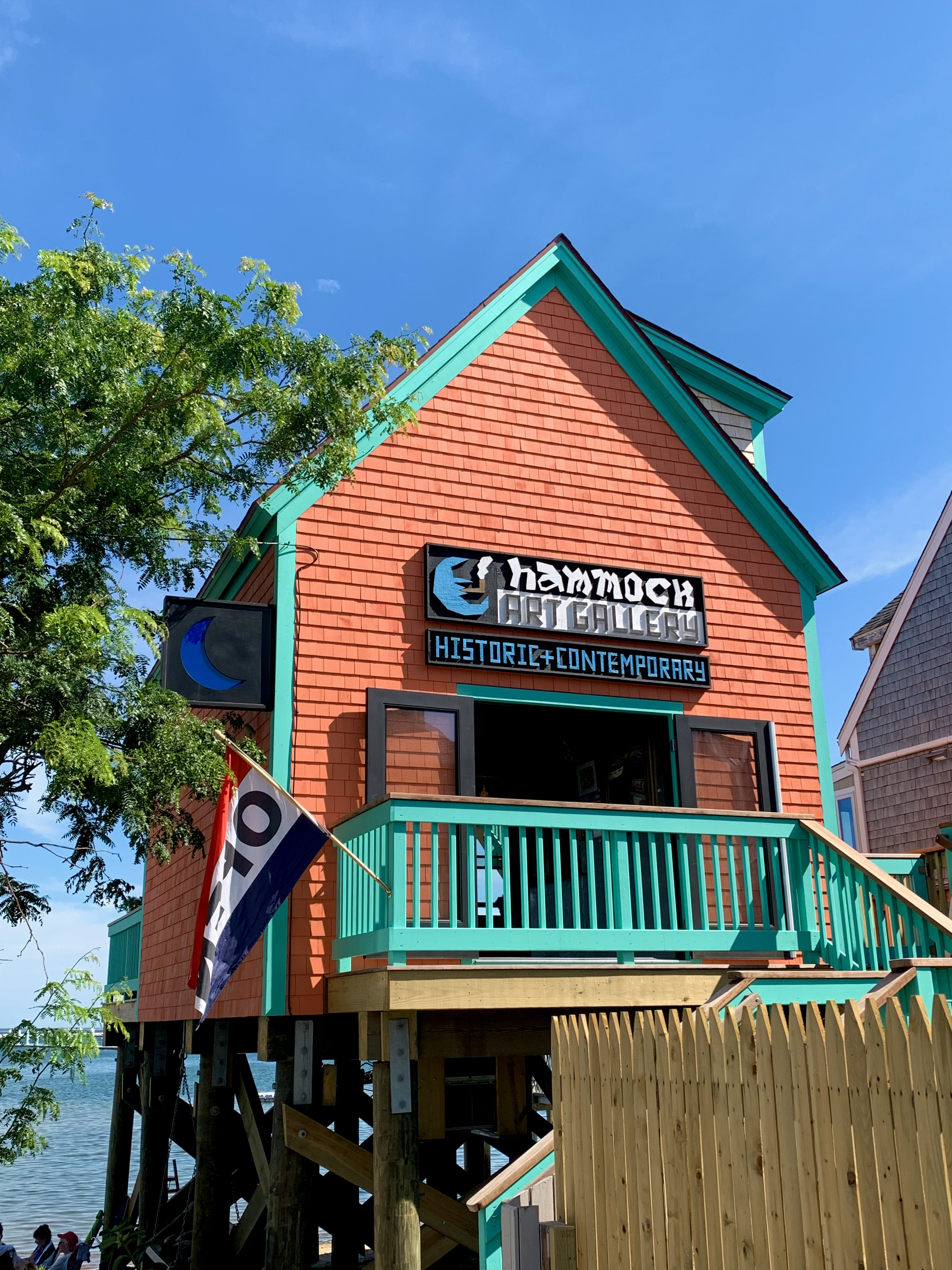
When you get into town, most of the art action is on Commercial Street, P-town’s main strip. The galleries here are a work of art in their own way, leaning on each other like too many seagulls on a jetty rock. The 100-year-old building that houses one of the more interesting ones, the Hammock Gallery, is itself a rare slice of time: the historic and contemporary gallery occupies one of the last remaining P-town fishing shacks.
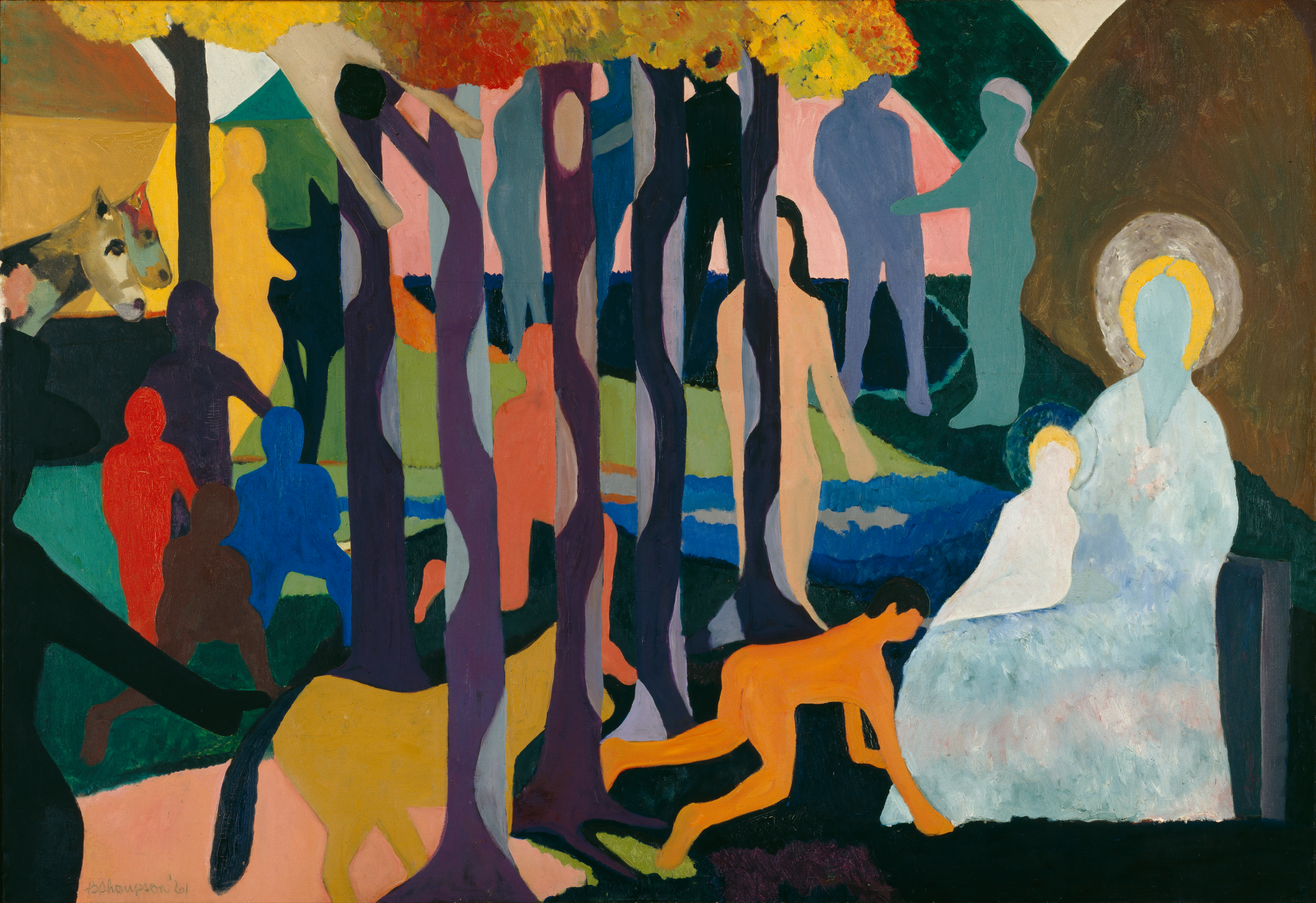
After the gallery opened in 2020 in the former home of the Hammock Store, programming took a hiatus while the whole structure was lifted up and placed on stilts, preserving the shack from the encroachment of the bay waves beneath its floorboards. With each of its iconic salmon-coloured shingles now removed and reapplied, the space is finally ready to reopen, with a slate of boundary-pushing paintings, sculptures, and rarities on deck. In August, the gallery will present a collection of crucial and energetic pictures from the legendary Bob Thompson, who visited Provincetown in the summer of 1958, accompanied by the singer Nina Simone.
Once you catch the bug for seaside relics, travel down to Woods Hole on the southern corner of Cape Cod. This tiny port town launches ferries to another historic destination, Martha’s Vineyard, as well as deep sea explorations—it launched the one that discovered the final resting place of the Titanic. But there’s really one reason for you to come here: to find the oldest existing geodesic dome built by Buckminster Fuller. Herein lie the derelict ruins of the once-posh Dome Restaurant, for which Fuller was commissioned to build a dome in 1953 by architect Gunnar Peterson, with the idea that diners could gaze out to the sea from the triangular windows while they ate. Word on the street is that there are efforts underway to renovate this unique piece of modernist futurism.
And there are more hidden treasures throughout Cape Cod, a place that has continually lured artists with its severe beauty. Just last summer, a 1960 chimney mural painted by Norman Lewis—widely credited as being the only Black member of the first generation of the Abstract Expressionists—was unexpectedly discovered in a condemned home in South Dennis. It was saved from the wreckage, and went up for auction in April.

Experiments Sprouting Between Boston’s Blistering Bricks
Back in Boston, the traditional art world is dispersed throughout the city, with clusters in the South End and South Boston. Among the white-wall commercial ventures you can find Art School Confidential-style critique salons at MASARY Studios, or at the finger-on-pulse Distillery Gallery. Now on view at Distillery is In the Shadow of the Floater (until 26 July). Through the explosively minimalist vision of artist and curator Virgilijs Tilks, this exhibition brings together the work of local Boston artists with emerging artists from Latvia, Hungary, and Berlin (whose work has never been shown in the city). I will be joining Tilks for an artist talk at the gallery on 24 July.
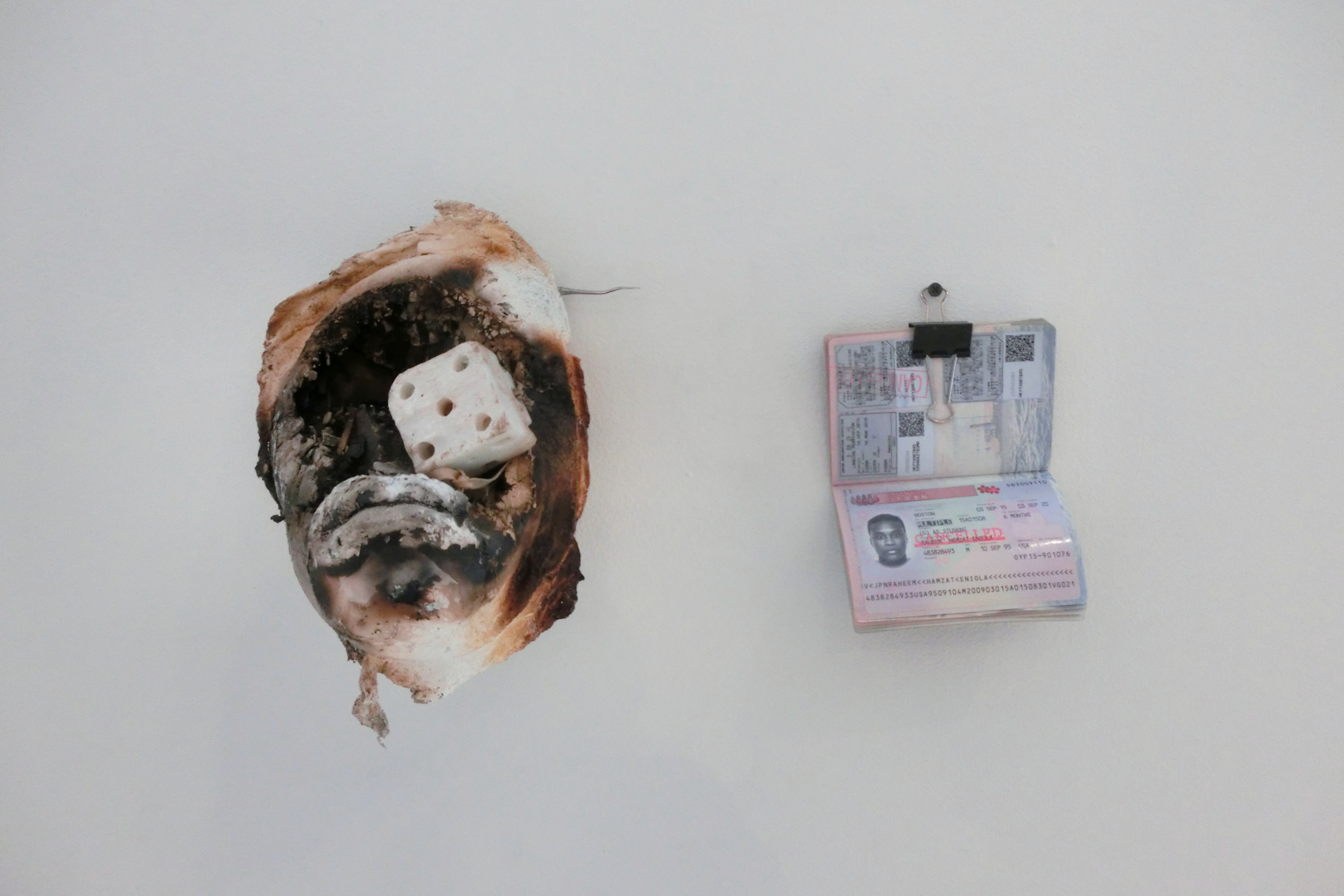
Meanwhile, the city has recently seen the return of 95-year-old Arte Povera legend Mario Diacono, who launched a new eponymous gallery last year. The nonagenarian is set to exhibit New York painter Michael Geschwer soon, and just wrapped a show of Barry X Ball’s exquisite technical feat, The Last God. Scrolling through photos from the opening, I see local emerging stone sculptor and provocative conceptual artist Hamzat Incorporated. After legally changing his last name, Mr Incorporated mounted one of my favourite recent solos, titled Massachusettsmode, at Steven Zevitas Gallery last autumn. Another recent highlight was the stunning Thinking Paw by Jenna Westra and Josh Brand, shown at Anthony Greaney’s artist-studio-converted-to-white-wall space.


Scaling Garden Walls in Cambridge and Providence
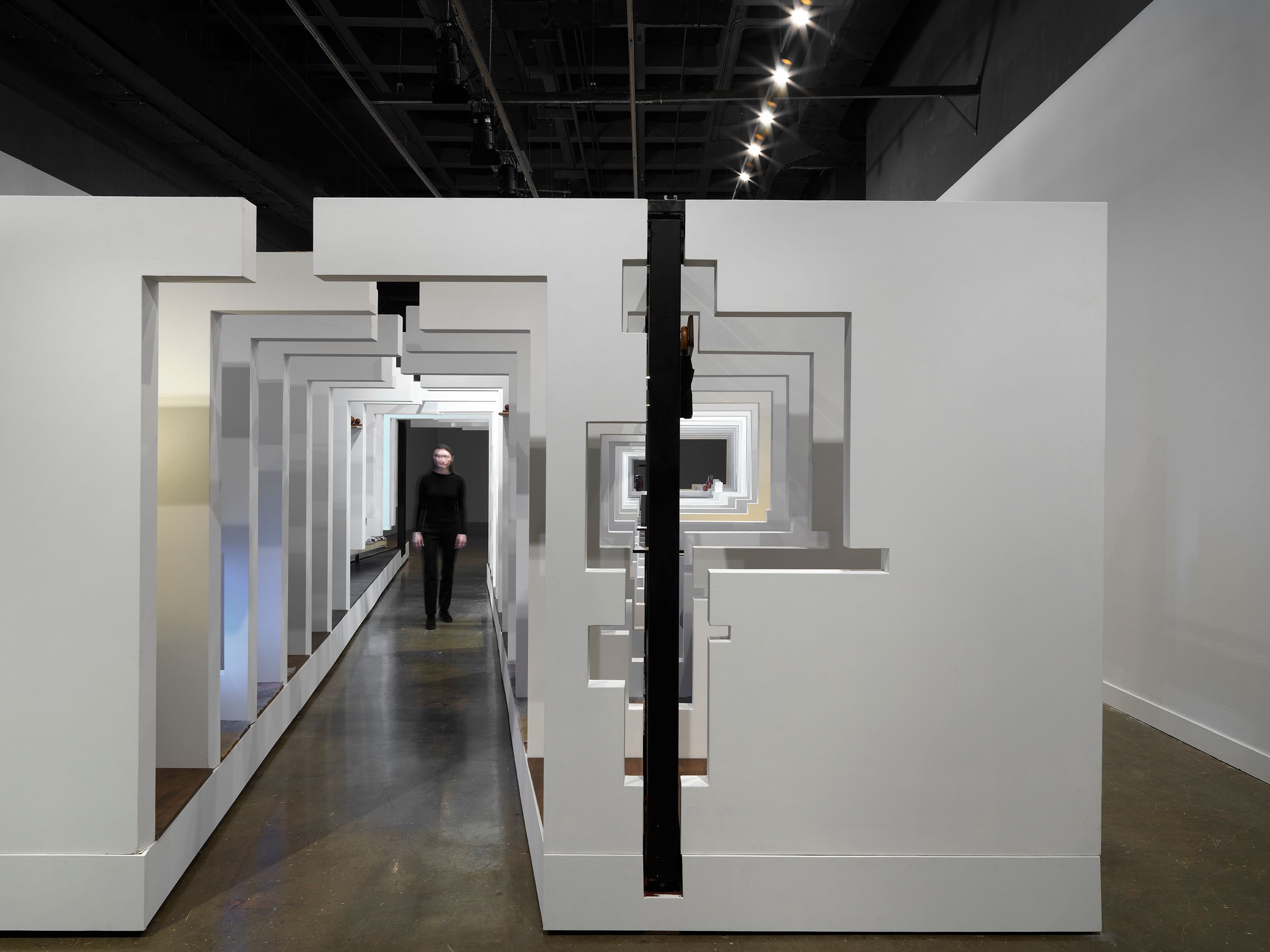
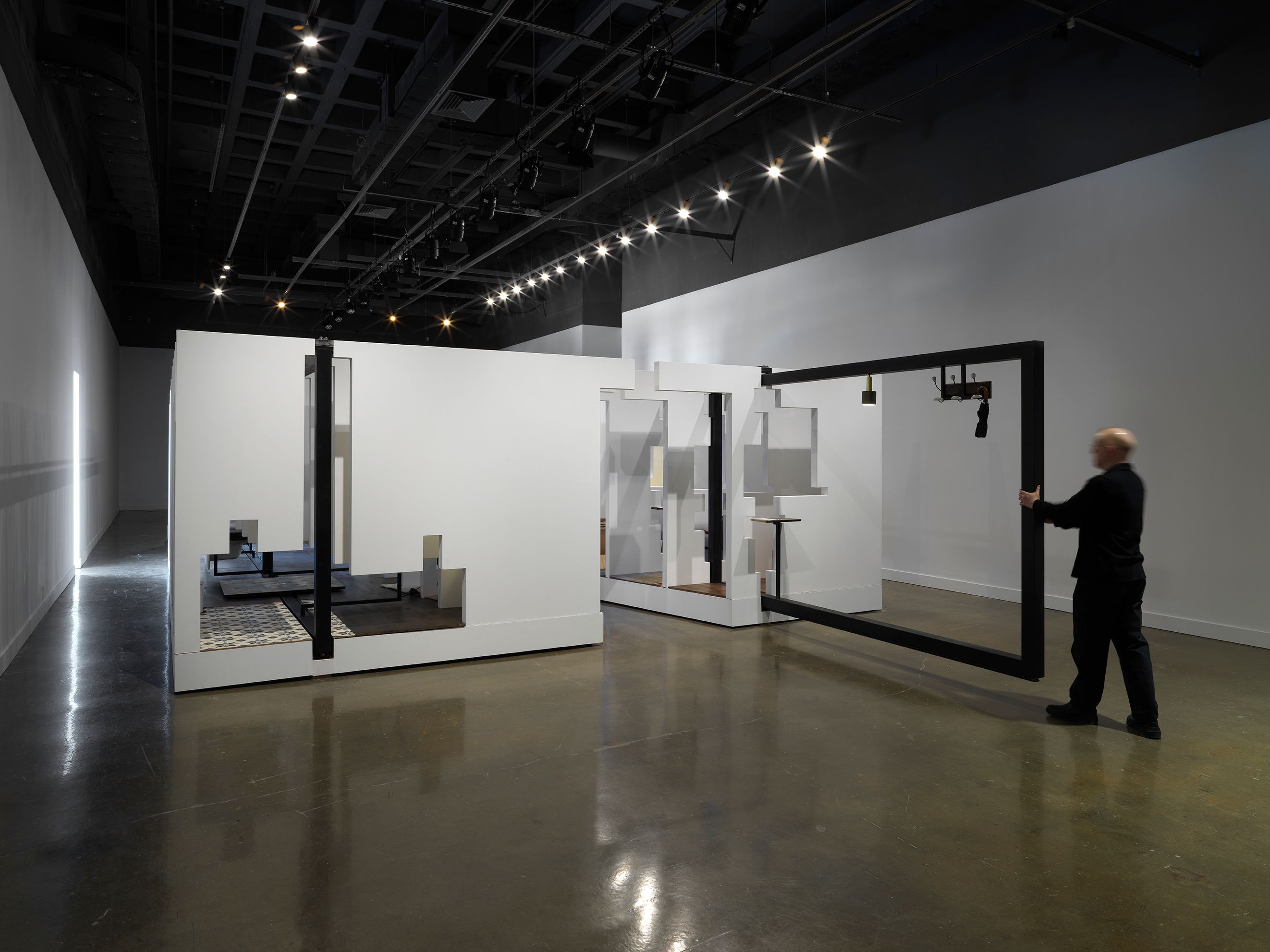
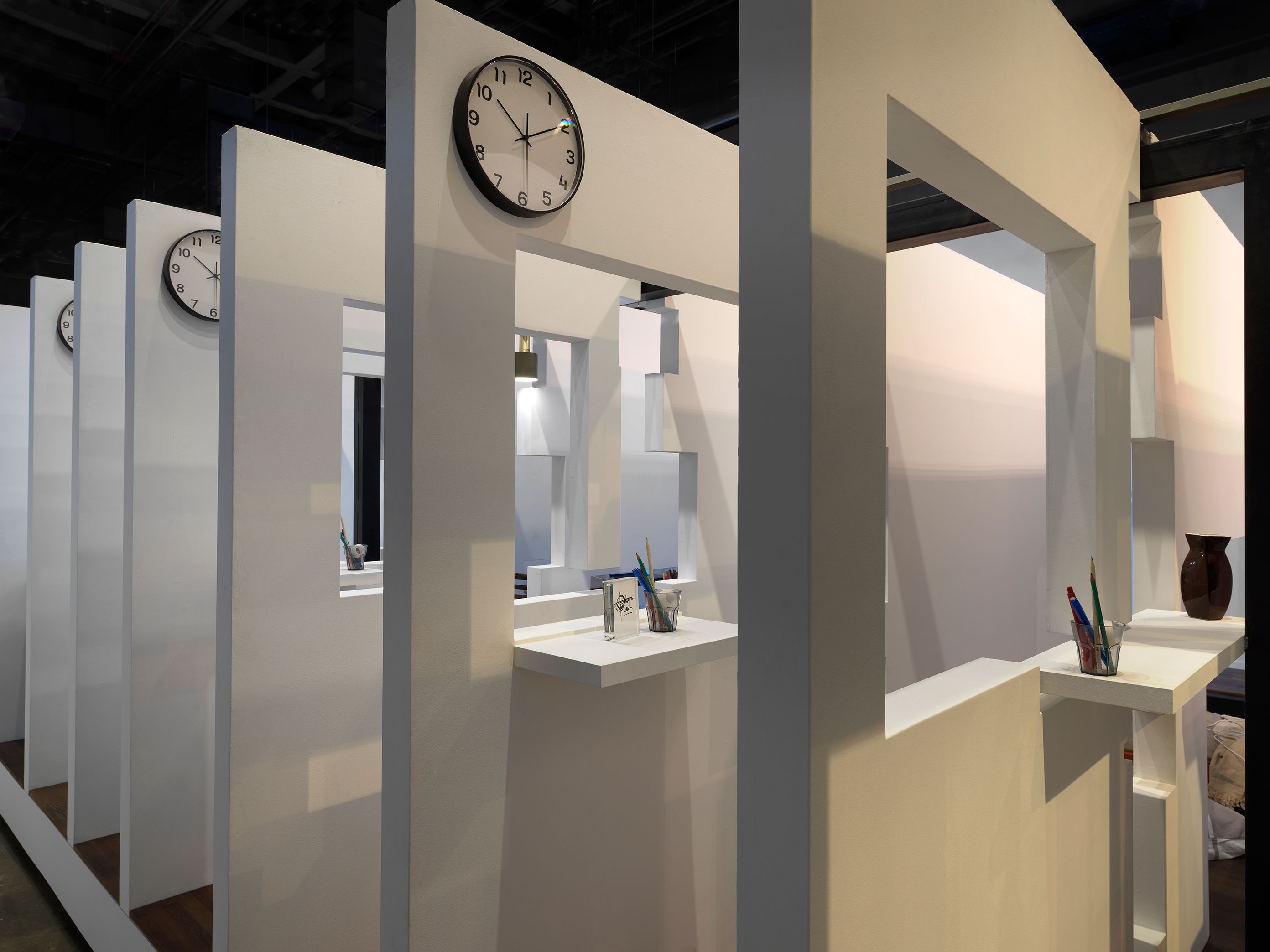
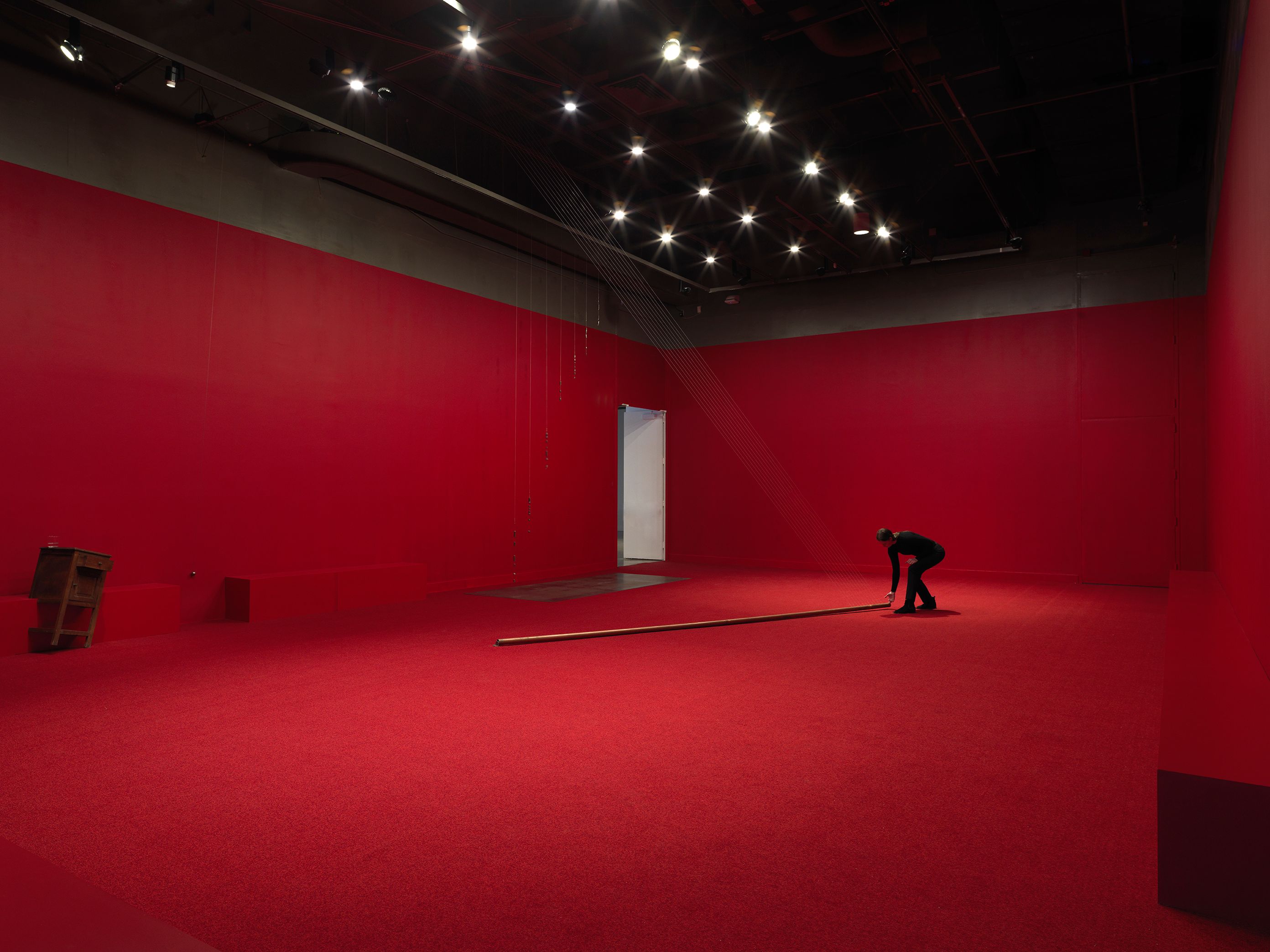
New England’s world-renowned academic institutions, including Massachusetts Institute of Technology in Cambridge (MIT) and the Rhode Island School of Design (RISD) in Providence, Rhode Island, are magnets that pull in world-class artists, exhibitions, and conferences to the area. On view until the end of July at MIT’s List Center is Pedro Gómez-Egaña’s polyrhythmic exhibition The Great Learning (21 February–27 July 2025). The work features architectural spaces cut open and multiplied, and is inspired in part by composer Cornelius Cardew’s experimental work with the Scratch Orchestra.
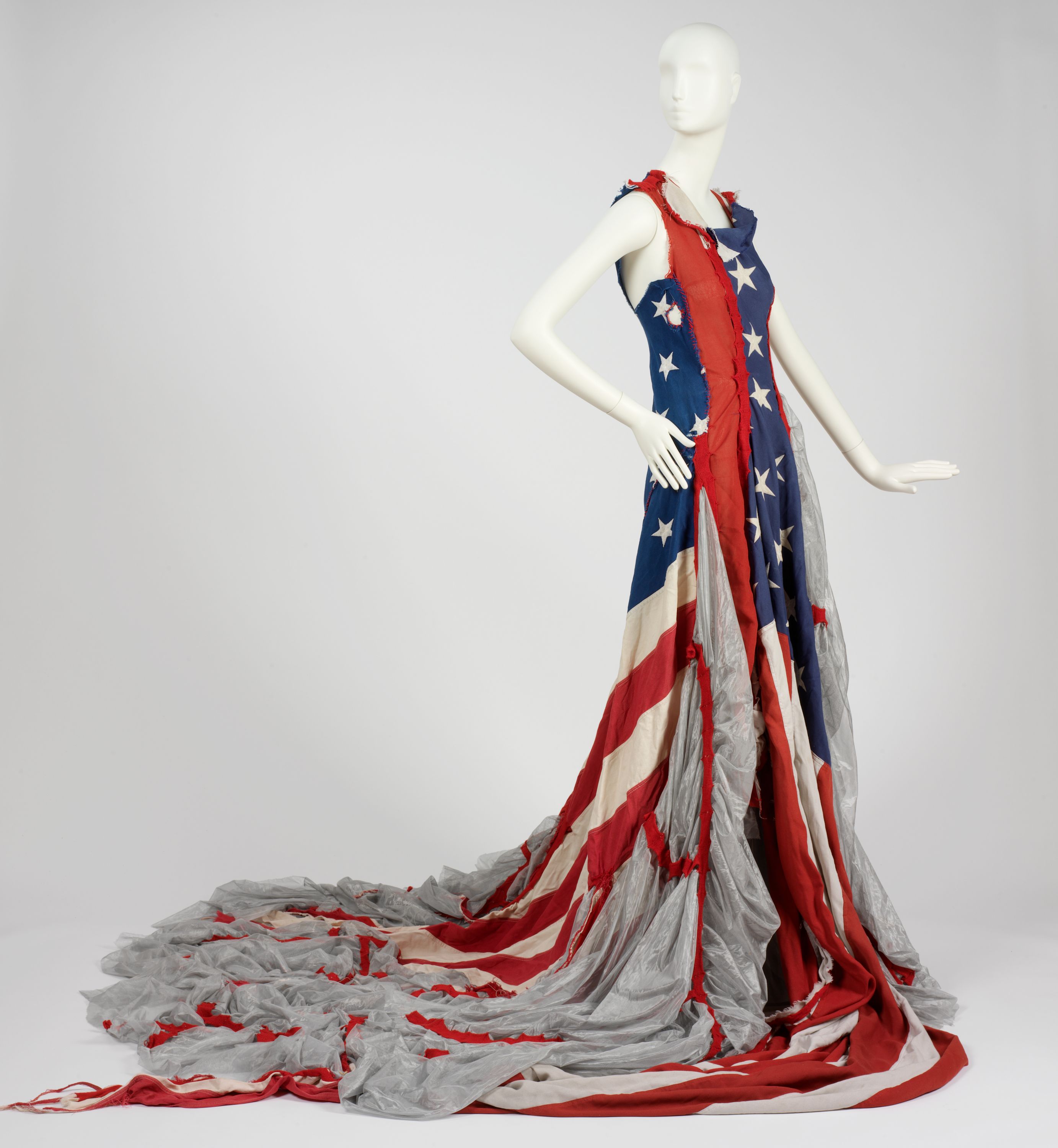
Opening mid-July at RISD Museum (which is less than one hour’s drive from Boston) is Liz Collins’ solo exhibition featuring her signature knitted abstractions (I am excited to see my favourite vinyl selector DJ Dayglow at the opening night dance party on 17 July). The challenge with navigating these institutional walled gardens is found in peaking over to try to catch a glimpse of temporarily tractor-beamed Blue Chips. Sometimes the garden wall is so tall and thick that knowledge of what is happening can’t escape its gravitational pull inward. In a recent example, MIT commissioned their first Massachusetts landscape work by artist Maya Lin, and, as reported in the Boston Globe, then forgot to tell anyone it exists.
Boston’s Media Art Legacy: From ‘80s TV to Terabytes
Boston is home to WGBH TV and Public Radio, the largest producer of content for America’s PBS (our country’s BBC, sort of). In an upcoming ICA/Boston programme exploring the institution’s archives, held on 8 August, curator Meghan Clare Considine replays the story of ‘The Contemporary Art Television Fund’, a 1980s partnership with WGBH TV that saw formative early video art—from the likes of Laurie Anderson, Joan Jonas, Tony Oursler, William Wegman, and Bill Viola, among many others—workshopped and tubed out to the masses.
Boston has long been a foundational hotbed of media art from the analogue to the digital: in 1999, it launched the Boston Cyberarts Festival, the largest festival of digital art in the world at the time. And the connection persists. This summer, the long-running Boston Cyberarts Gallery is hosting CyberFrames, a rolling open-call video display in the gallery’s front windows.


A Dank Raucous Emerging from Boston’s Underground
Boston has a vibrant and resilient underground art scene, cultivated in part by a constant churn of new students and institutional backing from the experimental performance programme at Massachusetts College of Art and Design’s Studio for Interrelated Media (SIM Dept). Their performance platform ‘The Big Show’ previously birthed some of my favourite acts, including Rye Pines, Abe Dubin (‘Orange Man’), and the emerging Pleasure Coffin. In 2012, my most formative student experience was attending the only IRL exhibition for the infamous Tumblr collective ‘Jogging’ at the SIM Dept’s student-run Godine Family Gallery.
To confront the ongoing challenge of finding and maintaining accessible exhibition spaces (the 2024 documentary film Secret Mall Apartment details the plight of artists trying to find spaces to make and show work—not to mention live—in post-industrial Providence), New England artists take to mounting pop-ups in basements that usually host DIY music shows. I am not going to name the spaces specifically, as too much exposure can destroy these precious dank loud rooms. An article in the Boston Globe profiling these spaces in 2023 led to this very thing happening: a number of ‘show houses’ closed up shop, allegedly after neighbours caught wind from the write-up and called in noise complaints. One such upcoming house-show-art-exhibition is Ciao Boston—a goodbye love letter that Natasha Zinos, scene leader and filmmaker, is throwing on 19 July. In order to get the location you must, as the saying goes, ‘ask a punk’.



Finding Freedom on the Periphery of Boston
Much of my time seeking out contemporary art takes me outside the city, often driving an hour or two to a pop-up project space or to historic sites such as the Gropius House, which was designed by Bauhaus founder Walter Gropius as his family home (in Lincoln, Massachusetts) when he came to the U.S. to teach architecture at Harvard.
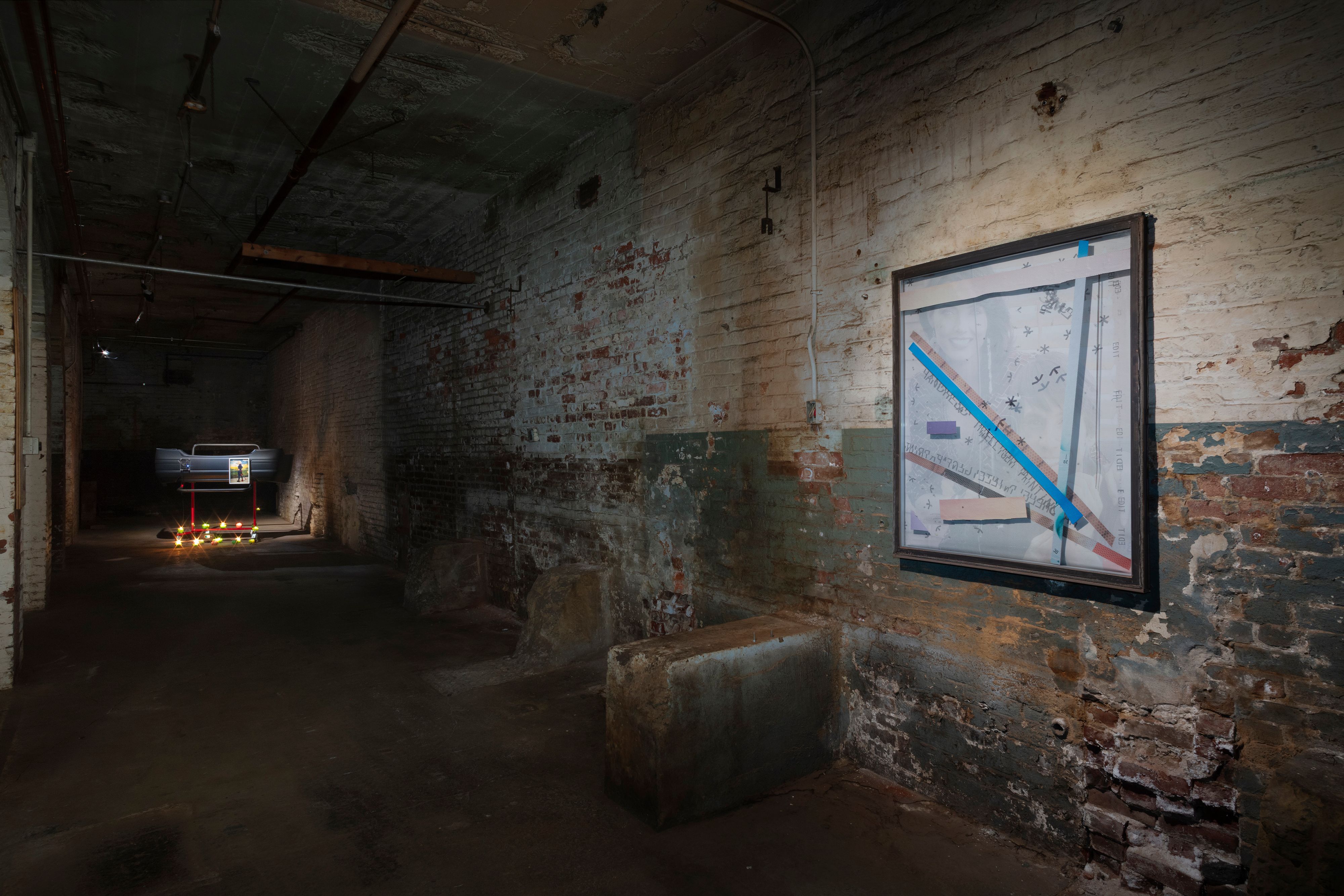
On your trip through the state, make sure to plan an afternoon at the vexing and singular lower_cavity residency in Holyoke. Named after the blueprint title of the 1800s paper mill that the space is housed within, this mill is now the site of a programme for experimental installations from an impressive roster of emerging and established artists. The invitation-only programme is run by contemporary artist Anthony Discenza, who, with few expectations or limitations, offers up the catacomb-like space to artists seeking to try new materials, ideas, or collaborations.
I pushed myself to the brink to execute a project titled COLLIDER during lower_cavity’s first year of programming in 2021, during which I dug into the history of labour and industry in Holyoke. It is one of the first planned cities in the U.S., with canals and a raceway system providing mechanical hydropower to the area’s many paper and textile factories. The underground raceways flow from the upper canal, through the buildings, to the lower cavity, and after a rainstorm you can still hear the water flowing through the raceway. The way that Discenza has created a node of interconnection for artists to experiment is truly remarkable. Currently, artists Ian James, Joshua Schaedel, and Laura Schawelka have mounted Searching the Source, on view until 25 July.
Another beloved artist-run space that is flourishing on the periphery is the Fall River Museum of Contemporary Art (FR MoCA). Artists Brittni Ann Harvey and Harry Gould Harvey IV founded this provocation-as-institution on their home turf of Fall River, Massachusetts, after traversing the contemporary art scene in NYC. What started as a temporary exhibition for the city’s annual Fabric Arts Festival snowballed into a permanent anchor of the community, with the institution mounting three boundary-pushing shows a year.
![Alvin Lucier, Vespers (1969), performed by Qais Assolo, Erik DeLuca, and Enongo A. Lumumba-Kasongo (opening performance, 4 April 2025). Exhibition view: [See] [Saw] [Sound] [Wave], Fall River Museum of Contemporary Art, Massachusetts (4 April–15 July 2025).](https://files.ocula.com/rf/2e/2e2c5a2a-68ef-4037-8440-58abe1b85ba0/fr-moca-vespers-still-1.jpg)
Fall River is a former industrial boom city just 20 minutes by car from Providence, Rhode Island, and a number of textile and garment houses are still producing in the city, as the USS Massachusetts (BB-59) floats nearby in Battleship Cove. FR MoCA’s programme subverts the dynamics of the art market by showing under-canonised outsiders next to emerging trendsetters next to local artists next to someone you have never heard of but who will forever change your perspective. Everyone who walks through the door is offered a full tour of the current show, and this often leads to long conversations about art. Stories of labour, militarism, and ecology often resurface in FR MoCA’s thematic programming, and this insistence on accessibly serving the working-class community makes this place a work of social sculpture that questions the norms of contemporary art’s function today.
The current exhibition, [See] [Saw] [Sound] [Wave], features foundational sound art by Pauline Oliveros, Alvin Lucier, and Laurie Spiegel, among others, and expands the practice of ‘deep listening’ by introducing two large ‘sound mirrors’ or ‘whisper mirrors’. The whisper mirrors are pre-WWII pieces of signal technology, erected in concrete along the English coast to detect the sound of incoming war planes. The Harveys were performing sound experiments and researching telecommunications tower design before stumbling onto this bit of signal-spying history.
For the exhibition, this technology is expropriated from the annals of militarism and repurposed for socially engaged practice. During a presentation of Alvin Lucier’s Vespers—performed by Qais Assolo, Erik DeLuca, and Enongo A. Lumumba-Kasongo—visitors enter the mirrors to observe how the performer’s Sondol (sonar dolphin) clicks are focused and reflected.
Western Massachusetts’ Secret Spaces and Super Structures
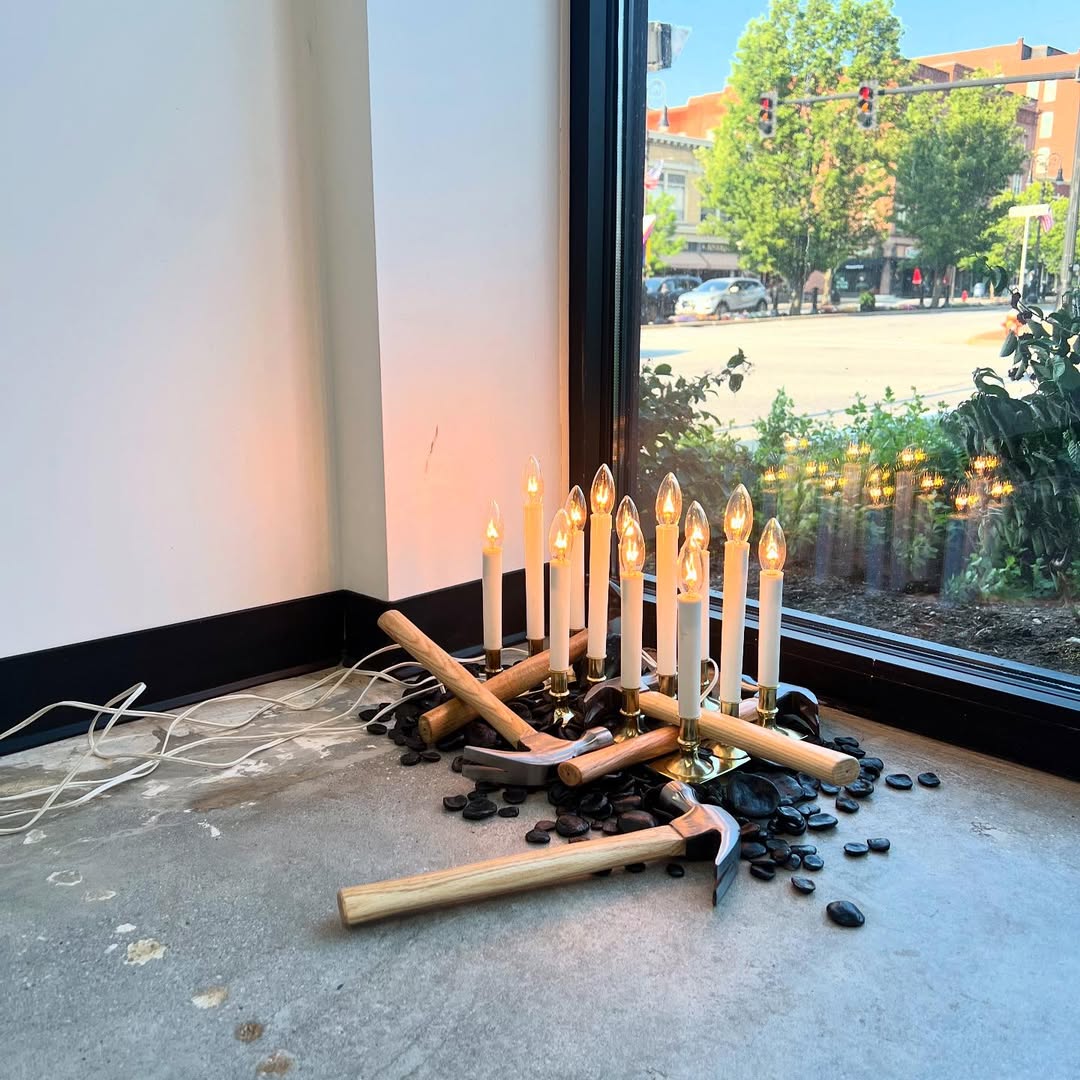
If you’re headed to MASS MoCA (which is quite a trek from Boston, and closer to upstate New York) this summer—perhaps to check out Jeffrey Gibson’s Leigh Bowery-inspired installation—you can get a taste of FR MoCA and lower_cavity’s divergent approach to spacemaking in a summer-long offsite exhibition. As part of the inaugural Arrival Art Fair in the Berkshires, which took place in June, lower_cavity teamed up with FR MoCA for a joint show at Studio B in North Adams, titled Other Engines and featuring the work of Sandra Ono and Nick Irzyk.
New England has a lot to offer artists and patrons, but just like its famed storms, tough winters, and icy waves, it may take a little perseverance to find your way. Don’t be afraid to email or slide into those DMs on Instagram, and then show up. You are bound to make new connections and get a perspective as fresh as this morning’s clam haul. See you in the Dunes. —[O]
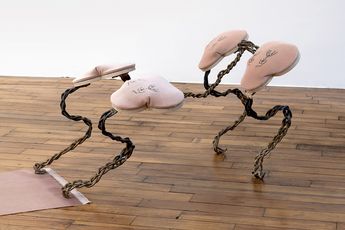
Main image: Coco Klockner, Brick Ethic (2025). Exhibition view: CHAMBER, lower_cavity, Holyoke, Massachusetts (25 April–7 June 2025). Photo: Anthony Discenza.






A respected voice in contemporary art discourse.
Focusing on ambitious storytelling and insightful art-world commentary. Ocula Magazine publishes in-depth interviews, critical essays and timely analysis on the artists, exhibitions and ideas driving the global art world.
Learn more about Ocula Magazine
Showcasing the best of the art world.
Ocula partners with galleries from around the world to highlight their artists, artworks and exhibitions. Gallery membership is by application and invitation, with each member vetted by an independent panel.
Learn more about Ocula Membership
Specialises in the sale of major artworks.
Led by a team with deep ties to the world’s leading auction houses, galleries and collectors. Ocula’s advisory team offers bespoke services to high-net-worth clients from around the world who are looking to acquire the best of contemporary and modern art.
Learn more about our team and services