Press Release

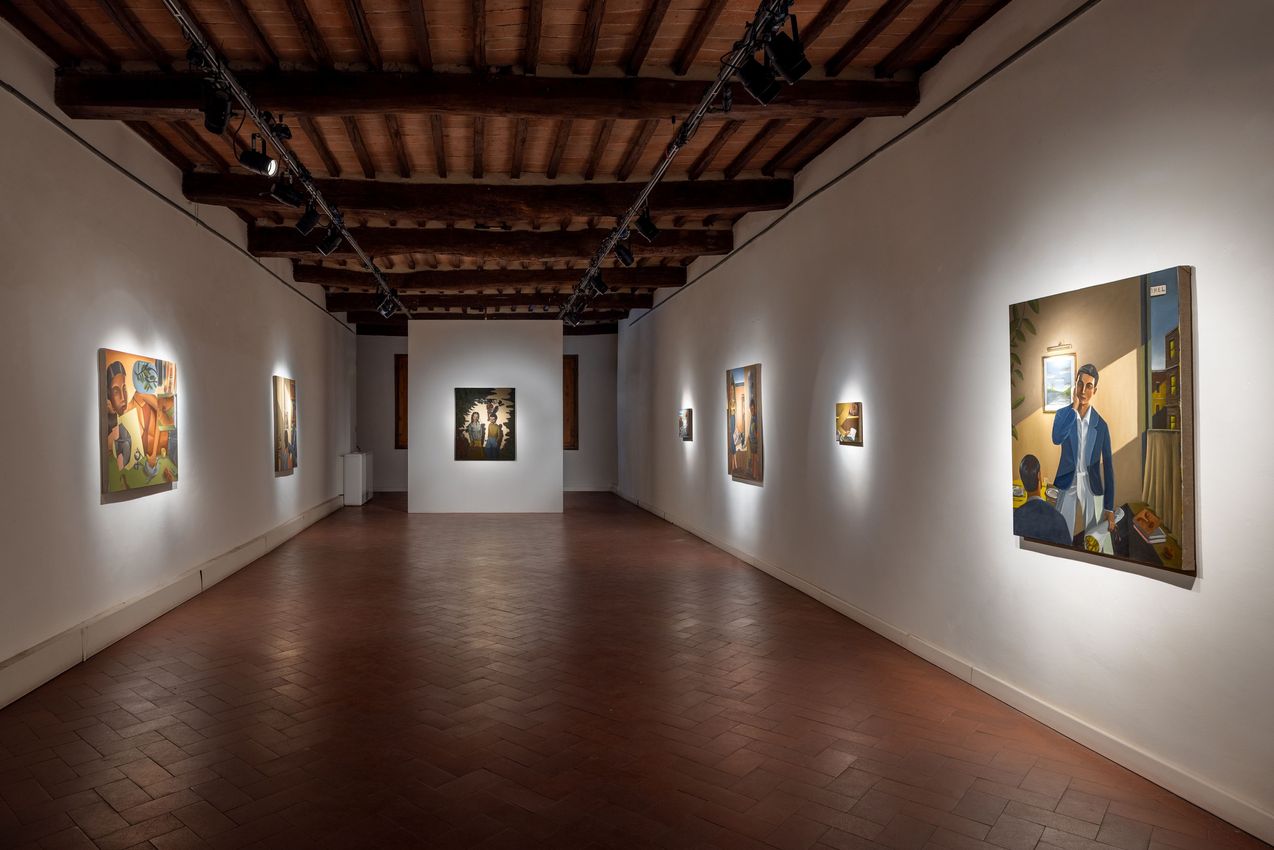
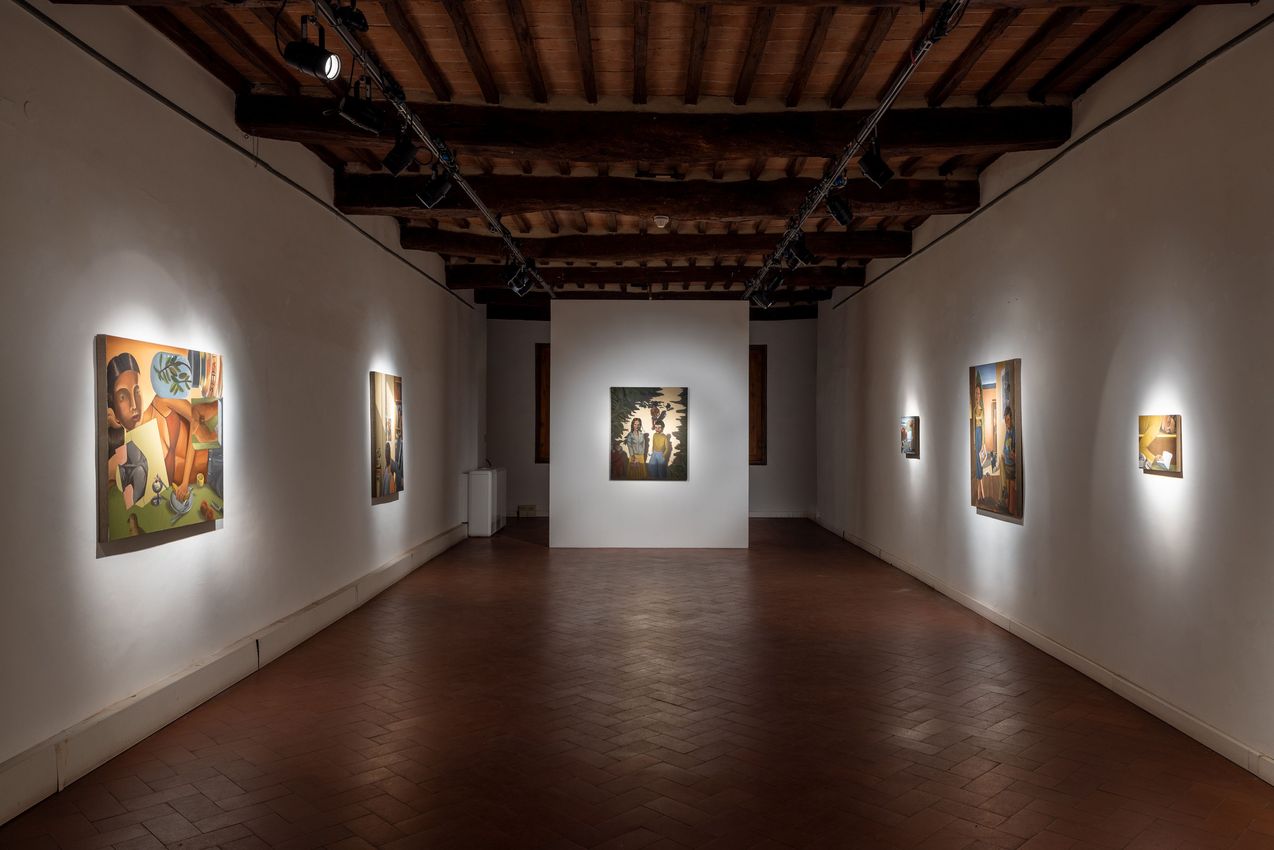
MASSIMODECARLO in collaboration with Casa Masaccio | Centre for Contemporary Arts are delighted to present Imitation of Life (Imitare la vita), the first solo exhibition at an Italian public institution by Taiwanese artist Skyler Chen.

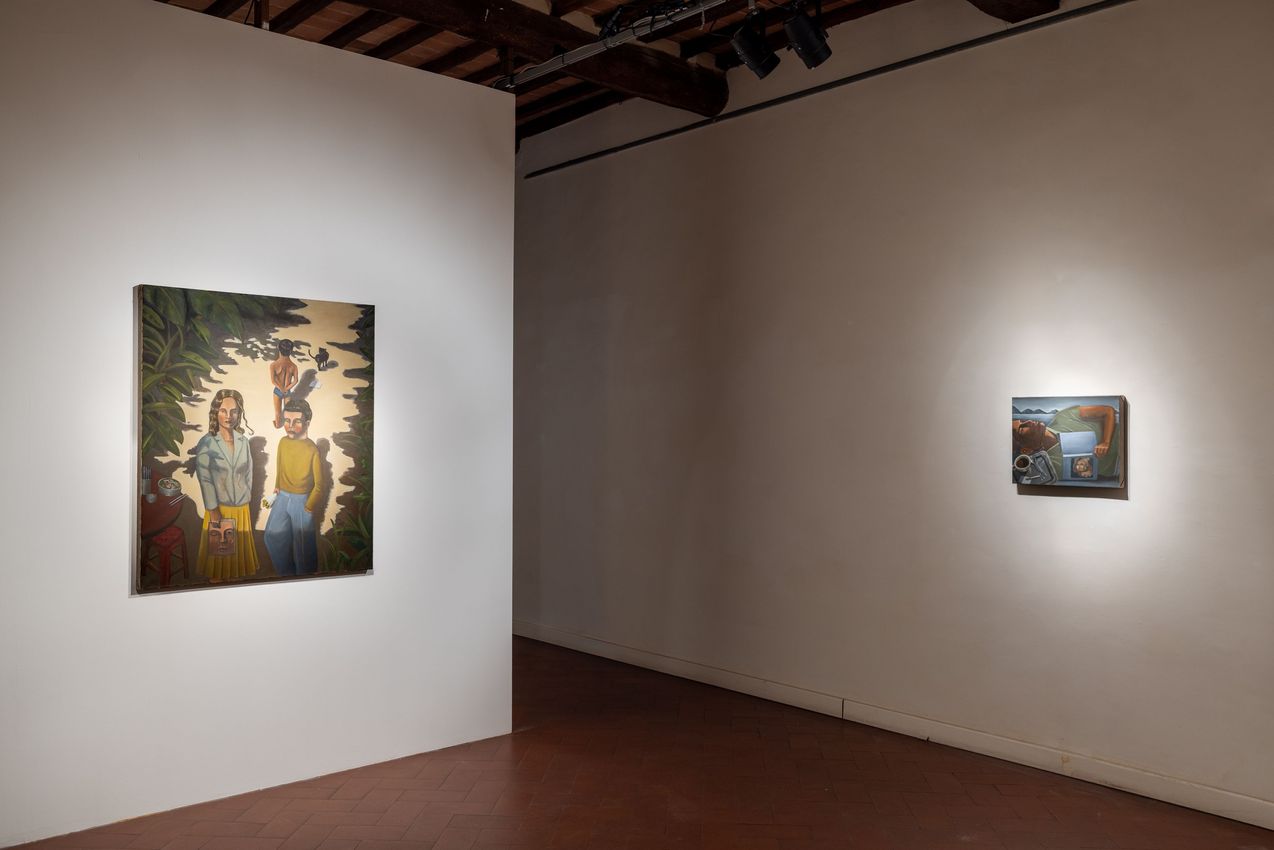
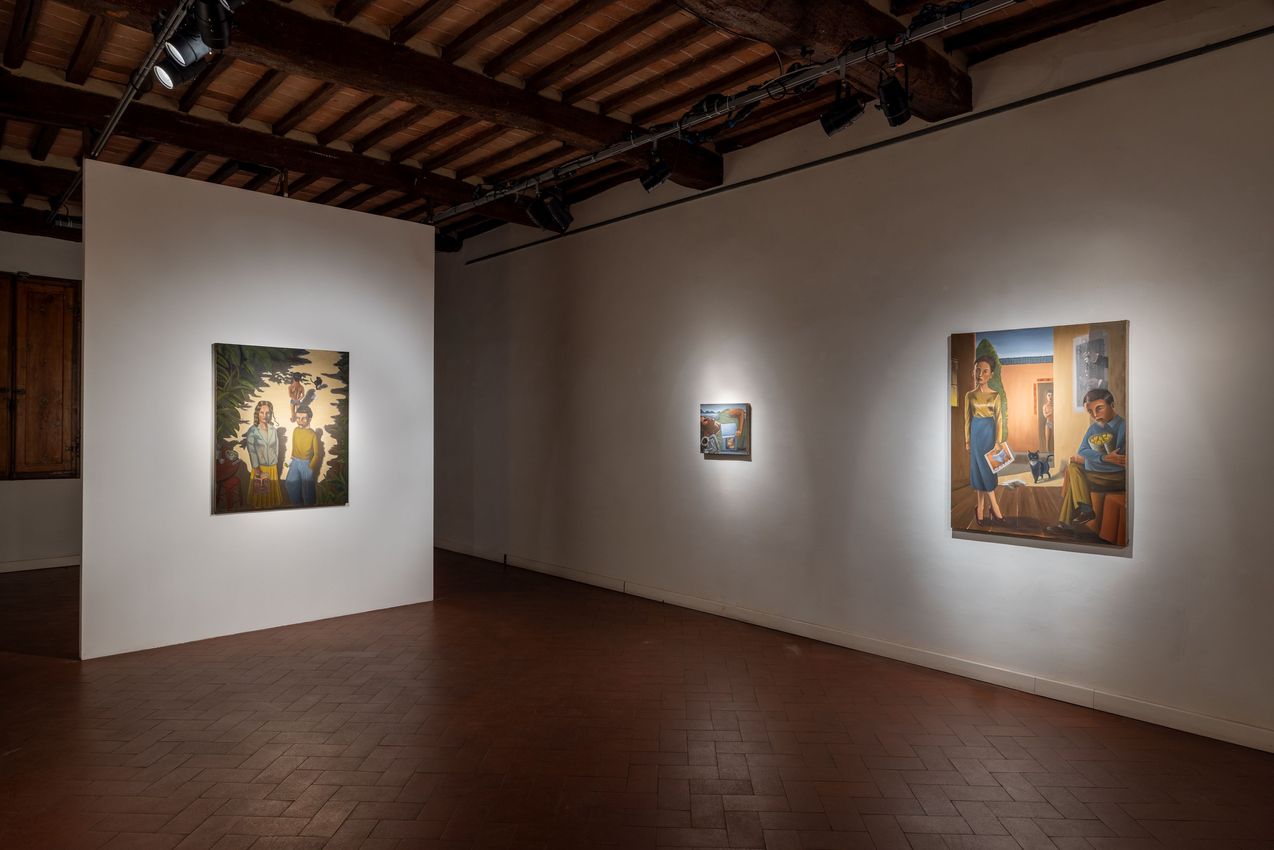
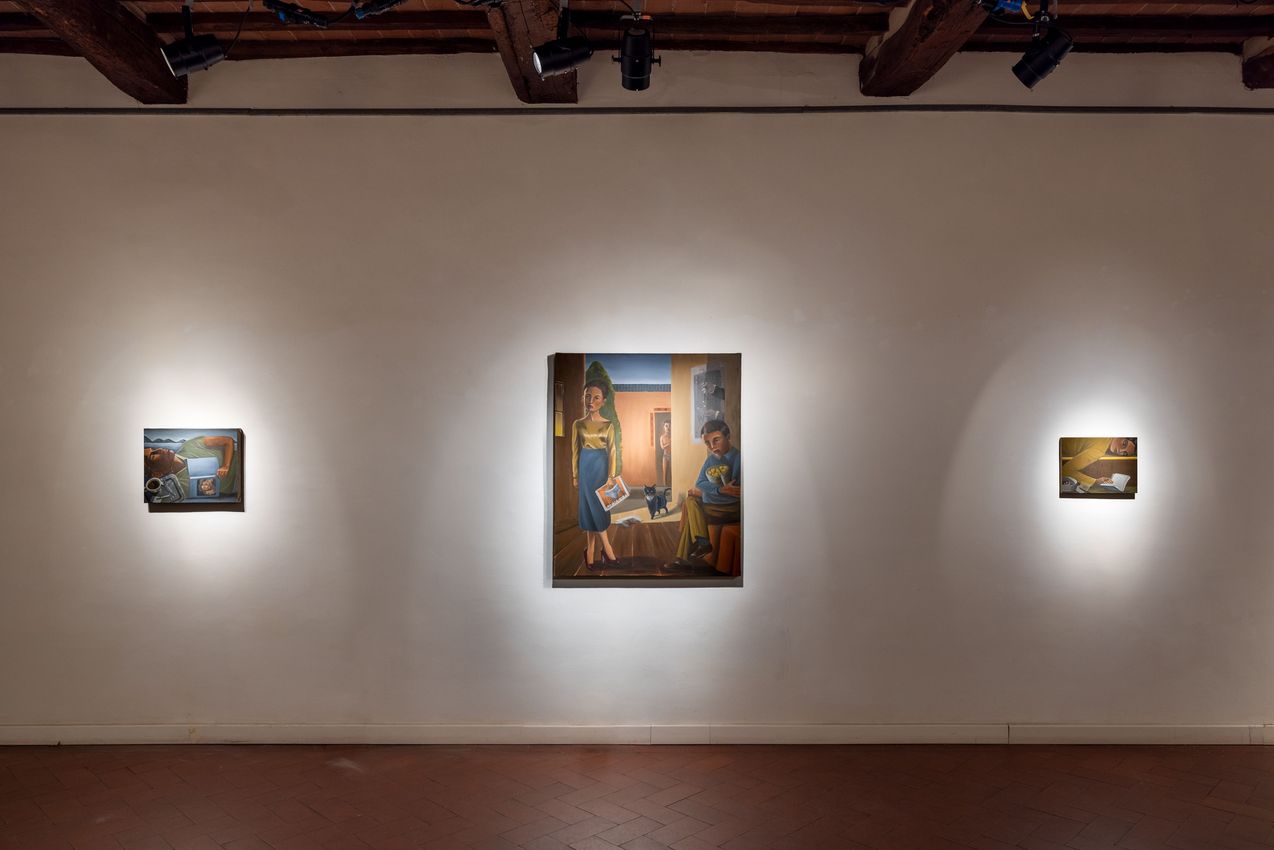
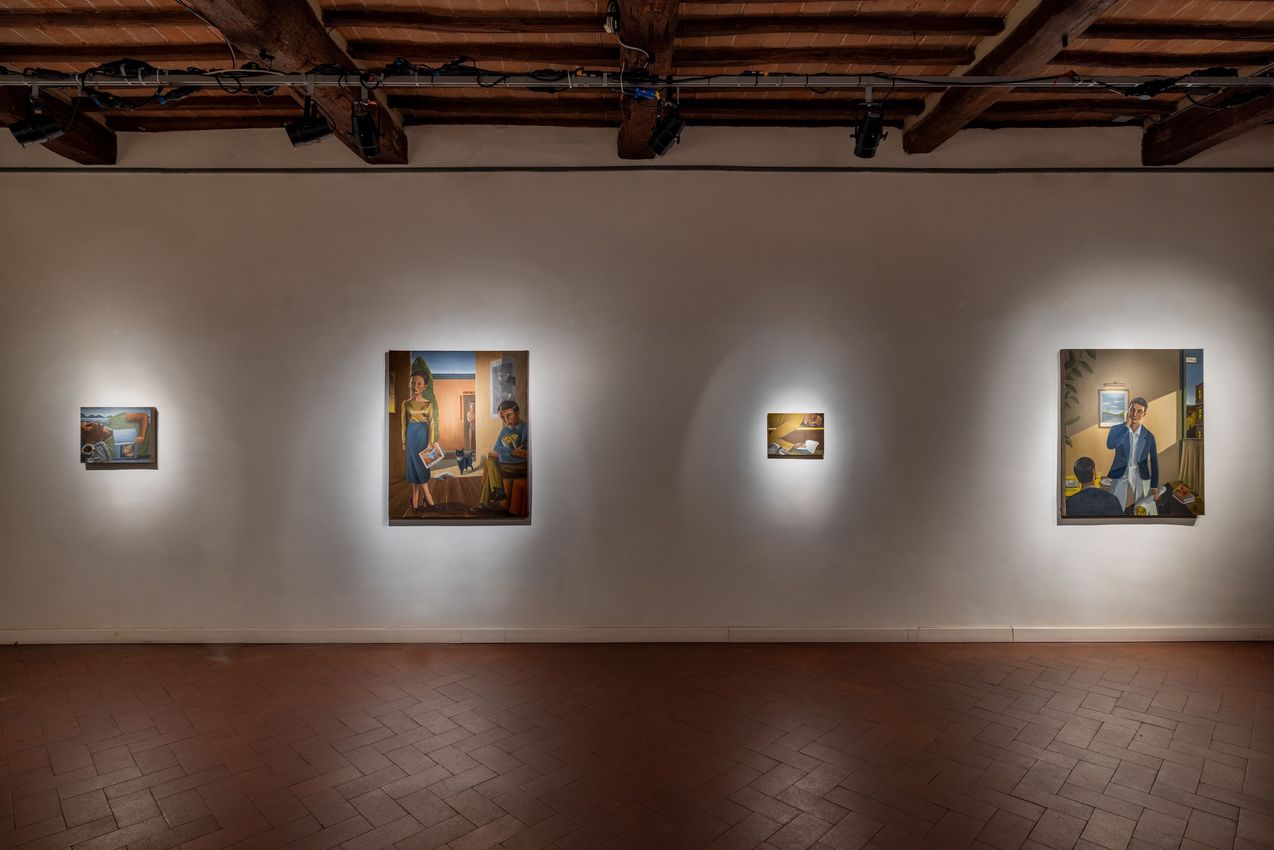
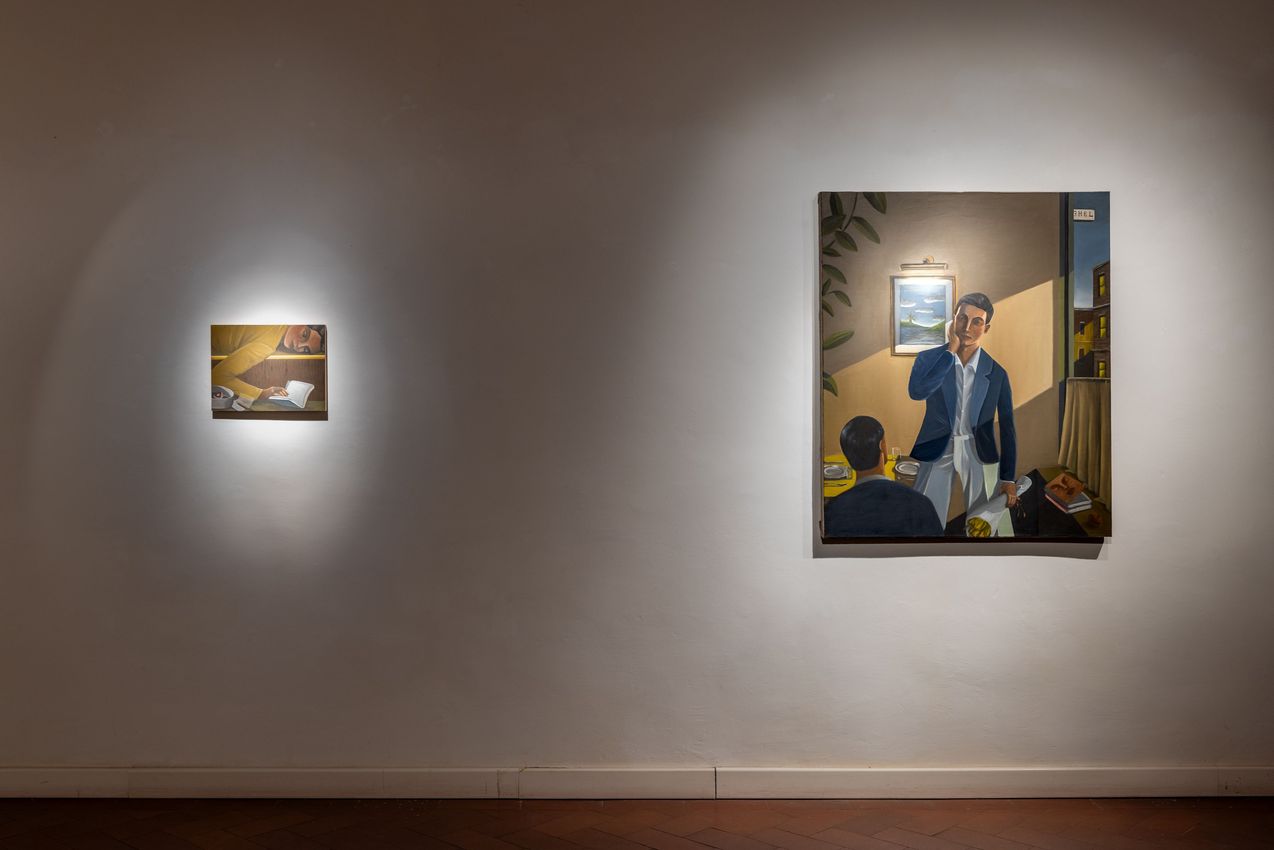
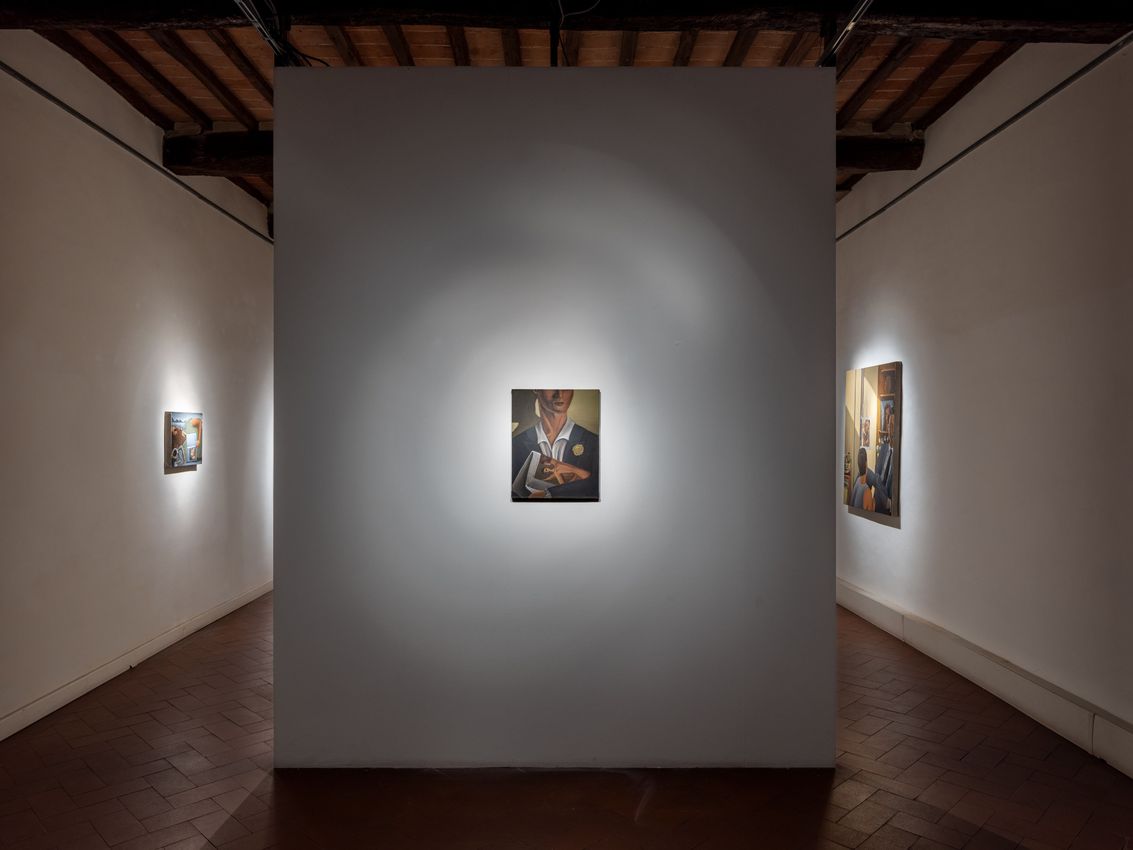
Curated by Marta Papini, the exhibition unsettles the traditions of Western painting through fractured forms and narrative fragments.

“Skyler Chen’s solo exhibition at Casa Masaccio, Imitation of Life, takes its title from Douglas Sirk’s 1959 film (released in Italy as Lo specchio della vita), which follows a young Black woman who disowns her origins to pass as white in segregationist America. But under its glossy surface - the saturated colours, the gut-wrenching scenes - the film is asking something deeper: how the prejudices of mainstream culture can hollow out one’s sense of self, until one ends up imitating life rather than actually living it.

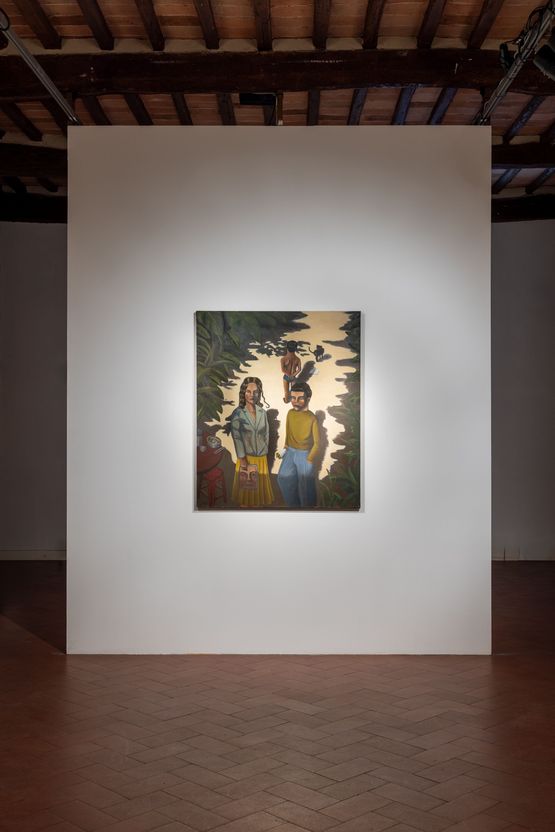
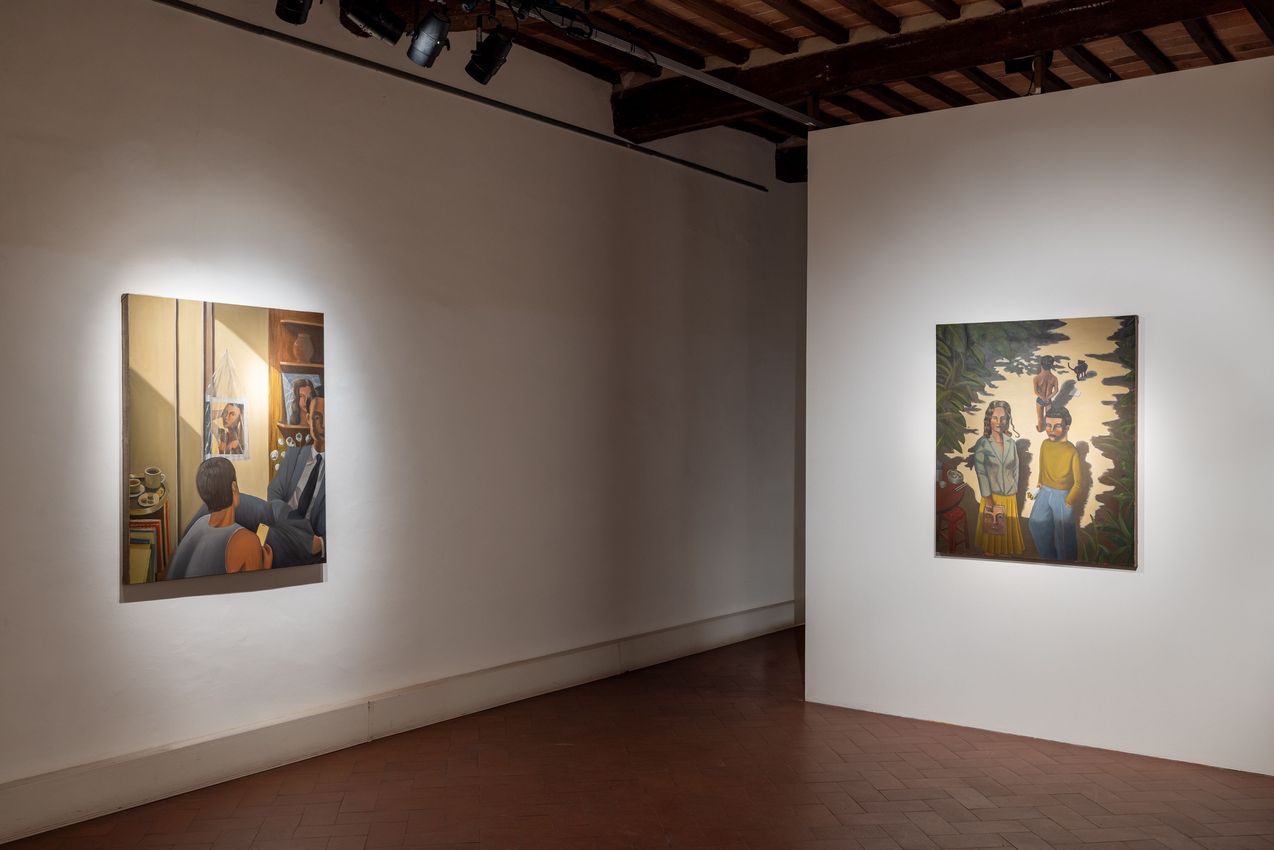
Passing - the attempt to conform to a socially acceptable identity at the cost of your own - runs through everything Skyler Chen makes. Drawing from his own life, his paintings explore what it means to grow up queer in a culture that leaves no room for it. Raised in Taiwan in a conservative household with a Mormon upbringing, he spent years living a double life: heterosexual in public, and behind a locked bedroom door, finally himself. A collection of gay magazines and sex toys kept the loneliness of that existence at bay - objects he kept hidden for years that now turn up proudly in his paintings, alongside references to Chinese and Asian food, bubble tea, animals, and other fragments of his world.

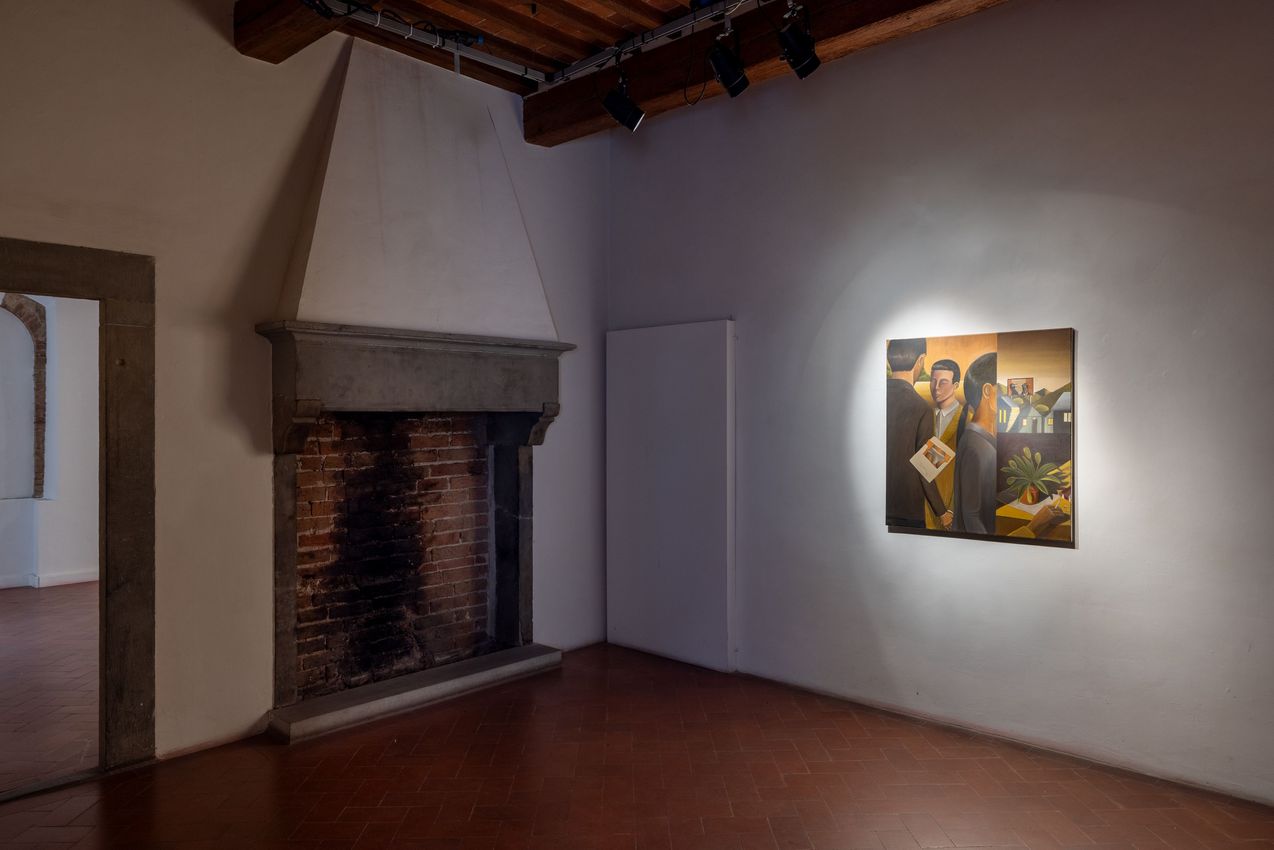
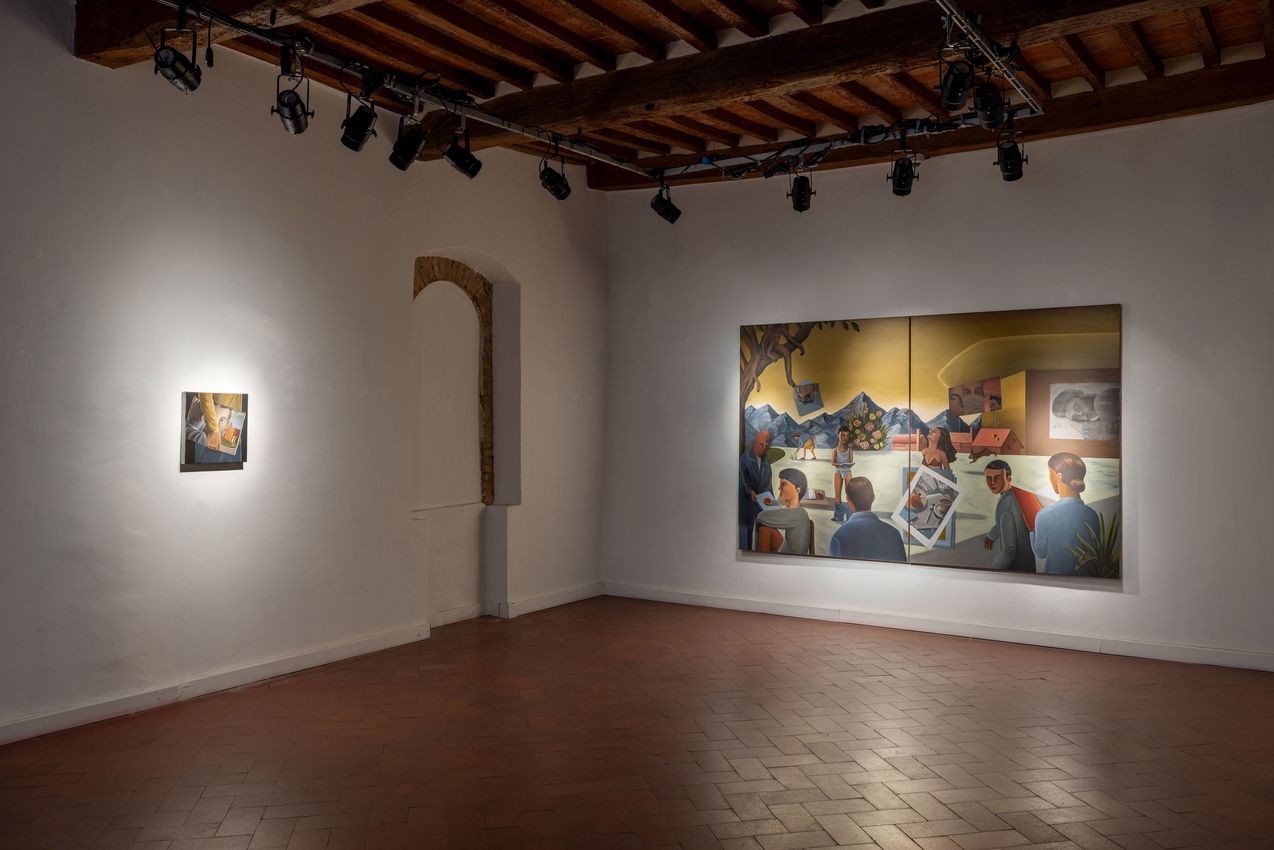
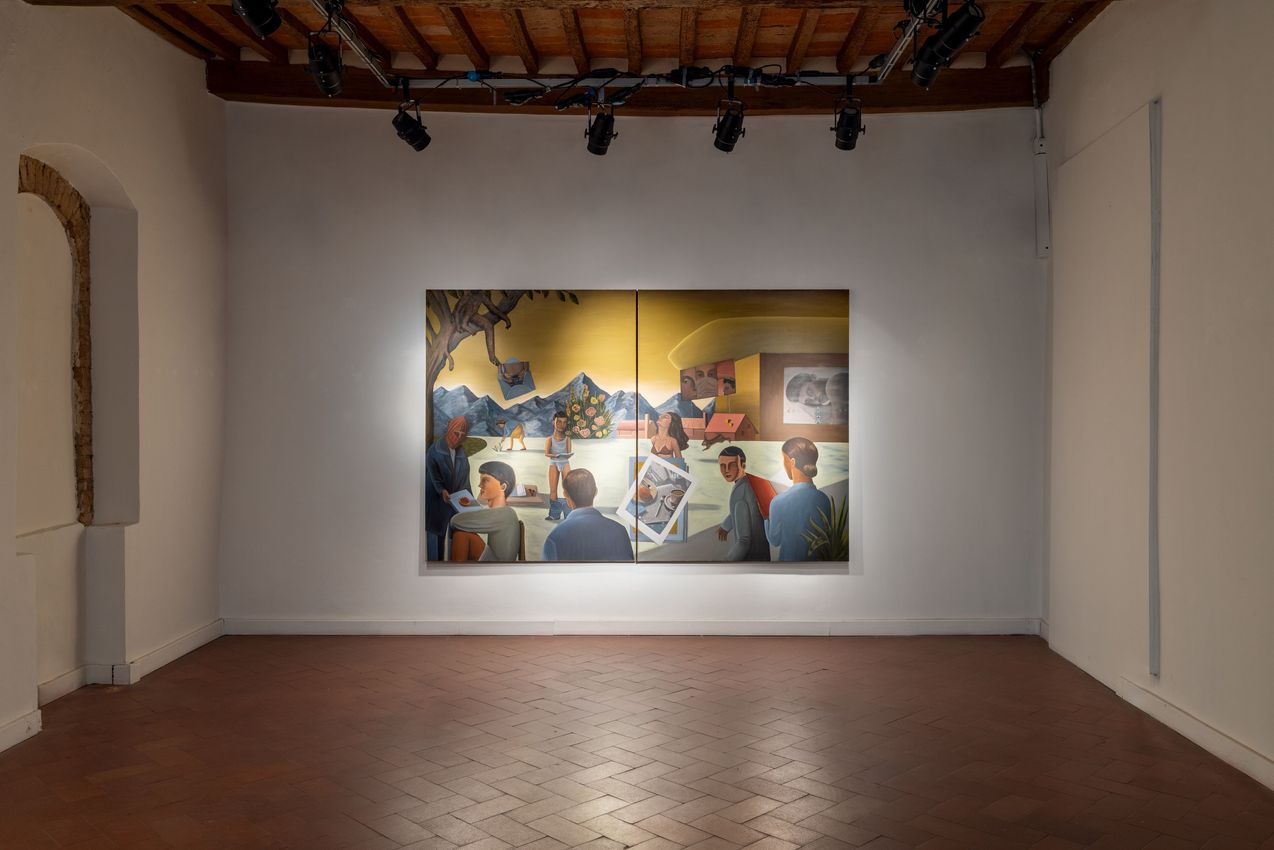
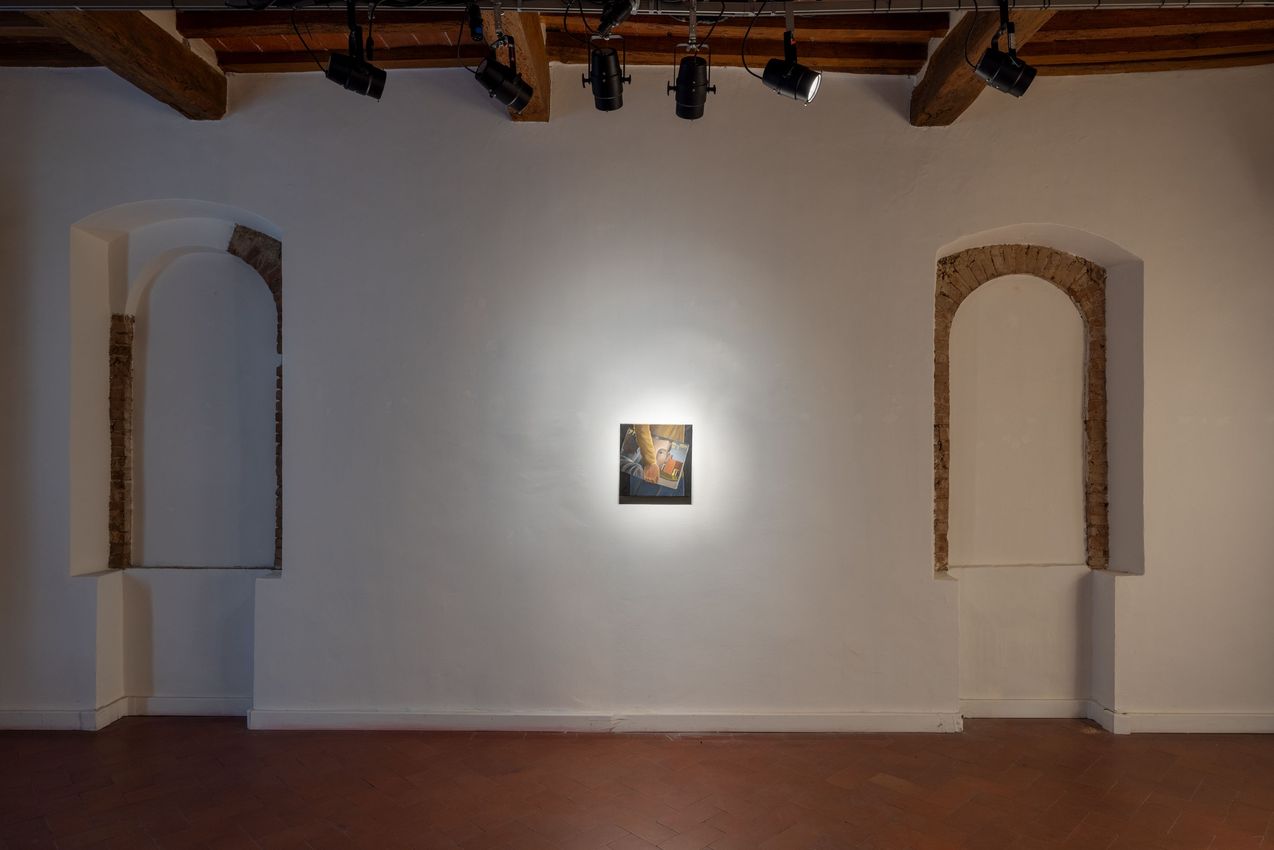
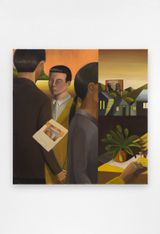
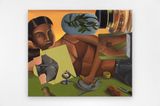
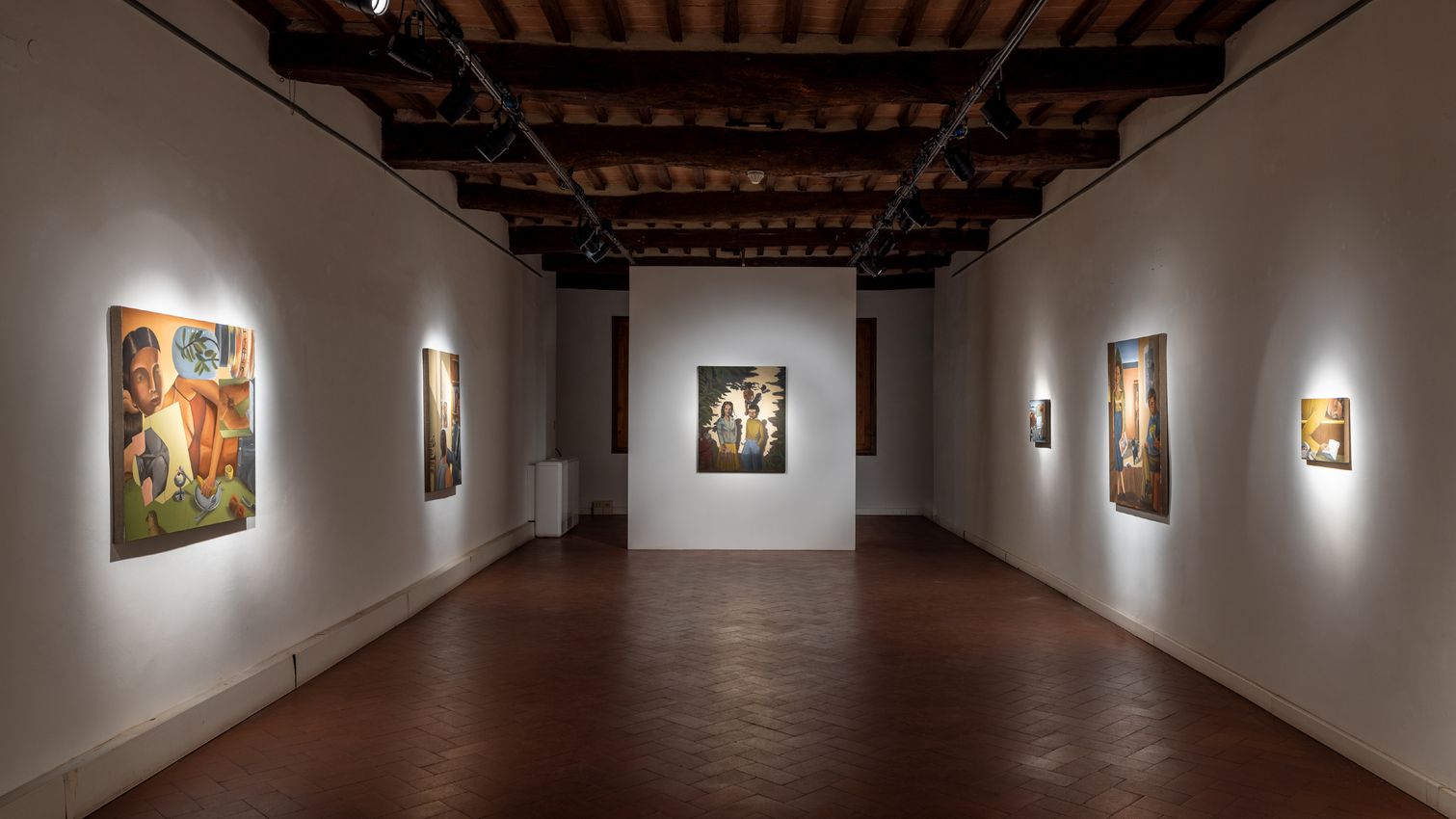
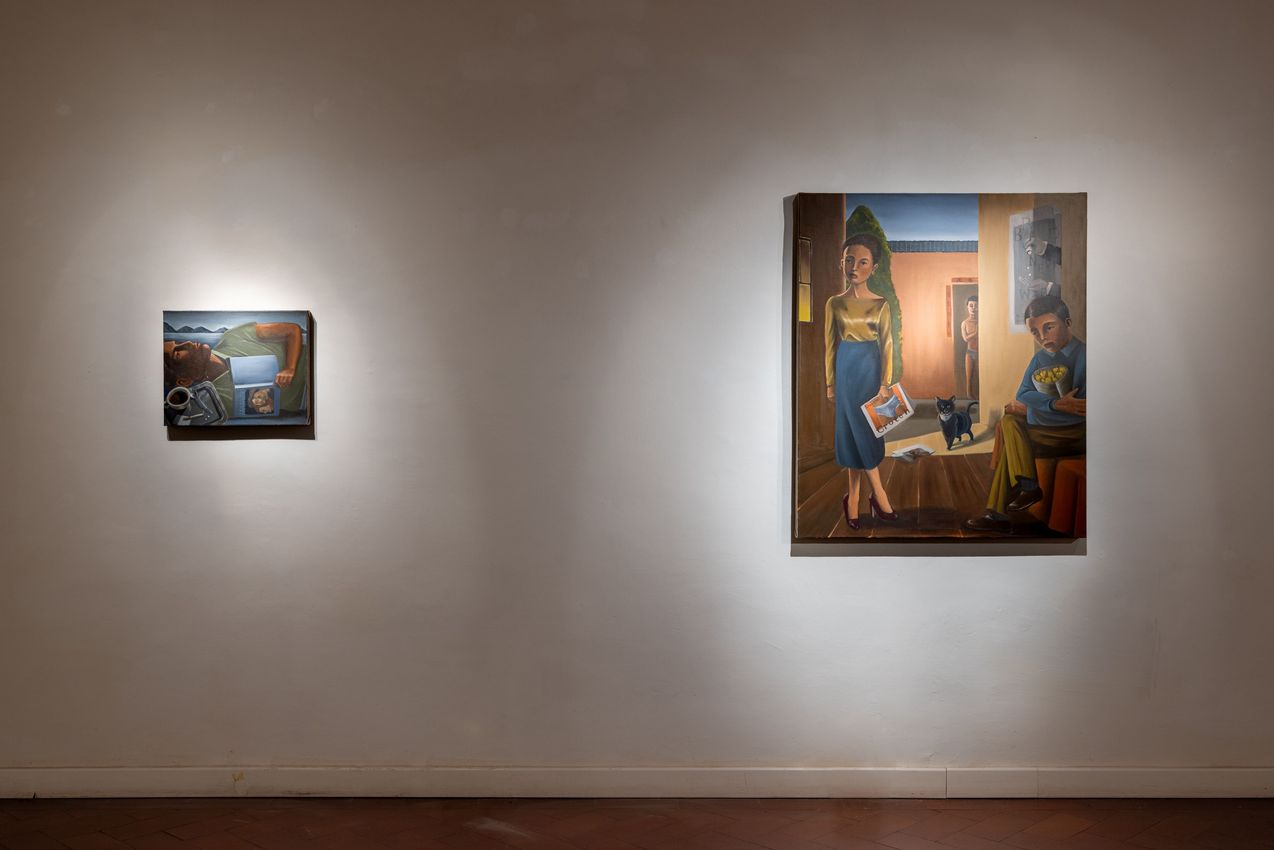
For this exhibition at Casa Masaccio, Chen confronts the conventions of Italian Renaissance painting on their home turf: linear perspective, proportional realism, the idea of an ordered and measurable space built around a single point of view - that of Vitruvian man, male, white, and heterosexual. A gaze that organised the world under the guise of neutrality, leaving out whatever wasn’t meant to be seen. Into this frame he introduces disruptive elements - inscriptions, incongruous details, photographic close-ups - that crack the harmony of each scene. His images look classical at first, steeped in references to fifteenth-century art history, but something in them is electric and unsettling, like the air before a storm. The tension comes from a question: what happens when that single, authoritative viewpoint is inhabited by bodies and histories it was never built to hold? When the universal subject of modernity gives way to queer, diasporic identities shaped by the very History that perspective helped construct and legitimise? The works don’t answer this – instead, they sit with it, reading as fragments of a larger story with no clear beginning or end. Each composition works like a Chinese sentence, where the meaning of each word only emerges in relation to the others - or like an illustrated rebus, a form of popular visual culture that, curiously, never really caught on anywhere but Italy.

As in Sirk’s films, excess - visual, compositional, symbolic - becomes a critical language. Chen stages a fiction where figures are naked, jeans around their ankles, in office clothes or balaclavas, all at once; dressed in masculine or feminine clothing yet their gender unreadable, their surroundings equally so, everything washed in the same orange-yellow light of a sunset whose source is never quite visible. The effect this coexistence of opposites produces is something close to what Susan Sontag called the sensibility of camp - in her Notes on “Camp” (1964): “To perceive Camp in objects and persons is to understand Being-as-Playing-a-Role. It is the farthest extension, in sensibility, of the metaphor of life as theatre”. Every figure and every setting in Chen’s paintings is performing something, in a world where nothing is what it seems. What was once the painful, coercive experience of passing - having to be someone you’re not - turns here into the freedom to be someone different every day, through an identity that is fluid and ever-shifting. An aesthetics of artifice that isn’t decorative but structural: it refuses what gets called “natural” and makes the performance its own. The title Imitation of Life, then, becomes a way of reading the image itself - as a space of tension between what’s shown and what’s hidden, between the norm and what falls outside it, between an identity imposed and one still becoming.”

  • Marta Papini

Courtesy MASSIMODECARLO

Read More

Installation Views

About the Artist

Skyler Chen was born in 1982 in Kaohsiung City, Taiwan. He graduated from the University of Utah with a degree in Fine Arts in 2006. Currently, he lives and works in Rotterdam, Netherlands.

View Artist Profile

Also Exhibiting at MASSIMODECARLO

About the Gallery

MASSIMODECARLO gallery was founded in 1987. It switfly stood out on the international artistic scene for its bold, counter-current choices: the gallery focused on lesser-known artists in Italy such as John Armleder, Olivier Mosset, Steven Parrino and Carsten Höller. In the following years, the gallery program expanded to include prominent young artists of the time such as Alighiero Boetti, Cady Noland, Rudolf Stingel, and Felix Gonzalez-Torres.

View Gallery Profile
Address

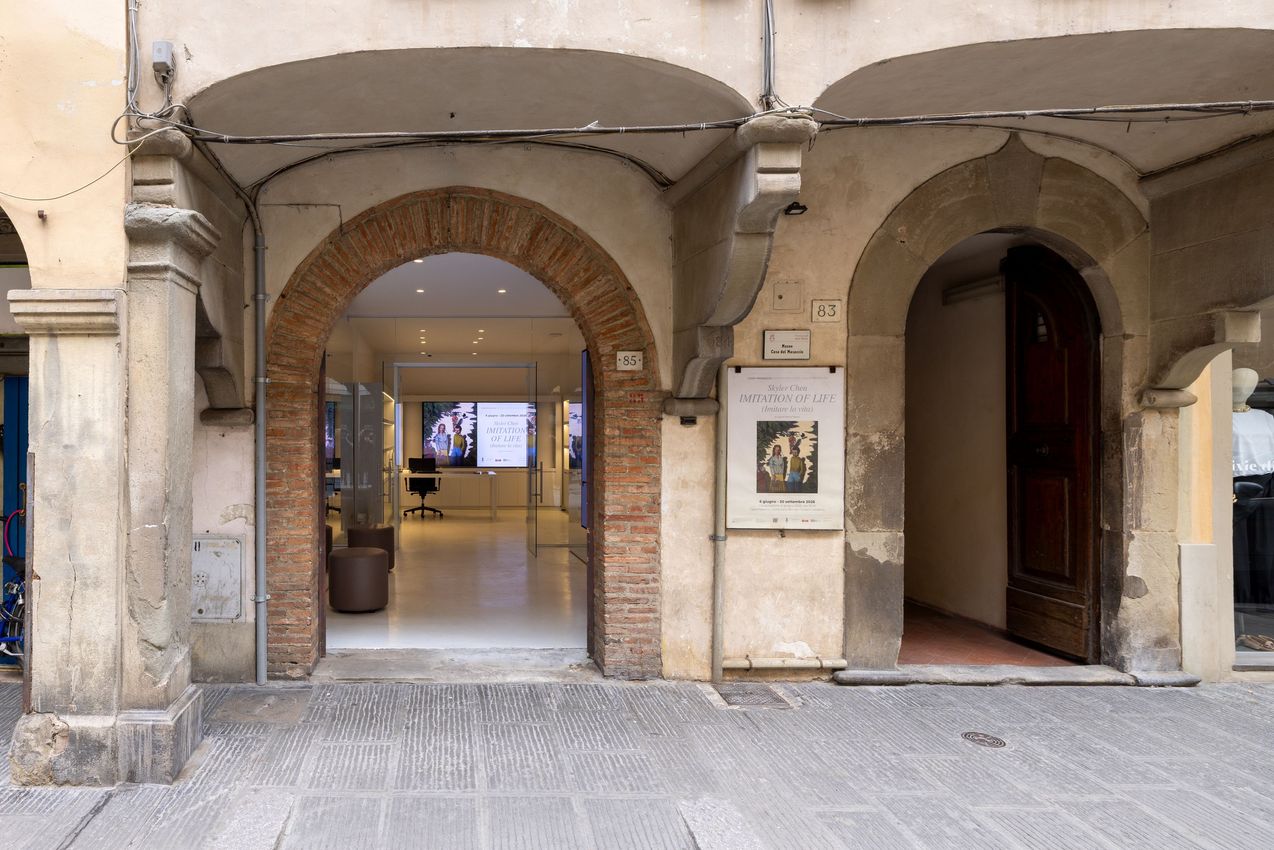
Casa Masaccio Centro per l'Arte Contemporanea, San Giovanni Valdarno

Corso Italia, 83, 52027 San Giovanni Valdarno AR, Italy
(1)
Milan Viale Lombardia 17
MASSIMODECARLO
Viale Lombardia 17, Milan, Italy

Opening hours
Exhibition:
Tuesday–Friday
11am–6:30pm

Offices
Monday–Friday
10am–6:30pm
The art world in focus