Press Release

Almine Rech Shanghai is pleased to announce Man, Water, Flowers, Fire,Michael Hilsman’s third solo exhibition with the gallery, on view from April 19 to May 25,2024.

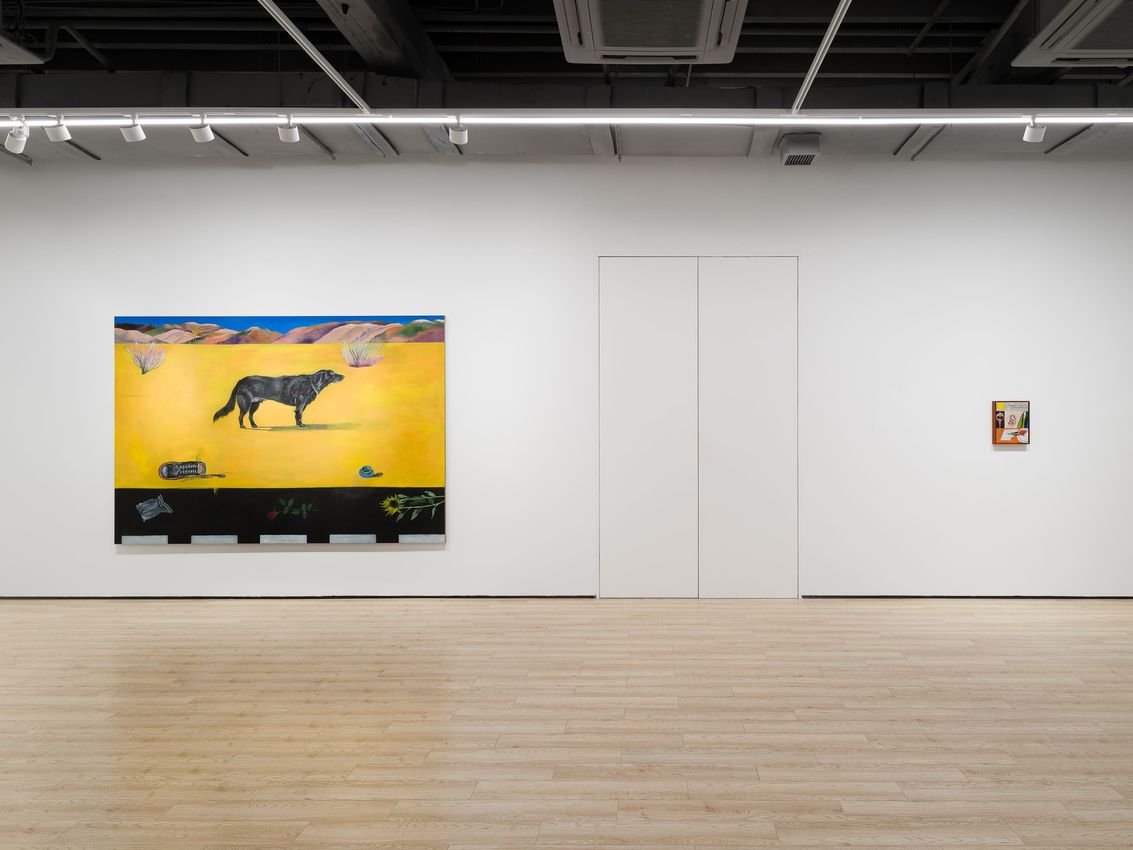
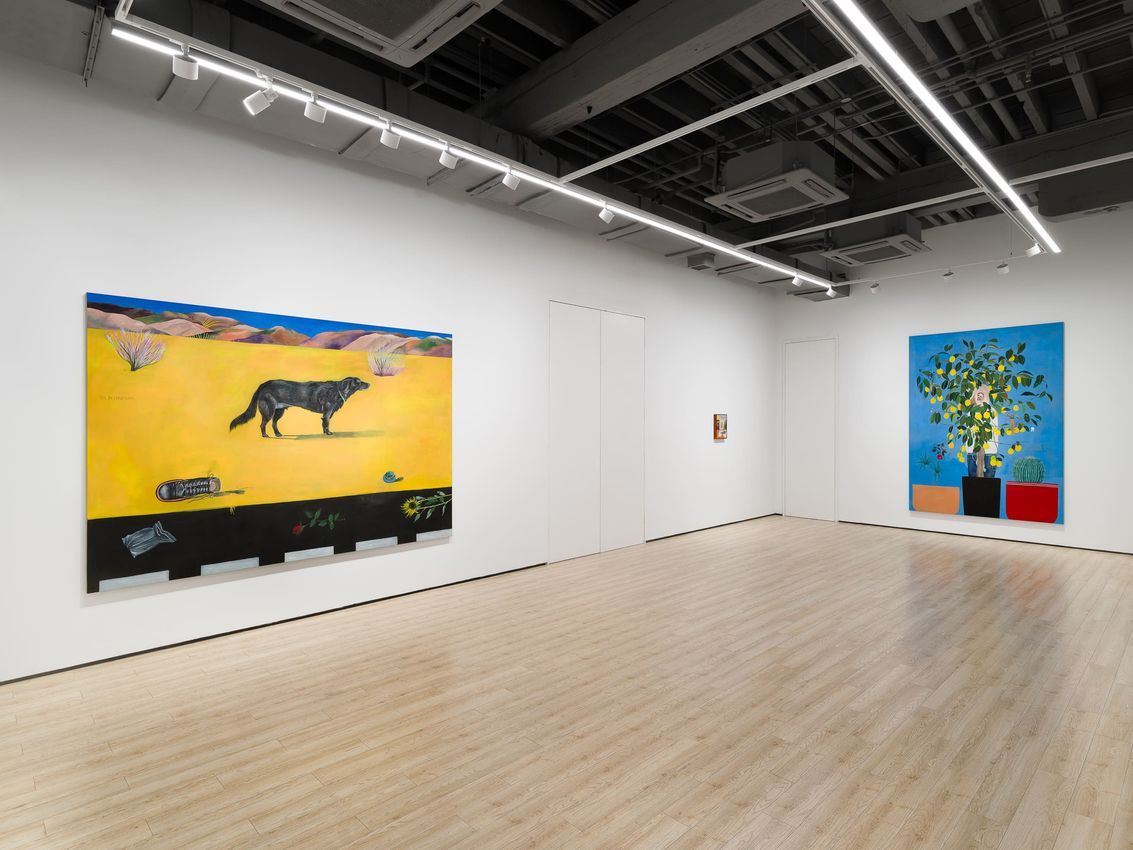
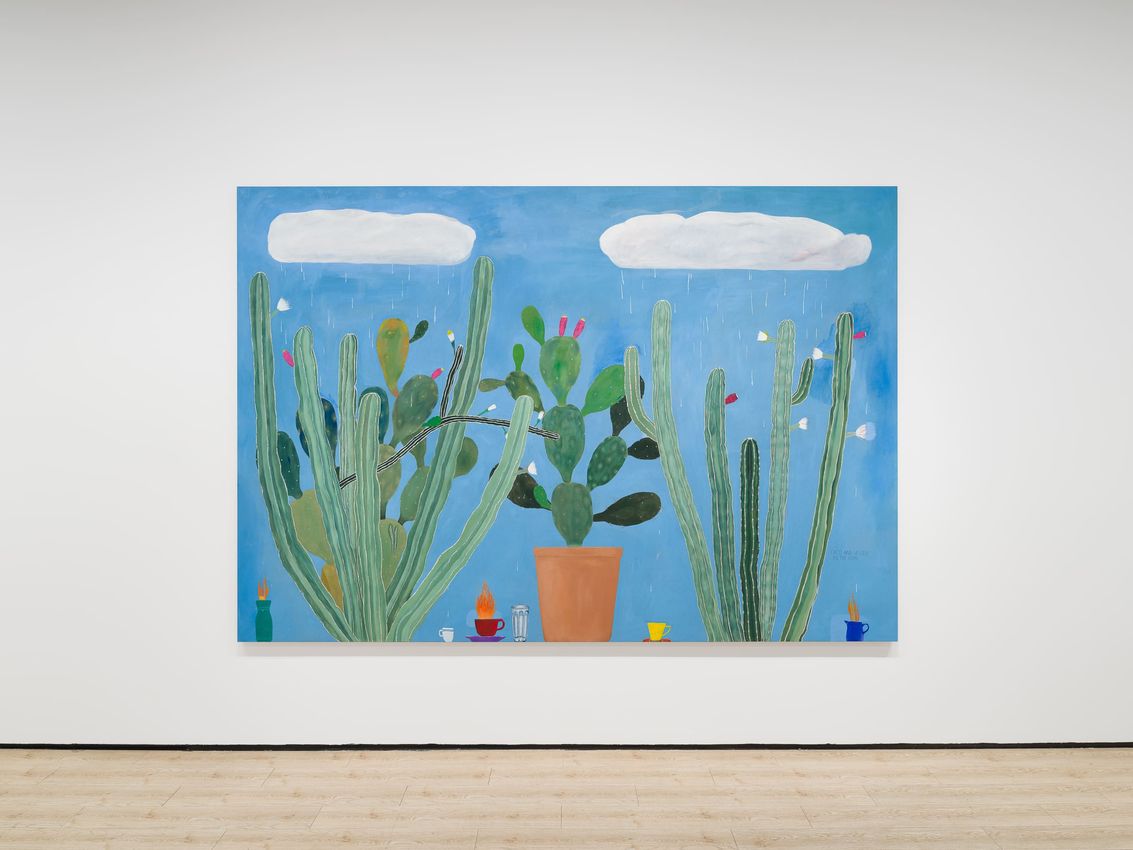
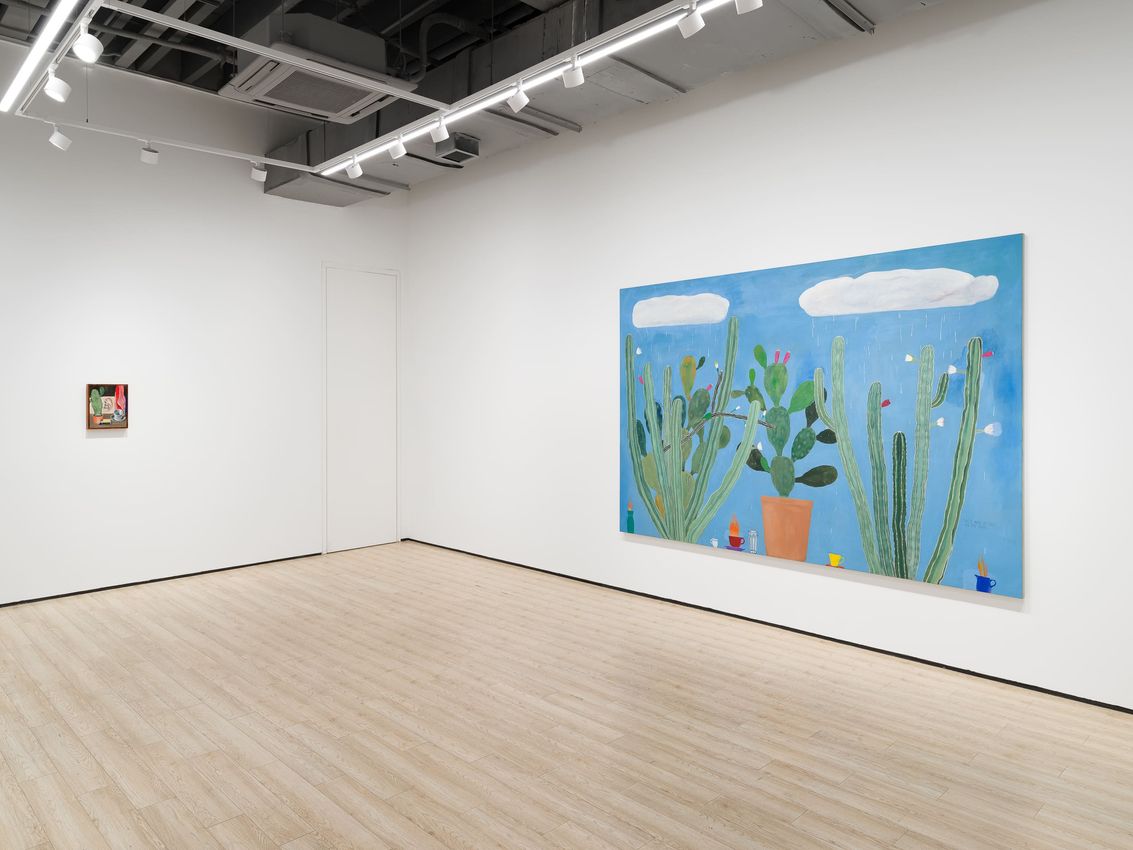
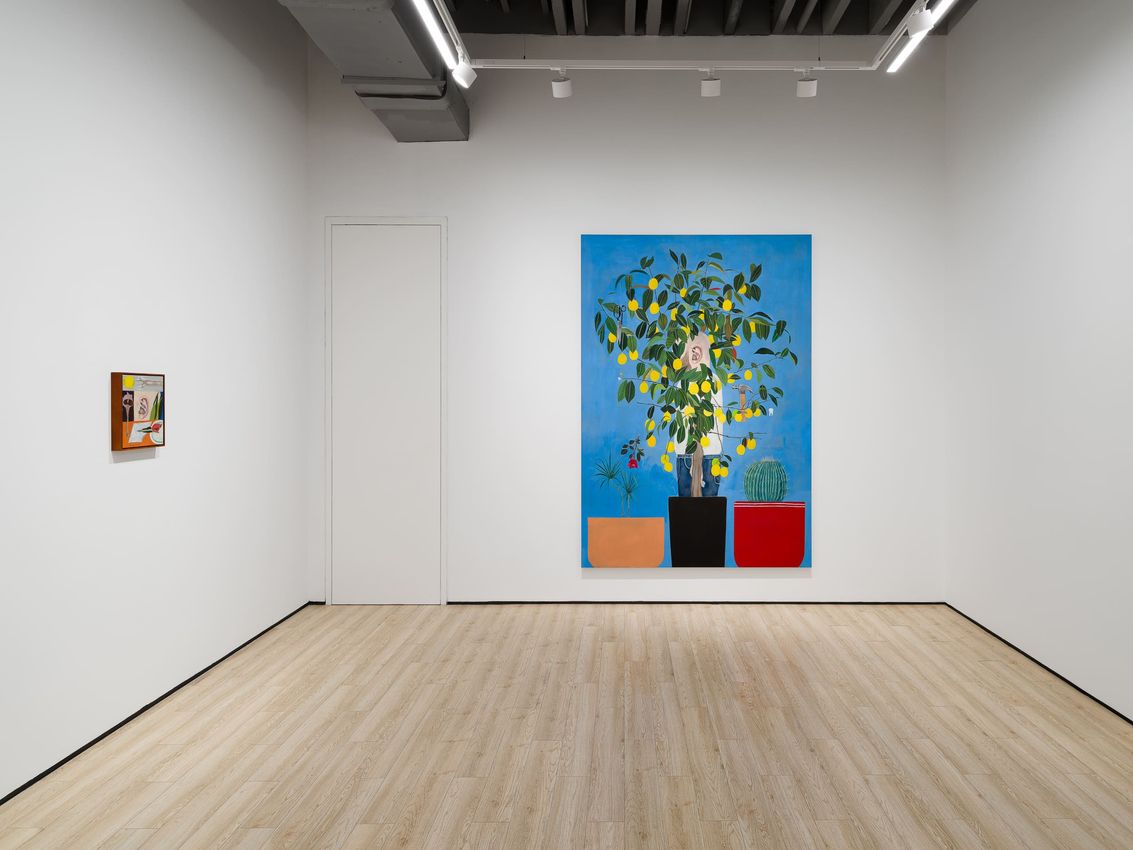
It is tempting to take the apparent simplicity of Michael Hilsman’s paintings atface value: a green cactus reaching up into a midblue sky, a dog, a lemon tree, a manholding a vase of flowers. We might think that these are untroubled and untroubling motifs.Hilsman’s frankly descriptive titles – Dog in Landscape, or Man in Lemon Tree – seem toencourage this uncomplicated read.

Hilsman lives and works in Los Angeles, a city that is superficially inclinedtowards a lifestyle of ease and simplicity, but is in fact tenuously constructed on anetwork of unseen fissures – psychological, cultural, historical, and geological. It is aplace that proliferates in clichés, which are themselves just simplifications based on farmore complex, nuanced truths.

While Hilsman often paints on a large scale, he is paradoxically influenced bythe Mughal miniature paintings he first got to know while living for a period in Pakistan.In these intricate traditional pictures, forms are tightly arranged and economicallyrepresented, while flattened, multi-perspectival sections allow for numerous timescalesto coexist simultaneously. In short, they are masterpieces of narrative subtlety.

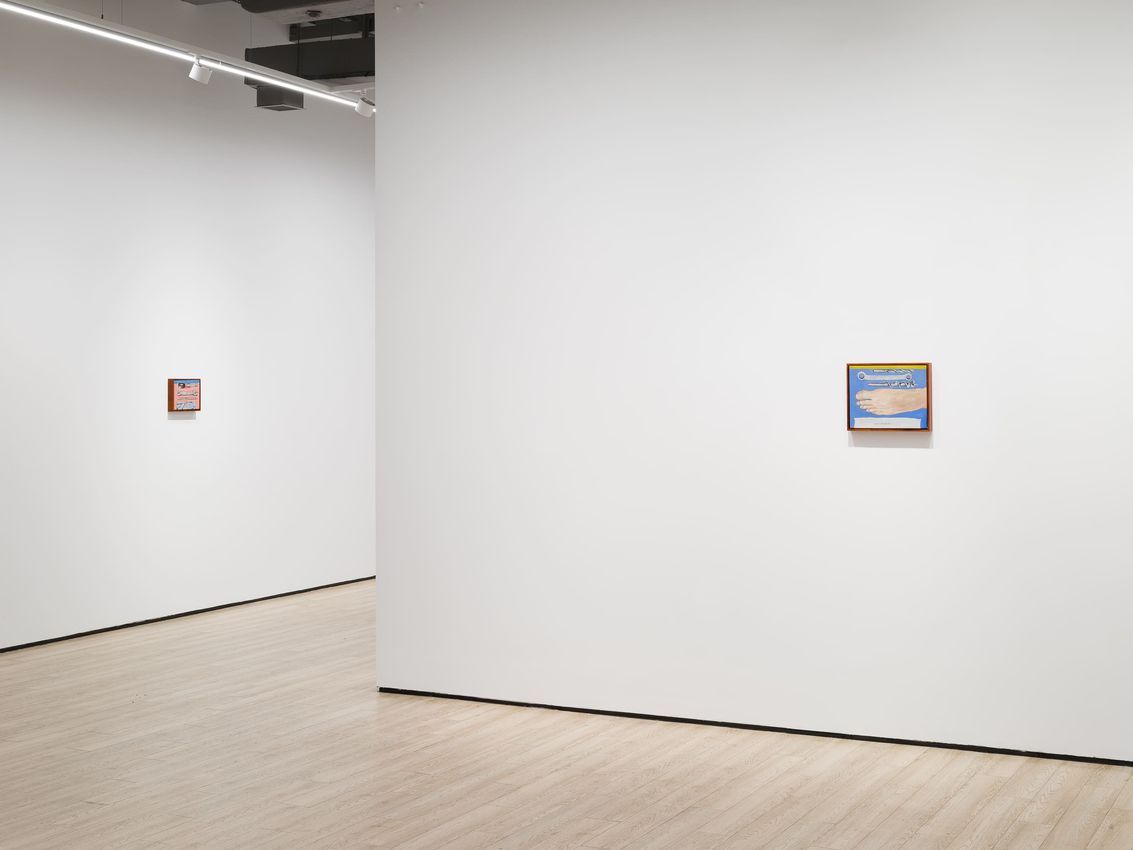
Hilsman is not a narrative painter; rather, he sets up situations in his work in whichnarratives might take root and flourish. He works with a recurring lexicon of familiar motifs– cacti, fruit, flowers, blankets, scissors, hammers and loose teeth all feature commonly

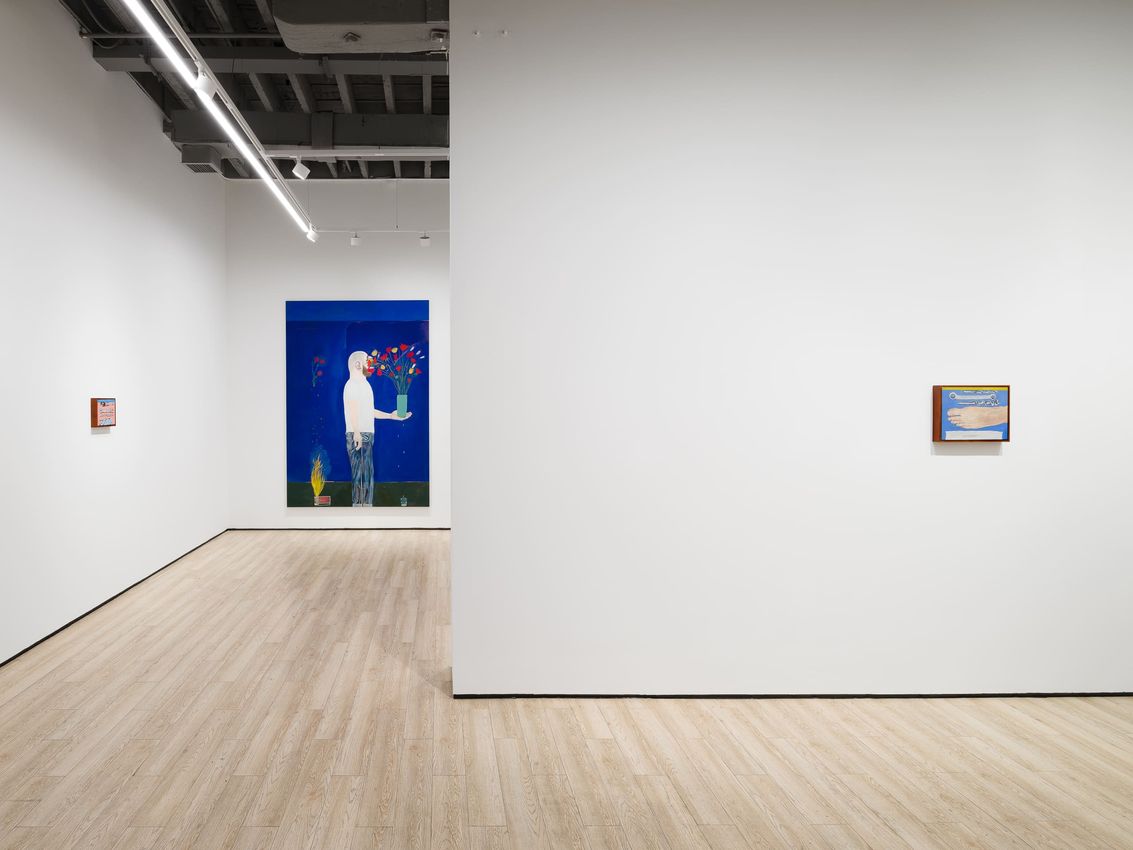
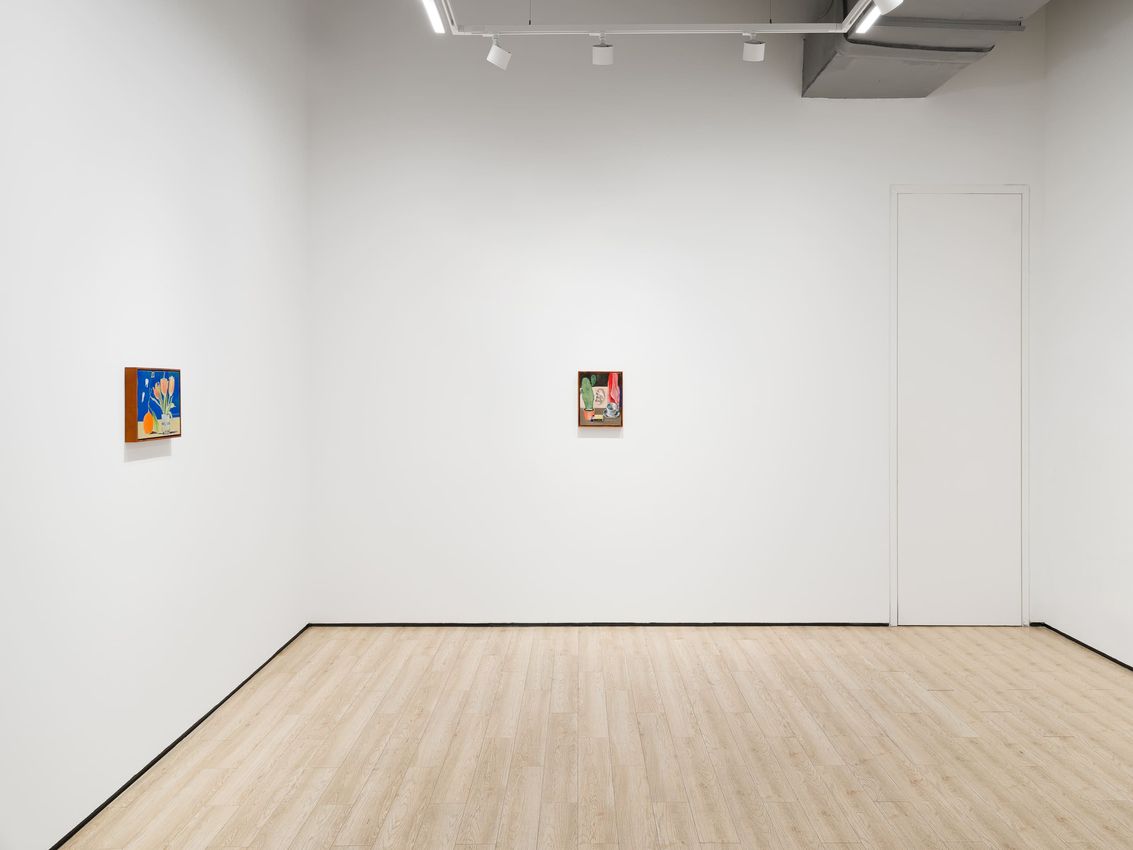
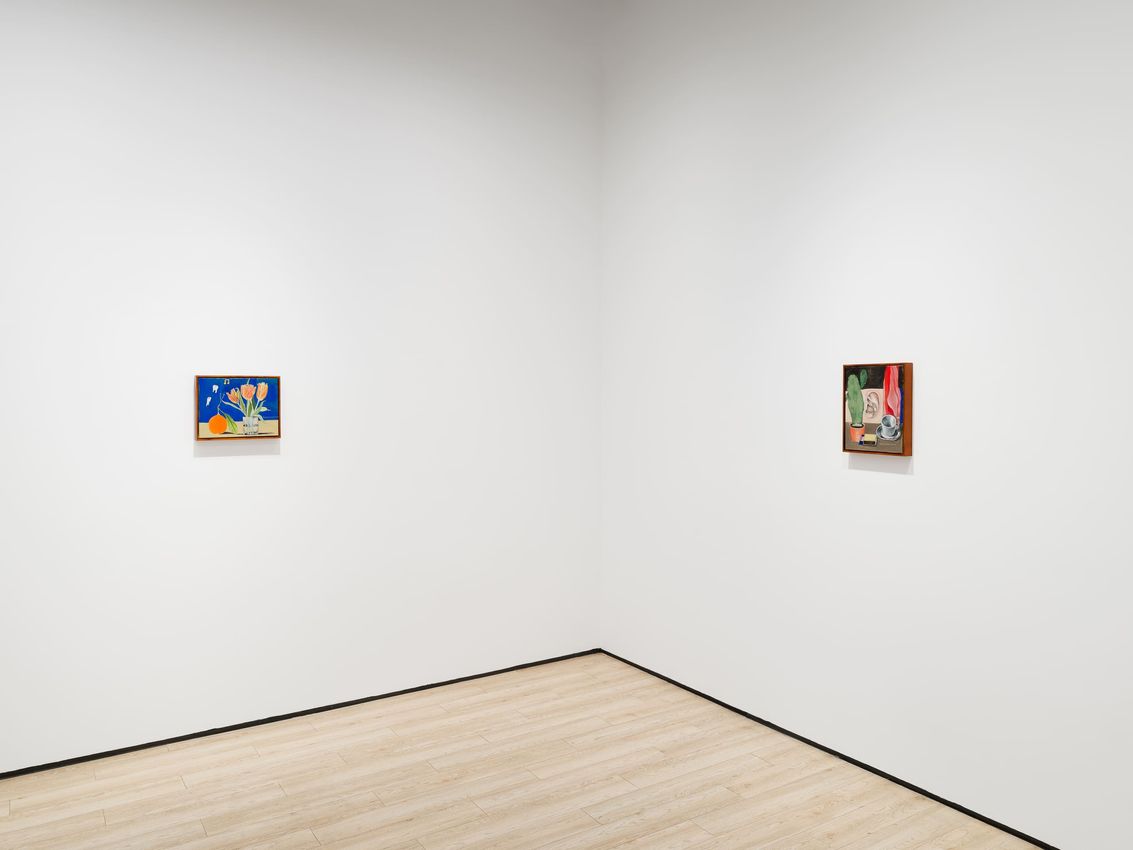
– which he deploys as potential plot points around his paintings. In Man, Water, Flowers,Fire (2024), these motifs interrelate: a box of matches flaming up to catch alight the stemof a flower; a vase of flowers dripping water down into a cup beneath. The relationshipsare not logical (Why would a floating flower stem catch fire like dry kindling? Why would avase leak water?) but instead conform to a kind of dream logic, operating in an imaginary,psychic space rather than a three-dimensional Euclidean space. Hilsman has spoken ofhis interest in the space of the theatrical stage: a shallow, box-like field, boundless in itsimaginary possibilities but, in reality, hemmed by flimsy, temporary panels.

The actor – or dreamer – in Hilsman’s paintings is always a bearded male figure,stocky of frame and bald of head, who – even if we have never laid eyes on the artist – wemight guess resembles Hilsman himself. In that assumption, we would be both right andwrong. While the figure is based on Hilsman’s body, these are not self-portraits, nor evenautobiographical representations of his dreams. Instead, the figure is a kind of ‘armature,’ according to the artist, on which objects (and events) can be hung.

Even in the paintings without a figure, there is a vivid sense of human presence– the cups and glasses left out in the rain, the domesticated plants growing in pots, theabandoned items of clothing. In perhaps the most perplexing painting in this exhibition,a shaggy black dog stands alertly looking off-canvas, within an indeterminate fieldof chrome yellow. At top, we see a distant range of sunbaked mountains; at bottom, ageometrically flattened blacktop road, abstracted almost beyond recognition. There issomething Beckettian about this scene: its strangeness and artificiality coupled with itshumdrum familiarity (the empty Ziploc bag, that old boot) but also its silence, and thealmost unbearable expectation that something must be about to happen.

Just what will happen, however, is left entirely up to us, the viewers. We completethese paintings. As if to signal their lack of resolution, Hilsman leaves painterly clues,like the patched areas of background blue, or the thinly painted jeans that show wherethe figure’s legs were extended beneath the horizon. As with magical realist painters likeRene Magritte, Frida Kahlo, or Leonora Carrington, Hilsman knows where to draw theline between illusion and the fantastical. He has said that he sees the elements in hispaintings as ‘fraught, in a state of dissolving or coming apart.’ It is Hilsman’s achievementthat he makes these fragile, tenuous constructions feel so much like contemporary life.

Press release courtesy Almine Rech

Read More

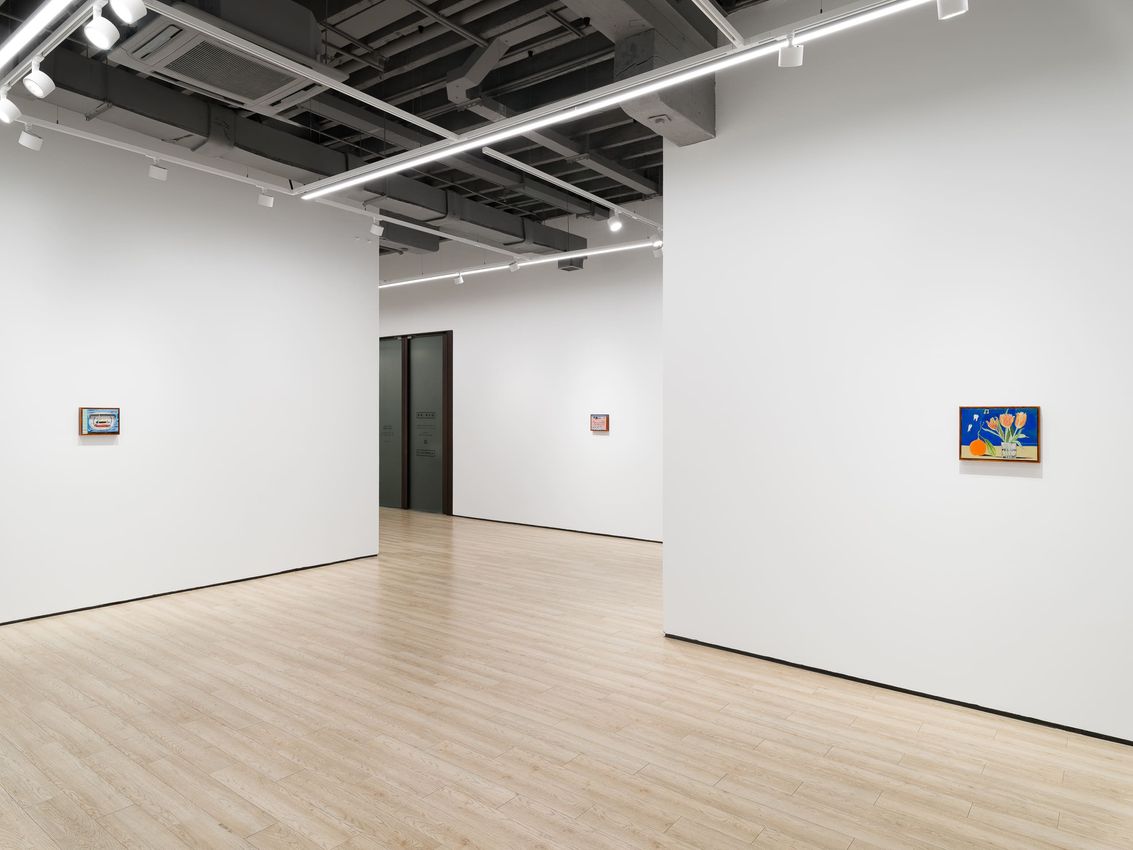
Installation Views

About the Artist

Michael Hilsman’s work integrates and expands upon the formats of classical painting, in particular the genres of portraiture and still life. Through incorporating elements at once ambiguous and curiously emblematic—plants, shells, and feathers, pieces of clothing, body parts—Hilsman has developed a visual vocabulary that oscillates between naturalism and expressionism. His paintings hint at the artistic exploration of the absurd, the latent spirituality of things, and the relationship between the physical and metaphysical. Often inscribed with words or titles on the picture plane, his compositions offer quasi–theatrical backdrops for objects and figures in states of dissolution and fragmentation, either on the brink of disappearance or formed anew.

View Artist Profile

Also Exhibiting at Almine Rech

About the Gallery

Almine Rech opened its doors on April 1st, 1997 in the 13th arrondissement in Paris. The gallery was founded on an axis of California Minimal, Perceptual art and Conceptual art, representing artists such as James Turrell, John McCracken and Joseph Kosuth.

View Gallery Profile
Address
27 Huqiu Road, 2nd Floor
Shanghai
China
Opening Hours
Tuesday – Saturday
11am – 7pm
(1)
Shanghai 27 Huqiu Road, 2nd Floor
Almine Rech
27 Huqiu Road, 2nd Floor, Shanghai, China
+86 216 312 0260
http://www.alminerech.com

Opening hours
Tuesday – Saturday
11am – 7pm
The art world in focus