‘Still, the show wouldn’t have been so successful or had such an impact if not for the central painting, much smaller than the rest. . . . This painting, viewed properly (although one could never be sure of viewing it properly), was an ellipsis of self-portraits, sometimes a spiral of self-portraits (depending on the angle from which it was seen), seven feet by three and a half feet, in the centre of which hung the painter’s mummified right hand.
It happened like this. One morning, after two days of feverish work on the self-portraits, the painter cut off his painting hand. He immediately applied a tourniquet to his arm and took the hand to a taxidermist he knew, who’d already been informed of the nature of the assignment. Then he went to the hospital, where they stanched the bleeding and proceeded to suture his arm.’
—Roberto Bolaño, 2666
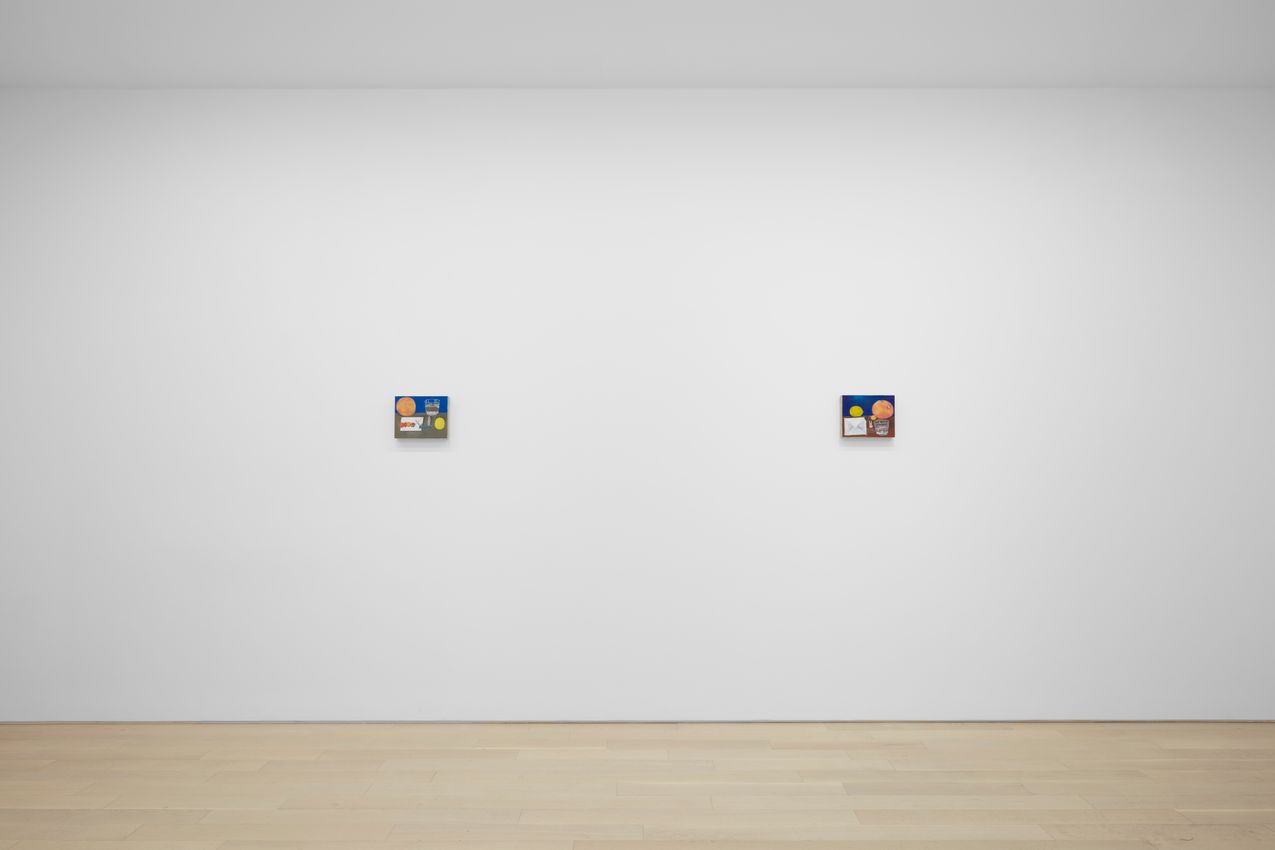
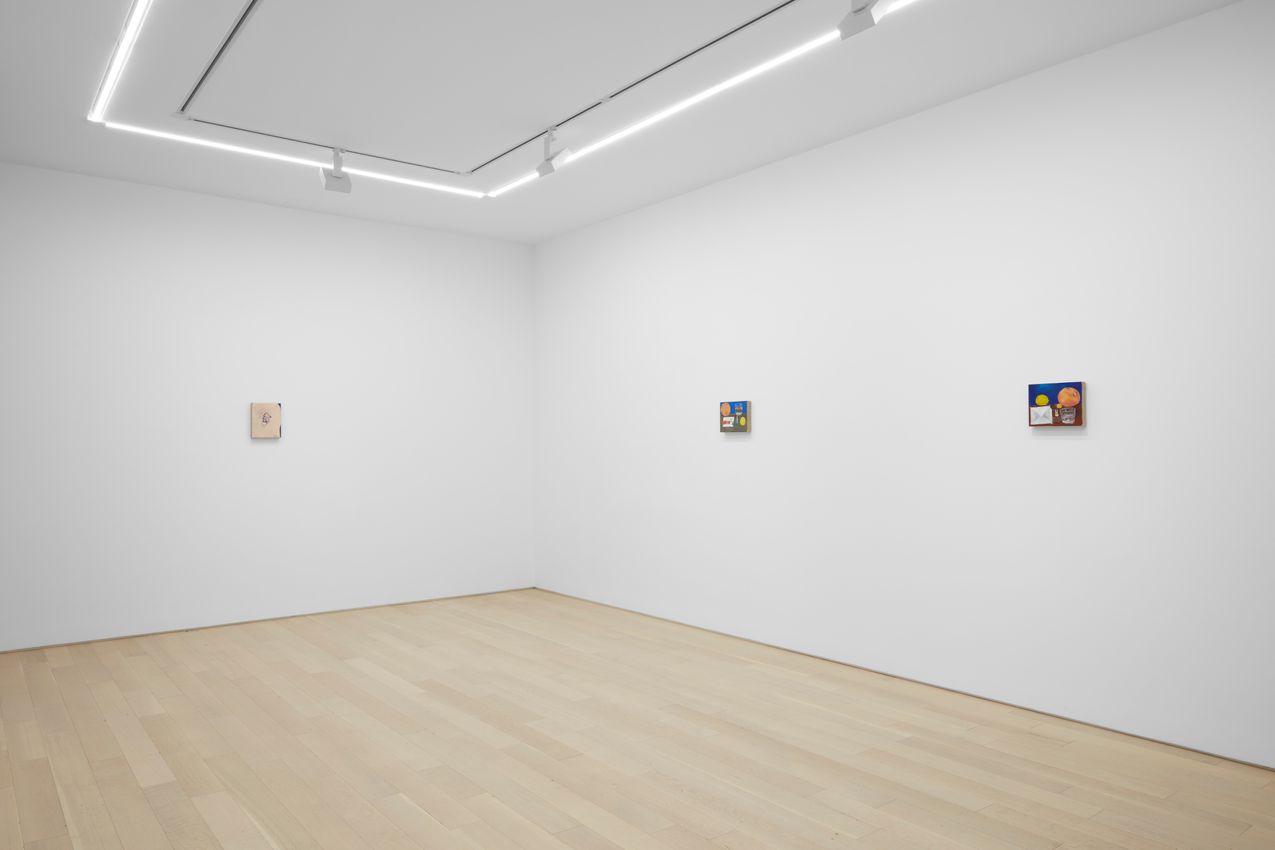
Almine Rech Gallery is pleased to announce the upcoming exhibition, Pictures of M. and Other Pictures, Michael Hilsman’s first solo show with the gallery.
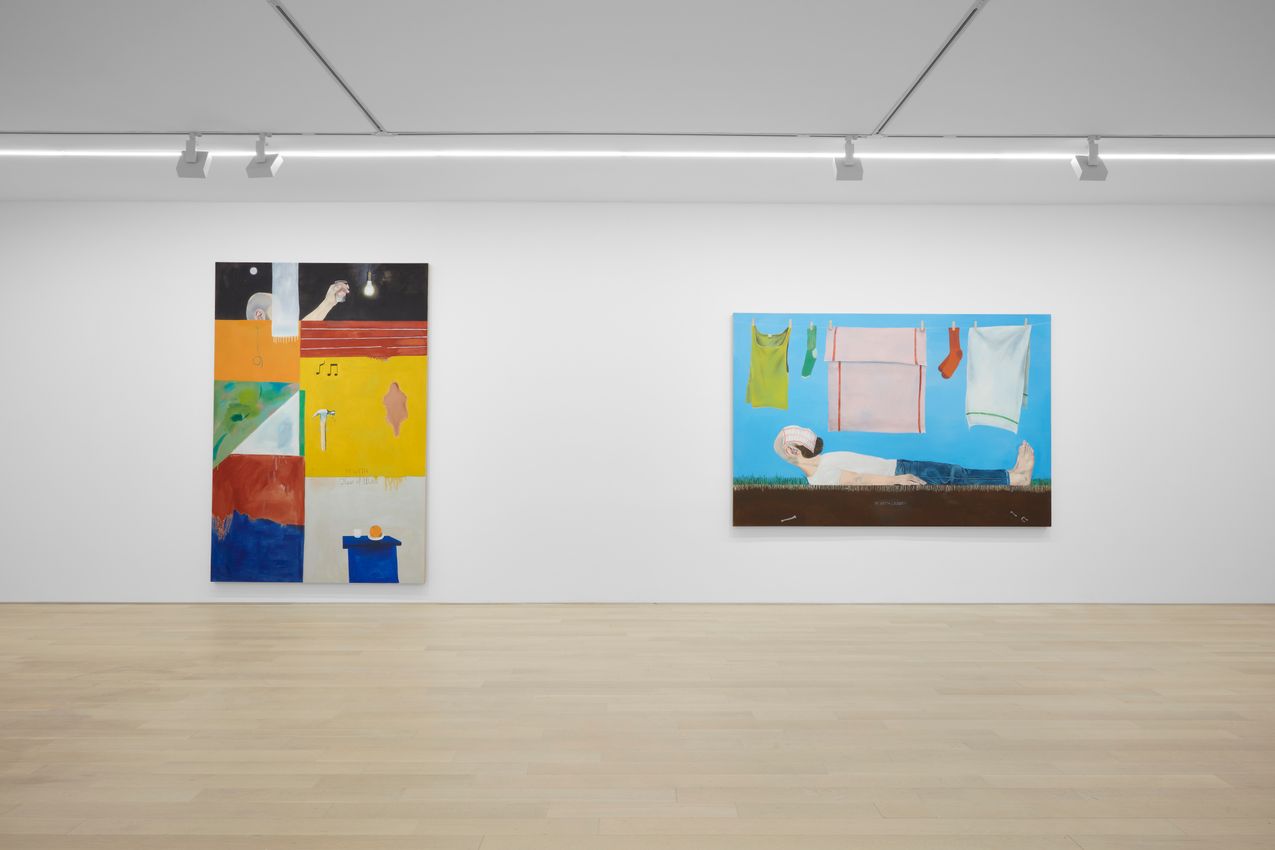
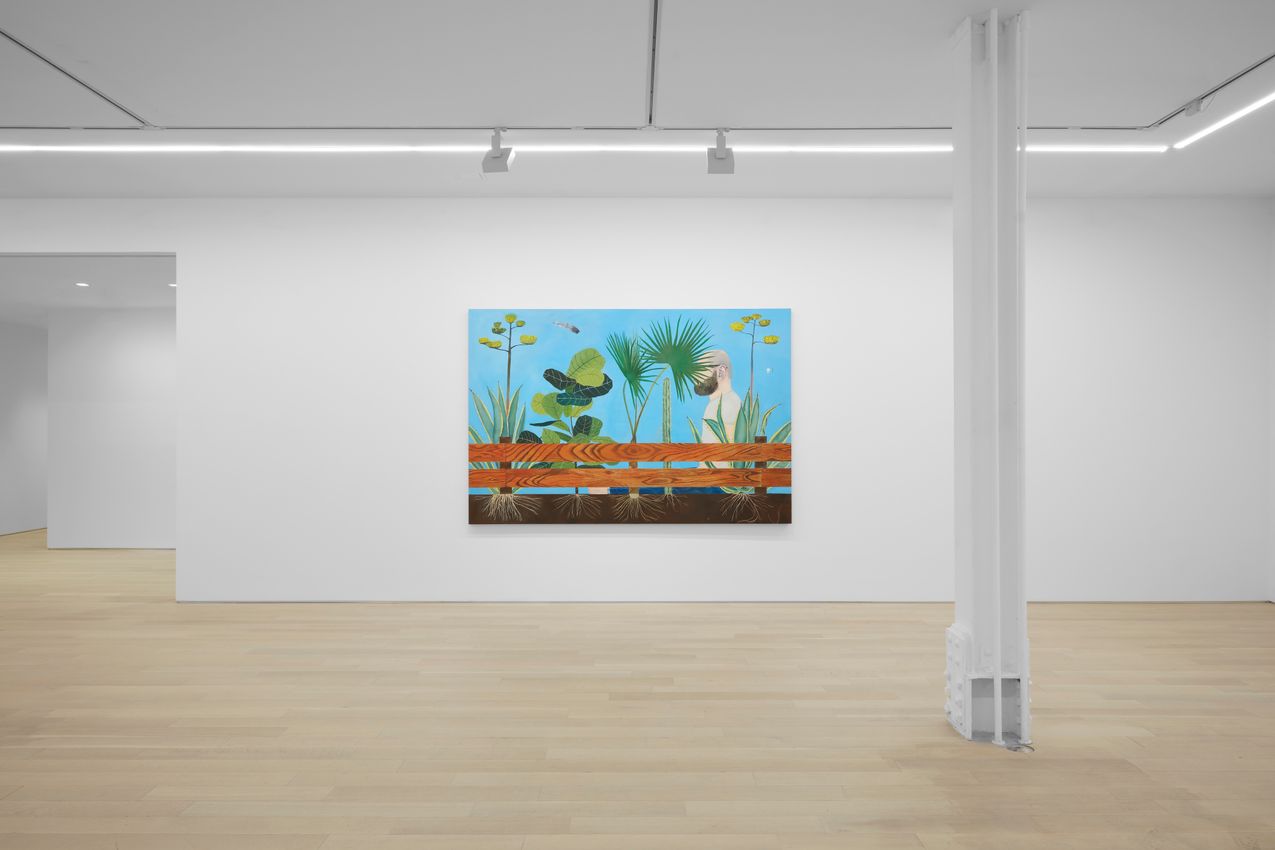
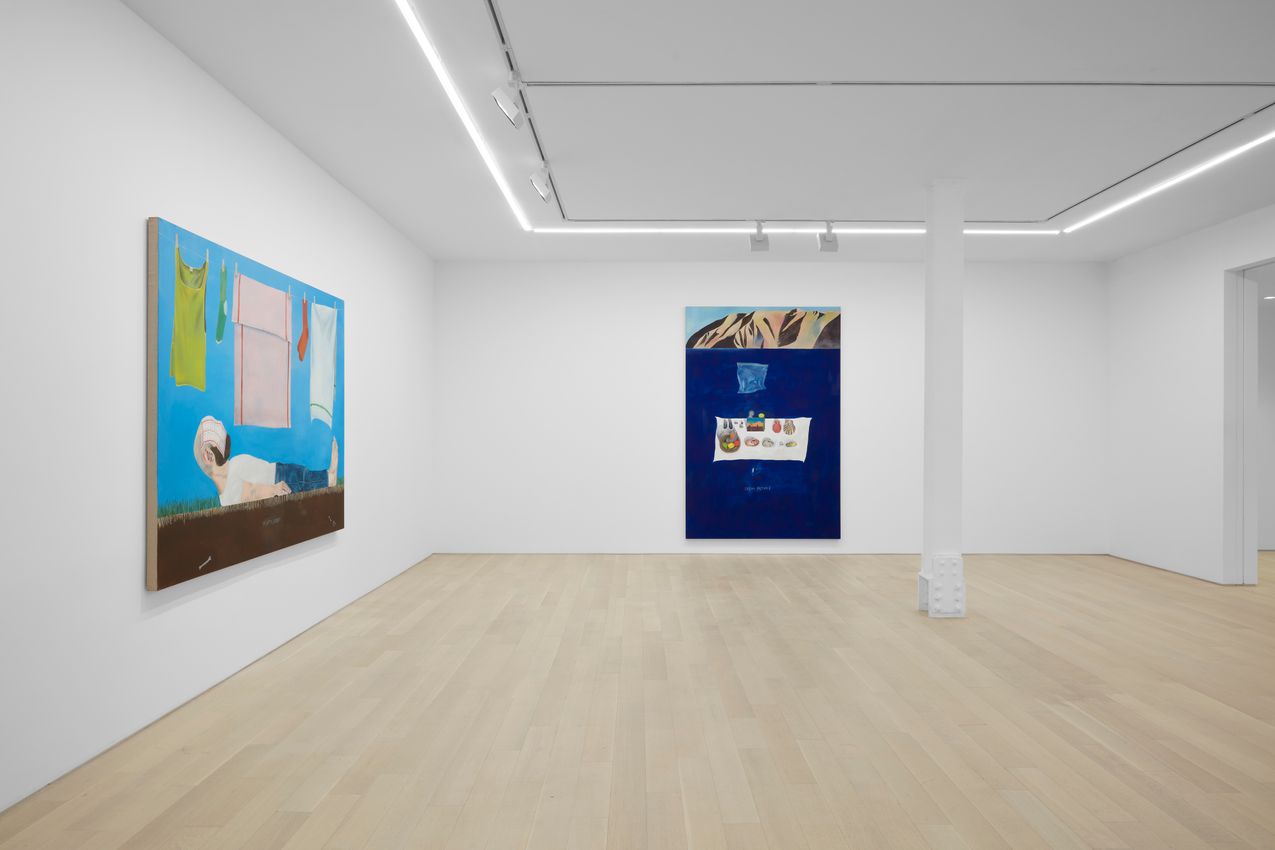
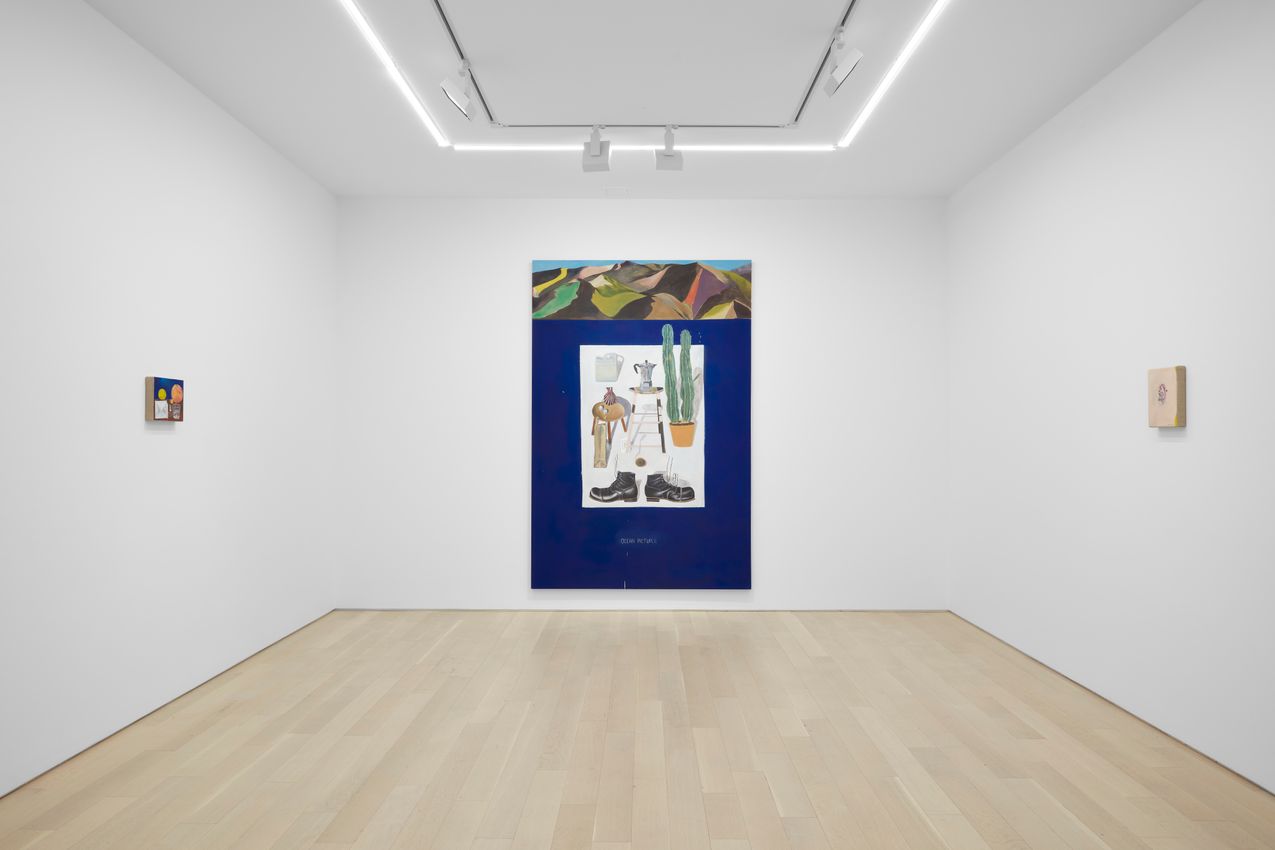
A recurring figure in Hilsman’s large-scale paintings shows a marked sense of vulnerability: With greying beard and balding head, the man hides himself from the viewer, lurking behind oversize foliage or covering his face with a gingham napkin. Only pieces of his body are visible, sometimes surrounded by other human parts—a buried bone lies below the man’s supine figure in ‘M.’ with Laundry; an extracted molar floats next to his head in ‘M.’ with Idioms (Tooth and Nail). Like Bolaño’s fictional painter who enshrines his own amputated hand in a self-portrait, the fragmented figure of ‘M.,’ a painted character in close proximity to Hilsman himself, underscores the body’s frailty, its awkwardness and mortality, and the disarming imperatives of being an artist—the discomforts of public exposure, the frequent mortification of self-expression.
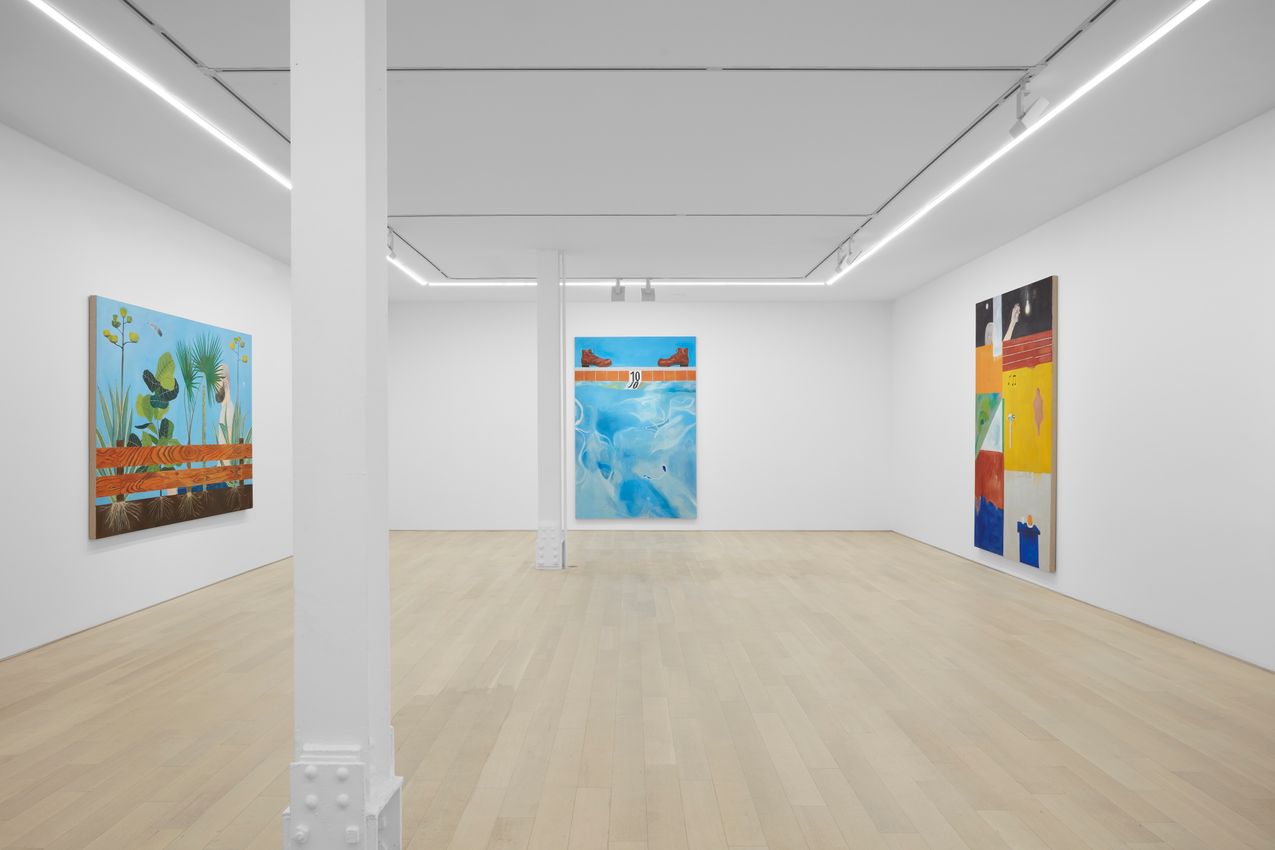
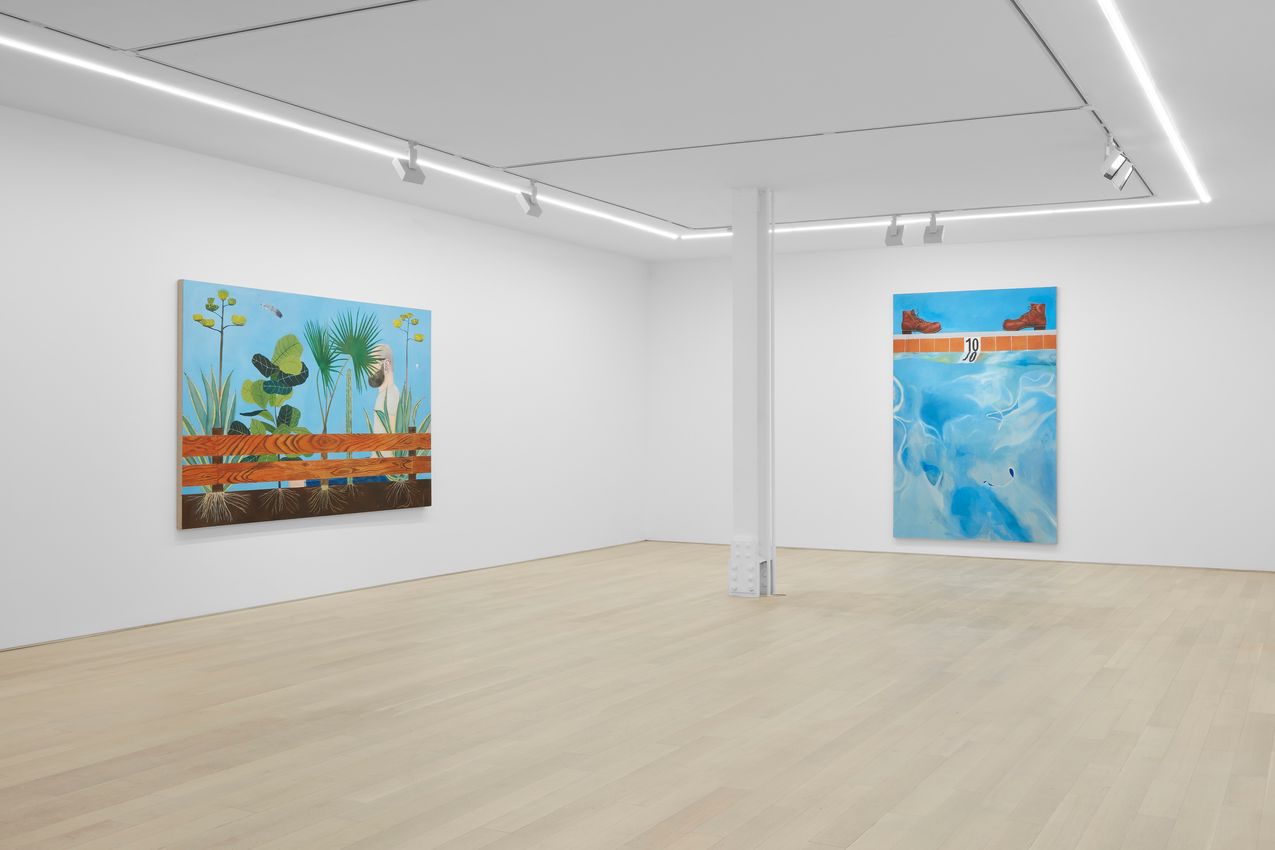
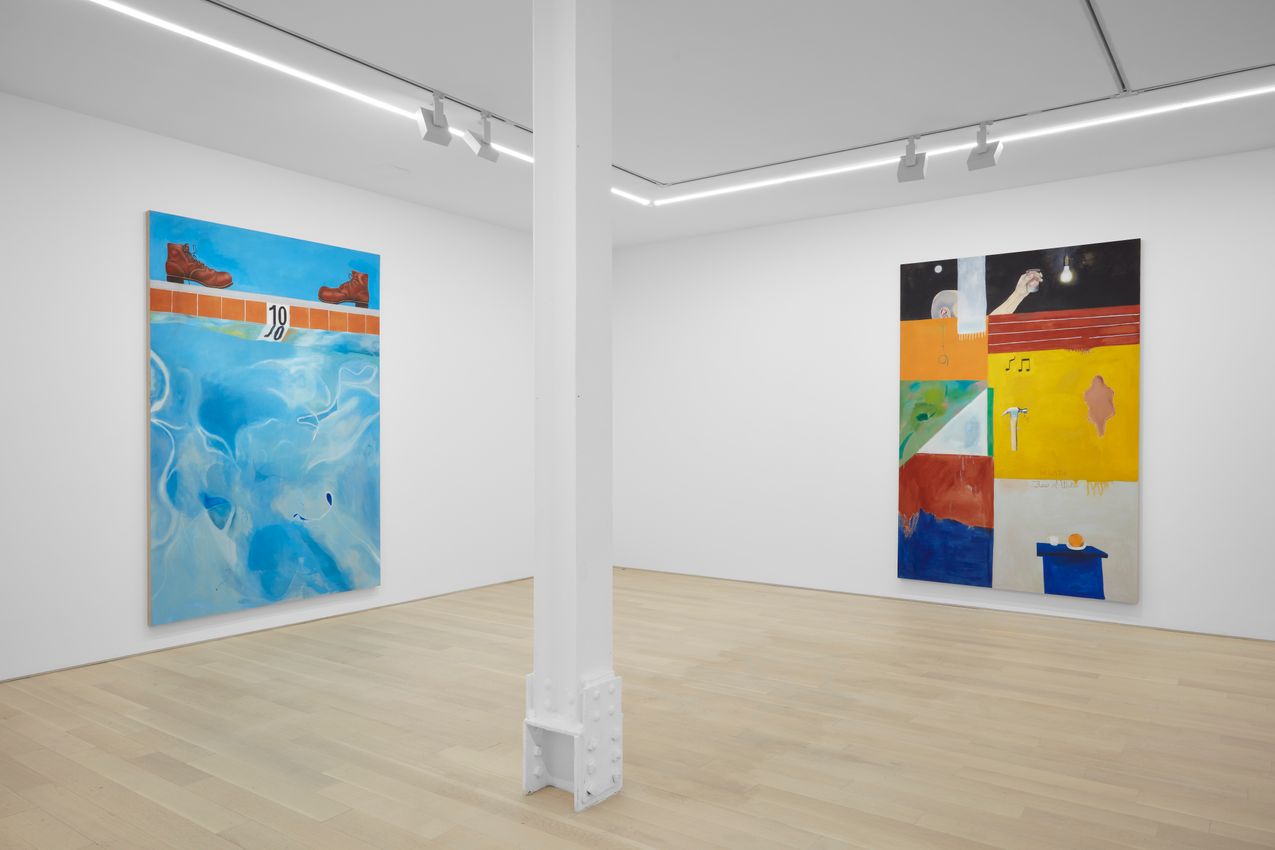
Even in the paintings without a figure, the sense of an absent body is palpable in Hilsman’s work. Well-worn leather boots perched on the edge of a swimming pool have a cartoonishly bulbous appearance, as though stretched by oddly misshapen feet. A tablecloth floats magically across the ocean’s surface, offering up an array of seashells and an abundant fruit bowl. Plants, feathers, blue skies, horizon lines —these elements assemble into a symbolic cast of characters that populate Hilsman’s paintings, quasi–theatrical backdrops for an absurdist play.
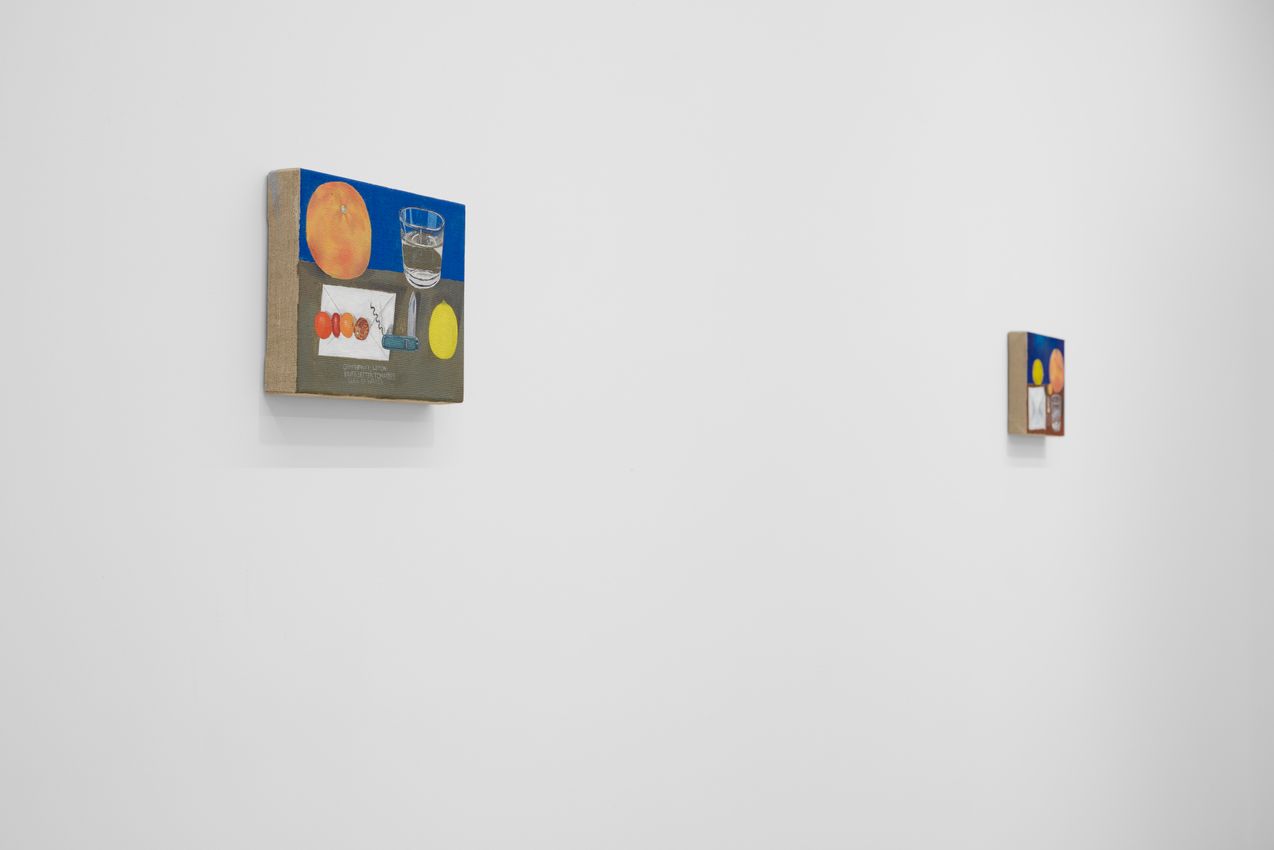
Working on unprimed linen, Hilsman’s thin brushstrokes magnify the inconsistencies of this support, with its fluctuating absorbency and patches of roughness that catch and hold paint in unpredictable ways. Often inscribing words or titles directly onto his compositions, Hilsman’s paintings disdain naturalism, continually drawing the viewer’s attention to the constructed nature of the picture plane.
In these magical-realist scenes, the plots of evocative narratives seem just beyond reach. Mixed-up and fragmentary, Hilsman’s compositions juxtapose lemon-drop, Hockney-esque California sunlight with the dark soil below the cheerful landscapes, rendered in cross-section view. A pulled tooth—significant in dreams, according to Freud, as a manifestation of fear of ‘castration as a punishment for onanism’—coexists in the series with such guileless signifiers as a lone green sock and a clear blue swimming pool. This world cannot be parsed, only drifted though in a gentle haze of wonder, as feathers float through the azure skies, and roots extend into the hidden depths beneath the surface of things.
Michael Hilsman’s work integrates and expands upon the formats of classical painting, in particular the genres of portraiture and still life. Through incorporating elements at once ambiguous and curiously emblematic—plants, shells, and feathers, pieces of clothing, body parts—Hilsman has developed a visual vocabulary that oscillates between naturalism and expressionism. His paintings hint at the artistic exploration of the absurd, the latent spirituality of things, and the relationship between the physical and metaphysical. Often inscribed with words or titles on the picture plane, his compositions offer quasi–theatrical backdrops for objects and figures in states of dissolution and fragmentation, either on the brink of disappearance or formed anew.


Almine Rech opened its doors on April 1st, 1997 in the 13th arrondissement in Paris. The gallery was founded on an axis of California Minimal, Perceptual art and Conceptual art, representing artists such as James Turrell, John McCracken and Joseph Kosuth.

A respected voice in contemporary art discourse.
Focusing on ambitious storytelling and insightful art-world commentary. Ocula Magazine publishes in-depth interviews, critical essays and timely analysis on the artists, exhibitions and ideas driving the global art world.
Learn more about Ocula Magazine
Showcasing the best of the art world.
Ocula partners with galleries from around the world to highlight their artists, artworks and exhibitions. Gallery membership is by application and invitation, with each member vetted by an independent panel.
Learn more about Ocula Membership

Specialises in the sale of major artworks.
Led by a team with deep ties to the world’s leading auction houses, galleries and collectors. Ocula’s advisory team offers bespoke services to high-net-worth clients from around the world who are looking to acquire the best of contemporary and modern art.
Learn more about our team and services