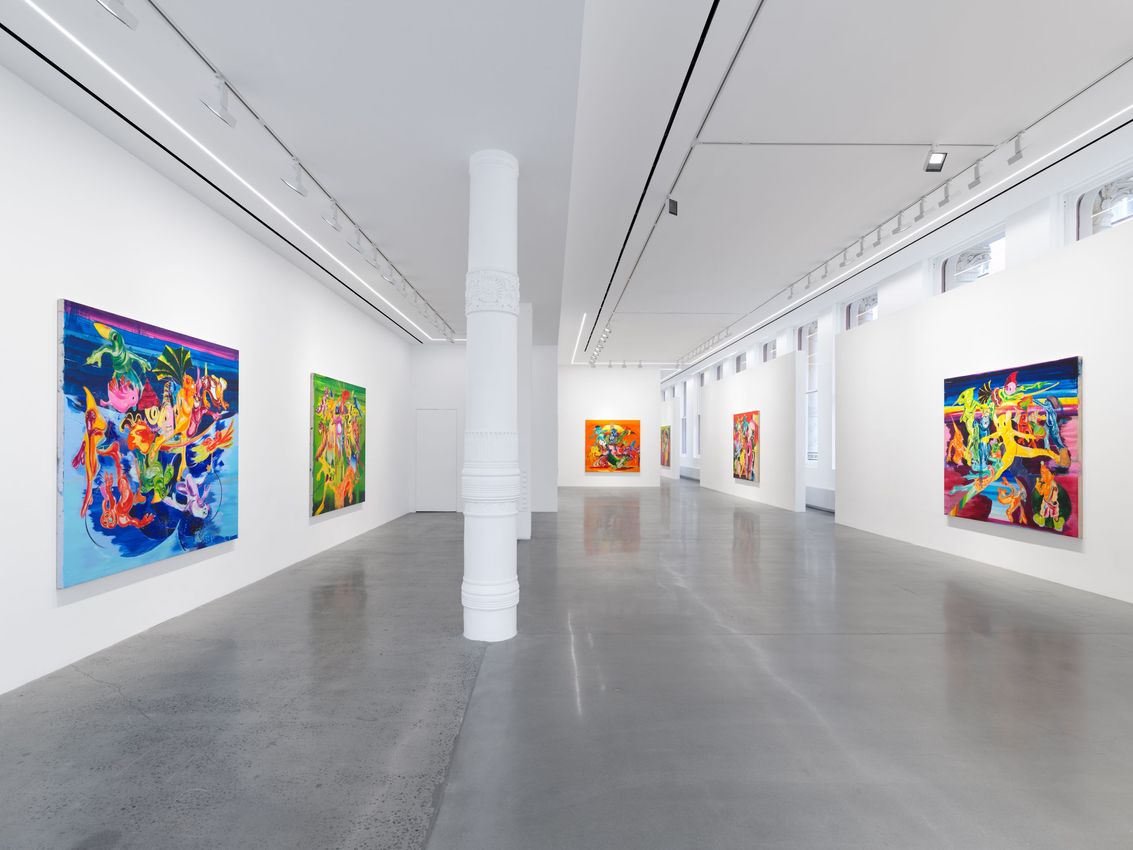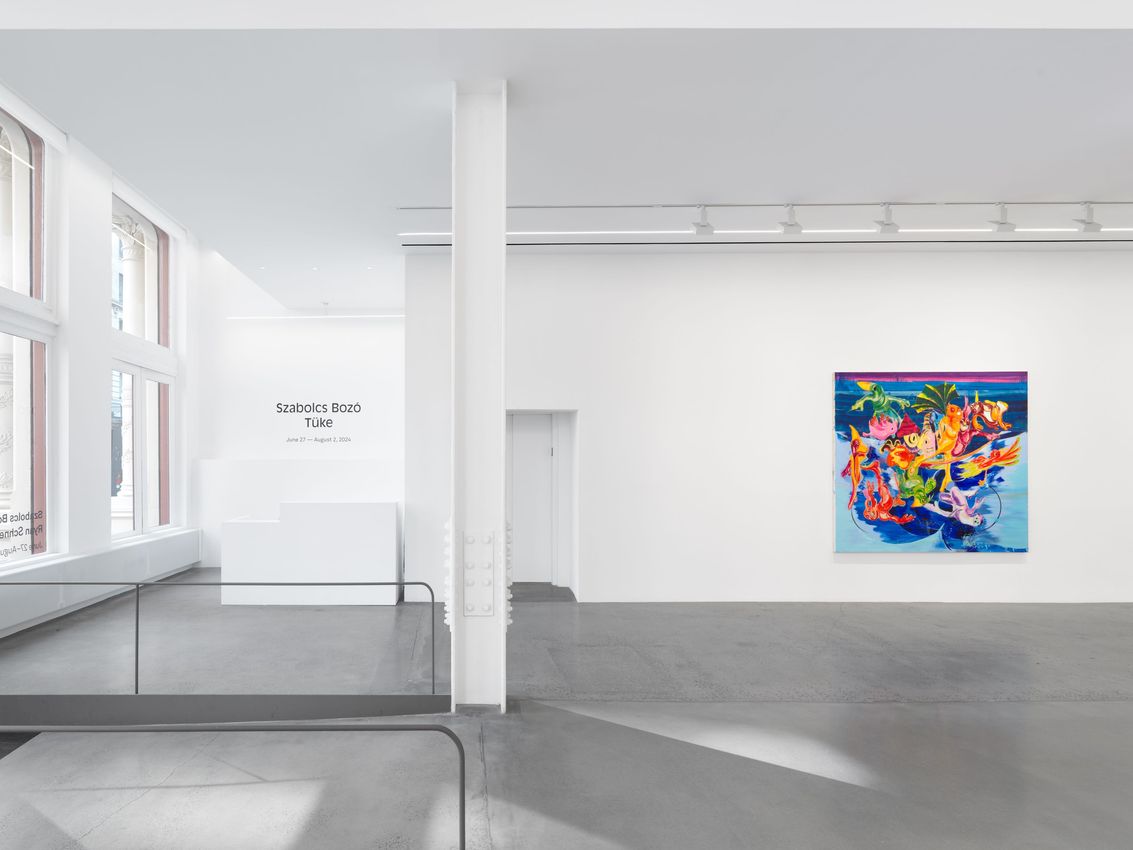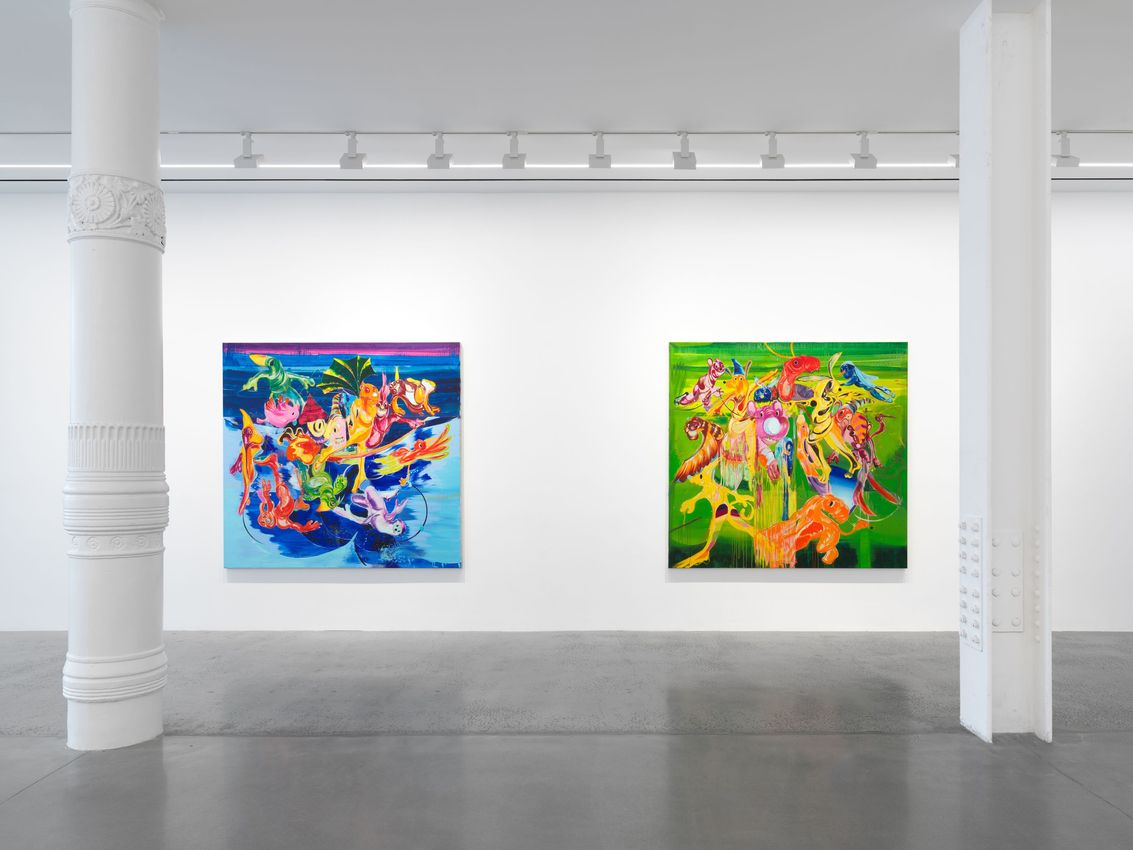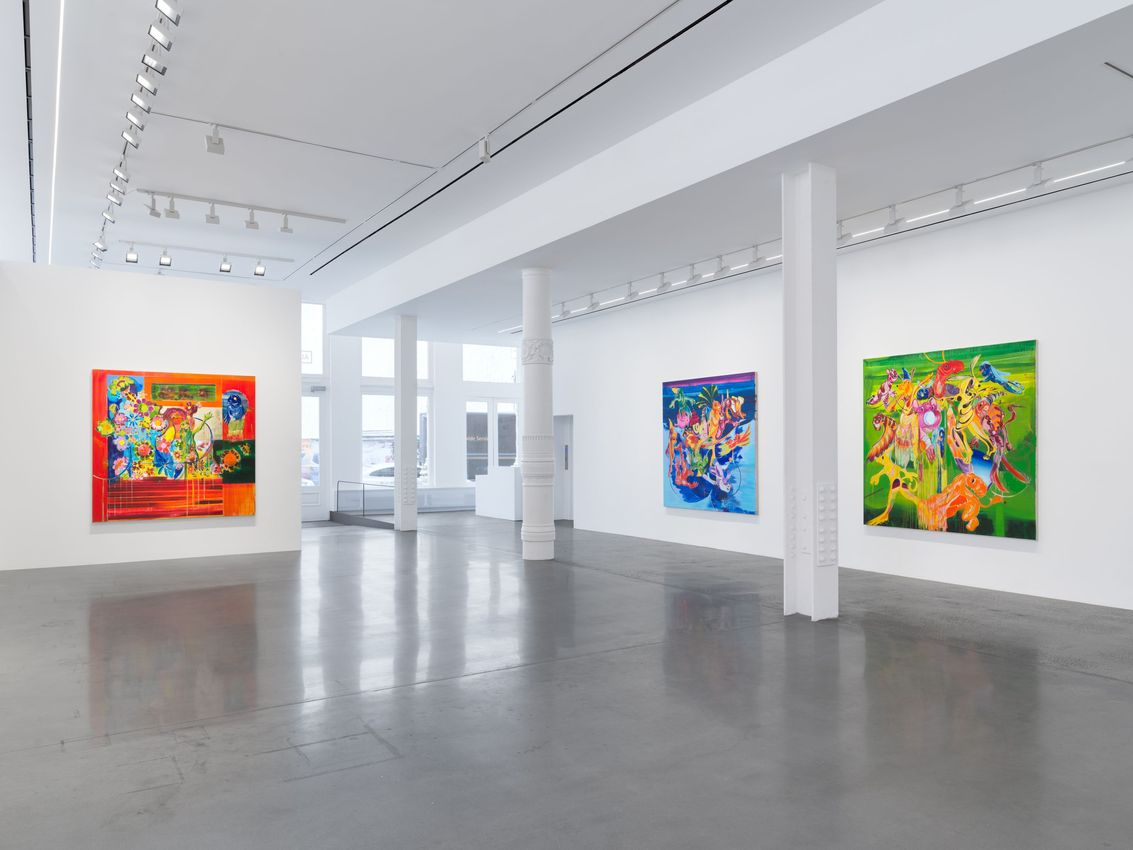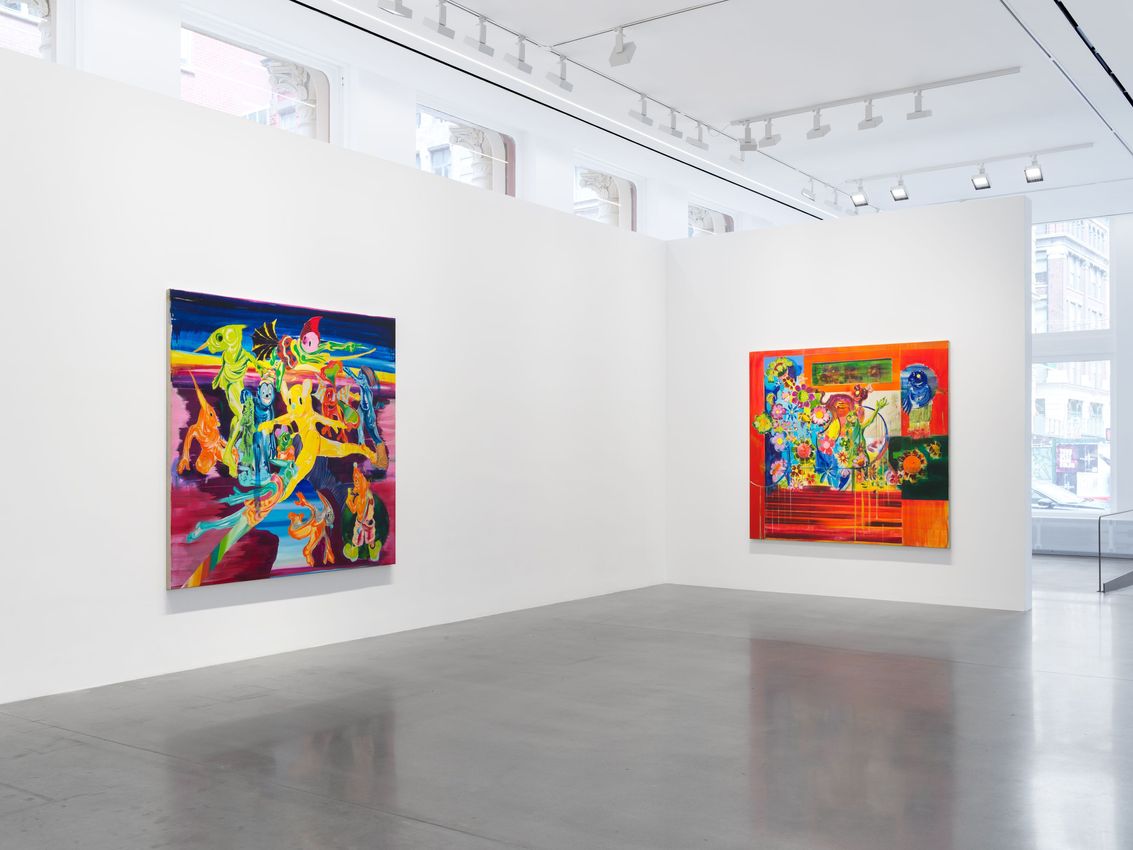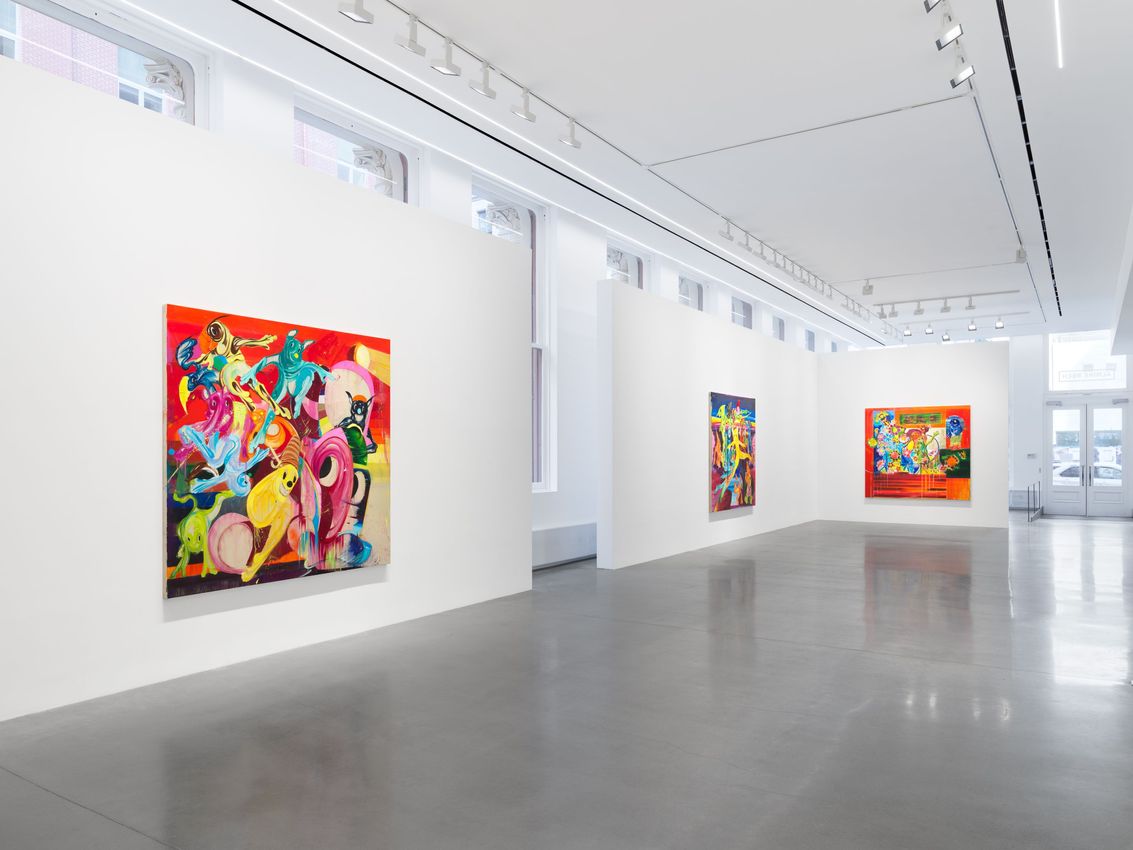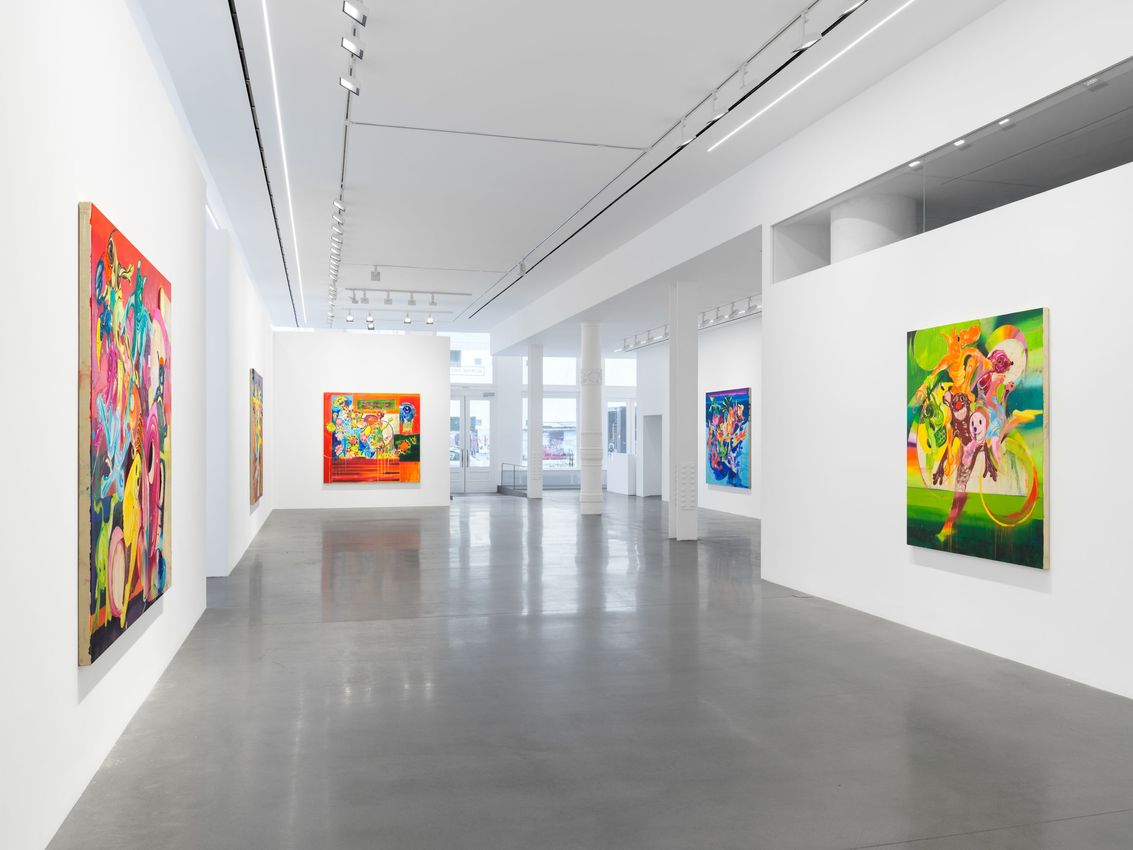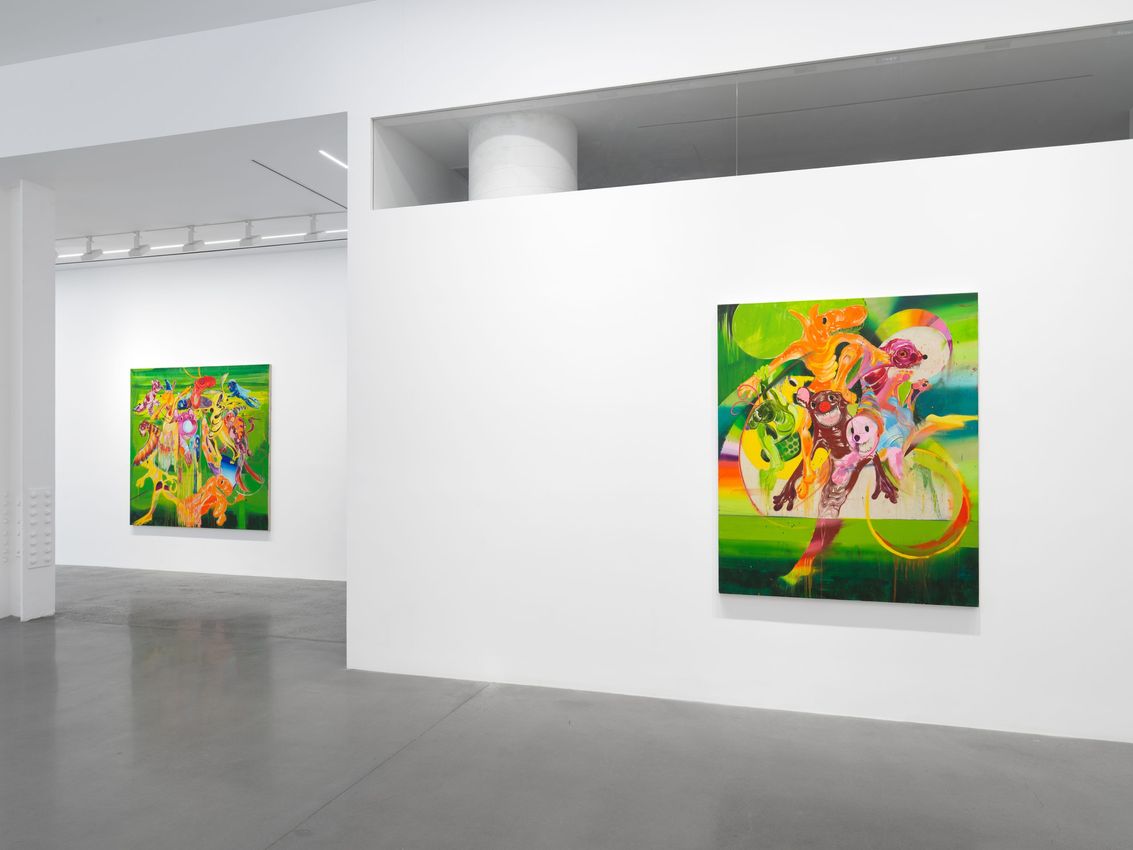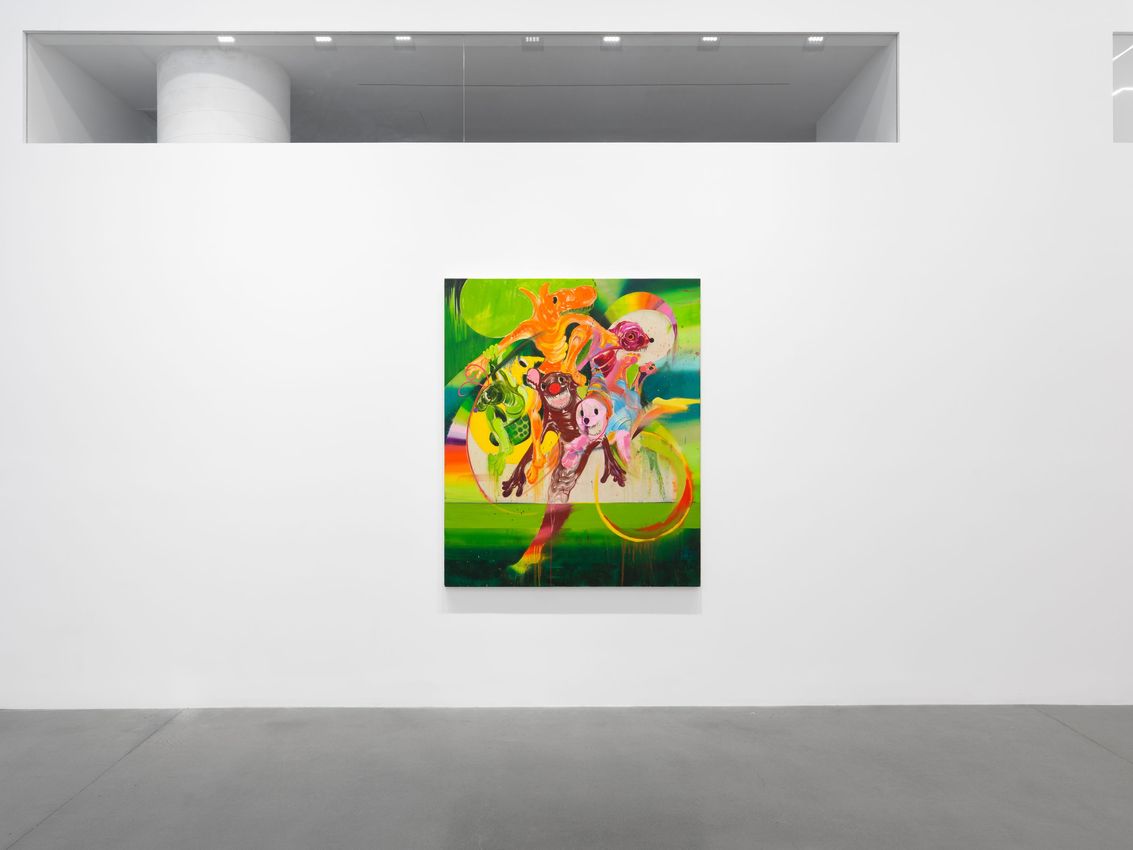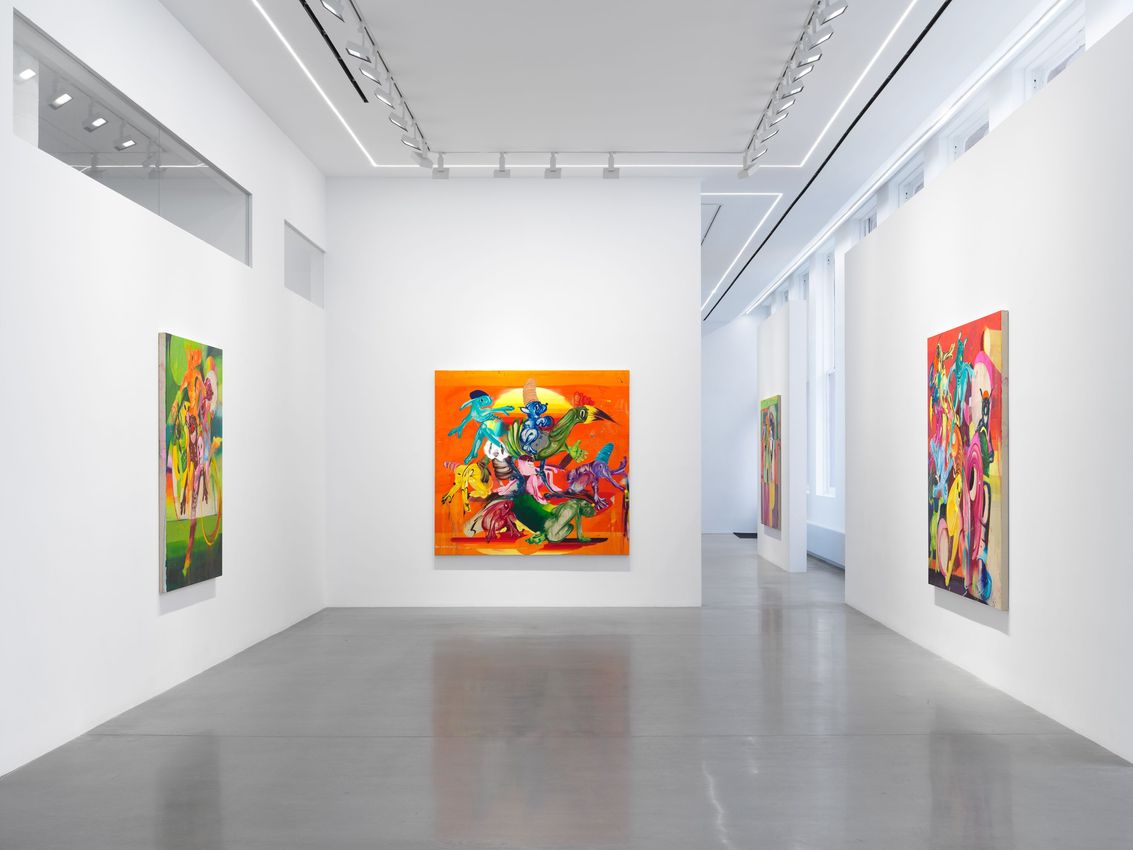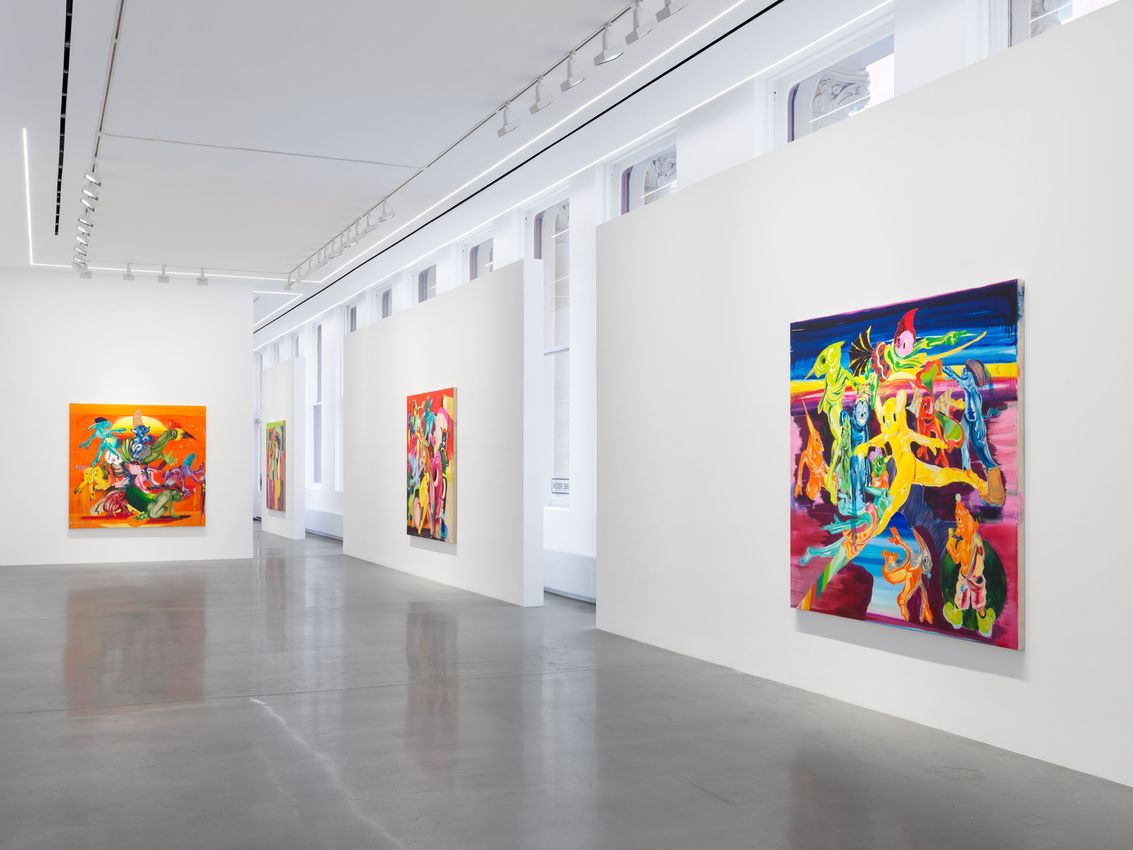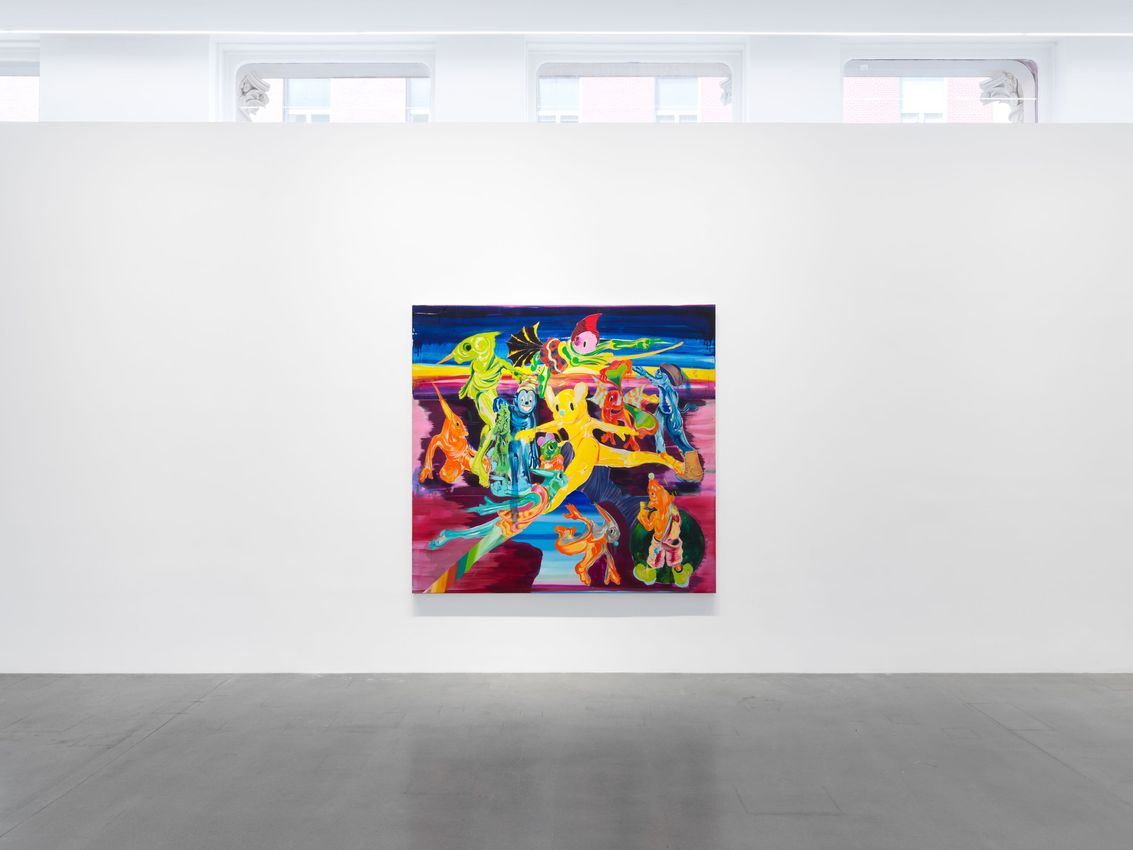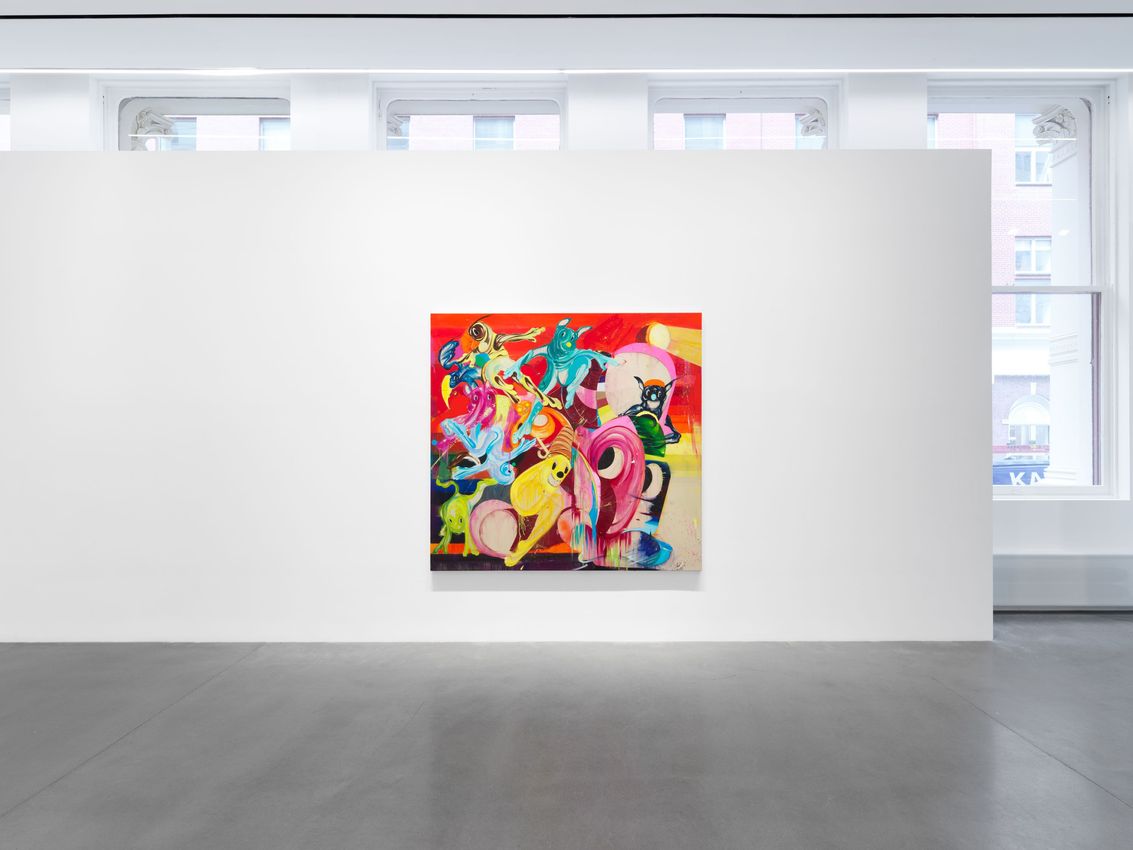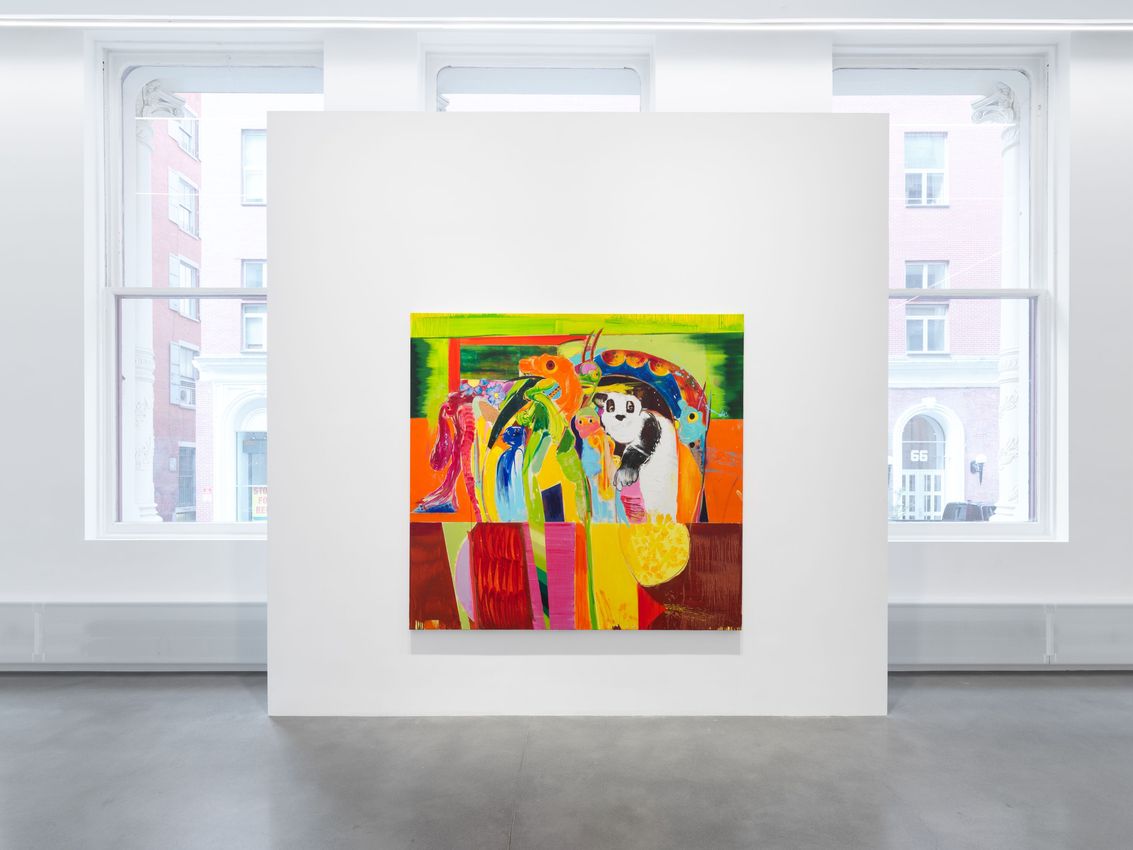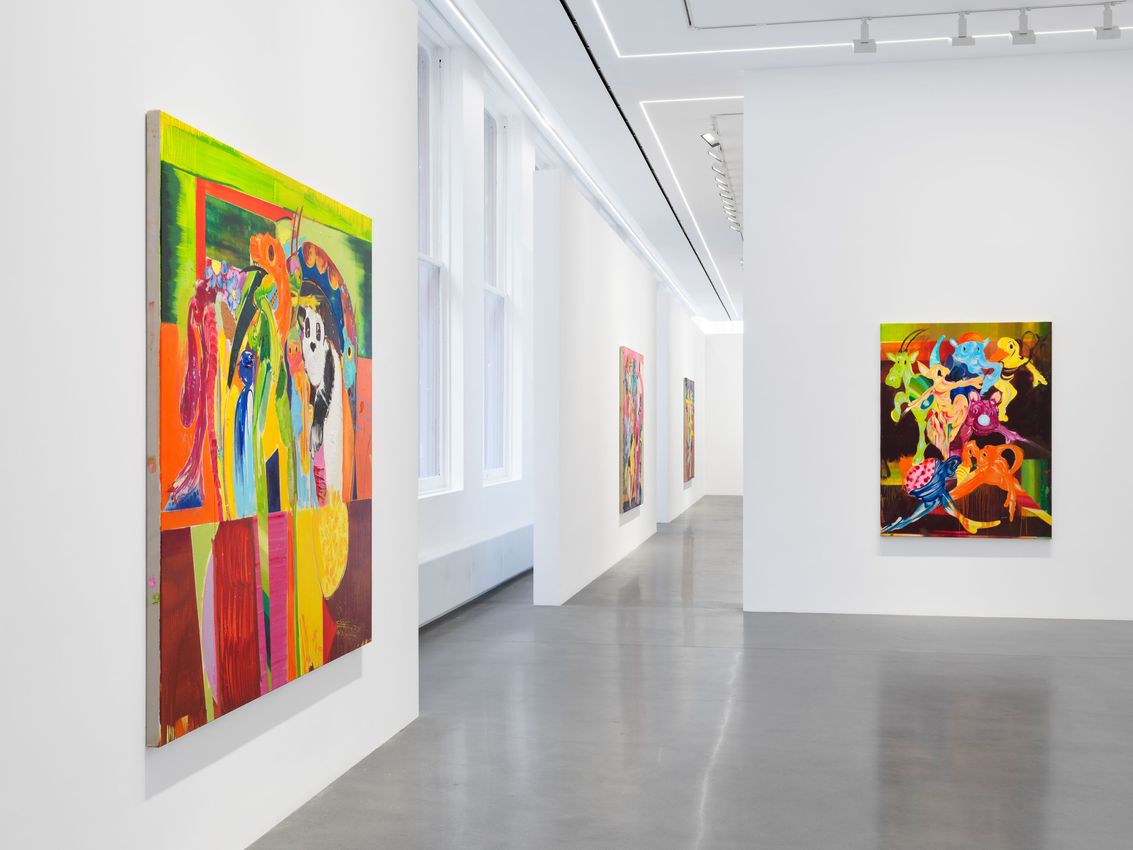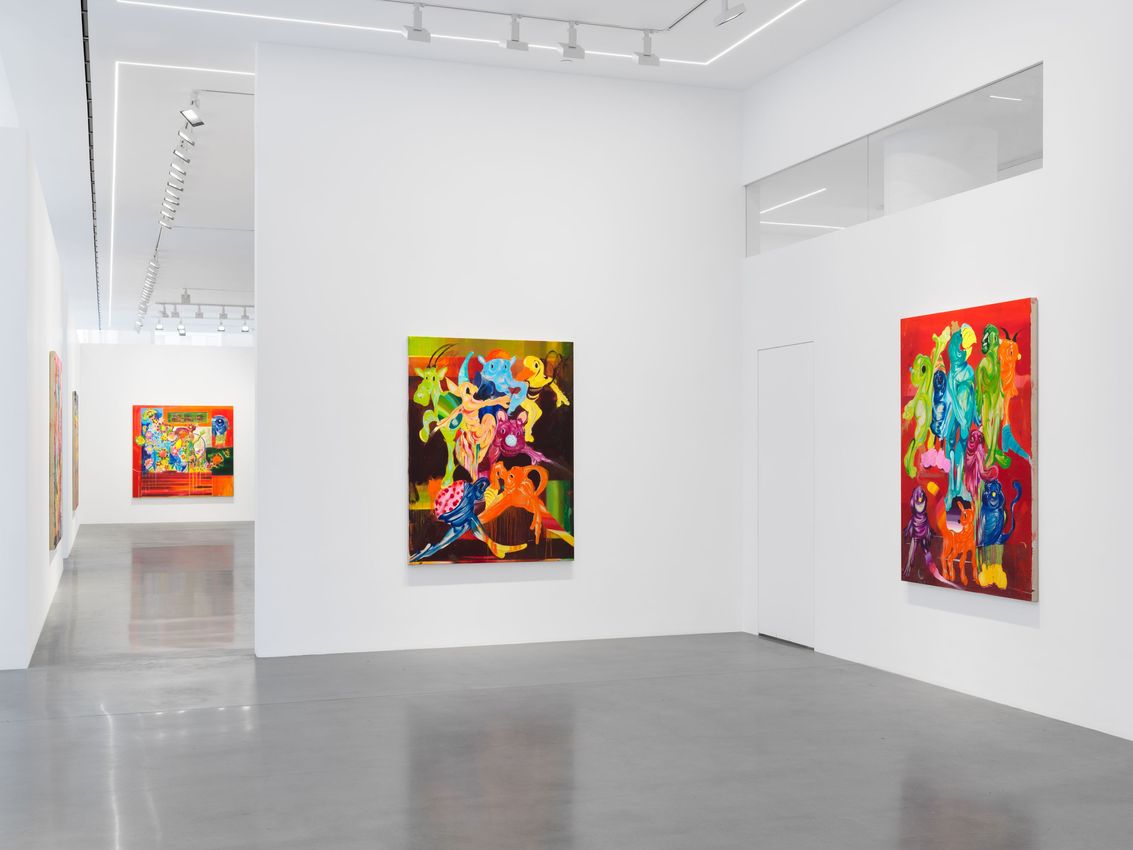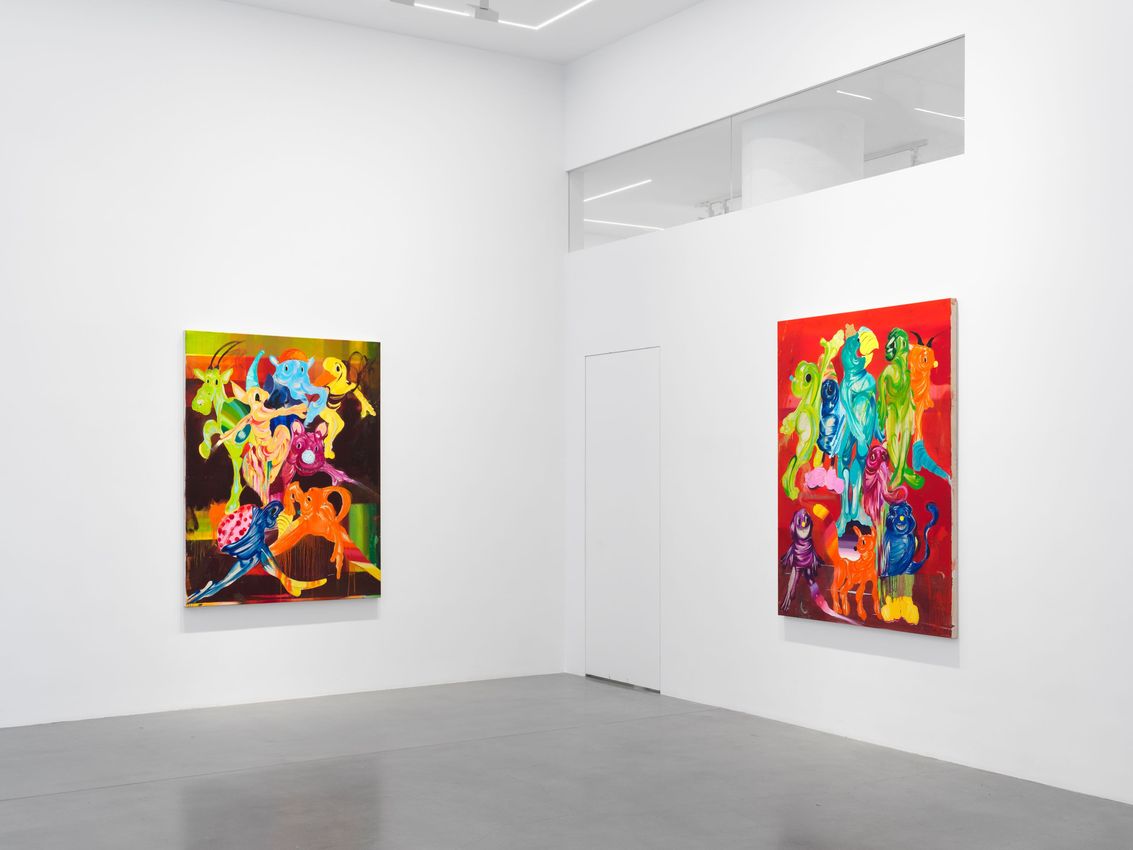




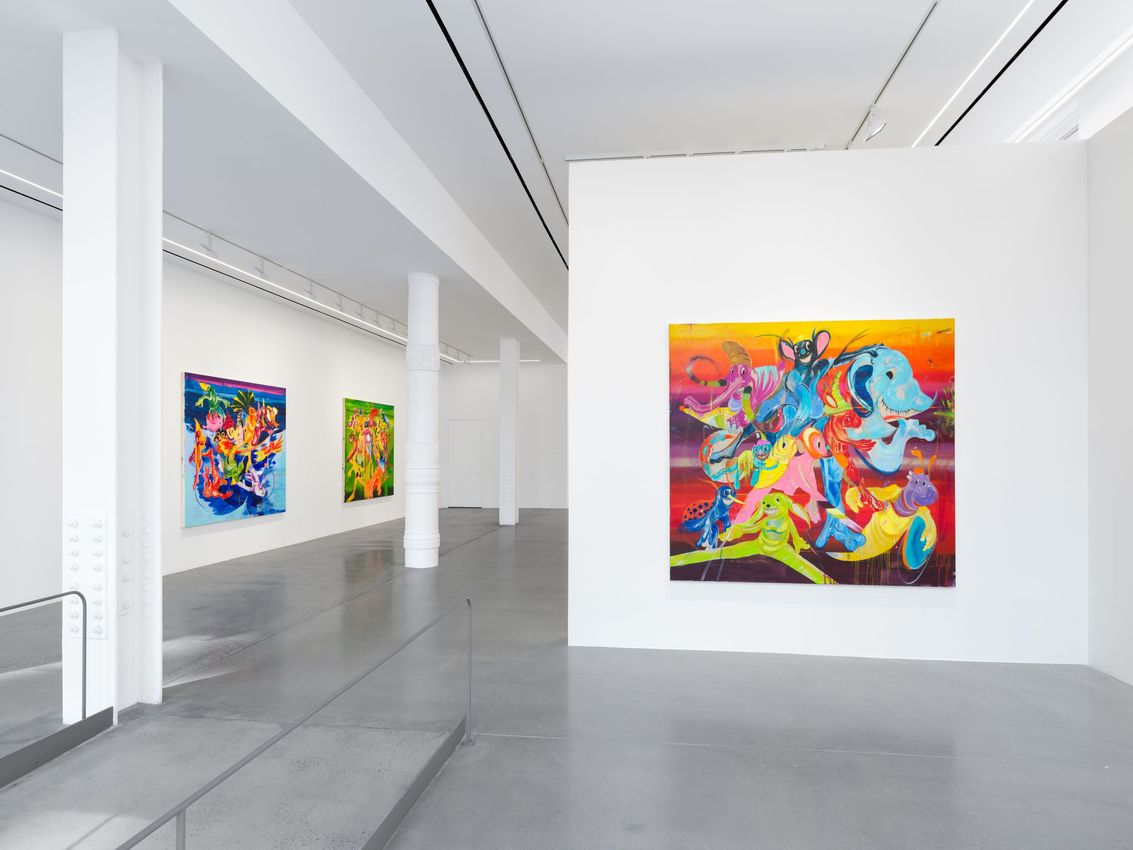
Almine Rech New York is pleased to announce Szabolcs Bozó’s third soloexhibition with the gallery, on view from June 27 to August 2, 2024.
A self-taught talent who excelled at making contemporary art from themoment he turned his playful doodles into expressive paintings,Szabolcs Bozó has been exhibiting his colourful canvases and spiritedworks on paper internationally since being discovered on Instagram in2018. Break-dancing his way through Milan to London in 2012, the youngartist started drawing cartoon characters inspired by his nativeHungarian folklore while working in a restaurant. When a Spanish gallerynoticed his enticing drawings on Instagram, it offered him a residency inMallorca and the rest—as they say—is history.
Motivated by his maternal and paternal grandmothers, who had beenpainters and puppet makers yet never had a chance to exhibit theirworks beyond their local communities, Bozó began creating vibrantlycoloured drawings and paintings of carefree, rambunctious beasts onpaper and canvas. Referencing the traditional Hungarian carnivalcelebration known as Busójárás—where people sport masks, horns andanimal skins while masquerading and parading through the streets anddancing to folk music—he expressively painted his frolicking animalcharacters with wit and charm.
Rendered in a raw manner with brushes, oil sticks and fingers on thefloor of his London studio using acrylics, the emerging artist’s animatedpaintings of these surreal creatures quickly caught the attention of artcritics, curators, collectors and other dealers, which soon led to fiveinternational solo gallery shows, three solo museum exhibitions andfifteen notable art fair presentations over the past five years.
Making his New York solo debut at Almine Rech in Tribeca, which is the30-something painter’s third one-person exhibition with the galleryworldwide, Bozó is presenting his first body of oil paintings. Inspired byFrank Bowling’s masterful 1966 Mirror painting of a man descending astenciled staircase in a modernist interior at Tate Britain, the burgeoningartist challenged himself to make the leap to painting entirely with oil oncanvas.
Painting the large-scale, stretched canvases on the walls of his spaciousLondon studio, he begins by sketching a few characters before freelyapplying a variety of background colours. Working with wet-on-wet paint,which he deliberately layers and allows to drip, the artist brings hisfigures to life through an orchestrated interaction, that’s not unlike aprocession or dance. Using his paternal grandmother’s cutouts for thepuppets as stencils that he later colourizes with paint while evoking thecountryside landscapes of his father’s mother, he captures his imaginarycharacters in playful poses and surreal, sunset realms.
Another noticeable change in his work is the nature of the painting’santhropomorphic creatures, which have become less animal-like andmore human. Hipster rats wear pants and sneakers; leaping rabbits havehands and feet; and candy-colored bears tout umbrellas, which haveunfortunately been blown inside out. In other paintings, a green bunnybegs for offerings with an outreached hand and a happy bee extends herarms and steps on the tips of her toes like a spinning ballerina.
In the quietude of the studio, without assistants and only a flip-phone toavoid internet distractions, the tenacious painter gets into a zone,becoming one with the characters he’s rendering on the canvas. Eachbrush stroke invites a reaction with the addition of another kind of mark.Like the Abstract Expressionist artists of the 1950s and Neo-Expressionist painters of the 1980s, things happen in the process—mistakes are painted out and new elements are added.
Assembled in a collage like manner, the subjects in the paintings arebased on the artist’s observations of urban reality, but theseobservations are viewed through a folkloric lens. Titled ‘Tüke,’ which is aslang term for the people of Pécs, the ancient city where the artist wasborn, the exhibition is steeped in memories of his hometown whilecapturing the dynamic energy of London, with Bozó’s vibrant paintingsportraying the surreal nature of life in both realms today.
— Paul Laster, editor, writer, and curator
Press release courtesy Almine Rech
London-based Hungarian artist Szabolcs Bozó paints colourful animals and charismatic imaginary creatures that embrace a joyful, childlike exuberance.


A respected voice in contemporary art discourse.
Focusing on ambitious storytelling and insightful art-world commentary. Ocula Magazine publishes in-depth interviews, critical essays and timely analysis on the artists, exhibitions and ideas driving the global art world.
Learn more about Ocula Magazine
Showcasing the best of the art world.
Ocula partners with galleries from around the world to highlight their artists, artworks and exhibitions. Gallery membership is by application and invitation, with each member vetted by an independent panel.
Learn more about Ocula Membership

Specialises in the sale of major artworks.
Led by a team with deep ties to the world’s leading auction houses, galleries and collectors. Ocula’s advisory team offers bespoke services to high-net-worth clients from around the world who are looking to acquire the best of contemporary and modern art.
Learn more about our team and services