Press Release

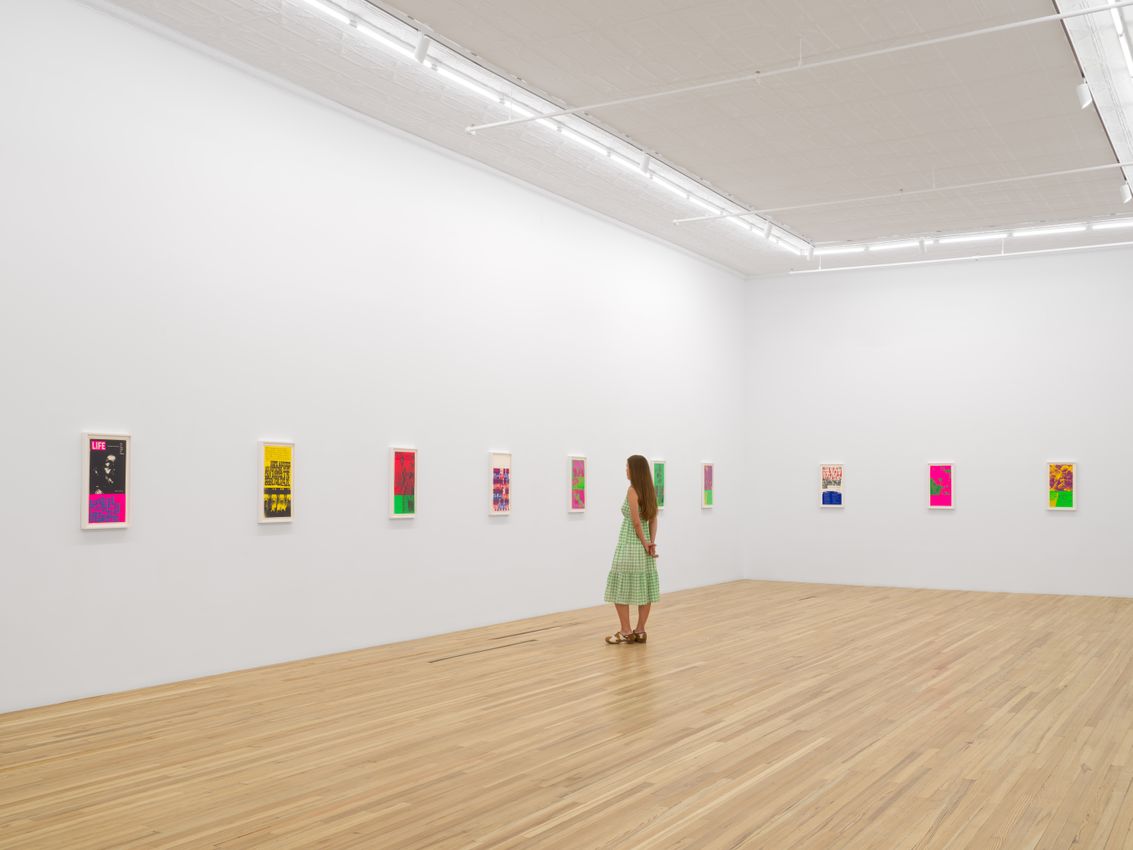
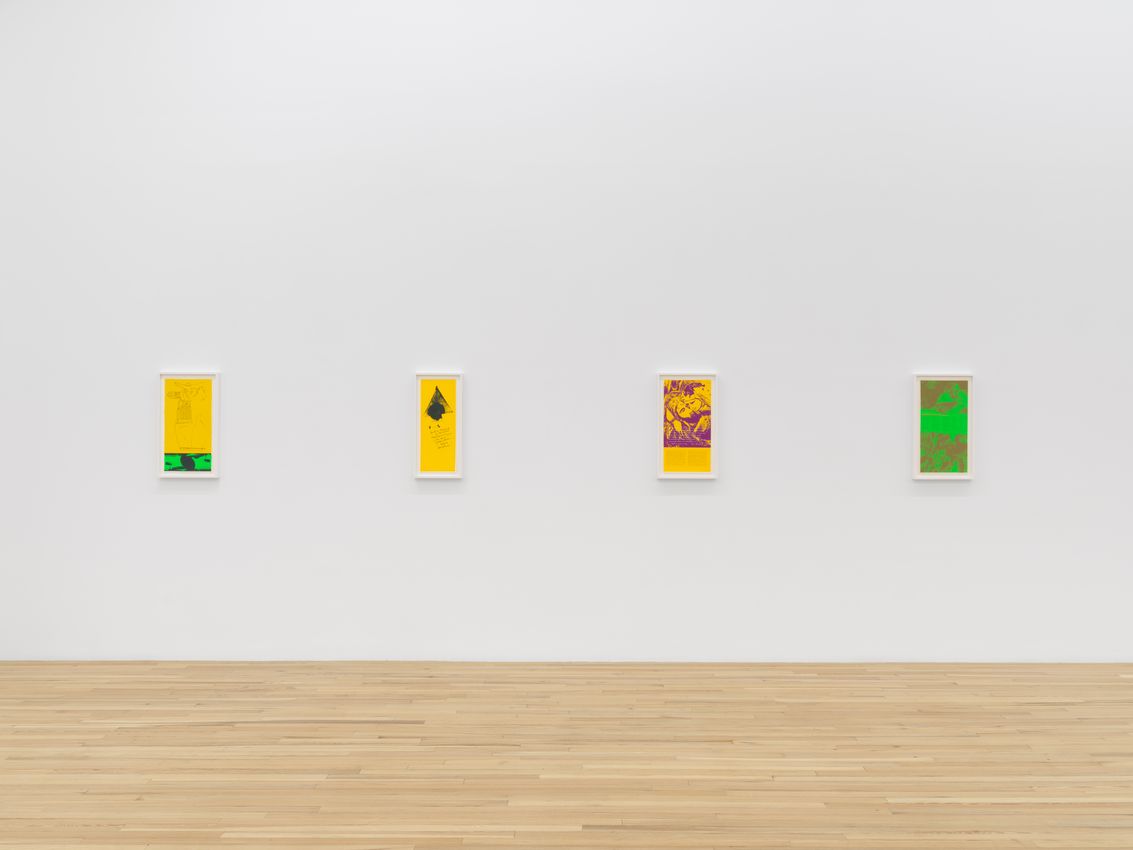
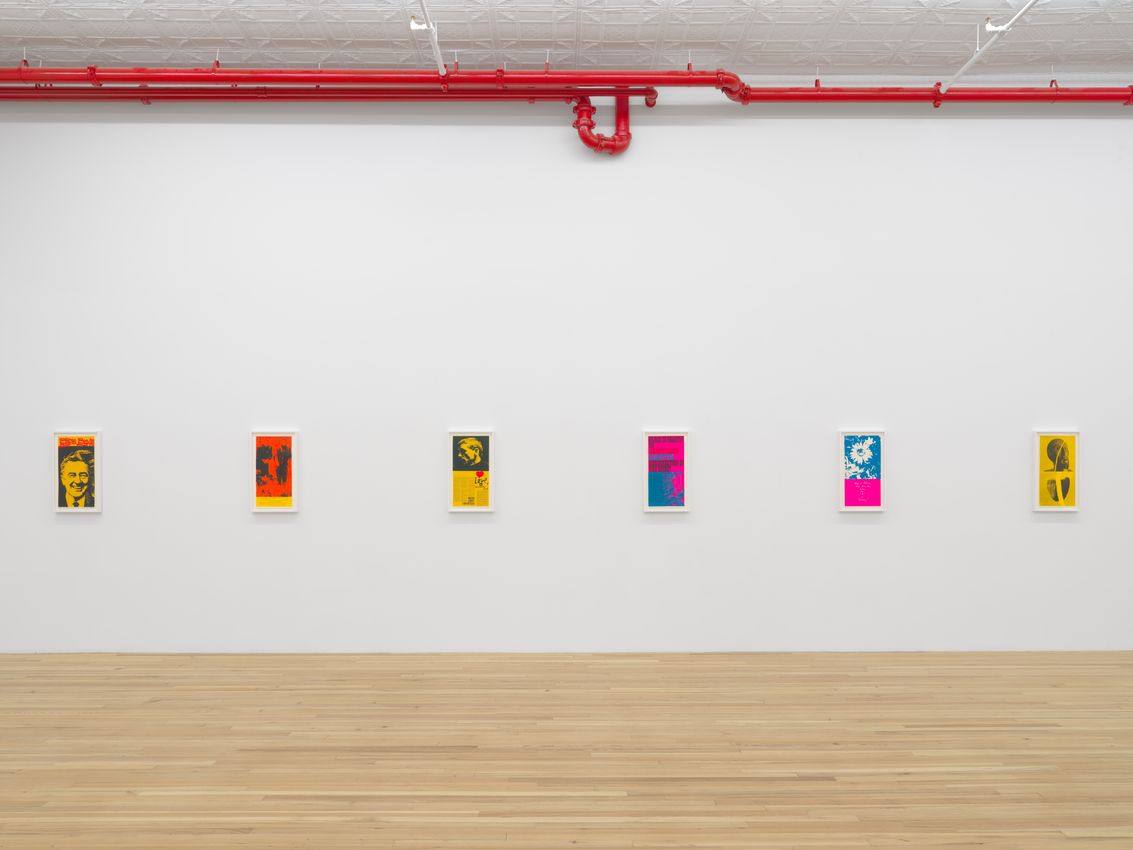
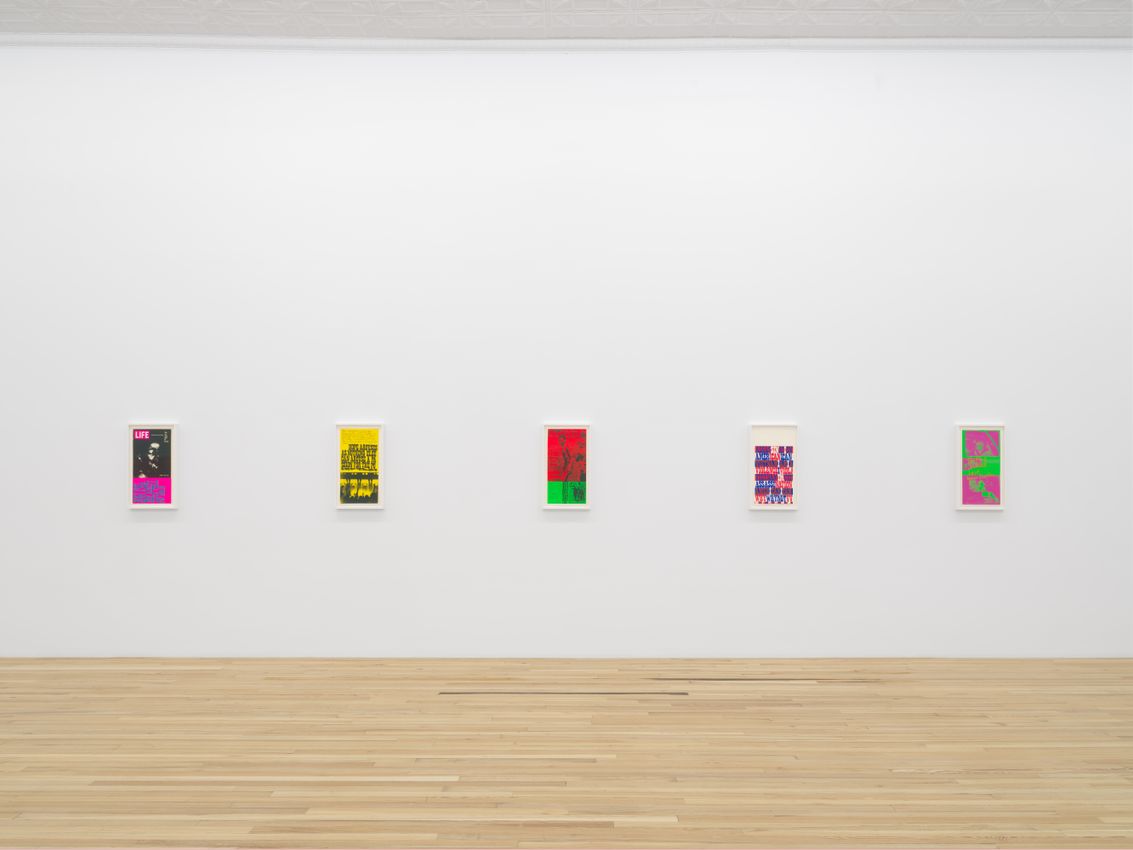
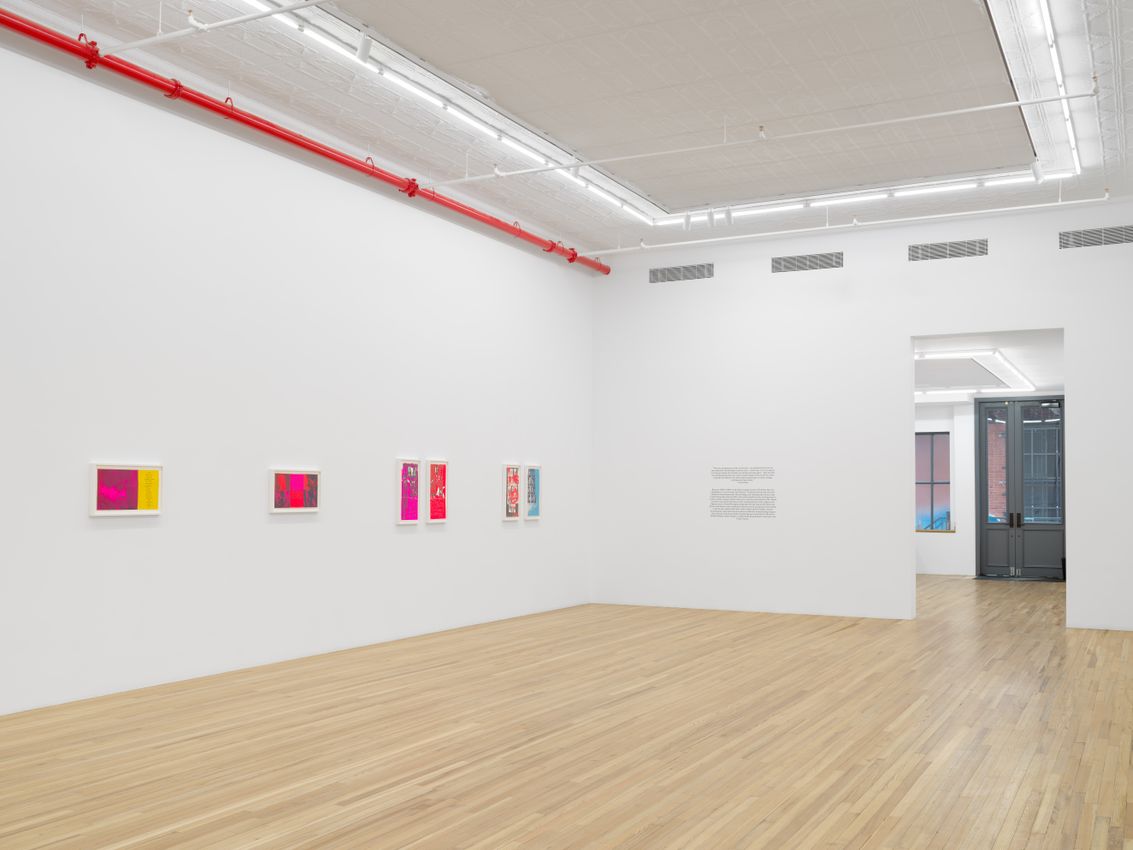
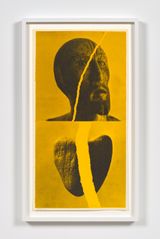
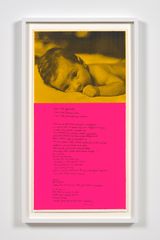
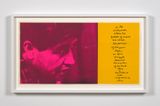
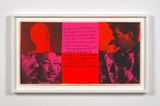
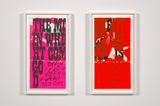
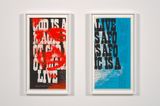
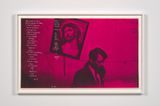
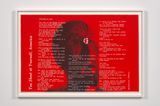
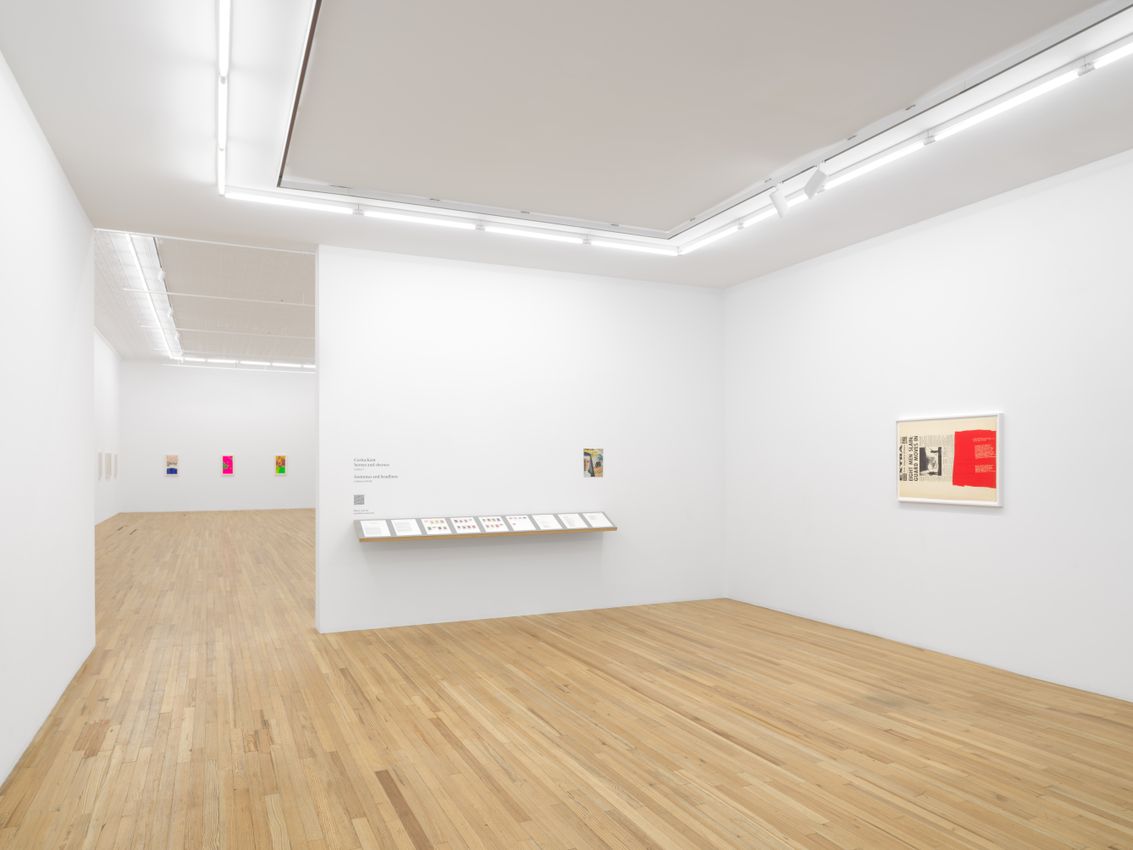
Andrew Kreps Gallery is pleased to announce heroes and sheroes, an exhibition of artworks by Corita Kent at 22 Cortlandt Alley. Centered on Kent’s series of the same title made between 1968 and 1969, the exhibition marks the first time heroes and sheroes has been exhibited in New York in its entirety.

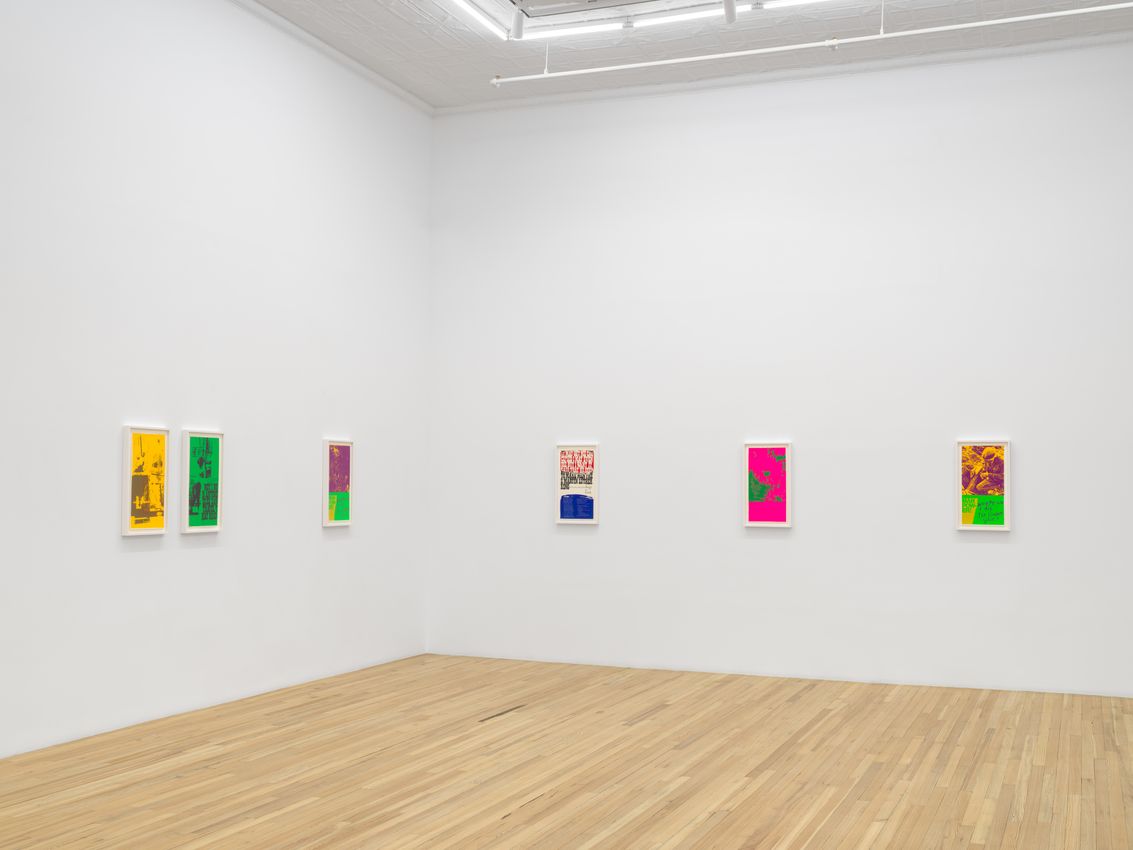
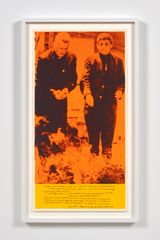
In the summer of 1965, following the Watts Uprising in Los Angeles, Kent reproduced the front page of the Los Angeles Times within her work my people. While in previous years, Kent had appropriated text from consumer and mass culture, my people is the first example of Kent using appropriation as a direct response to the socially charged events of her time. The paper’s headlines were rotated and partially obscured by a swath of red, in which Kent hand wrote a text attributed to Maurice Ouellet, a priest and civil rights activist who participated in the Selma to Montgomery marches earlier that year. Ouellet’s words form a rebuttal to the paper’s racially charged headlines describing the Uprising as a ‘Blood Hungry Mob.’ In response, Ouellet’s quote reads: ‘Youth is a time of rebellion. Rather than squelch the rebellion, we might better enlist the rebels to join that greatest rebel of his time-Christ himself.’

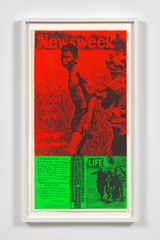
In the years following, Kent continued to create singular compositions, in which bold and colourful text promoted messages of faith, acceptance, and love. Simultaneously, Kent rose to national prominence as a public figure–she was named Los Angeles Times Woman of the Year in 1966 and featured on the December cover of Newsweek in 1967. With this exposure came increased scrutiny of Kent’s outspokenness as the conservative Archdiocese of Los Angeles mounted intense pressure on both Kent and her order, the Immaculate Heart of Mary, over the changes they were making under the directives of Vatican II. In the summer of 1968, Kent would take a sabbatical from Immaculate Heart College, subsequently leaving the order and seeking dispensation from her vows.

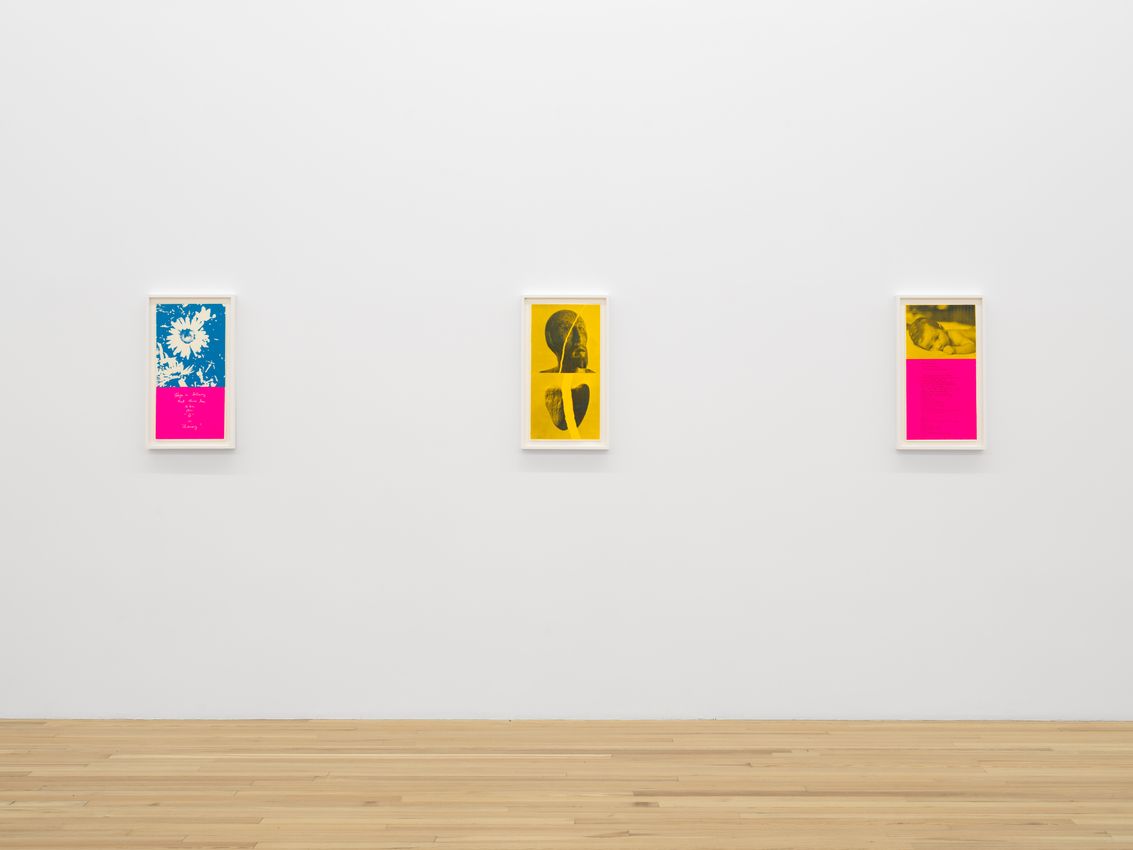
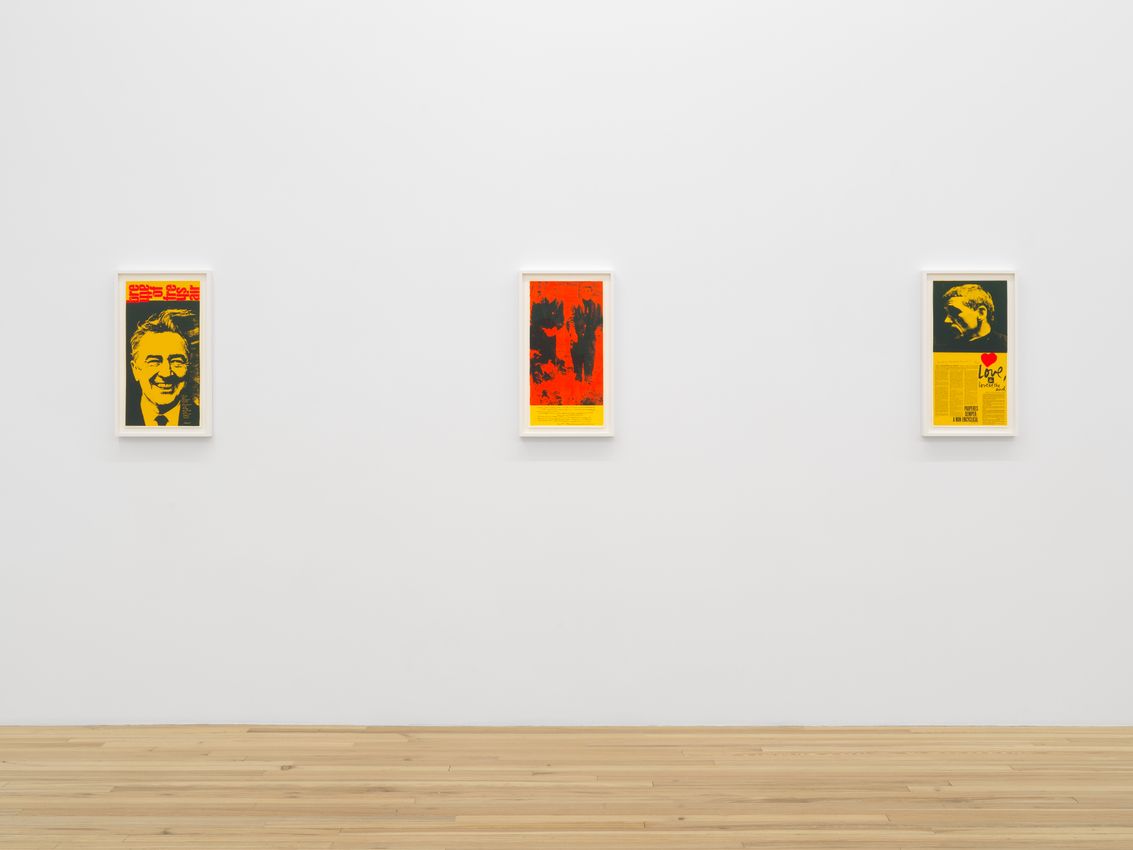
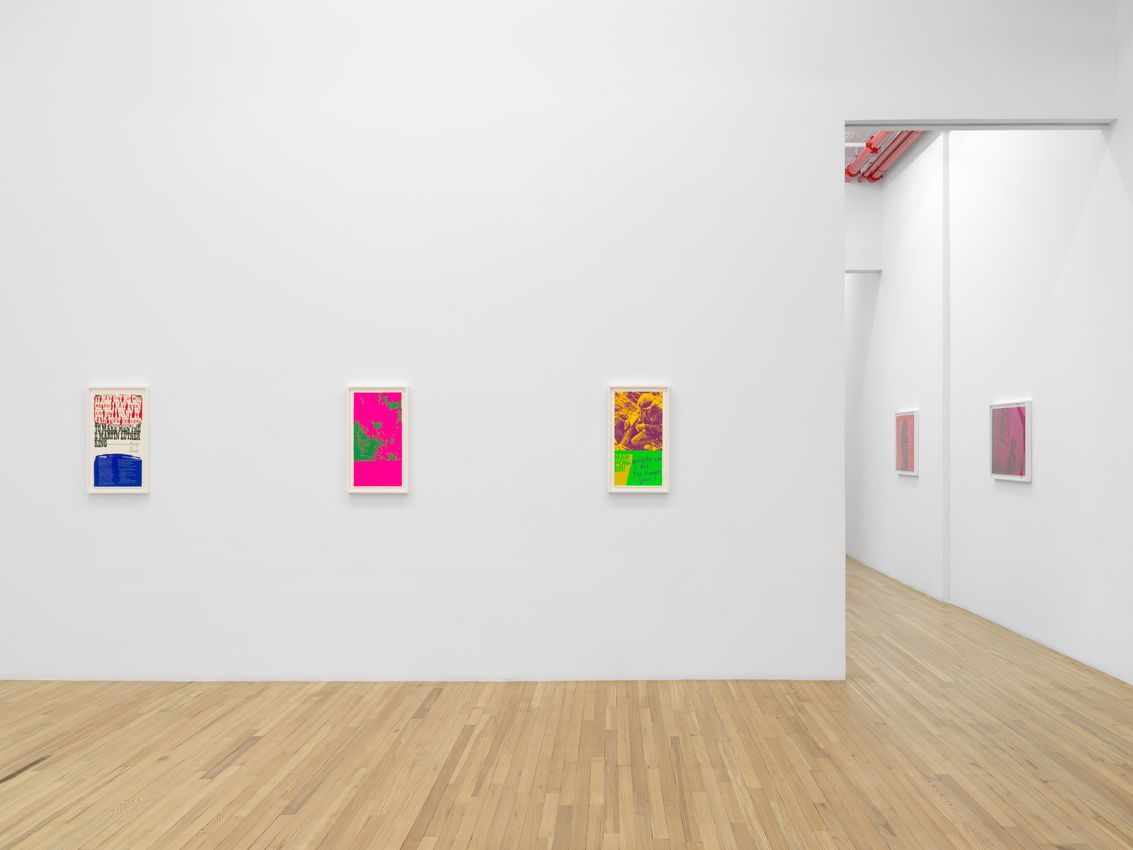
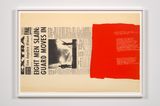
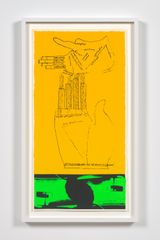
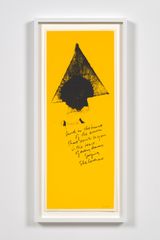
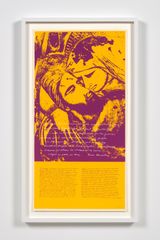
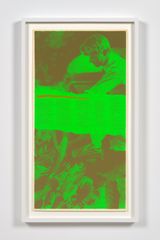
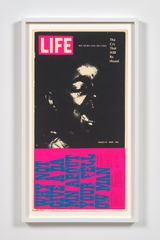
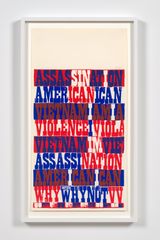
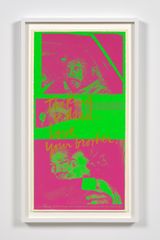
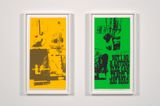
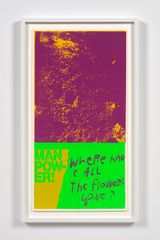
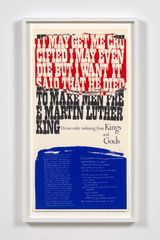
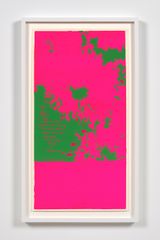
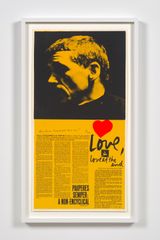
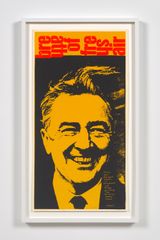
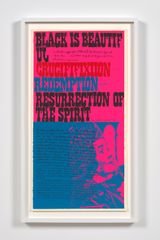
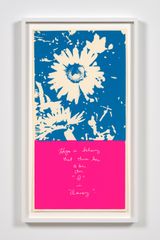
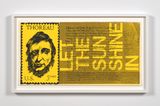
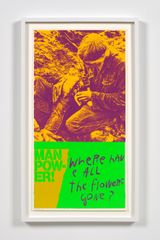
This would mark a key turning point in Kent’s work, as she began heroes and sheroes later that same year. Reflecting on the social and political movements of the time, much like my people before it, heroes and sheroes demonstrates not only Kent’s advocacy but also her acute awareness of how these events were framed and disseminated through mass media. Collaging images appropriated from newspapers and magazines with poetry, song lyrics, quotations from figures within the religious left (such as Daniel Berrigan and the Catonsville Nine), and Kent’s own writings, heroes and sheroes addresses issues such as the civil rights, labour, and anti-war movements, nuclear disarmament, and the political assassinations that defined the 1960s. Works like the cry that will be heard reflect the urgency of the moment, imploring the viewer to ‘give a damn about your fellow man.’ Other works, notably american sampler, position themselves as acerbic critique. Utilising the colours red, white, and blue, Kent riffs on the tradition of the ‘sampler’, a piece of embroidery used to demonstrate a variety of needlework techniques. Here, Kent’s sampler repeats the words AMERICAN, ASSASSINATION, VIOLENCE, and VIETNAM in stacked lines that resemble the stripes of the flag, using shifts in colour to highlight different combinations of words such as SIN, I, and NATION. Prompting the viewer to consider their own individual and moral responsibility, the work’s last line poses the question ‘WHY’ next to the answer: ‘WHY NOT.’

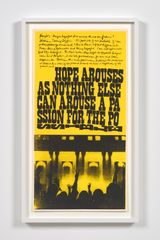
Filling the main gallery at 22 Cortlandt Alley, the twenty-nine prints comprising heroes and sheroes reflect the enduring spirit that gave rise to Kent’s nickname—‘Joyous Revolutionary.’ The series simultaneously highlights the potential of new life, a belief in the power of collective action, and the joy that exists in the everyday. Shying away from optimism, Kent instead emphasised the importance of hope in works like a passion for the possible, employing the image of an energetic crowd of demonstrators, arms extended upwards in peace signs. Positioned above the photograph is a text from activist and clergyman William Sloane Coffin, which still resonates over fifty years after its making: ’...hope demands that we take a dim view of the present because we hold a bright view of the future; and HOPE AROUSES AS NOTHING ELSE CAN AROUSE A PASSION FOR THE POSSIBLE.’

Corita Kent (1918–1986) was an artist, educator, and advocate for social justice. Earlier this year, Los Angeles City Council voted unanimously to designate Kent’s former studio at 5518 Franklin Avenue as a Historic-Cultural Monument. Kent’s work is held in the collections of the Museum of Modern Art, New York; Whitney Museum of American Art, New York; Brooklyn Museum; Hammer Museum, Los Angeles; Los Angeles County Museum of Art; SFMOMA, San Francisco; National Gallery of Art, Washington DC; Ludwig Museum, Cologne; Victoria and Albert Museum, London; mumok, Vienna; Centre Pompidou, Paris; Frac Ile-de-France, Paris; Art Gallery of New South Wales, Sydney, among others. Notable exhibitions include: _Corita Kent: Get With The Actio_n, Ditchling Museum of Art+Craft (2019); Corita Kent and the Language of Pop, Harvard Art Museums, Cambridge (2015); Someday is Now, Tang Museum, Saratoga Springs, NY (2013); People Like Us: Prints from the 1960s by Sister Corita, Museum Ludwig, Cologne (2007).

This exhibition was organised in collaboration with the Corita Art Center, Los Angeles.

Read More

Installation Views

Selected Works

Loading...
About the Artist

Corita Kent (1918–1986) was an artist, educator, and advocate for social justice. At age 18, she entered the religious order Immaculate Heart of Mary. After teaching art at Immaculate Heart College for many years, she became the chair of the art department in 1964. While her first prints consisted of dense, figurative compositions with religious themes and iconography, by 1962 her work evolved into a singular mode of Pop art. Reflecting a wide breadth of disciplinary interests, her bright compositions were not limited to the staple imagery and language of consumer and mass culture but also integrated philosophy, literature, street signage, scripture, and song lyrics in bold text and abstract forms.

View Artist Profile

Also Exhibiting at Andrew Kreps Gallery

About the Gallery
Andrew Kreps Gallery was founded in New York in 1996. Widening its original focus on emerging American artists, the program shortly thereafter expanded to include international artists, many of whom had their first exhibitions in the United States or New York at the gallery. After nearly 20 years of operation in Chelsea, the gallery announced it’s relocation to Tribeca, at 22 Cortlandt Alley, which opened in September 2019. The gallery additionally programs 55 Walker Street, a space jointly operated with Bortolami and kaufmann repetto. The gallery represents the work of 30 internationally active artists. Recent additions to the gallery’s roster include He Xiangyu, Camille Blatrix, the estate of Corita Kent and the work of Bruno Munari.
View Gallery Profile
Address
22 Cortlandt Alley
New York
United States
Opening Hours
Tuesday – Saturday
10am – 6pm
(1)
New York 22 Cortlandt Alley
Andrew Kreps Gallery
22 Cortlandt Alley, New York, United States
+1 212 741 8849
http://www.andrewkreps.com

Opening hours
Tuesday – Saturday
10am – 6pm
The art world in focus