Press Release

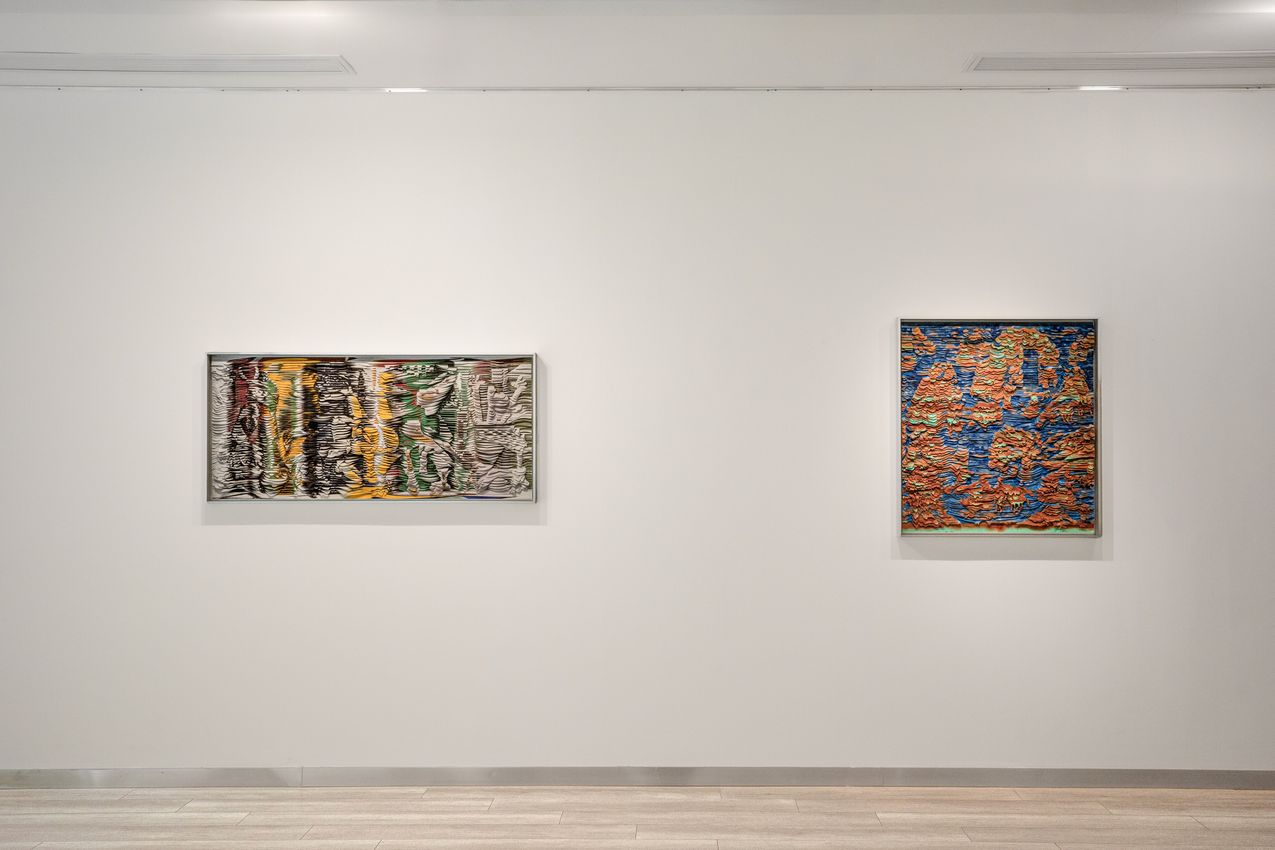
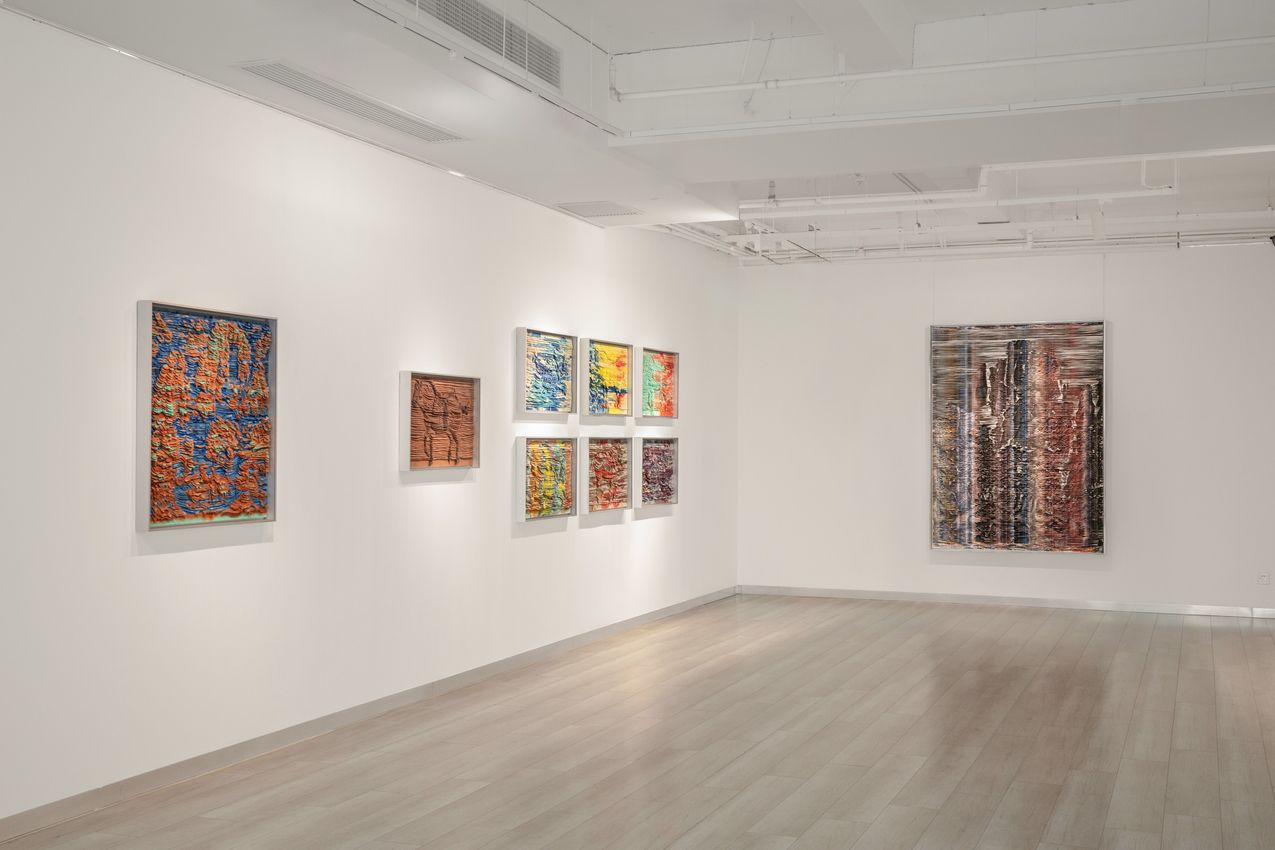
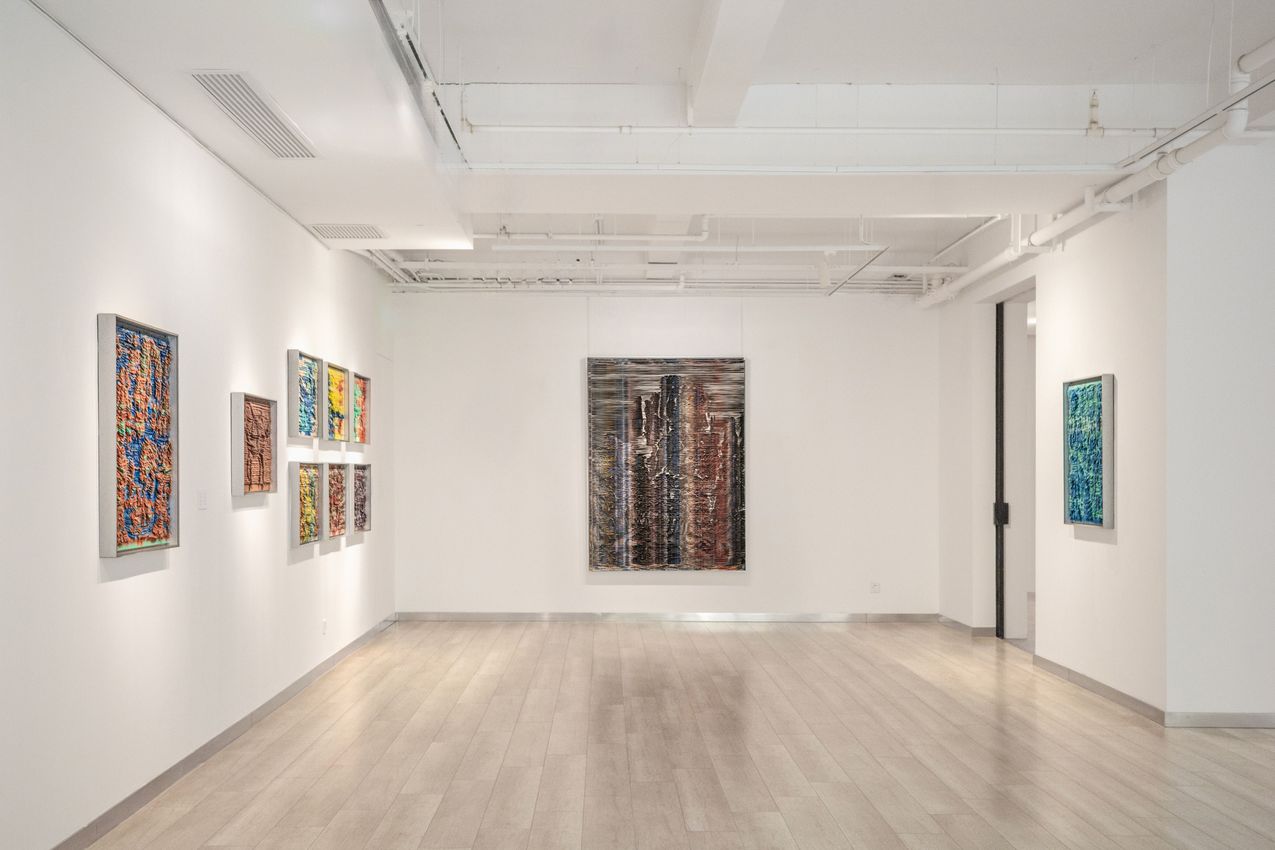
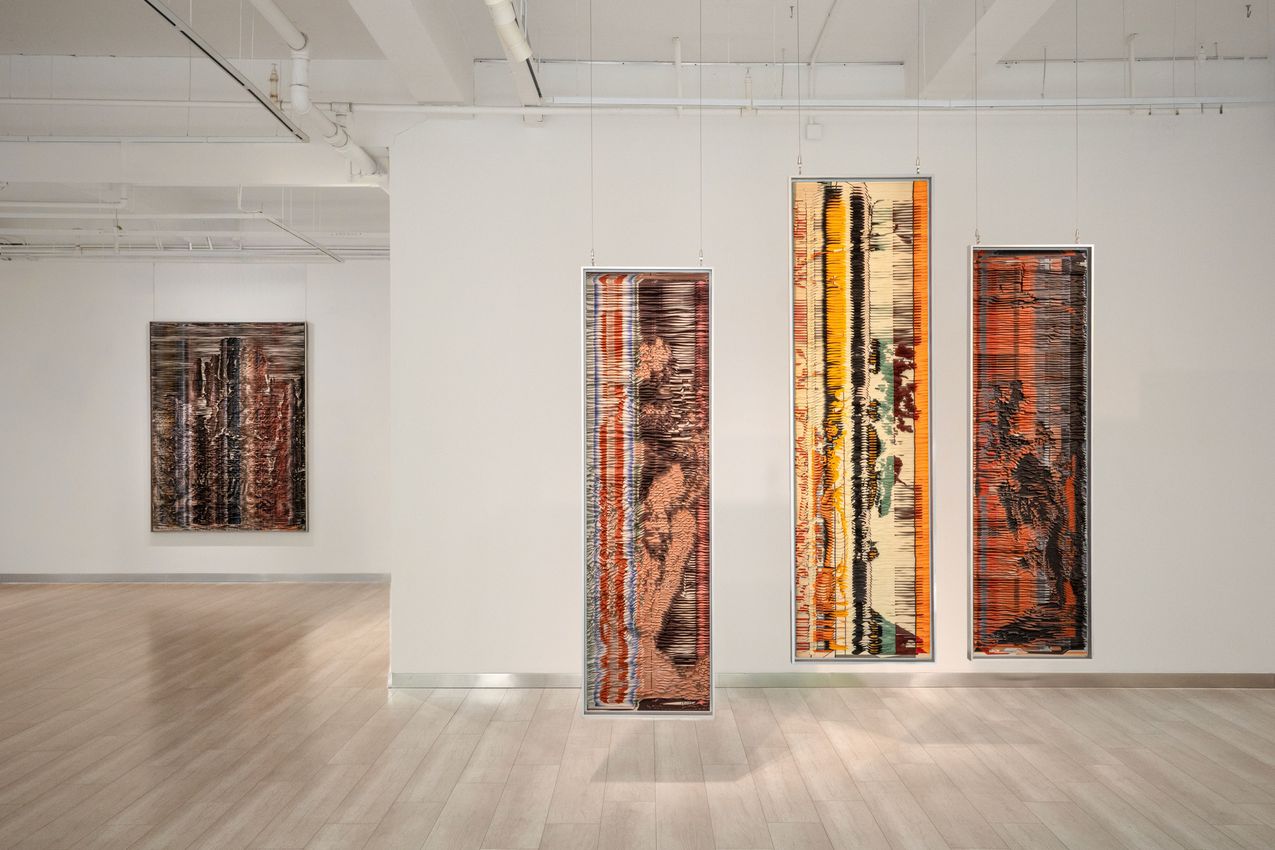
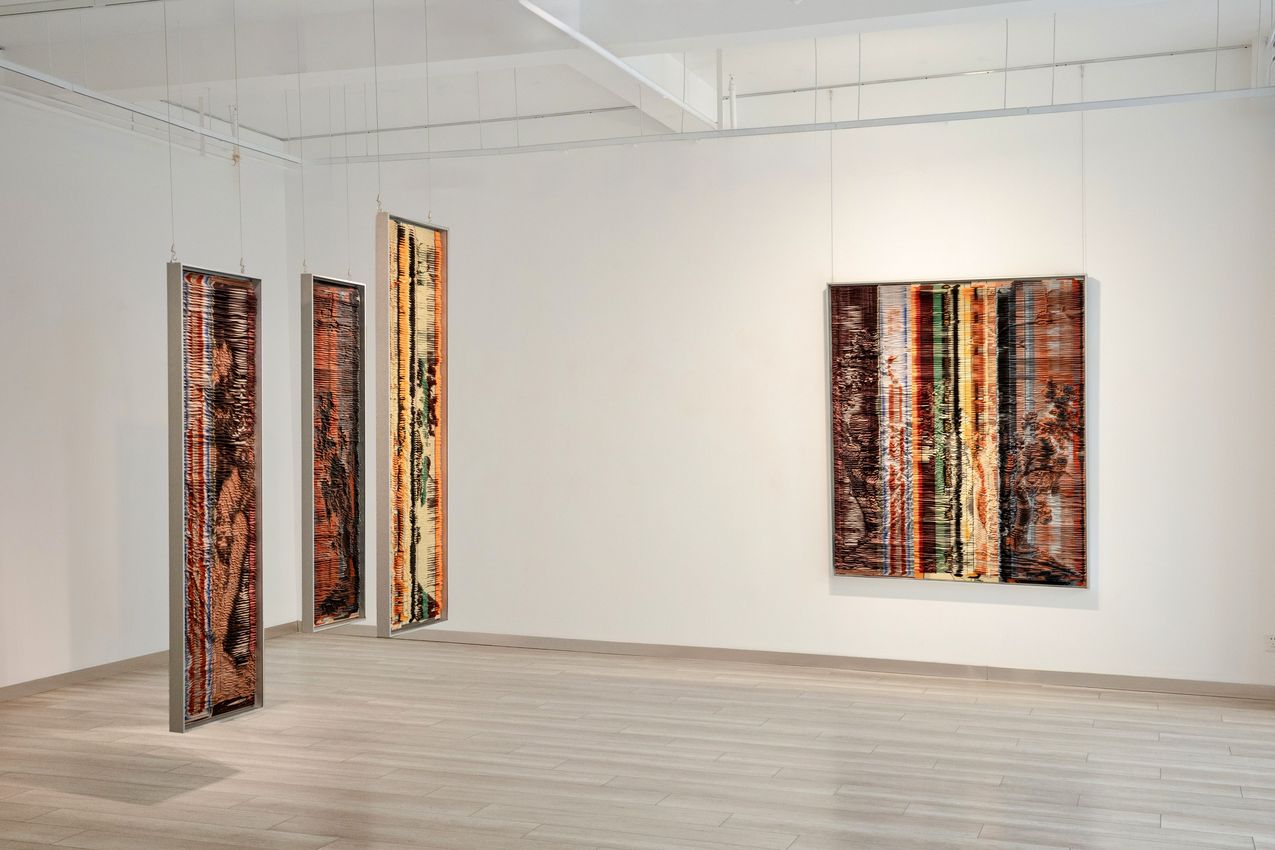
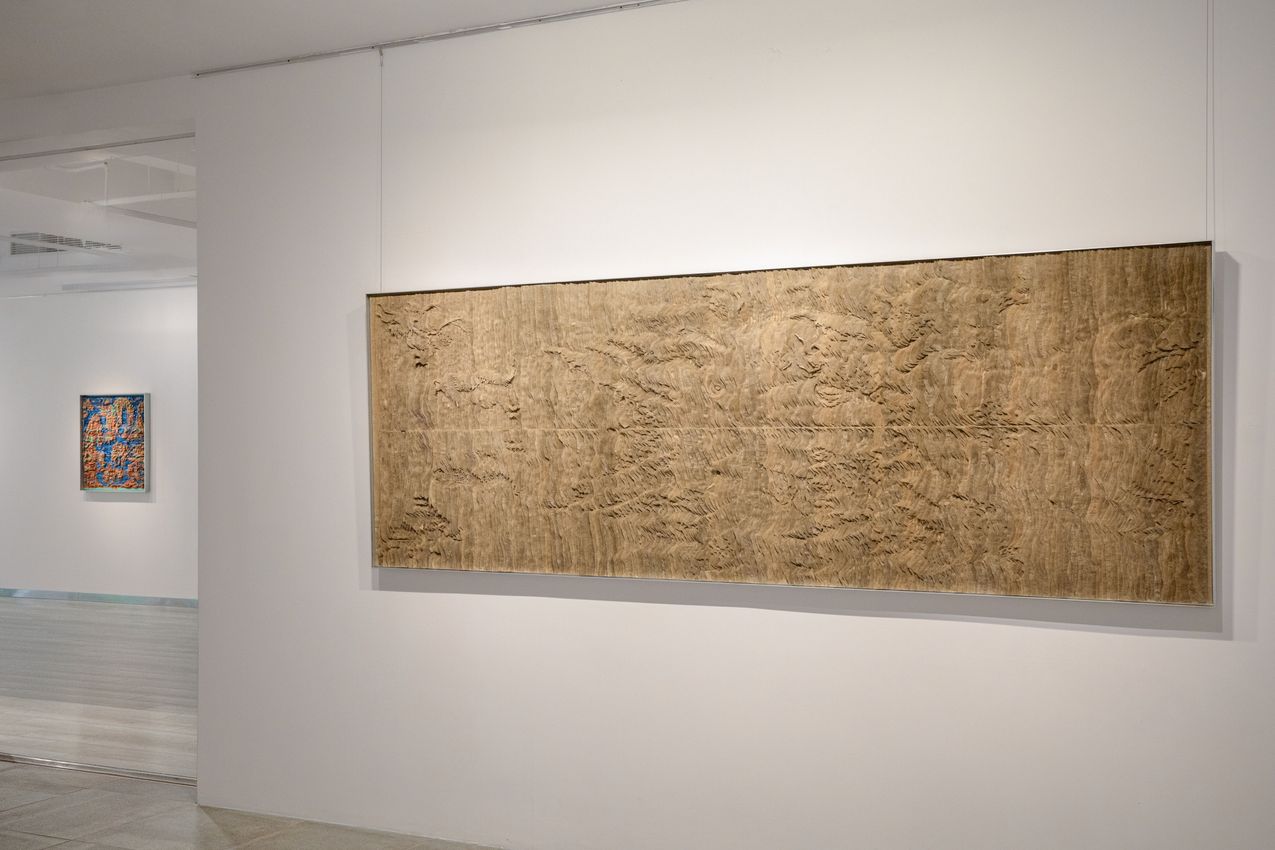
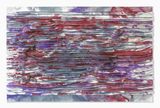
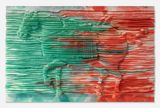
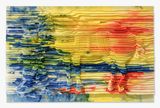
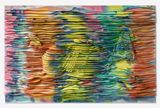
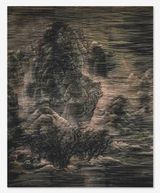
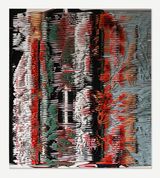
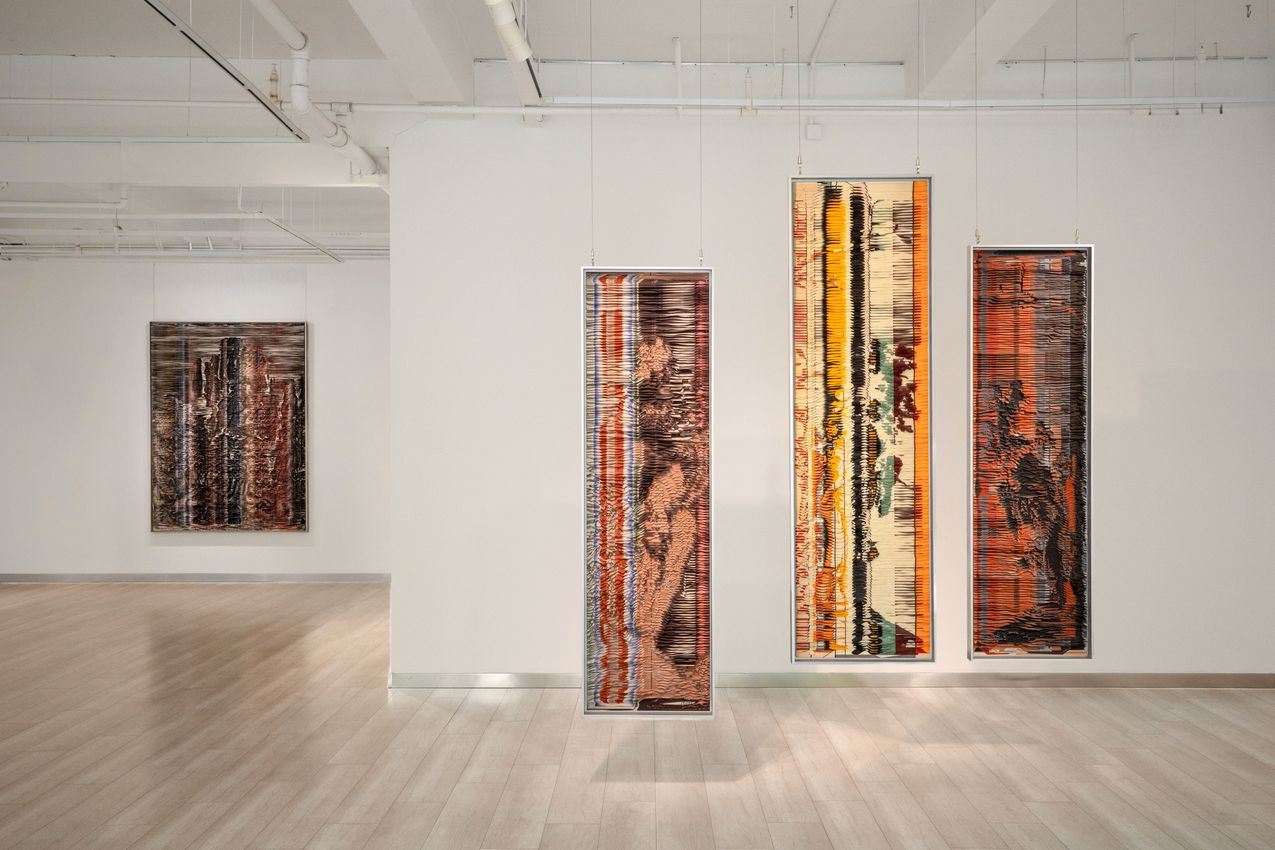
DUMONTEIL Shanghai is pleased to present In-Between, Where Time Emerges, the first solo exhibition with the gallery by newly represented artist Zhang Xiaodong. Bringing together recent works, the exhibition draws on the aesthetics of the Tang and Song dynasties. Through his signature “thousand-page” format, Zhang constructs a distinctive 2.5-dimensional space in which historical forms are reactivated through material transformation and spatial reconfiguration. Here, form and idea converge, and time becomes perceptible as a spatial condition.

The title In-Between, Where Time Emerges points to a central aspect of Zhang’s practice: a transitional field in which image, material, and perception remain in suspension. His works unfold between surface and depth, stillness and movement, allowing time to register through shifts in structure and the act of viewing. The image is not immediately given, but takes shape through changing relationships between form, light, and the viewer’s position.

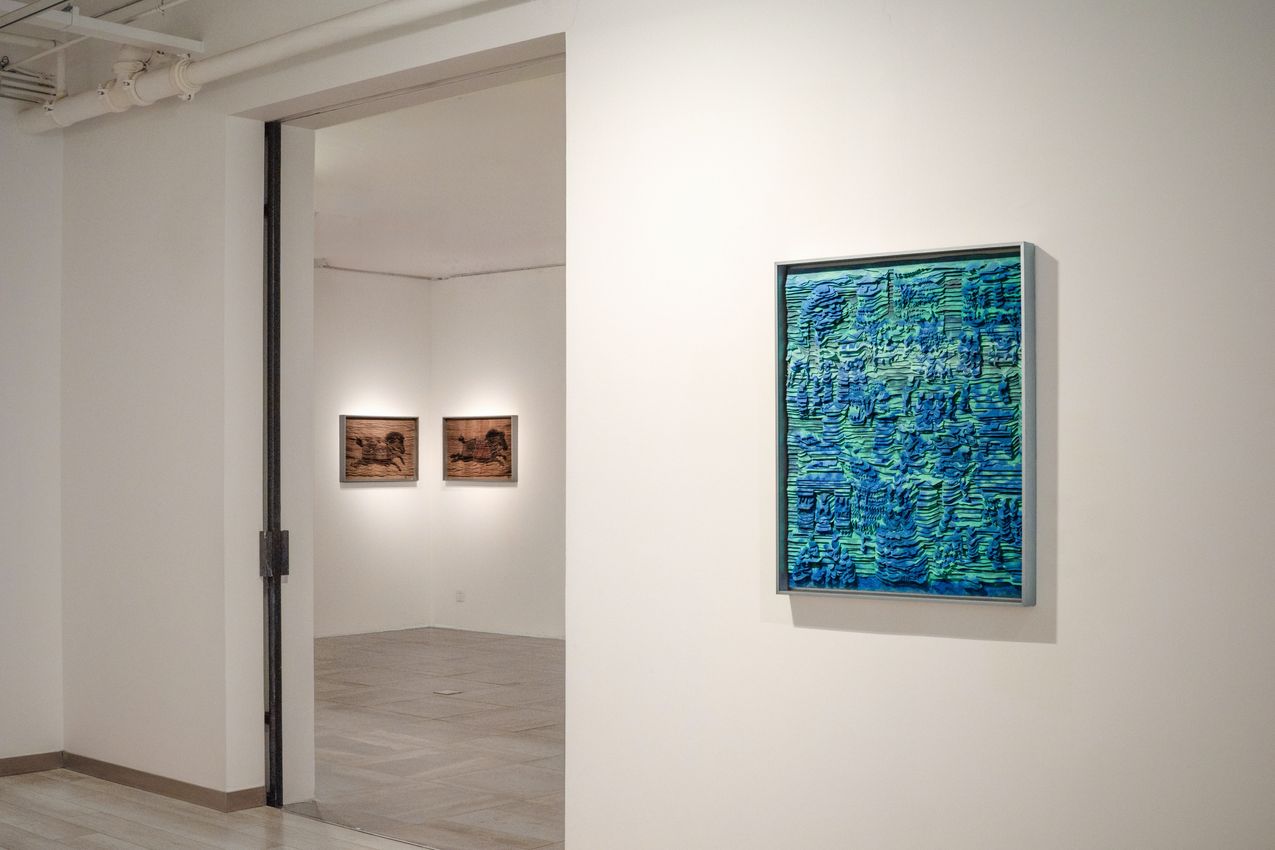
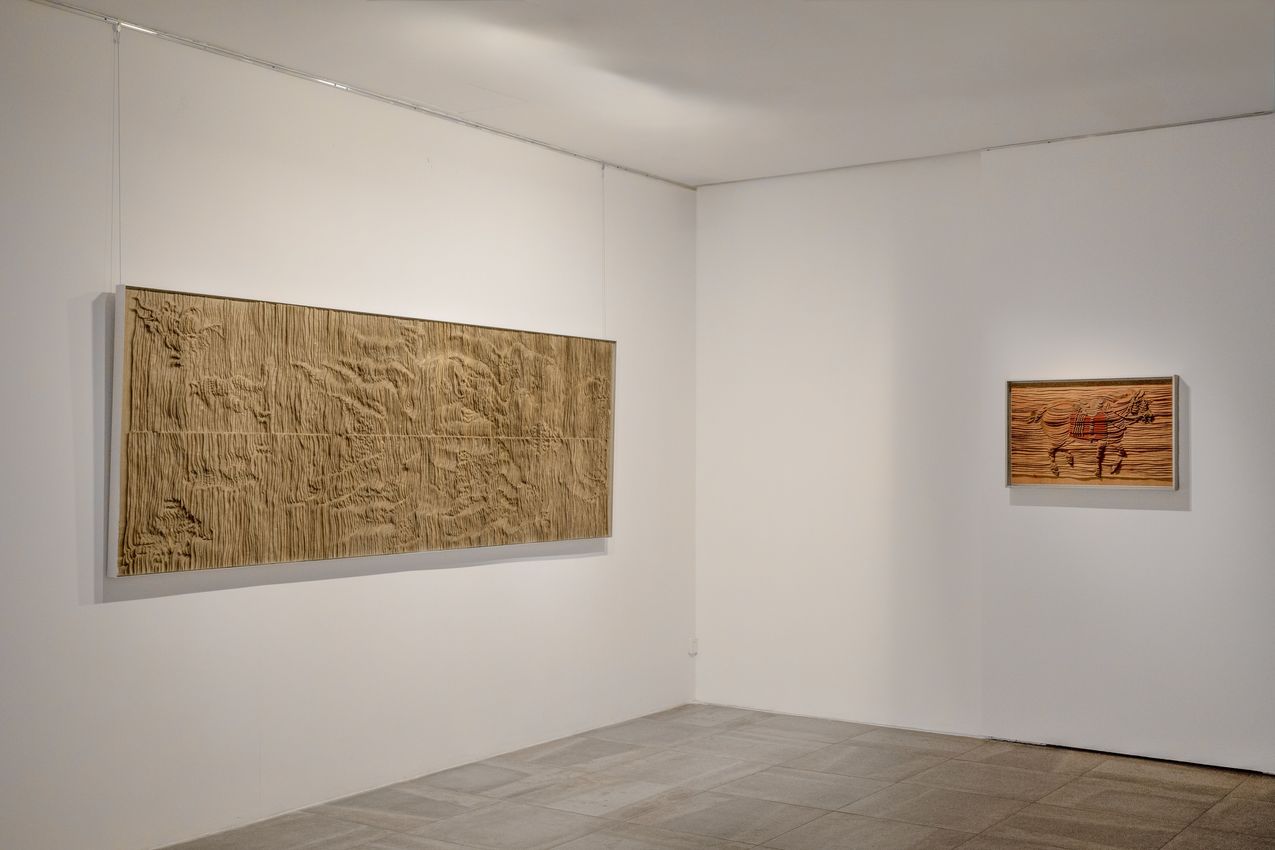
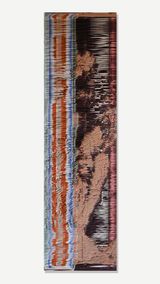
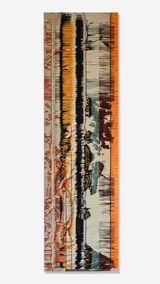
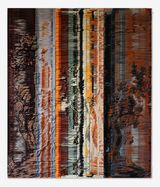
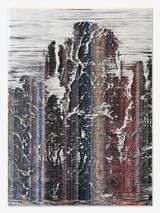
Material, in Zhang’s work, is never passive. Using a knife in place of a brush, he cuts and builds within densely stacked sheets of Xuan paper, accumulating thickness from flat planes so that forms gradually come into view. Subtle variations in texture and depth alter perception across different vantage points. The resulting semi-dimensional space resists classification, sustaining a tension between pictorial surface and sculptural presence.

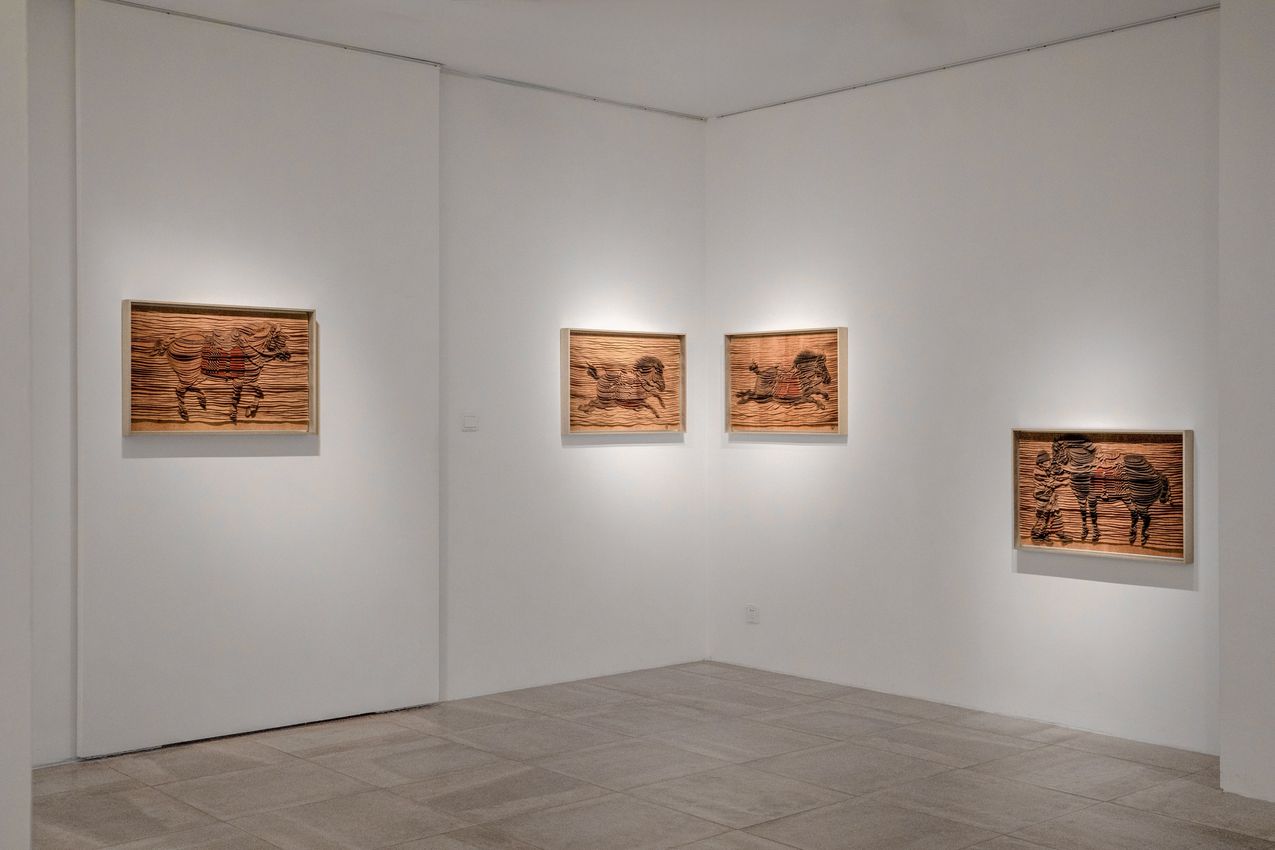
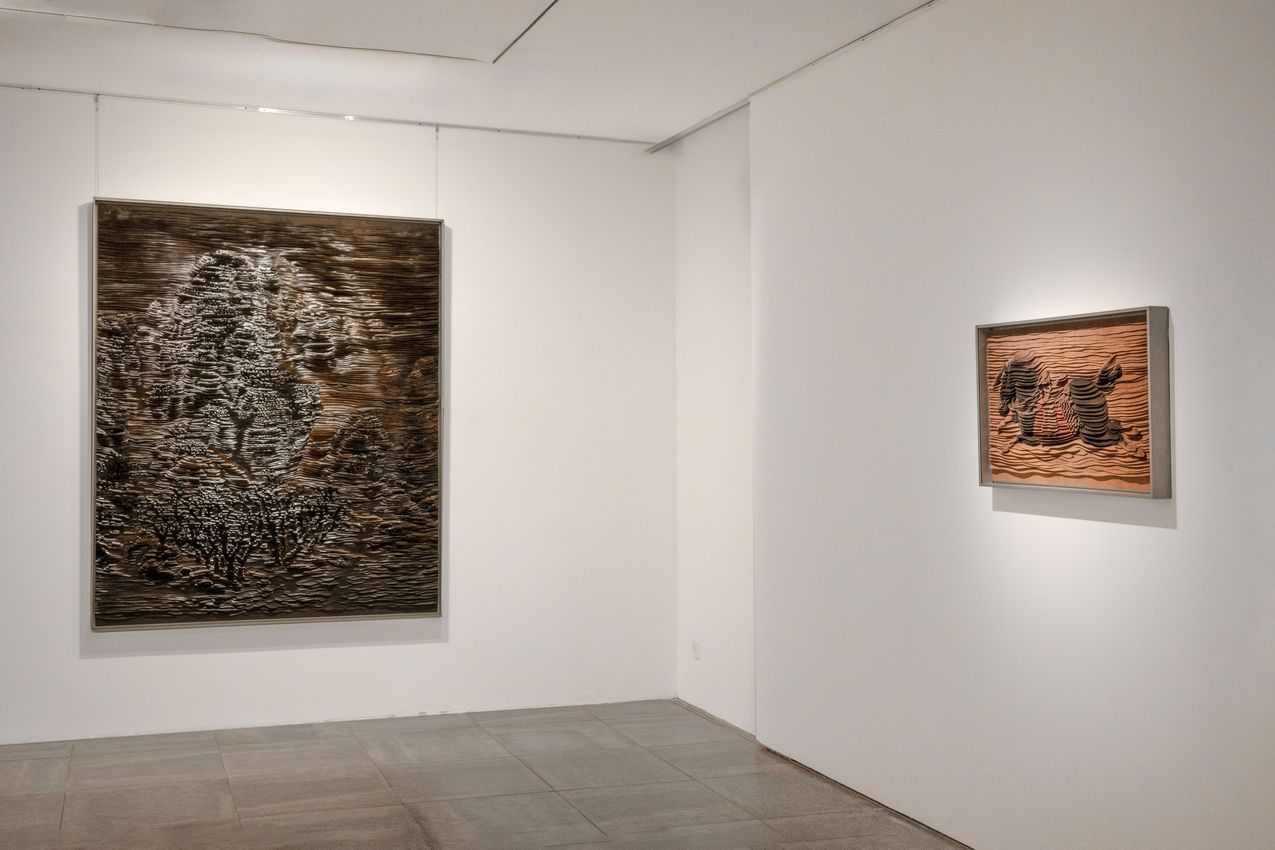
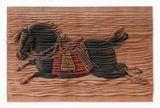
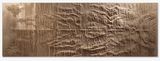
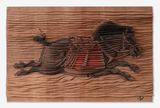
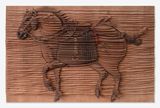
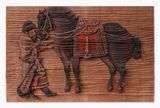
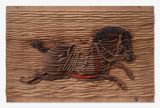
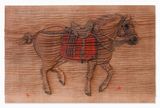
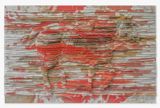
In works inspired by the Six Steeds of Zhao Mausoleum—the Tang dynasty stone reliefs commissioned by Emperor Taizong—monumental forms are dismantled and reconstituted. What was once fixed in stone is rendered fluid, its vitality released through stratified paper and shifting light. The horses no longer remain bound to a single plane, but appear to move across time itself. History, here, is not reproduced but transformed.

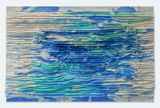
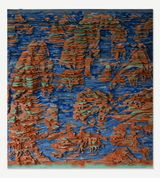
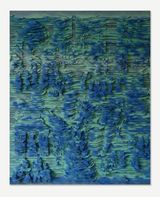
The spatial logic of Song dynasty landscape and bird-and-flower painting assumes a more defining role. Rather than presenting a fixed viewpoint, Song painting unfolds through movement, proposing spaces that can be traversed and inhabited. This sensibility resonates with the classical notion of linquan (林泉, forests and streams)1, referring not to distant grandeur but to intimate environments one can enter and dwell within. This condition finds an echo in yanlan (烟岚, misty vapors), where forms hover between clarity and obscurity. The image does not stabilize; it takes place—unfolding as a temporal event shaped by light, structure, and perception.

For Zhang Xiaodong, each work operates as a living system—an articulation of perception as well as a site where time, memory, and cultural continuity intersect. Paper, long central to Chinese traditions of knowledge and transmission, carries within it the trace of civilization. By reinterpreting the Tang dynasty dragon-scale binding, Zhang transforms reading into spatial experience: each incision and layer marks an accumulation of duration. The pages, interdependent yet open-ended, establish an internal order while retaining the potential for continual transformation.

Within this field, history is no longer distant but felt as presence. Landscapes, horses, and traces of withdrawal emerge and recede within layered space, no longer fixed images but ongoing formations. Through sustained and meticulous labor, Zhang brings material into proximity with the intangible, where viewing becomes a process of participation. As the work unfolds, a quiet dialogue between matter, space, and becoming takes shape.

1. The most important Song text on landscape painting is Guo Xi’s (郭熙, c. 1020–1090) treatise Linquan Gaozhi (林泉高致), translated as “Lofty Message of Forests and Streams”

ZHANG Xiaodong is a Chinese artist whose practice bridges book art and spatial painting, known for his innovative exploration of Thousand Pages Art and the ancient craft of Dragon Scale Binding (Longlin Zhuang). Using an engraving knife in place of a brush, he carves through layered sheets of paper to create a 2.5-dimensional visual space, reshaping the material language and narrative structure of painting between the realms of the planar and the sculptural. His works treat each “page” as a living entity—at once a visual experiment and a rewriting of time, structure, and cultural memory—unfolding into an infinite spatial continuum through the act of leafing and turning.

Zhang Xiaodong was born in 1981 in Hebei Province and currently lives and works in Beijing. He was shortlisted for the LOEWE Craft Prize (2025) and was invited to hold a solo exhibition at the Oriental Art Center in Venice (2019). His works have been exhibited at prestigious institutions such as the Thyssen-Bornemisza National Museum in Madrid, Spain; the Design Plaza Art Center in Korea; Zhejiang Art Museum; Beijing YUE·Art Museum; and others. They have also been presented at events including London Craft Week 2025 and the 6th CODEX International Bookbinding and Book Arts Fair and Symposium in the United States.

The artist’s works are held in major public and institutional collections internationally, including Peking University Library, the National Library of China, the National Archives of Italy, King’s College School Wimbledon, the World Bank, HSBC, CITIC Bank, and China Central Television (CCTV), among others. His works are also included in significant corporate and private collections, including Huawei and Max Mara Art Collection. Zhang Xiaodong has further collaborated with international luxury houses such as Louis Vuitton, Givenchy, and La Mer, extending his practice within broader cross-cultural contexts.

Read More

Installation Views

Selected Works

Loading...
Address
Bldg 105
199 Hengshan Road
Shanghai
China
Opening Hours
Tuesday – Saturday
11am – 7pm
(1)
Shanghai Bldg 105, 199 Hengshan Road
DUMONTEIL
Bldg 105, 199 Hengshan Road, Shanghai, China
+86 216 418 6367
http://www.dumonteil.com

Opening hours
Tuesday – Saturday
11am – 7pm
The art world in focus