Press Release

ARARIO GALLERY Seoul will be hosting a solo exhibition by the artist DON Sunpil titled Industrial Bishōjo from July 12th to August 19th, 2023. For the artist DON Sunpil, this subject has been figures from the Japanese animation for a long time, and he has been expressing analytical diagnosis and serious criticism beyond hobbies through his work with his unique meticulous and persistent spirit of inquiry and affection. For the artist himself, while the figure is also a subject of personal affection, but the figure as a subject of work, the figure becomes a means to analyze the agreed-upon semiotic phenomena socially, rather than representing a specific subject. The exhibition Industrial Bishōjo also operates within the same category, but this time mainly deals with the narrative from the producers’ perspective surrounding the driving force of Bishōjo (literally, ‘pretty young girl’, and normally means a cute girl character from Japanese animation) figure production. This is different from DON’s previous exhibitions, which mainly dealt with the phenomena of symbols from the consumer’s perspective. This time, it imagines the uniqueness and power of an industrial structure in which the Bishōjo figure, which is most frequently born among all processed characters, is continuously and endlessly generated and changed based on the principles of supply and demand in the capitalist market structure, but also an inexplicable fervor, and discusses appreciation and contemplation derived from it.

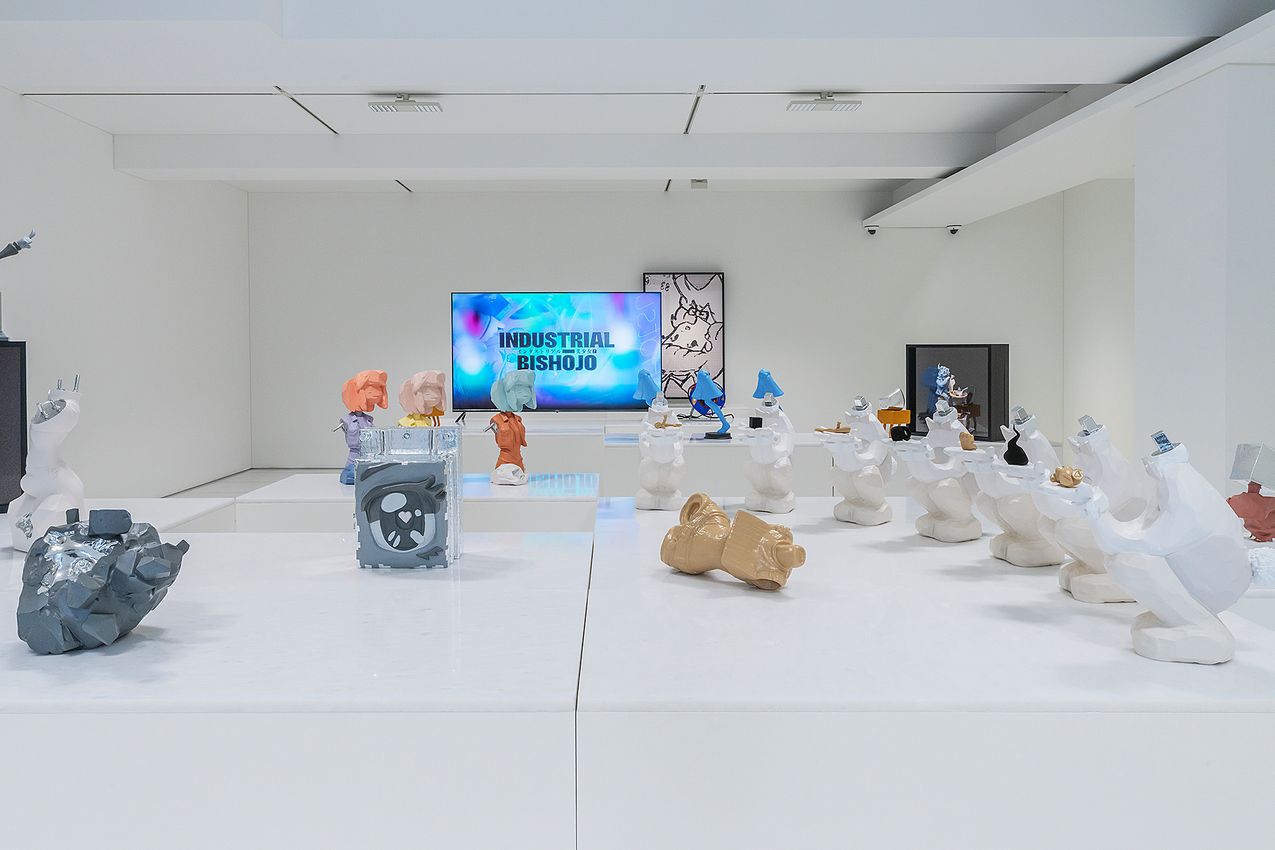
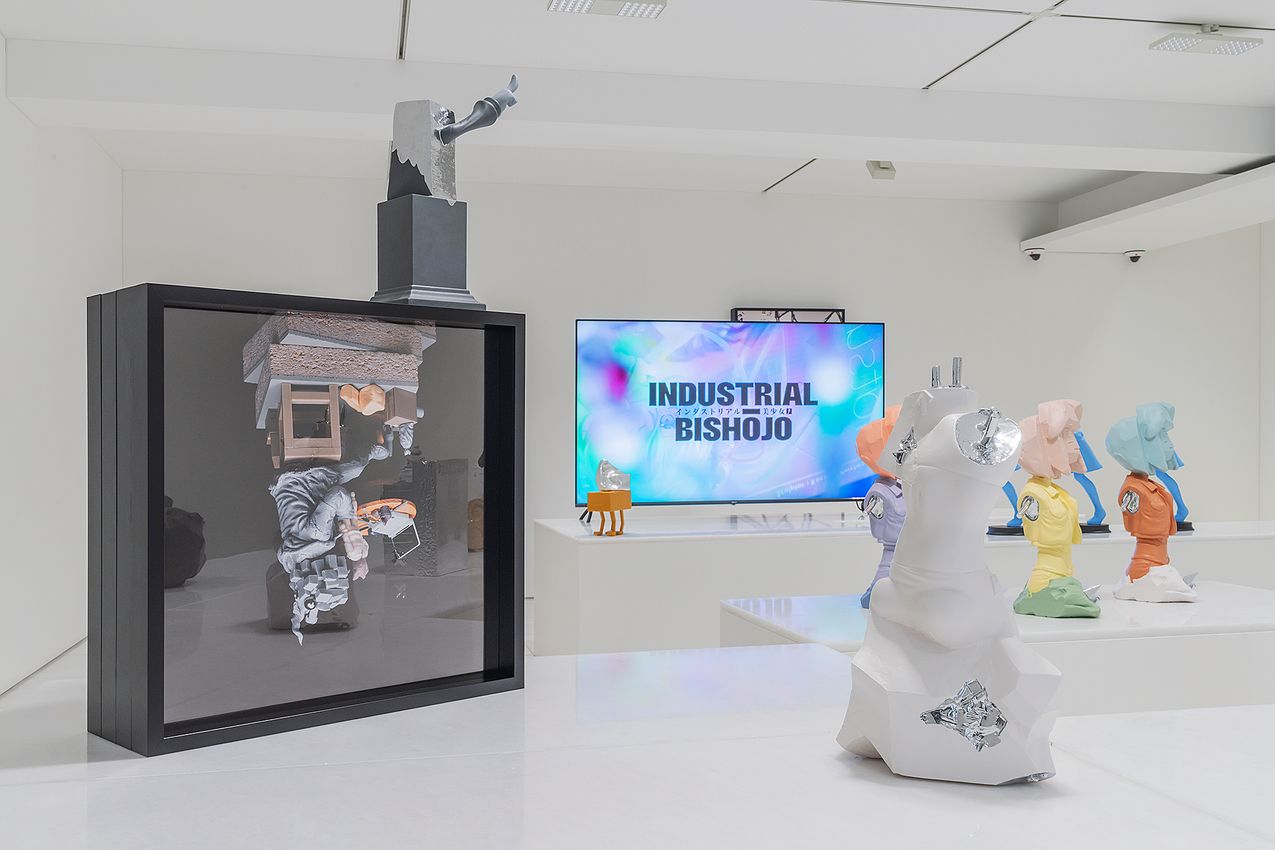
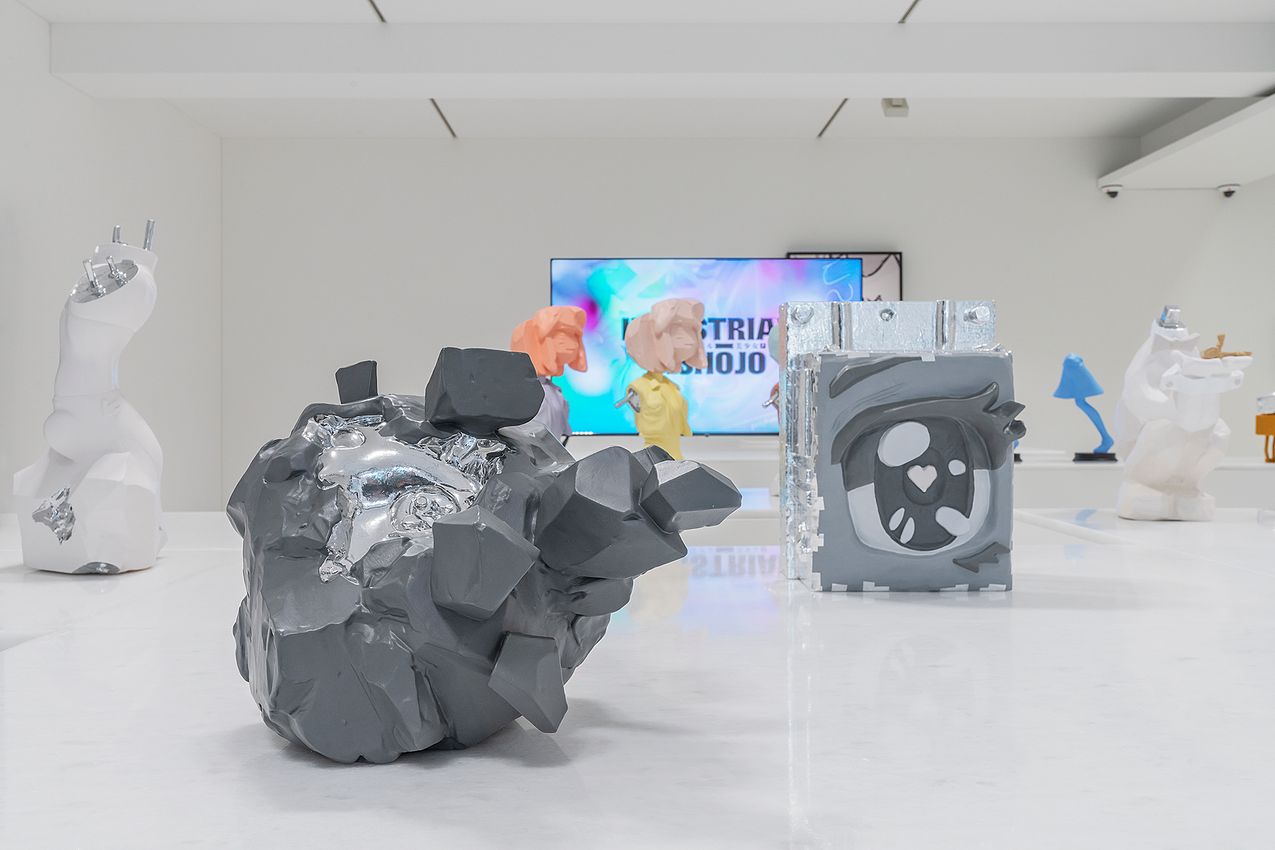
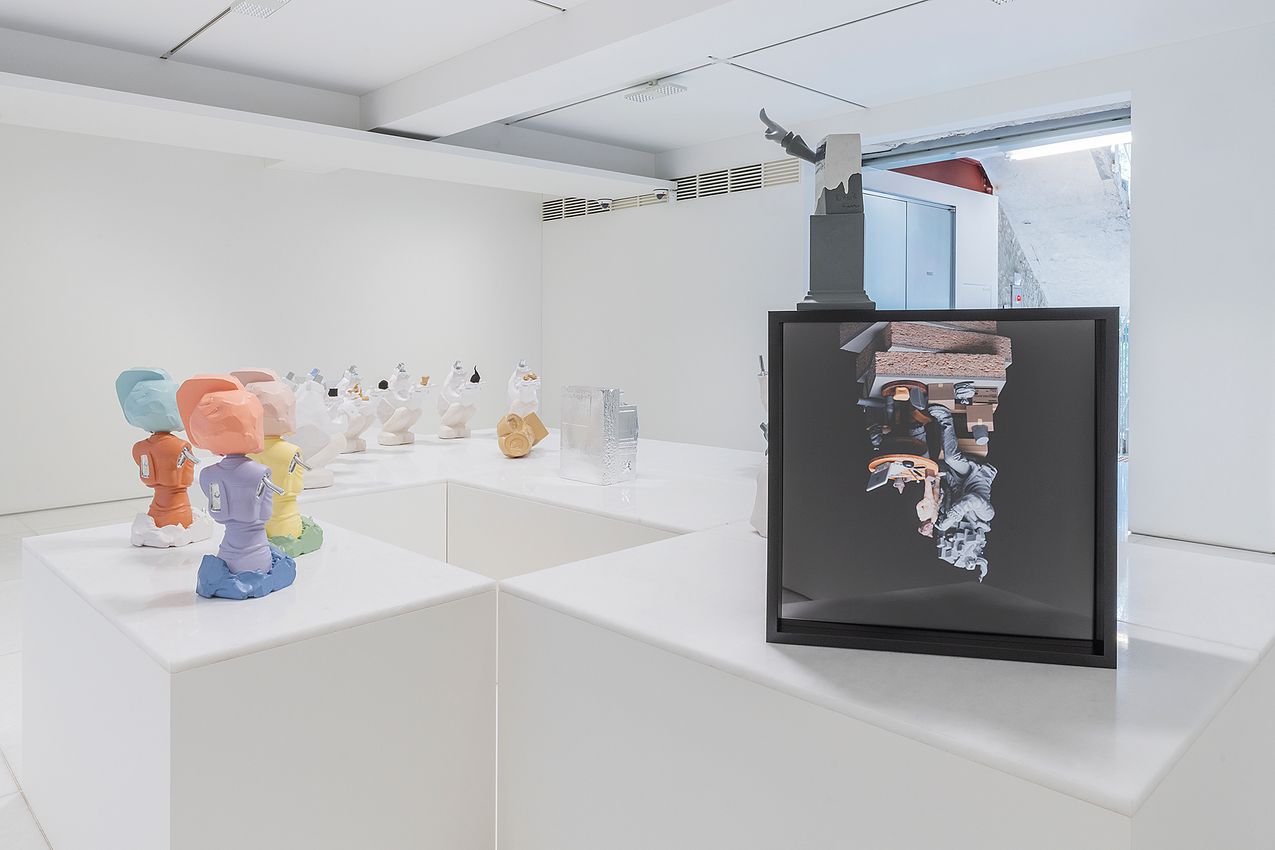
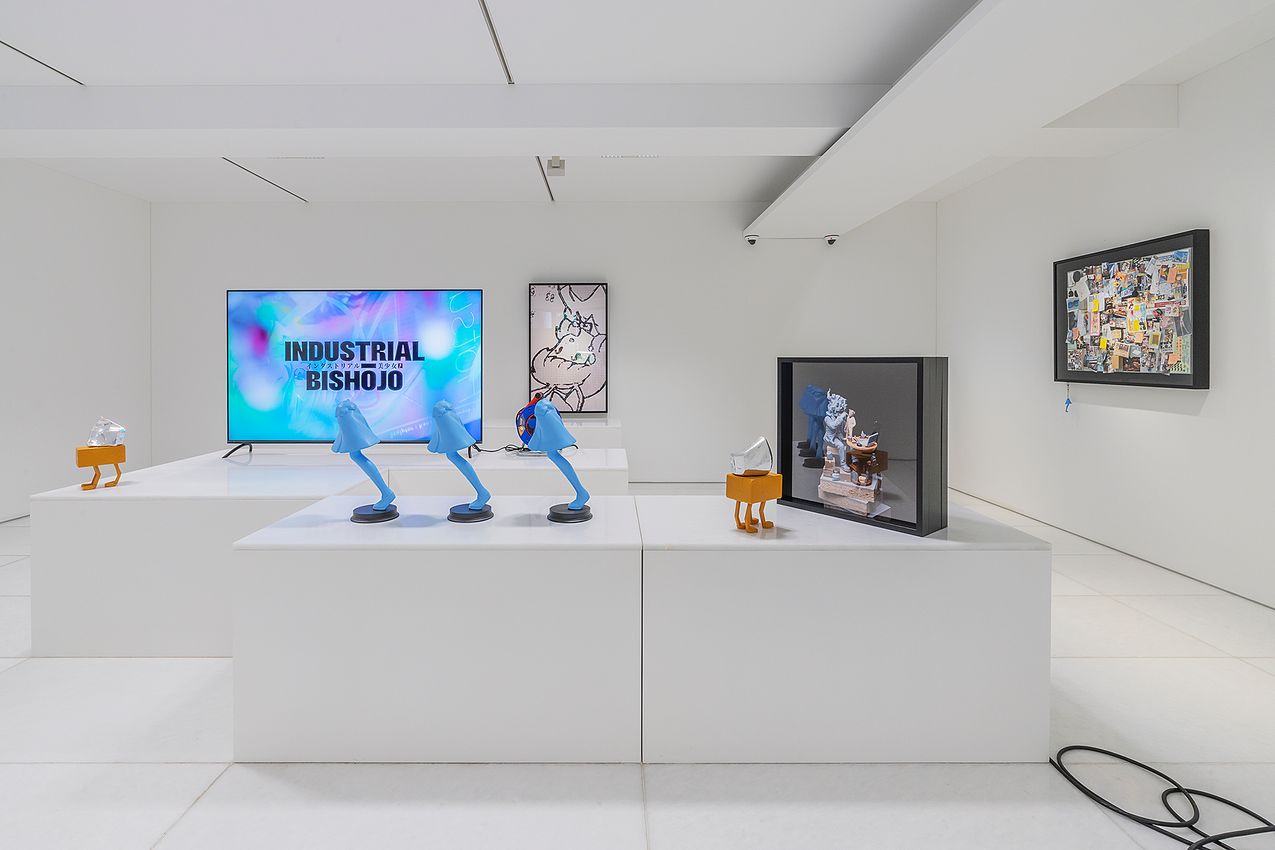
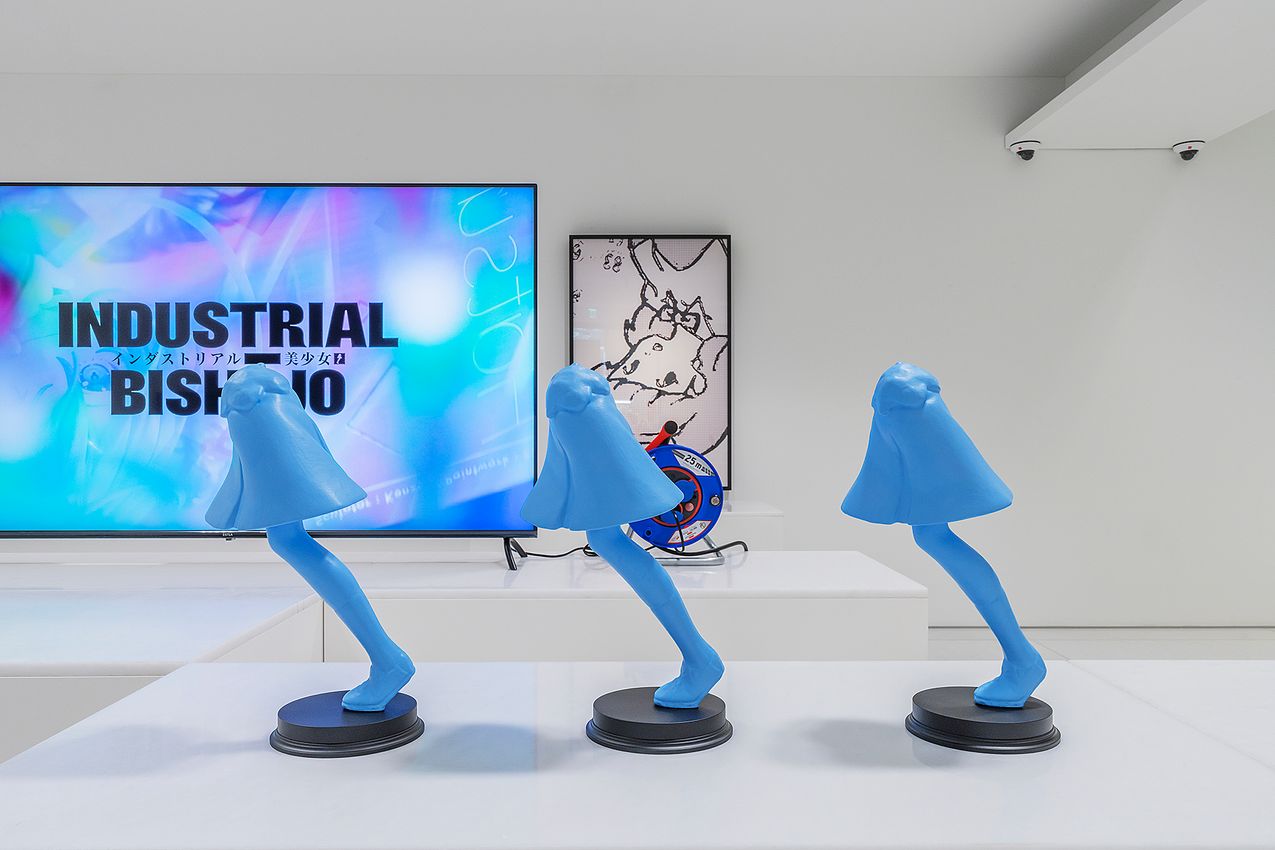
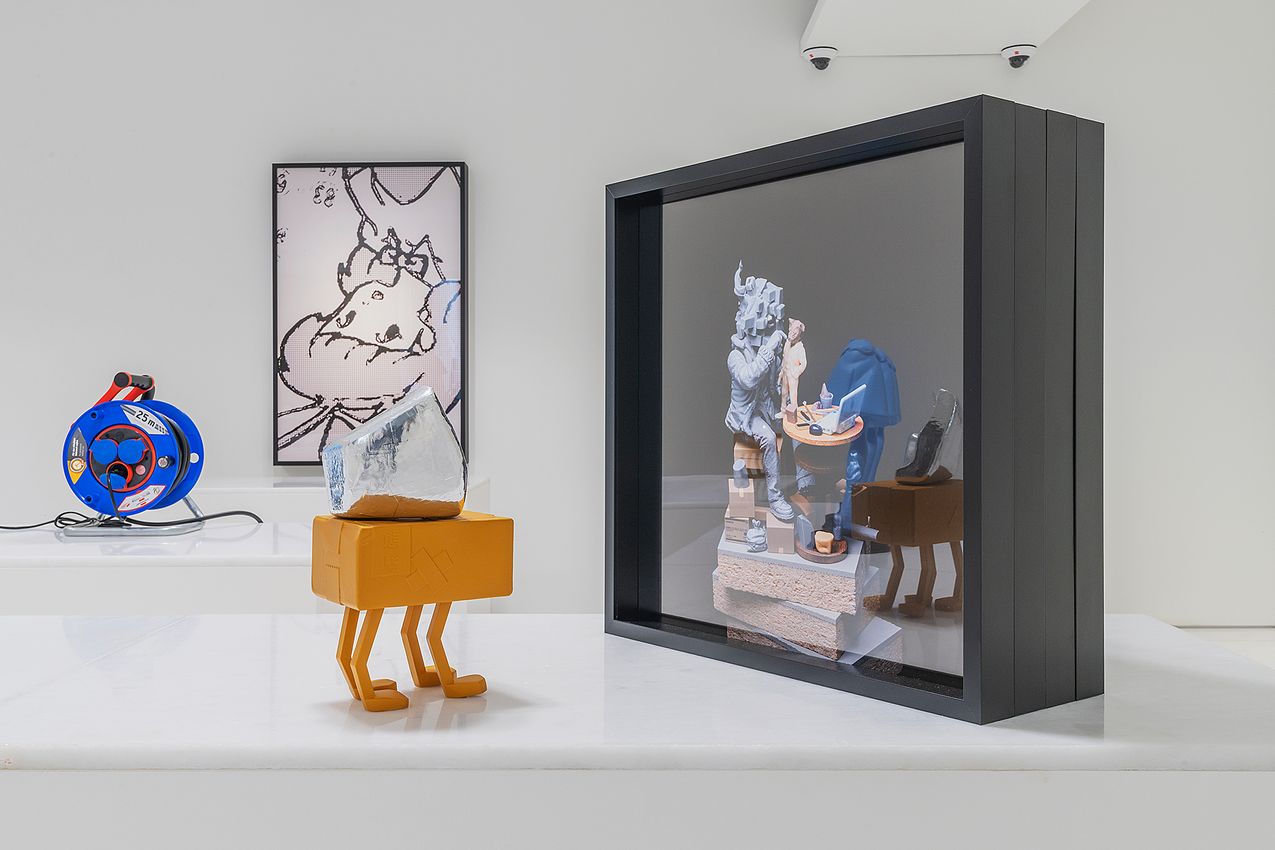
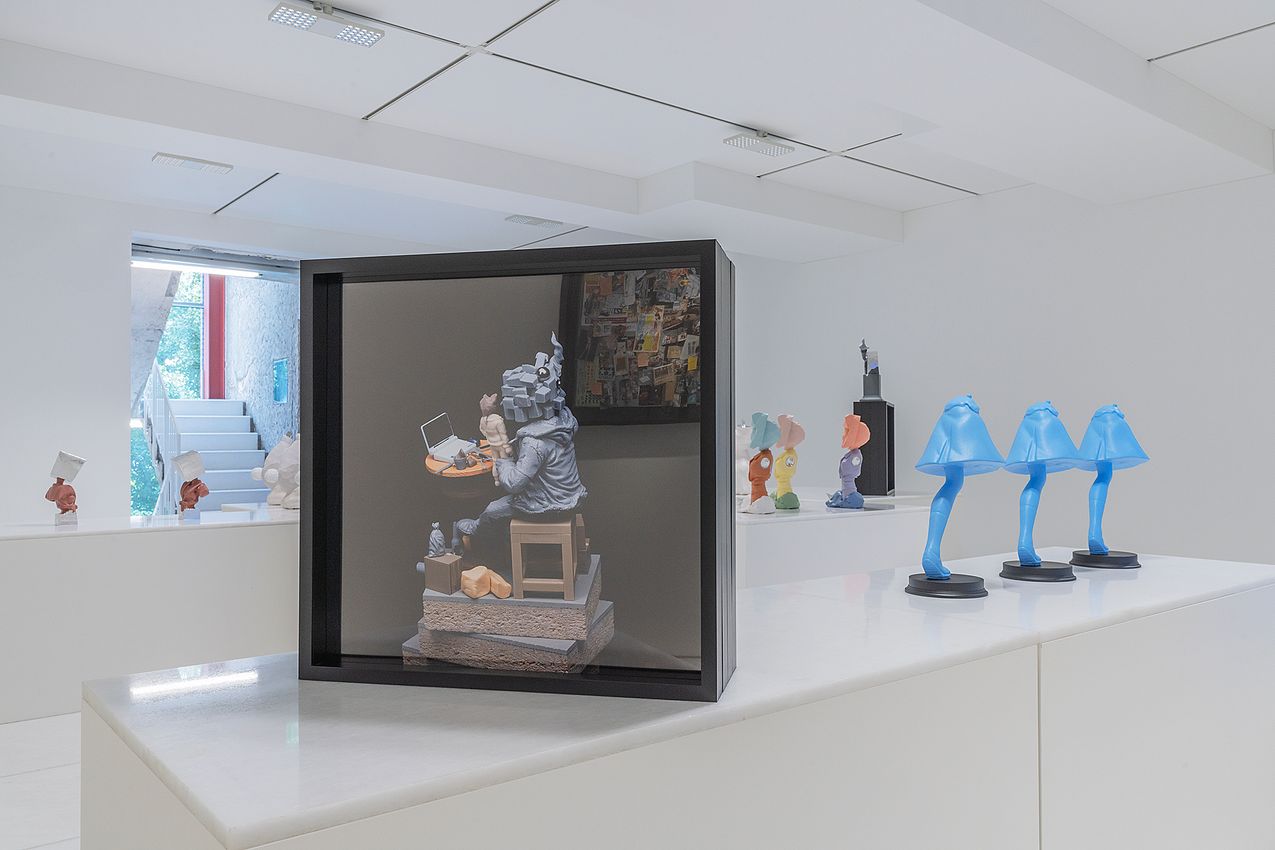
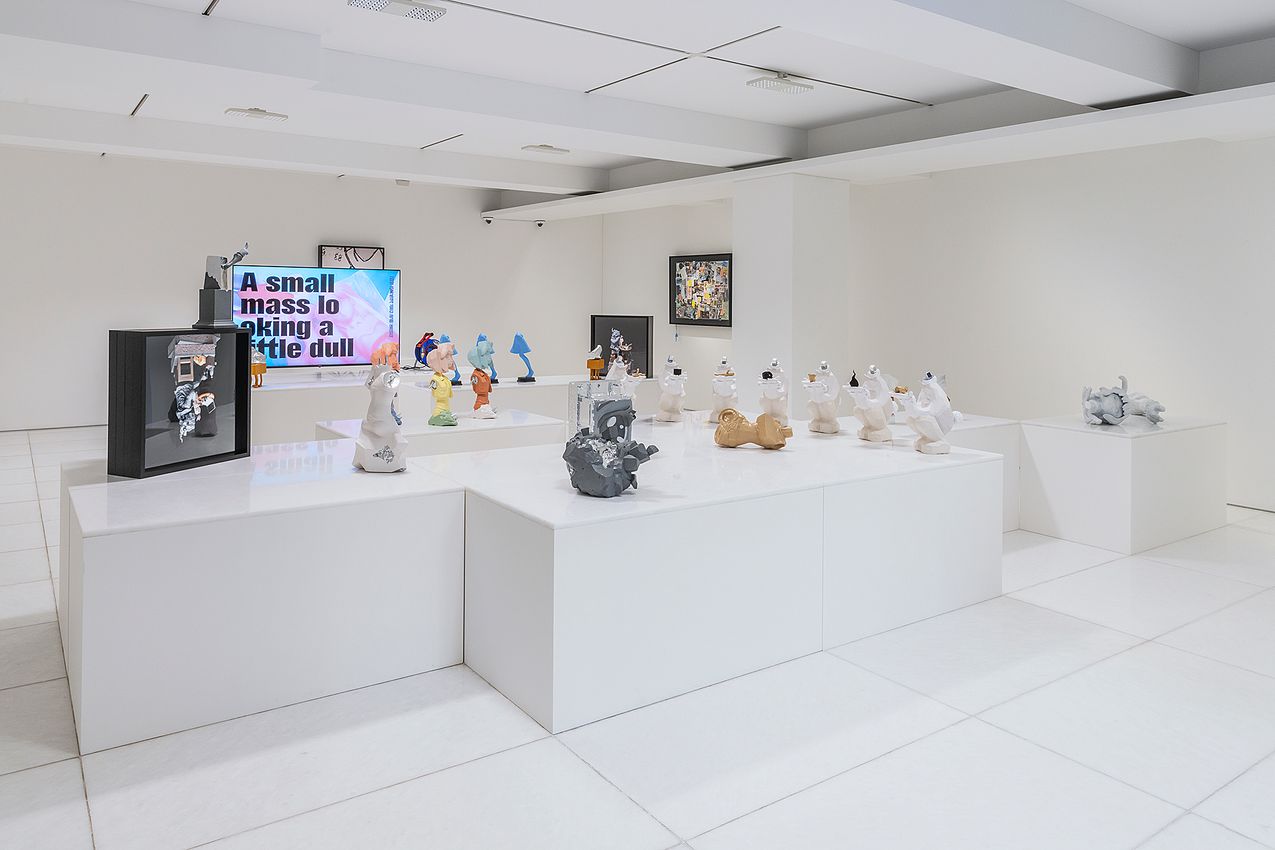
The exhibition consists of one video work, 24 sculptures, and a total of four photographs, including the photography of the original designer imagined by DON (this designer sculpture is not exhibited), and the executive map or blueprint of Bishōjo created by DON. The author regards the video work of this exhibition as the original animation, and the sculptural works as figures derived from the original, where the video work occupying a place as if it were part of the sculptures predicts their complementary and organic relationship. The video work as an original animation work in this exhibition observes the thoughts and words of the engineer J. J is a professional engineer who makes a living designing and creating molds for figurines. One day, he receives a prototype sample from an anonymous designer and has to work on creating a mold for mass production. However, the received prototype deviates from the standard, causing Engineer J to agonize over it. Amid aesthetic preferences and industrial perspectives, he attempts to change his repetitive approach only to find himself succumbing to it again. The habit brings balance and fissures, and J falls into a strange cyclical pattern where, despite constant disappointment, his habitual ways persist. The video concludes with Engineer J, immersed in his belief that habitual methods lead to a simplification of forms, despite adhering to his usual style.

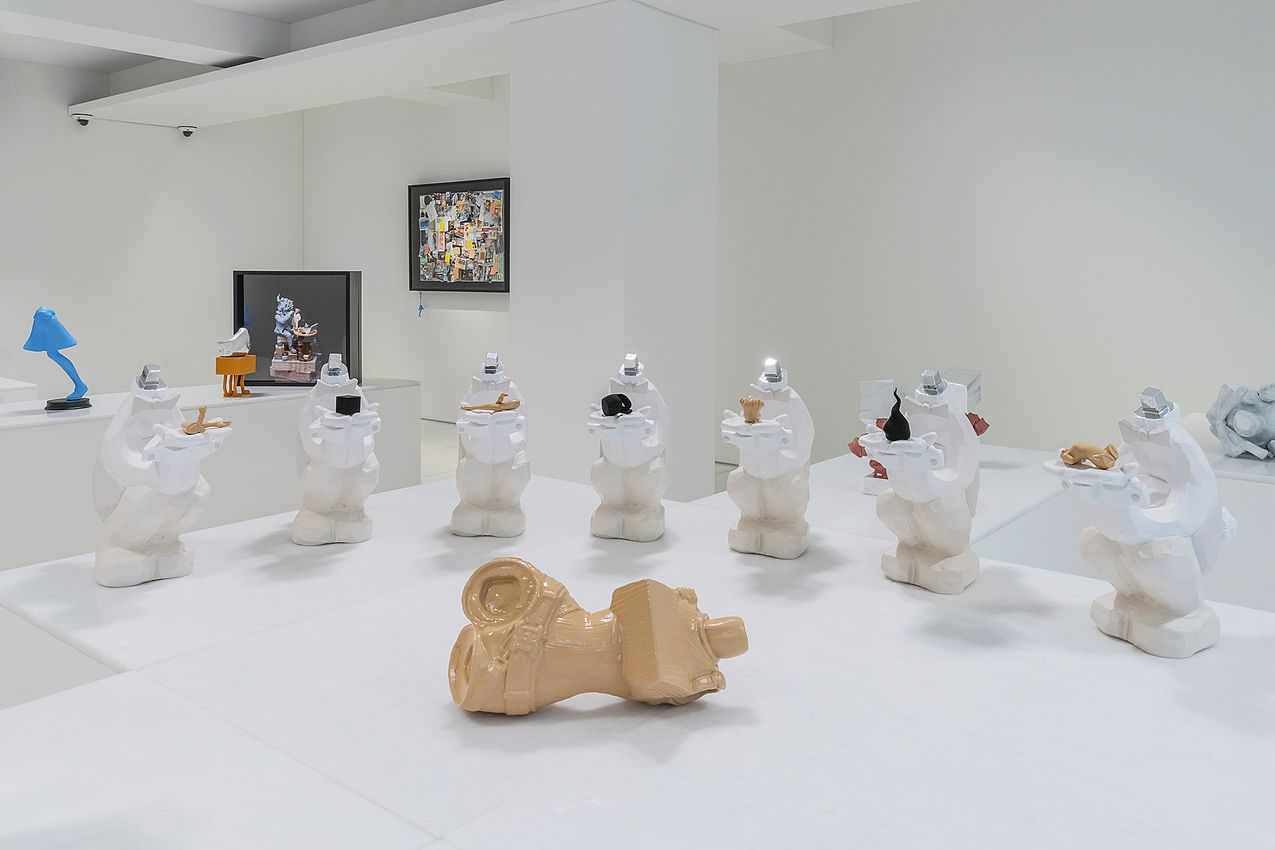
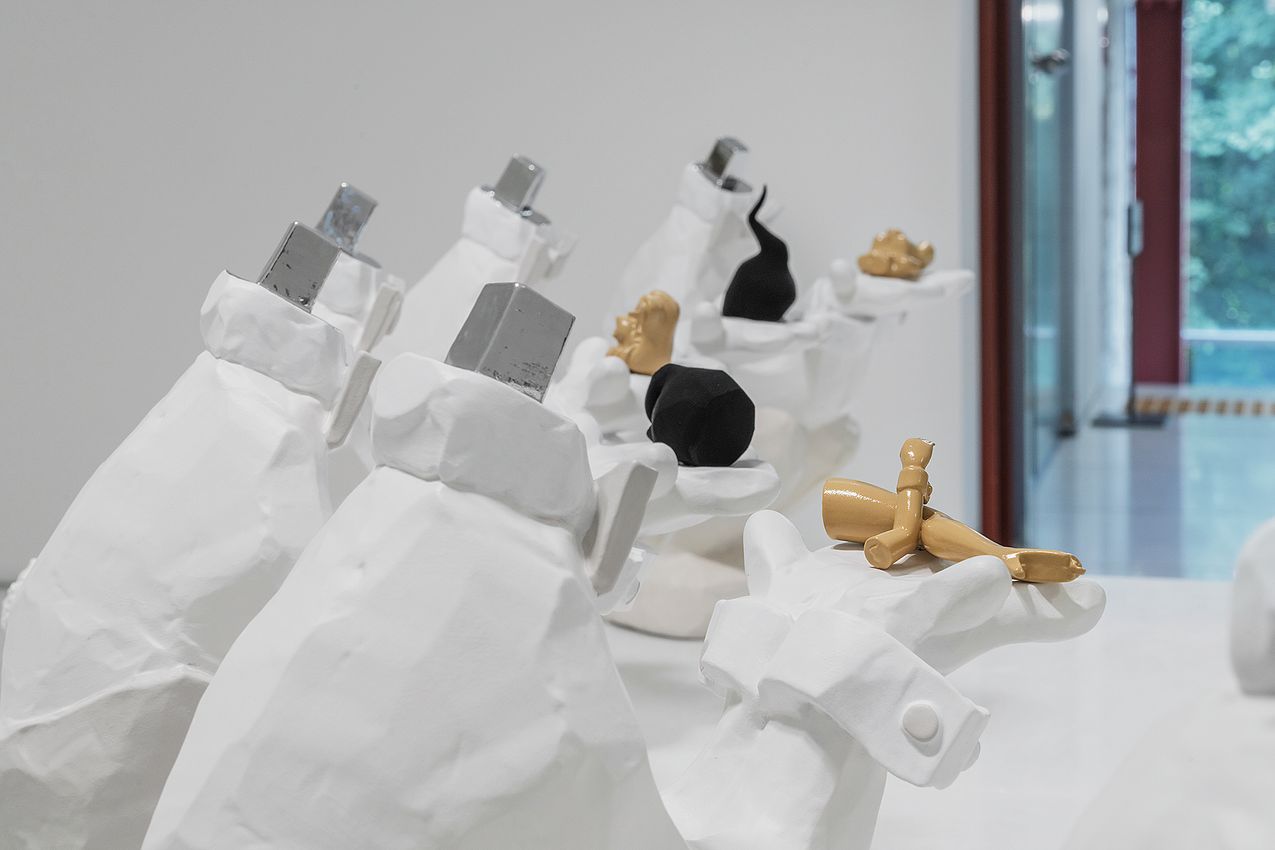
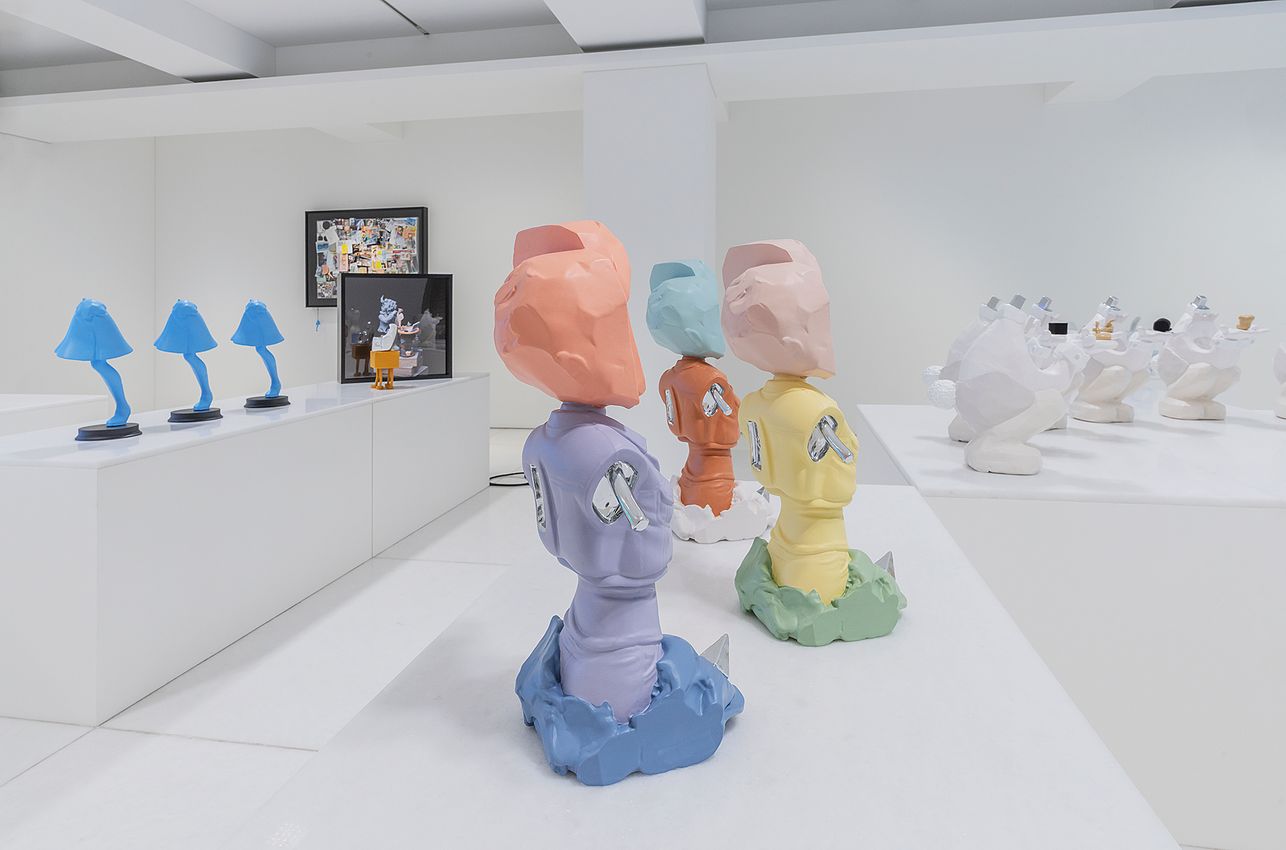
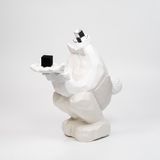
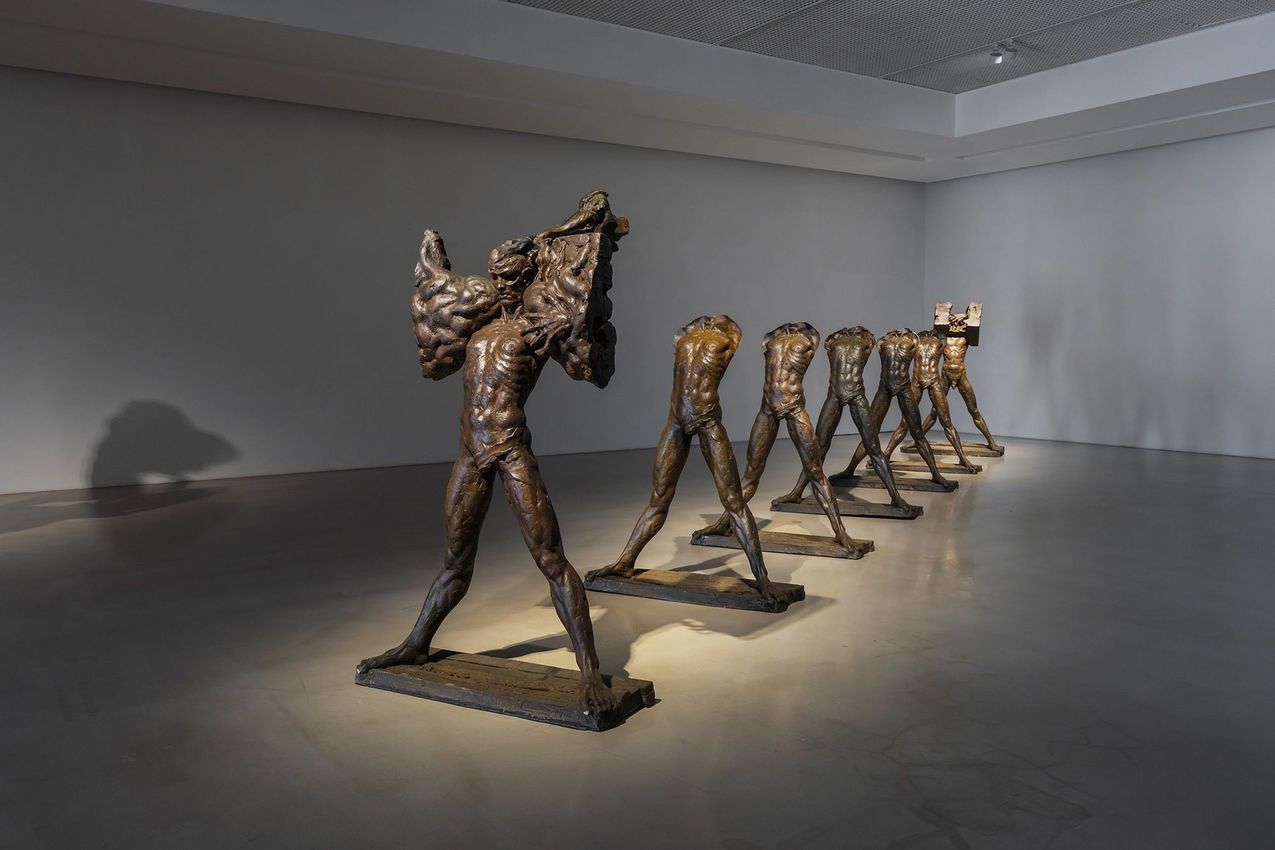
The sculptures exhibited are transformations of characteristic parts chosen by the artist from the Bishōjo figurines’ symbols. Each form can be noticed as long as one can understand the visual language surrounding the particular Bishōjo figurine, but it is not significantly important to understanding the exhibition. The repetition of specific shapes similar to the description of forms that suggest being part of something else is enough to evoke visual pleasure and liveliness from the sculpture itself. However, there is a need to mention the Bunny Girl figurines, who, all sitting hunched without heads and with something placed on their hands, make up an overwhelming majority in the exhibition hall. These shapes remind viewers of parts of other figurines. Bunny Girls, one of the entities that penetrated the era when Bishōjo figurines emerged and rapidly grew in the 1980s, are considered the prototype and starting point symbolizing Bishōjo figurines for DON. The exhibition also shows subtle repetitions and differences, such as identical shapes in two spots or identical shapes with different colors. These convey the inherent characteristics of the figurines as mass-produced industrial structures while simultaneously expressing the aesthetic beauty of the sculptures. This hybrid of industrial structures and sculptures causes a temperature difference, one of the pleasures of appreciating the overall sculptures of artist DON Sunpil. In this exhibition, DON subtly reveals the invisible presence of the prototype makers by particularly highlighting the fragmentation in the formal aspects and the parts painted differently, suggesting not the finished figurines but parts of the figurines on the production line.

Although they are products of mass production, figures still require a meticulous manual process. It requires elaborate painting work, such as stacking more than 20 complex layers to properly express a single eye. It’s an industry that can only function within the diverse skills and endless passion of countless individuals. There are numerous concerns and decisions that arise in this process. In particular, figures are born through mass production processes, but they reflect the will and love of countless individuals and evolve beyond merely the result of capitalism. At the same time, they have to reflect social, symbolic interpretation and taste, coexisting in a world that is very micro yet macro, quite paradoxical and contradictory in its unique structure. The group of producers, half the reason this unique world where industry and hobby converge exists, are the entities who contemplate, imagine, and act on this boundary. It’s interesting that this exhibition visualizes such hesitations and concerns that arise on this path, not the finished product.

DON Sunpil has held solo exhibitions at YPC Space (Seoul, Korea) in 2022; Little ASJC, Kunsthal Aarhus (Aarhus, Denmark) in 2021; Art Sonje Center (Seoul, Korea) in 2020; ARARIO MUSEUM in SPACE (Seoul, Korea) in 2019; Tastehouse (Seoul, Korea) in 2018; and Audio Visual Pavilion (Seoul, Korea) in 2016. The artist has taken part in various group exhibitions at Daelim Museum (Seoul, Korea) in 2020; Danwon Art Museum (Ansan, Korea) in 2019; ARARIO GALLERY Seoul, Ryse Hotel (Seoul, Korea) and Grassi Museum (Leipzig, Germany) in 2018; The Print Room (London, UK) in 2017; Trading Post (Seoul, Korea) in 2016; and Sangsangmadang (Seoul, Korea) in 2015. DON participated in the “14th SeMA Nanji Residency” (Seoul, Korea) in 2020; and has authored several publications including “Figure TEXT: Wonder Festival Report” (2019); “Minmay Attack: Re-Re-Cast” (2016); and “Figure TEXT (2016).

Read More

Installation Views

About the Artist

DON Sunpil (b.1984) is an artist who dismantles the affection towards the object and background which are frequently appeared in the subculture. To the artist, represented by the figure, a so-called OTAKU culture is not simply for leisure or light amuse, but a fascinating social phenomenon and a clue to a shared aesthetic sense. DON brings out the subject like animation, which is asserted to be existing on the outside of Fine Art boundary, into a discourse within the art world then intersect each other. The artist not only maintains affection in one hand and strict aesthetic appreciation in the other for the cultural context, narrative, and the adoration towards the figures but also persistently explored the perfection and logical completeness of the figure, then unfolded them to the audience.

View Artist Profile

Also Exhibiting at Arario Gallery

About the Gallery

ARARIO GALLERY SEOUL opened its doors in Sogyeok-dong in 2006. Since then, it has established its foothold as a leading contemporary art gallery in Korea and across Asia, continuing to be at the forefront of the international art scene through its efficient representation system and bold exhibitions. In March 2014, ARARIO GALLERY SEOUL relocated near the National Museum of Modern and Contemporary Art. In April 2018, ARARIO GALLERY SEOUL RYSE HOTEL, a second exhibition space in Seoul, opened in the Hongdae area. Running concurrently with its primary location until November 2019, the project space aimed to mirror the experimental spirit of the neighbourhood through its innovative programming. In 2022, ARARIO GALLERY SEOUL ended its Sogyeok-dong era. However, the various experimentation and ventures carried out in the gallery’s previous spaces continue to shape its future at its current location in Wonseo-dong, which reopened in February 2023. Through the preemptive discovery of young artists, steady support of represented artists, and the realisation of meaningful and original exhibitions, ARARIO GALLERY SEOUL aims to continually grow and contribute to the growth of the contemporary art scene in Korea.

View Gallery Profile
Address
85, Yulgok-ro
Jongno-gu
Seoul
South Korea
Opening Hours
Tuesday – Saturday
11am – 6pm

Closed on Mondays, Sundays, New Year's and Chuseok holidays
(1)
Seoul 85, Yulgok-ro, Jongno-gu
Arario Gallery
85, Yulgok-ro, Jongno-gu, Seoul, South Korea

Opening hours
Tuesday – Saturday
11am – 6pm

Closed on Mondays, Sundays, New Year's and Chuseok holidays
The art world in focus