A river is never just a line on a map.
Where does the water come from, what places does it pass through, and where does it join another river? This seemingly simple path is tied to the forms of the land, to vegetation and climate, and also to human migration, production, trade, belief, and everyday life. Dams, bridges, docks, irrigation systems, and urban construction continually reshape rivers, while rivers in turn transform the lands and lives along their banks. A place, therefore, can hardly be understood in isolation; it is always caught in relations with other places, other lives, and other times.
The exhibition “Where Does the Water Go” is not concerned with “the river” as a natural landscape, but rather with the watersheds that rivers form, and with how the people living within them relate to the land, water, infrastructure, and history.
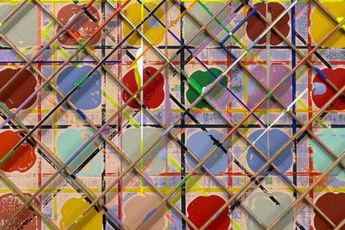
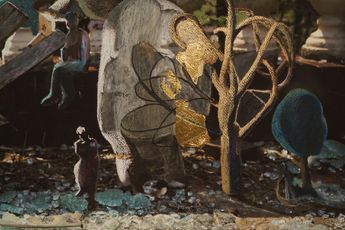
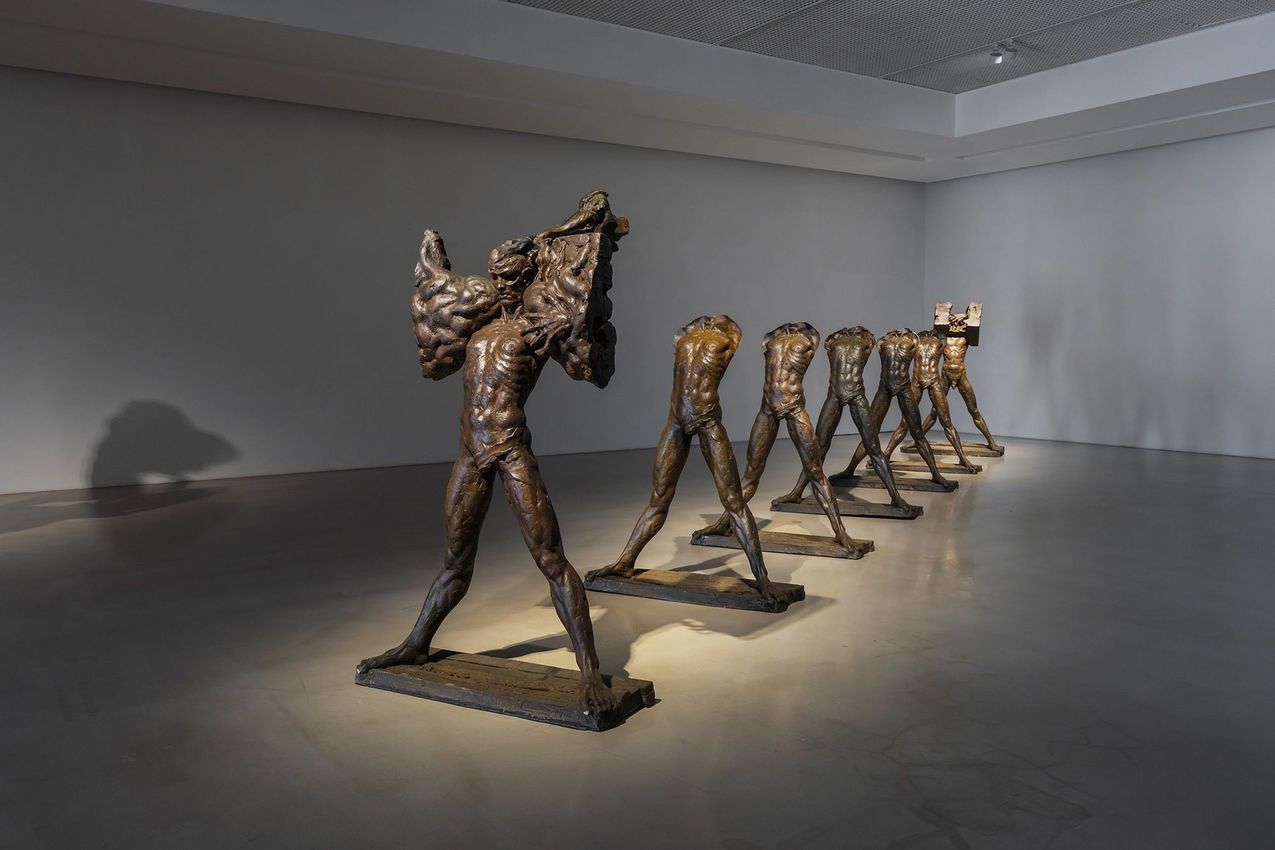
For the artists, entering a watershed also means entering a reality that cannot be quickly summarized. It takes time. Through walking, measuring, observing, conversing, and working, the artists come to know a place gradually, and in this process they continually revise their initial judgments. Materials may shift, the scale of their work may be re-determined, and habitual ways of seeing may become unreliable. The works are not illustrations of a predetermined theme, but the results left behind by these prolonged engagements.
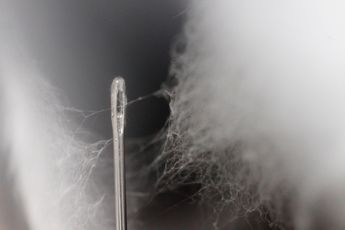
For this reason, the exhibition seeks to present the works while preserving the unfinished state of the research. Sketches, notes, maps, photographs, experimental materials, archives, and artworks are placed side by side. They are not supplementary materials outside the works, but rather different ways through which the artists come to know a place. They allow us to see how a work gradually takes shape—from a single observation, an accidental discovery, or a shift in judgment.
The exhibition also attempts to pose a question that is not easy to answer: If we temporarily set aside administrative boundaries, singular historical events, and the borders defined by established disciplines, and instead start from the connections within a watershed, can we arrive at a way of seeing that differs from conventional local narratives?
In this sense, “watershed” is not a geographical concept, but a scale. It compels us to rethink the relationships between city and countryside, nature and society, data and memory. It does not unify these relationships into a single whole, but rather allows them to remain distinct while recognizing that they cannot truly be separated from one another.


A respected voice in contemporary art discourse.
Focusing on ambitious storytelling and insightful art-world commentary. Ocula Magazine publishes in-depth interviews, critical essays and timely analysis on the artists, exhibitions and ideas driving the global art world.
Learn more about Ocula Magazine
Showcasing the best of the art world.
Ocula partners with galleries from around the world to highlight their artists, artworks and exhibitions. Gallery membership is by application and invitation, with each member vetted by an independent panel.
Learn more about Ocula Membership

Specialises in the sale of major artworks.
Led by a team with deep ties to the world’s leading auction houses, galleries and collectors. Ocula’s advisory team offers bespoke services to high-net-worth clients from around the world who are looking to acquire the best of contemporary and modern art.
Learn more about our team and services