




JULIO LE PARC
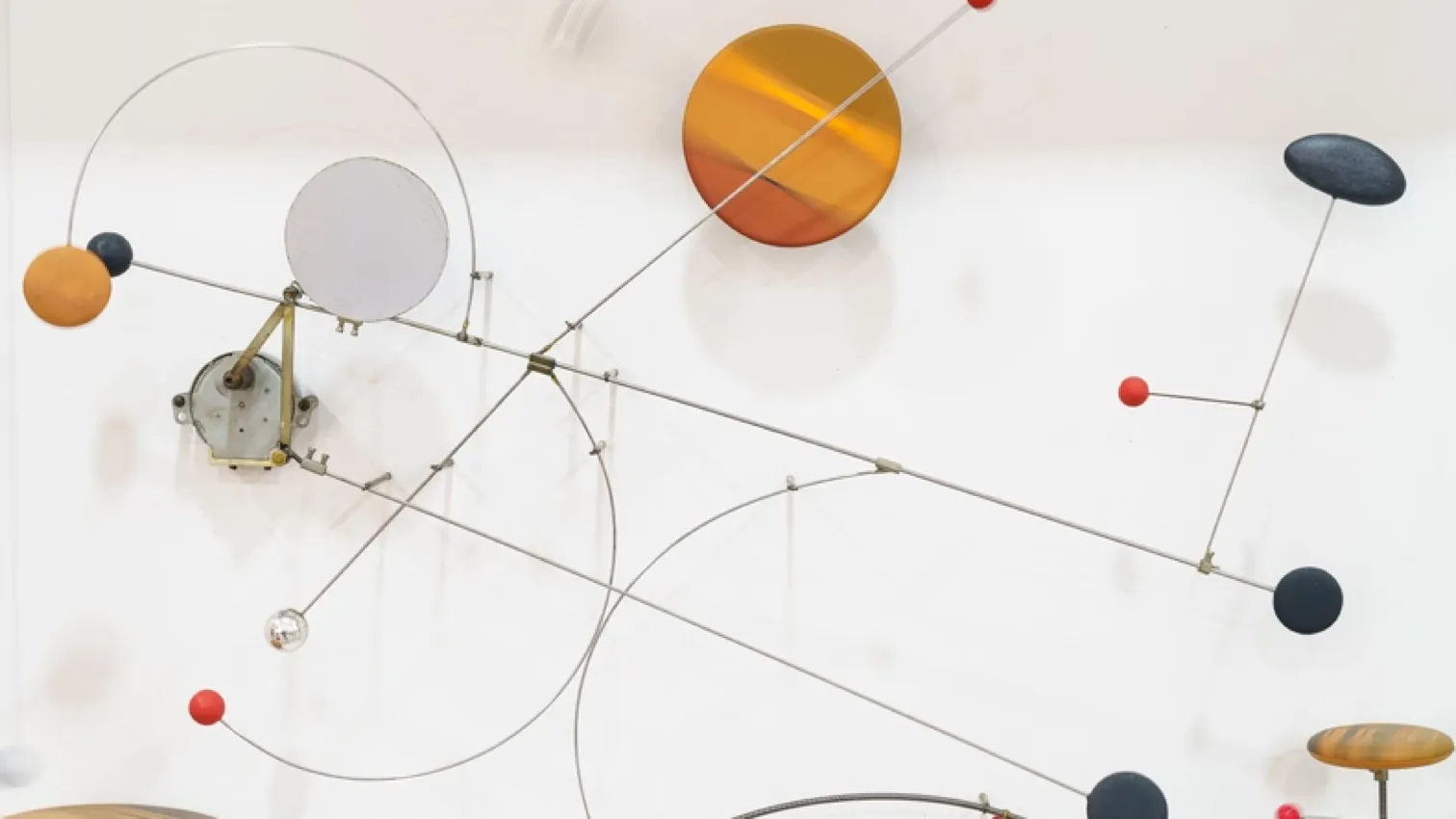
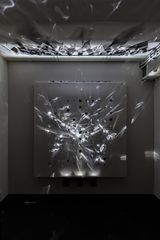
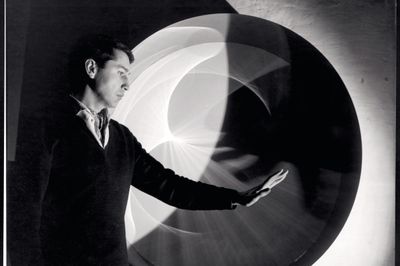
1928-2026, ArgentinaJulio Le Parc (b. 1928, Mendoza, Argentina) lives and works in Paris, France. Le Parc attended the Escuela de Bellas Artes in Buenos Aires in 1943 where he became interested in Arte Concreto-Invencion and the Spaziliasmo movement. In 1958, Le Parc went to Paris on a French government scholarship and settled there working on works of art related to research into three dimensions, movement and light as it pertains to the kinetic arts. Victor Vasarely’s 1958 exhibition in Buenos Aires became an important catalyst for Le Parc’s career, while in Paris Le Parc pursued collaborative work with fellow artist friends of Vasarely and studied the writings of Mondrian, evolving his practice to reflect on the tradition of Constructivism. Le Parc represented Argentina at the 1966 Venice Biennale, he won the Grand International Prize for Painting as an individual artist. Le Parc had begun working on two-dimensional compositions in colour and black and white as early as 1953, while he was still an art teacher in Buenos Aires. From 1960, however, he began to develop a series of distinctive works that made use of ‘skimming’ light: these objects, usually constructed with a lateral source of white light which was reflected and broken up by polished metal surfaces, combined a high degree of intensity with a subtle expression of continuous movement.
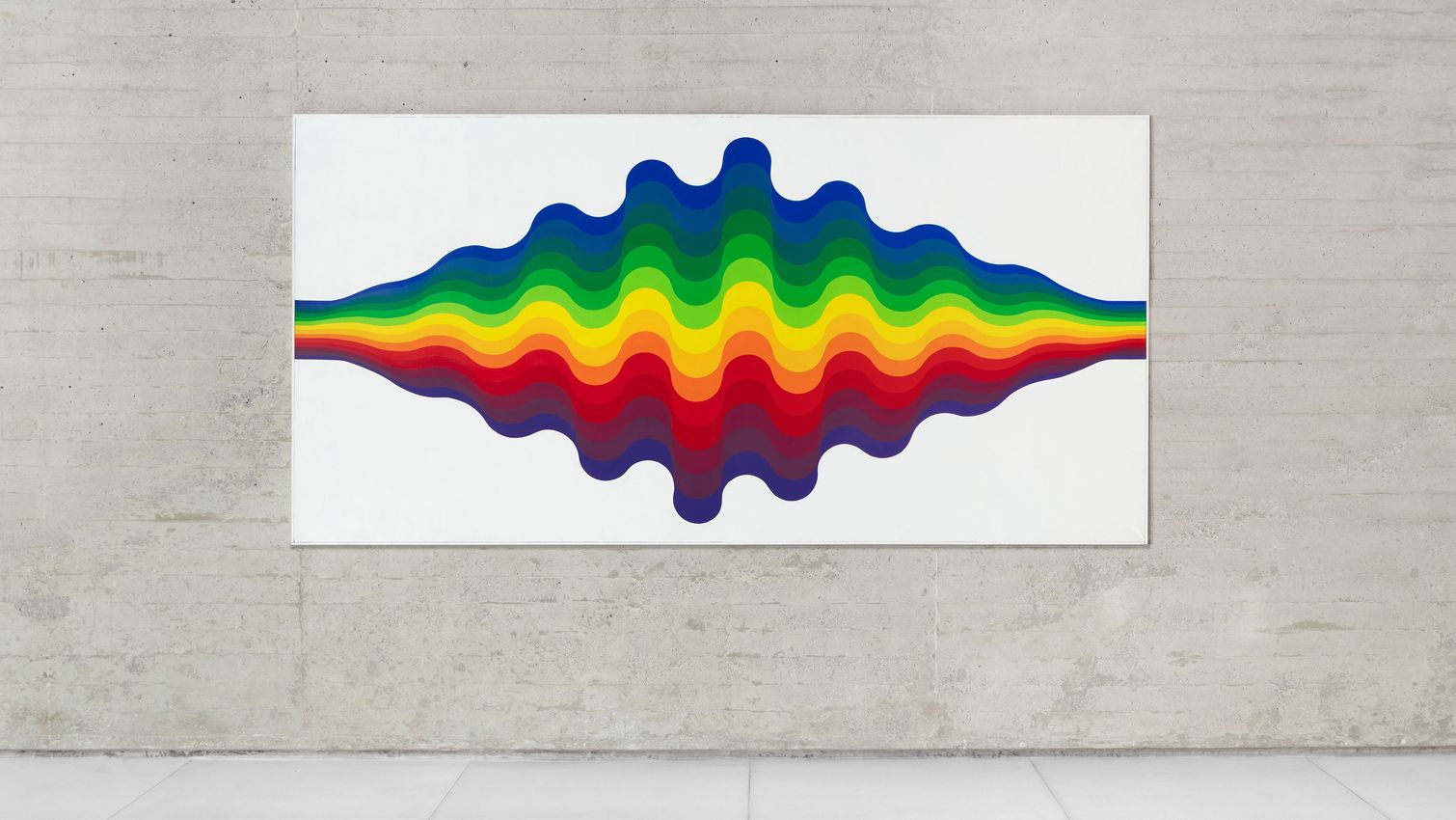
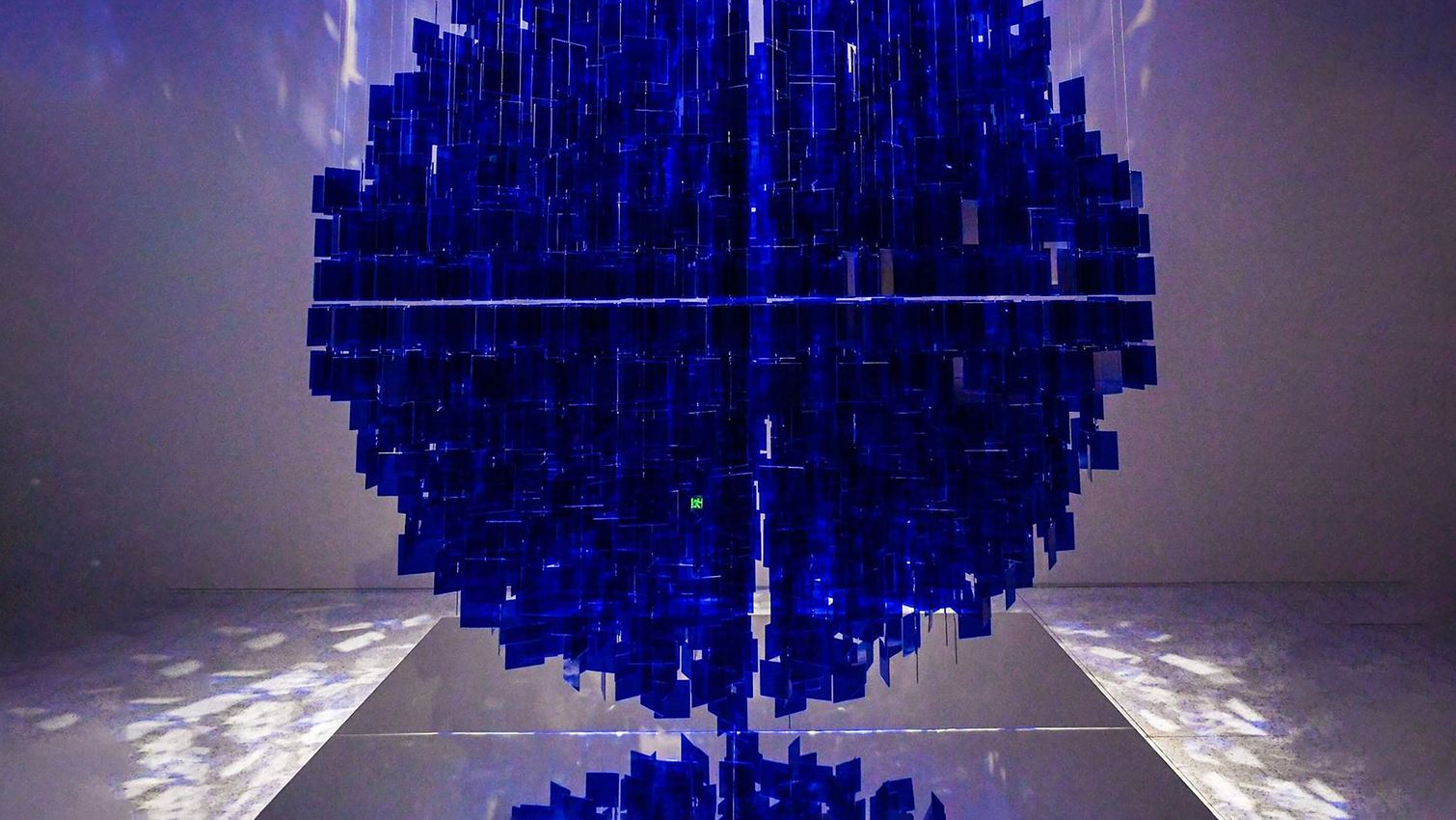
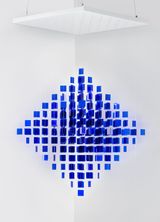
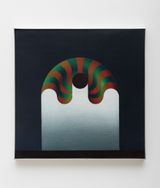
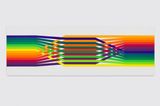
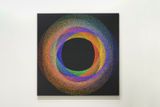
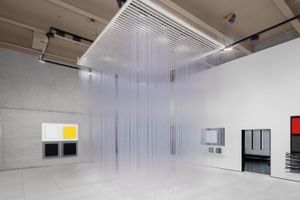
Celebrated for what he calls ‘disturbances in the artistic system,’ Julio Le Parc is among the progenitors of the Op Art, or Kinetic Art, movement, who posits a utopian vision for art and society through his perceptually illusory paintings, sculptures, and immersive installations. As co-founder of the Groupe de Recherche d’Art Visuel (Visual Art Research Group) (1960–68), he worked to break down the boundaries between art and the viewer. In his words: ‘I have tried [...] to elicit a different type of behavior from the viewer [...] to seek, together with the public, various means of fighting off passivity, dependency or ideological conditioning, by developing reflective, comparative, analytical, creative or active capacities.’ Parc accomplishes this through colour, line, light, shadow, and movement, composed to make still forms seem to move, solid structures seem to dematerialise, and light itself seem plastic.
Le Parc’s works have been the subject of numerous solo shows in Europe and Latin America, including Instituto di Tella (Buenos Aires), Museo de Arte Moderno (Caracas), Palacio de Bellas Artes (Mexico), Casa de las Americas (Havana), Moderna Museet (Stockholm), Daros (Zürich), Städtische Kunsthalle (Düsseldorf). Le Parc’s works have also been included in numerous group exhibitions and biennials, including MoMA’s controversial exhibition The Responsive Eye (1965), the Venice Biennale in 1966 (where he was awarded the Prize), and the São Paulo Biennial (1967). As acts of protest against the repressive military regime in Brazil, he joined artists in boycotting the 1969 São Paulo Biennial and published an alternative Contrabienal catalogue in 1971. Le Parc’s later collective works included participation in anti-fascist movements in Chile, El Salvador and Nicaragua. Recently, he has been the subject of major retrospectives including Julio Le Parc (Serpentine Gallery, London, UK, 2014); Soleil froid (Palais de Tokyo, Paris, France); Le Parc lumière (Casa Daros, Rio de Janeiro, Brazil, 2013; MALBA, Bueno Aires, Argentina, 2014); A constant quest (Galeria Nara Roesler, São Paulo, Brazil, 2013); and included in the group exhibition Dynamo (Grand Palais, Paris, France, 2013).
Text courtesy Galeria Nara Roesler.



View Julio Le Parc's Artworks






















Explore and Follow Artists Shaping Contemporary Art
A respected voice in contemporary art discourse.
Focusing on ambitious storytelling and insightful art-world commentary. Ocula Magazine publishes in-depth interviews, critical essays and timely analysis on the artists, exhibitions and ideas driving the global art world.
Learn more about Ocula Magazine
Showcasing the best of the art world.
Ocula partners with galleries from around the world to highlight their artists, artworks and exhibitions. Gallery membership is by application and invitation, with each member vetted by an independent panel.
Learn more about Ocula Membership
Specialises in the sale of major artworks.
Led by a team with deep ties to the world’s leading auction houses, galleries and collectors. Ocula’s advisory team offers bespoke services to high-net-worth clients from around the world who are looking to acquire the best of contemporary and modern art.
Learn more about our team and services