The art world in focus
Subscribe to our newsletter for news and insights on artists, galleries and exhibitions.

Julio Le Parc with Continual Light Cylinder 1962 © Atelier Le Parc 2026 ADAGP Paris, and DACS London.
Argentinian artist Julio Le Parc, a pioneering figure whose experiments with light, movement and participation helped to redefine the possibilities of postwar kinetic and optical art, has died in Paris aged 97.
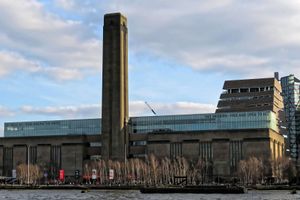
In an interview with the Argentinian newspaper La Nación, Le Parc’s son Yamil confirmed that his father died on Saturday 30 May following a progressive decline in his health across several years. His death comes less than two weeks before a major retrospective of his work is scheduled to open at London’s Tate Modern.
“He fought until the end. He was very excited about this exhibition, which will open for invited guests on Monday 8 June, and he wanted to go,” Yamil told the paper.
Born in Mendoza, Argentina, in 1928, Le Parc moved to Paris in 1958, where he became one of the central figures in a generation of artists seeking to challenge established artistic conventions.
As a founding member of the Groupe de Recherche d’Art Visuel (GRAV), established in 1960, he rejected the notion of the singular artistic genius in favour of collective research and experimentation. The group’s 1963 manifesto encouraged active public participation, questioning the passive role traditionally assigned to museum audiences.
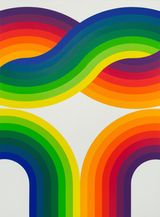
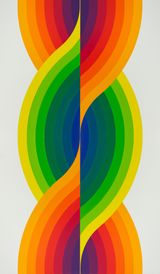
In Paris, Le Parc developed a research-driven practice that explored perception through light, movement, reflection, colour and visual instability. Over the following six decades, he created immersive environments that transformed spectators into participants.
Rather than treating artworks as fixed objects to be contemplated, he designed situations that required viewers to move, interact, and become conscious of their own perceptual processes. Suspended mirrors, shifting light projections and kinetic structures generated constantly changing visual experiences in which meaning emerged through the viewer’s actions.
While Le Parc is most closely associated with the formal innovations of optical and kinetic art, his work was also shaped by broader questions of collectivity, accessibility and the relationship between art and society. His 2016 retrospective Form into Action at the Pérez Art Museum Miami highlighted the social and political dimensions that underpinned much of his practice.
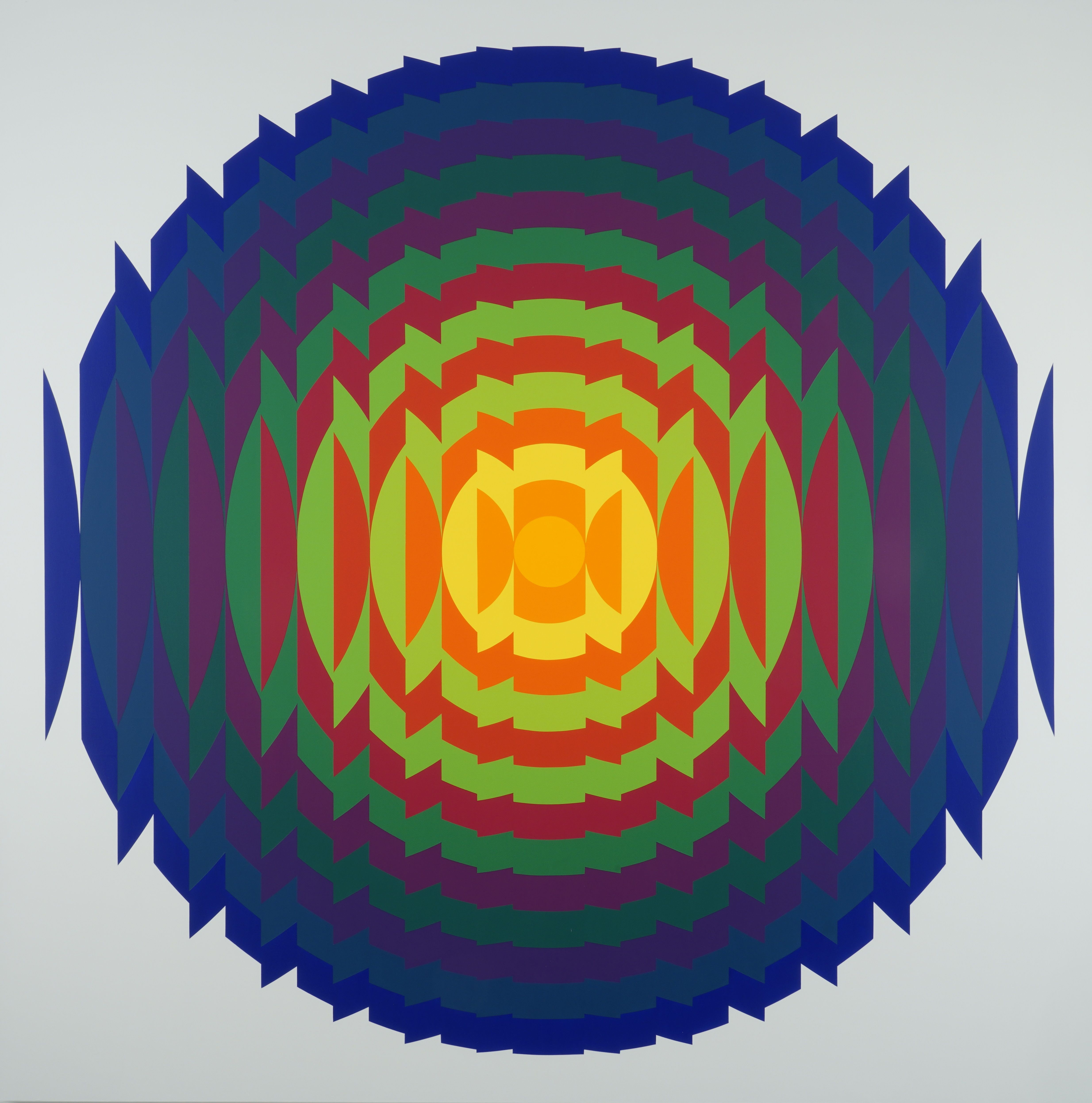
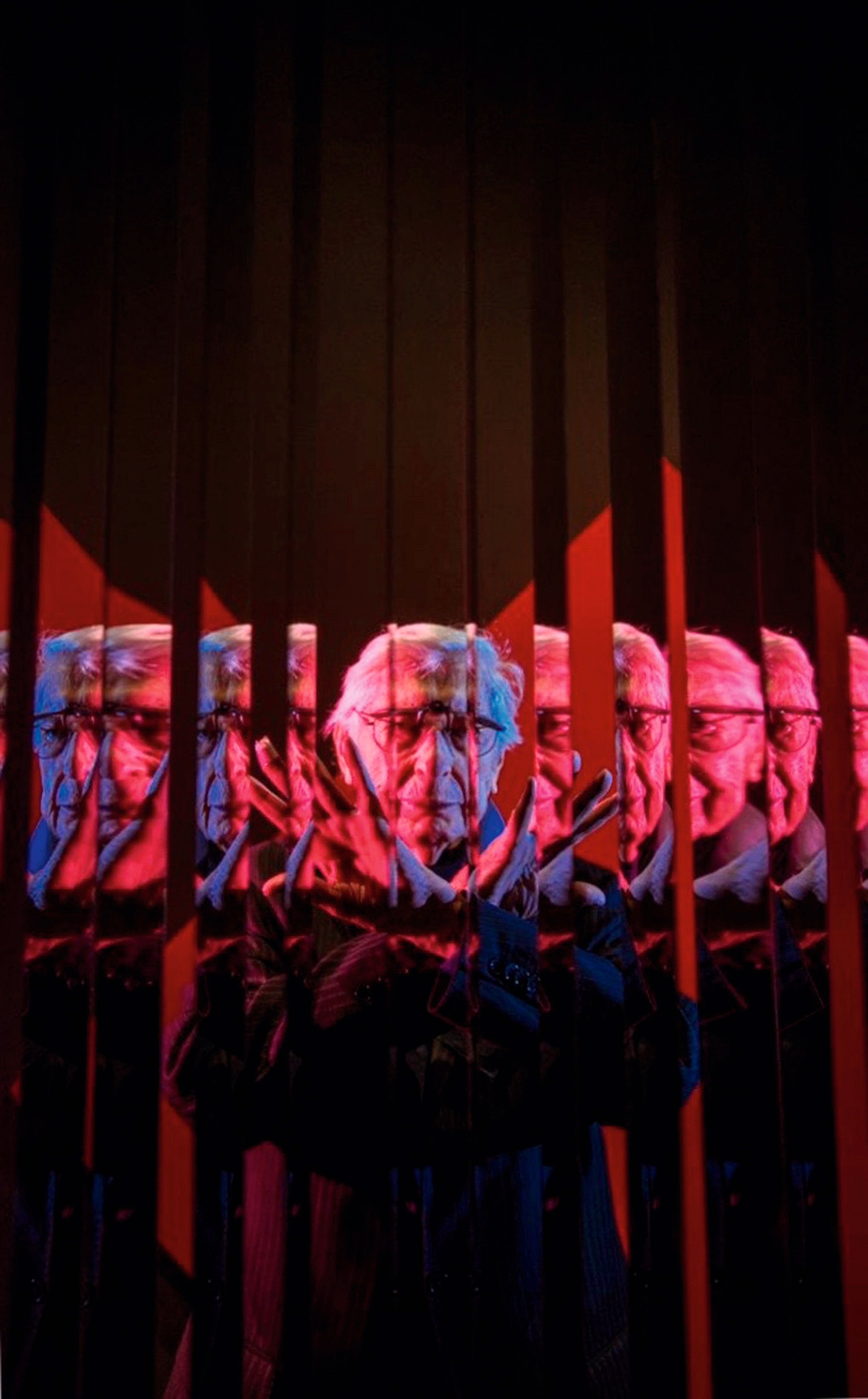
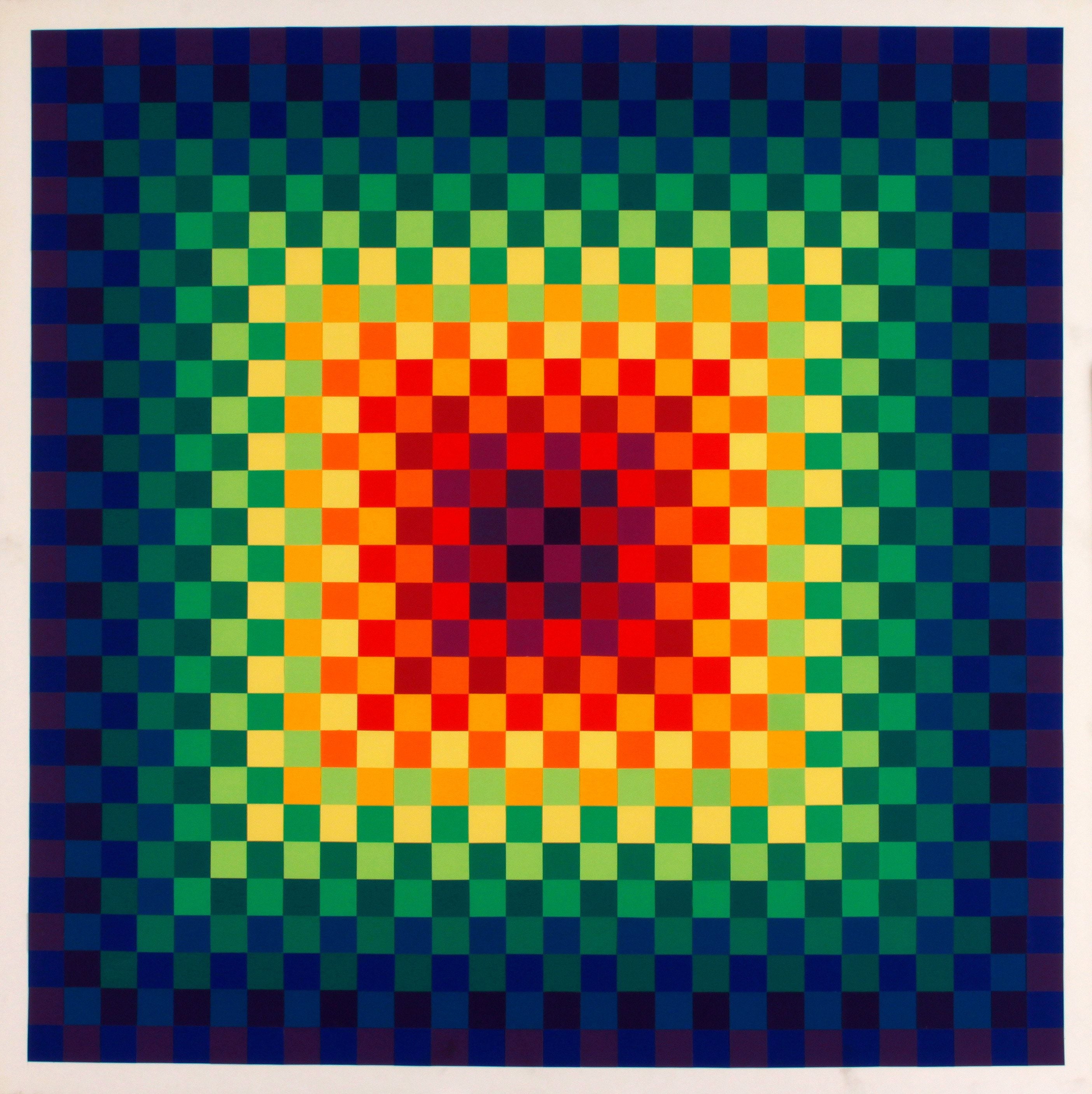
The upcoming show at Tate will span Le Parc’s career from the late 1950s to the 2020s, presenting more than 60 works including interactive installations, light sculptures and geometric abstract paintings. Arranged in a winding, maze-like design, the exhibition plans to use optical effects, sensory experiences and physical interactions to make audiences aware of the role they can play in bringing art to life.
In a statement responding to news of Le Parc’s death, Catherine Wood, interim director of Tate Modern, said: “A visionary, Le Parc was truly the grandfather of interactive art, and a key figure in what we now call ‘immersive’ art. He is rightly celebrated around the world for his iconic kinetic sculptures and his pioneering techniques with light and movement, designed to playfully draw in his viewers.”
The artist is survived by three sons: Yamil, Gabriel and Juan. A Facebook post shared by the brothers said they will cherish the memory of Le Parc’s humour, curiosity, and “endless desire to discover, learn and share”.
It read: “For nearly a century, you never stopped surprising us, experimenting, searching, and reinventing yourself. Your work and your vision of the world will continue to live on through us and through all those whose lives you touched.”
Le Parc is frequently discussed alongside fellow Latin American pioneers of kinetic art, including Jesús Rafael Soto and Carlos Cruz-Diez, whose work expanded the field beyond its traditional European narratives. Together, they helped to demonstrate that some of the most significant experiments in perception and participation were emerging from artists working across Latin America and Europe.
Le Parc leaves behind more than six decades of experimentation with light and movement. His most enduring achievement was not simply to alter how art looked, but to redefine the role of the viewer within it. In an age shaped by immersive installations, participation and interactive environments, much of contemporary art still unfolds in a space he helped to invent.



A respected voice in contemporary art discourse.
Focusing on ambitious storytelling and insightful art-world commentary. Ocula Magazine publishes in-depth interviews, critical essays and timely analysis on the artists, exhibitions and ideas driving the global art world.
Learn more about Ocula Magazine
Showcasing the best of the art world.
Ocula partners with galleries from around the world to highlight their artists, artworks and exhibitions. Gallery membership is by application and invitation, with each member vetted by an independent panel.
Learn more about Ocula Membership
Specialises in the sale of major artworks.
Led by a team with deep ties to the world’s leading auction houses, galleries and collectors. Ocula’s advisory team offers bespoke services to high-net-worth clients from around the world who are looking to acquire the best of contemporary and modern art.
Learn more about our team and services