




GEORGE GROSZ
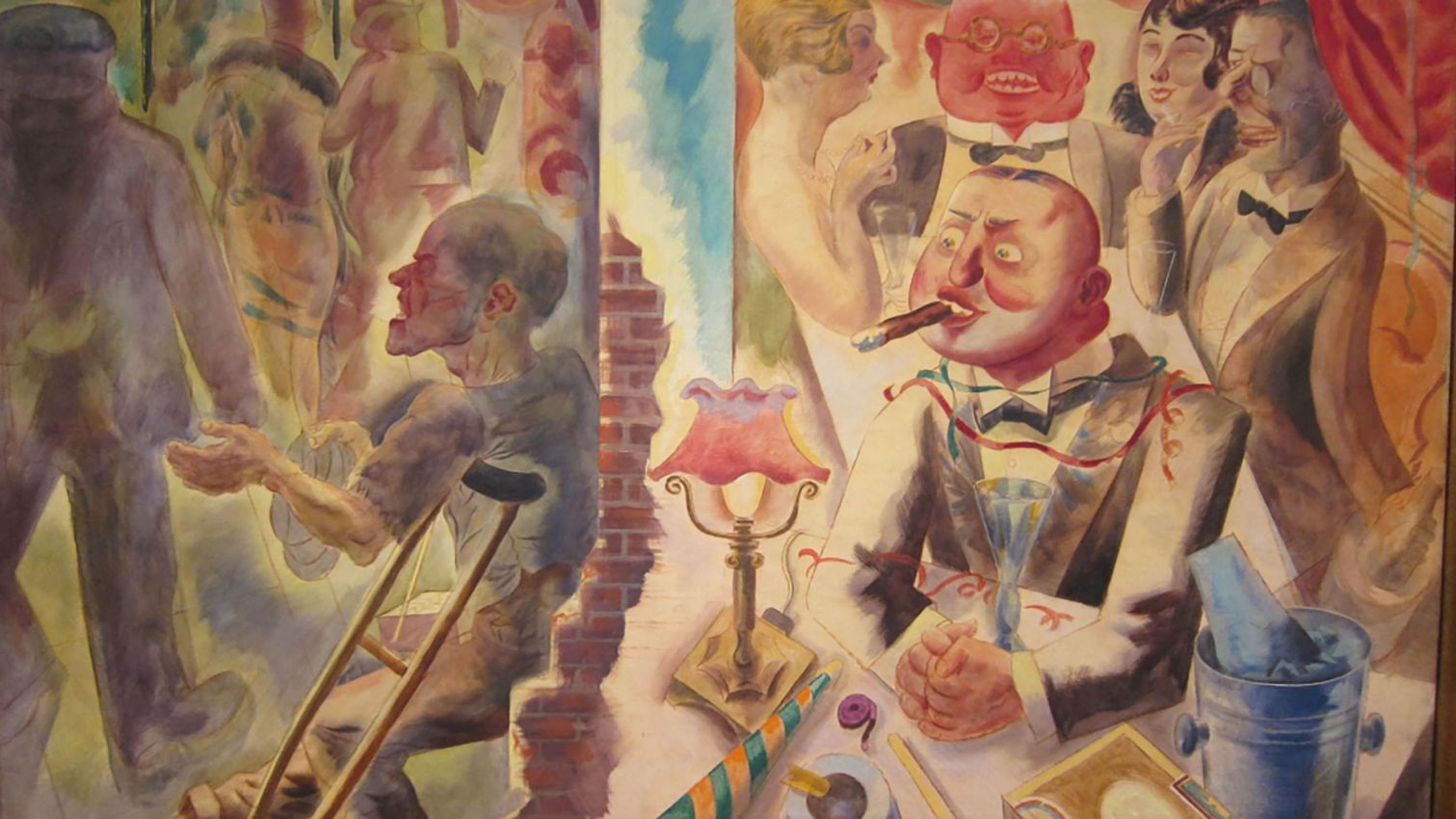
George Grosz (1893—1959) is without a doubt one of the most extraordinary Germans of the 20th century, and one of the most political artists in art history. In his extensive oeuvre it is especially the brilliant drawings that captivate viewers with their bluntness and acrid satire. With his characters—the oppressed and downtrodden, the pimps and prostitutes, the war cripples and war profiteers—he exposes the rot, the philistinism, and the moral debauchery of the ruling class. Grosz was a cofounder of Dadaism and the Neue Sachlichkeit. Having already been put on trial during the Weimar Republic for “insulting the armed forces”, in the early 1930s he became the object of a hate campaign by the National Socialists. The choice to migrate to New York in 1933 probably saved his and his family’s lives. The Nazis removed his works from the museums—many key works are still missing today. In the United States, Grosz continues to criticise the pernicious Zeitgeist in drawings and paintings. As an exiled German intellectual he enjoys the respect and the recognition of his new home country, but economically he struggles all the way to his late return to Berlin in 1959. Increasing alcoholism and depression do not prevent him from creating an extensive and significant oeuvre in his 25 American years. Grosz dies in Berlin in July 1959—only a few months after returning to his old home.
Nolan Judin Berlin represent the George Grosz estate jointly with Galerie Fred Jahn in Munich and David Nolan Gallery in New York. Juerg Judin is the editor of “George Grosz: The American Years, 1933-1958” (Hatje Kantz, 2009).


Explore and Follow Artists Shaping Contemporary Art
A respected voice in contemporary art discourse.
Focusing on ambitious storytelling and insightful art-world commentary. Ocula Magazine publishes in-depth interviews, critical essays and timely analysis on the artists, exhibitions and ideas driving the global art world.
Learn more about Ocula Magazine
Showcasing the best of the art world.
Ocula partners with galleries from around the world to highlight their artists, artworks and exhibitions. Gallery membership is by application and invitation, with each member vetted by an independent panel.
Learn more about Ocula Membership
Specialises in the sale of major artworks.
Led by a team with deep ties to the world’s leading auction houses, galleries and collectors. Ocula’s advisory team offers bespoke services to high-net-worth clients from around the world who are looking to acquire the best of contemporary and modern art.
Learn more about our team and services