Press Release

Each Modern is pleased to present Nakahira Takuma (1938 - 2015)‘s solo booth at Art Basel Hong Kong 2025. Since our establishment in 2018, we have focused on curating numerous exhibitions of the renowned Japanese photographer Nakahira Takuma. Over the past seven years, we have collaborated closely with the Estate of Takuma Nakahira to conduct extensive research, uncovering and preserving the artist’s works and archival materials, thereby enhancing the understanding and appreciation of his significant contributions to photography.
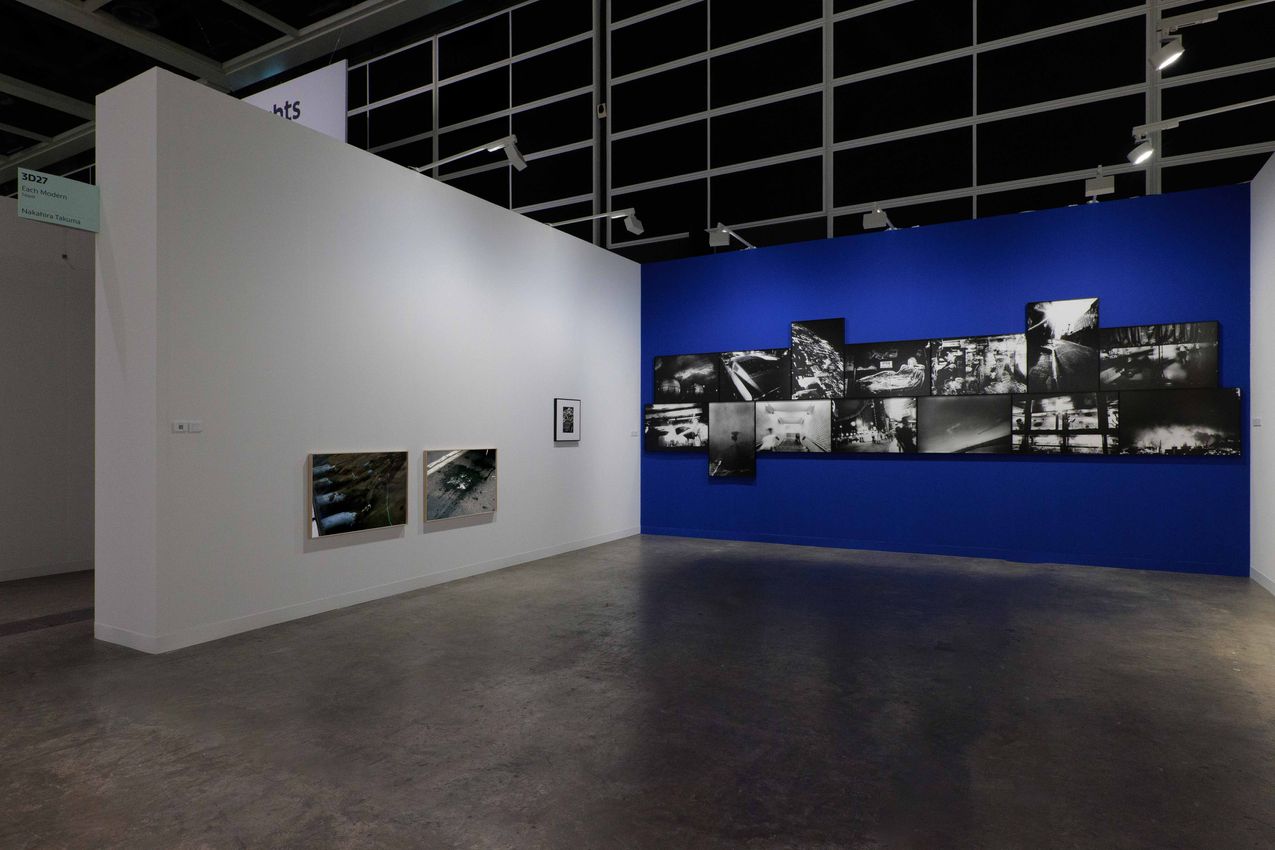
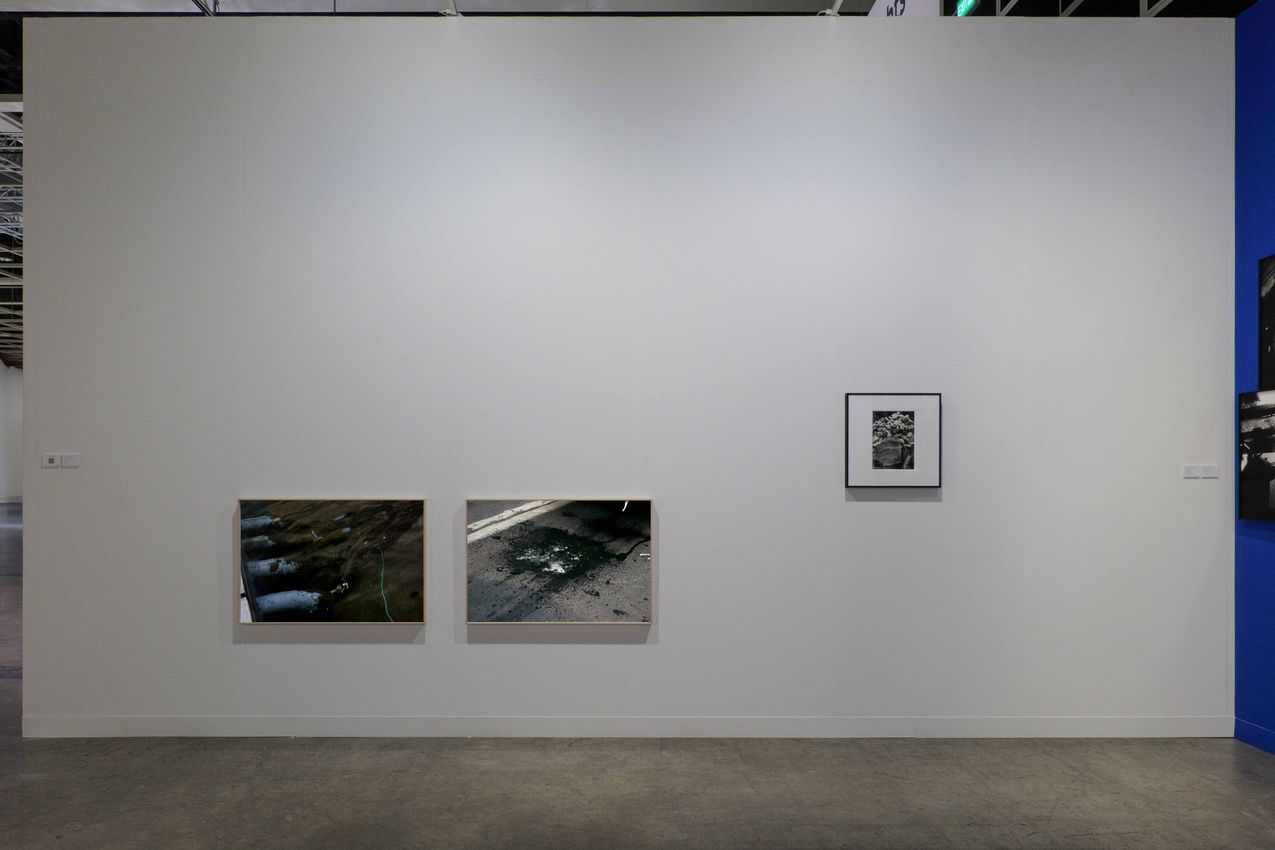
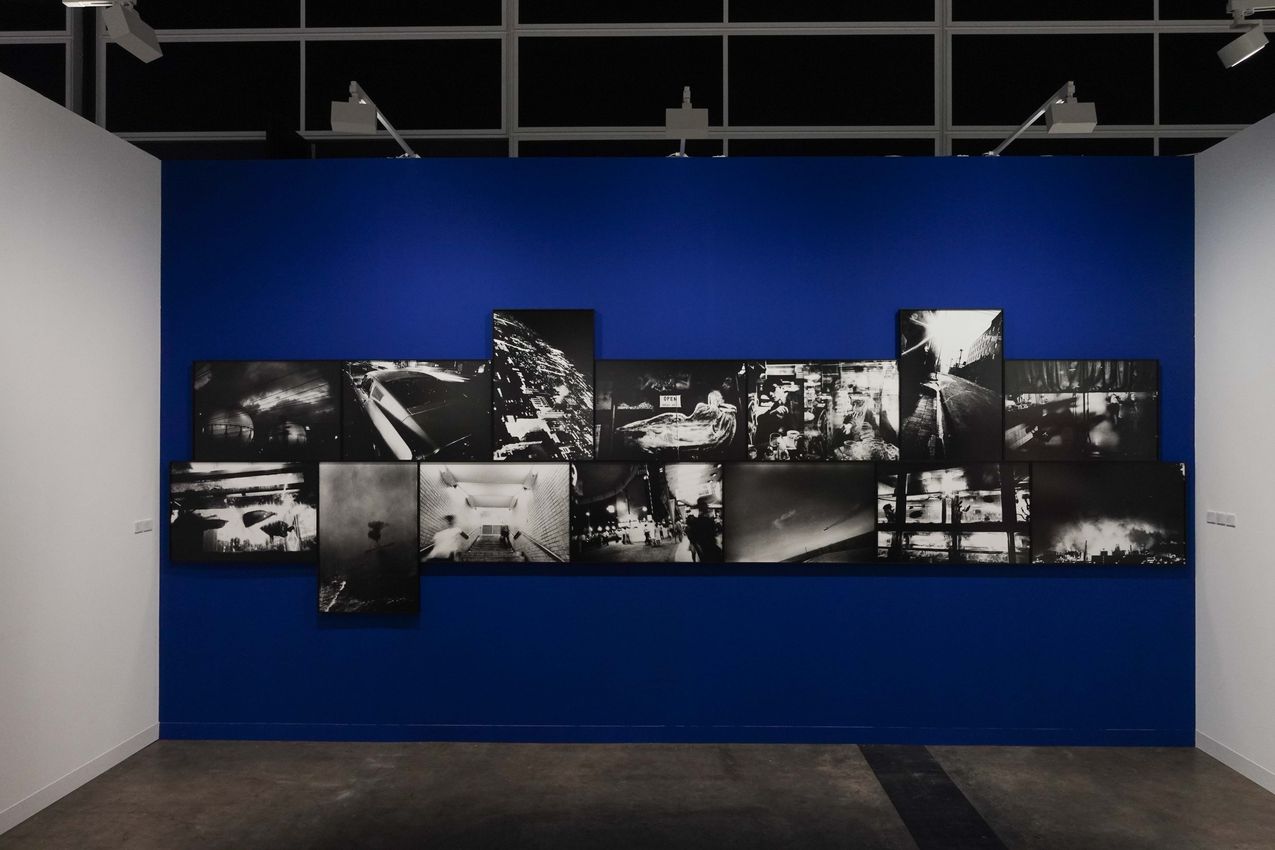
This year, the booth will feature modern prints developed from residual negatives, offering a contemporary approach to showcasing his early black-and-white photos. Additionally, the exhibition will include rare vintage prints hand-printed by Nakahira himself, as well as scarce colour modern prints from the 1970s.

Provoking the world with photography

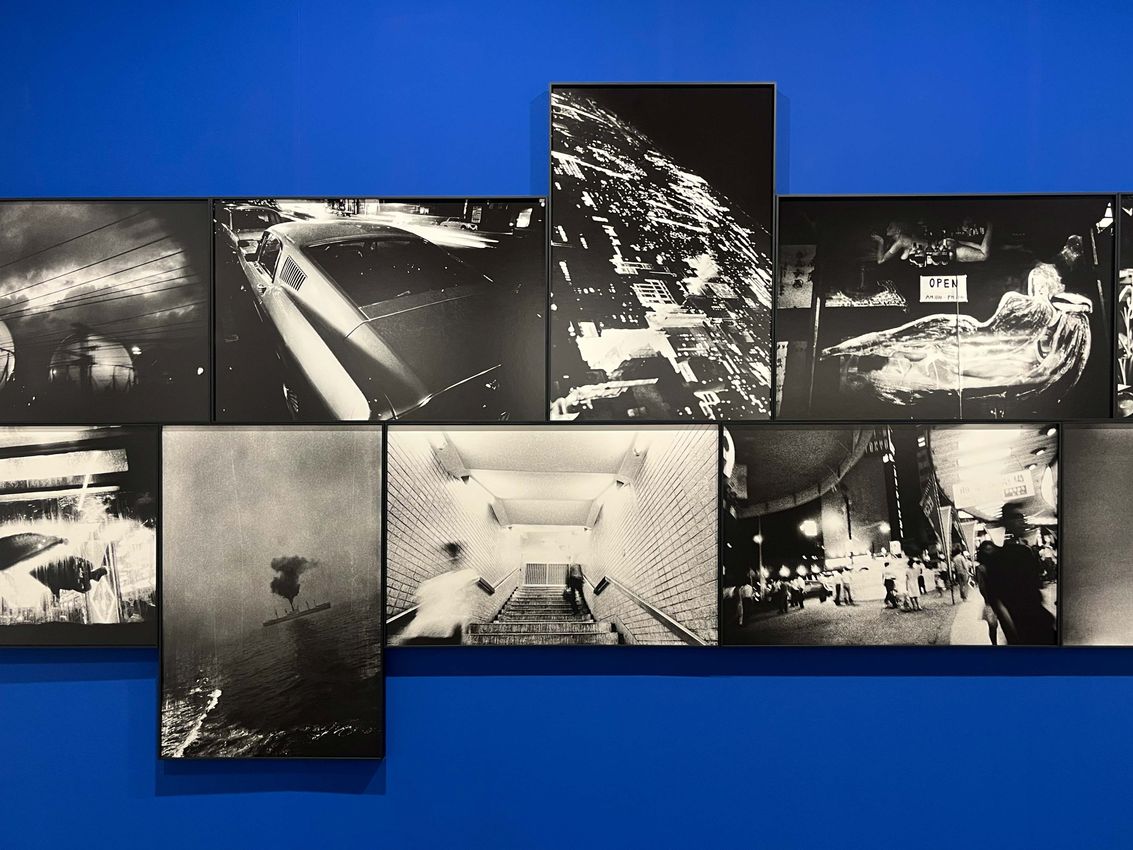
In 1968, Nakahira Takuma co-founded the influential photography group PROVOKE, which left a lasting impact on global photography. Through blurred, grainy, and rough black-and-white images, the group criticized postwar Japan, exposing the psychological tension and distress hidden beneath the bright urban surface. The group published three issues of its namesake magazine between 1968 and 1969, and its photographic style continues to influence photography worldwide.

This concept of PROVOKE resonated with global photographic movements of the time, such as William Klein’s rebellious street photography against commercial fashion and Robert Frank’s photo critique of American society. Daidō Moriyama joined PROVOKE from its second issue and was the same age as Nakahira. The two were both rivals and companions, constantly inspiring each other. Their unrestrained aesthetic and avant-garde approach to photography left a profound impact on later generations of artists, such as Magnum photographer Antoine d’Agata. Even Robert Frank’s collage works in the 1970s bear a striking resemblance to PROVOKE.

PROVOKE, which began as a challenge to conventional photographic aesthetics, eventually came to be regarded as a fashionable photographic style with the rise of mass consumption and the information society. Acutely aware of these shifting times, Nakahira grew increasingly critical of his own work and methods. In 1973, he chose to burn the negatives and prints from the Provoke period, as well as the images from his first photobook, For a Language to Come (1970), marking the definitive end of that chapter.

Back to the gaze of things, connection with Mono-ha

In 1974, Nakahira Takuma presented Overflow, considered one of Asia’s first photographic installations and his first colour conceptual work. Instead of shooting for it, he selected photographs published in the magazines and assembled them with new photographs into a large wall installation. Two colour modern prints from the same period as Overflow will be presented at our booth.

This approach linked Nakahira to Mono-ha, a 1960s–70s Japanese art movement. The usage of raw materials of Mono-ha finds common ground with Nakahira’s photographic practice - rejecting the projections from humans and emphasizing the “gaze of things”, highlighting Nakahira’s equal influence. He actively engaged with Mono-ha artists, such as Lee UFan (1936 - ) and Kōji Enokura (1942-1995), and designed one of Lee’s books, showing their shared vision and reputation.

Continuous explorations of his later years, click, click, and click

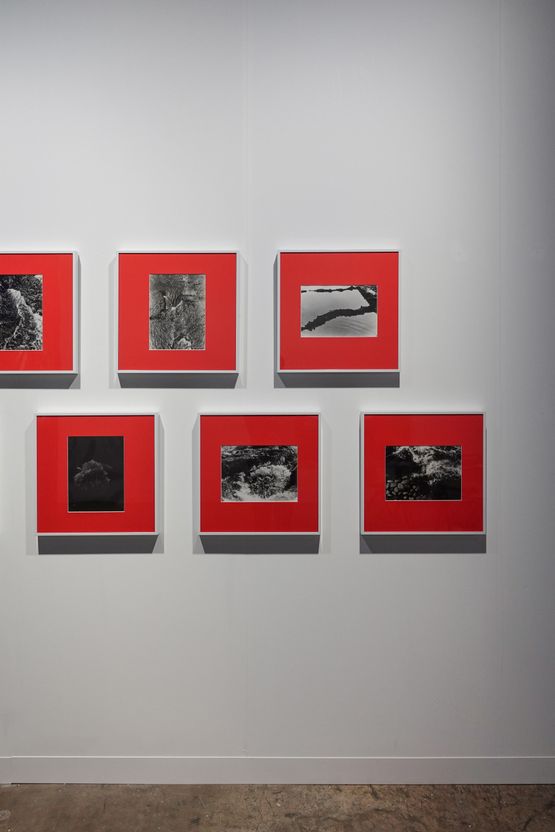
In 1977, acute alcohol poisoning caused Nakahira Takuma’s memory loss. Recovering, he spent days shooting and nights making prints. Every afternoon, he wandered Yokohama, photographing until dusk. His prints lay scattered around his room, sometimes used as notepaper, showing his view of photos as tangible objects. His daily routine as a photographer continued without a single day off. In his everyday life, he meticulously recorded his encounters with reality—waves, plants, rocks, or landscapes. Sometimes, he photographed the same subject repeatedly, yet each time, he respected and captured the unique reality of that specific day and moment before clicking the shutter. Even after the 1980s, he continued to explore the “gaze of things” in reality, albeit in a different way from his early period.

Each Modern has selected 11 original silver gelatin prints personally developed by Nakahira. Each of his silver gelatin photographs exists as a singular piece, reflecting his attempt to preserve every moment of life. Nakahira’s black-and-white prints resemble painterly brushstrokes or ink wash textures. These undeniable subjects, much like his amnesia, carry a sense of abstraction.

Nakahira’s work is collected by prestigious institutions including National Museum of Modern Art, Tokyo; Yokohama Museum of Art; Museum of Modern Art, New York; Art Institute of Chicago; San Francisco Museum of Modern Art, and Museum of Fine Arts, Houston. This fall, the renowned photography foundation Aperture will publish the English edition of Nakahira’s critical writings, At the Limits of the Gaze, an event expected to generate a significant impact in the global photography scene.

Read More

Installation Views

Also Exhibiting at Each Modern

The art world in focus