





The 10 Exhibitions Not to Miss During September
Save to My OculaOcula’s editors select the must-visit shows for the month, including the latest Anne Imhof performance, a focus on the shapeshifting works of Leonora Carrington, and public art installations throughout St Louis.
Maggie Lee, New Life (5 September–3 October) at Édouard Montassut, Paris
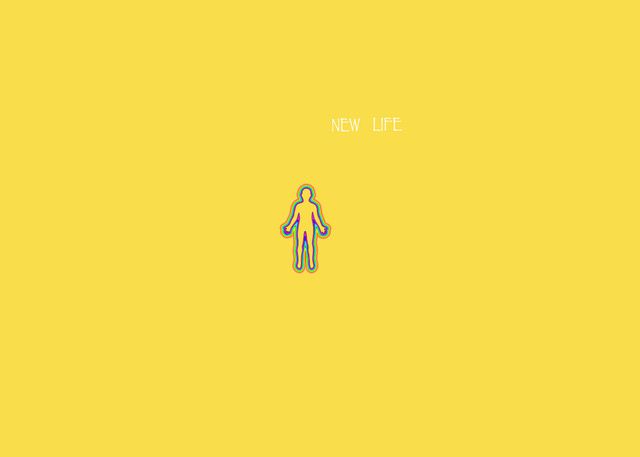
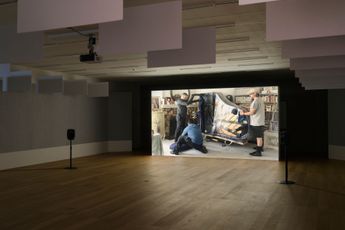
The DIY, youthful inflection of Maggie Lee’s work has led it to be compared to zines—the punky, art-school alternatives to the full-blown commercial magazine. For her 2024 exhibition Magazine at Kunsthalle Zurich, in which the title of the show offered a play on the artist’s own name, Lee produced a room containing a magazine office meets director’s studio. An editor’s desk sits in the centre, equipped with a mock-pistol cigarette lighter, facing Pink Horror (2024), a four-minute psychological horror film, produced by the artist with director Heji Shin, exploring “Peter Pan Syndrome”, a condition where adults avoid emotional maturity. In an interview coinciding with that show, the artist talks about her love of the cult teen comedy Mallrats (1995), set in her home state of New Jersey. Lee’s interest in remixing past juvenile desire through creating new images from old media—whether through video work, light installation, collage-based canvases or paintings, rather than just re-hashing nostalgia—is hinted at in the title of her new show in Paris. For in New Life, the gallery is painted entirely yellow, like a new hatched chick.—Lydia Eliza Trail
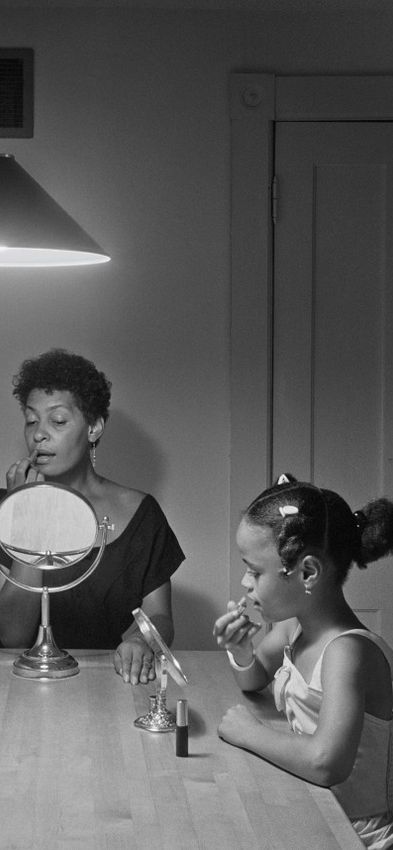
Carrie Mae Weems, The Heart of the Matter (12 September–3 February) at C/O Berlin
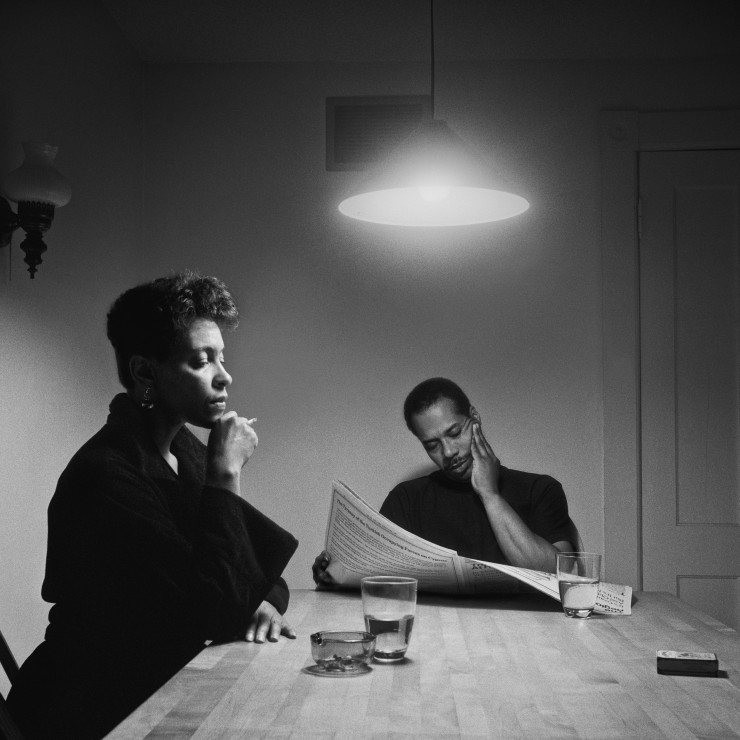
“There is a wonderful tension between the real and the fabricated moment in this image. It is both highly composed, but also comes across as documentary,” Carrie Mae Weems said in an interview about an image from her 1990s Kitchen Table series. “Hopefully, my images are not like sledgehammers, but allow the viewer to get close to the subject and then find for themselves deeper and more complex meanings.” This final quality is precisely the one for which the series, with its focus on domestic space as a stage for interpersonal relationships, became widely celebrated—although it is not unique to Weems’ early work. Through more than 100 photographs and videos, including very recent creations, The Heart of the Matter reveals how Weems has expanded her focus from the privacy of authentic and constructed family life and into the public understanding places and environments, challenging us to consider who holds power not just in the home, but in some of the world’s greatest institutions.—Philippa Kelly
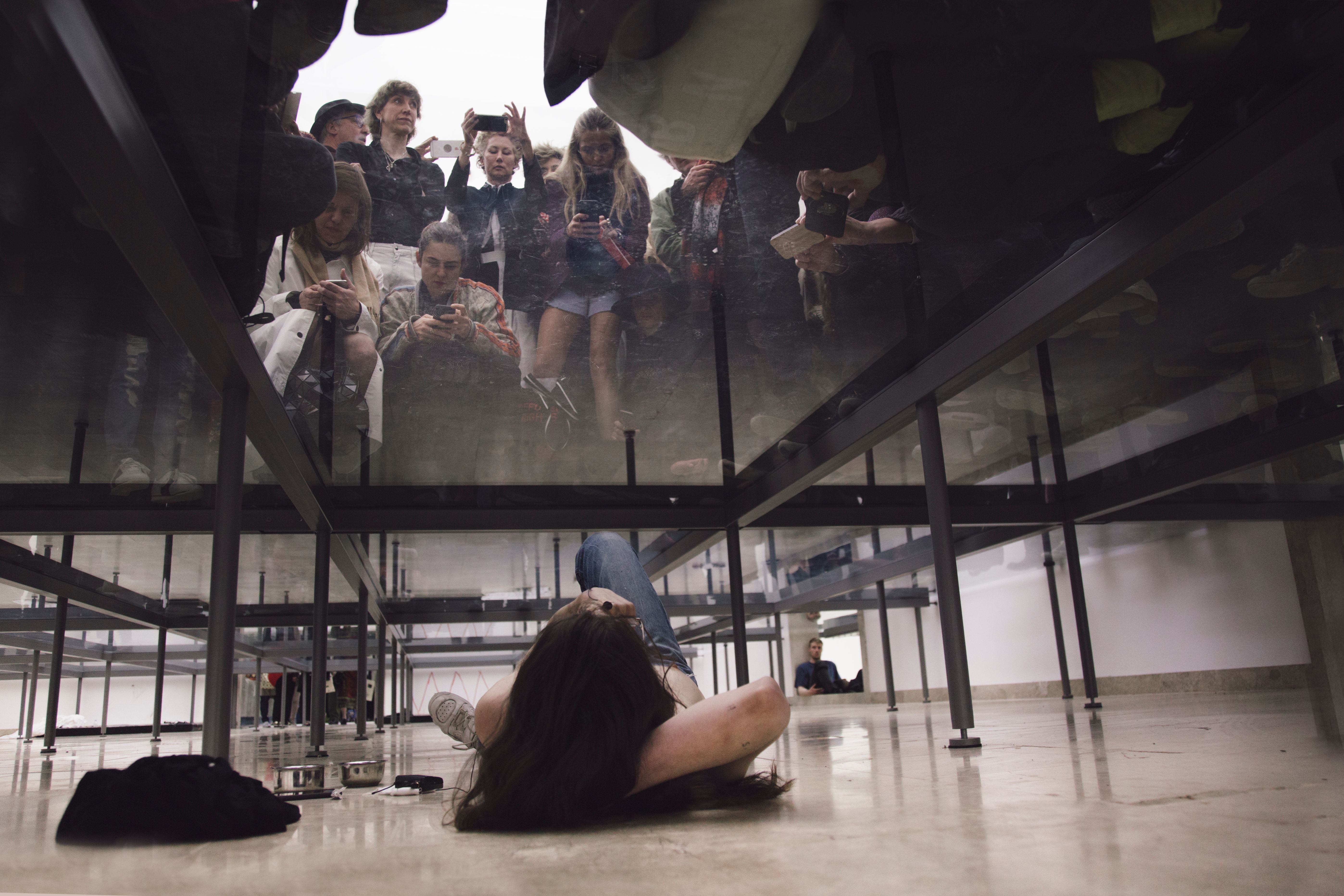
Anne Imhof, House of Swans (25 September–3 January), Tai Kwun, Hong Kong
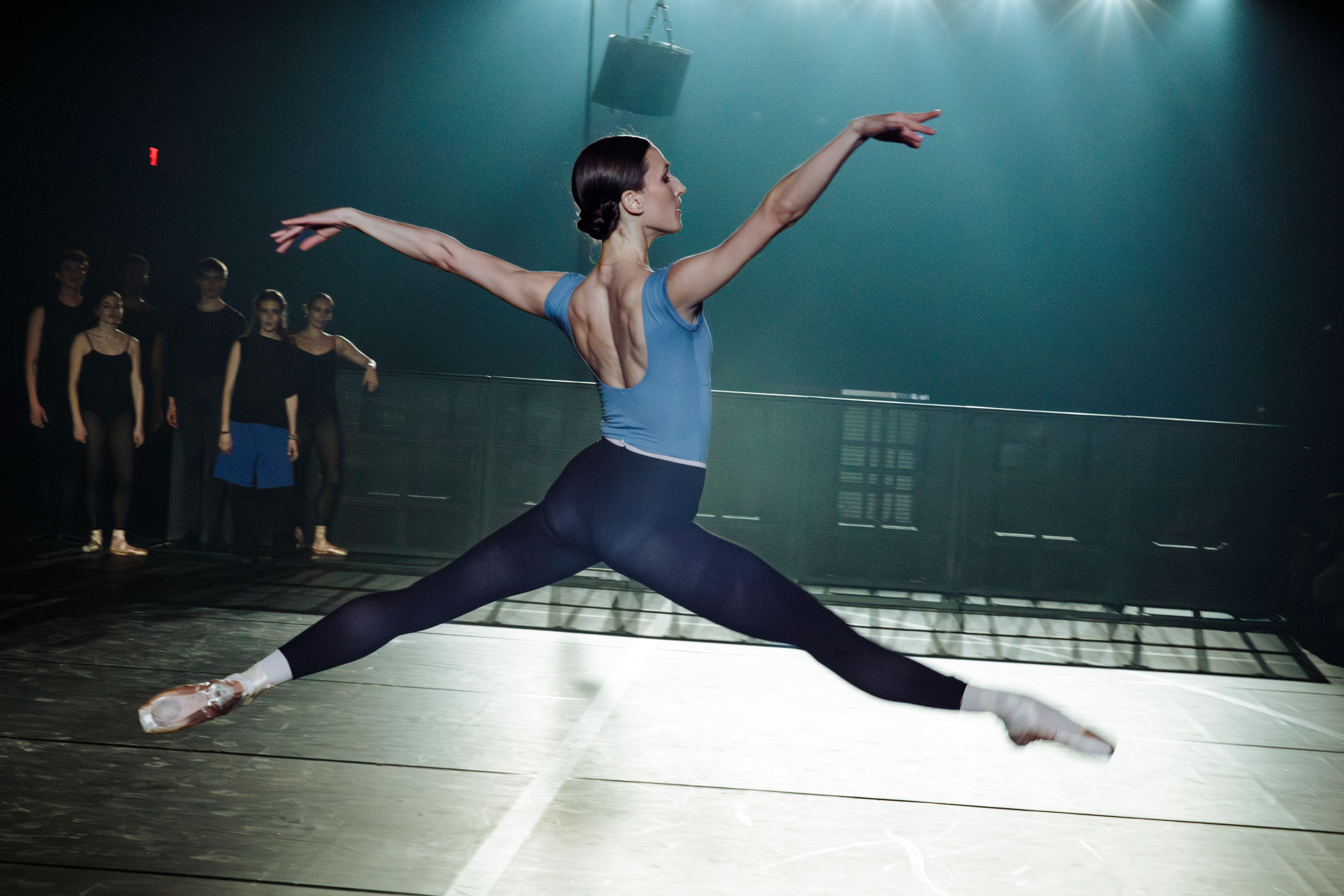
In Anne Imhof’s 2025 performance piece, Doom, groups of dancers and performers acted out the story of Romeo and Juliet in reverse, beginning with a funeral march commemorating their deaths. Different factions, known as houses, emerged throughout the show, distinguished by their school-sports-teamesque costumes. One of the last to emerge was the House of Swans, who moved in unity. “In this very moment, everybody just wants to really stick together and wants to make a gesture of hope,” Imhof said at the time. It’s this thread of unity that Imhof explores in her new solo show at Tai Kwun in Hong Kong. It will include all the darker, more brooding hallmarks of an Imhof performance (an apocalyptic imagined future, a protagonist battling with an abstract obstruction; the promise of “charged encounters”) as well as performances from Hong Kong Ballet and appearances from musicians.—Baya Simons
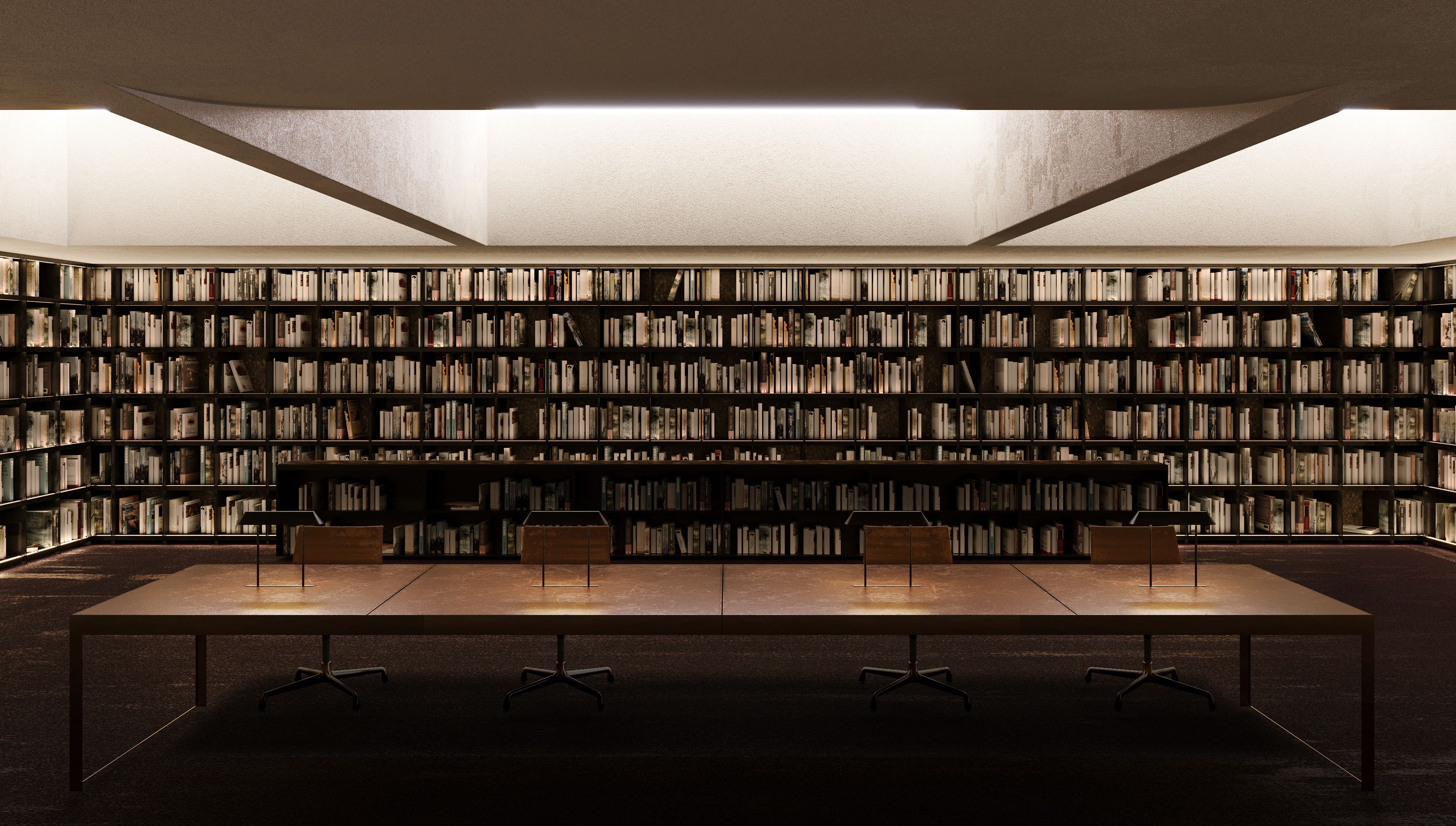
Hikmah (6 September–31 January) at CCA Tashkent, Uzbekistan
Uzbekistan’s first permanent contemporary art centre, CCA Tashkent has been much anticipated since the project was set in motion in 2019. It enters a city where museums already chart Uzbek applied arts and Islamic civilisation, but contemporary art has been conspicuously absent. The building itself bears witness to the capital’s history: built under the Russian Empire in 1912, five years before Tashkent came under Soviet control, the former diesel power station supplied the city’s first electric tram line, and has now been transformed by Studio KO for the Uzbekistan Art and Culture Development Foundation. After two postponements, the institution finally opens to the public this September with Hikmah. Curated by Sara Raza, the group exhibition approaches wisdom through materials, handwork and architecture with site-specific works and new commissions—including a ceramic installation by seventh-generation Uzbek potter Shokhrukh Rakhimov, and Saudi artist Muhannad Shono’s Tower for a Single Breath (2026), whose black ceramic bricks and scaffold-like form draw on Sufi ideas of breath, language and transmission.—Shanyu Zhong
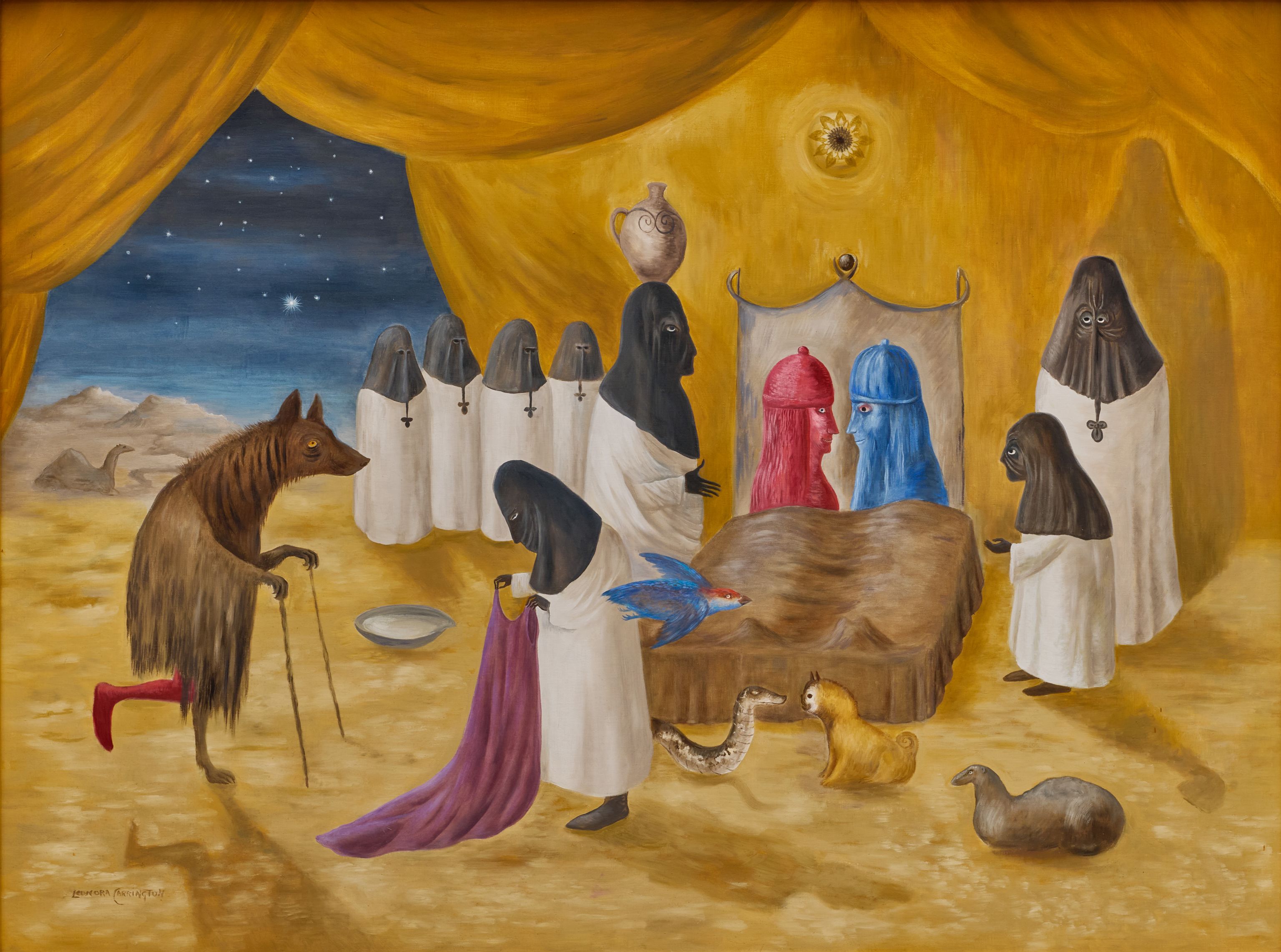
Leonora Carrington (8 September–10 October) at Almine Rech, Paris
Leonora Carrington is a woman with a remarkable biography. She has, in the past 20 years, been uncovered as one of the most salient figures in Surrealism’s legacy. Not a lover, nor a muse, but a figurehead. Born into a wealthy manufacturing family in 1917, and expelled from two schools, she penned novels and short stories including 1937’s Surreal The Debutante, in which a young woman invites a hyena to attend a ball in her place. At 20, Carrington met Surrealist figurehead Max Ernst, and eloped to Paris, having become familiar with the movement’s origins through Herbert Read’s 1936 book, Surrealism. Since the 59th Venice Biennale shaped its theme around one of Carrington’s novels, The Milk of Dreams, her work has been the exemplifier of a 20th-century female master rediscovered. Transmutation is a key aspect of Carrington’s work: often this is seen in the shapeshifting of human into animal, as demonstrated in The Lovers (1987), a work that recalls an earlier 1937 self-portrait in which a horse becomes the free, unbridled spirit of Carrington herself.—Lydia Eliza Trail
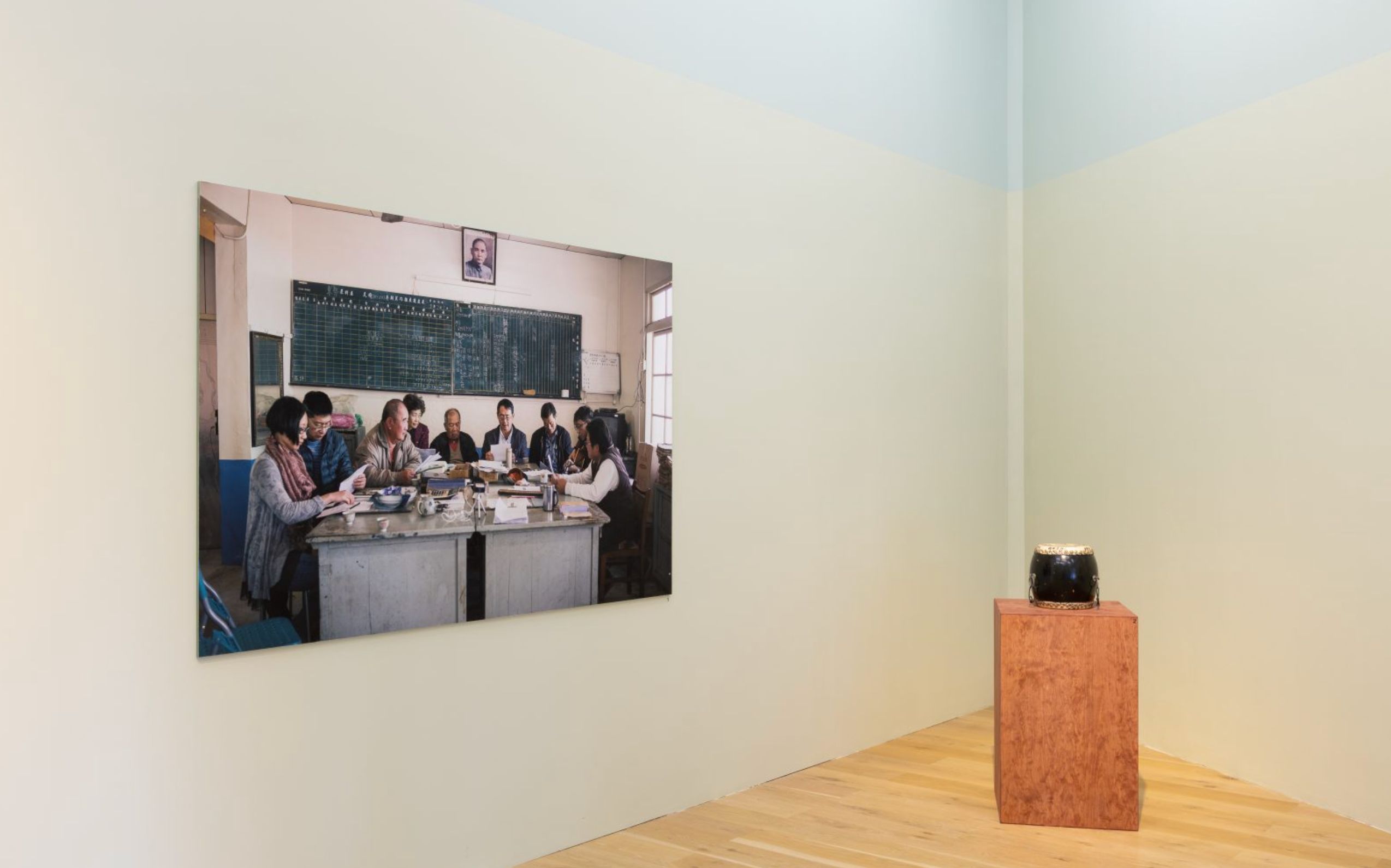
The Condition of Being Near (26 September–21 February) at the Institute of Contemporary Art Philadelphia
In 1955, in Bandung, Indonesia, a new solidarity among Asian and African nations was promised, grounded in opposition to colonialism in all its forms. Over the following seven decades, cultural and economic ties between the two continents and their diasporas have multiplied and intensified. Yet the uneven, often pragmatic nature of those exchanges, and the lived experiences of the communities sustaining them, are frequently obscured by the grand narrative of Afro-Asian solidarity. Moving between the Caribbean, West Africa, the South Pacific, Taiwan, China and the US, this ambitious group exhibition locates Afro-Asian solidarity in histories of labour, trade, migration and imitation. Its 10 artists range from 20th-century Caribbean painters Sybil Atteck and Wifredo Lam to LA-based Candice Lin, whose multidisciplinary work examines the legacies of colonialism and racism, and British-Nigerian artist Yinka Shonibare, known for examining colonial histories through the use of Dutch wax cloth. Curators Zairong Xiang and Denise Ryner organise the exhibition through what they call “acupuncture points”—small but exact sites through which much wider circuits of exchange can be sensed, emerging through proximity, acts of imitation and the practical demands of survival.—Shanyu Zhong
Counterpublic 2026: Coyote Time (10 September–13 December) in St Louis, Missouri
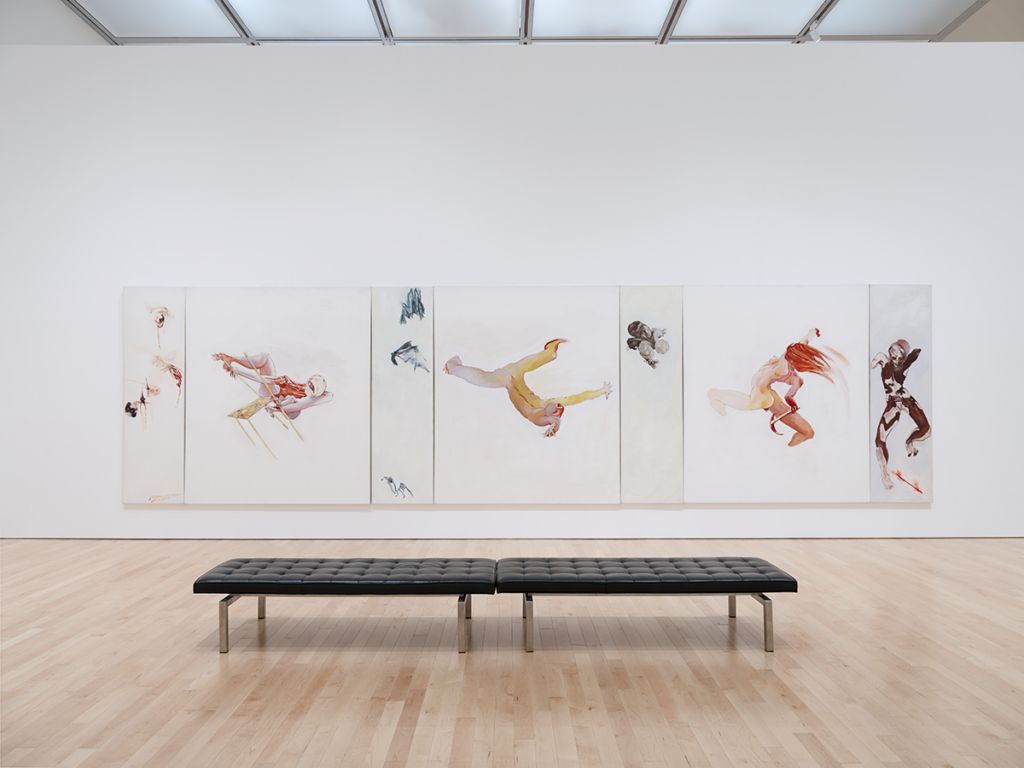
In 2026 Counterpublic, a triennial exhibition in St Louis, Missouri that sets out to reimagine “the possibilities of art in public life”, unfolds across five clusters spanning St Louis and a former steel foundry across the Mississippi in Illinois. This third edition takes its title, Coyote Time, from artist Alice Bucknell’s videogame commission for the exhibition, which in turn borrows the gaming term for the tiny grace period after a player steps off a ledge but can still jump. That precarious interval becomes the triennial’s proposition—what can still be changed after a crisis has already begun? The sites in which the exhibition is situated themselves carry political histories. The Ville is programmed after the devastating 2025 tornado, while over the river, Carolina Caycedo’s project Fiesta de la Raíces is part of a series of commissions exploring climate regeneration and ecological remediation in a former Monsanto company town. Counterpublic also asks what an exhibition can materially leave behind. At the federally defunded International Institute, commissions by artists including Petrit Halilaj and Rirkrit Tiravanija accompany a new fellowship supporting its community engagement—testing whether a triennial can function as civic infrastructure rather than simply occupy it.—Zian Chen
Katharina Grosse, Black Bed (26 September–3 January) at Munch Museum, Oslo
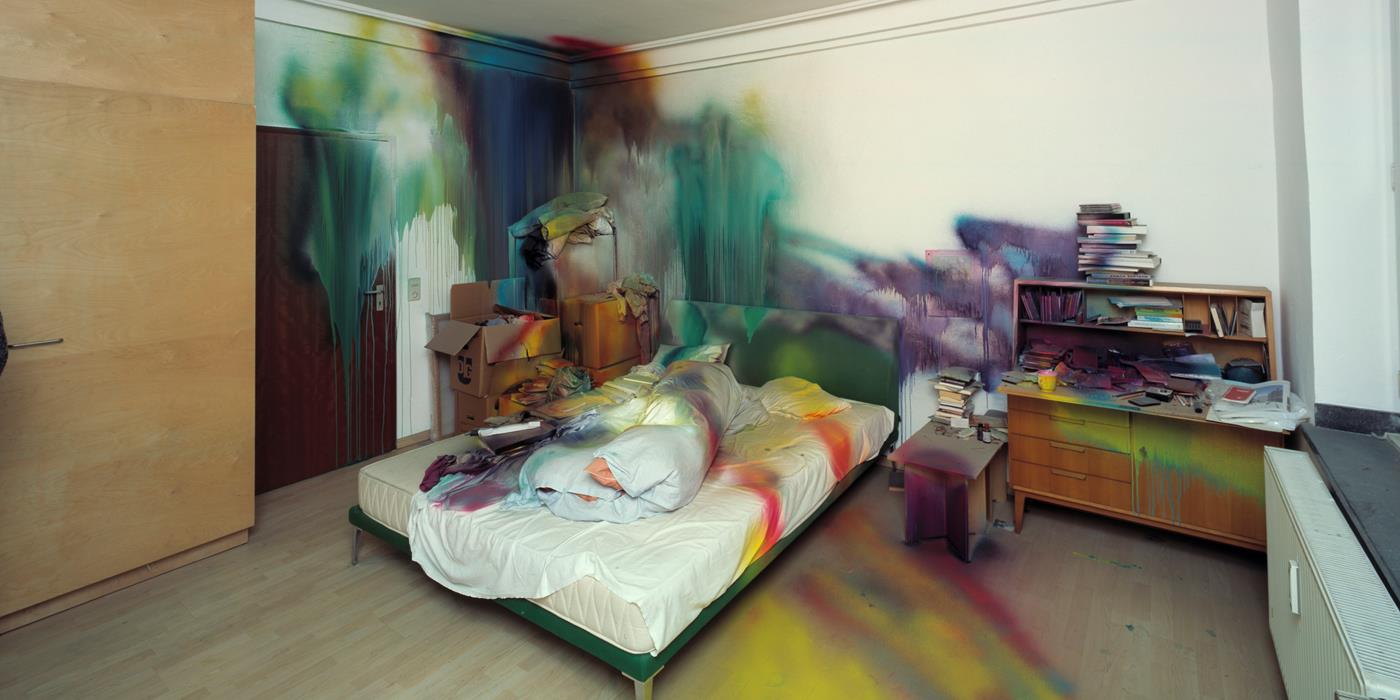
Katharina Grosse, the German artist best known for her monumental installations in which a spray paint gun is used to cover surfaces with vivid colour, might seem an unlikely pairing with Edvard Munch, the Norwegian expressionist painter whose exploration of some of the darkest of human experiences is well known. Yet the intensely emotional use of colour by both artists, whether splashed across a vast disused hangar, public square or even airport by Grosse, or shown as a swirling sunset by Munch as the all-consuming backdrop to an anguished figure upon the canvas, introduces a connecting thread between the two artists that is pulled at and unspooled in Black Bed, Grosse’s new exhibition at the Munch Museum in Oslo. For this newly created installation, Grosse has turned inwards to a domestic bedroom scene. The new work is inspired by Grosse’s earlier Das Bett (2004) installation, in which she spray-painted her own bedroom in Düsseldorf, complete with furniture and her personal belongings. For the newly staged scene, akin to a theatrical set staged in the gallery, an unmade bed, cardboard boxes half-unpacked and piles of books are splashed with Grosse’s whorls of purple, yellow and blue, dribbles of paint left as if still wet as they trickle down the walls. Only the imaginary inhabitant of the scene is left absent, both vividly represented and yet unseen.—Louise Benson
To Future Listeners: Migrating Sounds (3 September–14 February) at the National Asian Culture Centre, Gwangju
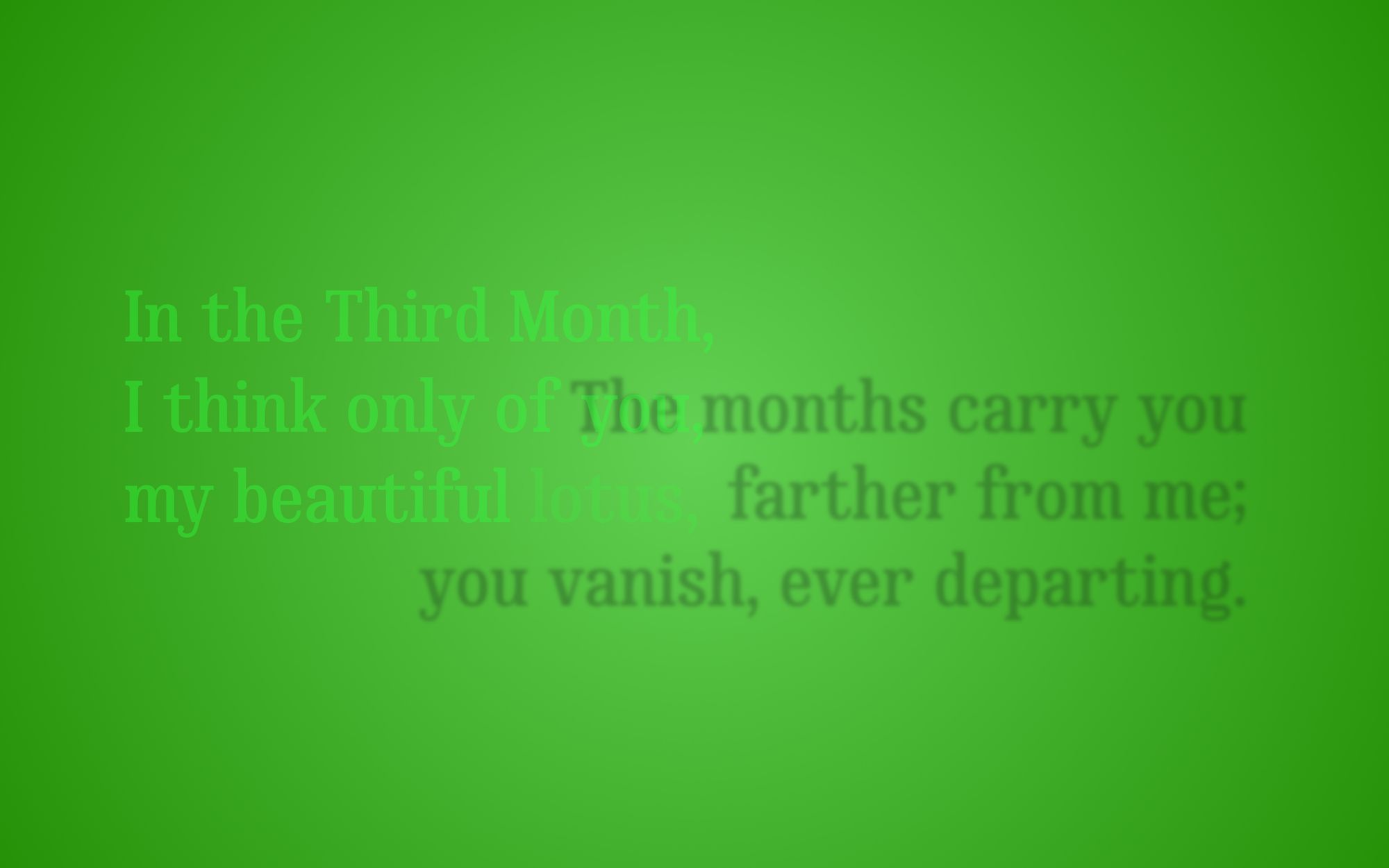
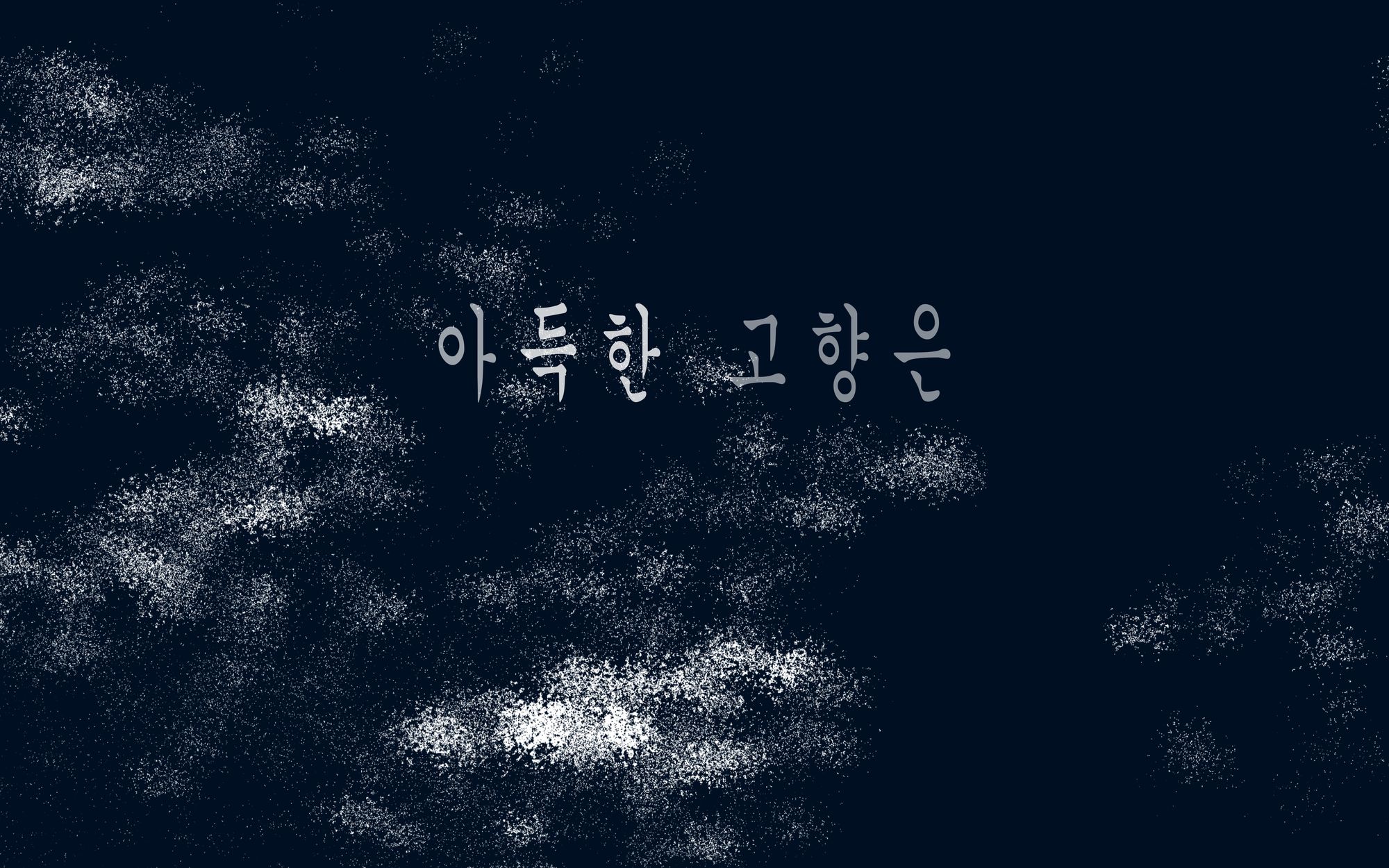
As the Gwangju Biennale returns this September, some may recall a moment during its 2024 edition when Nicolas Bourriaud’s sprawling Pansori soundscape thesis suddenly clicked: YoungEun Kim’s secluded hanok presentation grounded it in a precise local history of how Korean music gets lost in translation to Western notation. At the ACC’s cavernous sunken space, that same exactitude expands into a 115.4-channel environment of migrating voices. Poems from the eighth to the 20th century, shaped by war, colonial violence, exile and movement across Asia—from works such as Kim Woo-rak’s 1911 A Sojourner’s Song from Distant Lands to older traditions of itinerant and exilic verse—are revoiced through contemporary performers. Kim’s return to recitation feels pointed: across Asia, recitation was long a means of learning and remembering texts, though the sound of those practices has largely vanished. Through Wave Field Synthesis, the gallery becomes something like an acoustic séance: a ghost chorus of reconstructed voices occupies, crosses and recedes through the room, giving historical migration a strange bodily presence.—Zian Chen
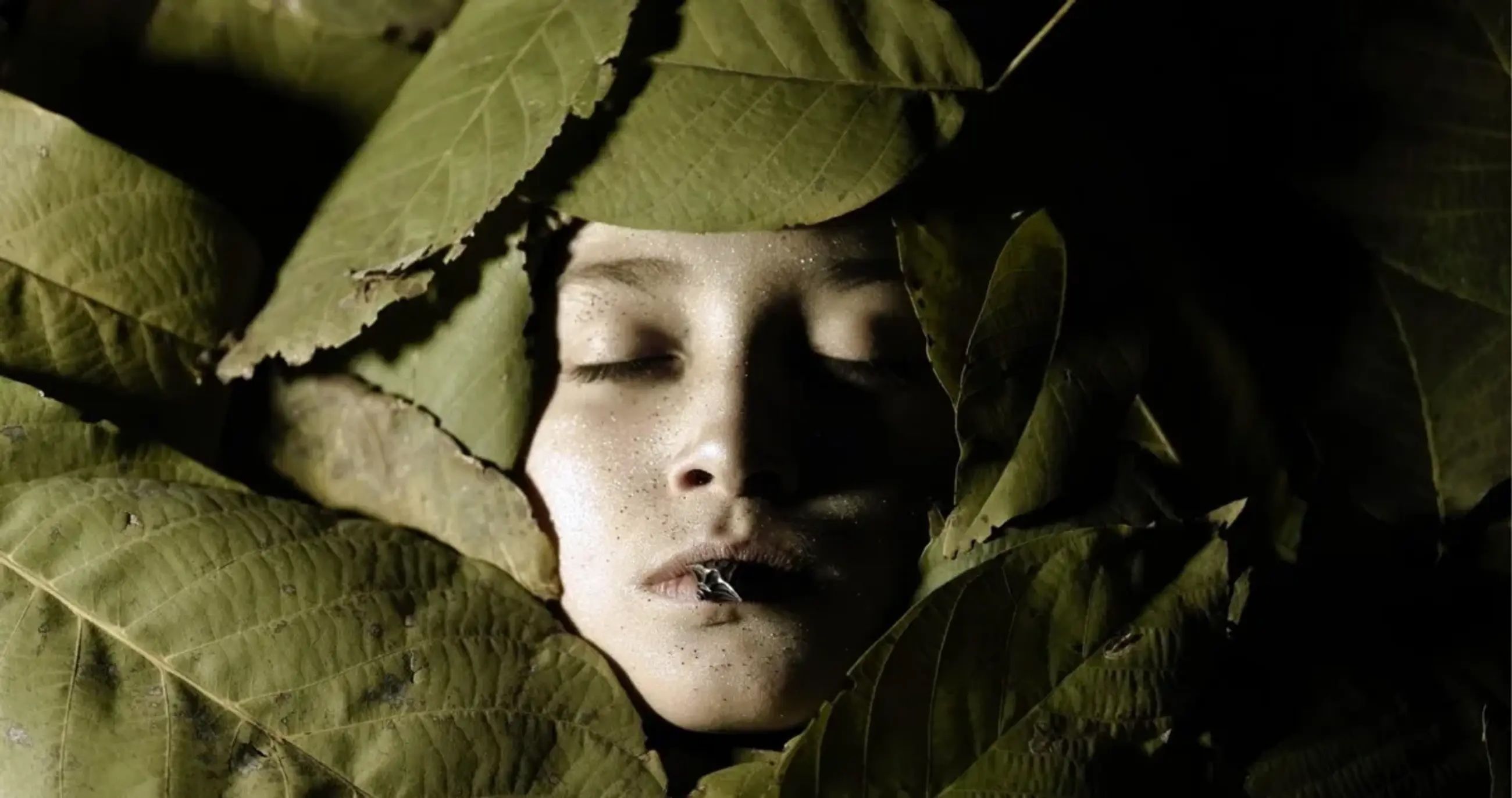
Saodat Ismailova, Amanat – As We Sleep (11 September–22 November) at Kunsthalle Bern
Arslanbob, one of the largest walnut forests on earth, has for centuries been the subject of myths and legends within Central Asia. Known as a mystical place where hallucinations and vivid dreams are induced in those who sleep beneath the canopy of leaves, the forest has formed the central connecting force of Uzbek artist and filmmaker Saodat Ismailova’s most recent four film-based works. Ismailova continues to revise and rework footage shot during her visits to Arslanbob (translated roughly as “Gate of the Tiger”), which can be found in present-day Kyrgyzstan. In Amanat, her exhibition currently running at Kunsthalle Bern, which follows an exhibition earlier this year at Luma Arles and the Swiss Institute in New York City, Ismailova reflects upon the cultural and spiritual histories of the region as a lens through which to confront the political change that continues to resonate following the collapse of the Soviet Union. In filmic installation Swan Lake (2025), archival footage from Central Asian cinema plays alongside excerpts from propaganda-driven televised hypnosis sessions from the late 1980s by Anatoly Kashpirovsky, during the final years of the USSR. In the artist’s visceral films and installations, memory and land are archived and unravelled as reality and fiction collide, and systems of belief are questioned and conjured anew.—Louise Benson
Main image: Anne Imhof,DOOM (2025) Park Avenue Armory, New York, featuring Devon Teuscher © Anne Imhof. Photo: Nadine Fraczkowski Courtesy the artist, Park Avenue Armory, Sprüth Magers and Galerie Buchholz.




A respected voice in contemporary art discourse.
Focusing on ambitious storytelling and insightful art-world commentary. Ocula Magazine publishes in-depth interviews, critical essays and timely analysis on the artists, exhibitions and ideas driving the global art world.
Learn more about Ocula Magazine
Showcasing the best of the art world.
Ocula partners with galleries from around the world to highlight their artists, artworks and exhibitions. Gallery membership is by application and invitation, with each member vetted by an independent panel.
Learn more about Ocula Membership
Specialises in the sale of major artworks.
Led by a team with deep ties to the world’s leading auction houses, galleries and collectors. Ocula’s advisory team offers bespoke services to high-net-worth clients from around the world who are looking to acquire the best of contemporary and modern art.
Learn more about our team and services