The art world in focus
Subscribe to our newsletter for news and insights on artists, galleries and exhibitions.

Liorah Tchiprout was born into a Jewish family in South Ealing in 1992, as one of six sisters. As a child, she used to travel into town with her grandmother to go to The Wallace Collection, where they would try to spot all of the dogs in the paintings. At other times, Tchiprout would bunk off school and go to Tate Britain. “I just felt this pull,” she says. “I just wanted to sit with, and look at, the paintings.”
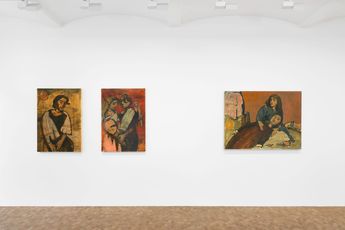
Tchiprout went on to study printmaking at the University of Brighton before completing her MA at Camberwell College of Art. After studying, she began working on oil paintings. Her process begins with small dolls which she constructs from wooden mannequins, papier-maché heads and faces, and clothes she sews herself or buys from eBay. Propped up on tables around her studio, which is on the ground floor of a terraced house in South Ealing, they look like a cast of puppets about to stage a Western play in 19th-century America: boots, waistcoats and voluminous chequered dresses abound. Their attire gives them a touch of Madame X, Tchiprout observes, referring to Madonna’s 2019 Latin album, on which the singer wears a cowboy hat and an eyepatch.
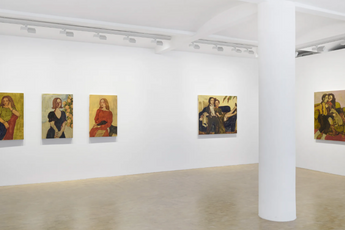
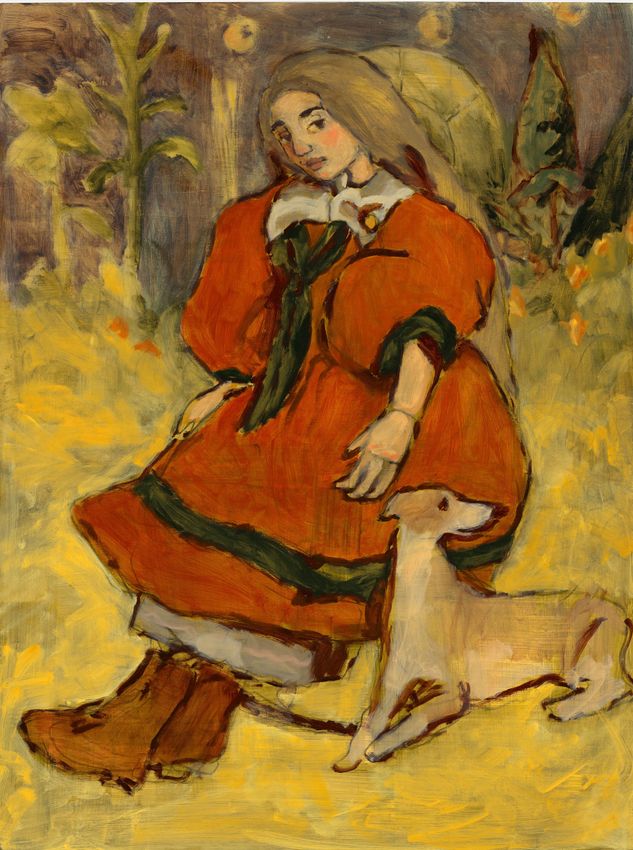
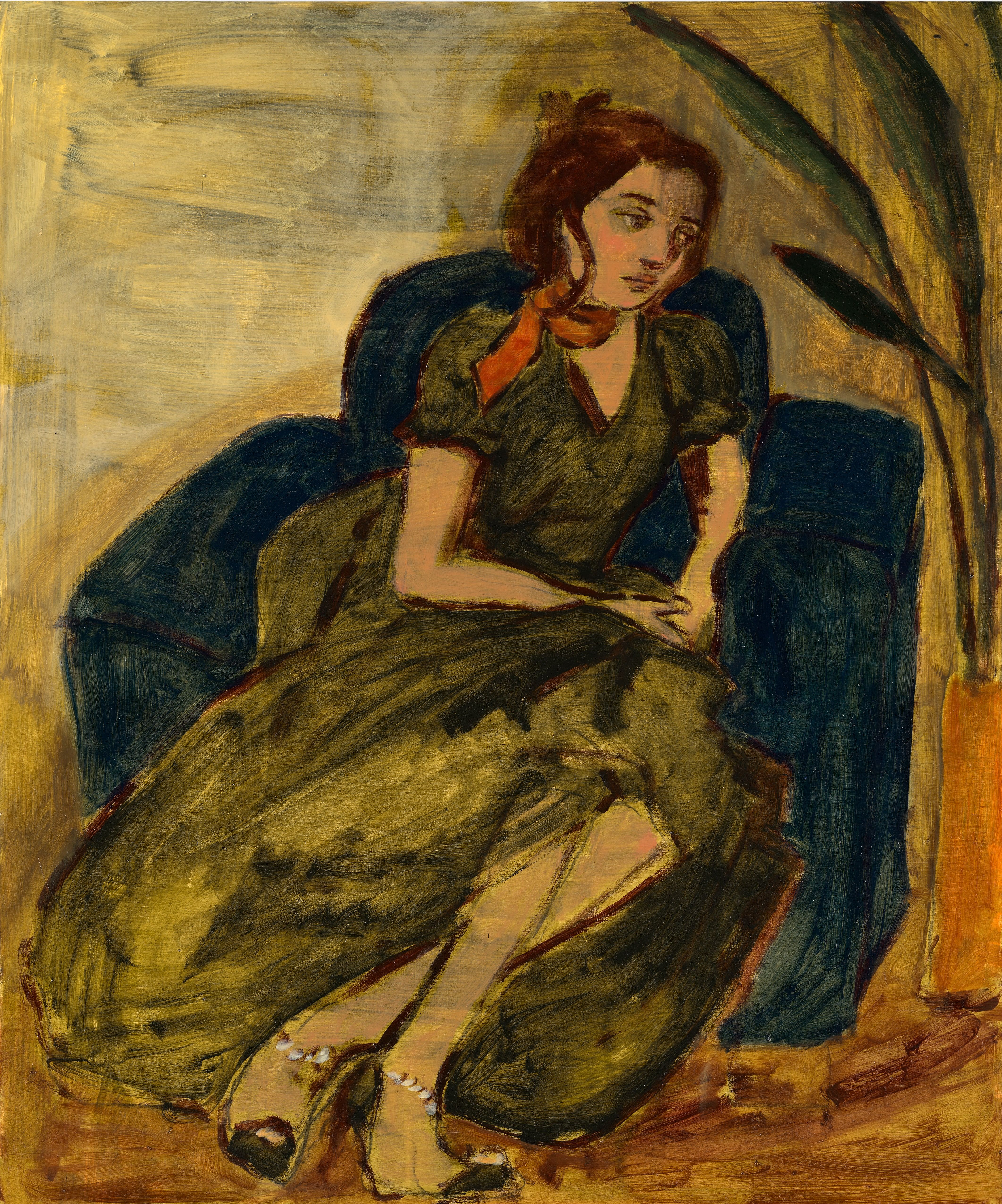
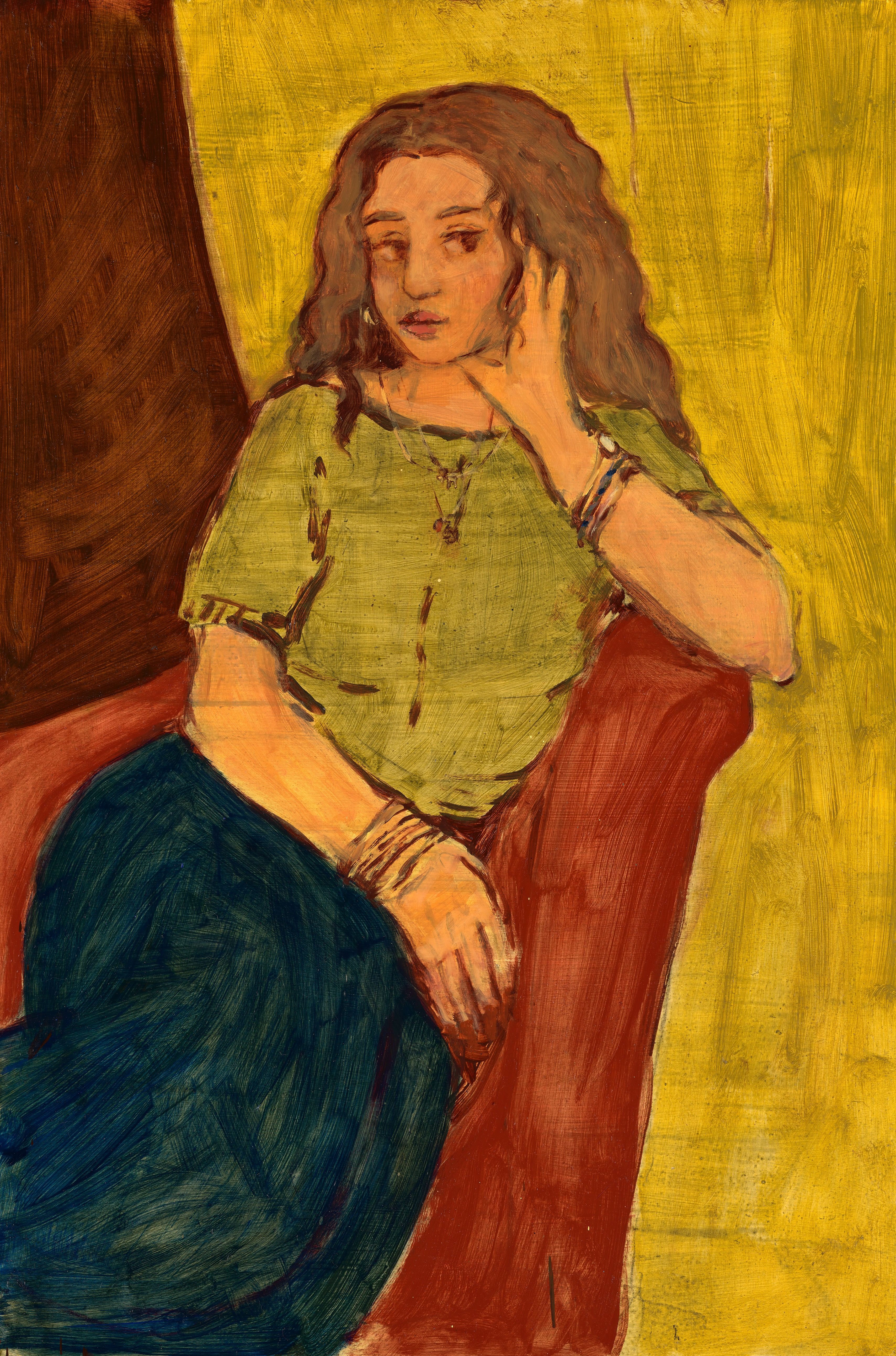
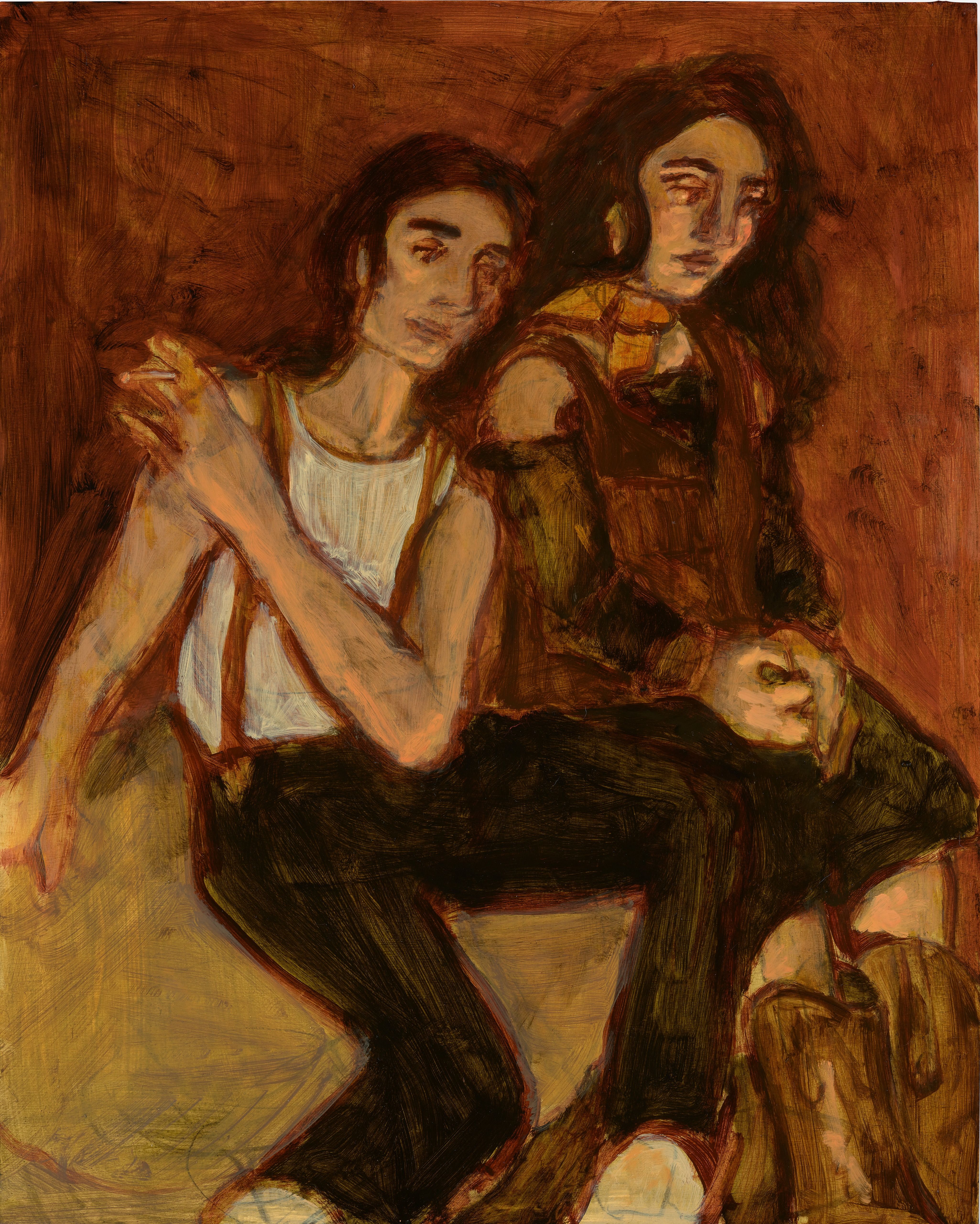
For her new exhibition at Pippy Houldsworth Gallery, Tchiprout has made a series of paintings based on her dolls, but she has also asked her friends to come and sit for her. The resulting paintings draw on elements of her real sitters and her dolls, depicting a fictional Jewish family from West London called the Katzes, who live in an imagined home in Gunnersbury Park, near where Tchiprout grew up. It was inspired in part by her visits to the park, which also houses a former residence of the Rothschild family. “I just became really fascinated, imagining what the family would be like,” says Tchiprout, who has a joyful abundance of curly hair and sleeve tattoos. “So I wanted to make my own version,” she says. The portraits are painted in sumptuous tones of umber, deep brown and aubergine, giving them a slightly fantastical, timeless quality.
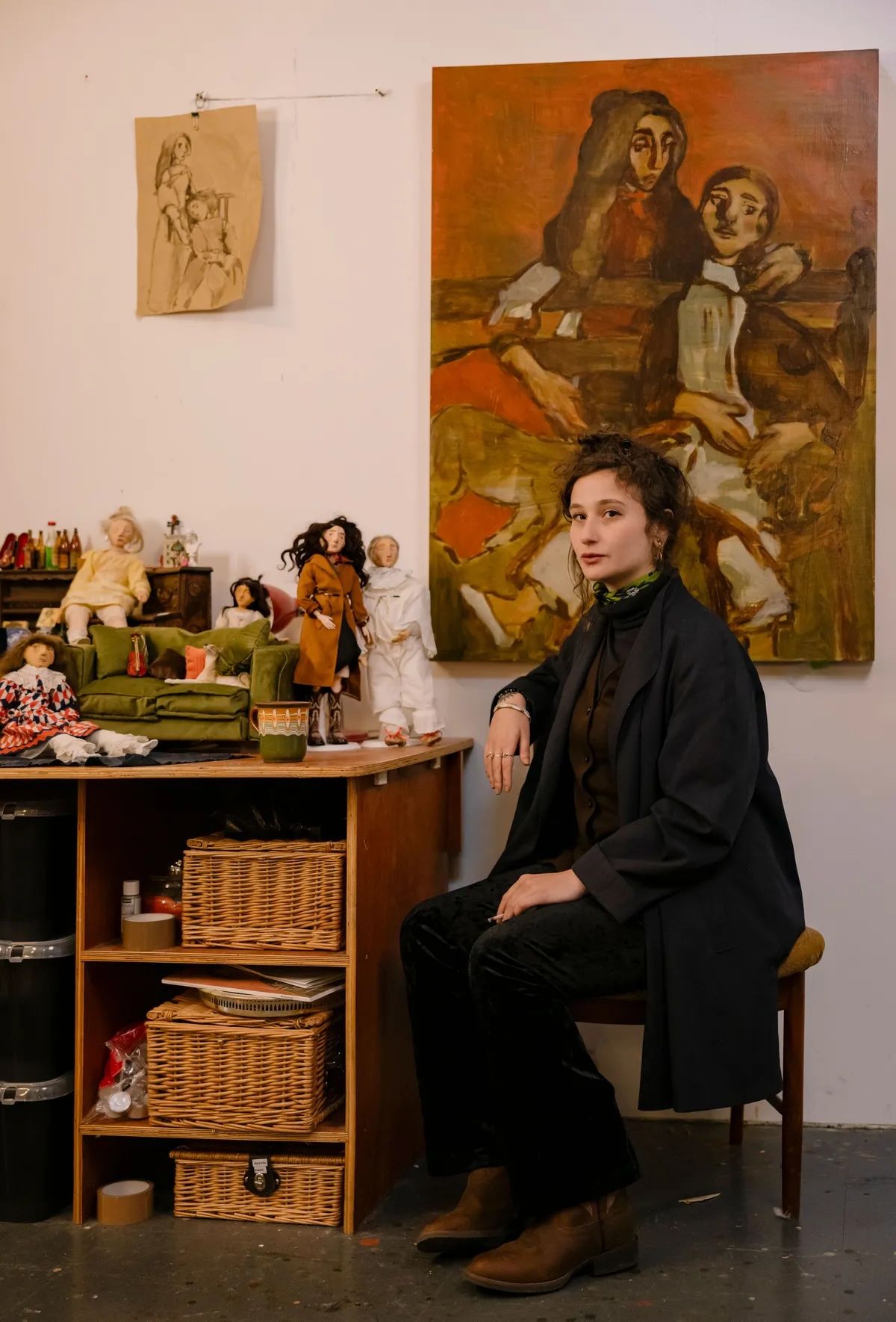
Liorah Tchiprout: I started making them when I was in university, in [my] second year. You had to pick a module from a different department, and there was a puppets module which was full. I emailed the guy, being like, “Please, I really want to do this because I have always really loved dolls and puppets.” When I started making them, I was reading about a theatre in New York where they took Yiddish folk tales and infused them with political satire to make puppet productions. It was odd and kind of cool. Then I started making lithographs from drawing them. I think, for practicality, it’s a really fruitful way of working, through models: you’re working from observation but you want to create a world.
I taught myself to draw just by drawing on the Tube, and going to life drawing. I think, often, you can become obsessed with a likeness, which I think is important and is satisfying. But I think sometimes it’s not about the likeness; it’s more the intonation of a head or a feeling.
“I think there’s something of the uncanny; the fact that something is kind of human, but not”
LT: I’ve always been fascinated with dolls. I think there’s something of the uncanny to them; the fact that something is kind of human, but not, which I think is very connected to painting. When you’re a kid and you go to the Tate and you’re like, “Wow,” and you feel the thing you feel, like you’re connecting to another person in a way you can’t really describe. You feel a lot, and then you walk to the side, and then you realise that it’s a flat surface. I think that there’s an honesty in working from dolls that is connected to that.
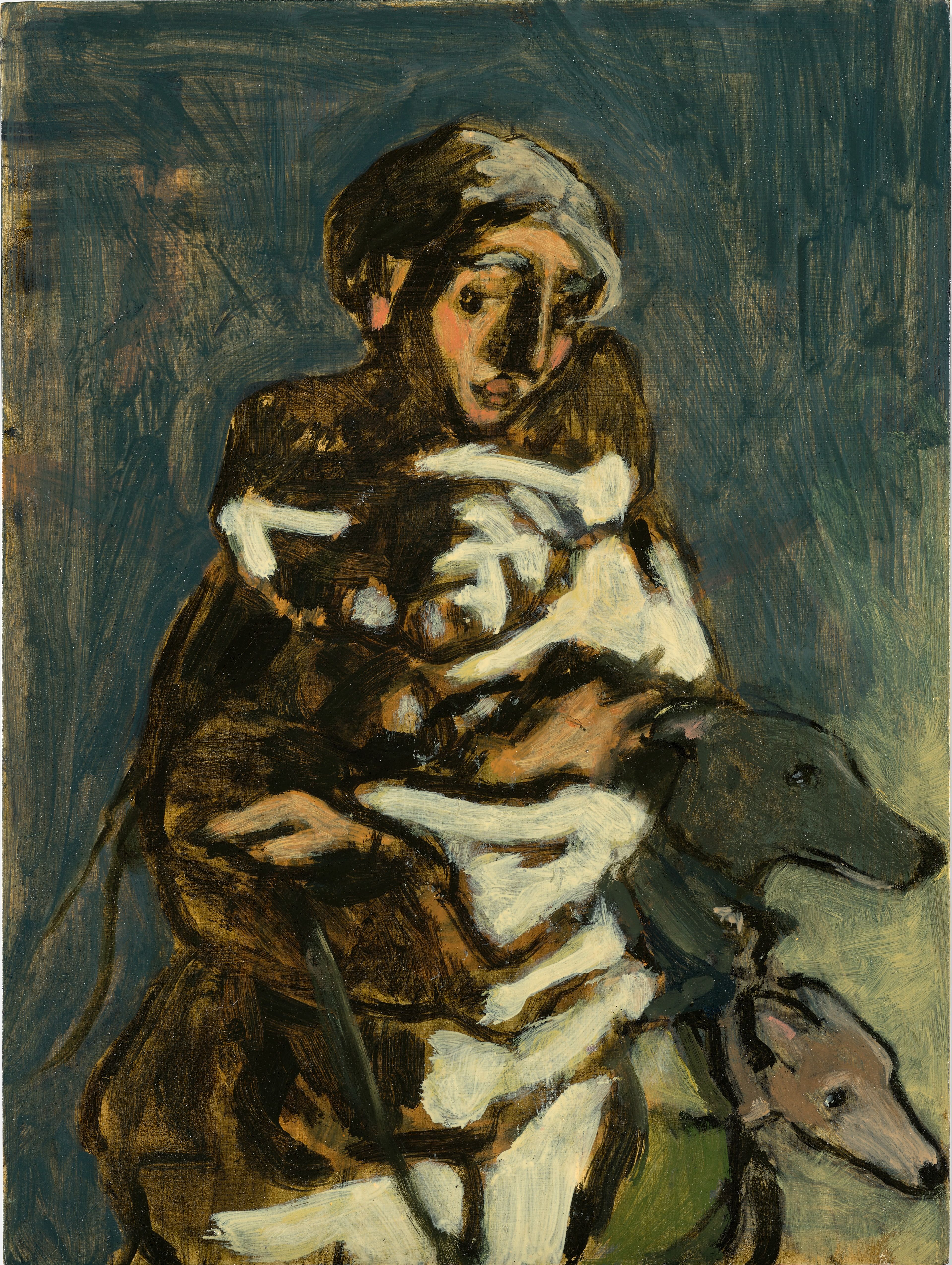
LT: I was reading Amy Levy’s 1888 novel Reuben Sachs. Amy Levy is very, very interesting. She’s buried in a cemetery in north London. I think she was she was born in London, [in] 1861, into a middle-class Jewish family. She was the second Jewish woman to study at Cambridge.
I really love Yiddish literature, but a lot of it is very America-focused or European-focused, and I was trying to shift to reading more about London. Isaac Bashevis Singer is the sort of king, the daddy of Yiddish literature, and he got the Nobel Prize. He had a sister called Esther Kreitman; she also was a writer, and she ended up in London, and she was described as “sensitive” and “odd”, which I’m, like: “You’re my girl. I see it.” Her short story Blitz (1949) has been influential. And a novel called The Lowlife (1963) by Alexander Baron. It’s about a gambler.
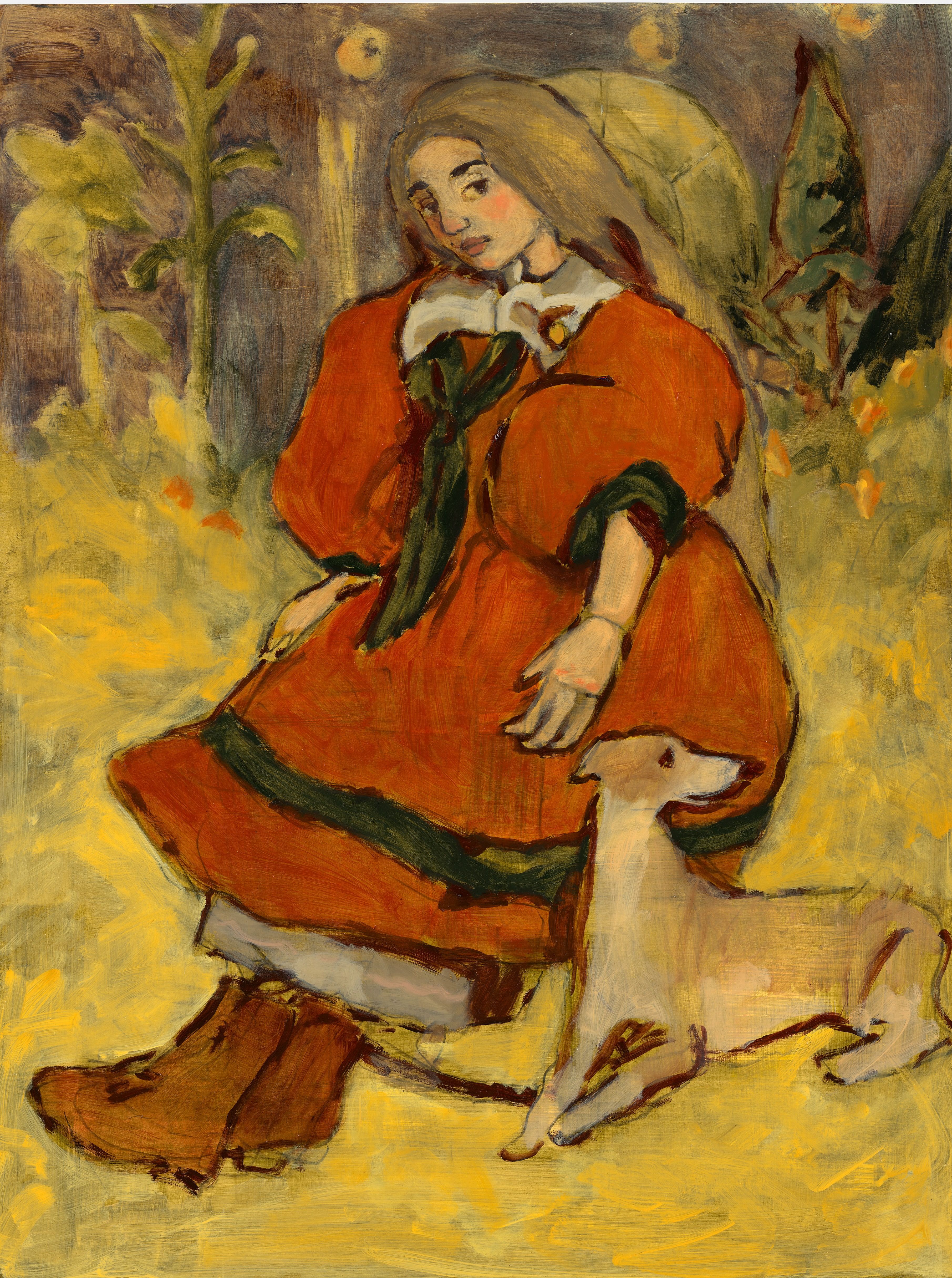
LT: When you’re painting, you’re the creator. You can do whatever you want, but also your practice runs along. It’s like a train running on a track: you’re in the coal room and you’re just shovelling coal and giving it your labour. It just happens. But I like the idea of creating a world that’s outside of time, that doesn’t have any rules. It’s almost that childlike thing of: “I can do what I want, in this arena, where I’m playing with my dolls.”
One of my favourite novels is Diary of a Lonely Girl, Or the Battle Against Free Love (1916–1918), which was serialised in a Yiddish newspaper. It’s only been recently translated into English. It’s basically about a girl dealing with dates. But it makes me think about the idea that something can be relevant to our experience because it’s so outside of it. At that time, in New York, there was so much stuff going on, including the First World War. I mean, just loads of crazy stuff was happening. You might think, “What relevance does this have?”. But I do think that a lot of art now, especially because we have photography, is about trying to create a world that’s outside of suffering. That’s why we go to the theatre; we go and look at art. I think that’s a big influence on the work: that it’s outside of time or space.
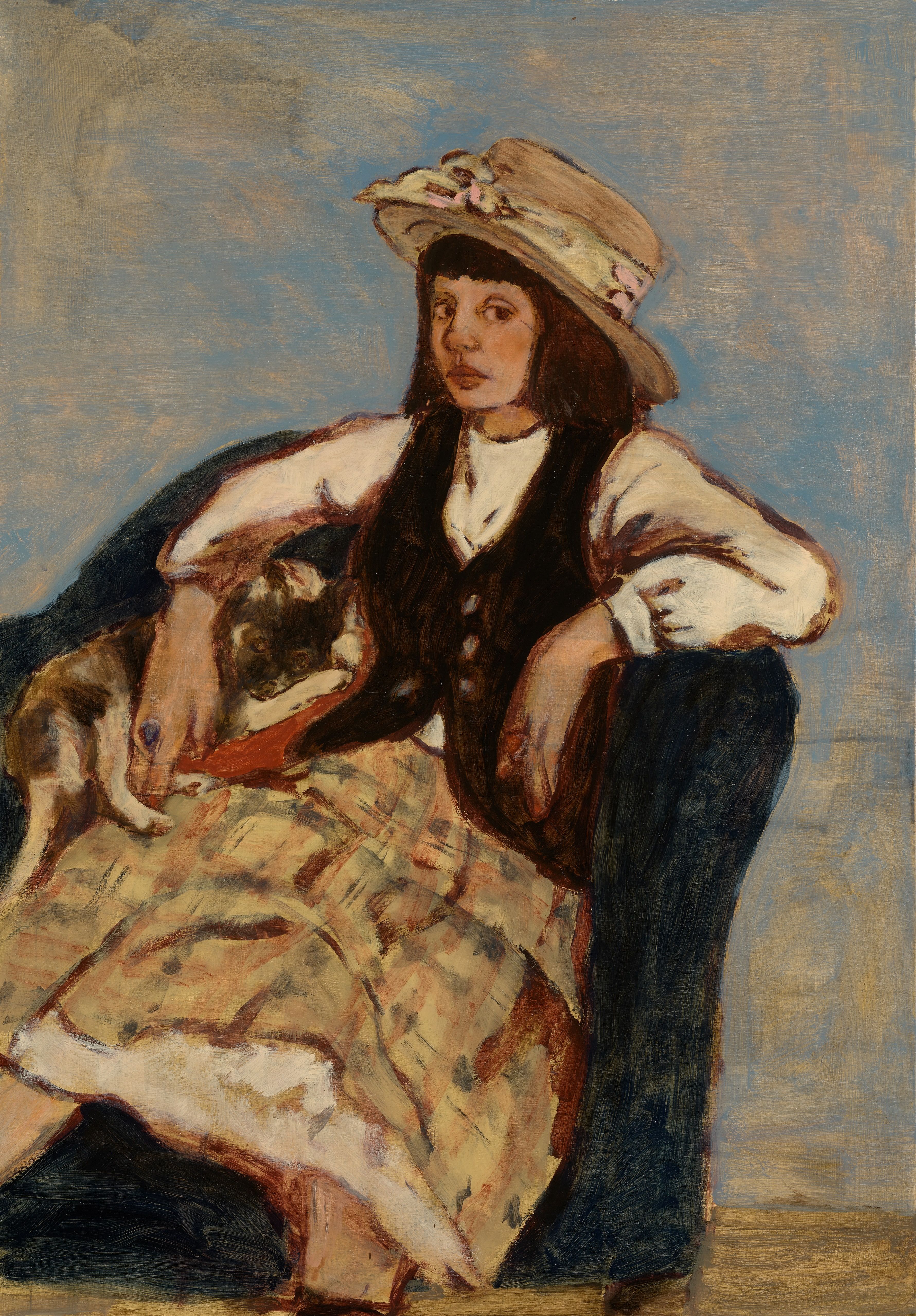
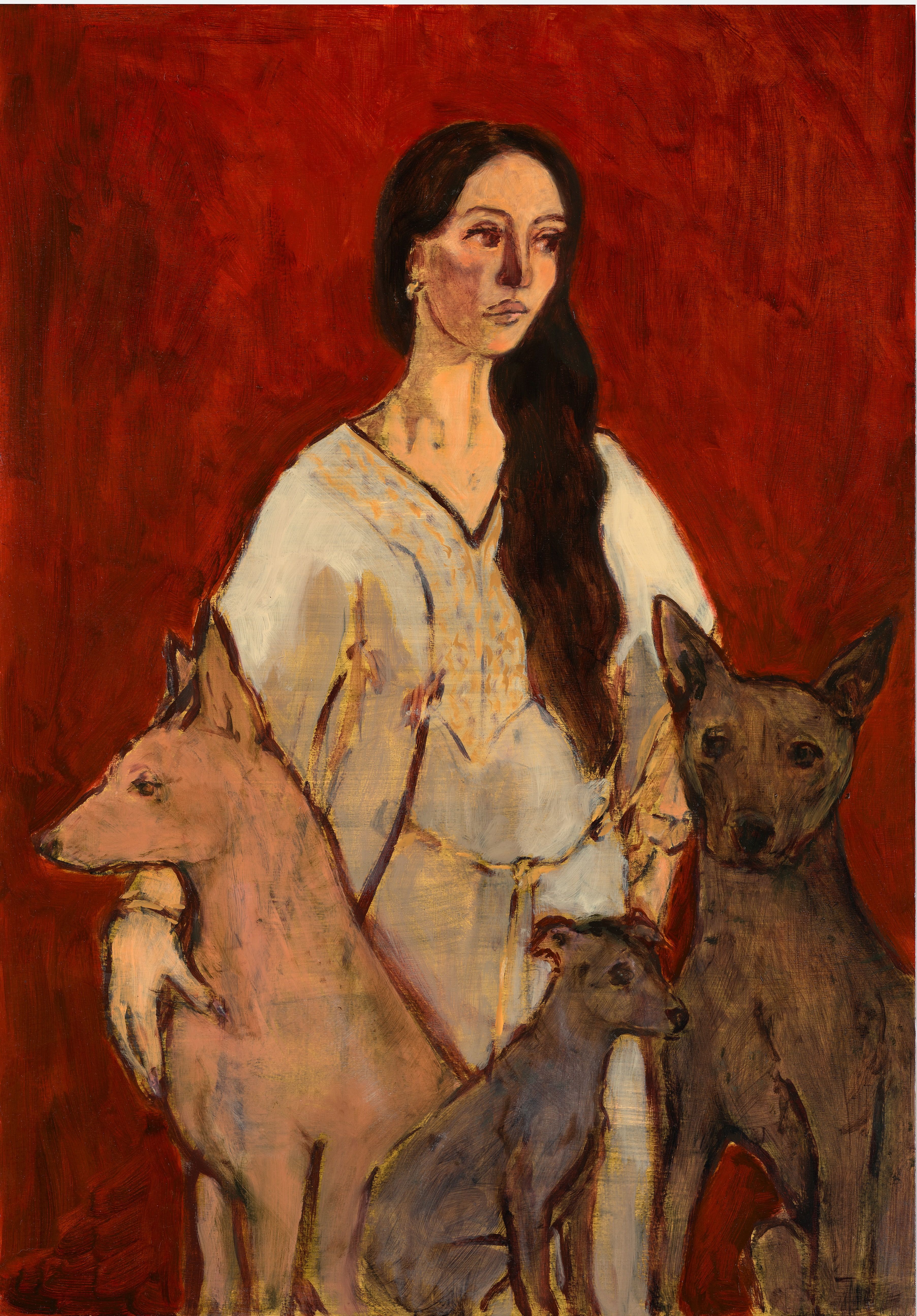
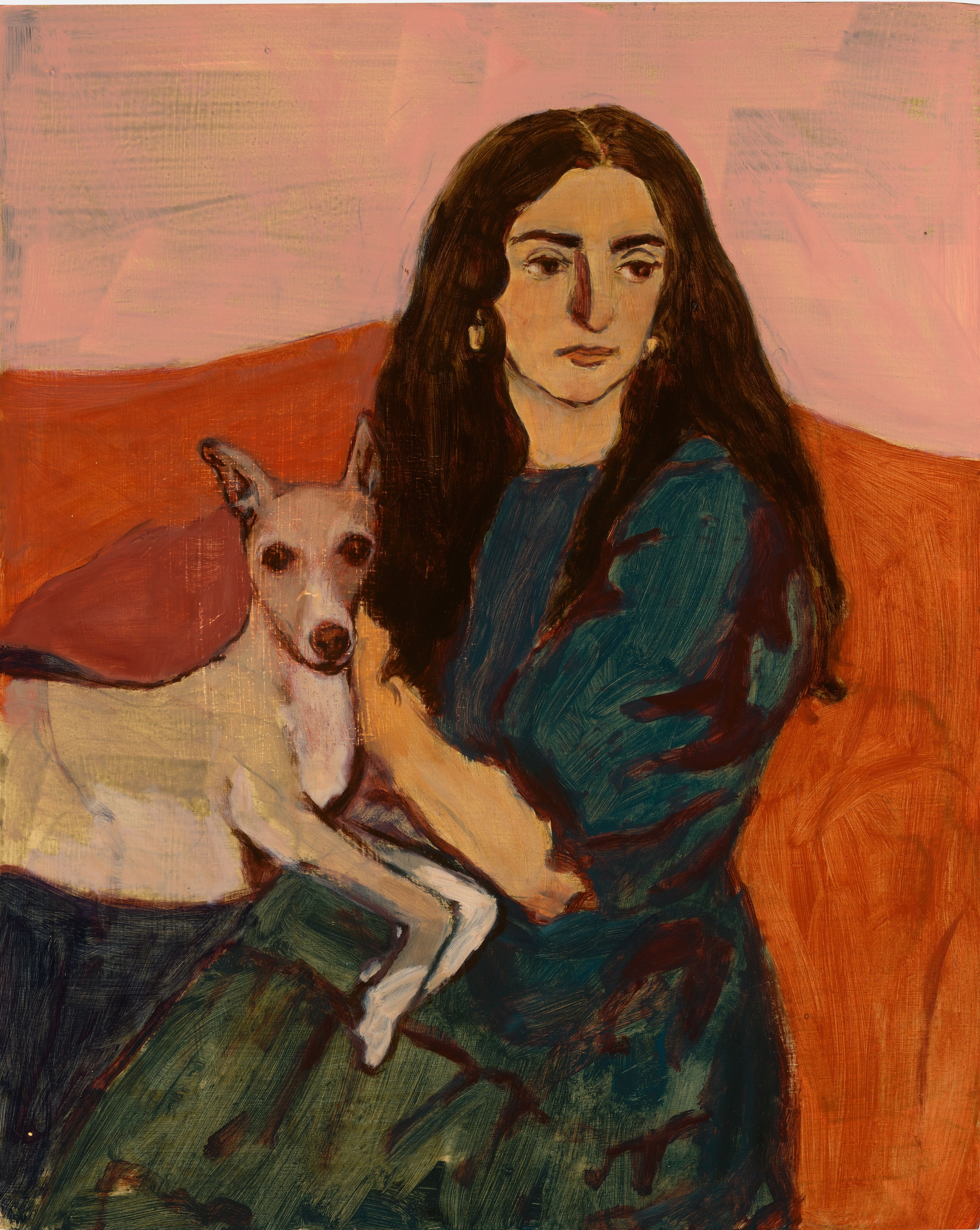
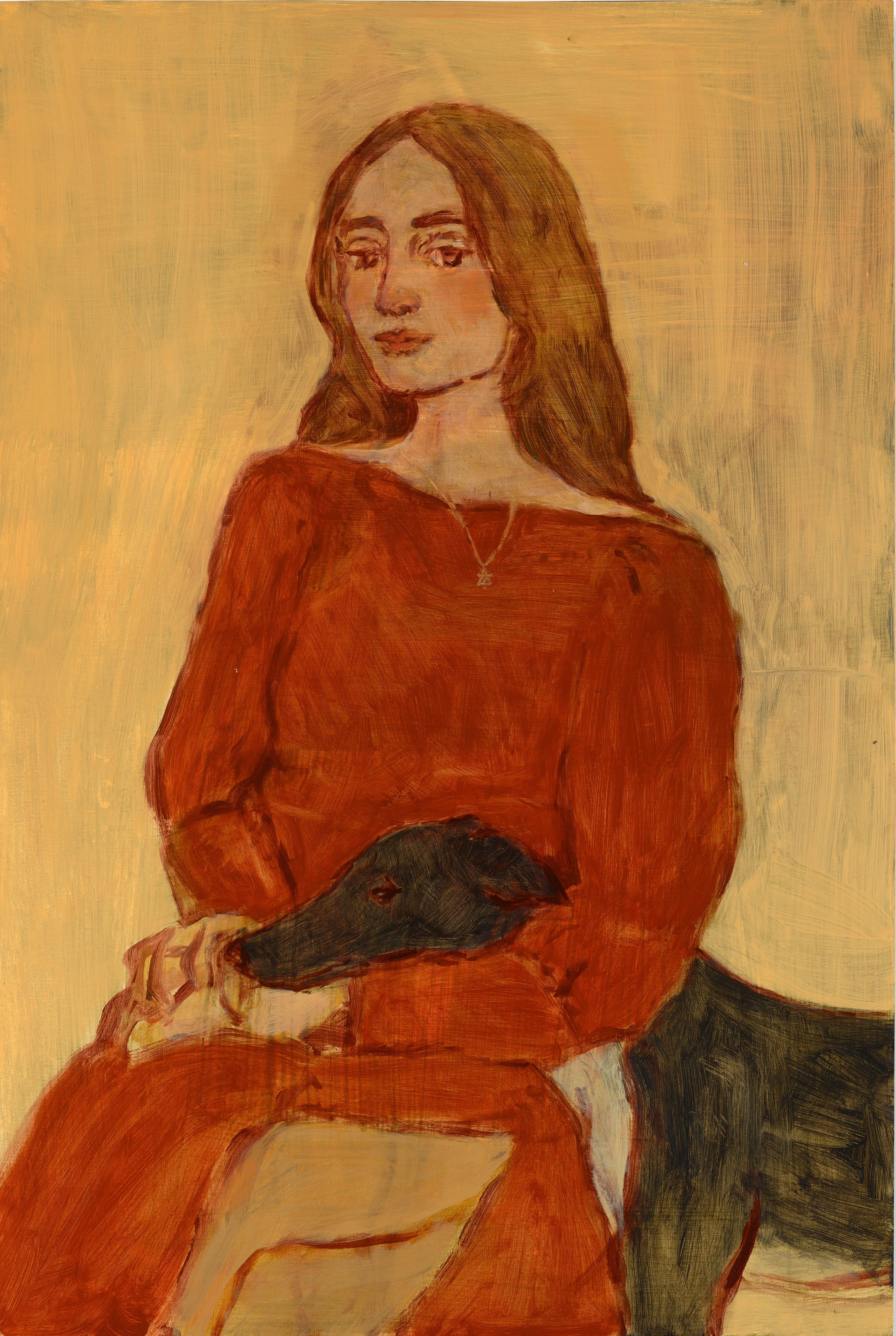
LT: I think we just did when we were little. When we were kids, you did just do things—you’d be bored, and then someone’d be, like, “Why don’t you do this knitting set?” I think boredom’s super important; it leads to interest.
“I think that there’s an honesty in working from dolls”
LT: I love the [John Singer] Sargent ladies, in the Tate Britain collection. With some of his paintings, when they’re so full of life, I feel that, maybe, because people in the press were livid about his paintings of the Wertheimer family, that this acclaimed portrait painter had been painting these Jews. Like, who do they think they are? And he really captures that they’re just vibing. I think, maybe, as a gay man and an American, he had a connection with them: being in a society that you’re not really accepted in, but being, like, “Well, you have to just be the best.”
And Carnation, Lily, Lily, Rose (1885–1886), also by Sargent. I remember seeing this for the first time, and saying: “Oh, grandma, is there light behind it?” She said: “No, this is a painting.”
Liorah Tchiprout, The Family Katz (until 3 October) at Pippy Houldsworth Gallery, London


A respected voice in contemporary art discourse.
Focusing on ambitious storytelling and insightful art-world commentary. Ocula Magazine publishes in-depth interviews, critical essays and timely analysis on the artists, exhibitions and ideas driving the global art world.
Learn more about Ocula Magazine
Showcasing the best of the art world.
Ocula partners with galleries from around the world to highlight their artists, artworks and exhibitions. Gallery membership is by application and invitation, with each member vetted by an independent panel.
Learn more about Ocula Membership
Specialises in the sale of major artworks.
Led by a team with deep ties to the world’s leading auction houses, galleries and collectors. Ocula’s advisory team offers bespoke services to high-net-worth clients from around the world who are looking to acquire the best of contemporary and modern art.
Learn more about our team and services