The art world in focus
Subscribe to our newsletter for news and insights on artists, galleries and exhibitions.

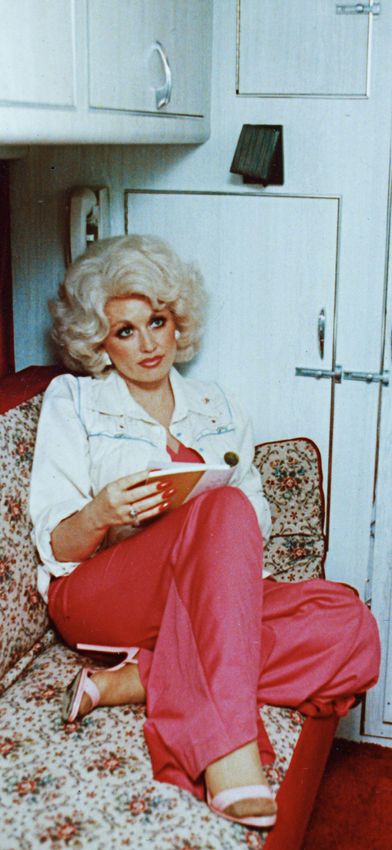
Some tributes to Dolly Parton, who died this week aged 80, have focused on her music, which was always transcendent, or her generosity: she shunned being a billionaire and donated vast sums of money to boosting literacy in America. There was also the wit and the unswerving belief in her right to be the kind of artist she wanted to be. Everyone from Eminem to Bernie Sanders has grieved the loss; Courtney Love summed it up when she described Parton as “the one we could all agree on”.
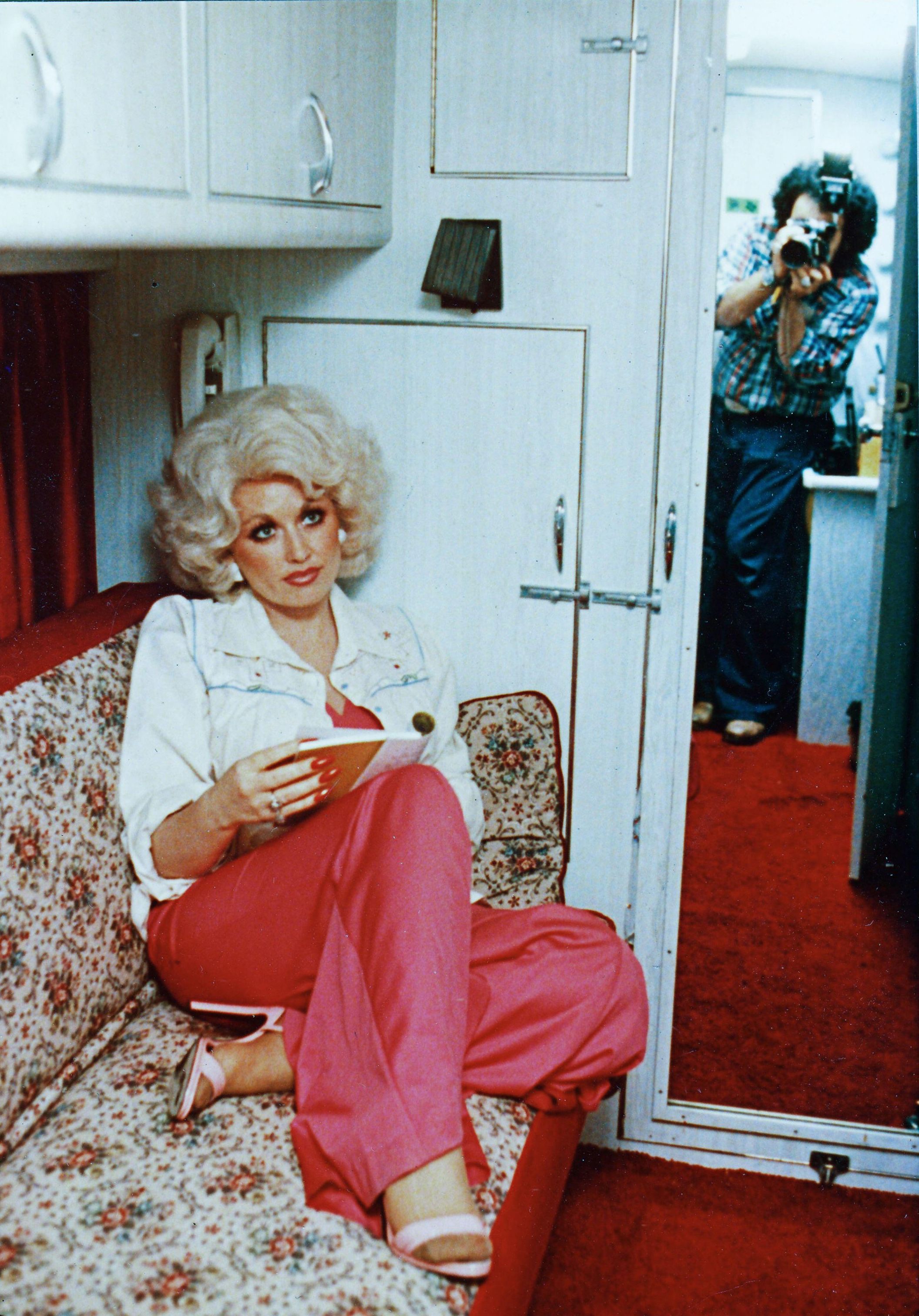
I had an uncle who was in love with Parton. This was how I first came to know about her. My aunt, his wife, always had vermillion red nails and peroxide blonde hair. People joked that she modelled herself on Parton. They were my favourite people on that side of the family: a good time, funny, easygoing. Rarely did they ever pass judgement on other people. Later I got to know Dolly Parton, the actor and singer, watching the comedies Steel Magnolias (1989) and 9 to 5 (1981), with my mum. But I was always aware of an irony in the way we viewed her; the subtle mockery directed towards that uncle and his tastes. ‘Dolly’ was something to indulge in. Now, I can see more clearly that by withstanding this kind of mockery over the years, Parton gave women like my aunt, but all of us to some extent, a gift: to be more themselves.
I have written before about the now-widely quoted story of Parton modelling herself on the “town tramp”, a woman who everyone else described as being “trash”. “This is a true story, that I kind of patterned myself after what they called the town tramp in my hometown, when I was very little,” Parton said. “There was this woman that was very much a loose woman. But I didn’t know what that meant, and I just told her how beautiful she was, ’cause she had this beautiful yellow hair. She left a big impression on me, and I would talk about how beautiful she was, and different ones would say, ‘Oh, she’s just trash.’ And I thought, ‘That’s what I want to be when I grow up. I’m gonna be trash!’ And that is how I look.”
Whenever Parton told this story, the interviewer would often pause before knowing how to proceed. They could not tell whether she was being serious and, if she was, why she would choose to make such an admission.
As Parton’s fame grew, so did her understanding of herself as an idol or abstraction; someone onto whom people projected their fantasies and fears. Given that her grandfather was a preacher and she described herself in similar terms, I’ve wondered whether it’s in fact more useful to consider Dolly through the lens of religion and iconography, and to see Parton the celebrity as its modern, secular equivalent: an elaborate work of performance art.
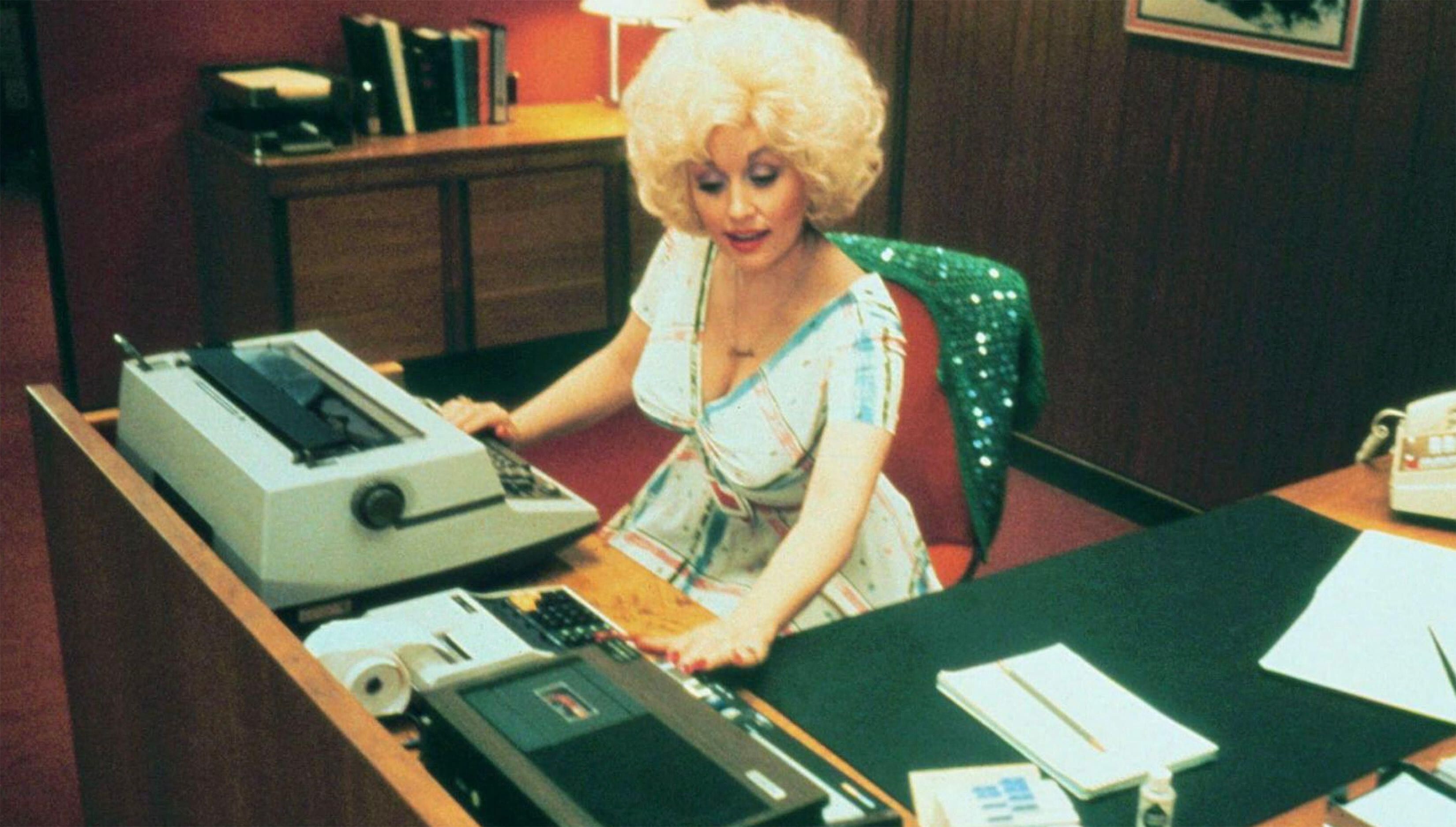
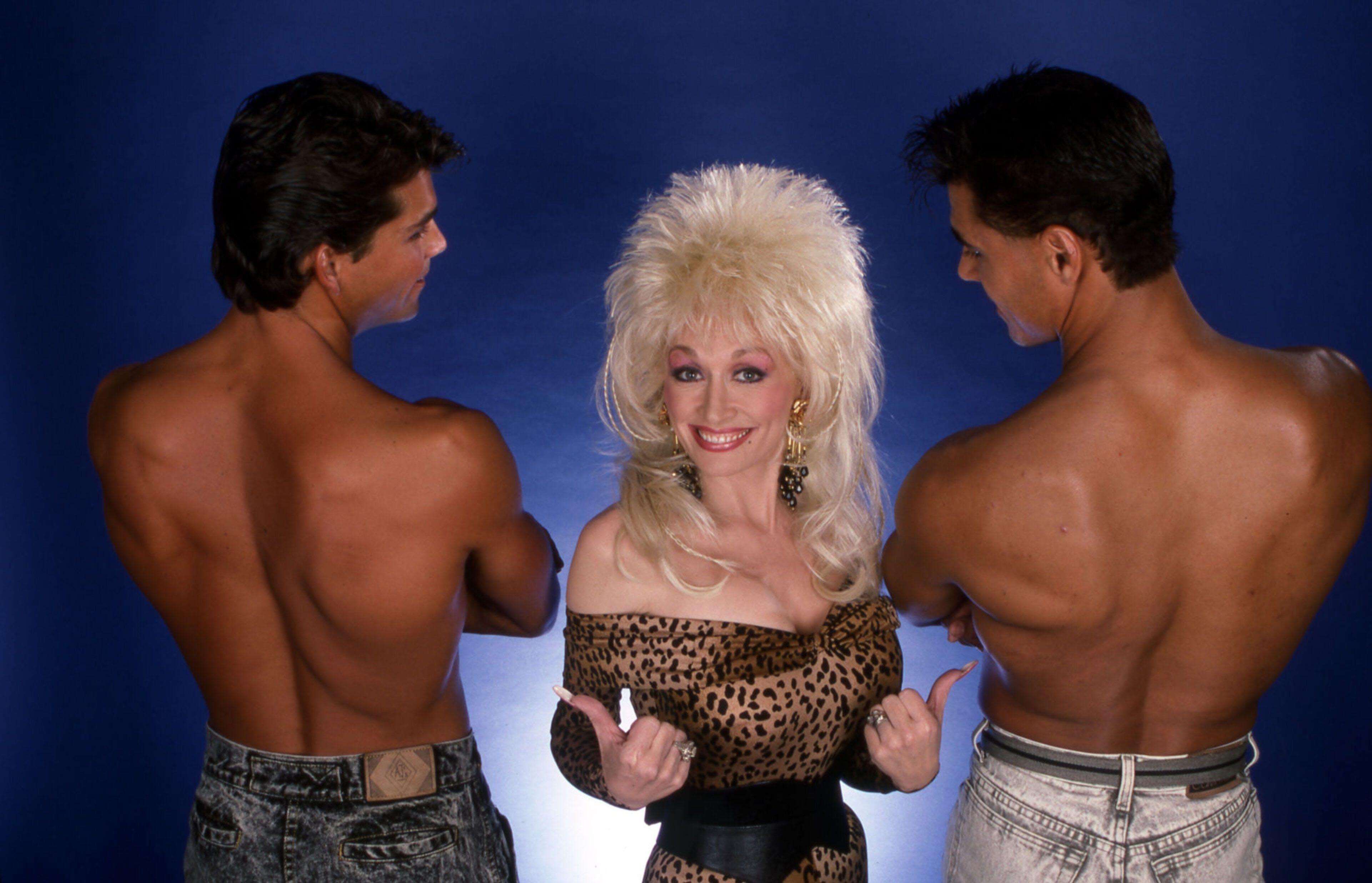
Over the years, the persona became more defined and exaggerated. The hair grew larger, the outfits became more ostentatious and the make-up became more and more colourful. The sweet and affable woman I first encountered in those early films, dressed sweetly in wraparound dresses, her hair a neat curly bob, was still only on the way to becoming the full bouffant Dolly of the mid-1990s and 2000s, dressed in leather and sequins.
“She became the outsized version of everything we’d been taught to reject and disavow ”
That quotation about trash interested me for the way it highlighted the hypocrisy of a culture that describes self-expression and pleasure on the part of rich people as eccentric and on the part of poor people as delinquent or trashy. By that point, of course, Parton was herself rich, but insisted on still being trash. In doing so, she rejected that contradiction, transforming the slur into a compliment. “Don’t let these false eyelashes lead you to believe / That I’m as shallow as I look ’cause I run true and deep,” she sang on her 2008 song Backwoods Barbie. She also separated “trash” out from the idea of trying to be sexy; it was instead style, performance, playfulness. Speaking to the BBC TV presenter Terry Wogan in 1983, she said: “Some find me sexy, some find me ridiculous… I know myself probably better than anybody else.”
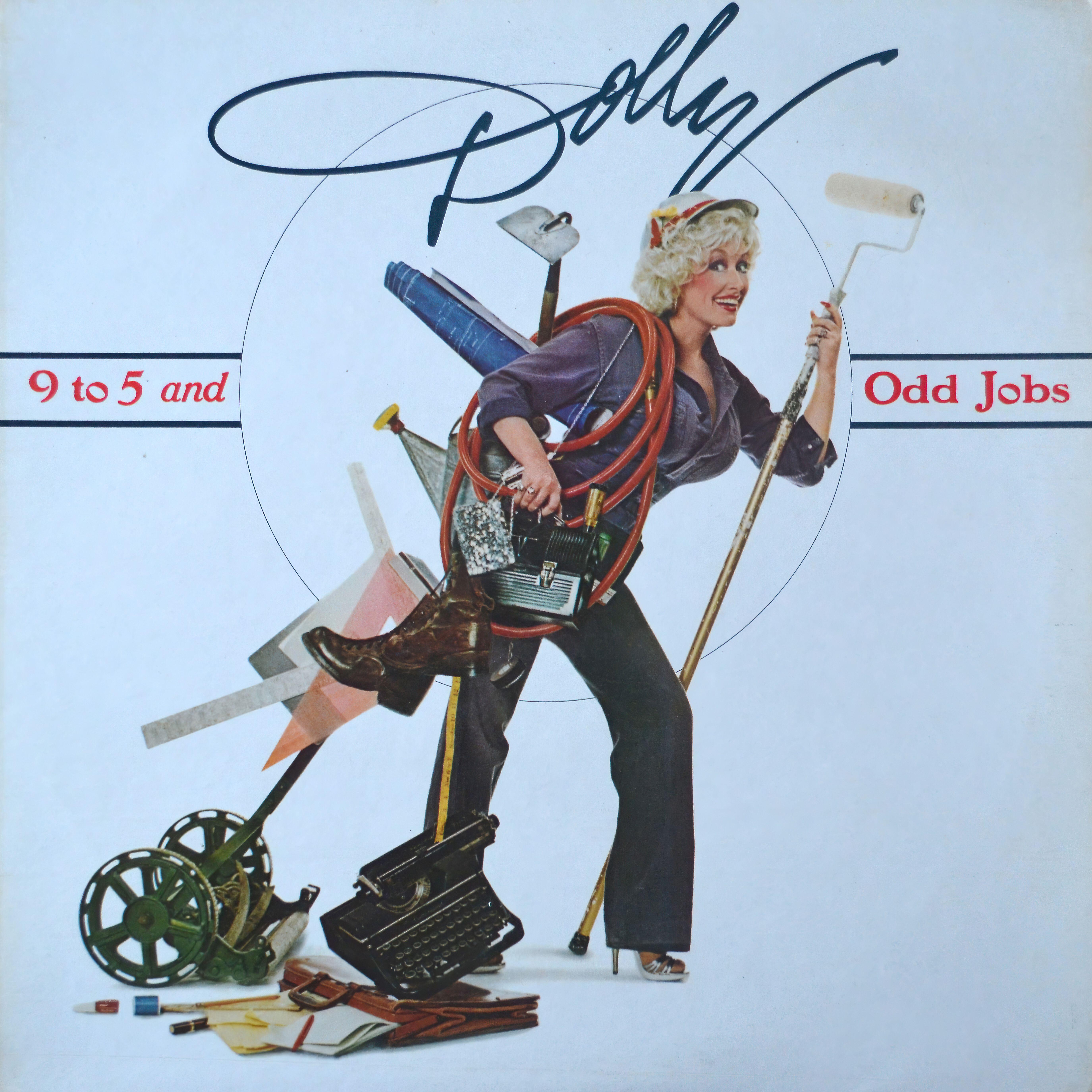
Over time, I’ve come to see that social mobility requires repression; that it is actually the mechanism by which repression happens. We’re rewarded for how far we conform to the dominant culture and, if we’re poor, how far we reject our previous lives and the people who raised us. I think Parton understood that; she knew that social mobility required people to repress the parts of themselves that were judged to be too horny or silly or expressive, and saw that this was a pernicious and harmful aspect of society. From 9 to 5 to the stories that have emerged in recent days, revealing that she filed union paperwork for all of the musicians and studio teams she worked with so that they received the benefits of union membership, clearly she cared about the pressures imposed by modern work culture.
In response, she became the outsized version of everything we’d been taught to disavow. By embracing her own supposed vulgarity and trashiness, she made it OK for others to engage safely, through her, with the desire for those things in themselves. By liking her and declaring our allegiance to the ‘trashiness’ that she represented, she also allowed us to feel less guilty about abandoning the people and the cultures that we loved. Providing she was around, the upwardly socially mobile could not be accused of being bigots or snobs. Now that she isn’t, perhaps the best way to honour her is to finally address those tendencies in ourselves.—[O]





A respected voice in contemporary art discourse.
Focusing on ambitious storytelling and insightful art-world commentary. Ocula Magazine publishes in-depth interviews, critical essays and timely analysis on the artists, exhibitions and ideas driving the global art world.
Learn more about Ocula Magazine
Showcasing the best of the art world.
Ocula partners with galleries from around the world to highlight their artists, artworks and exhibitions. Gallery membership is by application and invitation, with each member vetted by an independent panel.
Learn more about Ocula Membership
Specialises in the sale of major artworks.
Led by a team with deep ties to the world’s leading auction houses, galleries and collectors. Ocula’s advisory team offers bespoke services to high-net-worth clients from around the world who are looking to acquire the best of contemporary and modern art.
Learn more about our team and services