The art world in focus
Subscribe to our newsletter for news and insights on artists, galleries and exhibitions.

South Korea’s critical culture is gathering momentum, with the arrival of new art criticism prizes, platforms and independent presses. But what are people in the Korean art world reading right now? Ocula spoke to local writers, critics and publishers to find out.
In Seoul, you can find books about contemporary art and design or titles from independent publishers at The Book Society, while The Reference’s Seochon store stocks art and artists’ books, and the cultural space’s SeMA branch offers museum catalogues and research publications. Your-Mind stocks titles from independent publishers; MMCA Seoul’s Art Book Shop sells museum publications and international art books. In Gwangju, independent bookshops and publishers such as Untergang and girlsbookshop offer a more local route into the city’s critical and publishing scene.
Cultural theorist Alex Taek-Gwang Lee’s Made in Nowhere (2025) considers BTS fandom, Squid Game, plastic surgery and pandemics as routes into a larger question: what do Asia’s products and obsessions tell us about the continent’s relationship with capitalism? Capitalism did not simply transform Asia, Lee argues, but helped produce “Asia” as the political and economic object we recognise today. Far from being a socialist state, he continues, China is run under capitalist principles.
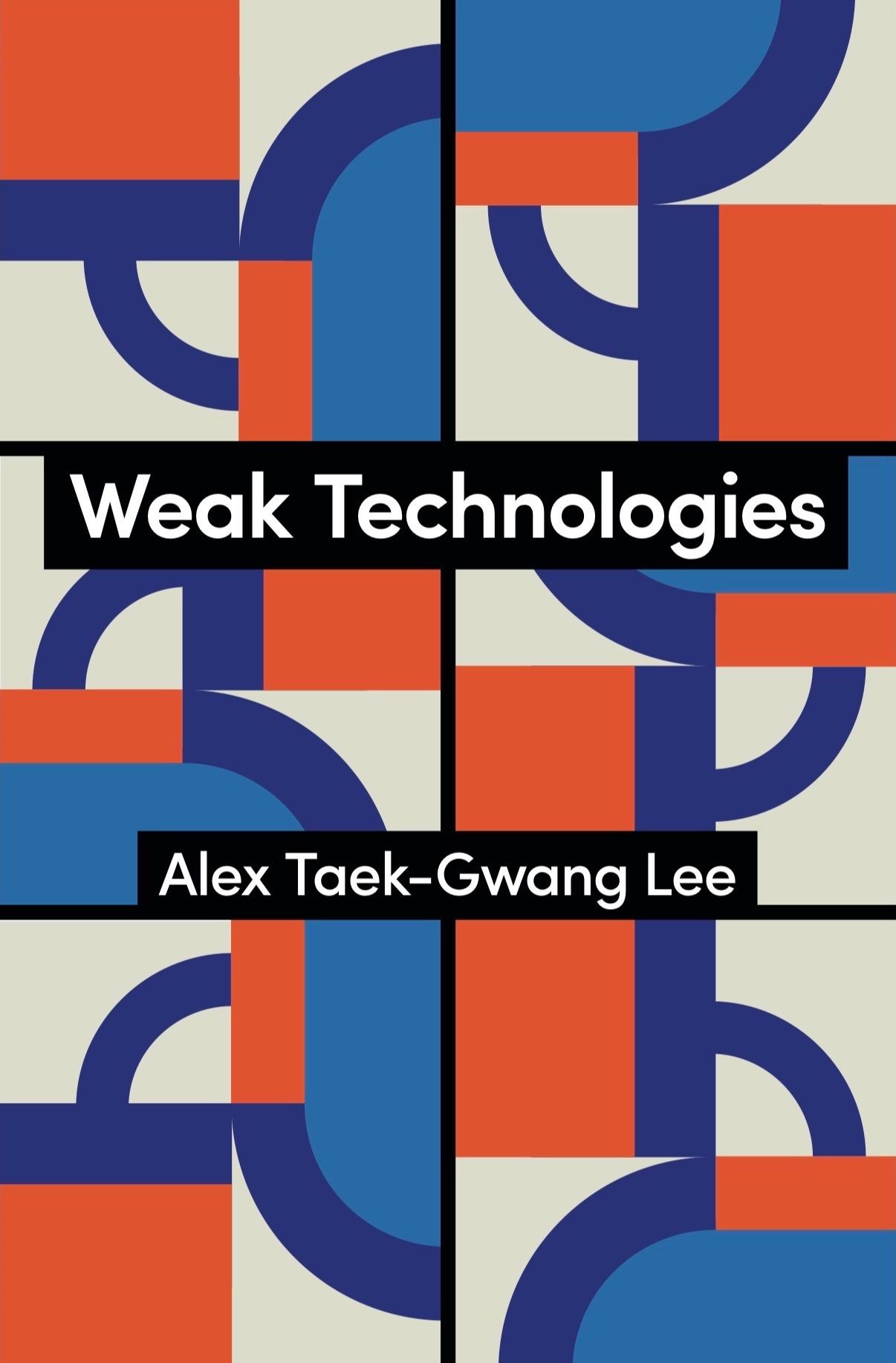
His forthcoming title Weak Technologies turns that scepticism towards East Asia’s technological ascent. From American analytics software company Palantir to Taiwan’s TSMC, the world’s largest chipmaker, Lee argues that “strong” technologies conceal their dependence on workers, materials and environments. In South Korea, he told Ocula, AI and semiconductors have become “virtually unquestionable categorical imperatives”, considered fundamental to the country’s ability to function. He is more interested, he writes, in technological weakness: what happens when you play and experiment with technology and use it to invent rather than as a means of control.
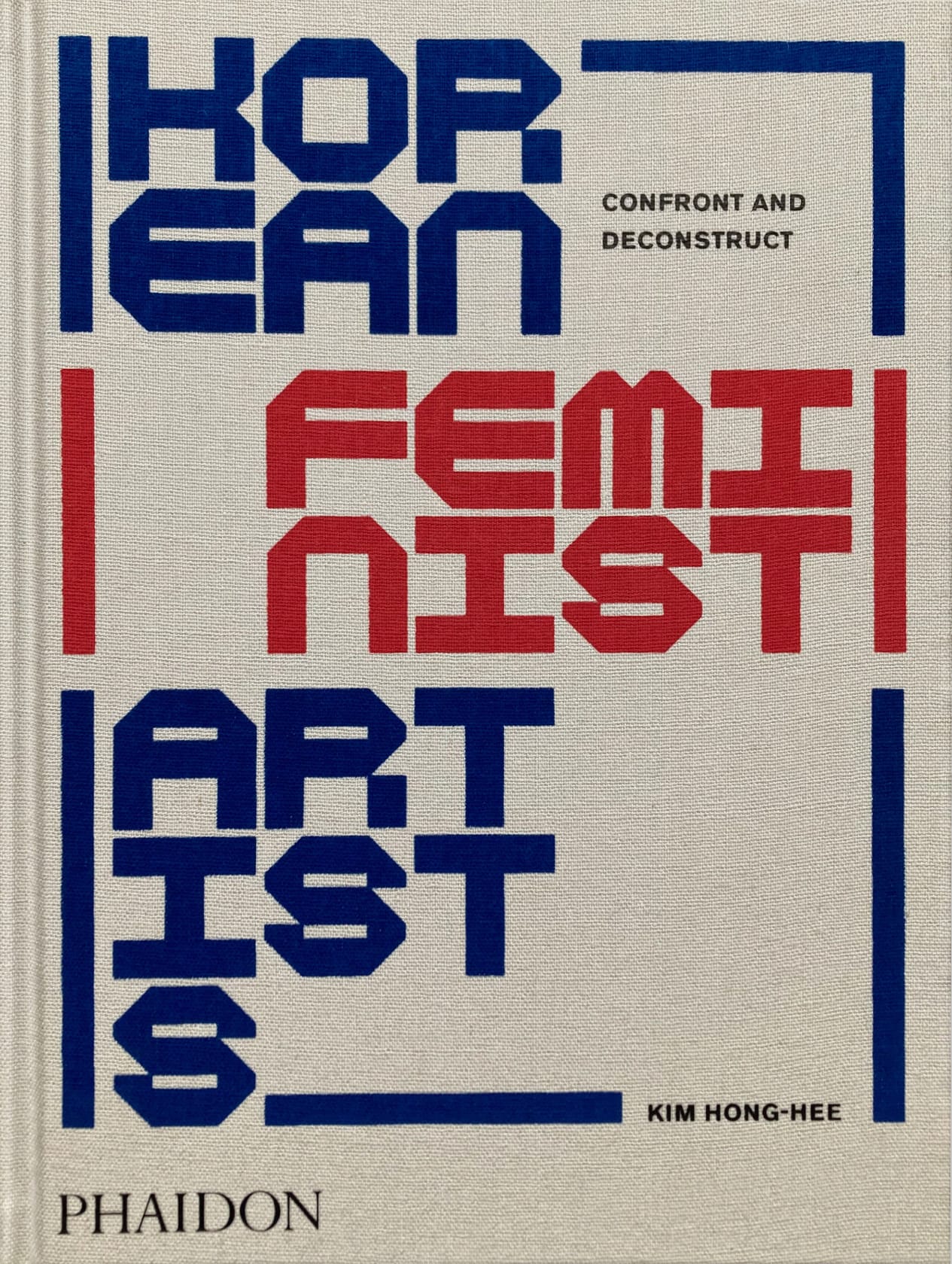
Veteran curator and feminist critic Kim Hong-hee brings together 42 artists from different generations whose practices explore body art, queer politics, resistance, ecofeminism and diasporic experience. Drawing on three decades of research, Kim recovers the feminist histories of artists whose international success has obscured their origins. She traces, for instance, Lee Bul’s practice back to the feminist body art of the 1990s, when Bul’s performances, monsters and cyborgs evoked ideas of patriarchal violence and unsettled boundaries of gender identity. Yeesookyung’s broken-ceramic sculptures, currently on show in her solo exhibition Not Yet, Not Anymore, Still at Sejong Museum of Art, are similarly framed as a feminist strategy for twisting tradition.
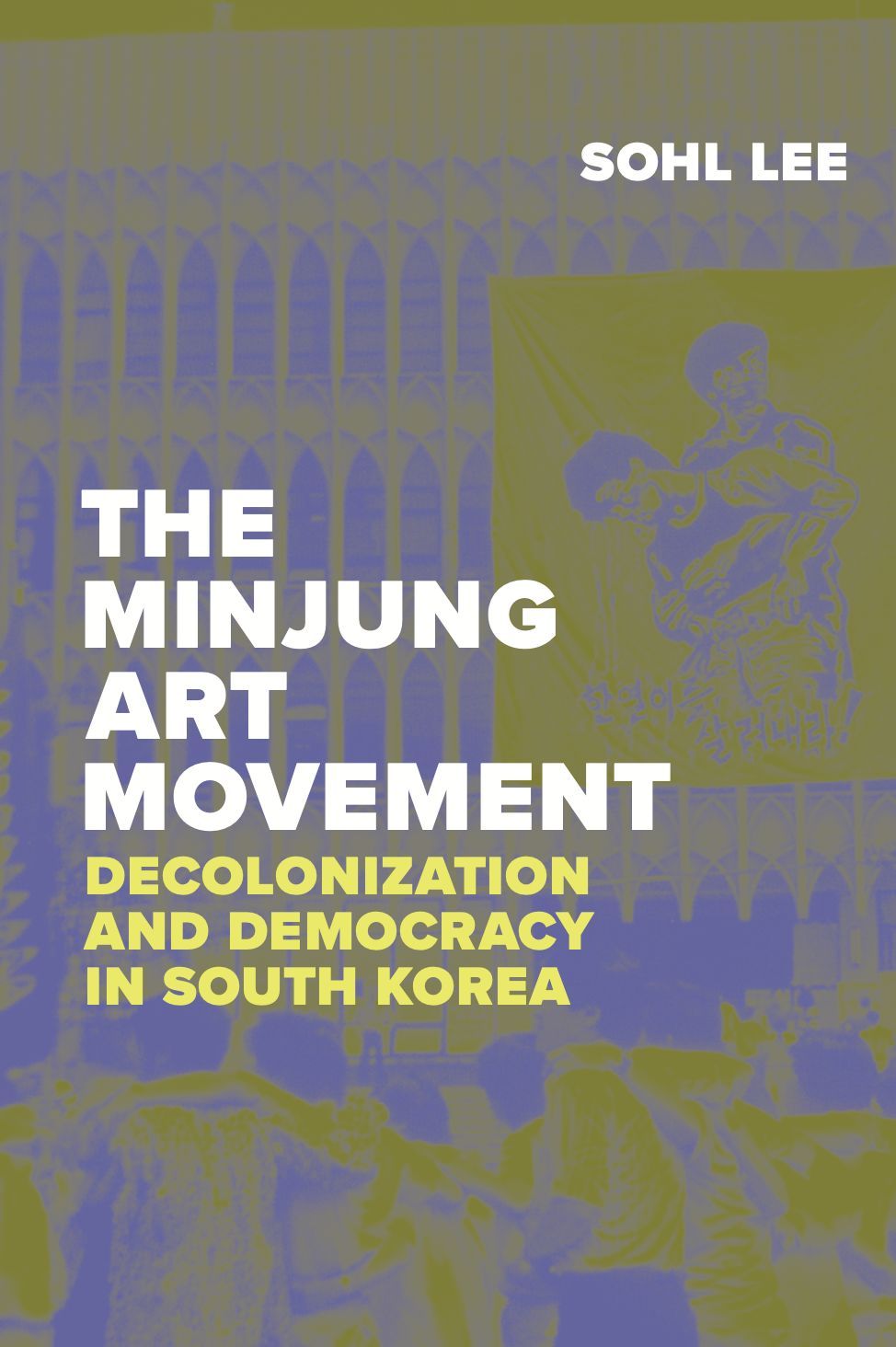
Sohl Lee’s The Minjung Art Movement is one of the most substantial recent additions to Korean art scholarship, drawing on primary materials and oral histories gathered over more than 15 years of fieldwork. Starting in the 1970s, Minjung art developed as a pro-democracy cultural movement that represented the lives of ordinary and working-class Koreans while mobilising resistance to authoritarian rule. Lee’s history explores a lesser-known dimension: the founder’s drive to decolonise Korean art from imported modernisms and the lingering influence of Japanese colonialism. The book’s first chapter begins with South Korean painter Oh Yoon and an exhibition that never opened. In 1969, Oh helped to form the Reality Group, whose inaugural show was suppressed before its opening. Rather than proposing another form of realism, the collective’s “aesthetics of reality” pioneered a socially-engaged creative method rooted in everyday Korean life.
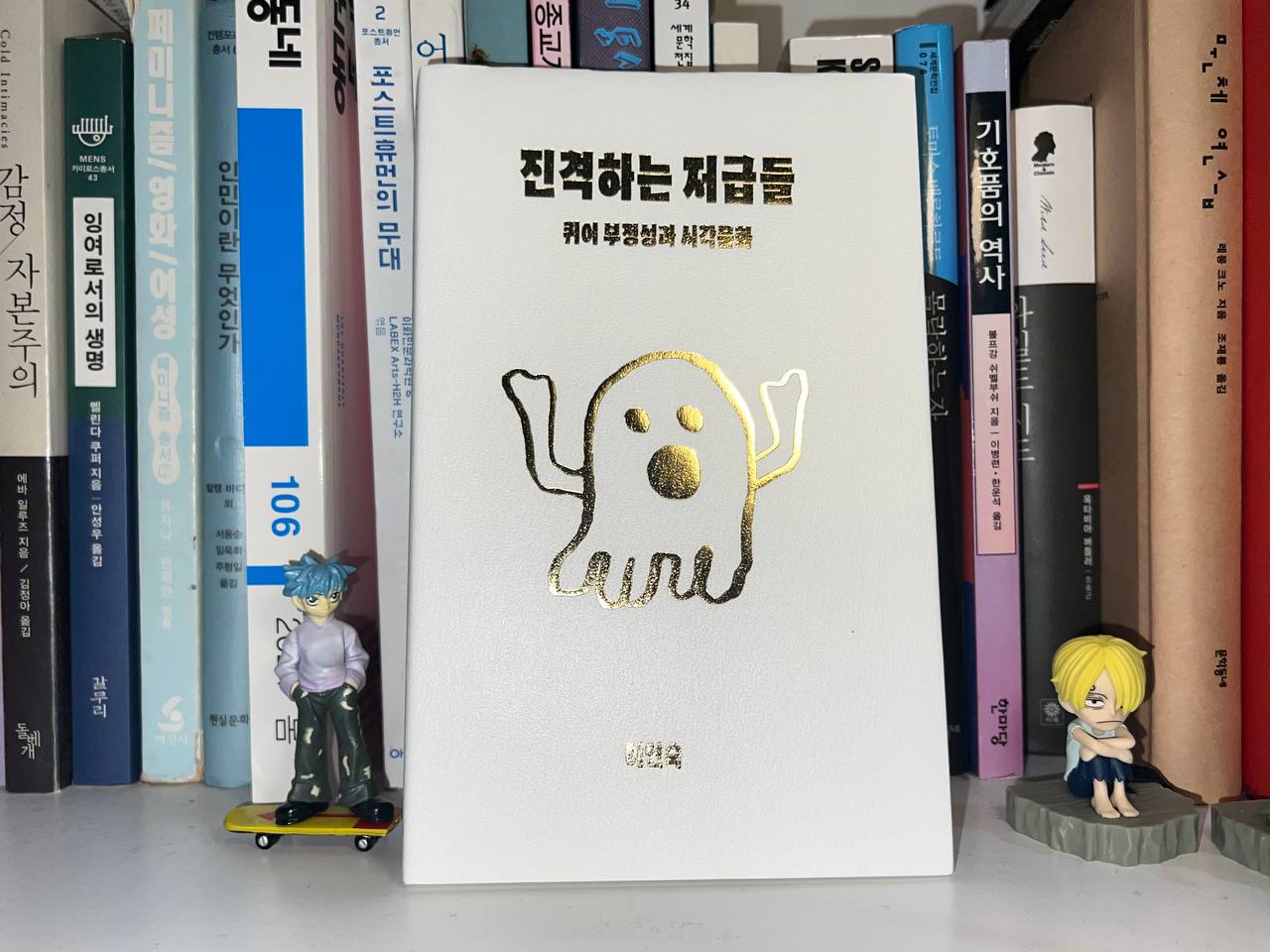
In the Korean-language The Advancing Low, critic Lee Yeonsook, better known as Rita Lee, embraces what mainstream culture is more likely to disown: failure, shame, depression, amateurism and being terminally online. Chapters span sad queer portraiture, cyberpunk, a “lesbian wasteland” and “Pathetic and Useless Twitter Addicts”. What distinguishes Lee is her ability to transform online life into feminist theory. Korean feminist Twitter fights become “Vale Tudo” (no-rules combat) while notorious feminists are remembered as “generals” racking up “kills”. Rather than sanitising such material into respectable theory, The Advancing Low tunes into a younger frequency of Seoul’s art scene, showing how ideas emerge from a culture of exhibition-making, queer and feminist networks, online feuds and subcultural language.
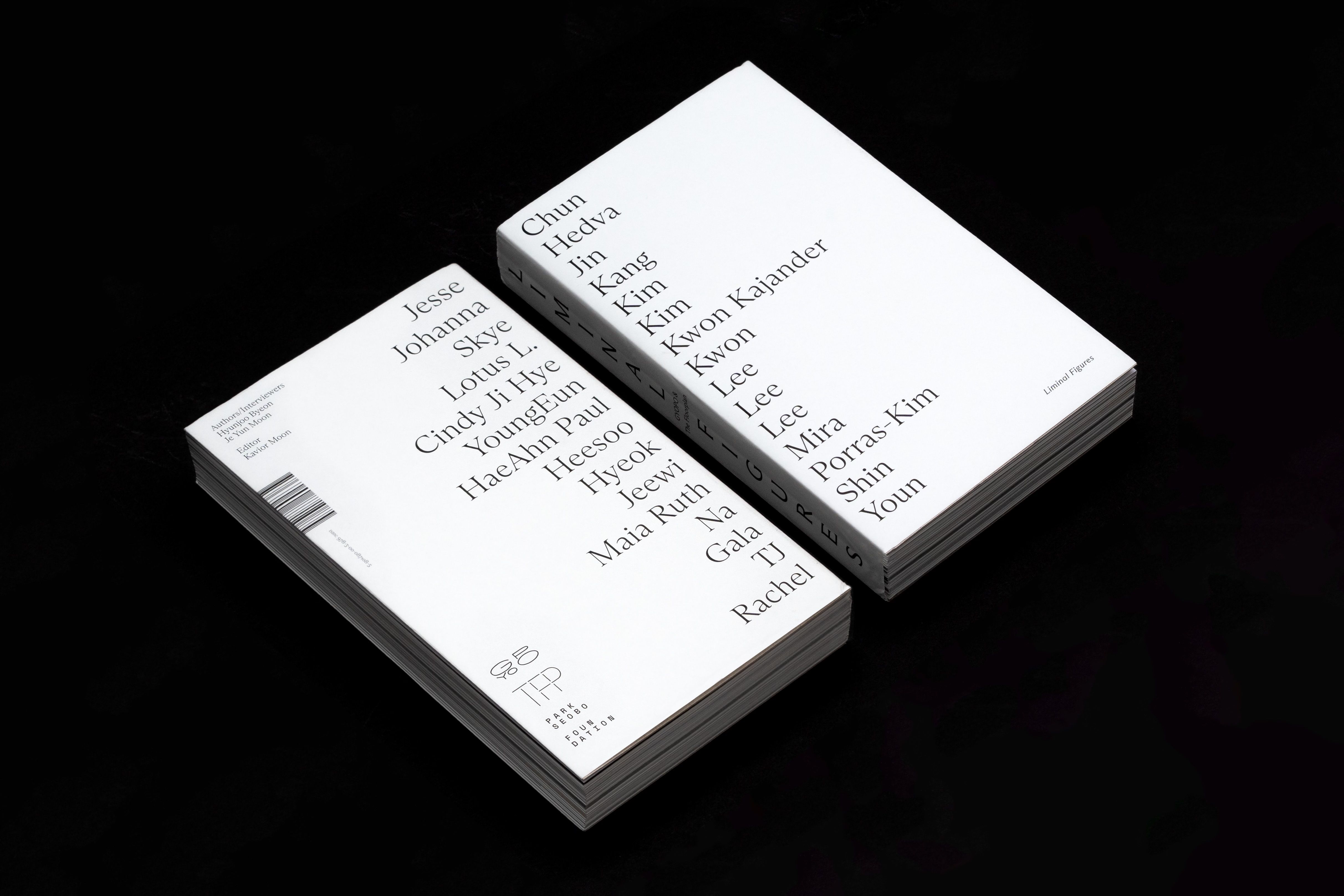
Curators Hyunjoo Byeon and Je Yun Moon spoke to 15 artists and collectives whose relationships to Korea are shaped by migration and movement, including Gala Porras-Kim, YoungEun Kim, Lotus L Kang and Jesse Chun, for this book. Extending Byeon’s 2023 anthology K-Artists, it uses a broad definition of diaspora including voluntary migration, hybrid belonging and multiple attachments. As Byeon told Ocula, these artists can “see and articulate things that may remain invisible from a more stable position of belonging”. Chun, who has lived in Seoul, Hong Kong and New York City and is now showing at Frieze Seoul, offers one example of how. In the book, she reflects on how her first Korean survey led her back to family histories and folk traditions; though she wasn’t able to see it as a straightforward homecoming, “Although it came from somewhere, it isn’t returning to that place.”
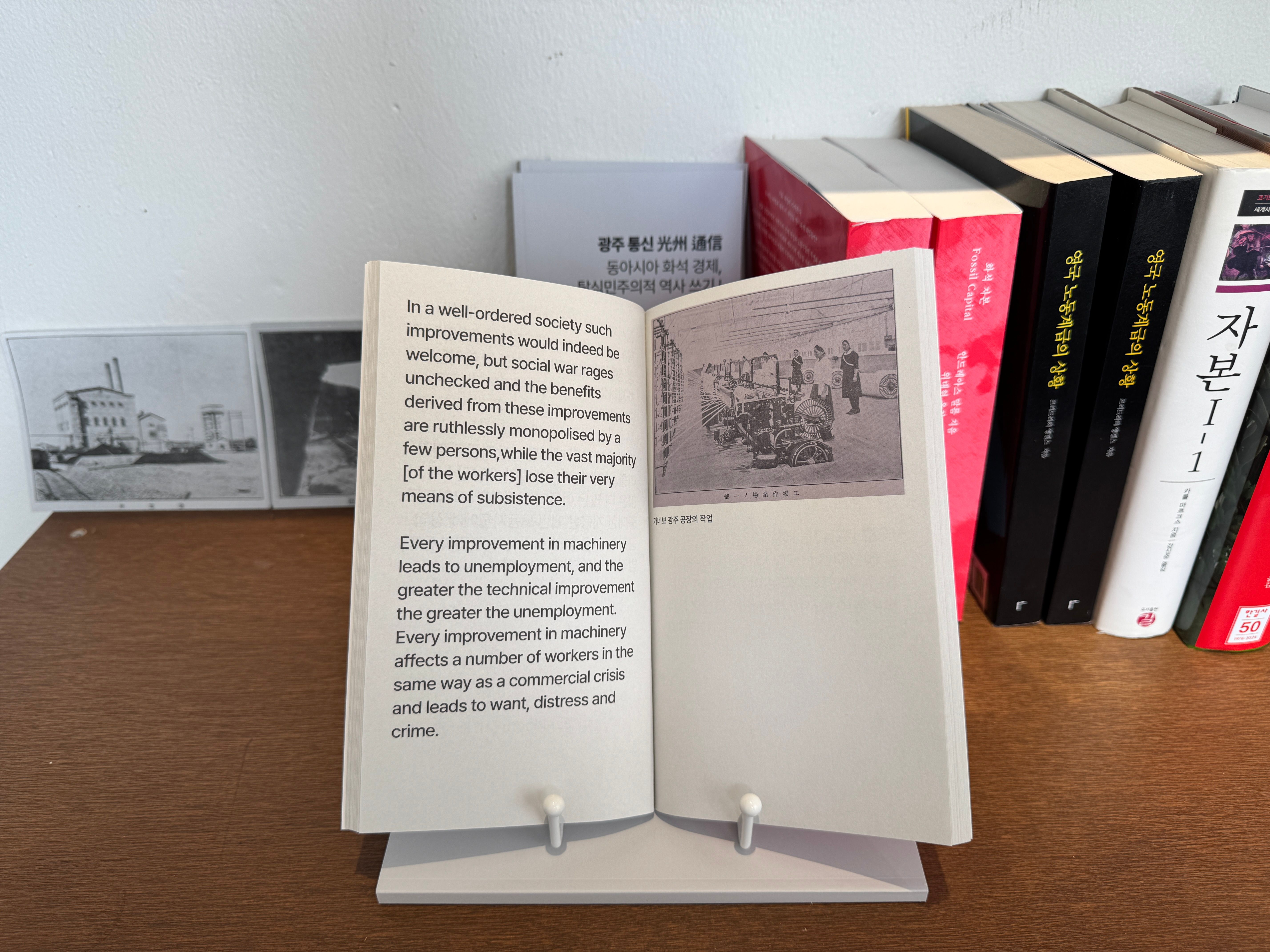
Cultural critic and artist Dongjin Seo traces Gwangju’s colonial and industrial history through the Japanese textile conglomerate Kanebo and the Hwasun coal mine, which the Japanese took over in 1934 during colonial rule. In Dispatch from Gwangju, Seo connects this colonial infrastructure to the “flying geese” model, which describes how Japan developed its industries from being labour-based to technology-based after the Second World War, a pattern of evolution that Korea and other Asian countries followed. He argues that today’s fossil-fuel-intensive Asian economies continue along tracks laid by Japanese imperialism. Seo told Ocula that his research seeks to recover the “colonial scale of domination too often effaced within the language of a planetary climate crisis”.
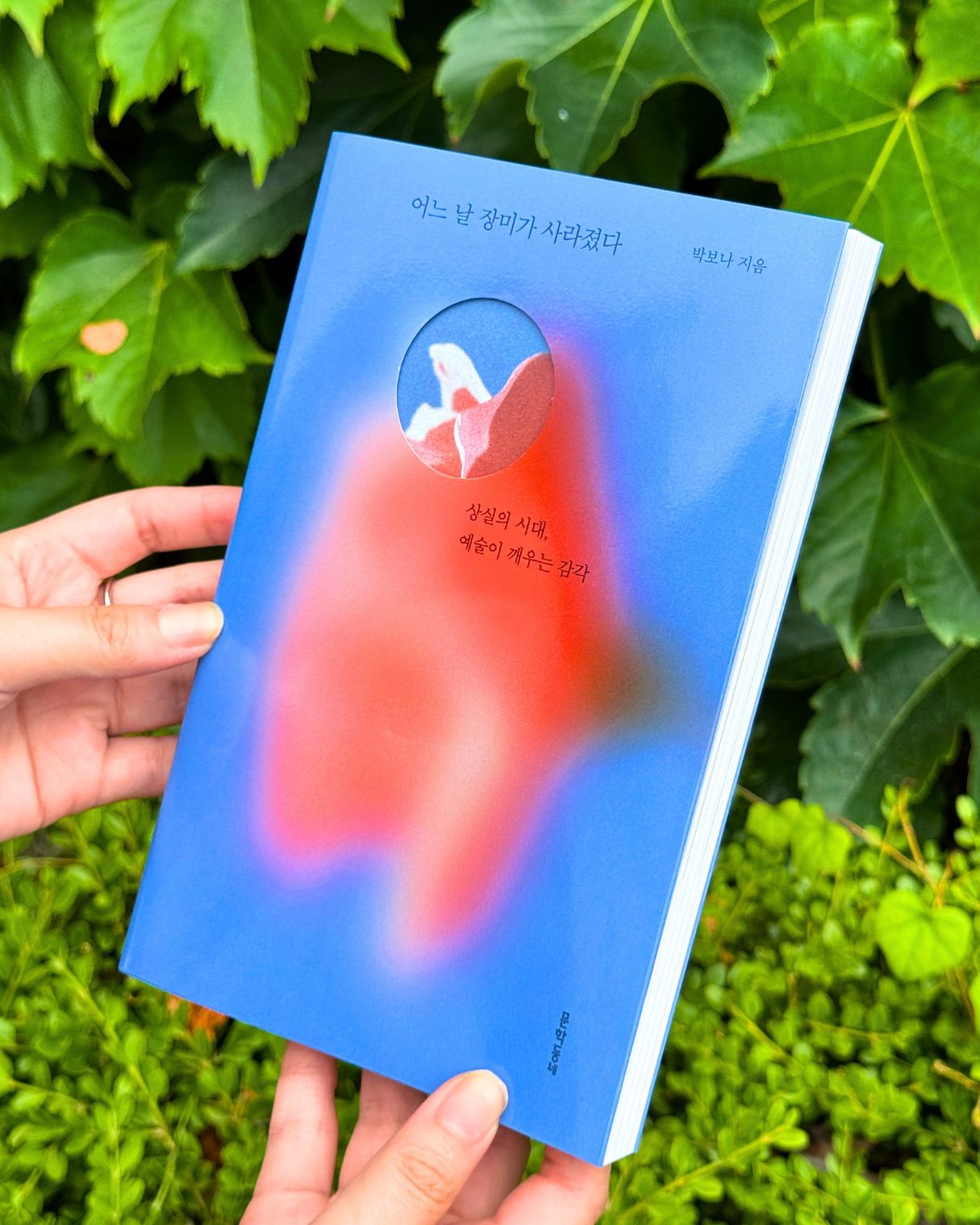
Artist Bona Park, whose conceptual practice explores the hidden labour and relationships behind everyday life, has built a second career as an essayist. Her fourth collection, One Day, the Roses Disappeared, published in Korean this summer, begins with a feeling she noticed in younger artists’ work: that of having lost something without quite knowing what. Through the work of 16 artists, alongside novels and films, Park searches for these missing “rose petals”. What can be recovered, she argues, are capacities such as sensation, friendship, imagination and attention. She points to the South Korean mixed media artist Koo Jeong A as exemplifying one such route back. For Jeong A’s entry to the 2024 Venice Biennale, Odorama Cities (2024), for instance, they interpreted their memories of Korea as scents. As Park writes, the artist shows how we might cultivate “more acutely opened senses”. —[O]

A respected voice in contemporary art discourse.
Focusing on ambitious storytelling and insightful art-world commentary. Ocula Magazine publishes in-depth interviews, critical essays and timely analysis on the artists, exhibitions and ideas driving the global art world.
Learn more about Ocula Magazine
Showcasing the best of the art world.
Ocula partners with galleries from around the world to highlight their artists, artworks and exhibitions. Gallery membership is by application and invitation, with each member vetted by an independent panel.
Learn more about Ocula Membership
Specialises in the sale of major artworks.
Led by a team with deep ties to the world’s leading auction houses, galleries and collectors. Ocula’s advisory team offers bespoke services to high-net-worth clients from around the world who are looking to acquire the best of contemporary and modern art.
Learn more about our team and services