Press Release

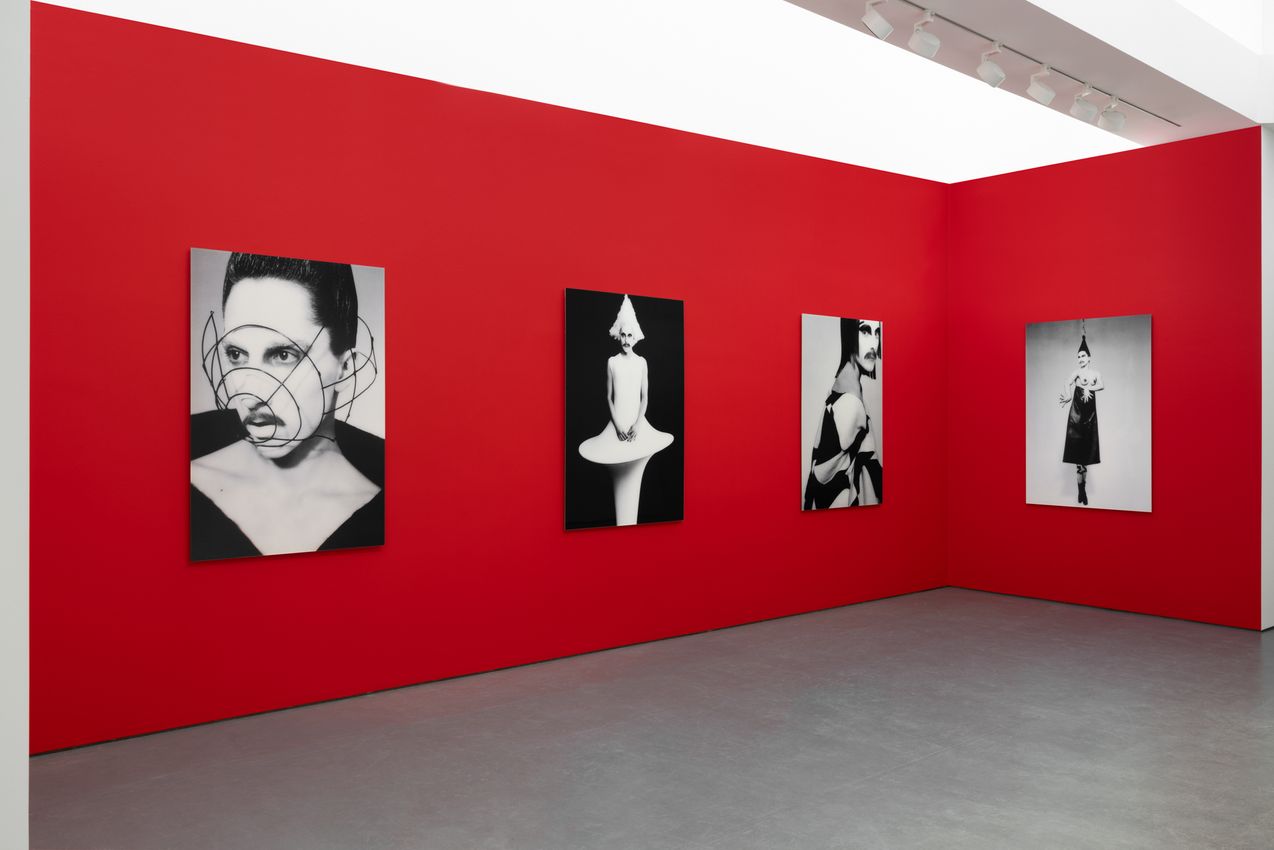
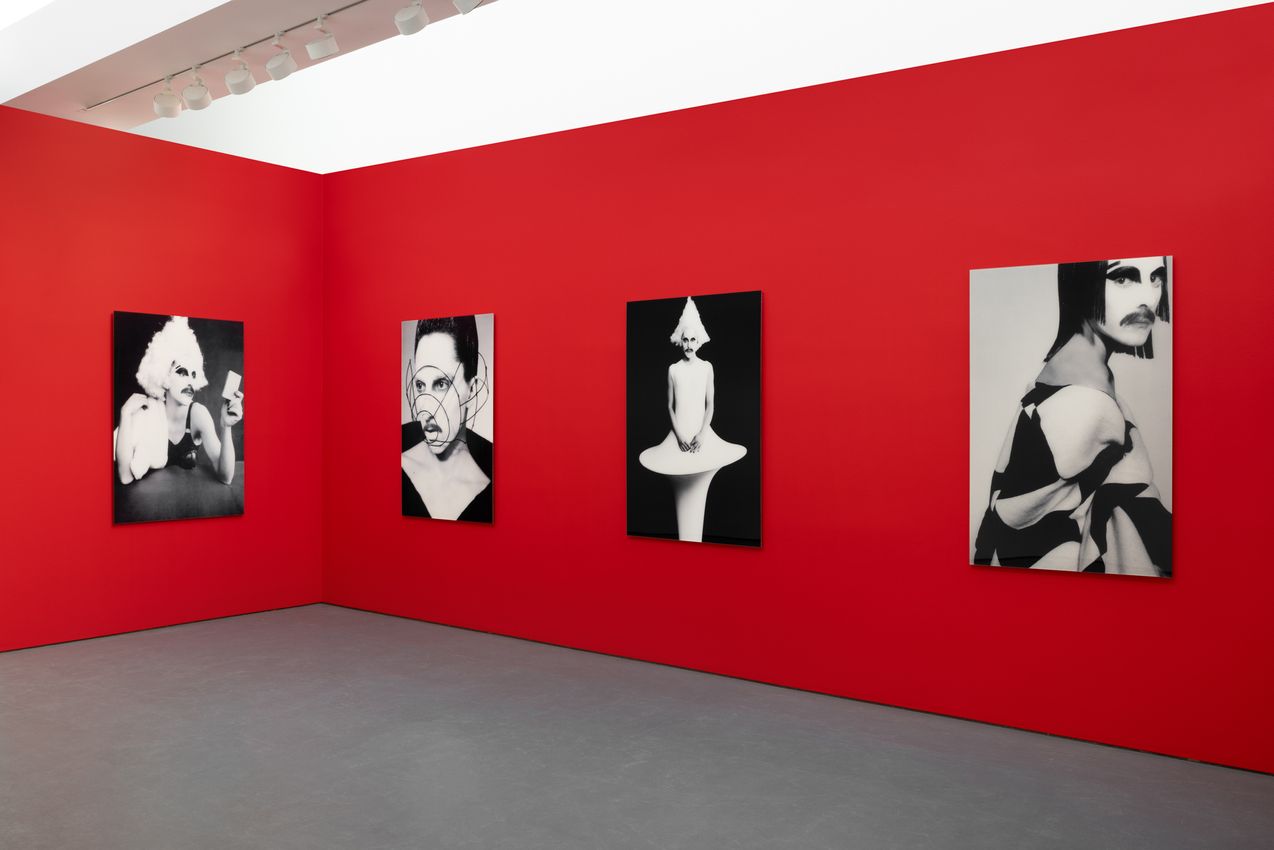
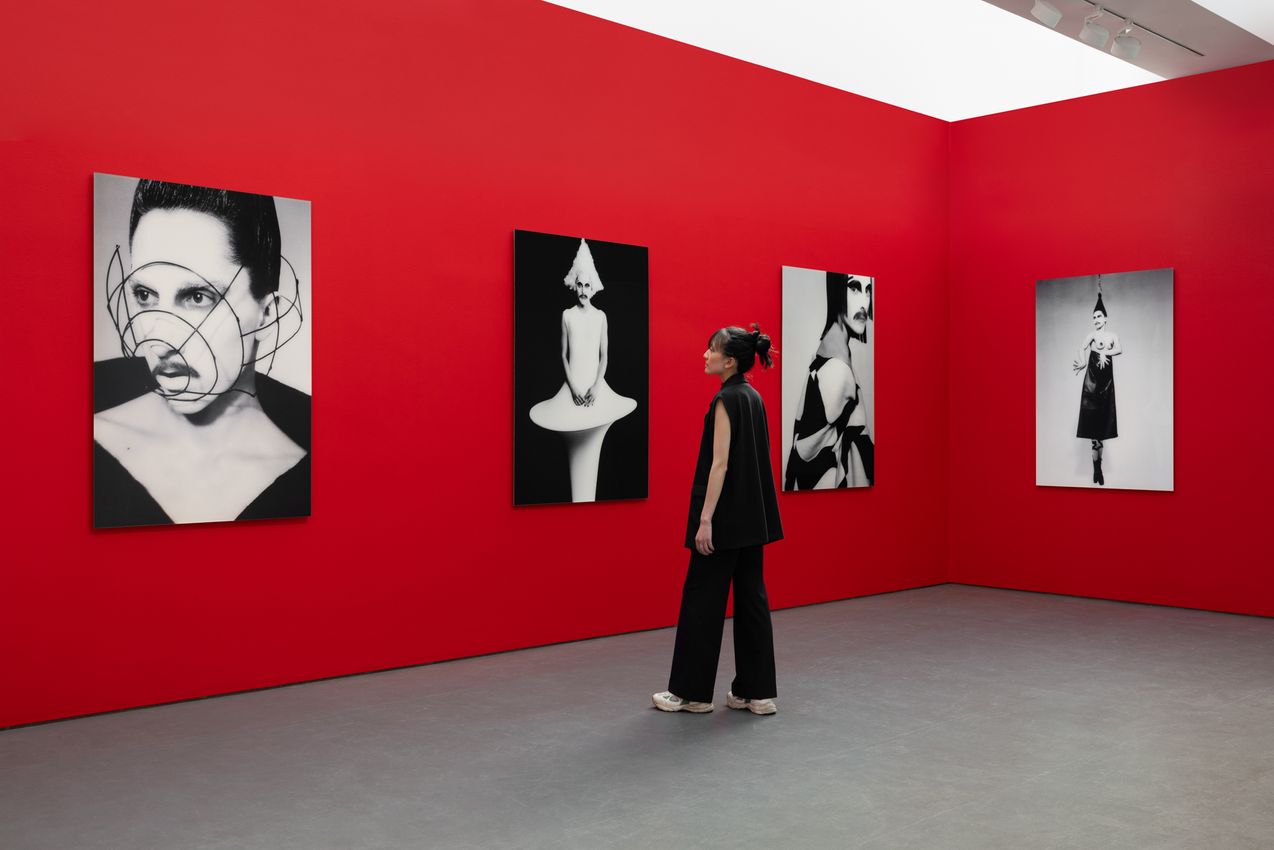
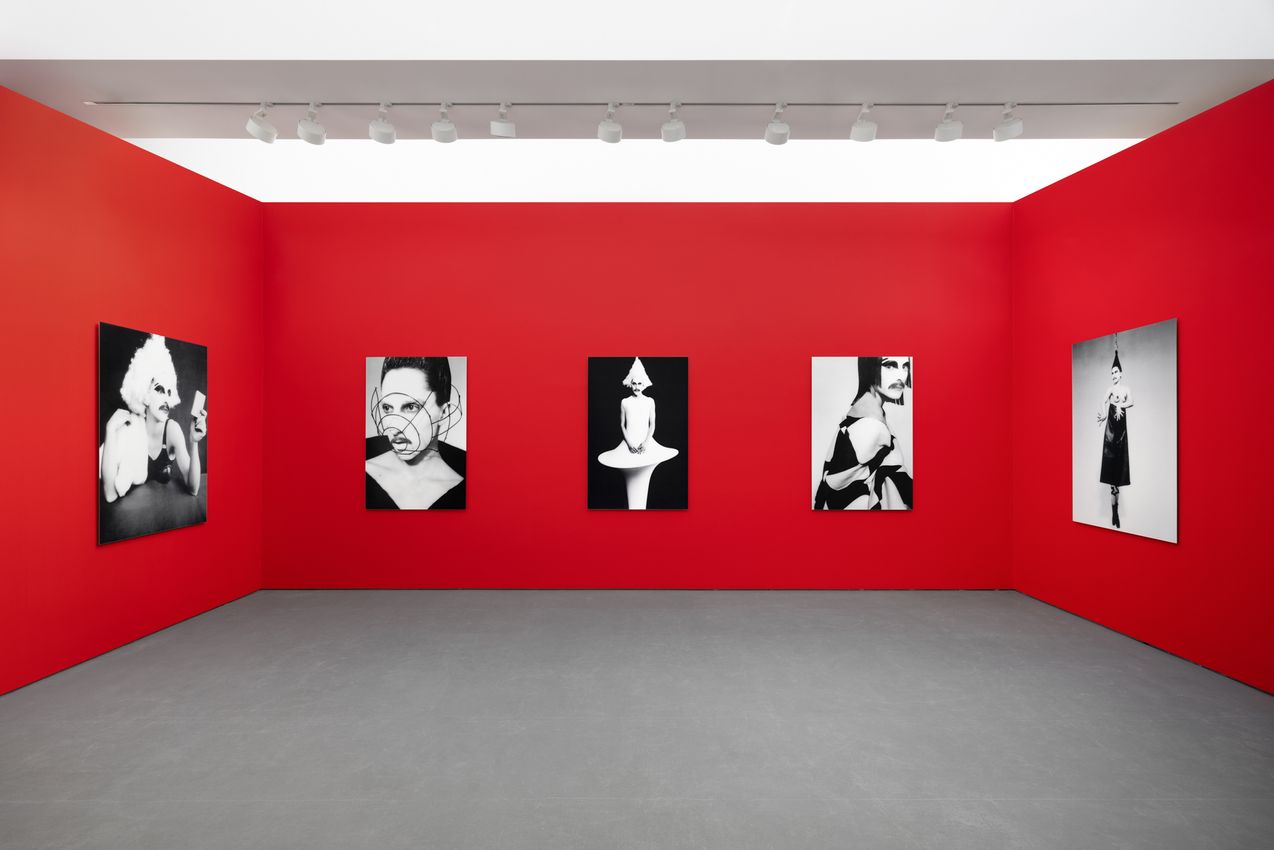
Which place did you leave? Why don’t you live there anymore? And where did you move? The statement astitle i don’t live here anymore immediately raises questions that will most likely remain unanswered, but itdoesn’t matter. It looks like a good place, with room to express oneself; to deepen understanding of the self;to experiment with fetishist interests; to play with gender; to show fierceness as much as vulnerability; toprobe the sculptural potential of the body by morphing it into abstraction.

Nevertheless, it is not only a space of joy and happiness, as the photos’ references to Pierrot indicate—aquietly observing archetype known to symbolize a sense of melancholy. What is the melancholy about? Isit about what one leaves behind when moving away, moving on or up? Goodbyes are indeed always part ofchange, markers of transition to move into a new mode, state, or phase.

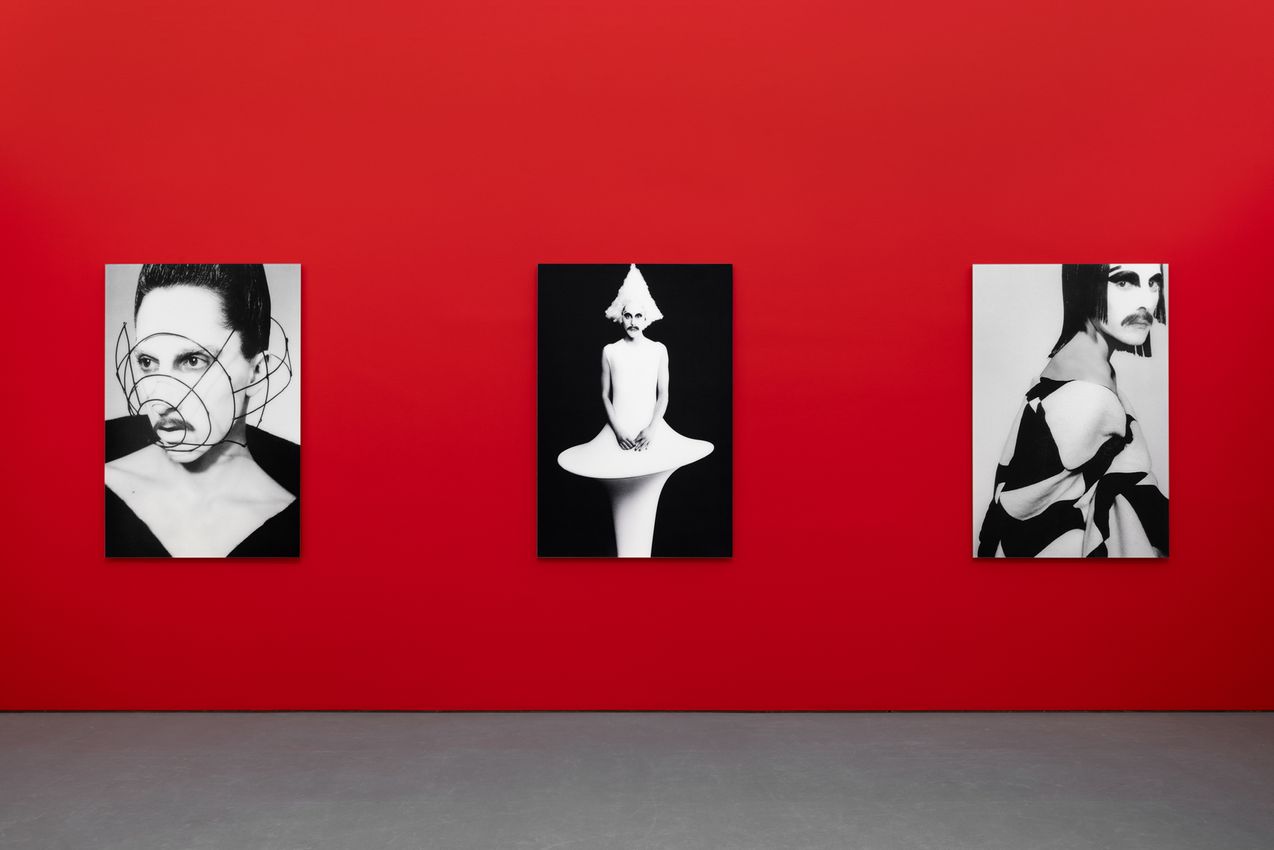
A certain ease with change is, however, also discernable in these five photos, as much as in the larger bodyof Rondinone’s photographic work to which this suite belongs. The photos portray Rondinone as compelling,timeless archetypes, transformed into ambiguous idiosyncratic figures: the femme fatale dressed entirely inblack; the dreamy hippie girl; the Viennese actionist-cum-seductive-androgynous-butcher; the undergroundmusic type; and, as presented here, a fetish version of Pierrot in a sculptural, Dadaist-like outfit. Altogether,the photos show an enjoyment of androgyny; the possibility to alternate identities; and the concept of genderfluidity that was made intelligible after years of emancipatory work. As the body of work exemplifies, one canshift character, if one understands how to use the tools of performativity.

But what about the references to Dadaism? Isn’t it often considered the big bang of modernism, heraldinga time of rapid change? Indeed, after its 1916 proclamation with a manifesto, various other modernist movements took off—not irregularly drawing on the eclectic Dada movement, which was against any kind ofprewritten form and thrived on ambiguity. More than eighty years later, i don’t live here anymore was createdat the dawn of a new era too, namely the digital age. In it, imagery and image-making have taken a radicalturn because of the exponential progress of the internet and digitalization processes, which transmuted intosocial media where decentralized mechanisms of image distribution would let subjectivity blossom—with allits advantages and disadvantages.

There is yet another anachronistic reference to decipher: the muzzle—with its flawless lines that stylisticallyresemble the line flow of constructivism—emphasizes and extends the shape of the face, but also disclosesits grid-like structure, almost as a precursor to biometric facial recognition of today. Combined with the fiercegaze into the abyss, which looks like a Nietzschean warning that the abyss also gazes back, it is as thoughthe downsides of the dawning digital age are already identified.

Besides Rondinone’s reflection on performativity and transformation, these interpretations and thoughtsseek to unravel how i don’t live here anymore renders the notion of timelessness palpable. Taking eternallyrecurring archetypes as subject matter, the artist modifies and reinterprets them, plays around with them andexplores their potential in relation to his own subjective being, placing them in a realm of ambiguity to renderthem ubiquitous and unique at the same time. As such, Rondinone shows that no matter how alienatingsomething may seem, one can always discern one’s own connections. It is the shimmering yet powerfulfamiliarity one finds in a déjà vu.

Press release courtesy Esther Schipper. Text: Léon Kruijswijk.

Read More

Installation Views

About the Artist

Referring concurrently to the natural world, romanticism and existentialism, the works of Ugo Rondinone encapsulate a ‘mental trinity’ that has underpinned his art for thirty years.

View Artist Profile

Also Exhibiting at Esther Schipper

About the Gallery

Esther Schipper founded the gallery in 1989 in Cologne. In 1997 the gallery relocated to Berlin. Through more than three decades of continuous exhibition practice, the gallery has established itself as a major force not only in Germany but in an international context, with offices in Paris and Seoul and representatives in France, Spain, the United States, Latin America, South Korea, Taiwan and China. The gallery holds up to ten gallery exhibitions as well as multiple off-site projects each year and participates in leading art fairs across the globe.

View Gallery Profile
Address
Potsdamer Strasse 81E
Berlin
Germany
Opening Hours
Tues - Sat, 11am - 6pm
And by appointment
(1)
Berlin Potsdamer Strasse 81E
Esther Schipper
Potsdamer Strasse 81E, Berlin, Germany
+49 303 744 331 33
http://www.estherschipper.com

Opening hours
Tues - Sat, 11am - 6pm
And by appointment
The art world in focus