




CECILIA VICUÑA
b. 1948, ChileCecilia Vicuña (born Santiago, Chile, 1948) is a poet, artist, and activist whose ephemeral installations, sculptures, and performances have established her as one of Latin America’s most influential figures in contemporary art, recognised with major honours including the Golden Lion for Lifetime Achievement at the 59th Venice Biennale in 2022 and Art Basel’s inaugural Icon Artist Gold Medal in 2025.
Characterised by ritual and collective action, Vicuña’s practice spans sculpture, poetry, site-specific installation, film, sound, and performance, and has addressed themes of climate change, ecological destruction, women’s rights, colonialism, and cultural memory since the 1960s.
Vicuña has devoted her career to reclaiming Indigenous knowledge from her Chilean homeland and placing it in critical dialogue with contemporary global realities, using this ancestral wisdom as a poetic counterforce to extractive capitalism and environmental devastation. Through poetry, painting, installation, and ritual performance, she seeks to stir collective consciousness in her audiences and to challenge the destructive forces threatening both planetary and human survival.
Early Life and Career
Cecilia Vicuña was born in Santiago, Chile, and studied at the Escuela de Bellas Artes at the Universidad de Chile before continuing postgraduate studies at the Slade School of Fine Art in London. Following the Chilean military coup in 1973, she entered exile and went on to live between London, Bogotá, and New York, an experience that has shaped her sustained engagement with displacement, memory, and Indigenous knowledge systems.
Cecilia Vicuña’s Early Years
Born into a family of artists and writers, Vicuña began writing and drawing intensively as a child, and in 1964 her father built a studio in the family garden where she produced large abstract paintings throughout her teenage years. Her artistic awakening came in 1966, at the age of seventeen, when a simple gesture on a beach—planting a stick upright in the sand—revealed to her the interconnectedness of all things and marked the conscious beginning of her art practice.
While in exile in London, Vicuña focused on political activism, taking part in peaceful protests against fascism and human rights abuses in Chile and elsewhere. In 1974 she co-founded the collective Artists for Democracy and helped organise the Arts Festival for Democracy in Chile at the Royal College of Art, using art as a vehicle for international solidarity.
In 1975, Vicuña left London for Bogotá, Colombia, where she undertook independent research into Indigenous art and culture, travelling extensively through Colombia, Venezuela, and Brazil and collaborating with theatre groups such as Teatro La Candelaria and Corporación Colombiana de Teatro on stage designs. She moved to New York City in 1980, later marrying artist César Paternosto, and during the 1980s exhibited in venues including the Museum of Modern Art, New York. In 1990 she presented Precarious at Exit Art in New York, one of several significant solo exhibitions she held in the United States during that decade.
Cecilia Vicuña Artworks
Cecilia Vicuña’s artworks span precarious installations, paintings, performances, films, and poetry, often using found or fragile materials to emphasise impermanence and ecological vulnerability. Drawing on the Andean quipu—an ancient knot-based system of record-keeping—she creates large-scale fibre installations that connect Indigenous cosmologies with urgent environmental and social concerns, and she is particularly known for two ongoing bodies of work developed since the 1960s: precarios and quipus.
Quipus, precarios and Lo Precario
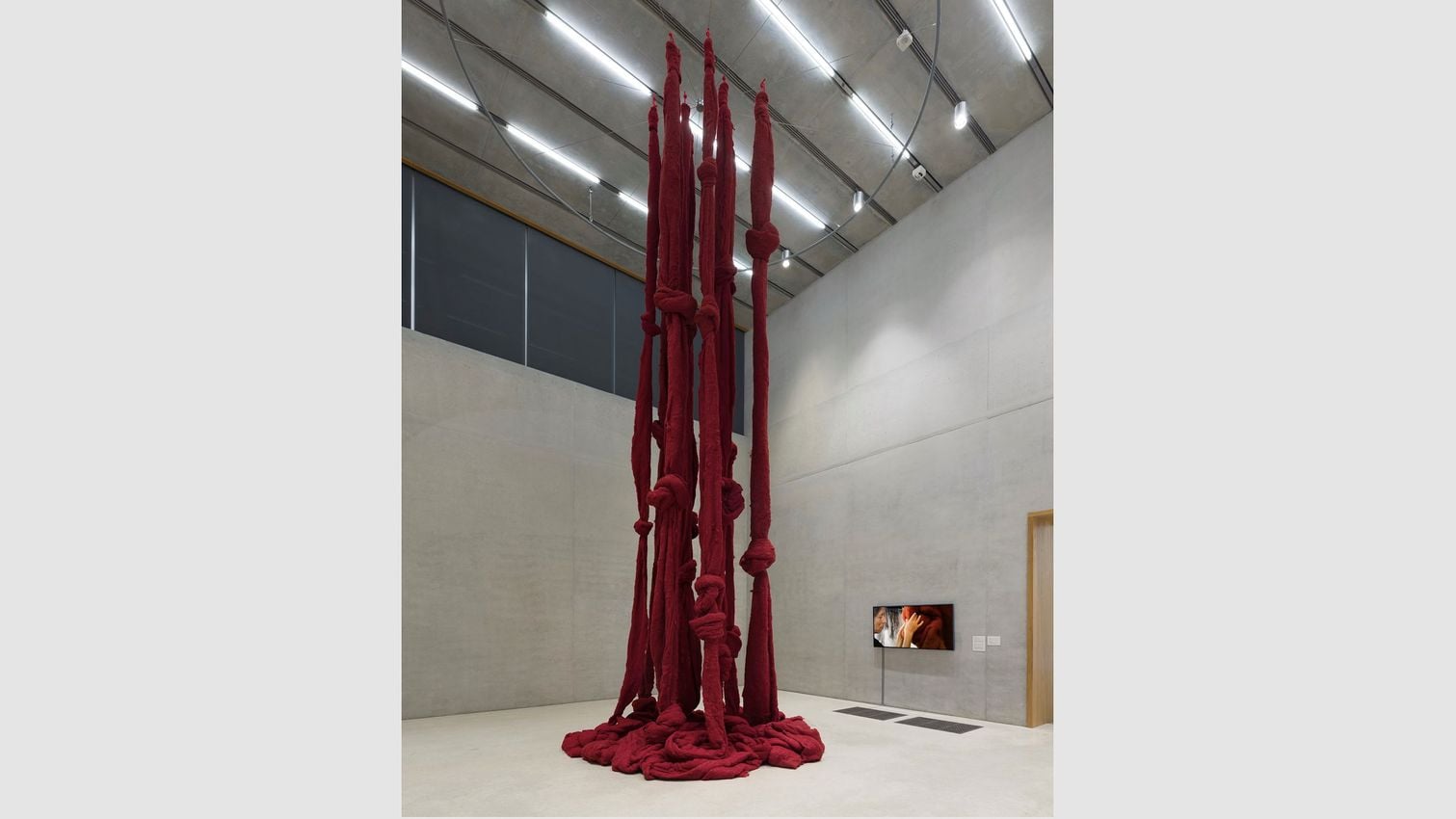
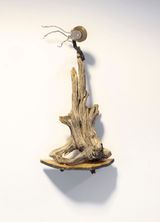
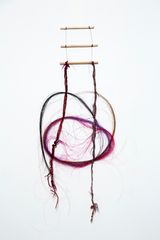
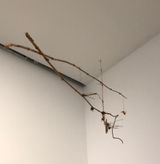
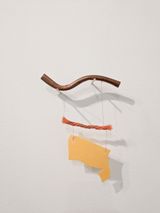
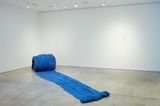
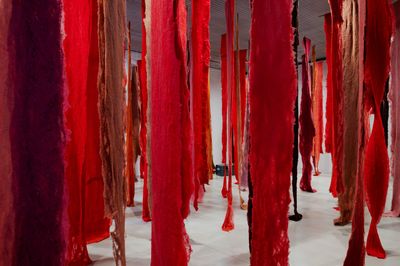
Beginning in the 1960s, Vicuña developed precarios: small, improvised assemblages of sticks, threads, feathers, shells, and other debris placed in the landscape, which foreground fragility, chance, and the transformation of waste into poetic form. Her later quipu works, made from knotted lengths of dyed and unspun wool suspended in space, translate an ancient Andean system of communication into immersive installations that evoke pre-Columbian knowledge and contemporary climate breakdown.
These impermanent sculptures form the core of her widely known series Lo Precario (The Precarious), a loose grouping of ephemeral and often participatory works intended to bridge the gap between art and life. Early pieces such as the 1960s Basuritas (Little Rubbish)—assemblages of natural and man-made debris sometimes bound by string and left in situ to be altered or erased by tides and weather—embody her interest in ‘permanent impermanence’ and the healing potential of collective intention.
Poetry, Performance, and Activism
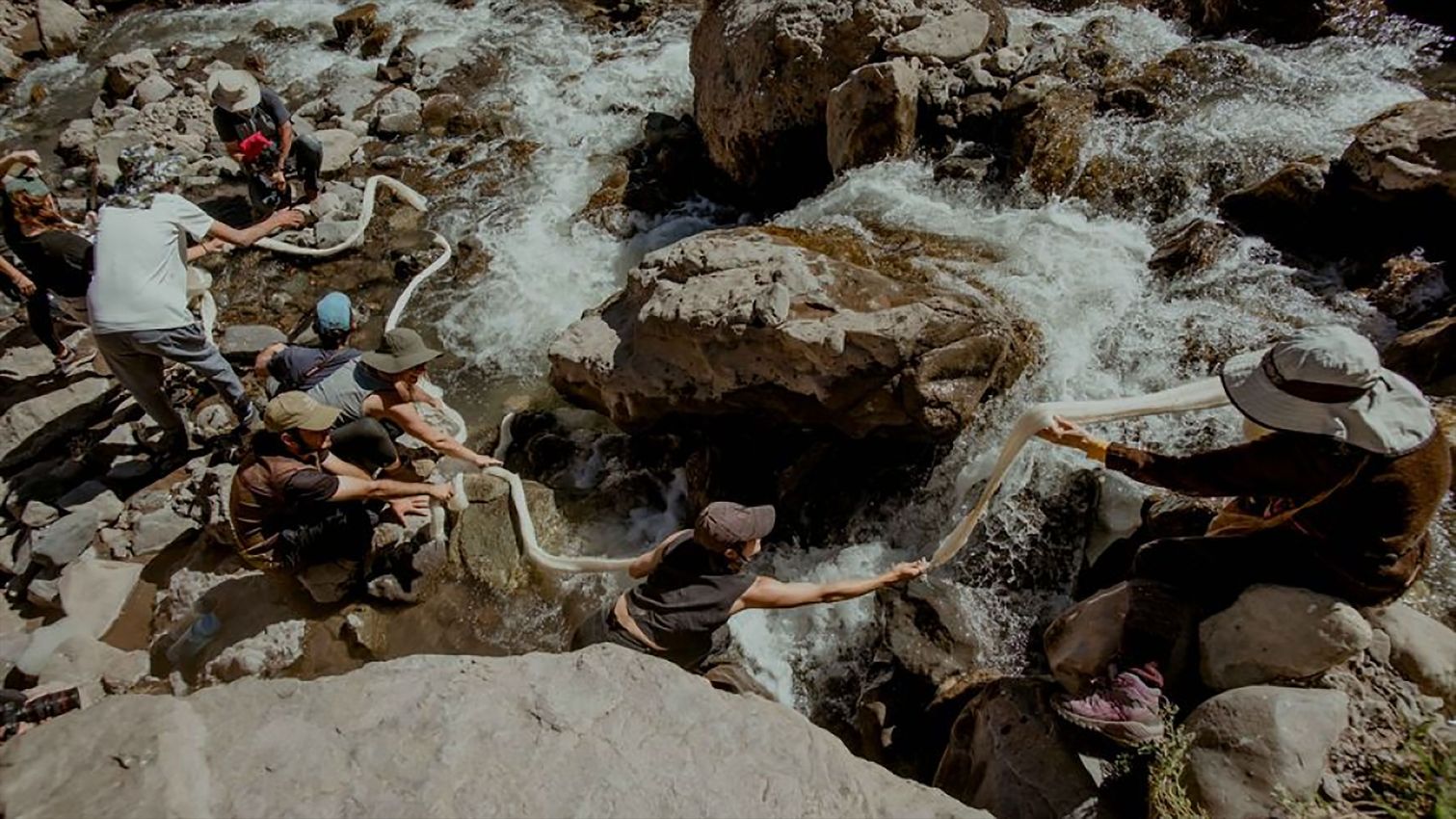
Vicuña’s practice also encompasses collective, ritual-like performances staged in vulnerable or politically charged sites, often addressing environmental destruction and, in particular, the loss and contamination of water. In works such as El Vaso de Leche (The Glass of Milk, Bogotá, 1979), she used a simple act—spilling a glass of white paint before an audience—to protest the deaths of children caused by contaminated milk, underscoring how poetic gestures can expose corporate violence.
Alongside her installations and performances, Vicuña has published numerous volumes of poetry, frequently performing her texts internationally in conjunction with exhibitions and recording them in audio and video archives, including PennSound and the collection Spit Temple: The Selected Performances of Cecilia Vicuña. Her paintings and performances interweave text, bodily gesture, and political commentary, reflecting her conviction that art, language, and activism are inseparable.
Cecilia Vicuña Paintings
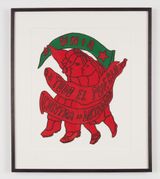
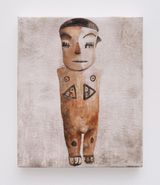
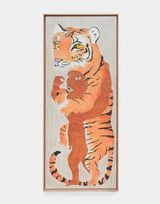
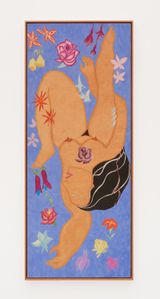
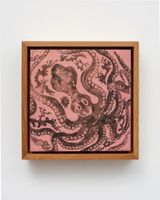
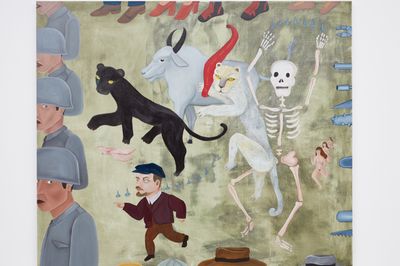
Vicuña’s paintings, which she began as a teenager, range from early abstract works to later figurative canvases that merge surrealist imagery with Andean symbolism and feminist themes. Working in thin layers of oil on luminous, monochrome grounds, she renders finely detailed figures, self-portraits, and cosmological scenes that echo her broader interest in weaving bodies, landscape, and language into a single visual field.
Cecilia Vicuña Films
Since the late 1970s, Vicuña has also developed a substantial body of film and video works that combine documentary, poetry, and performance. Key titles such as What Is Poetry to You? (1980) and Kon Kon (2010) use conversational interviews, ritual actions, and coastal landscapes to explore questions of memory, community, and the environmental damage inflicted on the Chilean shoreline where her practice first began.
Cecilia Vicuña Exhibitions and Recognition
In 2022, the Solomon R. Guggenheim Museum in New York presented Cecilia Vicuña’s first solo exhibition at a major New York institution, Spin Spin Triangulene, which brought together paintings from across her career alongside site-specific quipu installations and films. That same year, her large-scale fibre installation Brain Forest Quipu transformed Tate Modern‘s Turbine Hall with a hanging forest of dyed rope and sound, addressing deforestation and environmental crisis.
Vicuña’s work has since been the subject of major solo exhibitions at Museo de Arte Miguel Urrutia in Bogotá, Centro de Arte Dos de Mayo in Madrid, CCA Wattis Institute in San Francisco, and Museo Universitario de Arte Contemporáneo in Mexico City, among others. In 2024, Pérez Art Museum Miami organised a one-person exhibition centred on Quipu Gut (2017), an installation acquired by the museum in 2019 that connects Andean cosmologies, feminist perspectives, and environmental concerns, first commissioned and shown at documenta 14 in Kassel.
Vicuña has participated in key international exhibitions including documenta 14 in Athens and Kassel and the 59th Venice Biennale, where her quipu works on Andean cosmologies and ecology attracted wide critical attention and contributed to her subsequent honours, including major international awards.
Selected Awards and Accolades
- Art Basel Awards Icon Artist Gold Medal, Art Basel Miami Beach
- Golden Lion for Lifetime Achievement, 59th International Art Exhibition, La Biennale di Venezia
- National Prize for Plastic Arts, Chile (Premio Nacional de Artes Plásticas)
- Premio Velázquez de Artes Plásticas, Spanish Ministry of Culture
- Honorary Foreign Member, American Academy of Arts and Letters
Cecilia Vicuña FAQs
Who is Cecilia Vicuña?
Cecilia Vicuña is a Chilean-born poet, visual artist, and activist known for her ephemeral installations, quipu sculptures, and politically engaged performances that connect Indigenous worldviews with contemporary ecological and social issues.
What is Cecilia Vicuña best known for in art?
Cecilia Vicuña is best known for her quipu-based installations and ‘precarios’, assemblages made from simple materials that explore memory, climate crisis, and cultural survival through a poetic visual language.
What major awards has Cecilia Vicuña received?
Cecilia Vicuña has received Art Basel’s inaugural Icon Artist Gold Medal, the Golden Lion for Lifetime Achievement at the Venice Biennale, Chile’s National Prize for Plastic Arts, and Spain’s Premio Velázquez de Artes Plásticas, among other honours.
Where can I see work by Cecilia Vicuña?
Work by Cecilia Vicuña is held in major museum collections worldwide and has been exhibited at institutions such as the Guggenheim Museum in New York, Museo de Arte Miguel Urrutia in Bogotá, and Museo Universitario de Arte Contemporáneo in Mexico City.
Where does Cecilia Vicuña live?
Cecilia Vicuña divides her time between Chile and the United States, reflecting the transnational and diasporic character of her life and practice.
How is Cecilia Vicuña’s name pronounced?
Cecilia Vicuña’s name is commonly pronounced ‘seh-SEE-lee-ah vee-KOON-ya’, with the ‘ñ’ sounded as ‘ny’.
Ocula | 2025

















Cecilia Vicuña in Ocula Magazine







Explore and Follow Artists Shaping Contemporary Art
A respected voice in contemporary art discourse.
Focusing on ambitious storytelling and insightful art-world commentary. Ocula Magazine publishes in-depth interviews, critical essays and timely analysis on the artists, exhibitions and ideas driving the global art world.
Learn more about Ocula Magazine
Showcasing the best of the art world.
Ocula partners with galleries from around the world to highlight their artists, artworks and exhibitions. Gallery membership is by application and invitation, with each member vetted by an independent panel.
Learn more about Ocula Membership
Specialises in the sale of major artworks.
Led by a team with deep ties to the world’s leading auction houses, galleries and collectors. Ocula’s advisory team offers bespoke services to high-net-worth clients from around the world who are looking to acquire the best of contemporary and modern art.
Learn more about our team and services