





‘True Art is Always Political’: Cecilia Vicuña Marries Tradition and Activism
The Chilean artist and activist talks to novelist Rachel Connolly about environmental destruction, collective working, loss and joy, as her first solo exhibition in Ireland opens. Save to My Ocula

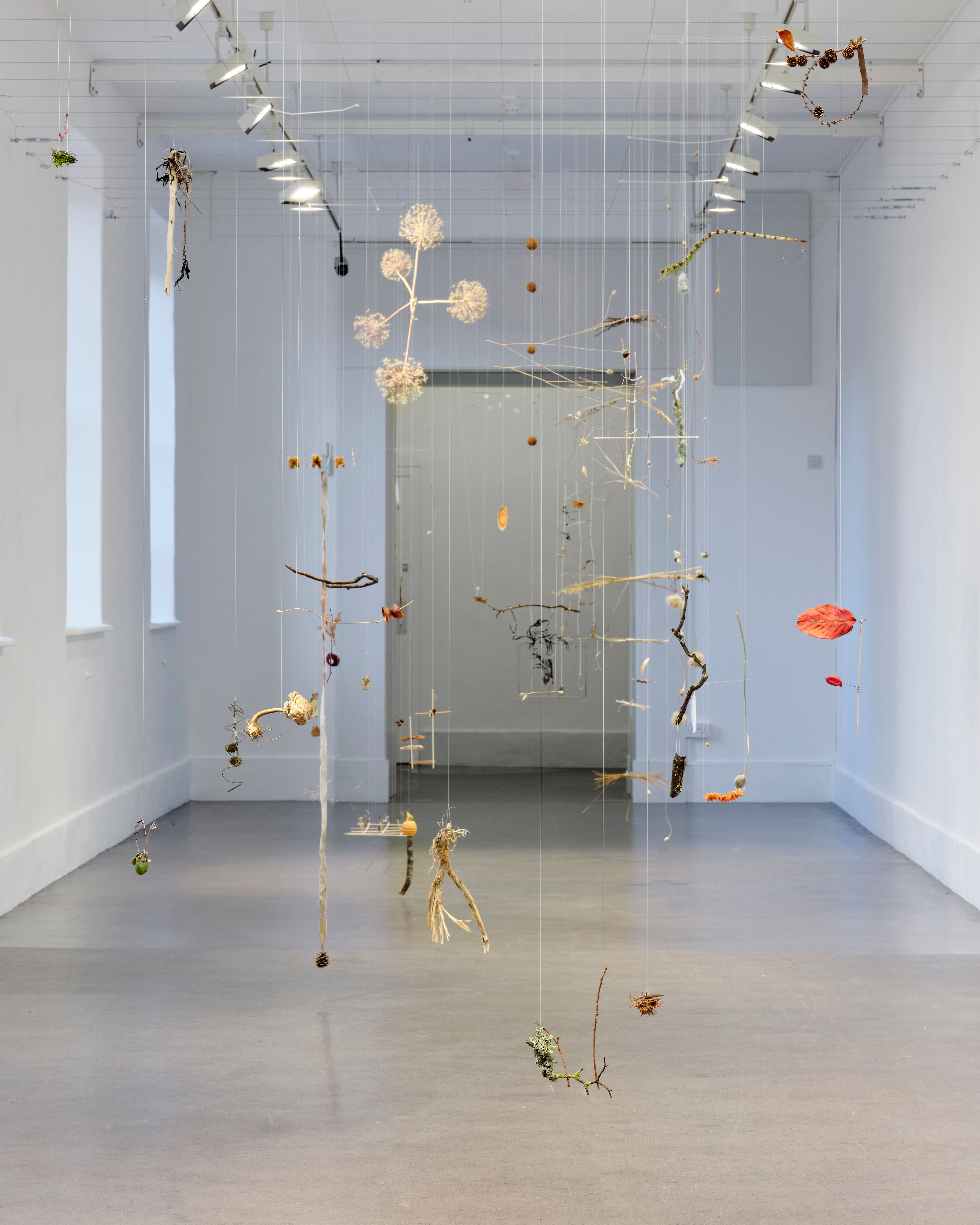
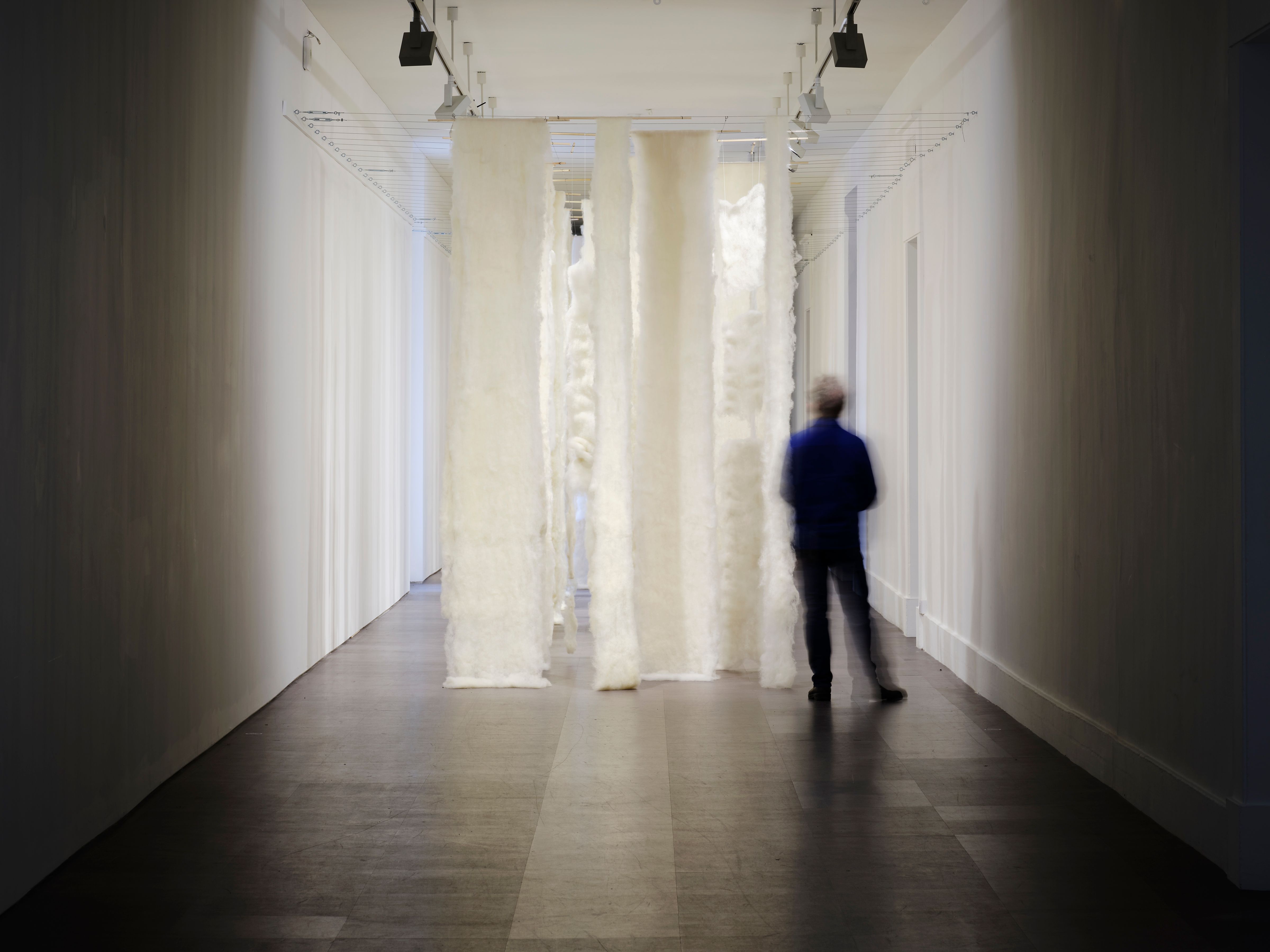
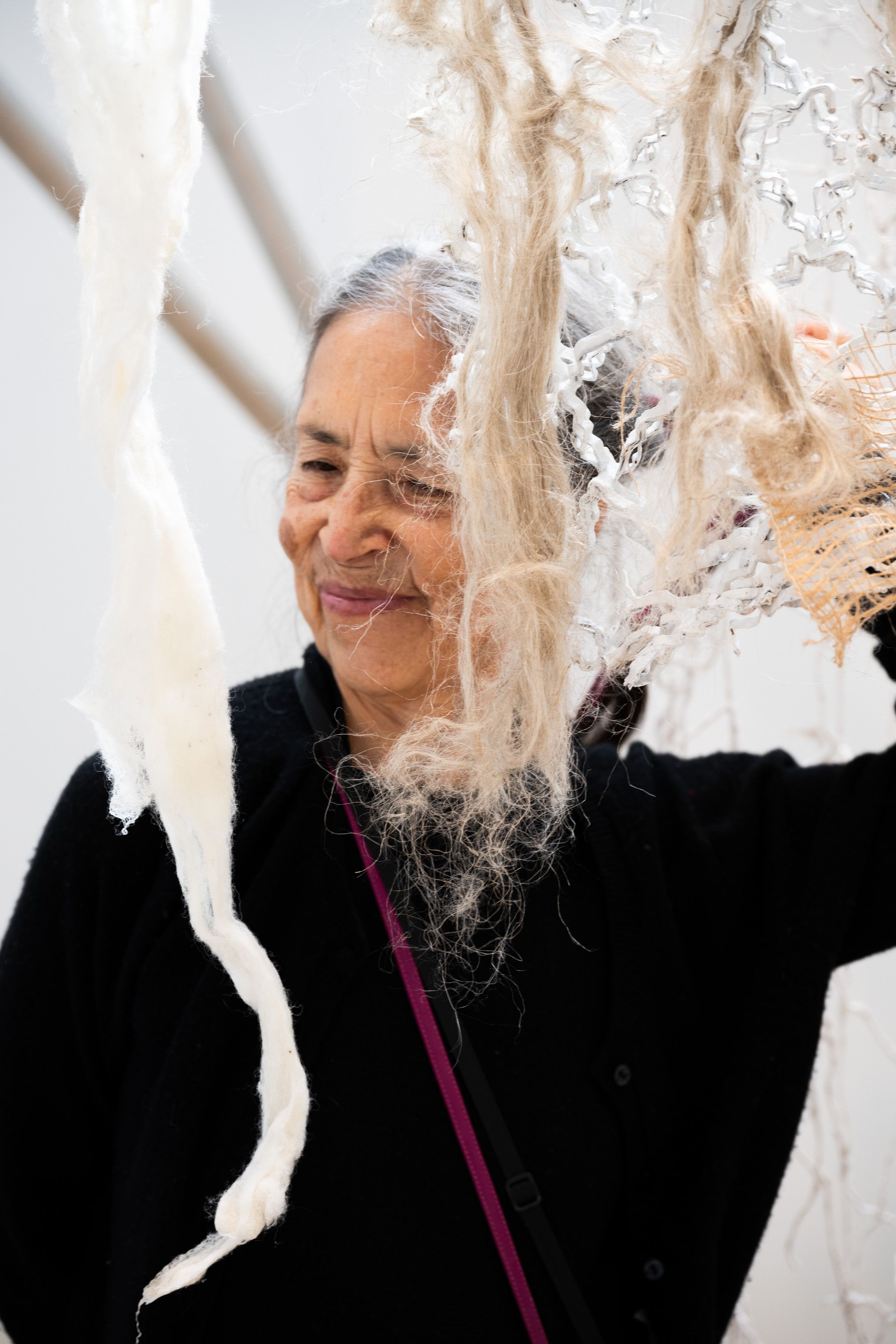
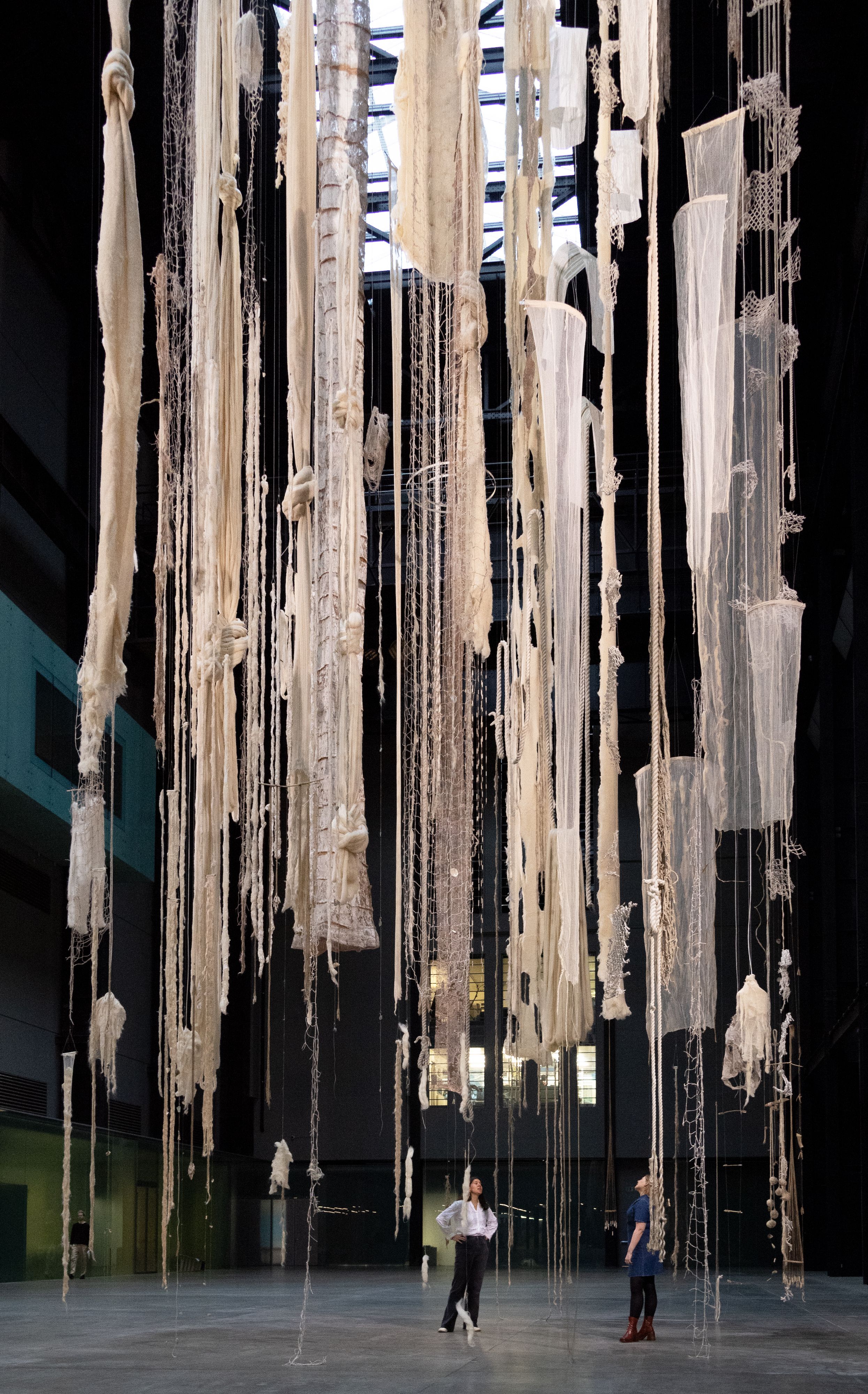
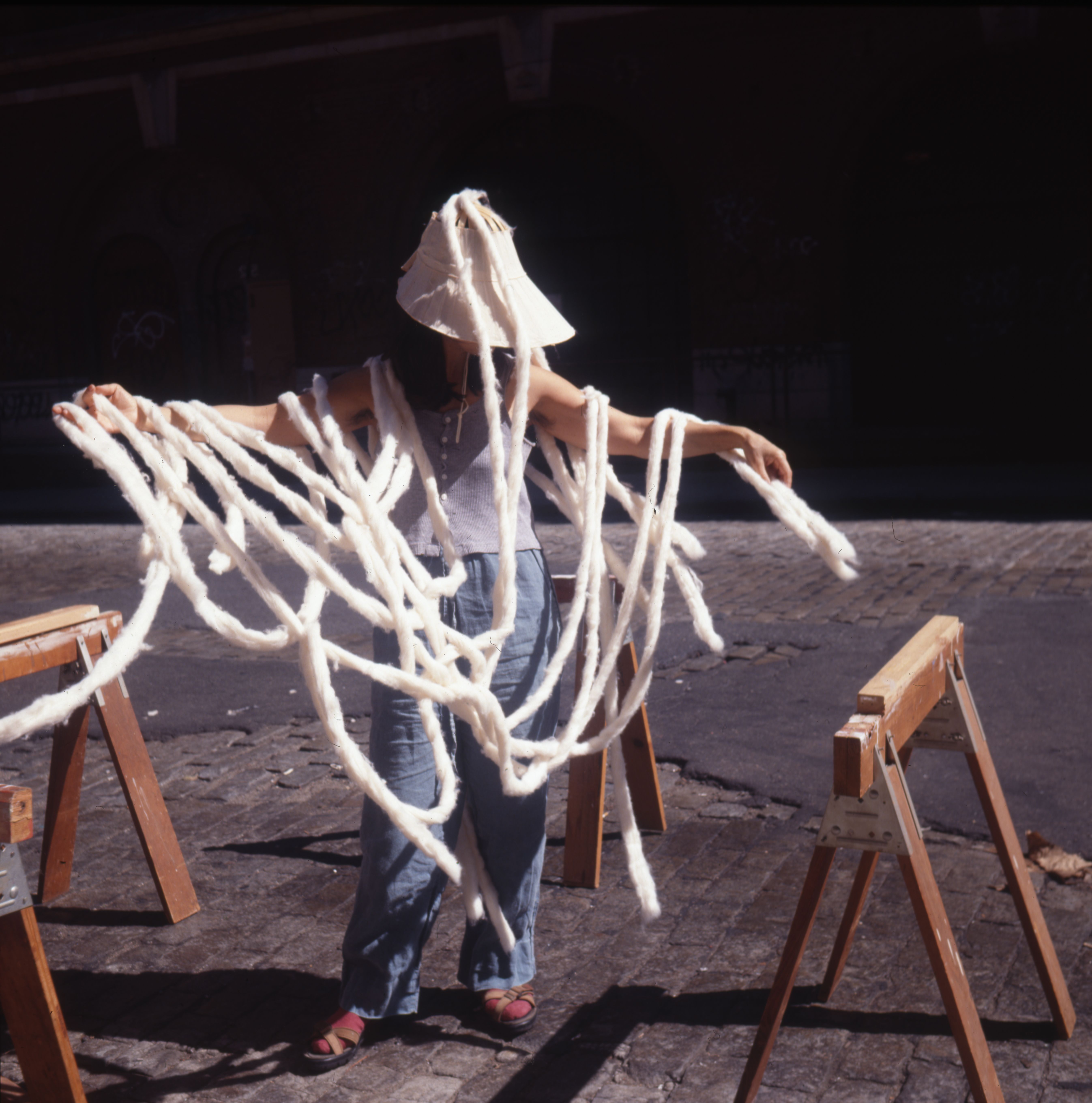
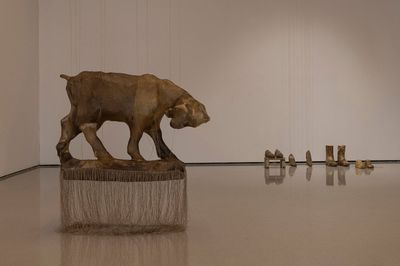
One of the central works in Reverse Migration, a Poetic Journey by Cecilia Vicuña consists of long, clotted tufts of wool suspended from the ceiling. This is the Aran Quipu (2025), which Vicuña created for this exhibition at the Irish Museum of Modern Art in Dublin, with the help of local makers, using wool from Irish sheep. A quipu is an ancient system of communication used by Andean cultures, which uses knotted cords to store and convey information. Versions of this concept, and other references to pre-capitalist cultural practices, appear again and again in Vicuña’s work.
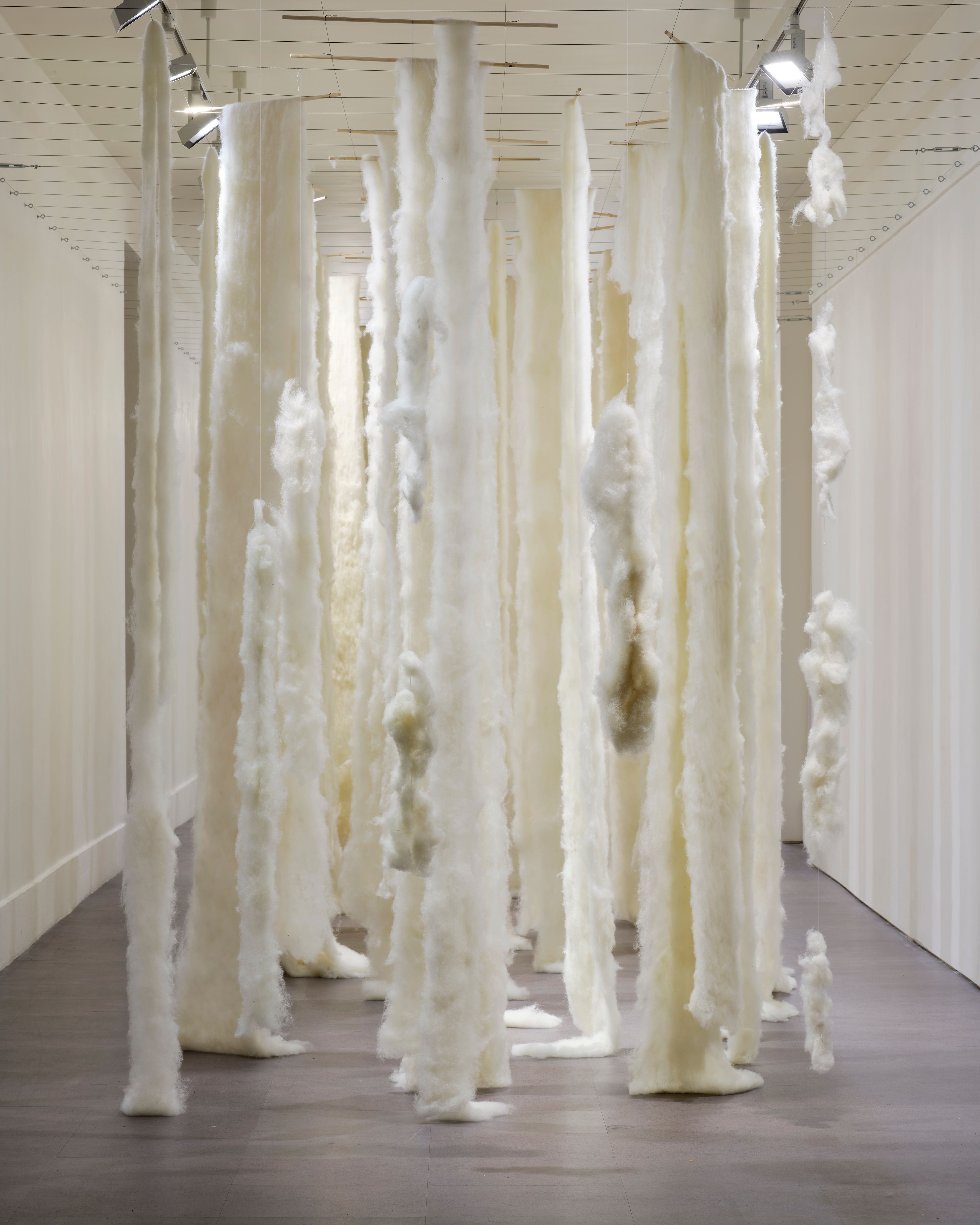
The Aran Quipu is arranged in a long, thin corridor and fills the space from floor to ceiling. From the outside it looks like a gathering of warped clouds, or a representation of heaven or a dream. And, from the inside, you must walk very slowly and bend constantly to accommodate the tufts. Up close, each one appears as a collection of fibres that barely touch, an almost impossibly detailed, intricate and vulnerable structure. The experience of walking through them is vastly calming and meditative.
Vicuña was born in Santiago in 1948 into a family full of artists. In 1973, when Pinochet led a military coup in Chile, she was studying at the Slade School of Fine Art in London on a scholarship. She was exiled. Many of her paintings were destroyed or lost during this period, some directly by Pinochet’s troops (one was bayoneted by soldiers), and others because she had little money and nowhere to store them. She was so financially precarious that she stopped painting, although she continued making art regardless.
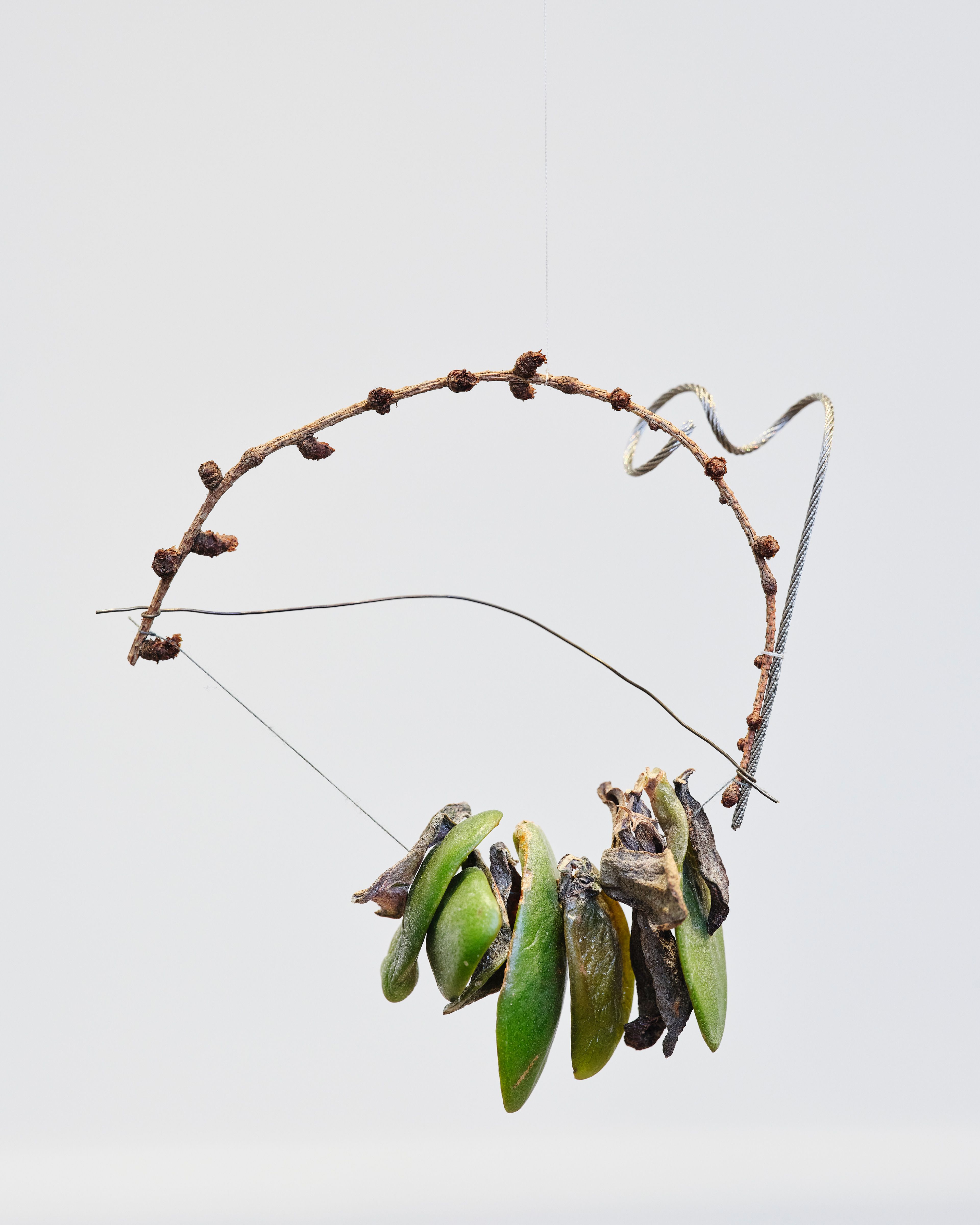
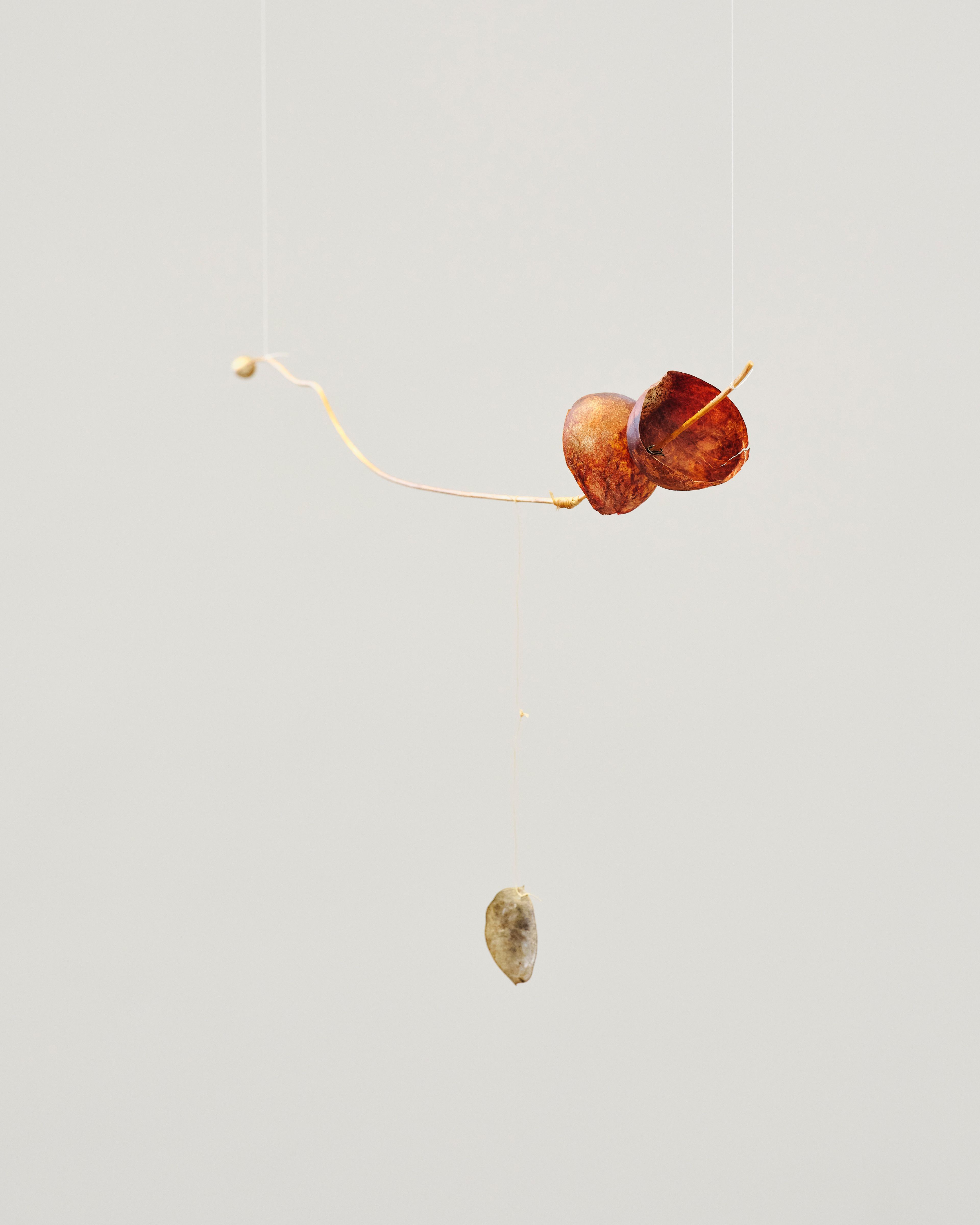
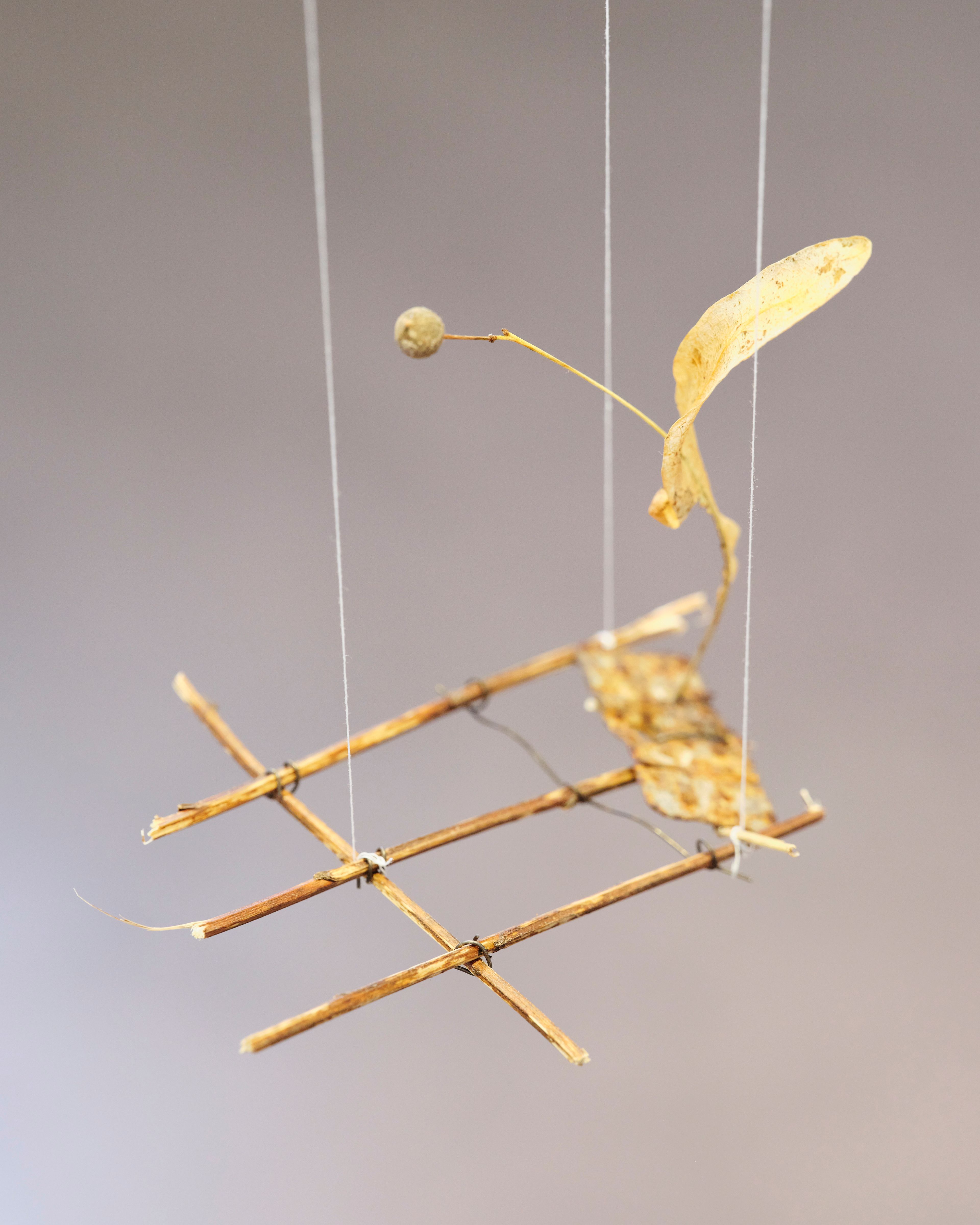
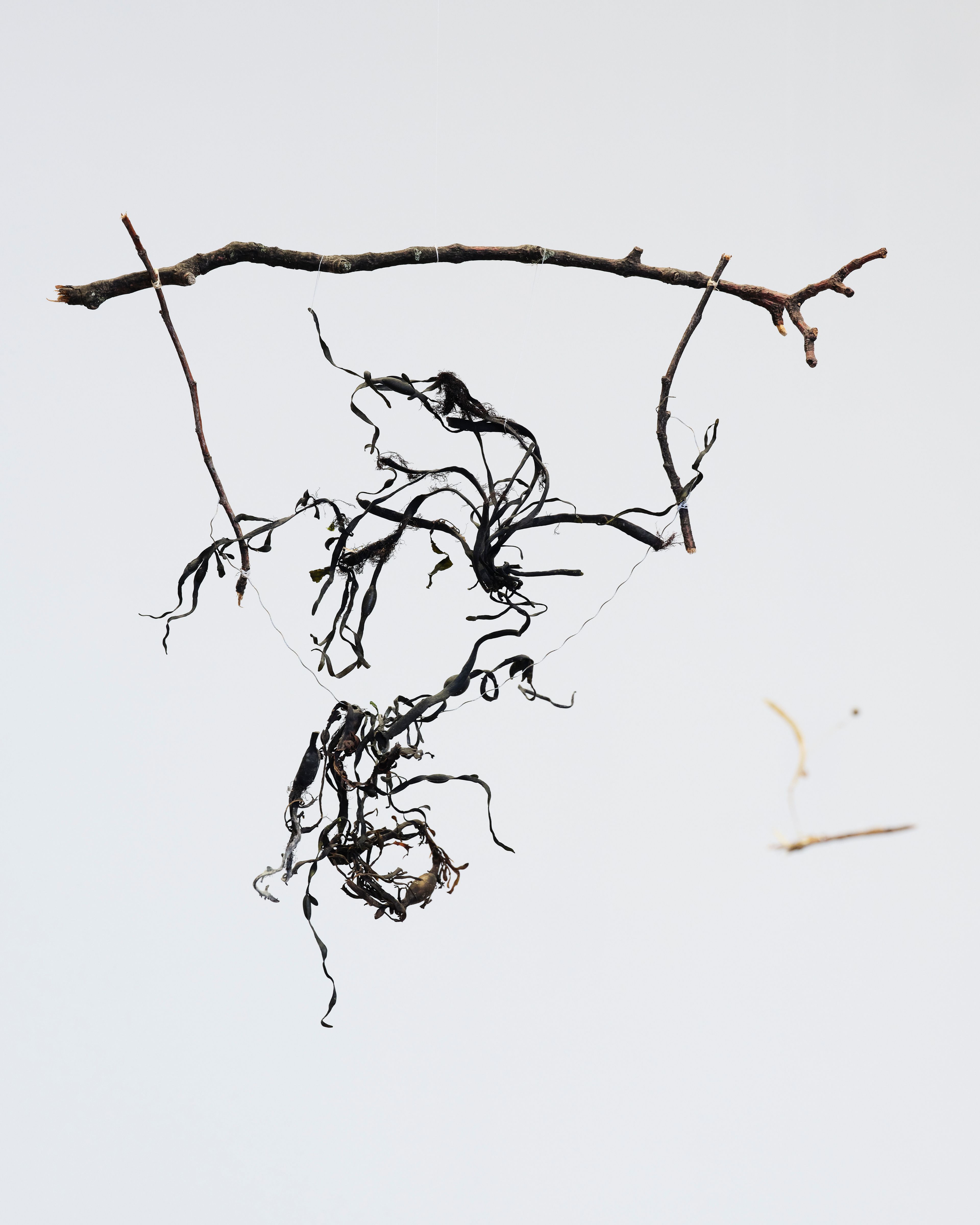
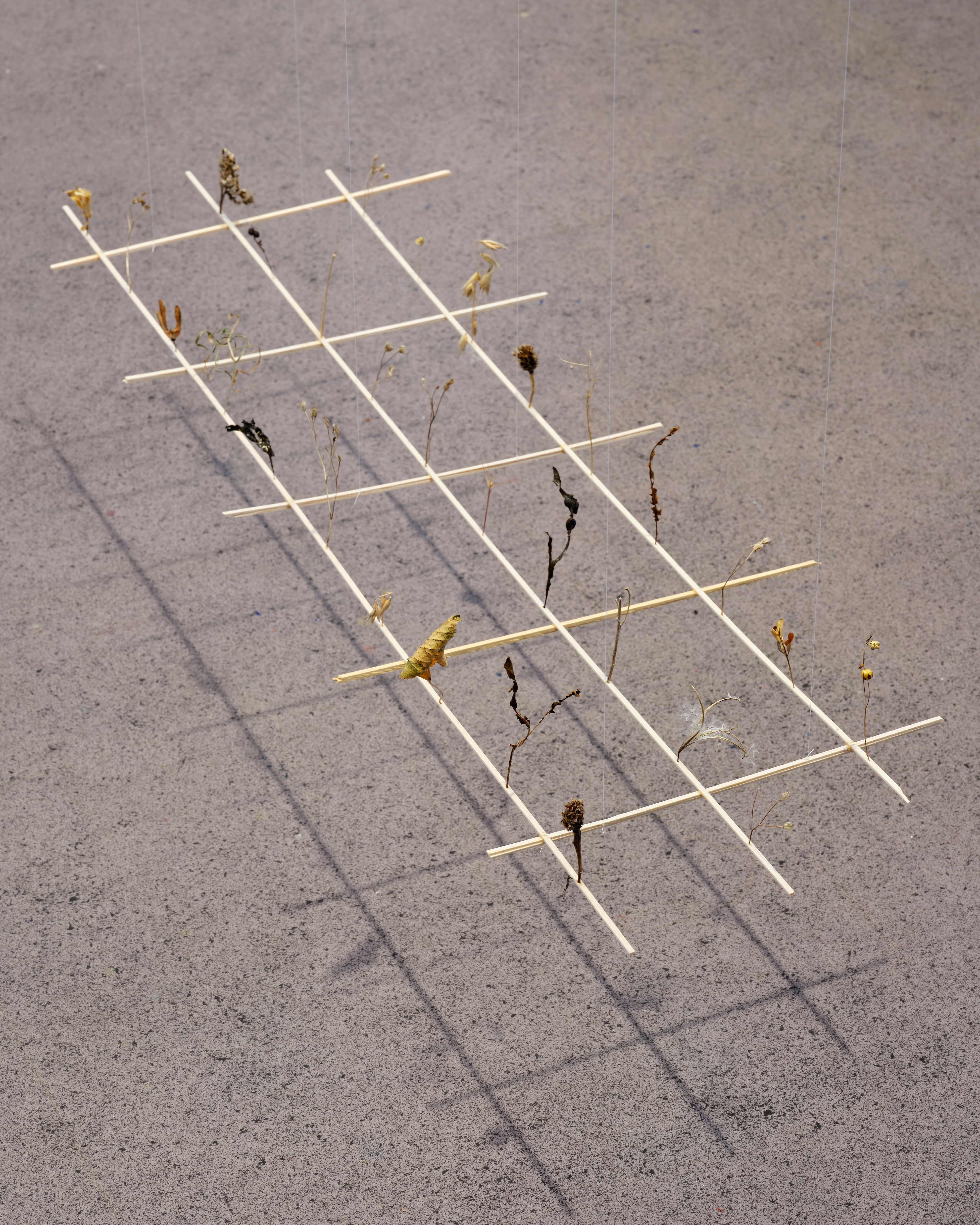
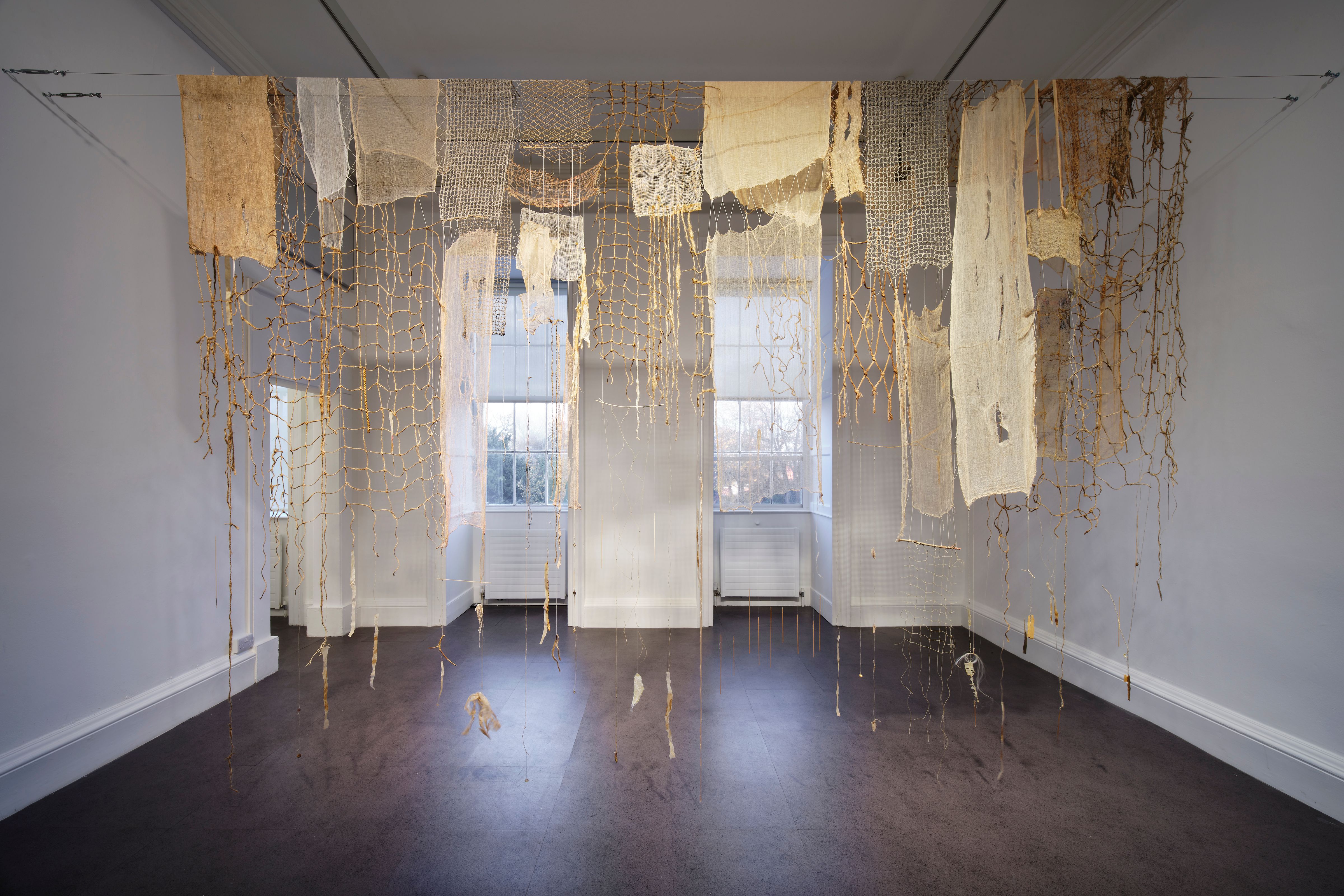
The variety of work Vicuña has produced over her career ever since is a testament to the dynamism and resilience of her creative vision. In Reverse Migration, a Poetic Journey, which reflects the many decades of Vicuña’s working life, there are other quipus which fill whole rooms of the gallery. In the Foraging Quipu (2025), natural objects such as twigs, mushrooms and leaves are suspended in a lattice of fine string, like a solar system. These objects were collected in response to an open call from Vicuña, inviting museum visitors to gather debris from their surroundings. They will decay over the course of the exhibition.
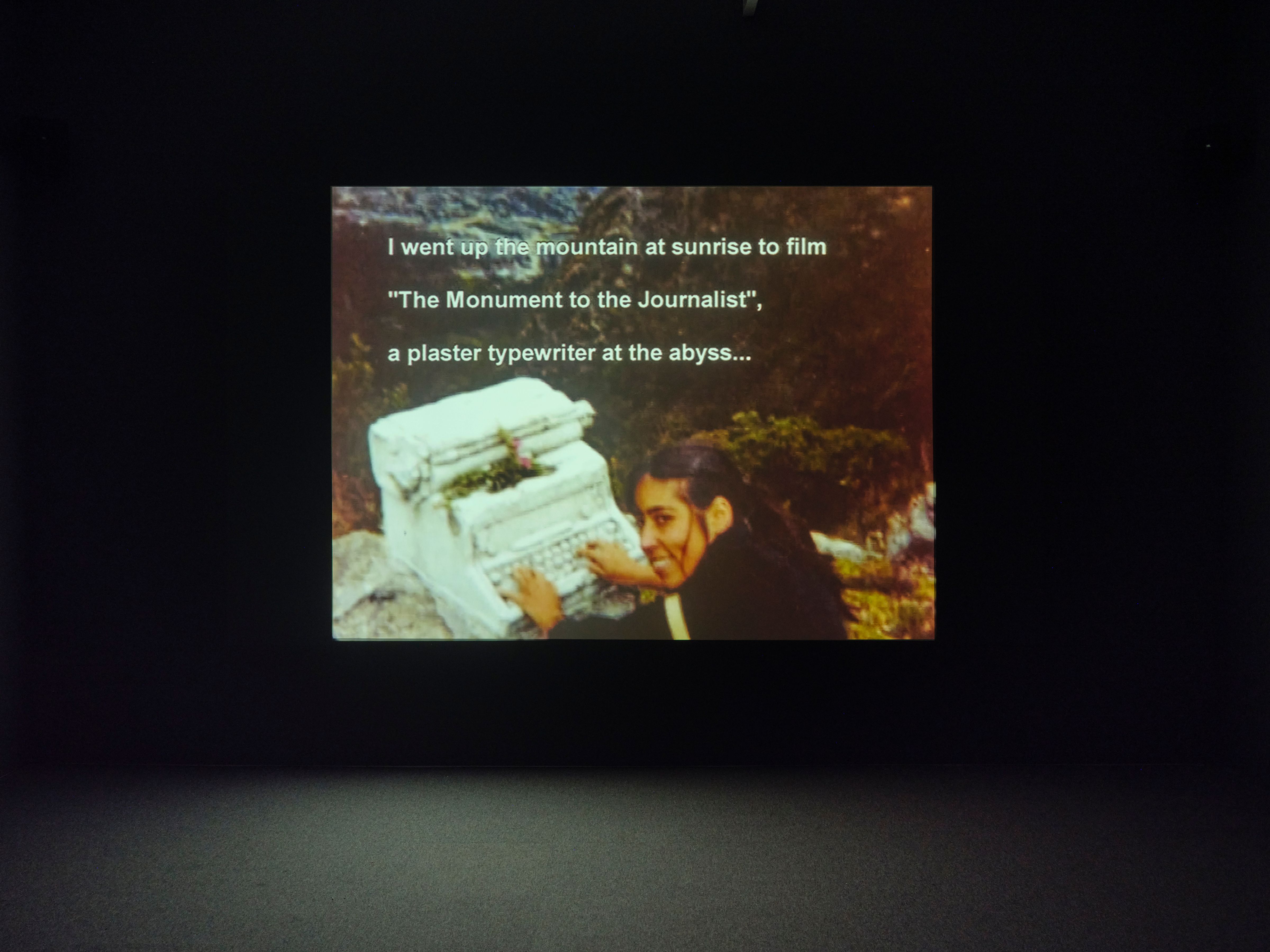
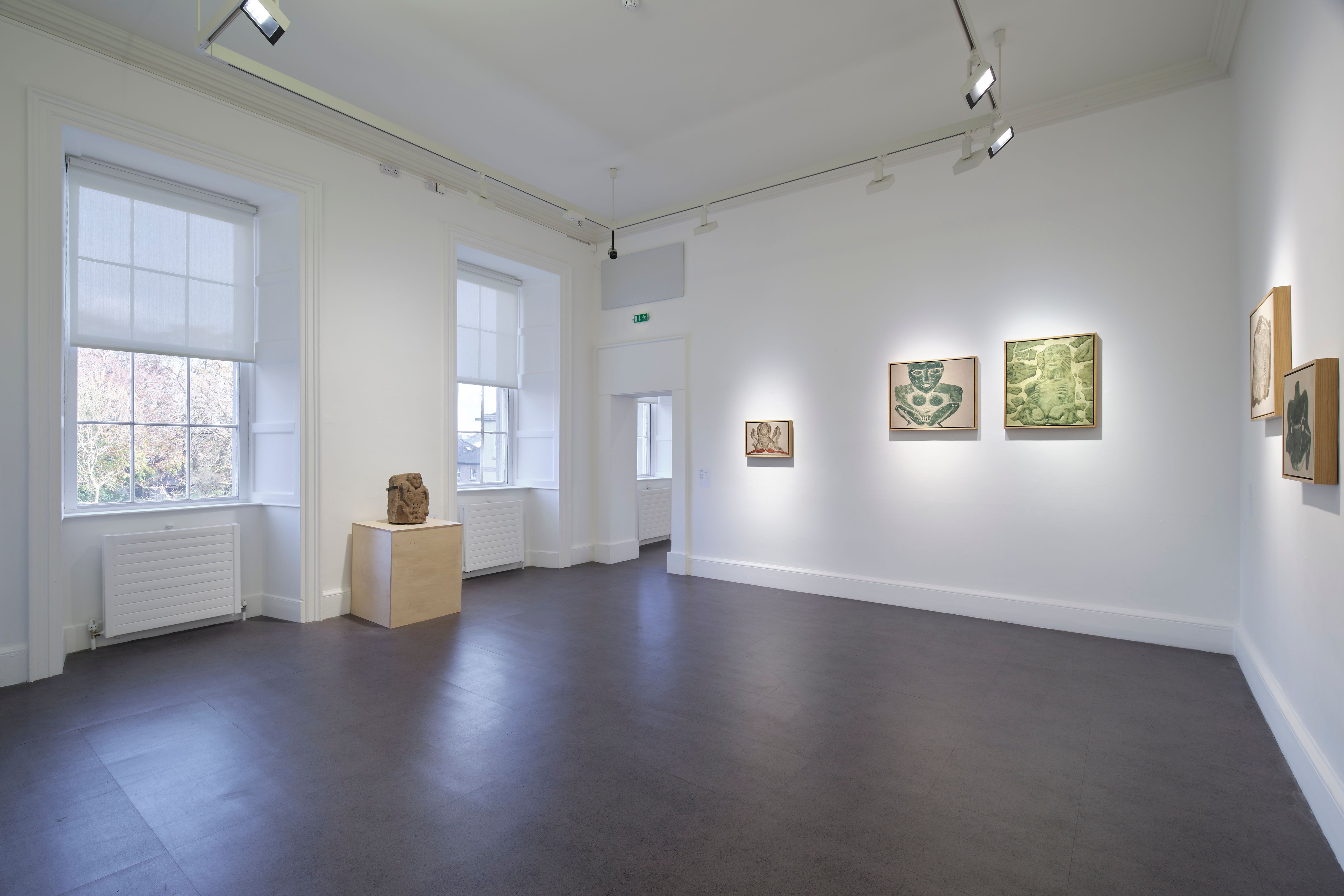
There are paintings. There is an early film called What is Poetry to You?, which Vicuña made in 1980, in which she walks around Bogotá and asks this question to people she encounters, from bus drivers to policemen to street performers. There are poems she has written on the walls. There is a sound work, titled Mourning Dialog (2025), which is a beautiful, haunting wail which sort of floats in the background of it all.
Vicuña has enjoyed moments of acclaim over her career. She was in her teens when she had her first poems published, and in her early twenties when her work was first shown in museums. But it is now, in her seventies, that she finds she is met with a sustained wave of attention. In 2022, she saw her first solo museum show at the Guggenheim in New York, where she has lived for decades. That same year she staged a large installation that same year in Tate Modern’s Turbine Hall in London, and was named the first Latin American woman to be awarded the Golden Lion for Lifetime Achievement at the Venice Biennale.
Loss and joy intertwine in Vicuña’s work, underpinned by a radical political sensibility that feels slightly at odds with the didactic forms of political messaging in art and culture that have become widespread in the digital age. She is acutely attuned to the environmental threats to our planet, pairing this sense of urgency with a longer view of time, and a strong interest in ancient cultures and knowledge that goes beyond purely the rational.
RC: I feel that I can sense a lot of loss in your work. Or maybe it’s better described as a consciousness of some kind of loss. To me, it feels there are often themes of lost knowledge, or lost ways of life. I find your work hopeful but melancholic at the same time, which is really interesting. I wonder what you think about that idea of loss. I feel like it’s something you circle around a lot.
CV: It is. What you said there is very true. I was a very young girl, still a teenager, when the news of the destruction of our planet as a place for humans started to be known. That was the mid-sixties. I wasn’t even 20 years old.
When I understood that, it made me aware of death—not just my own death, but the death of everything that I loved. I became completely aware of that, and that awareness has never left me. And so for me, instead of forgetting about it, or deciding, ‘this is too sad, this is too bad’, I did not judge it. I did not classify it. I knew that faced with that reality, we had to act accordingly, in an act of awareness.
Perhaps the only thing that we can do is to become aware of the loss of the beauty of earth, the loss of the species, the loss of sea life. I was by the sea when I became aware of that in an experiential way.
RC: Do you mean that this was moment when you fully felt you understood that?
CV: Yes. Because I read it in the Encyclopaedia Britannica. But shortly after reading that, I was by the sea, and suddenly I understood that the sea was dying because of that. It was as if I could feel the feelings of the sea, and that was really the beginning of my precarious work. Precarious work disappears. And there is beauty in that. But where is the beauty? It is in your awareness. It is in the immense love that you feel for it. It is in the sorrow you feel. It is in the reverence for its existence. You see, it is in all these complex, unnameable feelings that you don’t know exactly what they are, but you can feel them with total intensity.
I think that’s what art has given me, the possibility of living in that awareness and letting that awareness guide me.
RC: I was interested in your early activism work. It seems you’ve always been involved in collective ways of working. And now, say, for this exhibition, working with local makers using this type of wool. Do you remember when you decided to work that way, or was this just your instinctive way of working and relating to people?
CV: I grew up in a family of artists. In this family, the artists worked individually. They had a studio, usually at home. They were all women. Usually their studio would be next to the kitchen. I only witnessed that kind of work.
But I was a girl of the 1960s. [She laughs.] And in the sixties, you had this explosion of collective activity, both politically, in the rallies, and also in the concerts. There was this joy of being part of either a rally or a great festival. The joy of the gathering really struck me. It was something our generation completely connected with.
So when I started to do paintings on a larger scale, for my first exhibition, I proposed gathering leaves from the autumn in Santiago to bring them into the museum. I couldn’t do it by myself, so I invited my friends. I invited the gardeners of the bigger parks of Santiago. And so my first big public work was done as a collective operation, but I was the one inviting it. I was the one creating the action.
RC: It’s interesting, because I think we live in a culture now where we are constantly told to deny certain aspects of ourselves. We have this very individualistic, success-oriented, production-oriented culture where everything has to be moving forward.
I feel like we all instinctively know that isn’t the only way to do things because, as you say, you notice when you’re at a music festival or whatever, there is a kind of joy you don’t feel so often in this very individualistic kind of life. I wonder if you think that connects to the idea of loss we were talking about?
CV: Absolutely. Joy has been extracted from us, removed from our lives, so that we become little productive machines for somebody else to make a profit. Because we never make any profit. We are only to be extracted from.
It’s a mad culture that is abusing all living forms. We’re just one of those living forms. I had the awareness right away when I began working like this in a collective form, that this was something everybody enjoyed, and that created this feeling of being closer to a union, something beautiful in all of us.
RC: Your work is, as you said, a lot about presence and trying to connect properly to the world around you. We live in a time in which tech companies have designed machines to try to take us out of the present constantly, and distract us with dopamine hits. Do you notice generationally that young people, who are so indoctrinated in this, connect with your work in a different way?
CV: Yeah, I have to add to what you said that a lot of new neurological research demonstrates that screens rot your brain. They literally rot your brain and make your neural connections disappear. So it’s not only disconnecting you from nature, it’s also disconnecting you from your own self, from your own imagination, your own feelings, your own ideas.
It’s really murderous; it is murdering who we really are and separating us from our own nature. So do I notice a different response from the young, compared to my generation? I do. I’ve noticed a particular passion. It’s a more visceral response from the young, as if they are sensing that here is something that feeds their own desire to be themselves. It’s something very beautiful to watch. Because they don’t tell me: ‘Oh, how beautiful.’ None of that. They say: ‘Oh, this inspires me.’
Everything in this world is full of life, and it’s we who are being deadened, so the young people are reacting against that.
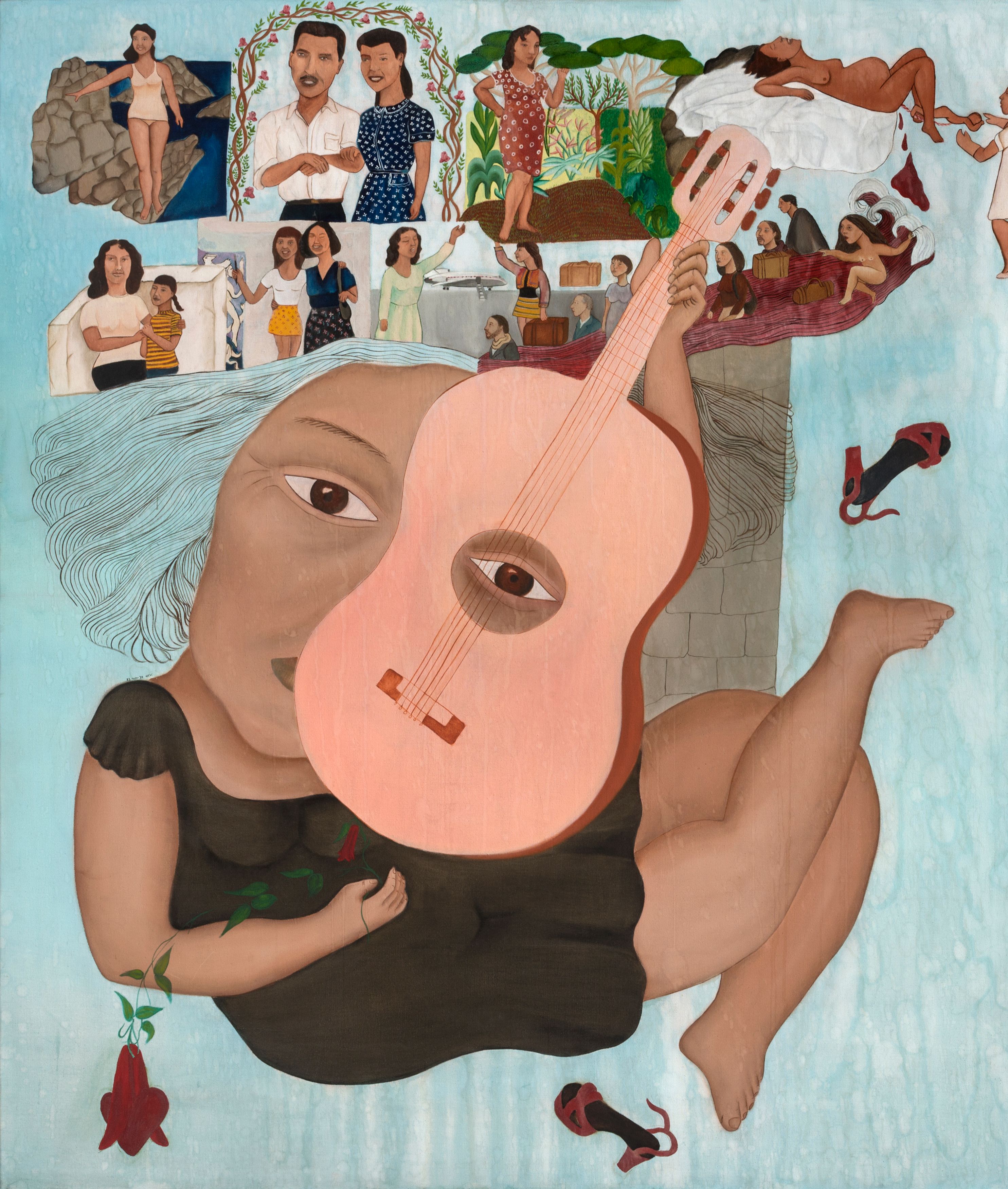
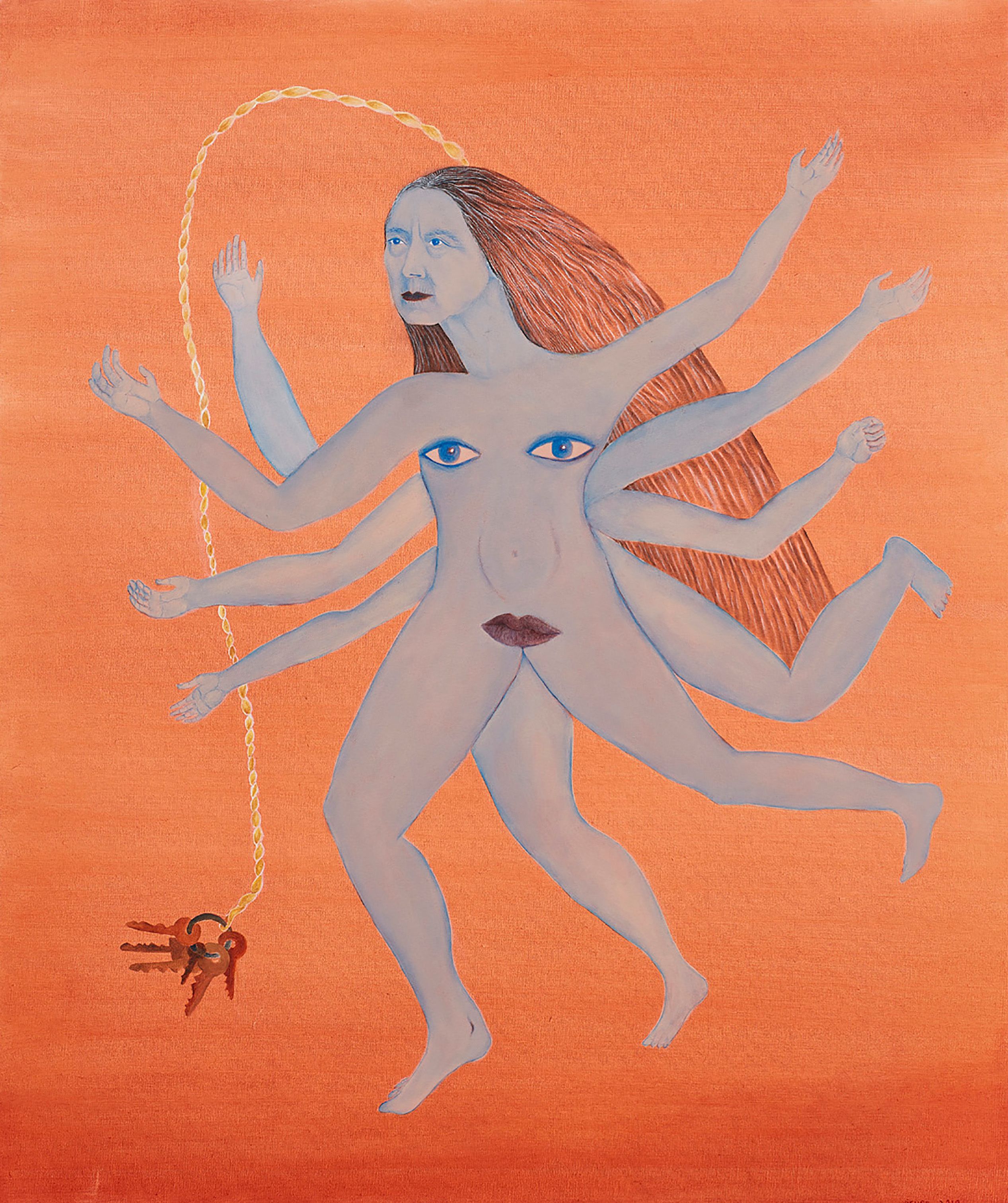
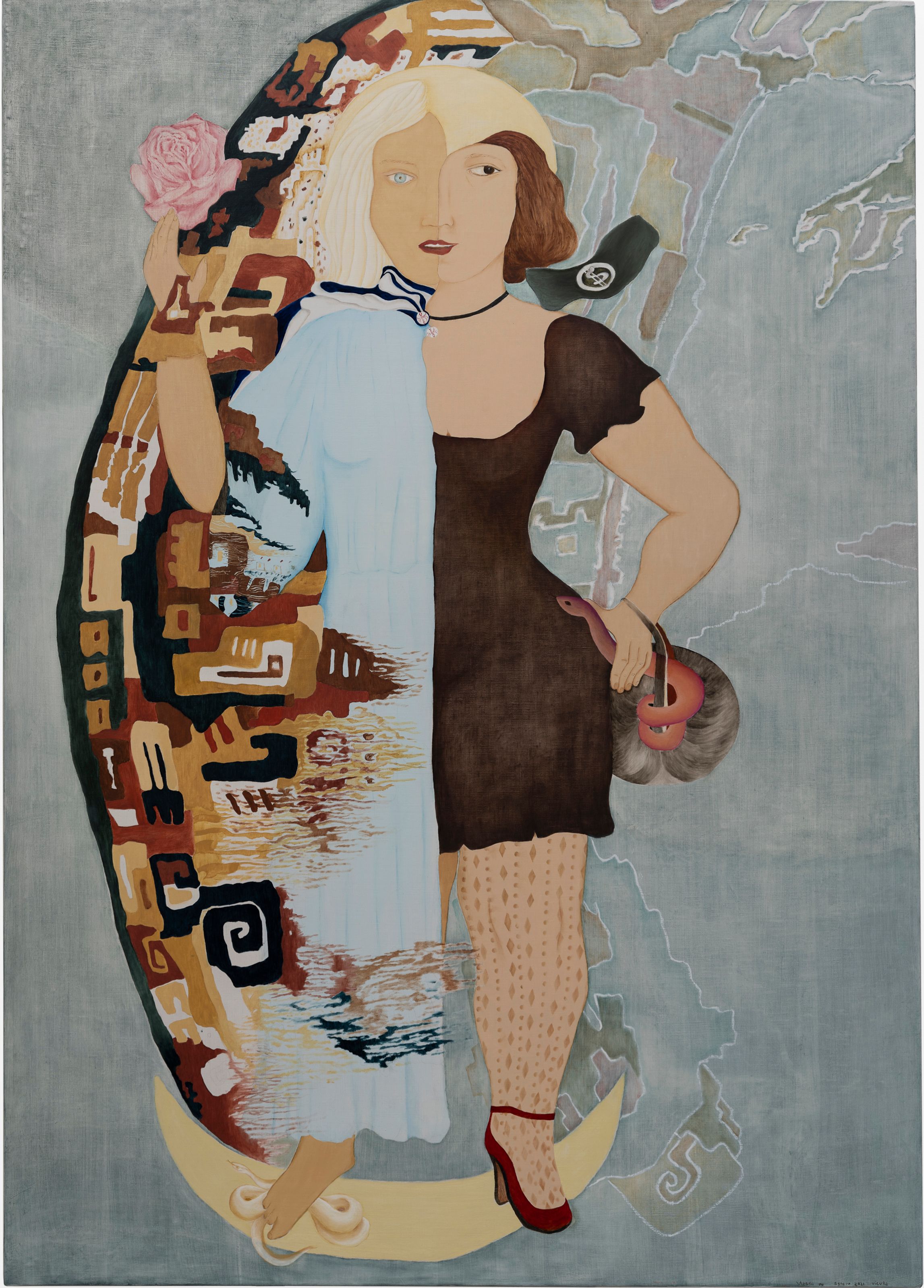
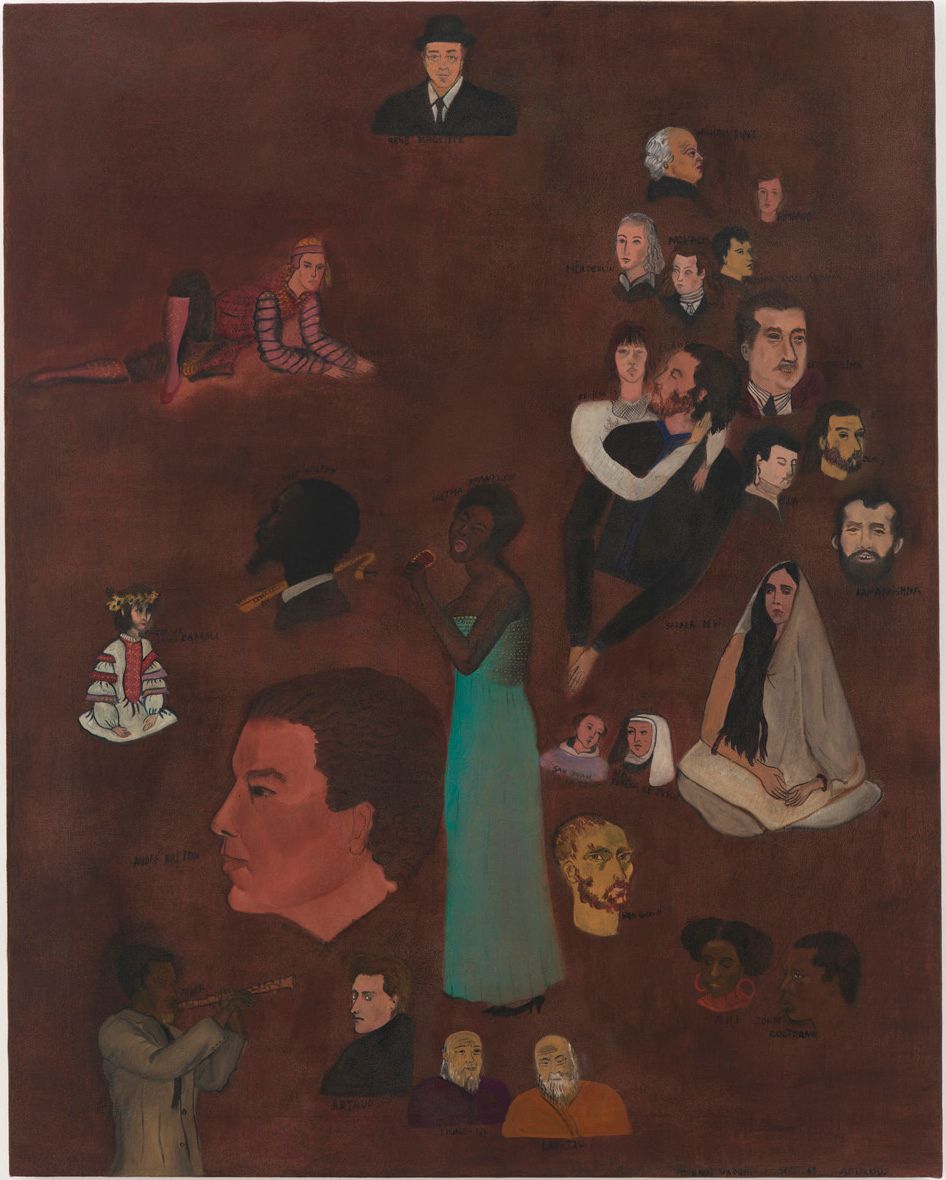
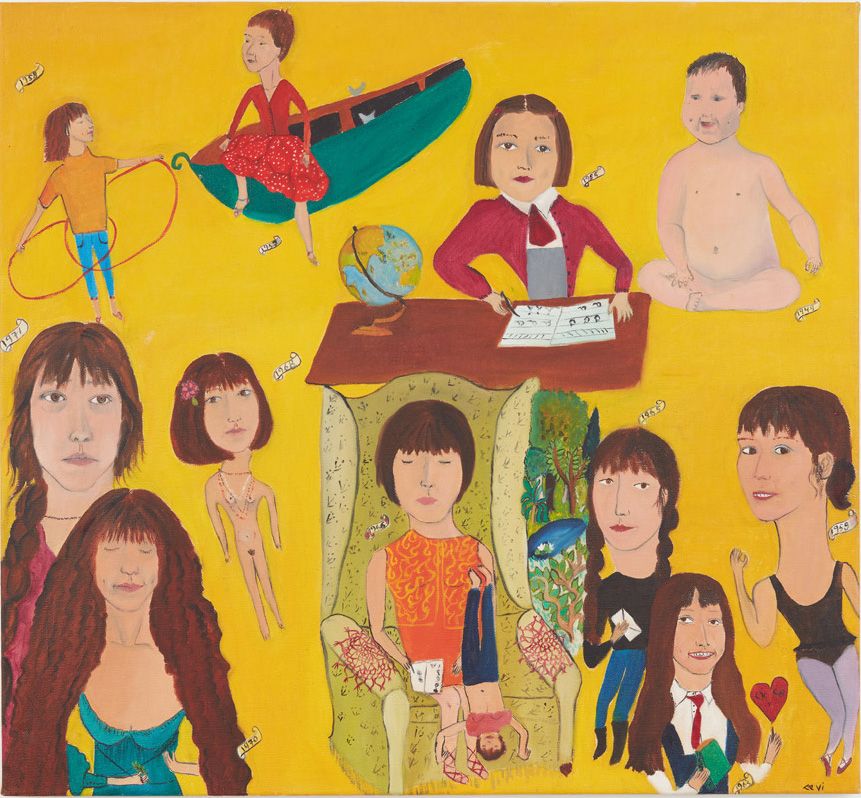
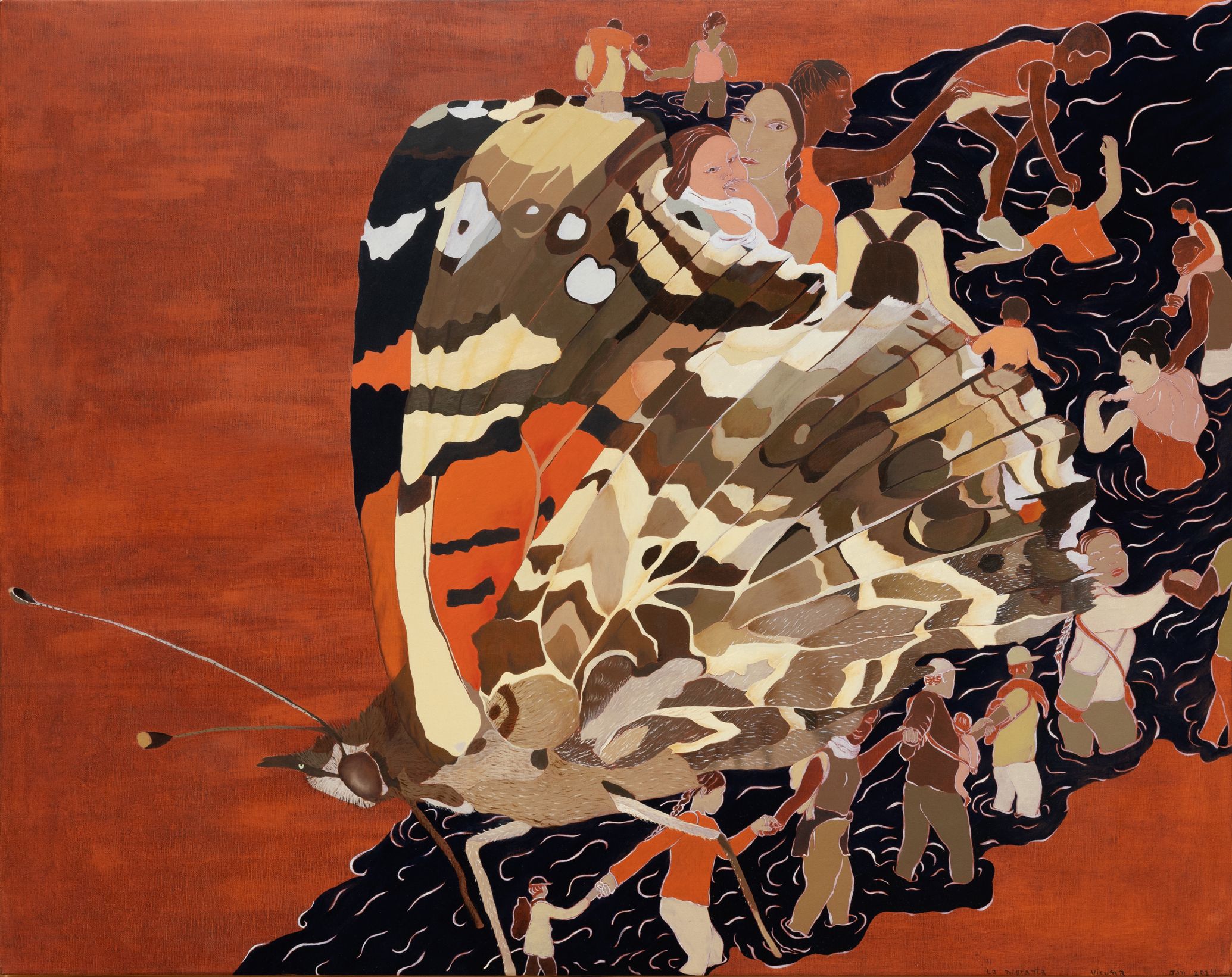
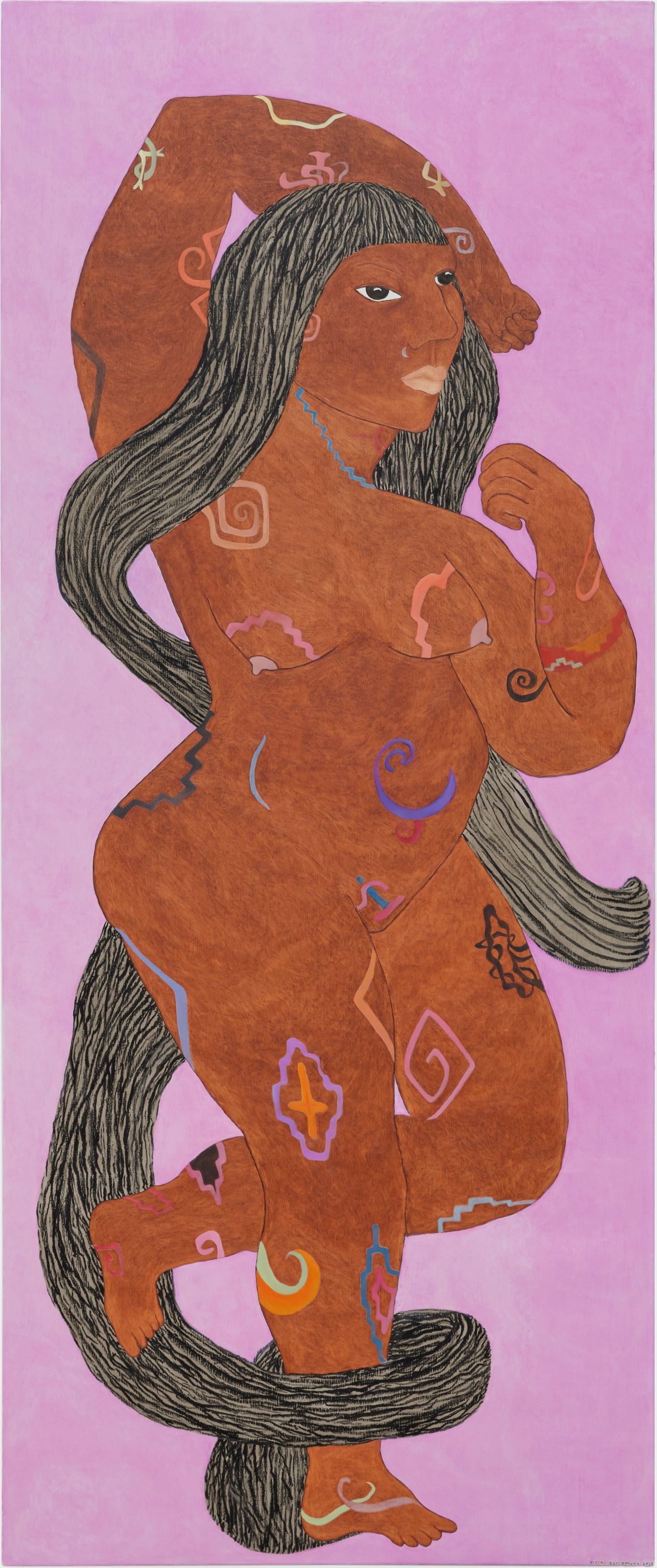
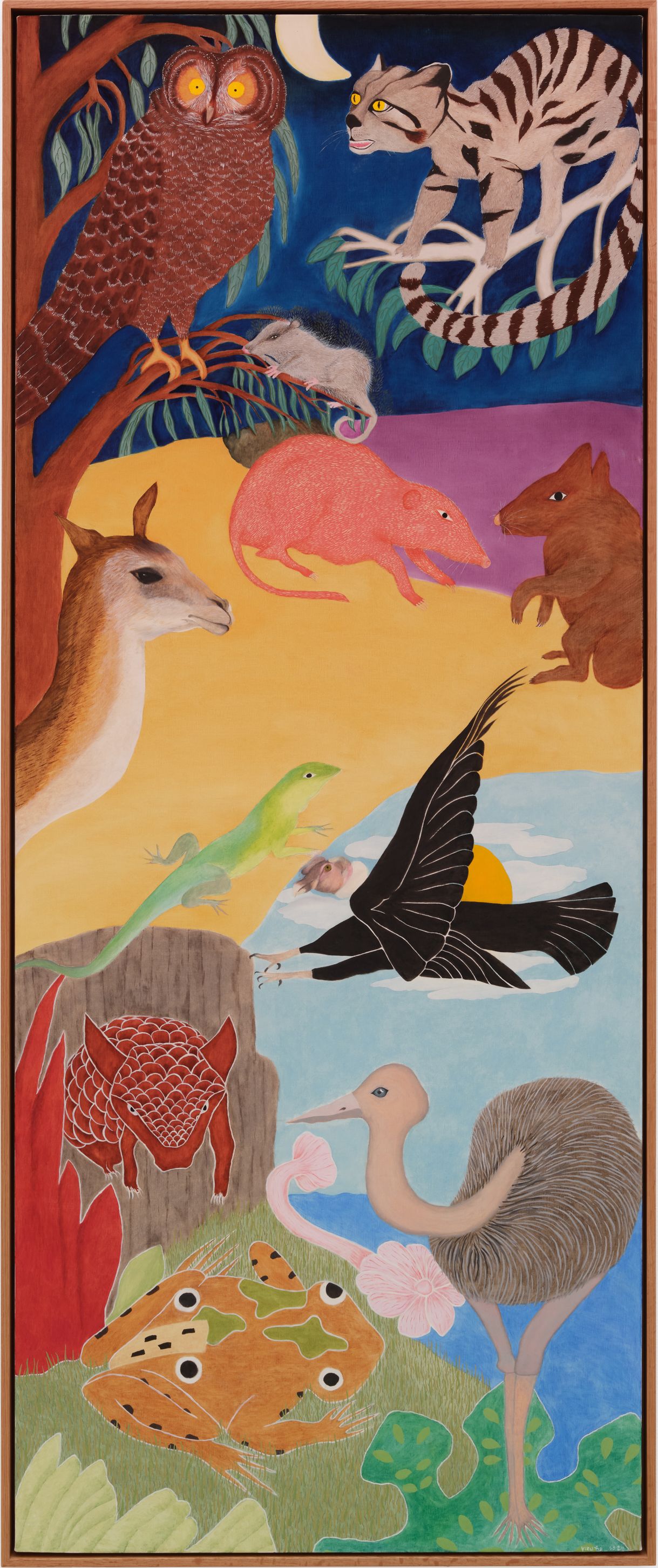
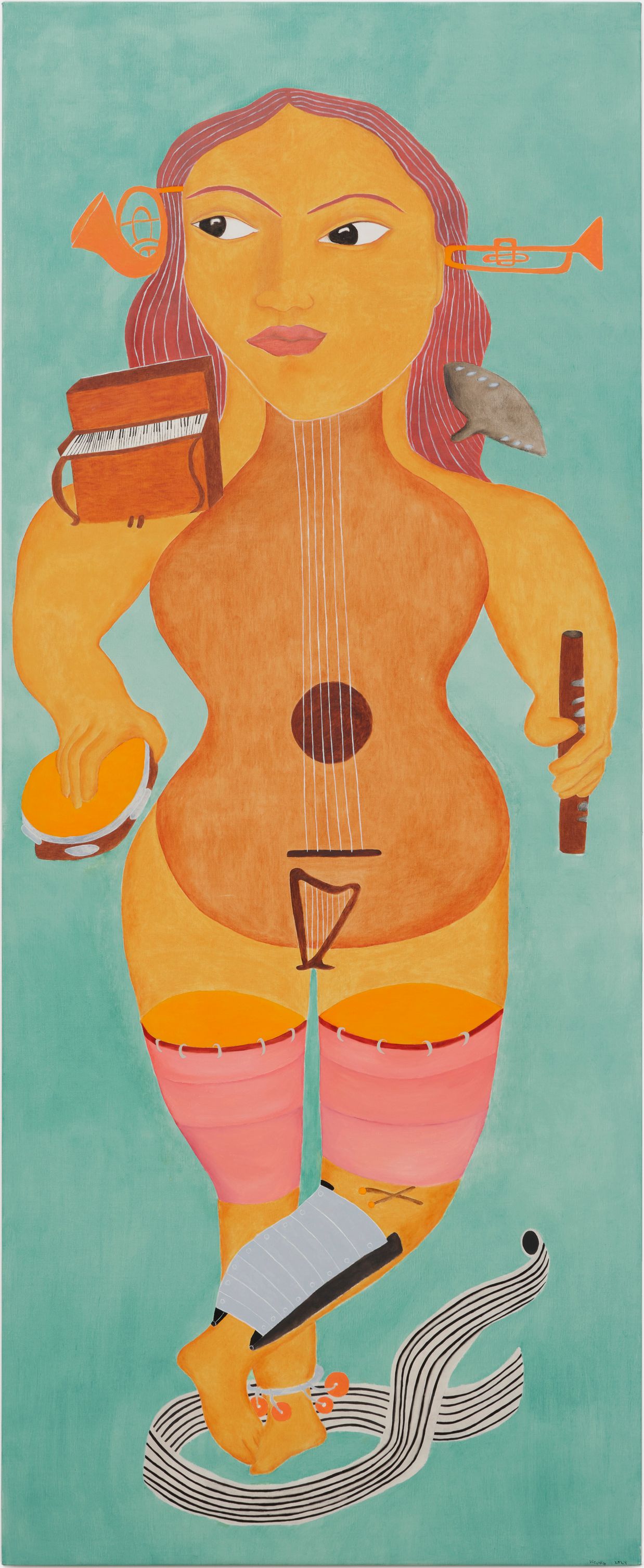
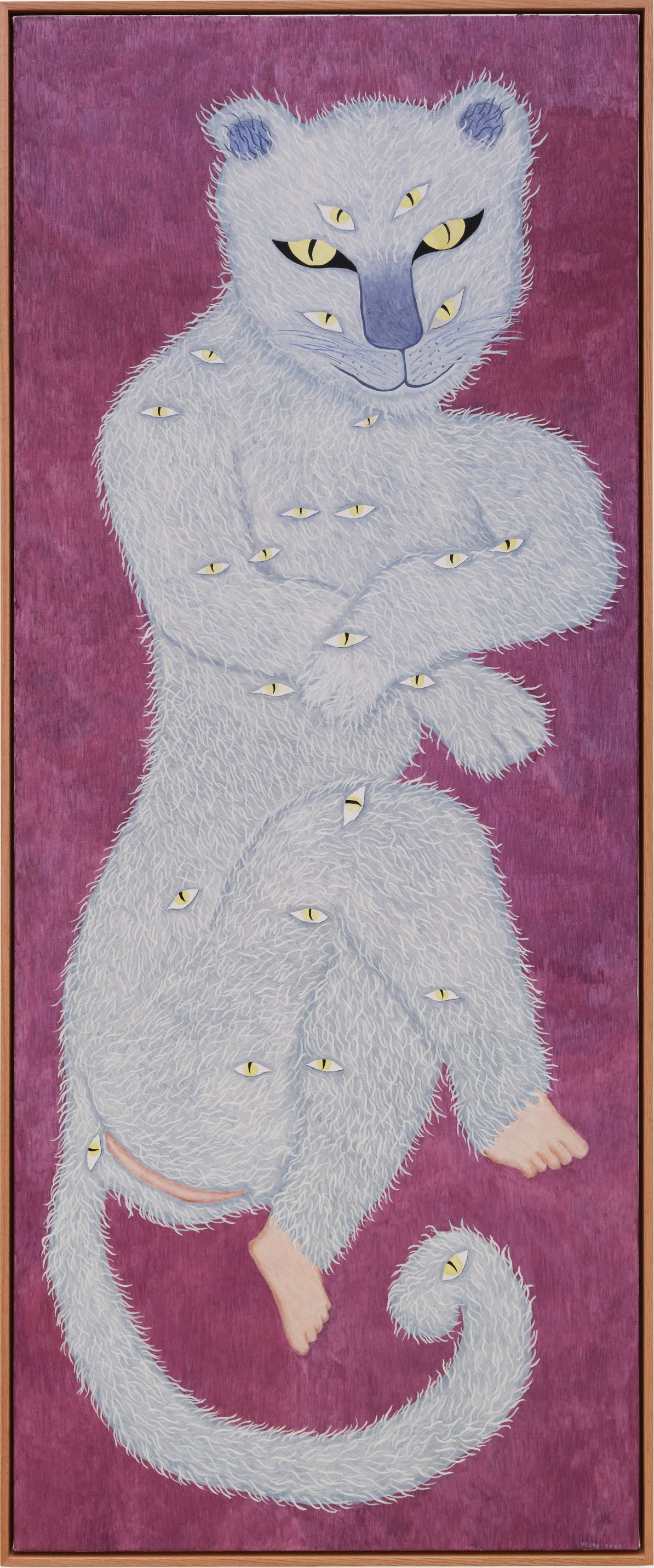
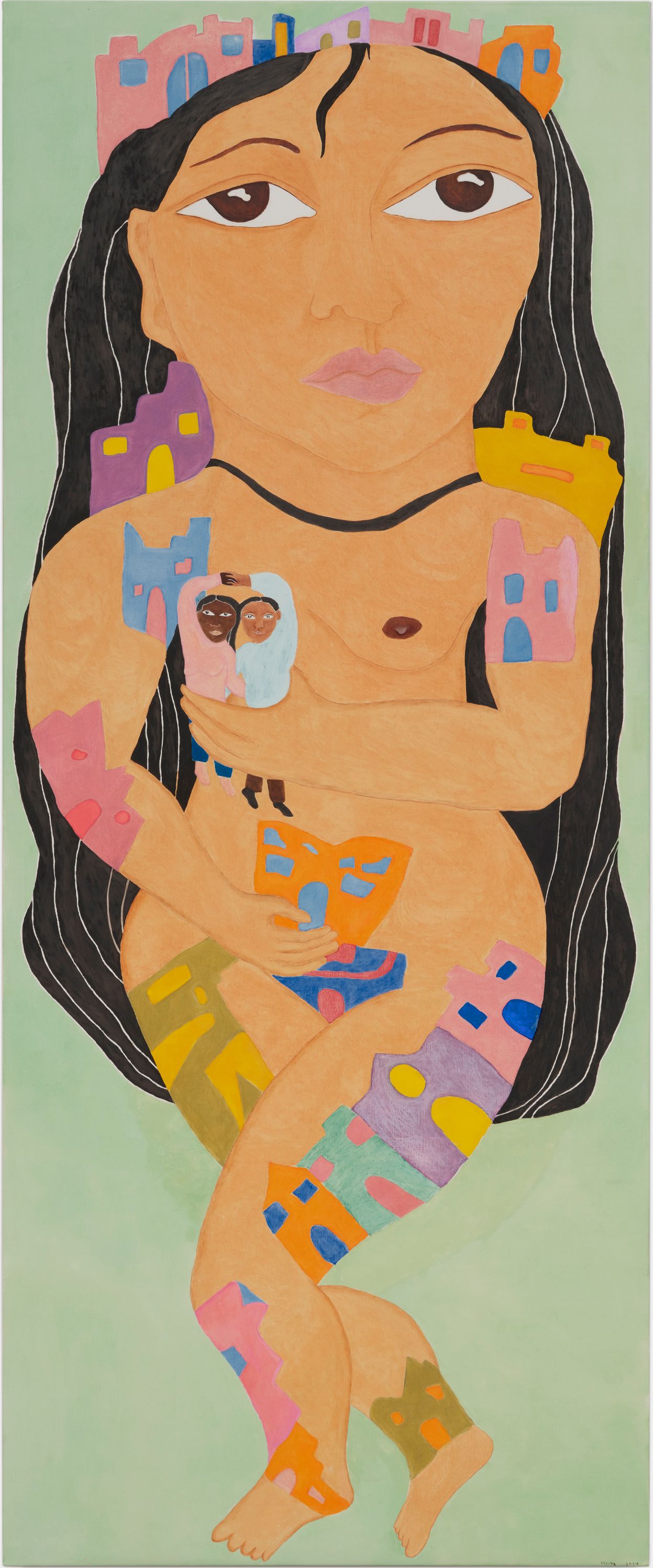
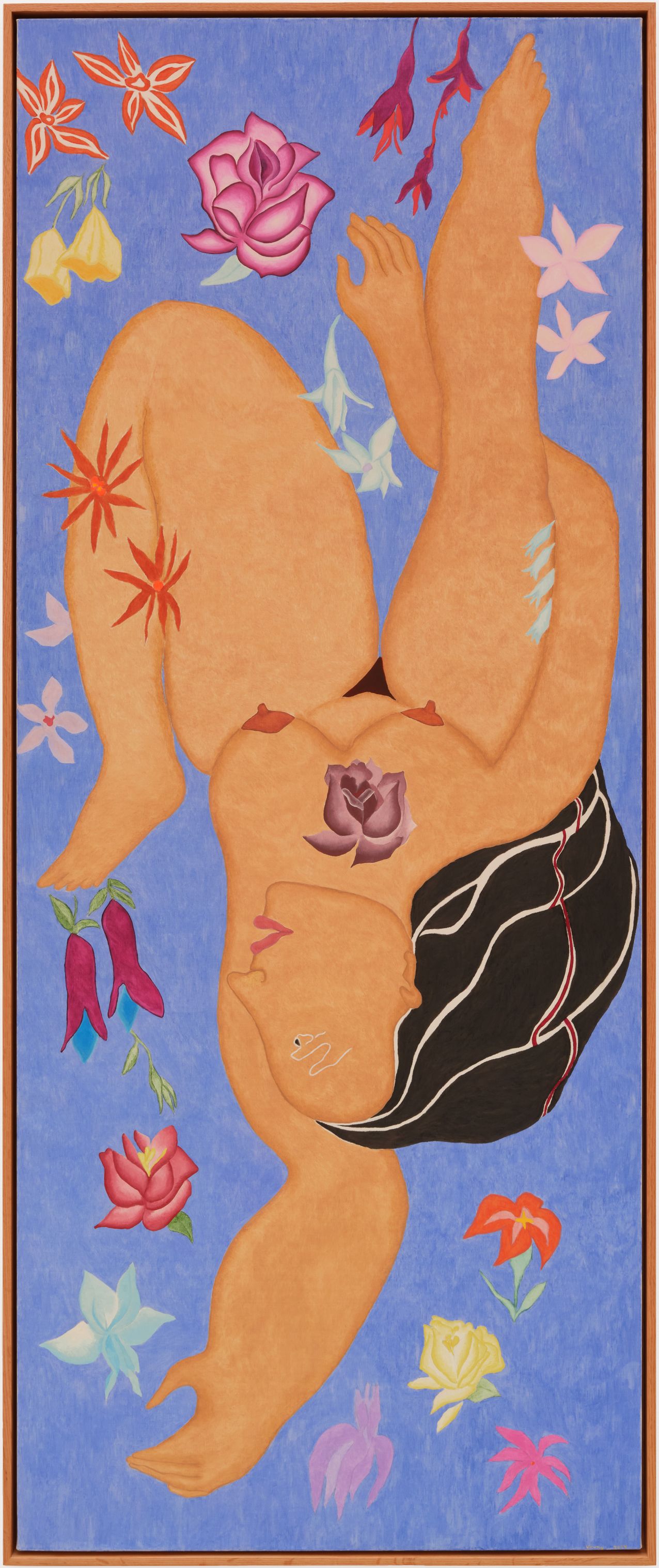
RC: You had the experience of having some of your early paintings destroyed, and then you painted them again relatively recently. I was wondering: did that feel, in some ways, like an opportunity? I know it’s obviously a negative thing, but how did it feel to go back and remake things with a whole different level of life experience?
CV: It was a gift. When I stopped painting, I remember very well where I was and how my life was. I was perpetually hungry. I was in exile. I had zero support and I couldn’t paint anymore because painting is a very expensive art. You have to buy the materials. The materials I was using were so cheap and so bad. My paintings didn’t come out the way I wanted.
I didn’t leave painting. Painting left me. It was a very sorrowful thing to do, but at the same time it was the only thing I could do in that situation. And I remember thinking: ‘I’m not really giving it up. It’s only for some time. When I’m old, I’m going to be painting.’
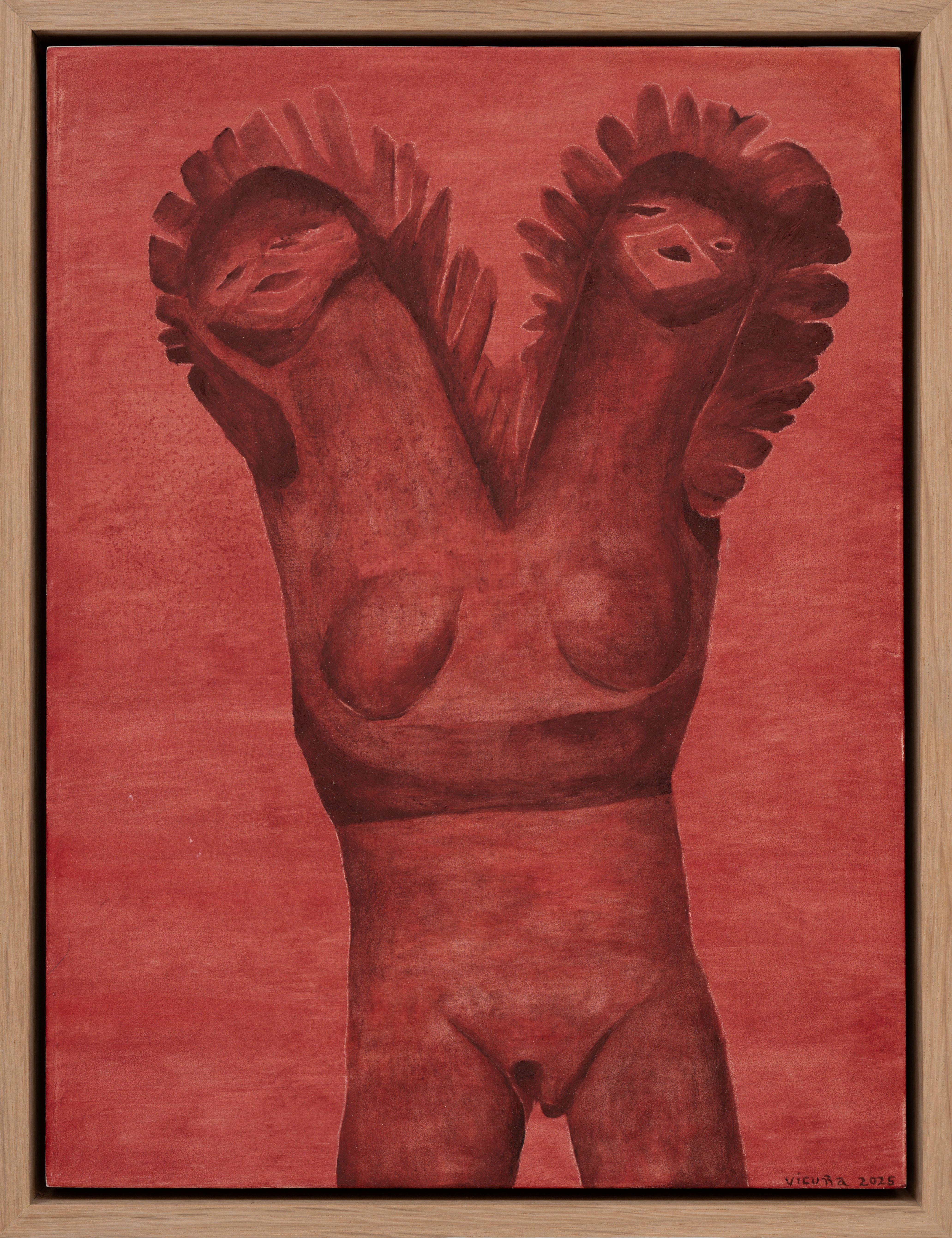
Suddenly, the opportunity came up, because I was invited to participate in a group show in London. And London was a place where a lot of my work was destroyed by my friends. [Some of Vicuña’s friends offered to store her paintings while she was in exile and accidentally lost or destroyed them.] I knew exactly what I wanted to show, and it had been destroyed. So I said: ‘This is what I want to show’, as if it already existed. They said; ‘Oh, that’s a wonderful picture.’ [She laughs.] And I thought: ‘Well, now I’m old. Now’s my time.’
It was 35 years since I had stopped. I asked a daughter of a friend of mine, who is a beautiful young painter, to help me. I wanted her to be next to me with a brush in her hand, in case I couldn’t do it. When my brush touched the canvas my hand knew what to do and I started crying, crying hopelessly for joy and gratitude. So I felt that returning as a divine gift.
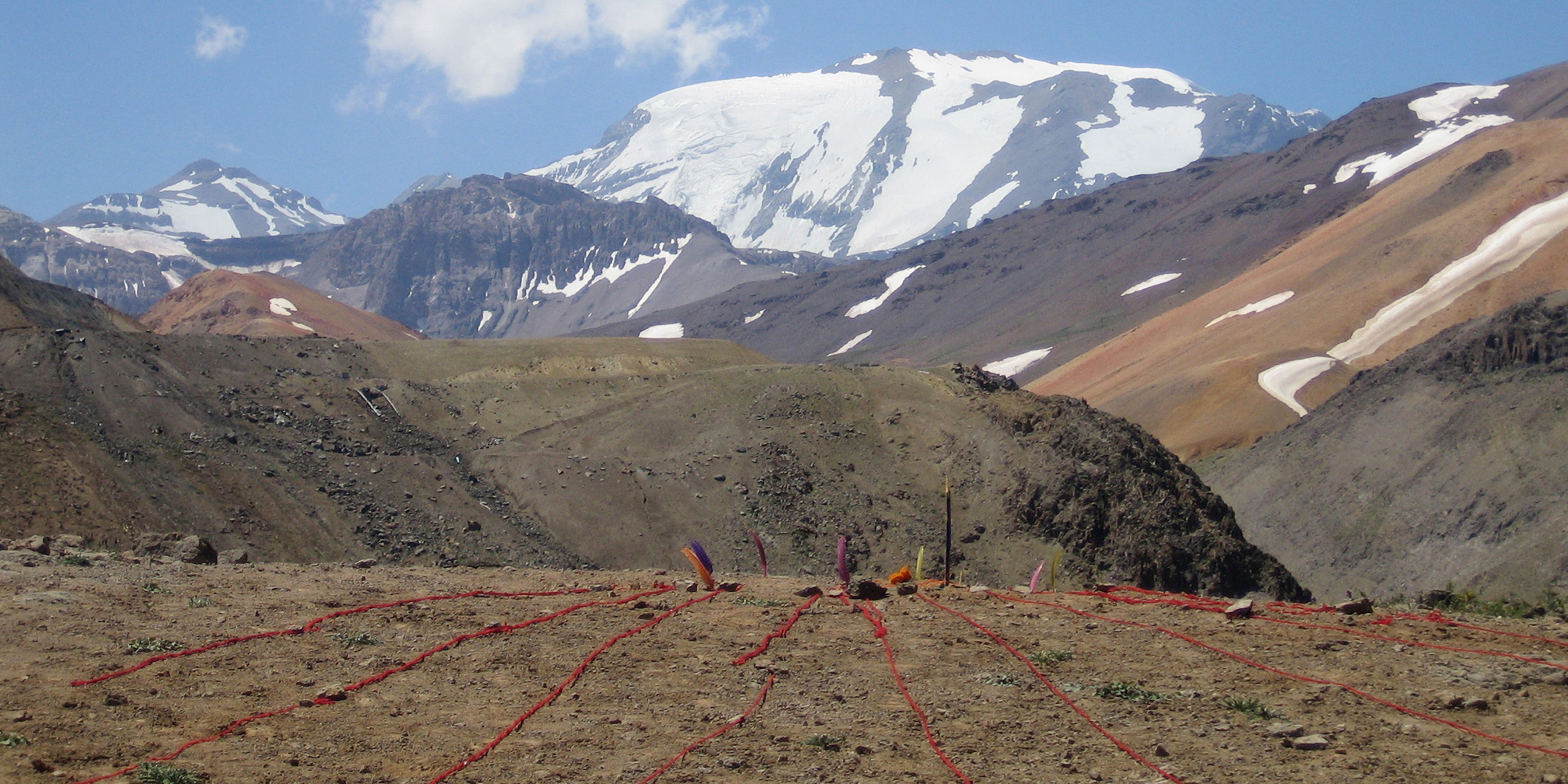
RC: You discovered a little while ago that you have some old heritage in the north of Ireland. Some of this exhibition was inspired by that discovery. That’s where I’m also from. How did you find that out?
CV: I fell in love with a man named James. Before meeting me, he had done his DNA to learn the trajectory of his genes over 140,000 years. As far as we know, all human beings emerge [from] Africa. From Africa they dispersed across different continents. There was an organisation, Oxford Ancestors, that could track that. He told me how wonderful that experience had been.
And at the time, I suppose it’s still the same. You have to take two different tests: one for your female line and one for your paternal line. So it was my paternal line that actually stemmed from exactly the same clan as his. And this was in the north of Ireland.
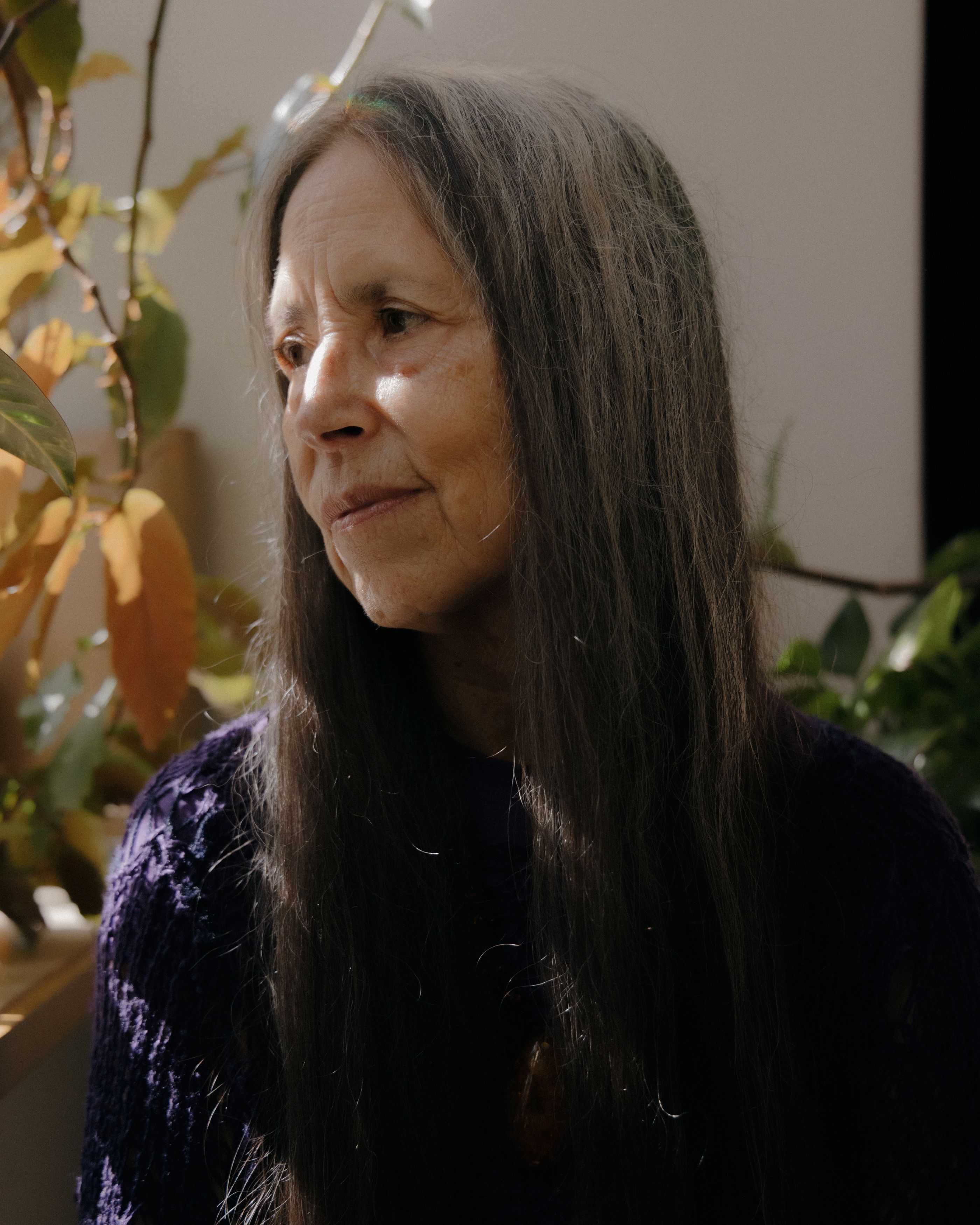
RC: Your work has always been politically engaged and radical. A certain kind of superficial political signposting in art has become fashionable recently, and there is a backlash to that. But I feel like this backlash is often not very nuanced. It doesn’t reckon with the difference between overt signposting and innovative, radical work. Do you have any thoughts on this?
CV: Yes. I think the notion that there is something called ‘political art’ is questionable. Because I think there is art that is ‘in your face’ and signposted, no matter what issue or what subject. And then there is art which puts you in touch with something that is alive and full of mysterious attraction. Something that you feel that you have to go towards.
For me, true art is always political because it puts you in touch with a deep truth. That is a political act, putting you in touch with the questions that we need to ask ourselves.
RC: You said that much better than I did. I think that type of didactic work, it really is so obviously superficial. It has no soul.
CV: It’s plain. Plain and boring. That’s why it arouses a negative response. It’s not only because of the content. In art, there isn’t something called form and content. Those are ridiculous ideas. Form is content, yes, and content is form too. And that art is plain and boring. —[O]
Cecilia Vicuña’s Reverse Migration, a Poetic Journey is on view at IMMA in Dublin until 5 July 2026.
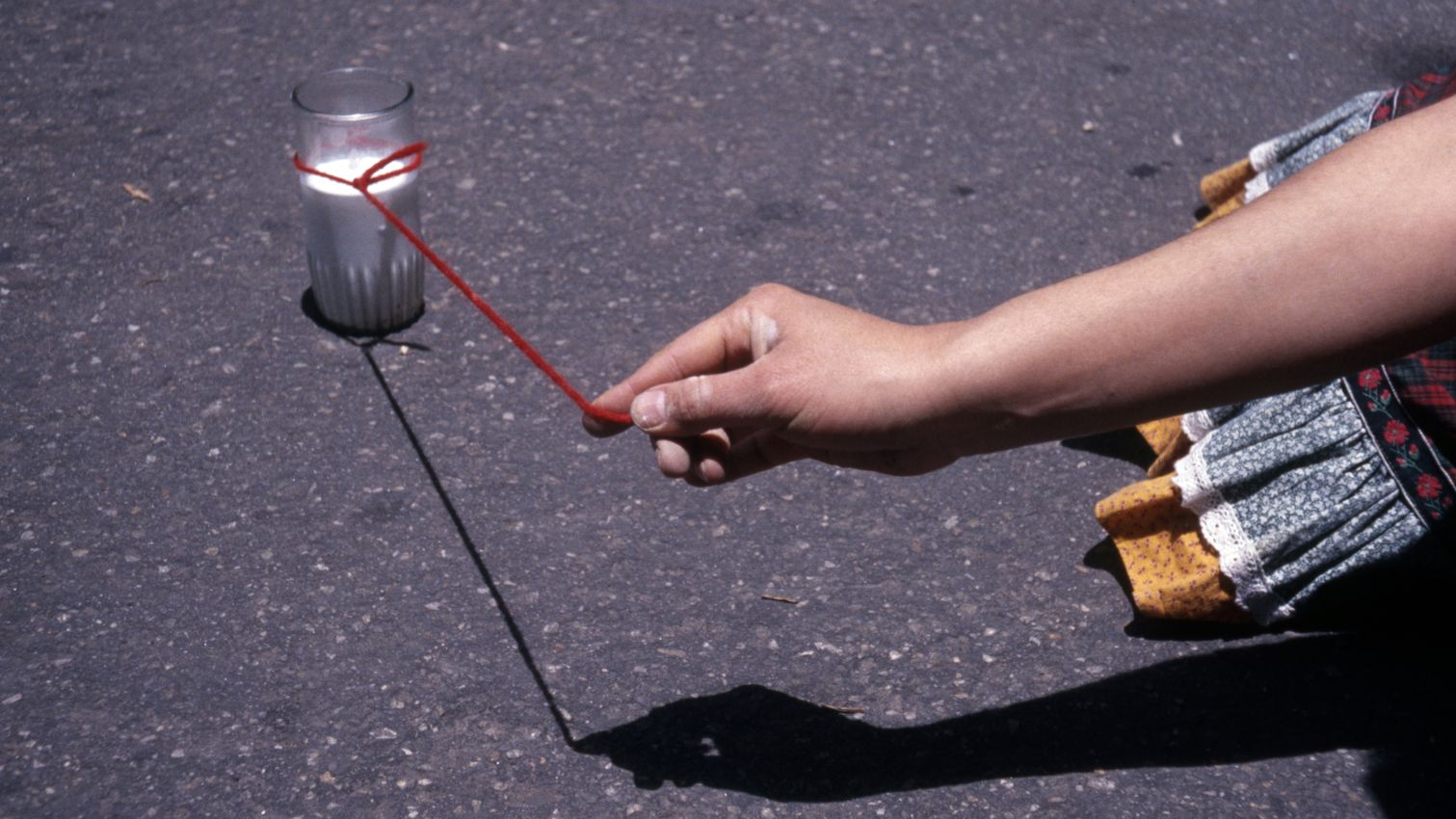
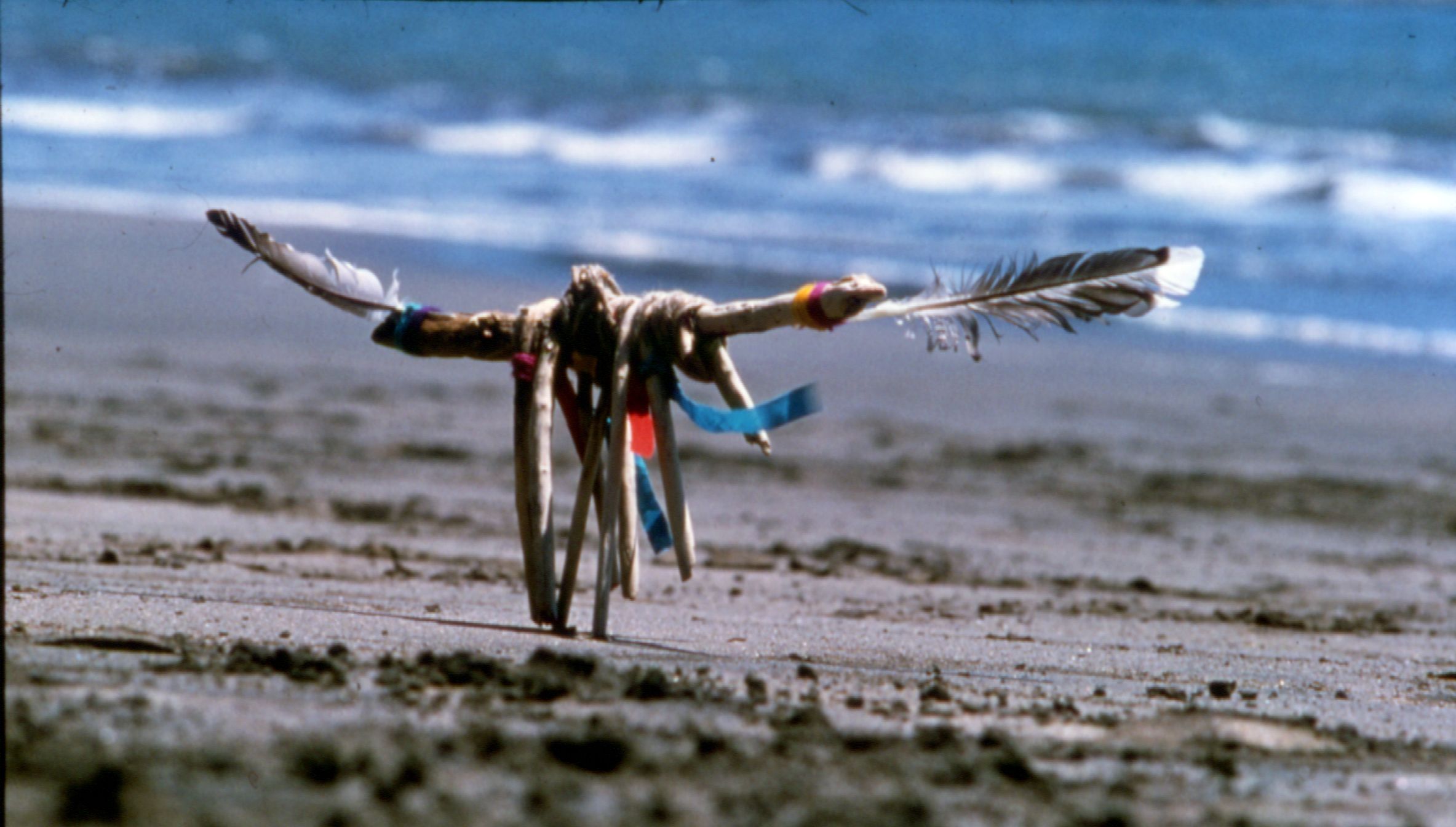
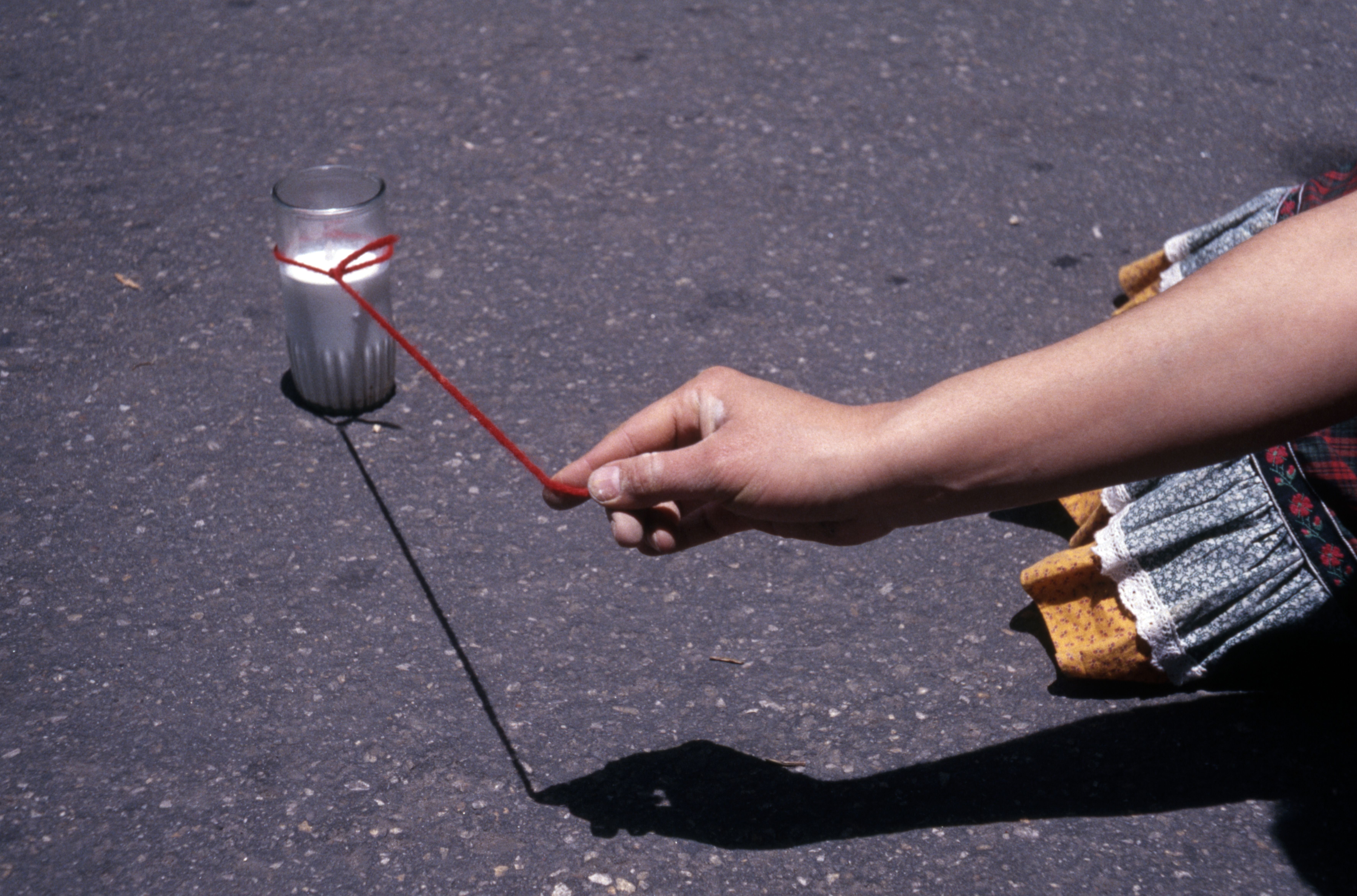
Main image: Cecilia Vicuña, Vaso de leche (1979). Site-specific performance installation, Bogotá. Courtesy © Cecilia Vicuña. Photo: Oscar Monsalve.








A respected voice in contemporary art discourse.
Focusing on ambitious storytelling and insightful art-world commentary. Ocula Magazine publishes in-depth interviews, critical essays and timely analysis on the artists, exhibitions and ideas driving the global art world.
Learn more about Ocula Magazine
Showcasing the best of the art world.
Ocula partners with galleries from around the world to highlight their artists, artworks and exhibitions. Gallery membership is by application and invitation, with each member vetted by an independent panel.
Learn more about Ocula Membership
Specialises in the sale of major artworks.
Led by a team with deep ties to the world’s leading auction houses, galleries and collectors. Ocula’s advisory team offers bespoke services to high-net-worth clients from around the world who are looking to acquire the best of contemporary and modern art.
Learn more about our team and services