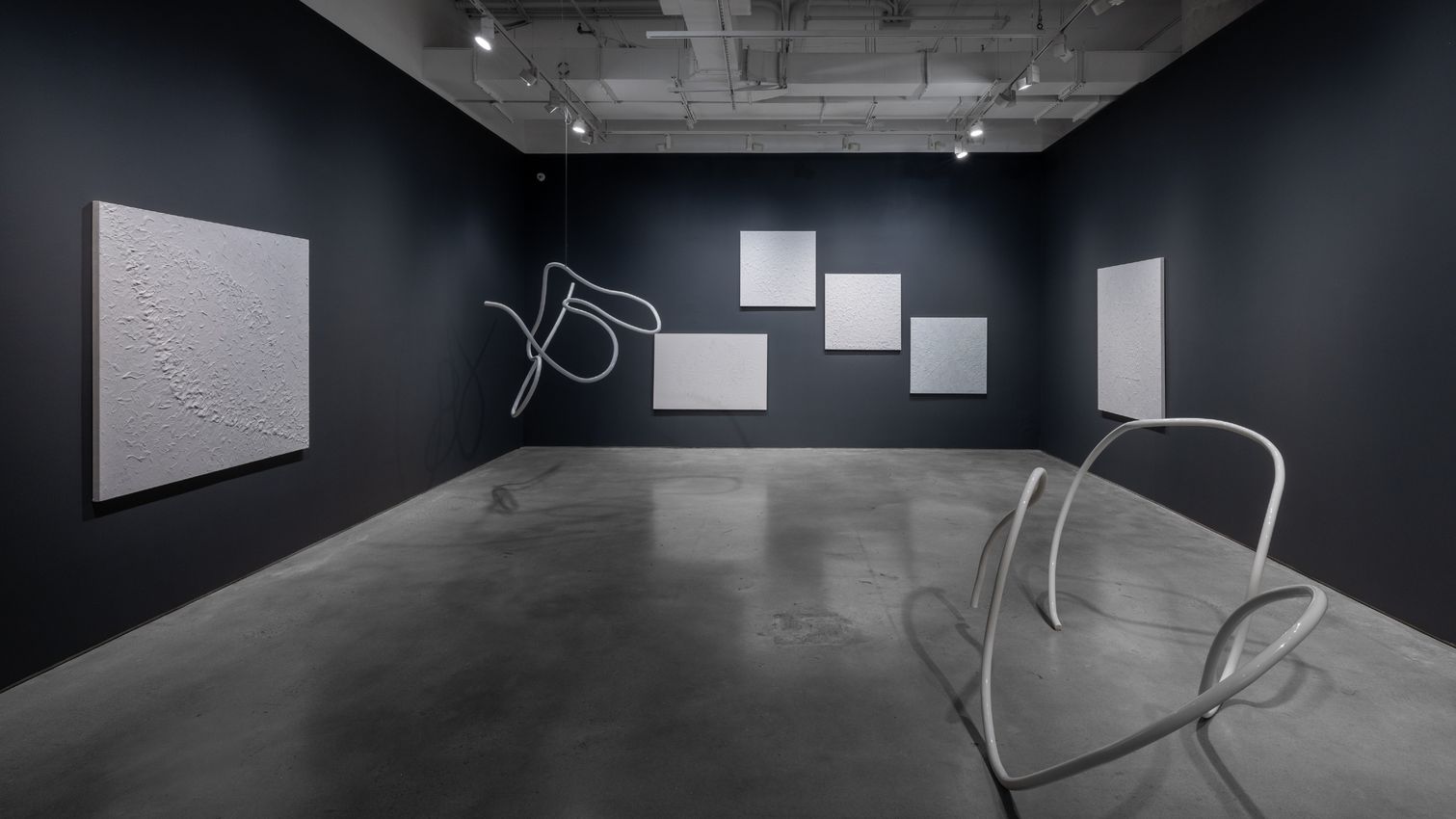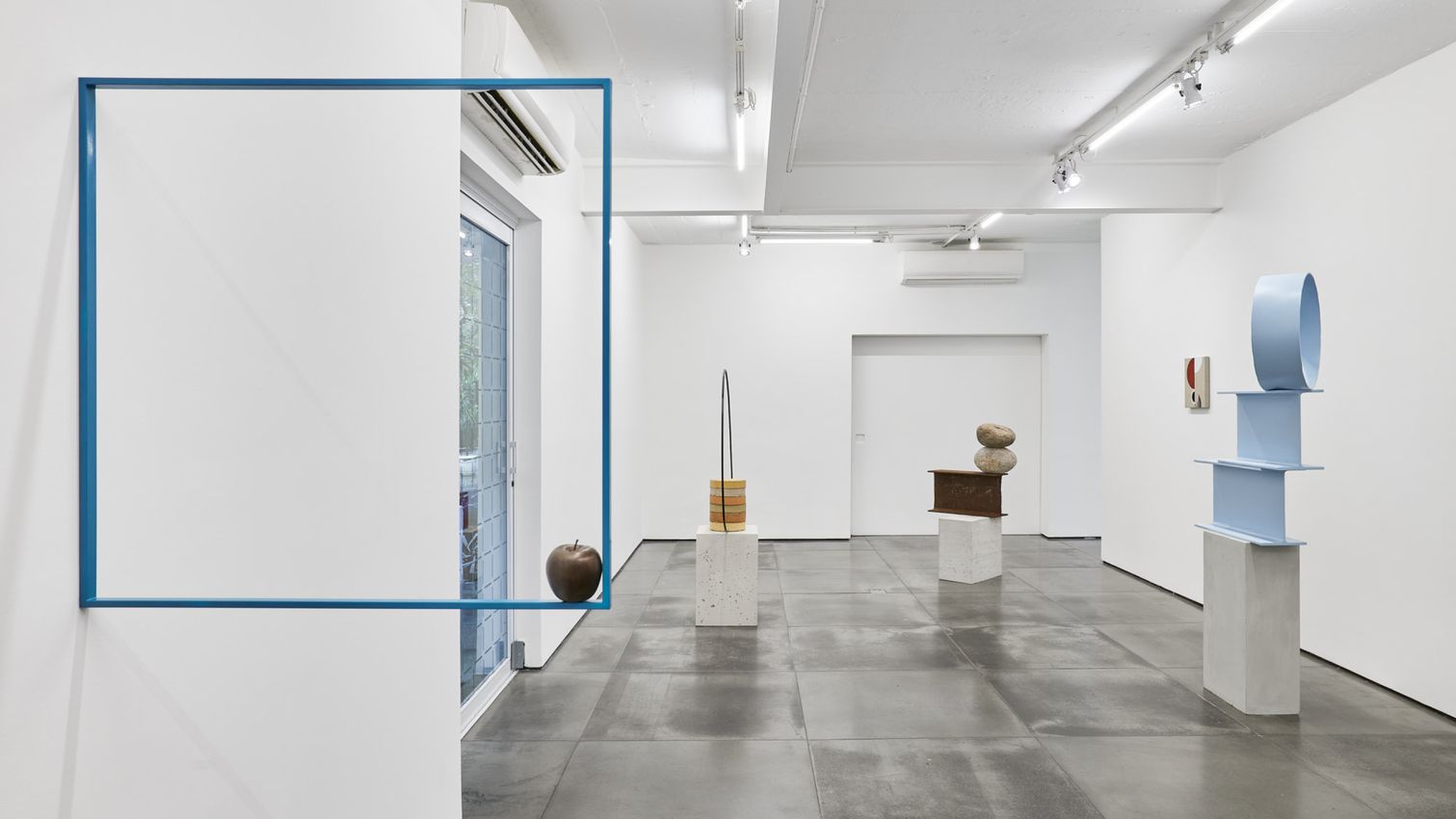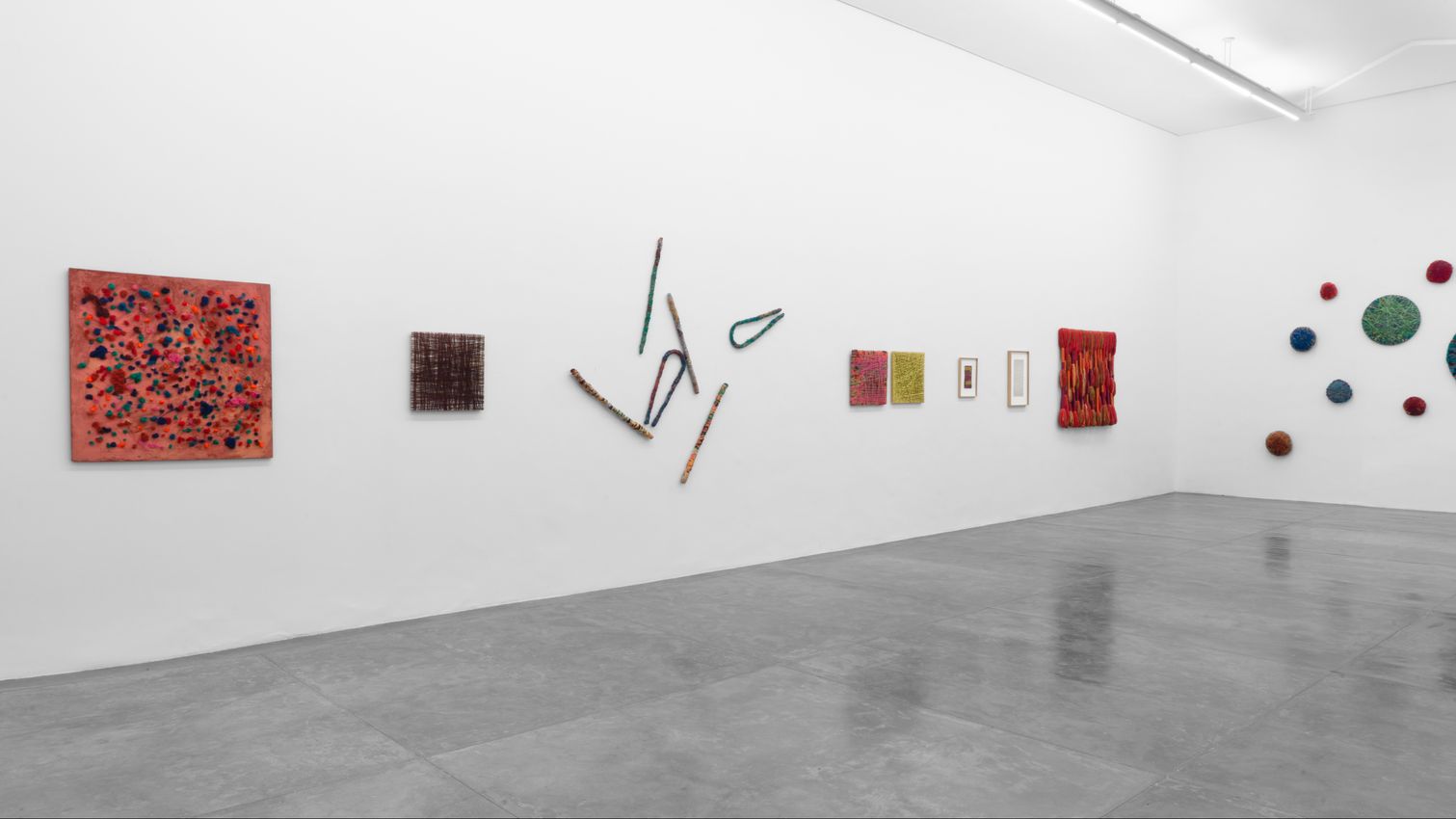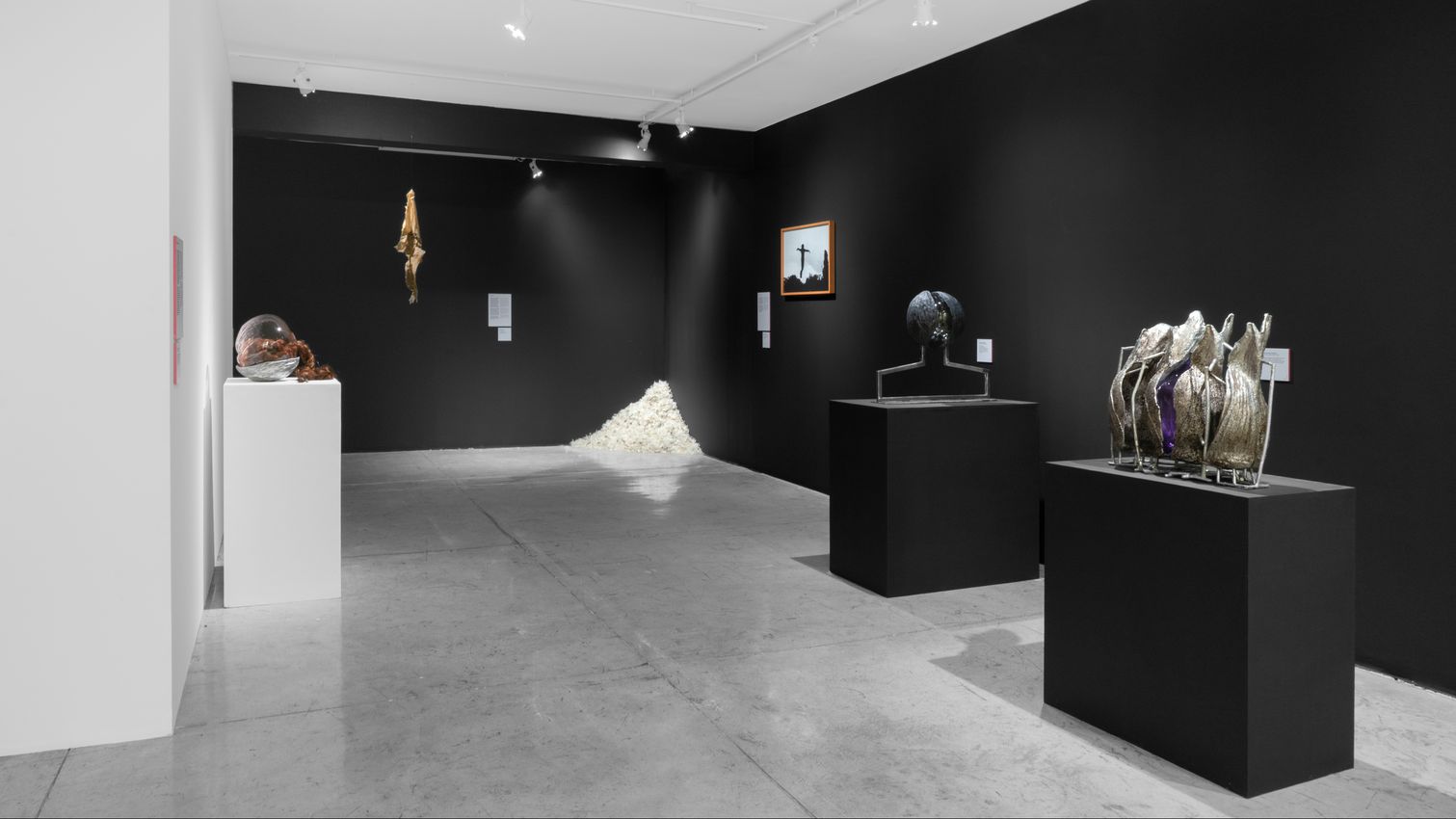
Nara Roesler is pleased to present the first solo exhibition of Brazilian artist Brígida Baltar (1959–2022) in New York. Brigida Baltar (1959-2022): To Make the World a Shelter, curated by Luis Pérez-Oramas, showcases the artist’s poetic impulsion driving an oeuvre characterised by the articulation between fabulation and materiality. The exhibition proposes a selection of works that range from her early production in the 1990s, through her last works from 2022.
Arguably one the finest Brazilian artists of her generation, Baltar kept herself devoted to an uncompromised poetics, embracing her life and body with her aesthetic ambition to grasp the world as an extension of her intimacy. Dealing with the notion of shelter, and the nostalgia of both home and origin, Baltar’s work was as eloquent as subtle, grounded in the idea of a ceaseless metamorphosis, and truthful to a sense of closeness as the artist stood out against the backdrop of a futile culture of hyper-exposure.
Brigida Baltar initiated her career at the end of the 1980s and received national and international critical acclaim early on, earning a first invitation to participate in the 5th Bienal de Havana (Cuba) in 1994. She subsequently participated in numerous other biennials, such as the 25th Sao Paulo Biennal (Brazil) in 2002, the Bienal of the Americas in Denver (USA) in 2010, the 17th Biennial of Cerveira (Portugal) in 2013, as well as in four editions of the Mercosur Biennial in Porto Alegre (Brazil) in 2009, 2011, 2015 and 2020; amongst other solo and group exhibitions.
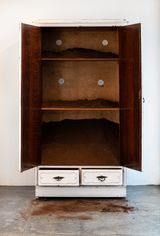
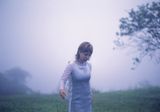
Baltar centred her initial research on the experience, longing, and concept of home. While living in a house located in the Botafogo district in Rio de Janeiro, she accomplished her seminal works in the early 1990s through small performative interventions featuring her own body and home, which she photographed, and unfolded into a major anchoring repertoire of actions and objects, mostly based on the dust collected from the briquets of that home. With this material, Baltar produced countless drawings on paper, site-specific installations, and sculptures, which she continued to developed after moving from house to house, embracing a poetics that marked the trace of her former residence into the larger, outer world, as if by disseminating the material dust that constituted its solid presence the artist could signal the possibility of an expanded field for the notion of shelter.
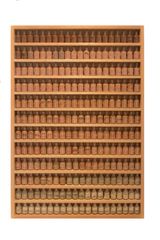
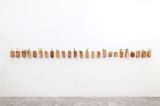
The exhibition includes a landmark work from this initial period titled Casa (1997) where the artist stored and categorized the brick dust from her home, placing it into 240 glass flasks according to color, as well as drawings representing natural elements, landscape and body parts using the brick dust itself as medium.
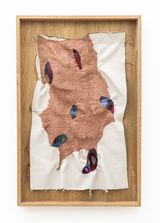
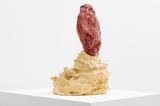
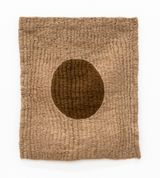
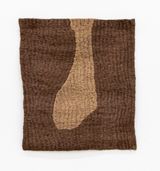
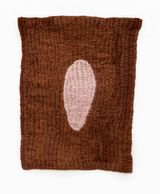
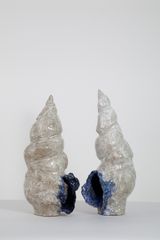
The centrality of her body in her oeuvre translated into an encompassing, almost universal presence of femaleness. Brigida Baltar approached all media—video, installation, photograph, drawing, sculpture, ceramics, ready-made, textile—in order to experience the unlimited possibilities of associations and analogies, delving into a full repertoire of hybridity and collision of forms, notably in ceramics, weavings, drawings and sculptures, many of which are presented in the exhibition. Among them a core of porcelaine shell-like sculptures that interweave notions of shelter and body, exploring natural architectures and organic elements, such as Irmãs (2017), As lambidas do mar (2017), and A Carne do Mar I (2018), as well as weavings that depict hybrid organisms, such as_A quimera das plantas [os cogumelos e a batata-doce]_ (2016), and later, map the surface of her stricken body in Os hematomas (2016).
Brigida Baltar’s untimely passing last year changed the impetus of this exhibition, transforming it into an elegiac celebration of her unique oeuvre. Ultimately, Brigida Baltar (1959-2022): To Make the World a Shelter, highlights the multi-faceted work of the artist, featuring her unique take on materiality and her ambitious, daring awareness of human bodily existence as inexhaustible source of both the impulsion and the exhaustion of life.
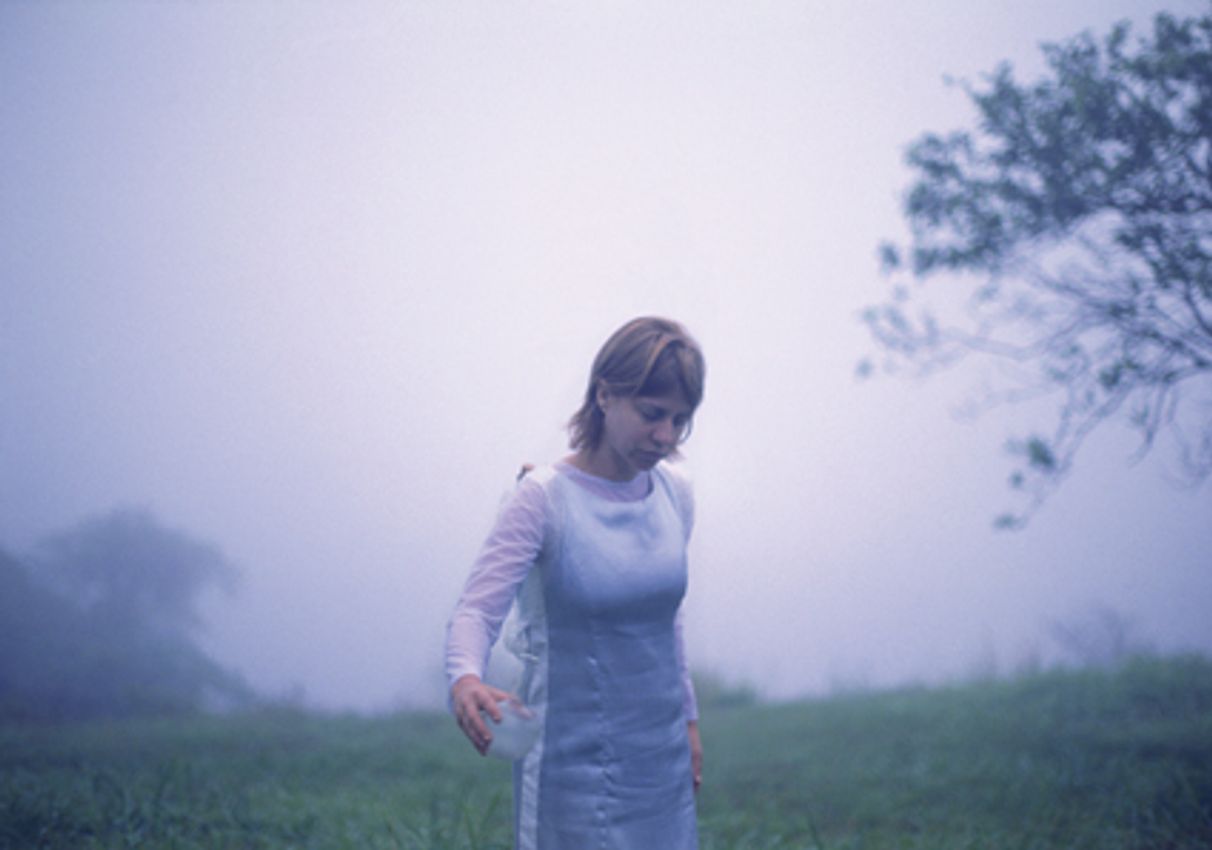
The work of Brígida Baltar spans across a wide range of medium, which includes video, performance, installation, drawing, and sculpture. According to curator Lisette Lagnado, through this practice, ‘the artist strives to return to a pre-industrial, childlike and primitive narration.’ Baltar’s artistic production began in the 1990s with the so-called small poetic gestures, developed in her studio-home in Botafogo, a neighbourhood of Rio de Janeiro.


Founded in São Paulo in 1989, Galeria Nara Roesler is a leading Brazilian gallery dedicated to showing the work of contemporary Brazilian and international artists. The gallery established another branch in Rio de Janeiro in 2014, followed by its first international outpost in New York City in 2015.

A respected voice in contemporary art discourse.
Focusing on ambitious storytelling and insightful art-world commentary. Ocula Magazine publishes in-depth interviews, critical essays and timely analysis on the artists, exhibitions and ideas driving the global art world.
Learn more about Ocula Magazine
Showcasing the best of the art world.
Ocula partners with galleries from around the world to highlight their artists, artworks and exhibitions. Gallery membership is by application and invitation, with each member vetted by an independent panel.
Learn more about Ocula Membership

Specialises in the sale of major artworks.
Led by a team with deep ties to the world’s leading auction houses, galleries and collectors. Ocula’s advisory team offers bespoke services to high-net-worth clients from around the world who are looking to acquire the best of contemporary and modern art.
Learn more about our team and services