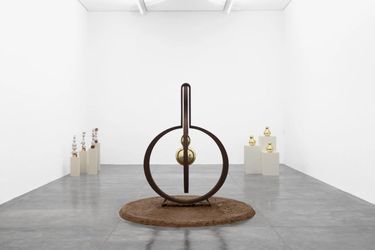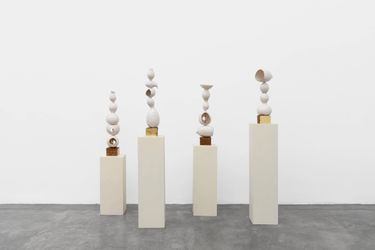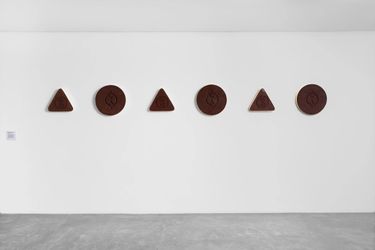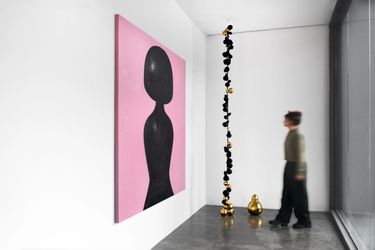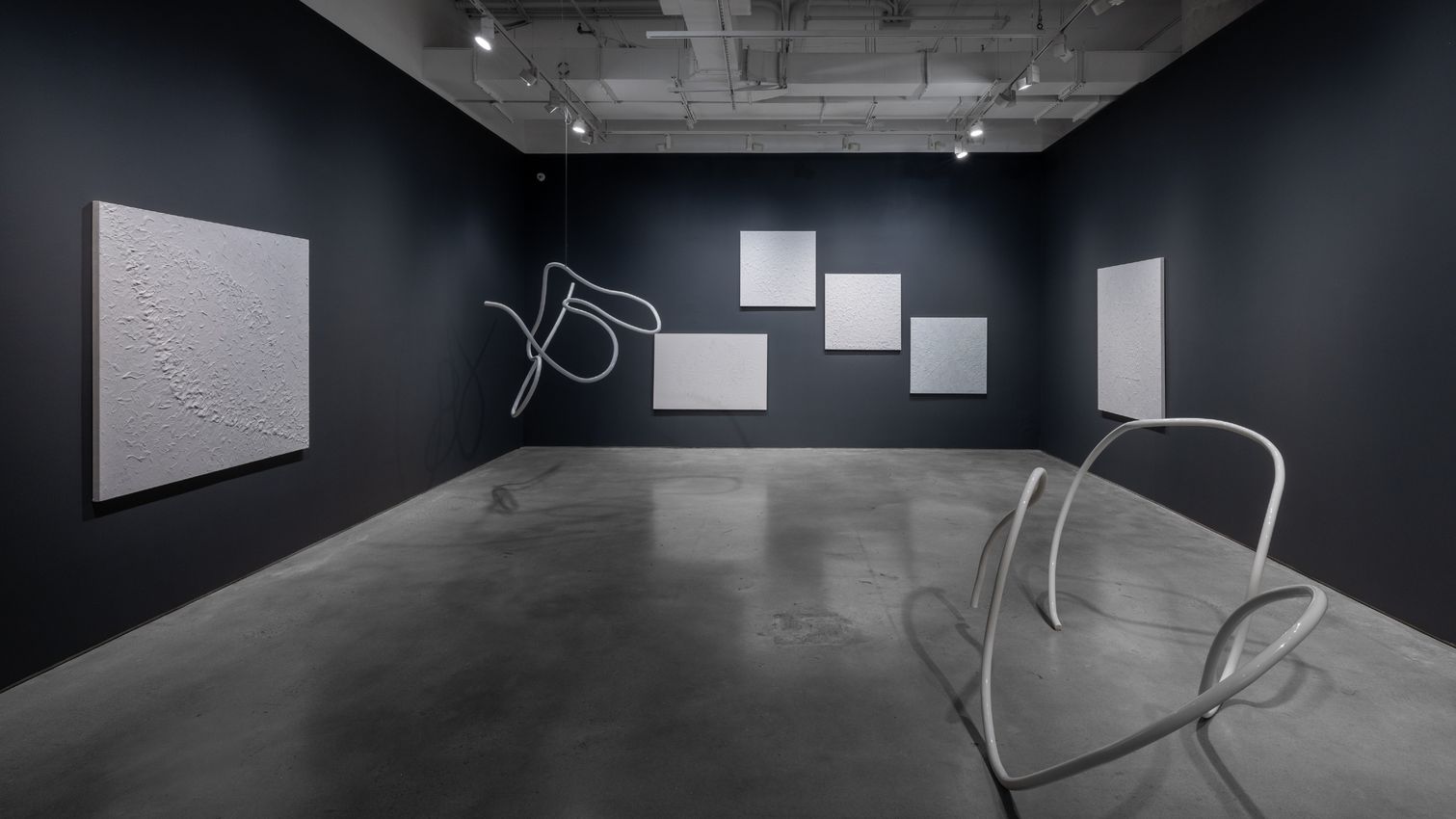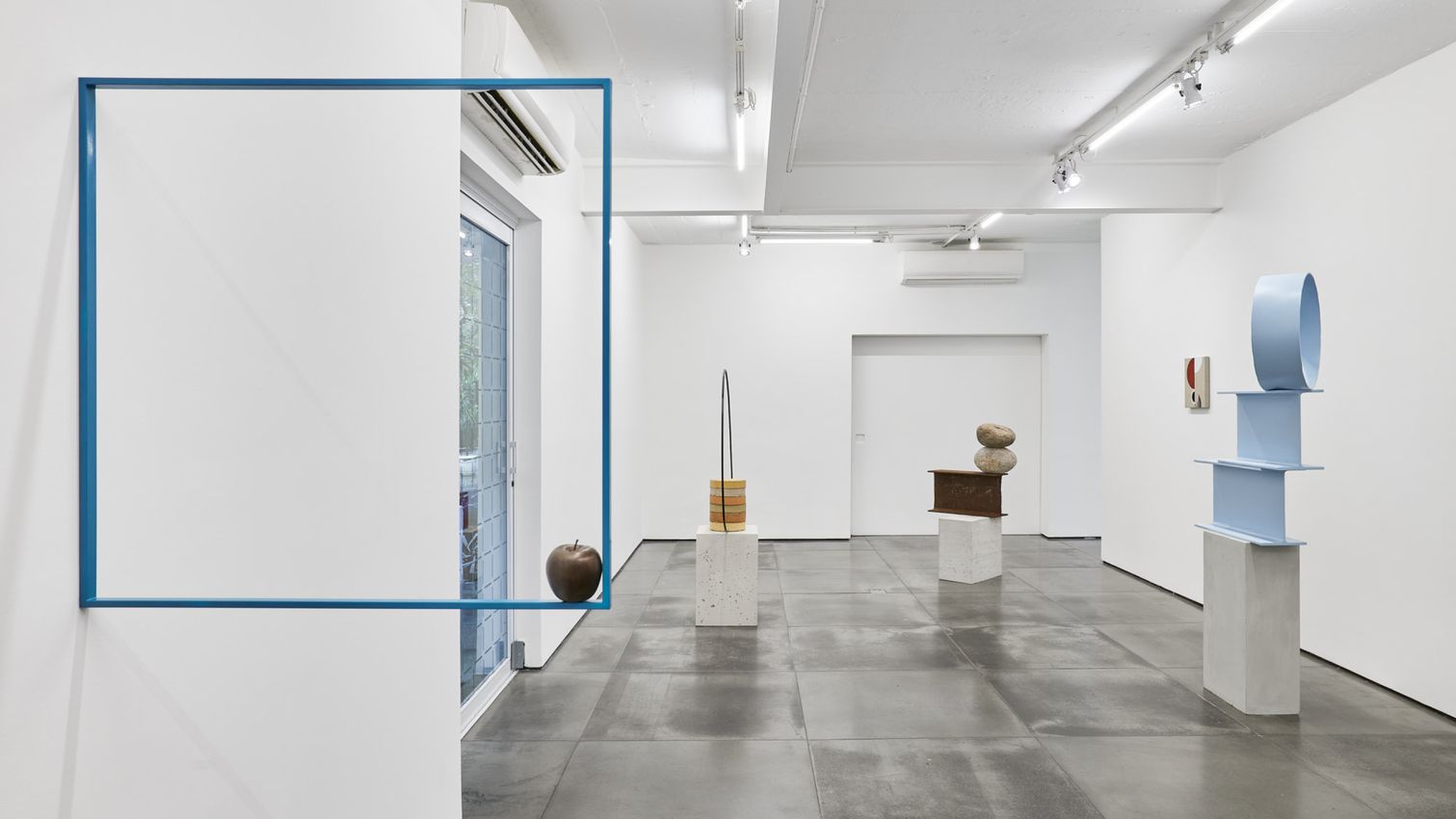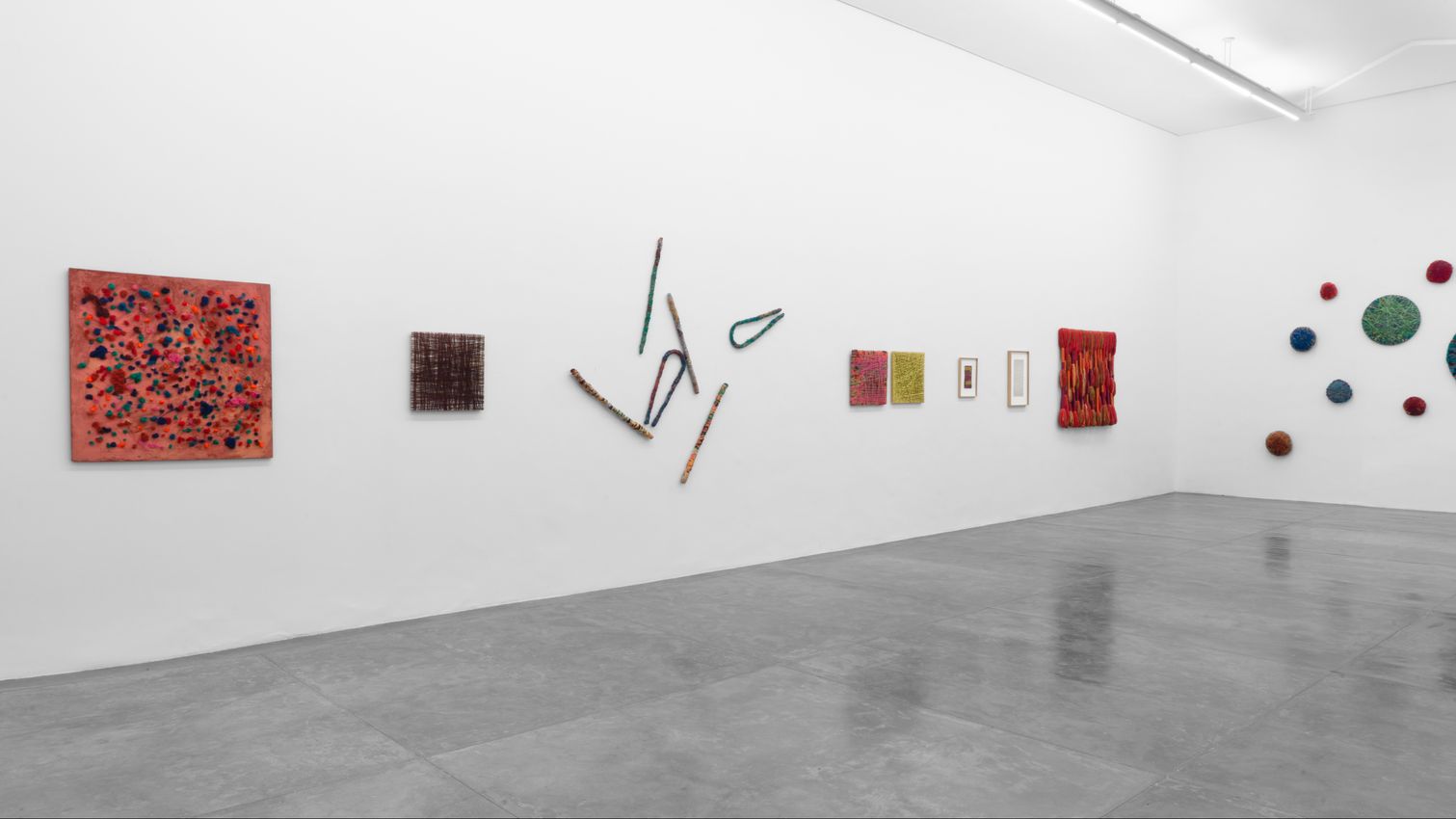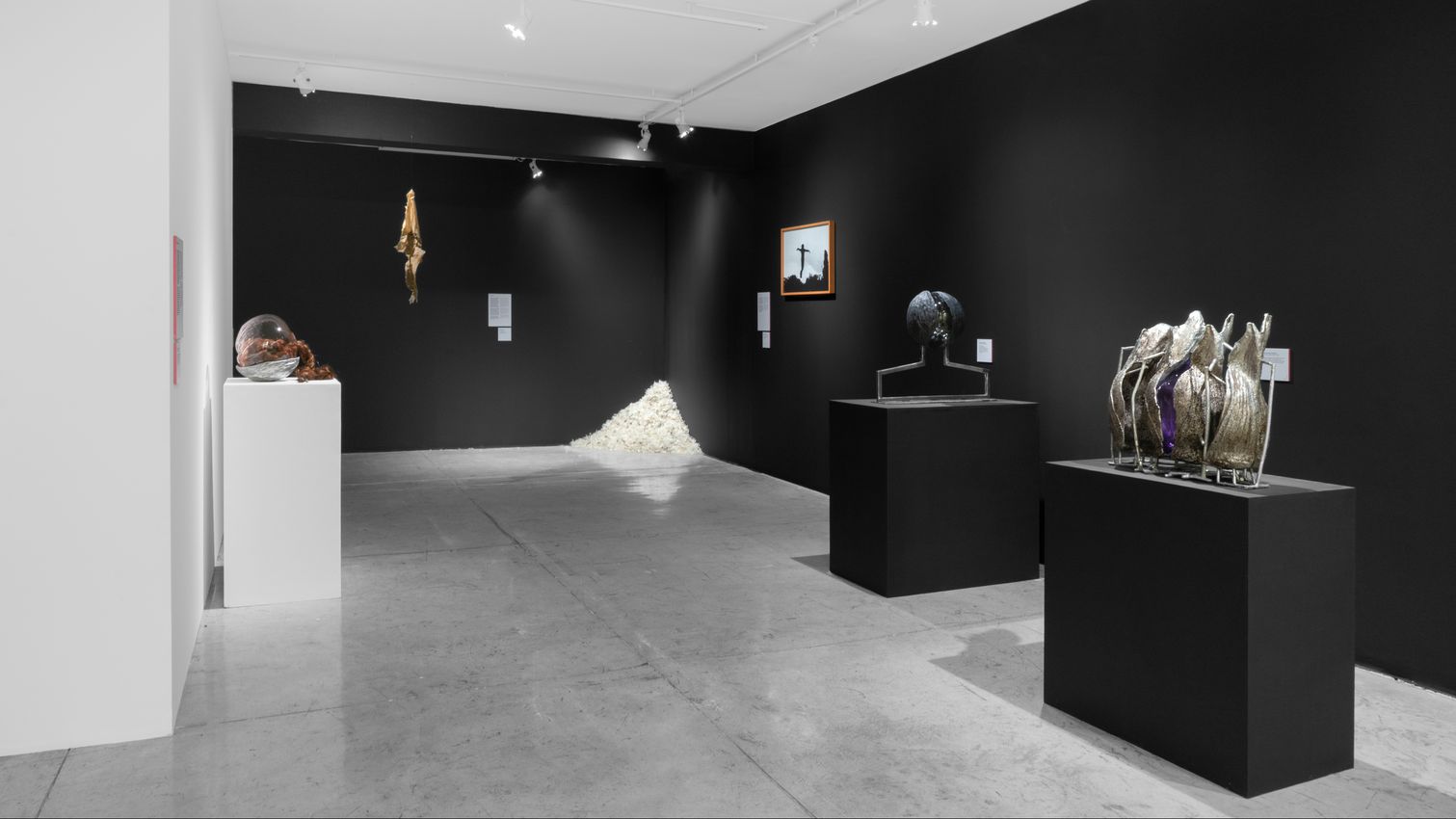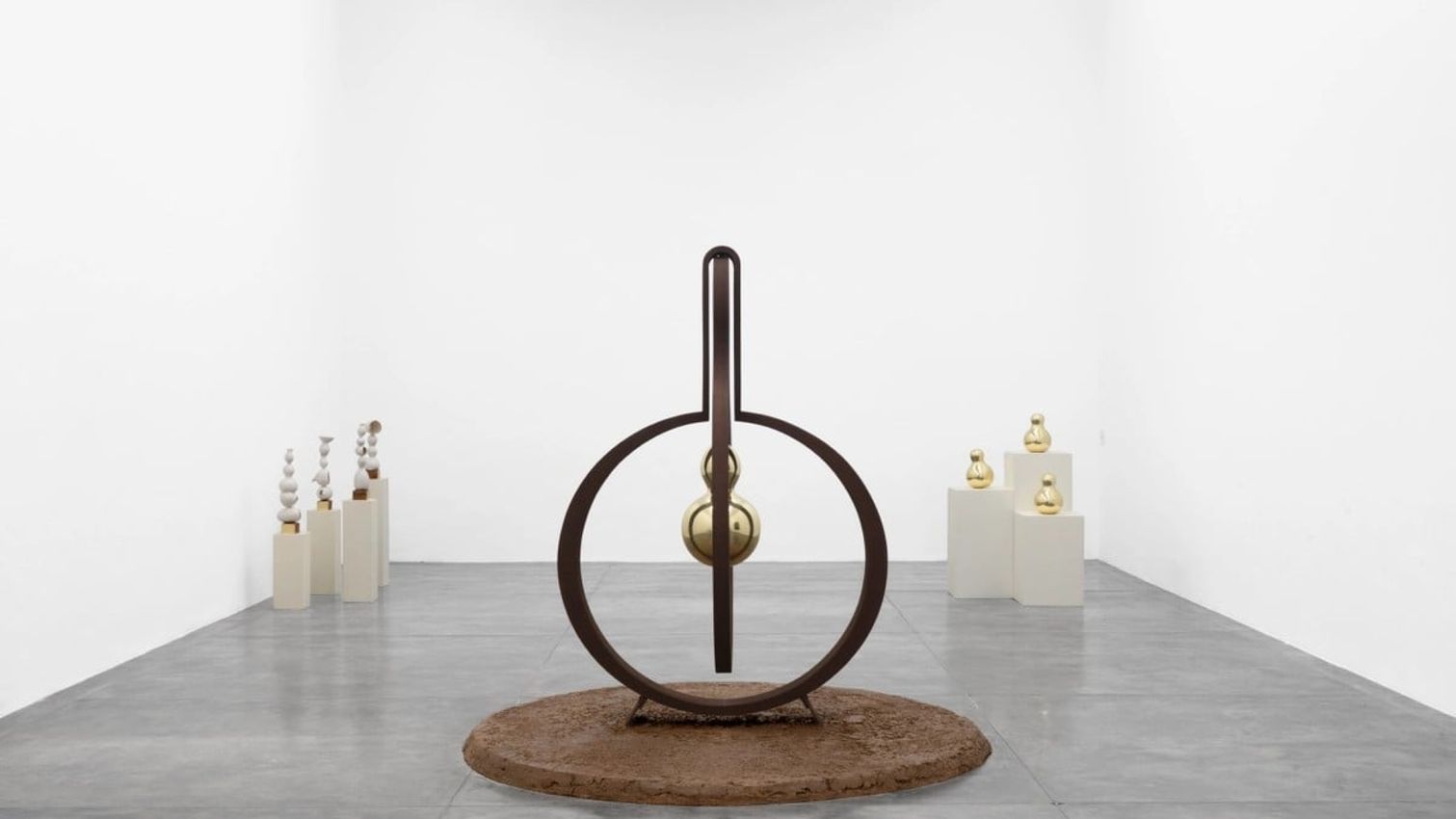
Nara Roesler presents the exhibition Before Form, Enchantment, by Mônica Ventura, curated by Catarina Duncan. The show brings together works produced over the past ten years alongside new pieces, articulating a field of investigation in which matter, ritual, and form are intertwined as inseparable dimensions.
The word “fetish,” central to the vocabulary that runs through the exhibition, carries a history marked by displacements and distortions. Derived from the Latin facticius, the notion was appropriated in the colonial context to designate objects invested with spiritual power by populations of the Gold Coast, in the African continent, reduced by the European gaze to the condition of superstition or exoticism. By recovering this genealogy, the exhibition proposes a critical inflection: the so-called “fetish” is reinscribed as a symbolic system, as a condensation of forces, and as a form inseparable from practices, rituals, and memories.
In this context, Mônica Ventura’s sculptures, paintings, and installations bring artistic procedures into proximity with diverse ritual technologies, mobilizing materials and processes as active agents. Here, form emerges as an animated body, a device for exchange between the visible and the invisible, between presence and transformation.
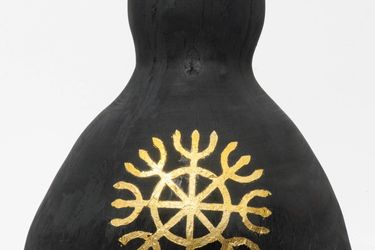
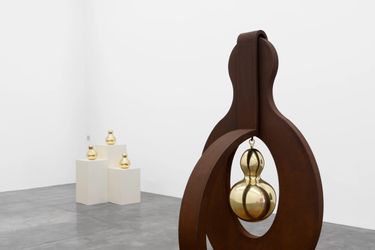
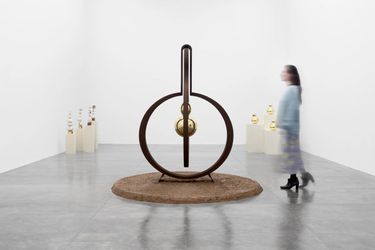
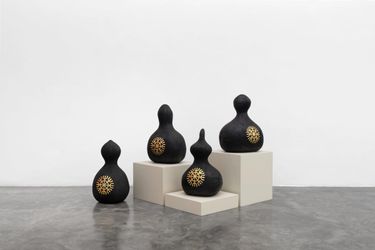
The gourd, also known as cuia, igbá, or poronga, runs through the exhibition as both a formal and symbolic axis. Present in different Afro-Indigenous cosmologies as a matrix form, it appears in the works as womb, container, and seed. In versions ranging from gold to corten steel, from charred wood to ceramic and its natural form, the gourd unfolds into a multiple plastic vocabulary, operating as structure and organizing principle.
From this axis, the artist’s practice expands into a broader material field. Plants, metals, pigments, oils, and transformative processes configure a domain in which matter is understood as a carrier of energy and memory, traversing different systems of knowledge and modes of making.
By bringing these elements together, the exhibition shifts the exhibition space into a hybrid condition between laboratory, shelter, and altar. In this environment, identities and forms are conceived as systems in circulation, permeated by passages, exchanges, and renewals.
If the colonial fetish sought to fix the object within a stable reading, Mônica Ventura’s work refuses stability and insists on transformation, making matter a field in which forces condense and continuously reorganize.


Founded in São Paulo in 1989, Galeria Nara Roesler is a leading Brazilian gallery dedicated to showing the work of contemporary Brazilian and international artists. The gallery established another branch in Rio de Janeiro in 2014, followed by its first international outpost in New York City in 2015.

A respected voice in contemporary art discourse.
Focusing on ambitious storytelling and insightful art-world commentary. Ocula Magazine publishes in-depth interviews, critical essays and timely analysis on the artists, exhibitions and ideas driving the global art world.
Learn more about Ocula Magazine
Showcasing the best of the art world.
Ocula partners with galleries from around the world to highlight their artists, artworks and exhibitions. Gallery membership is by application and invitation, with each member vetted by an independent panel.
Learn more about Ocula Membership

Specialises in the sale of major artworks.
Led by a team with deep ties to the world’s leading auction houses, galleries and collectors. Ocula’s advisory team offers bespoke services to high-net-worth clients from around the world who are looking to acquire the best of contemporary and modern art.
Learn more about our team and services