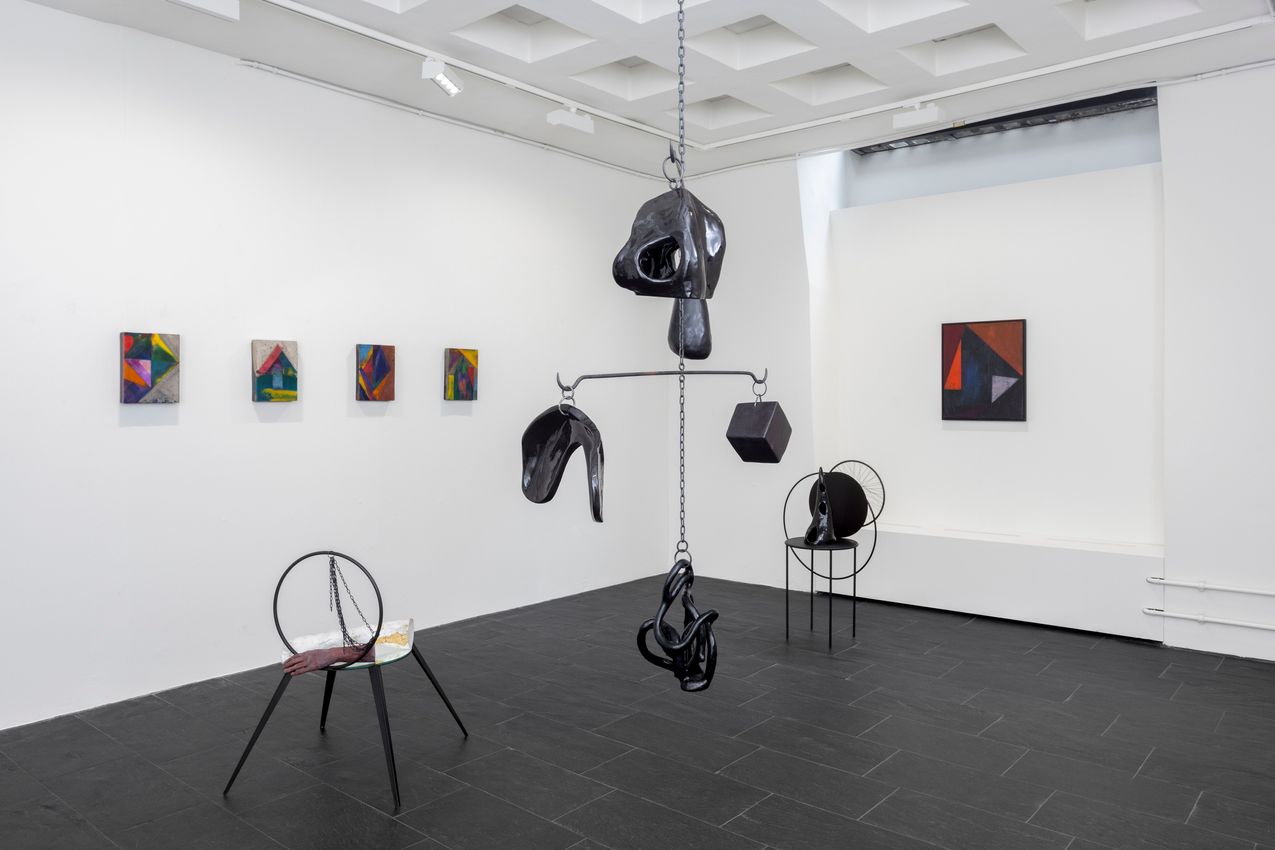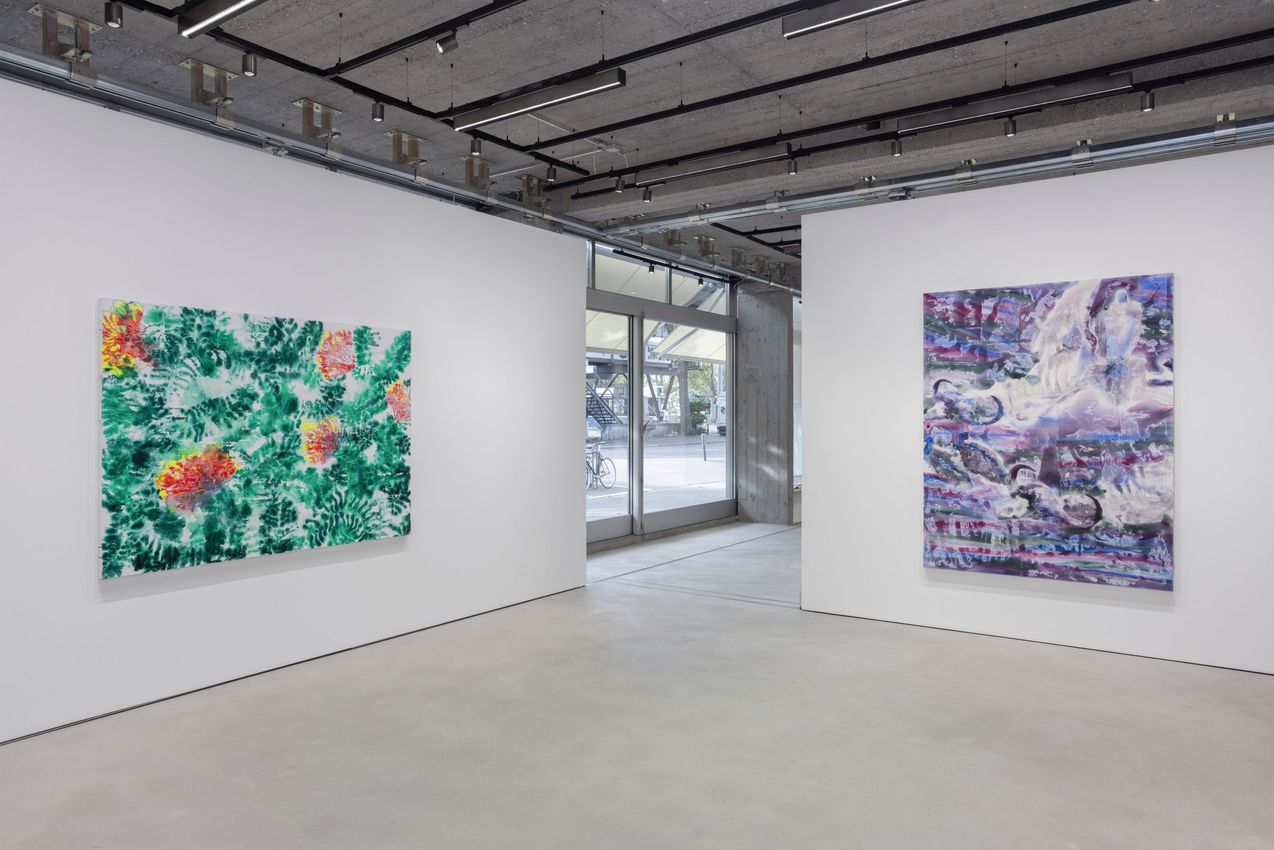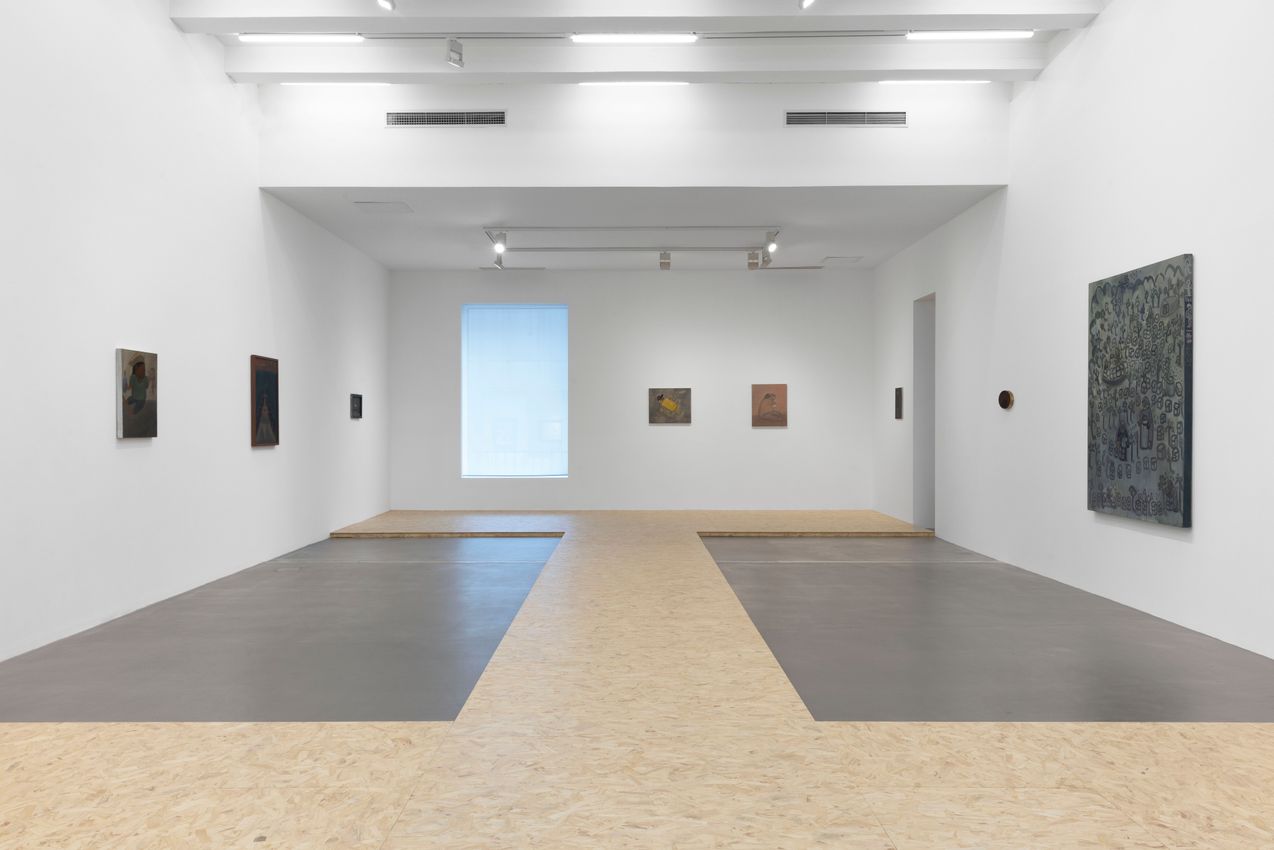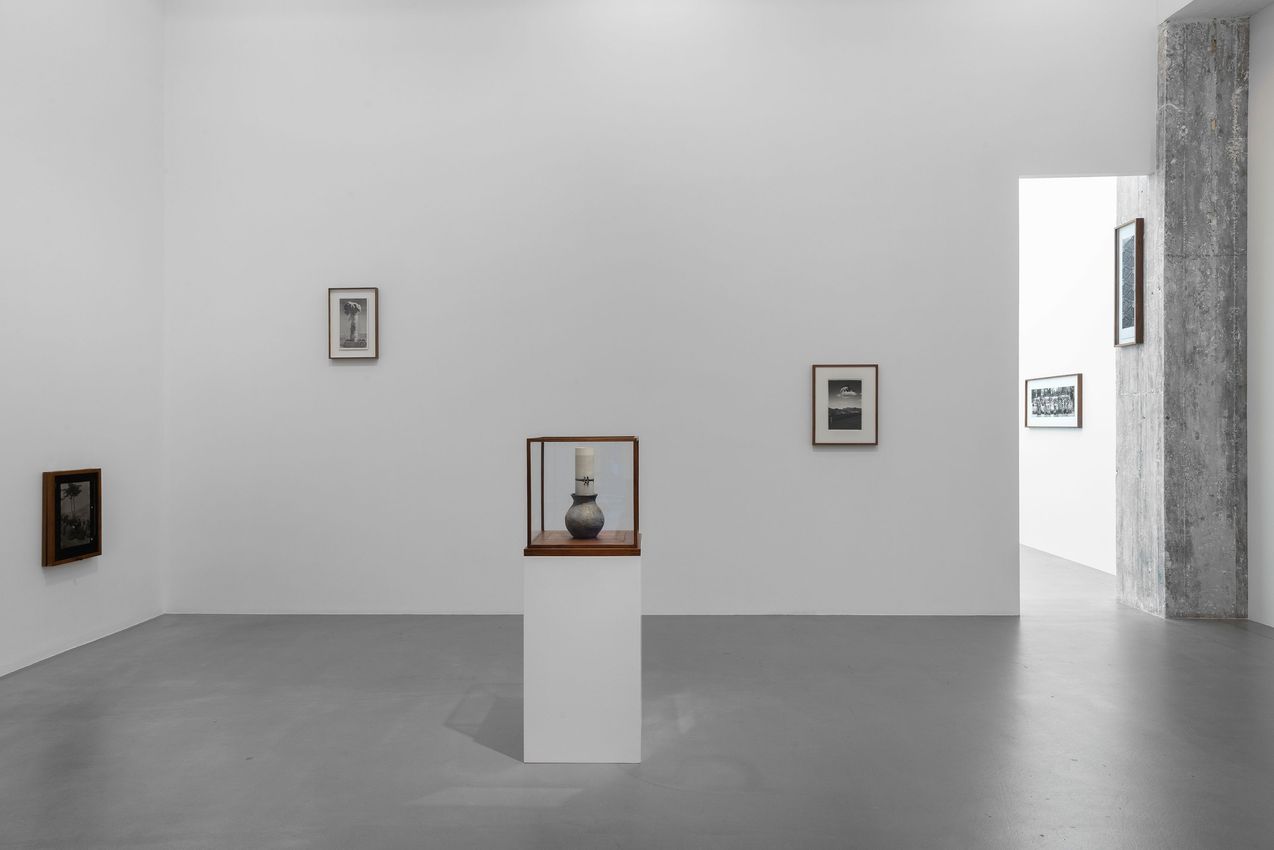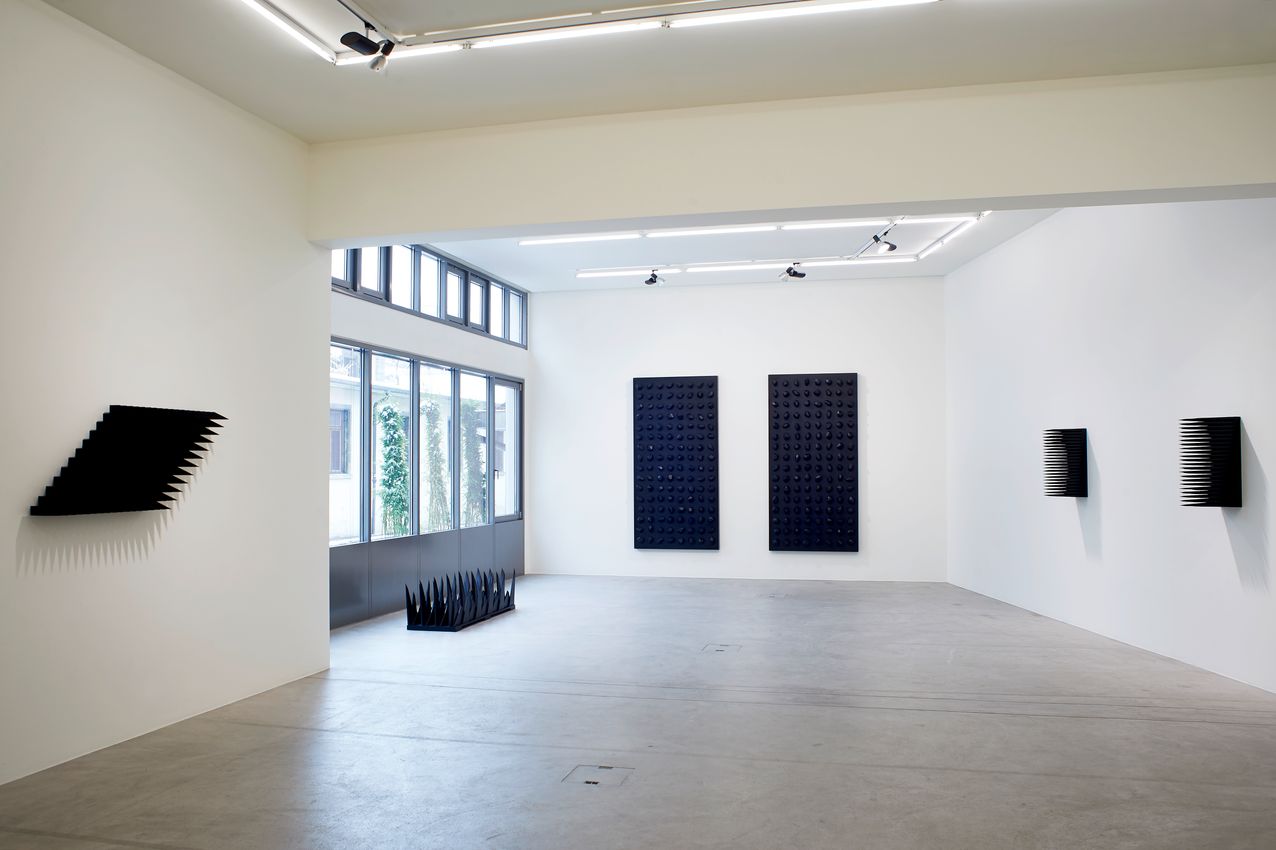
‘When I was at school, I had to travel 40 kilometers every week from the eastern suburbs to the west side of the city. This experience allowed me to witness the city’s metamorphosis. Stores popping up on one day disappeared the other, as if they had never existed. Many of my memories are chaotic and peeling away layer by layer, which throws shadows over my logic and sense of security. It also finds its way to my art works. They eventually become my heaven and my hell of eternal self-defense.—Yang Mushi
Galerie Urs Meile is pleased to announce the opening of Compulsory Execution, the first solo exhibition in the west for young emerging Chinese artist Yang Mushi, 1989. The exhibition follows his first solo show, Illegitimate Production, held in Beijing in 2016.
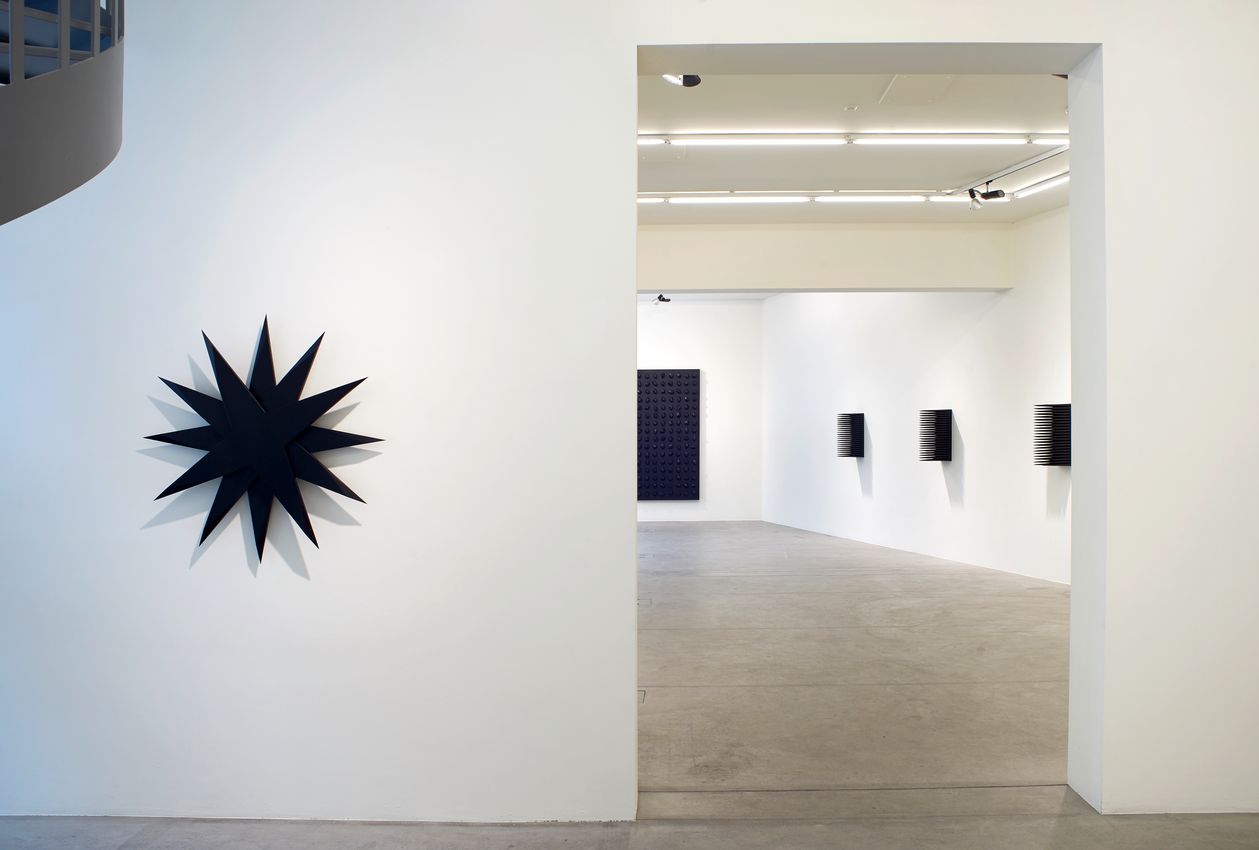
While creating his works, Yang Mushi enters a state of introspection that borders on self-torture. He submits himself to a rigorous daily routine, diligently working on his sculptural materials in vigorous acts of cutting, grinding and sharpening. As a final step, the surface is polished and covered with black lacquer, thus reducing the objects to dark shapes of strict aesthetics and a martial kind of beauty.
The exhibition in 2016 presented a group of works questioning the legitimacy of the industrial mass production and extreme urban development of China. The artist sees this body of works as a result of blindness, impulsivity and instinct, while Compulsory Execution represents his pursuit of analysis, rationality and restriction. The construction of the pieces, and the size and proportions of each component, are all carefully calculated. The result is aggressiveness, sharpness and anonymity that is considered by the artist as a tool of defense.
Inevitably, Compulsory Execution also reflects the current social reality in China. The discouragement of individual thinking fulfills a need for high social efficiency, at the cost of personal attributes, leading to a dull, unified and at worst combative community. Yang Mushi uses ready-made materials exclusively, after obliterating their original forms, traces and functions, he deliberately presents the brutal results of this ‘compulsory execution’.
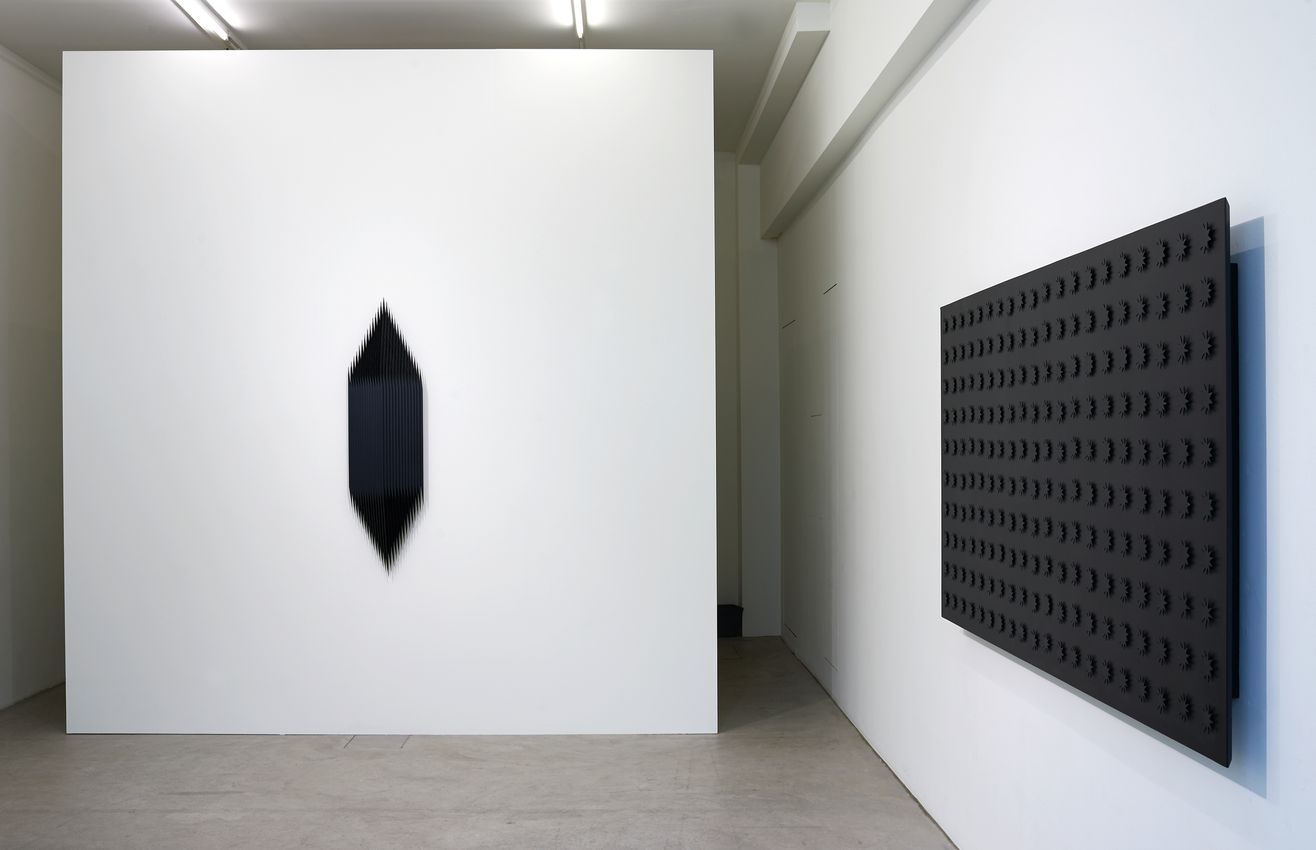
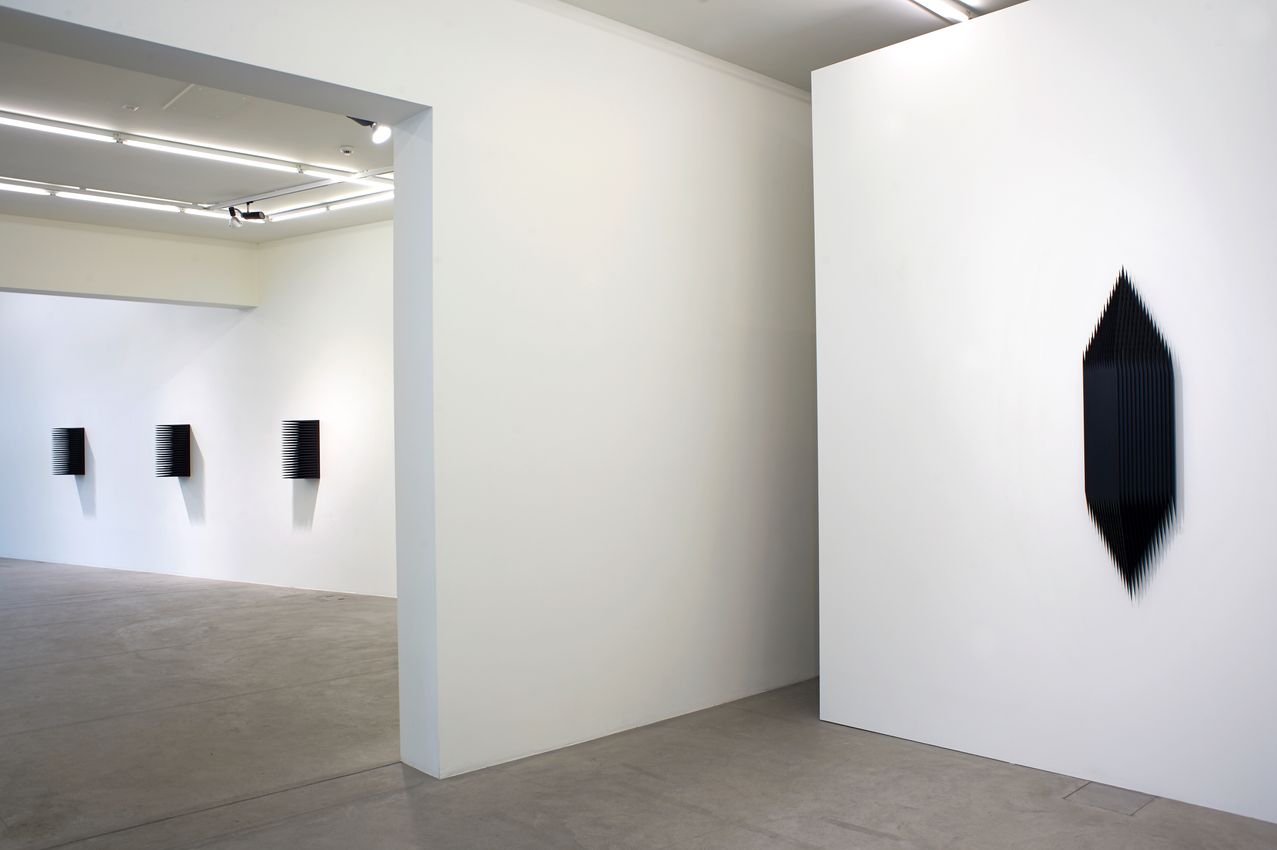
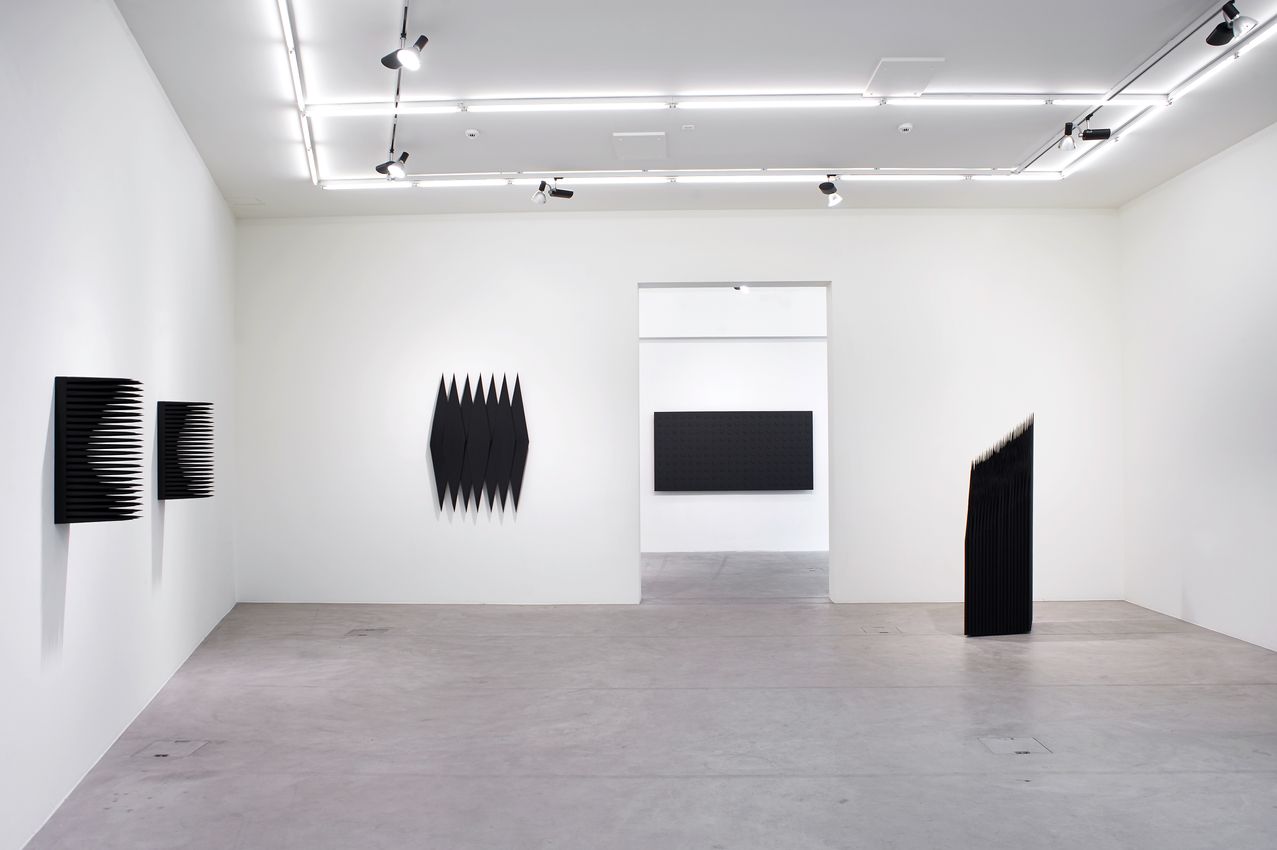
The materials of Arraying - Branch (2017, tool handles, plywood, lacquer, 4 x 66 x 27 x 34 cm) come from various tool handles. After uniformly scaling down all sizes and filing away the edges, the objects are ground down into the shapes of bullets before being covered with black lacquer. They are then tightly placed onto four identical black backboards, all facing in one unified direction.
Overlaying - Branch (2017, protective barrier, plywood, lacquer, 155 x 42 x 19 cm) is made of a group of slim wooden pieces with both ends sharpened. The material is sourced from protective barriers which were used to protect house properties in the artist’s neighbourhood. Yang Mushi first reduces the objects to hand tool size before cutting the top corners. The wood strips and plywood boards are then nailed together into two warped triangular columns with identical shrinking gradients and orientations. Then another set of protective barriers of the same size with both ends sharpened are nailed onto the exterior, thus covering the original structure. The gaps between wood strips are then filled to create an illusion of a singular whole.
Sharpening - Block (2017, wooden pallet, fiberboard, lacquer, 245 x 123 x 18 cm, 3 pieces) is made from used pallets. The artist cuts the material and assembles it into fist-sized objects, and then grinds it down into objects with edges and corners that are half ball, half cube shaped. Finally, they are nailed onto the black base plate in an orderly layout, creating a fragmented, forward-facing space.
Yang Mushi (born 1989, Jiangxi Province, China) lives and works in Shanghai, China. In 2014 the artist graduated from the Central Academy of Fine Art, Beijing, China.


Since its establishment in 1992, Galerie Urs Meile has contributed to the presentation and dissemination of contemporary art, from painting and sculpture to photography, installation and video. The gallery is working from two locations: Lucerne (Switzerland) and Beijing (China). While its center of operations is based in Switzerland, the Beijing gallery has established itself as an international meeting place for collectors, curators, artists and aficionados of the arts.

A respected voice in contemporary art discourse.
Focusing on ambitious storytelling and insightful art-world commentary. Ocula Magazine publishes in-depth interviews, critical essays and timely analysis on the artists, exhibitions and ideas driving the global art world.
Learn more about Ocula Magazine
Showcasing the best of the art world.
Ocula partners with galleries from around the world to highlight their artists, artworks and exhibitions. Gallery membership is by application and invitation, with each member vetted by an independent panel.
Learn more about Ocula Membership

Specialises in the sale of major artworks.
Led by a team with deep ties to the world’s leading auction houses, galleries and collectors. Ocula’s advisory team offers bespoke services to high-net-worth clients from around the world who are looking to acquire the best of contemporary and modern art.
Learn more about our team and services