Press Release

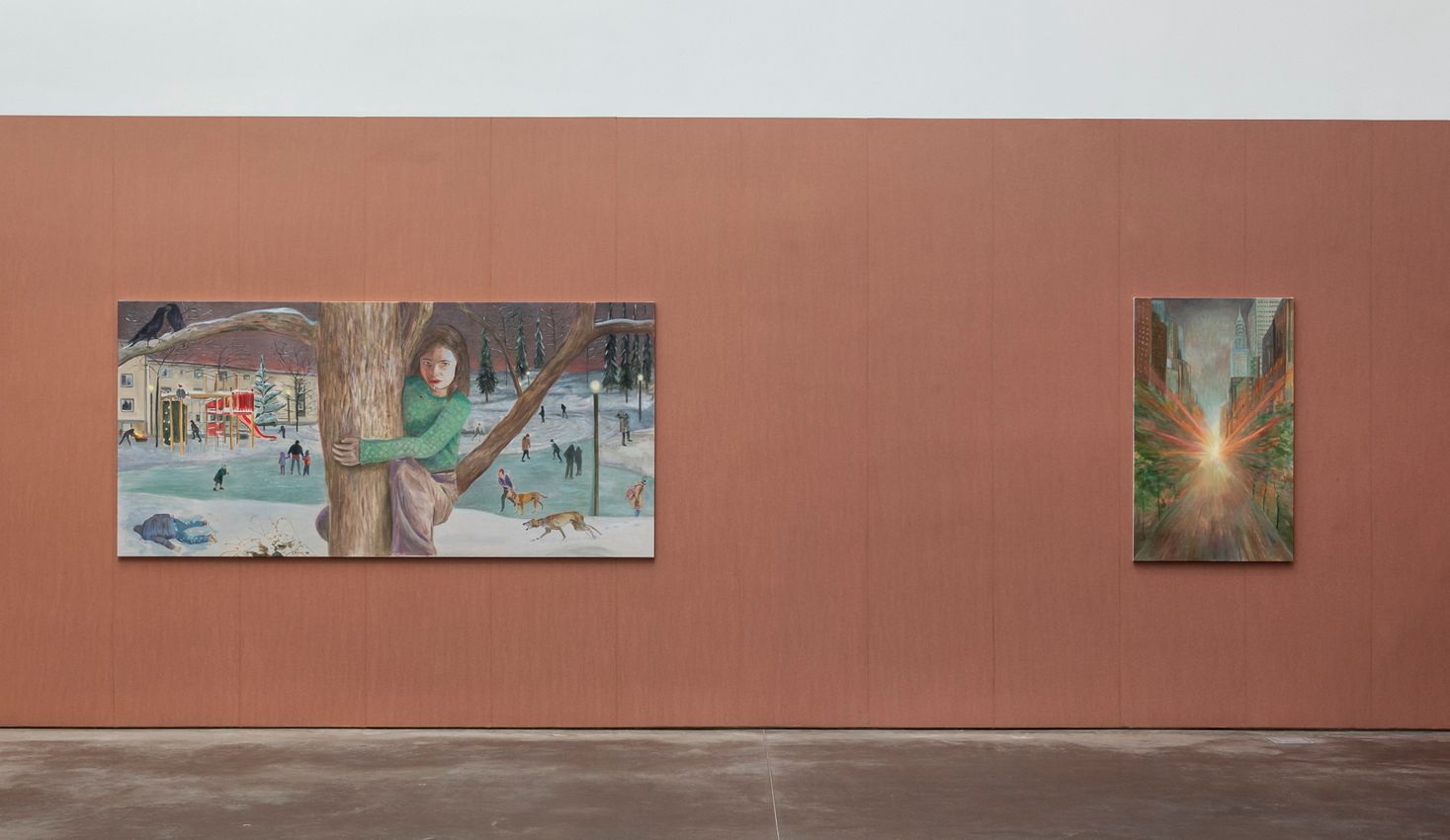
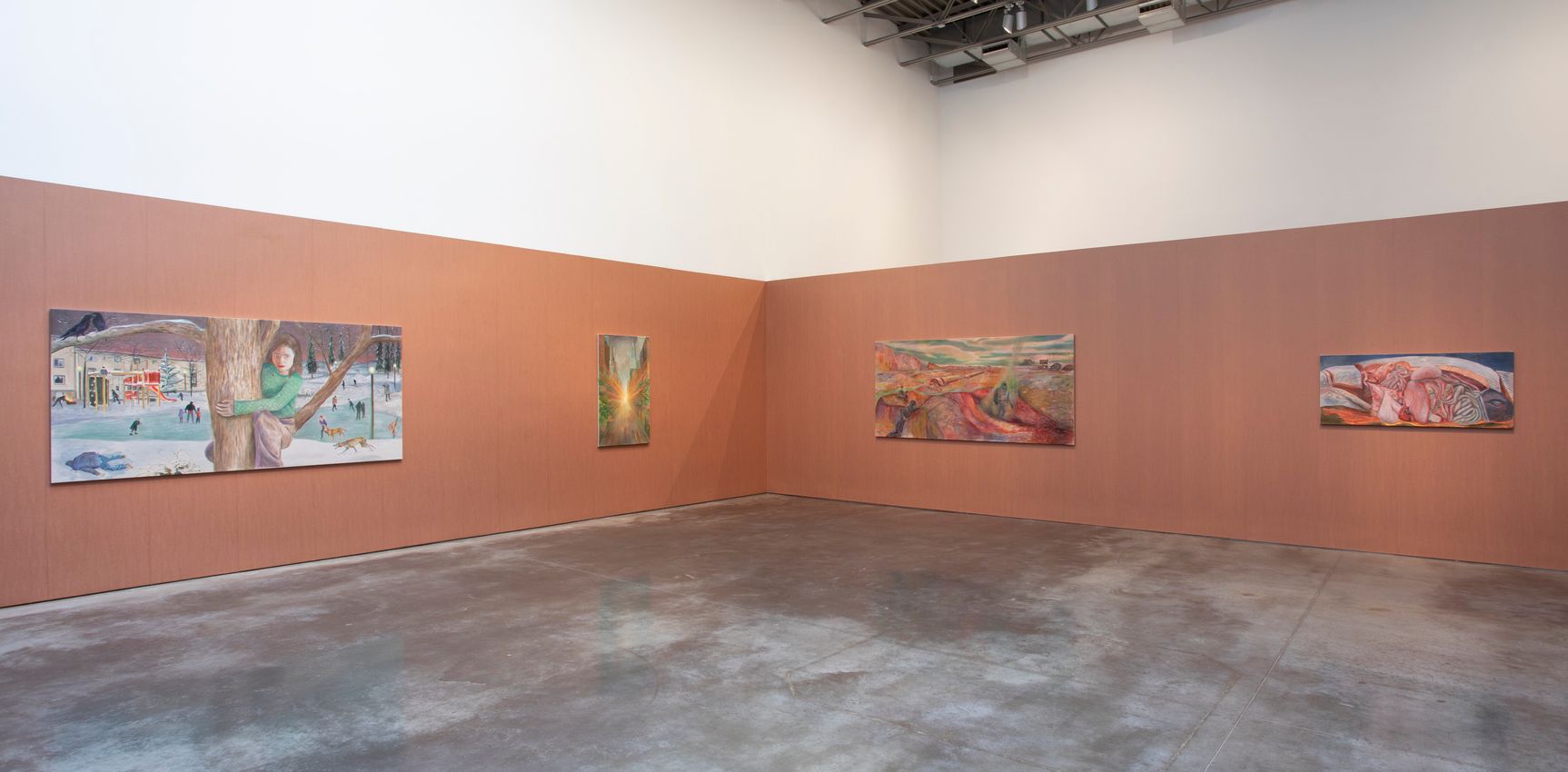
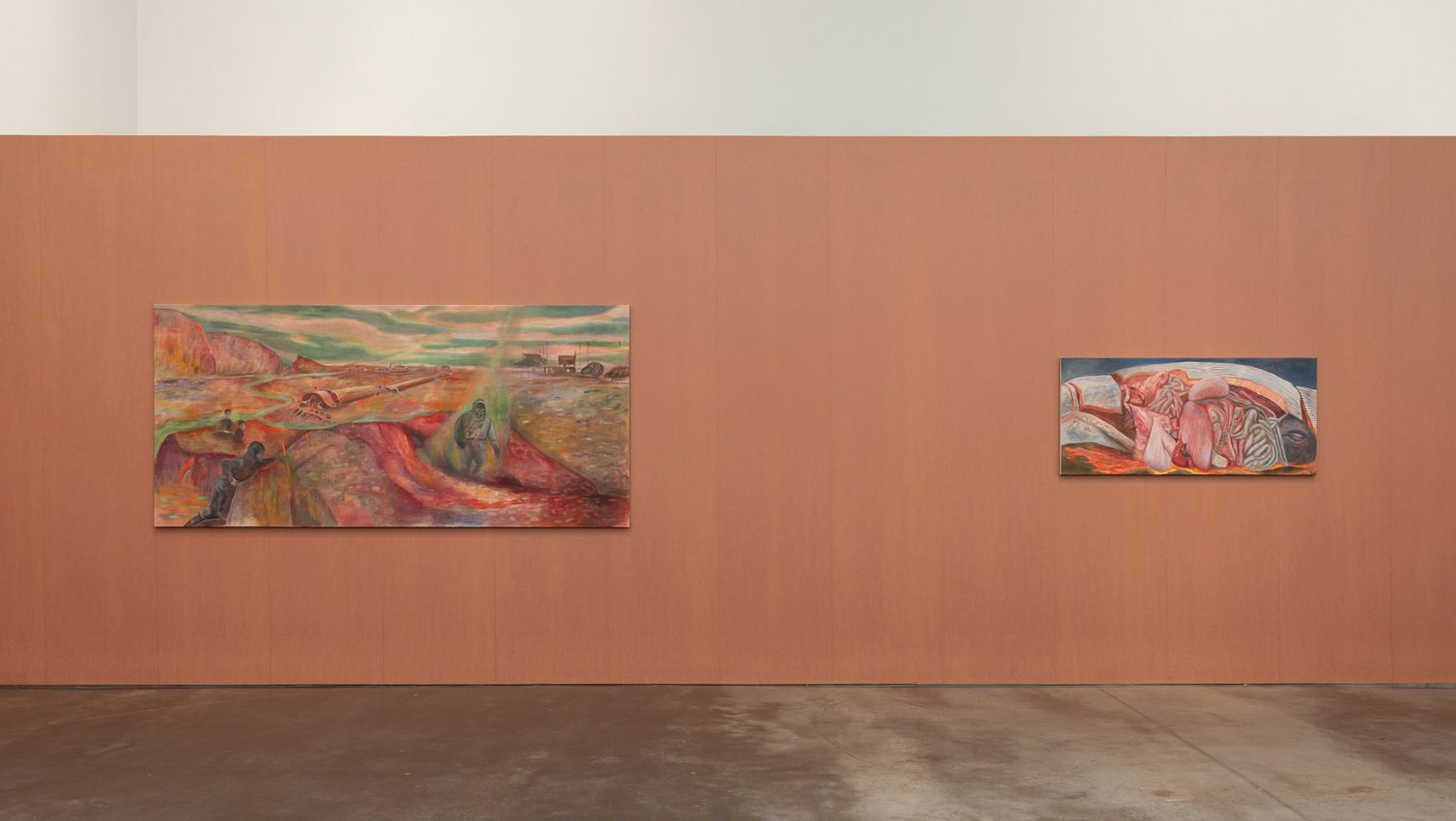
I’ve been thinking about your exhibition as a sort of mathematical or clinical experiment with the space of painting. Your operation was to take the number of canvases, the exact sizes and shapes provided by the external structure of Goya’s Black Paintings, and then fill them in with your own imagery. But you are also okay with losing it, letting it slip away again and become something new.

I was reading about this work, and the description itself is quite remarkable: the paintings were done directly on the walls of his home and after his death, they were transferred to canvas and essentially reconfigured into a different medium. After the demolition of the house and the relocation of the paintings to the Prado, even if most of the original murals have suffered extensive losses the emotional force that produced those paintings persists untouched. I see in this work the power to resist time and carry life in the same way that a black hole or stardust does.

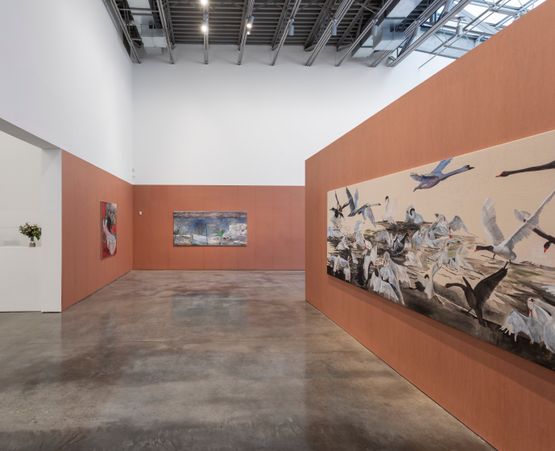
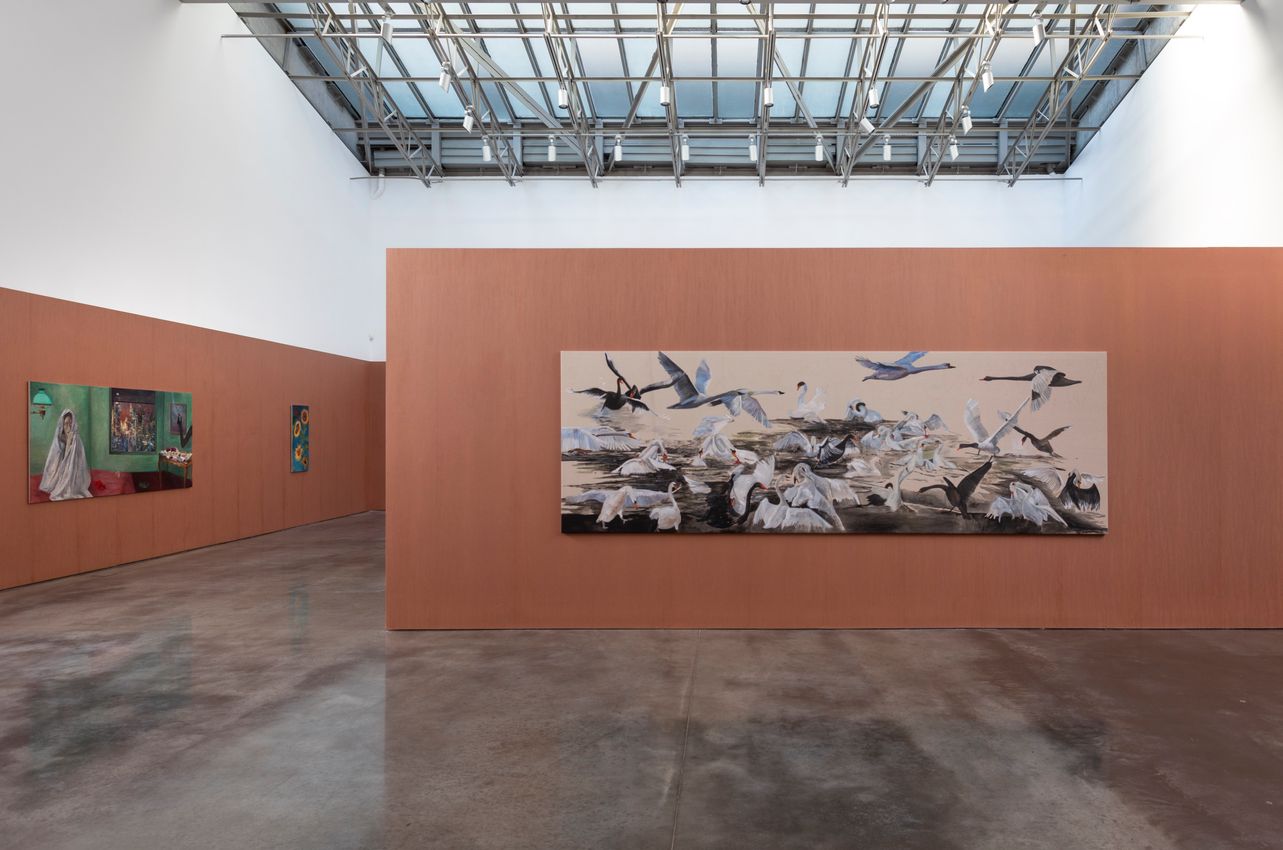
Rather than remaking this missing architecture or source into his paintings imaginary, you extract their formats and reactivate them in a post-industrial exhibition space in New York. I understand that you absolutely disregarded their narrative content as if the power they bear could somehow transcend stories? As if stories were just provisional content and it’s the vessel that counts, that carries. But can you detach one from another? Probably not, but you are trying to create some friction and make them crack. Tapping into the intimate connection between the external structure of the physical world and its inner psychological representation.

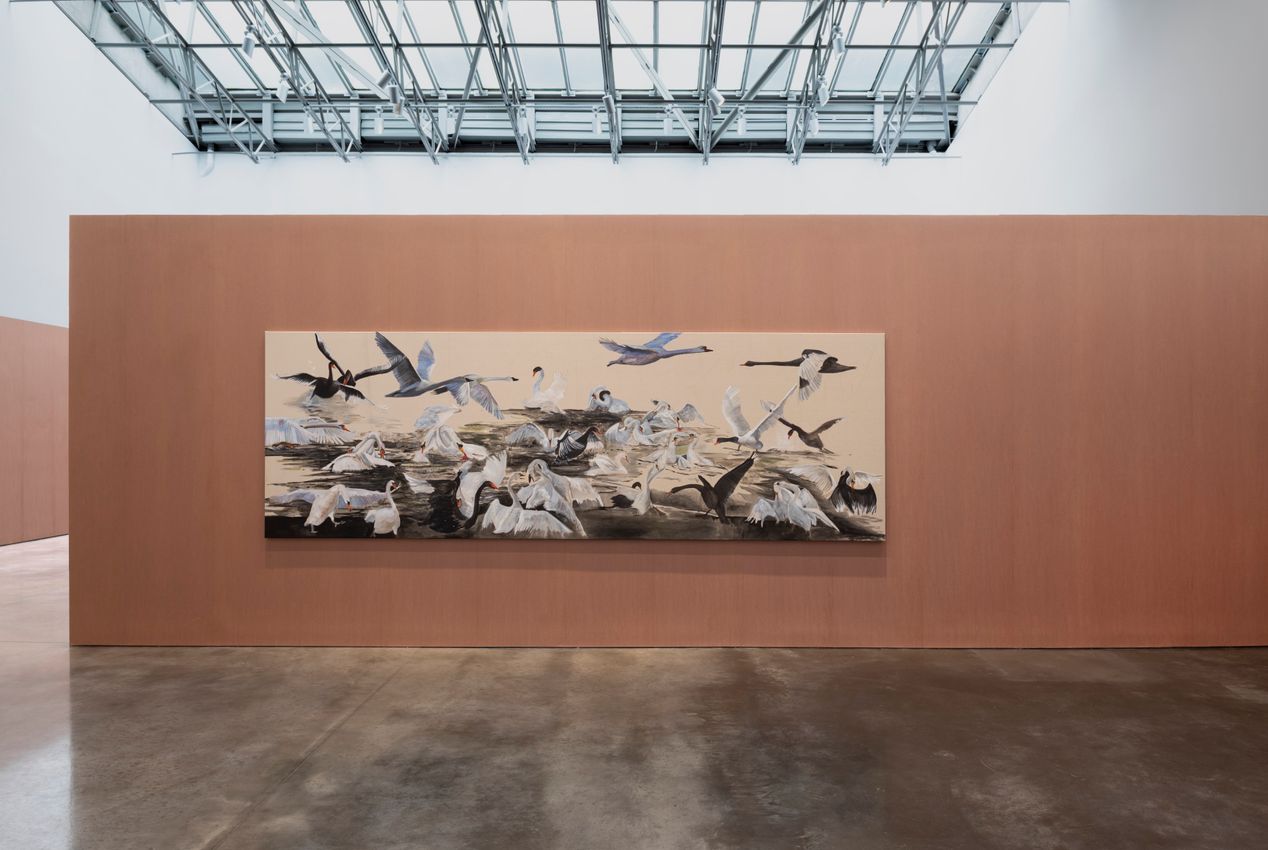
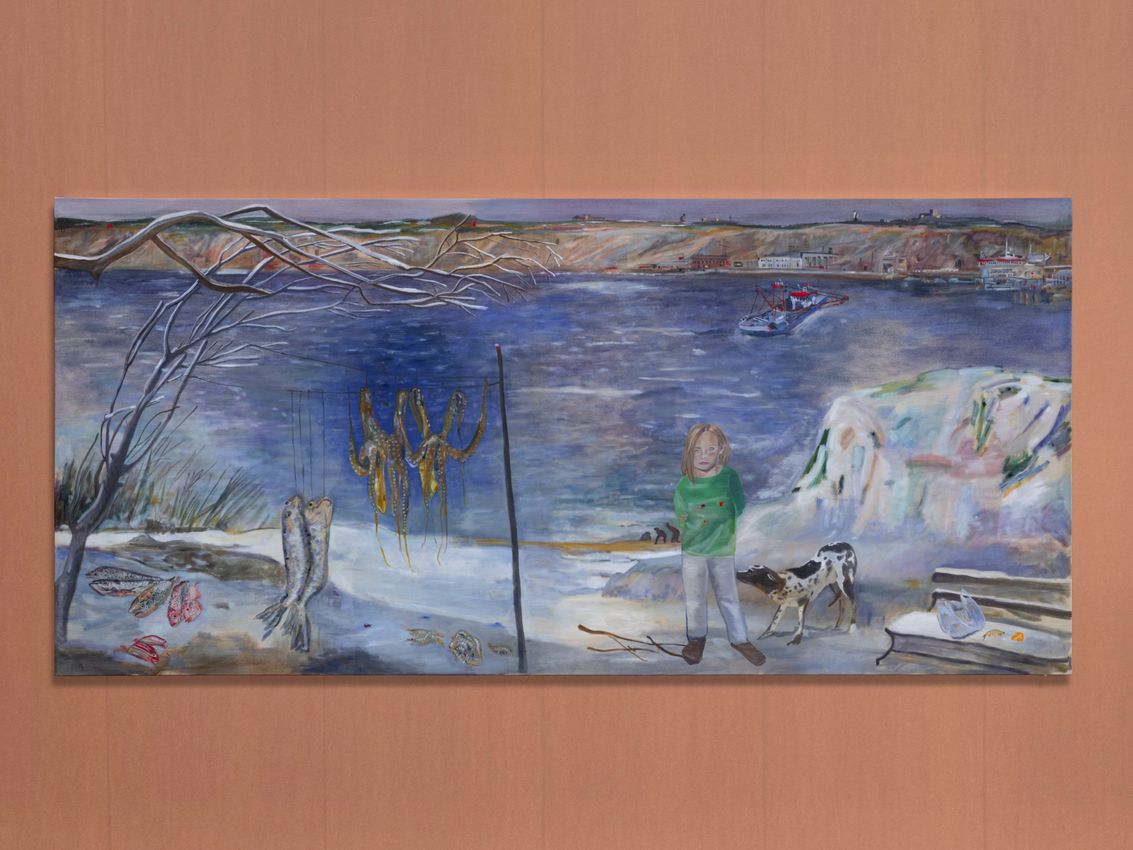
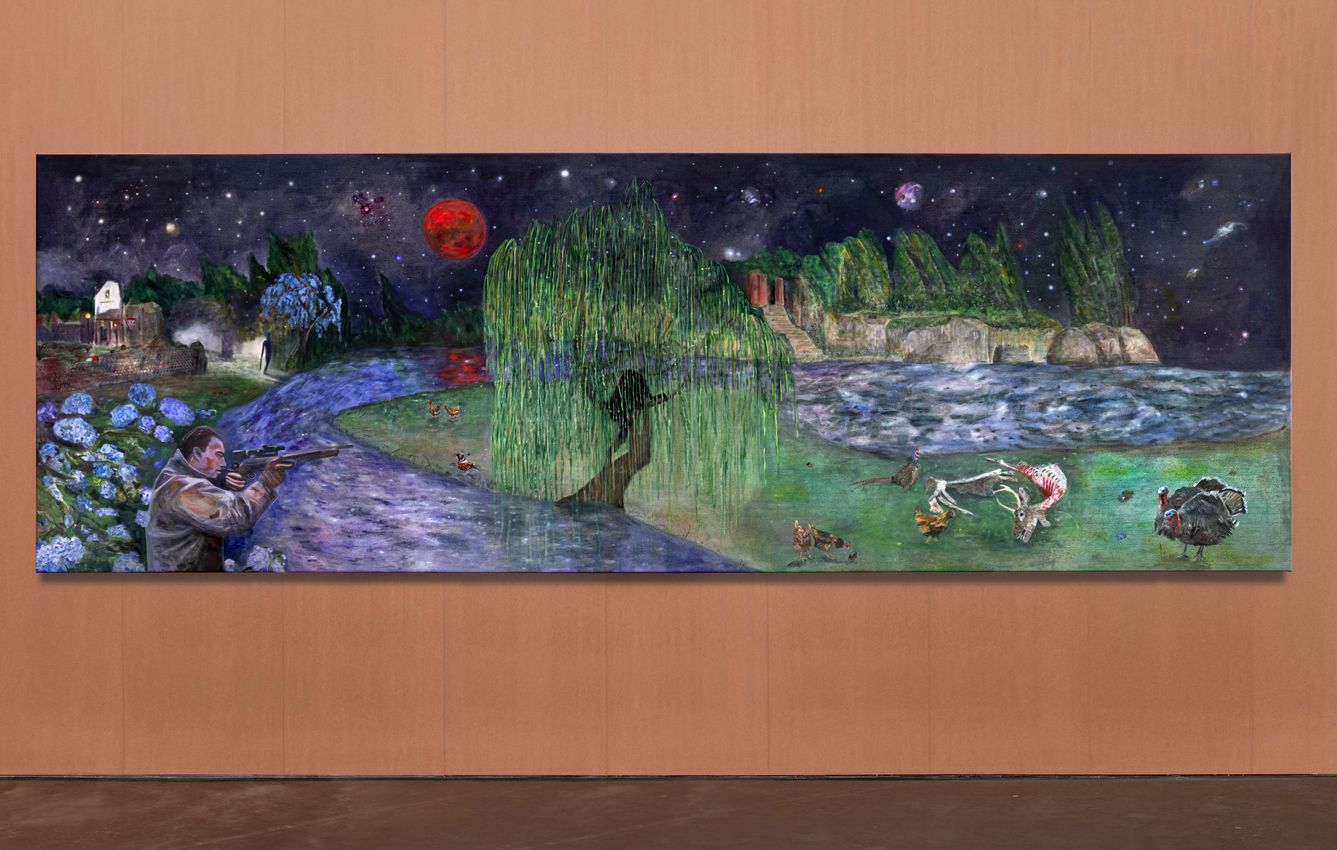
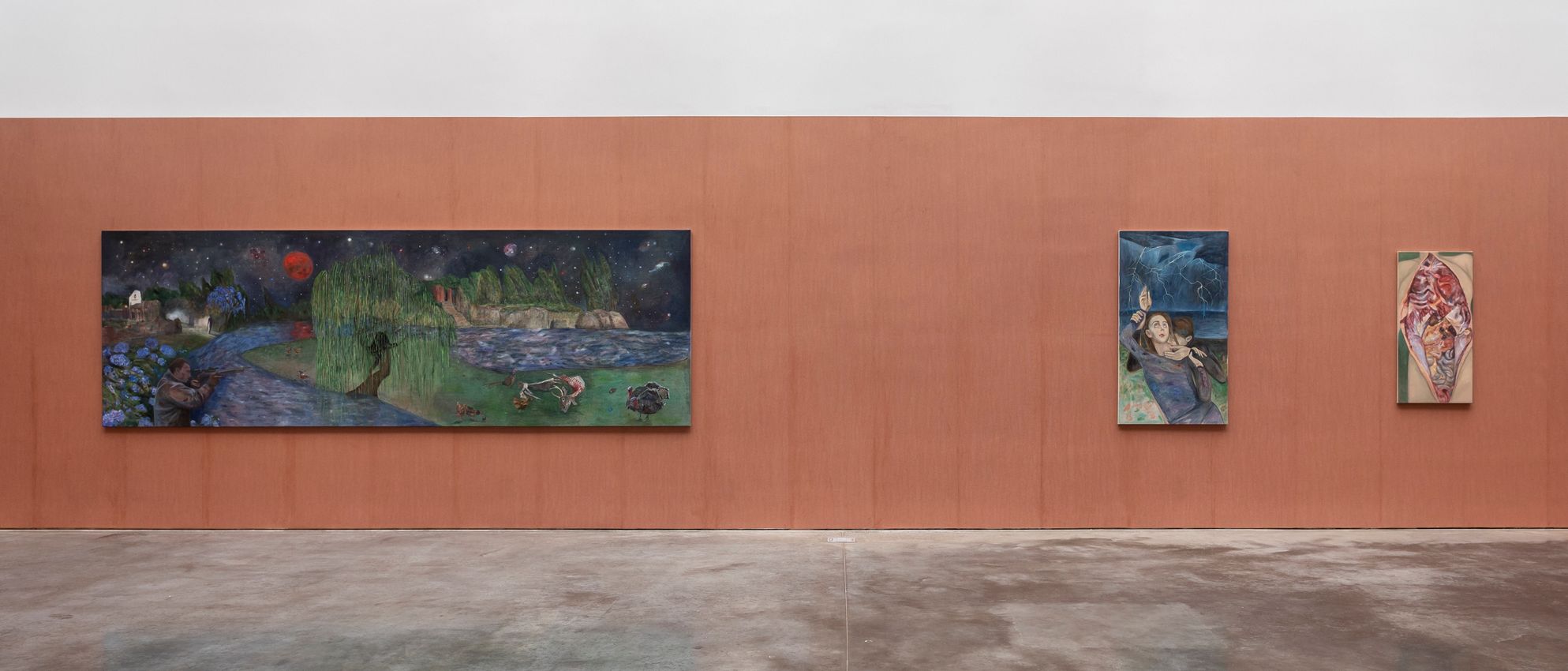
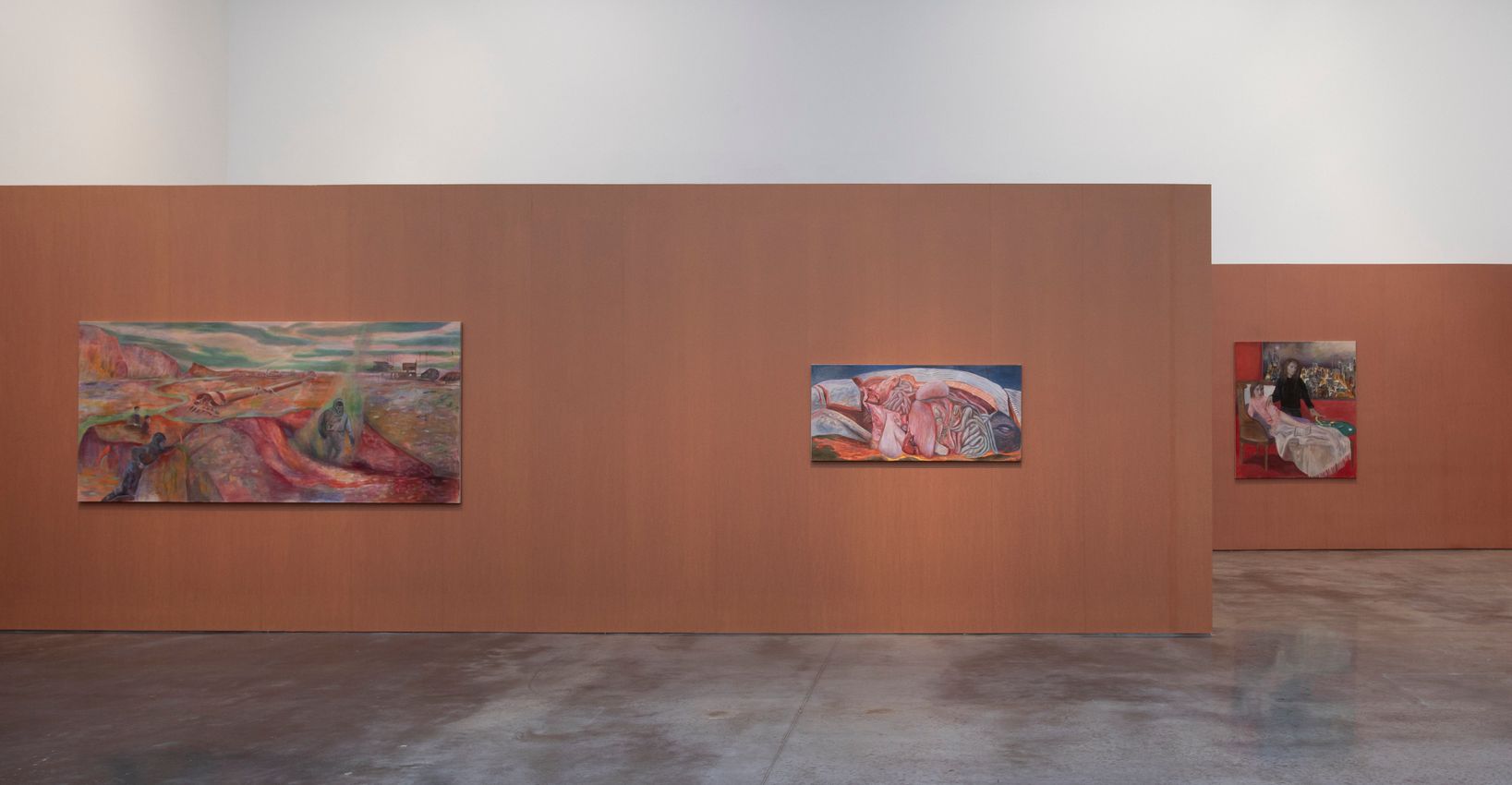
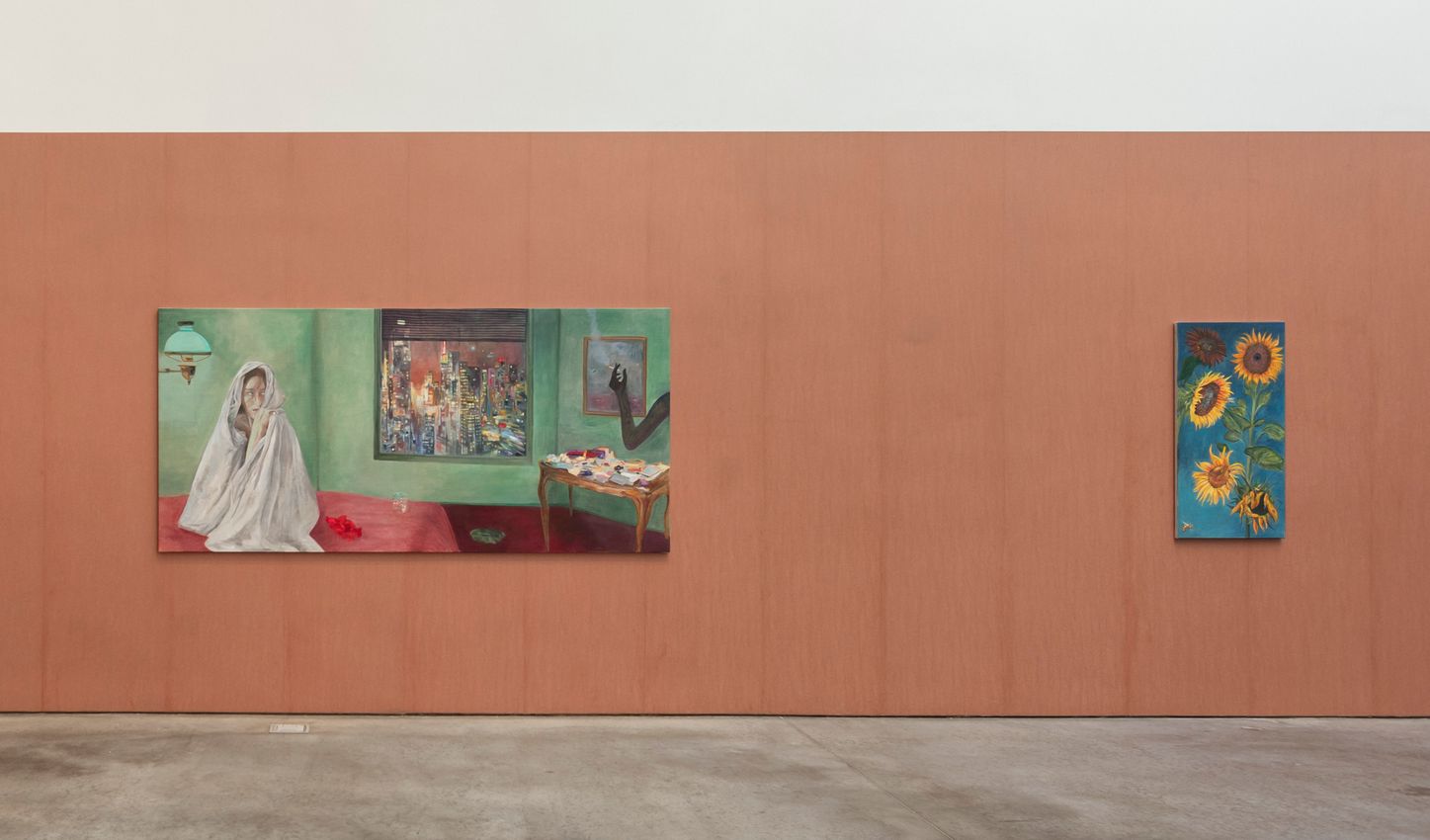
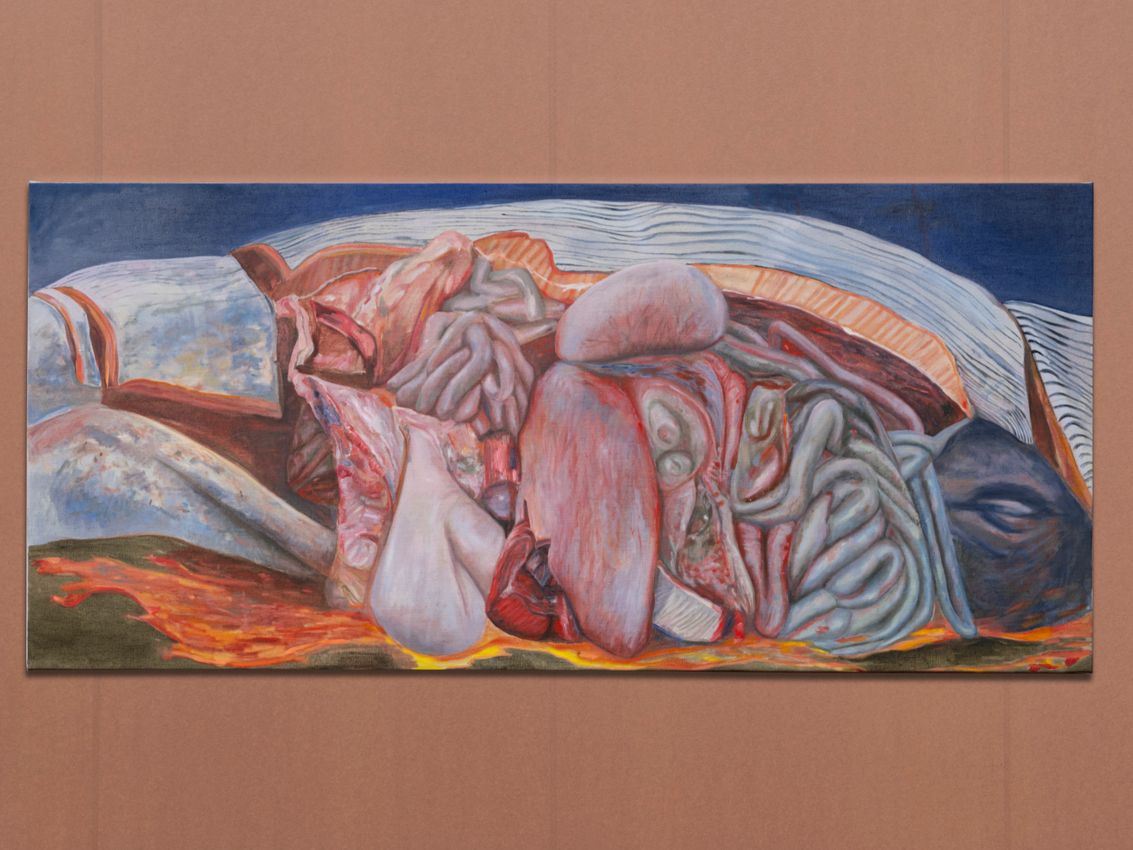
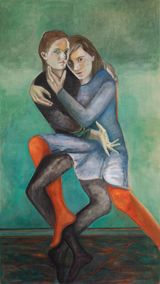
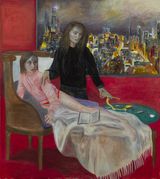
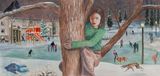
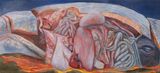
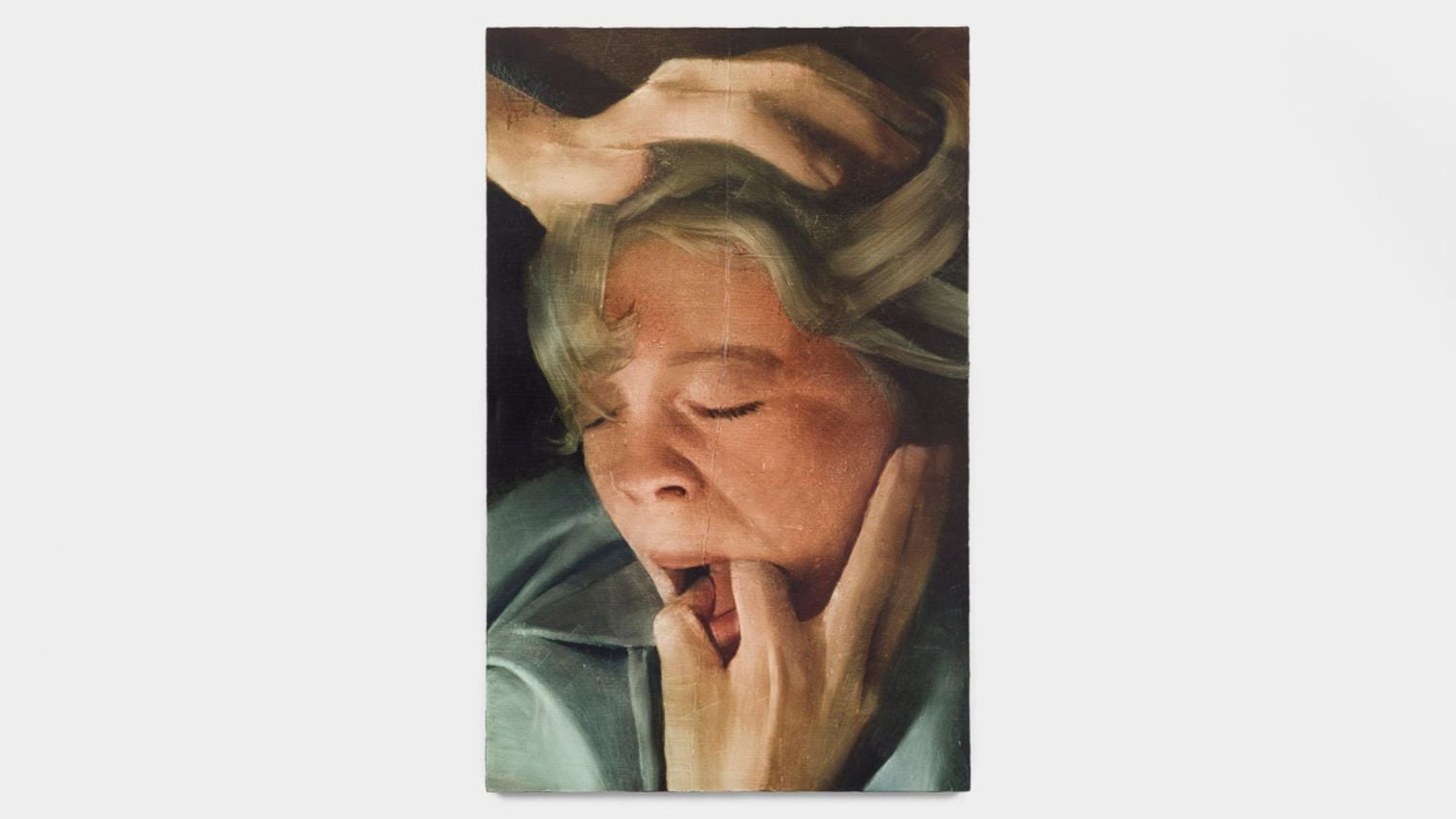
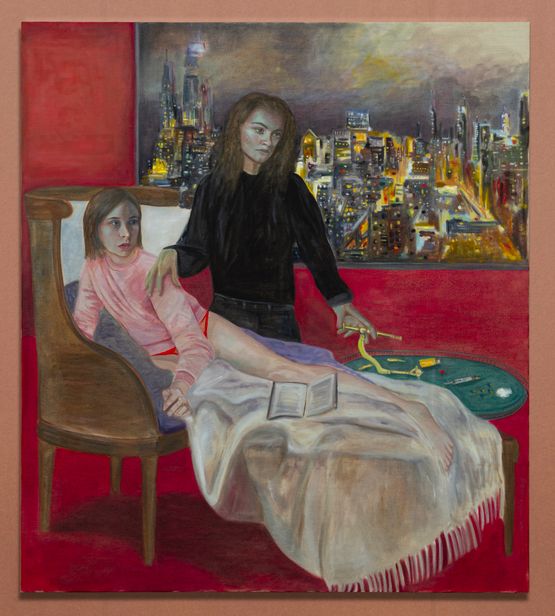
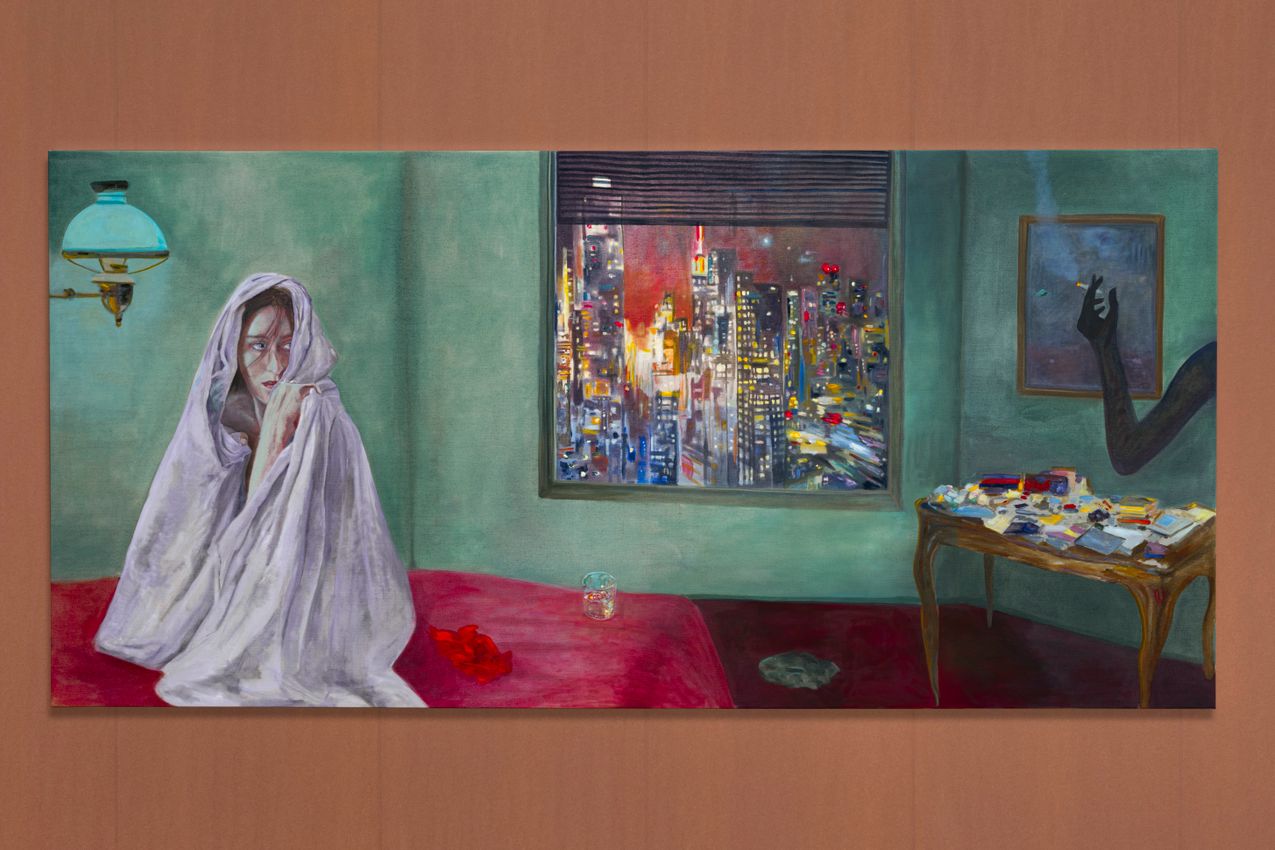
A few of your canvases depict scenes with young women in erotically tense entanglements, sometimes with off-screen predators, or else lovingly preying upon each other. It’s in this vampiric attraction of predator and prey, and in the combination of psychically charged interiors with ravaged CinemaScopic landscapes, that you suggest another sort of architecture: a dangerously complex space of collapsing or shifting walls, where the boundary separating inside and outside is always on the point of dissolving. Private interiors are punctured by blaring, almost bloody views of the city below. Nature is invaded by robotic human hunters. There’s a wild, territorial battle of swans against swans. An open corpse with its organs exposed. Meanwhile, girls dare each other with new extremes of physical and emotional vulnerability, sometimes locking eyes with the viewer. Throughout, the border between inner psychic space and the exterior world – Earth’s body – remains charged and fragile, open to the violation. We sense a secret joy in this boundary violence, which is also a turned-on point of contact with the other. And then your title seems to suggest submission to the sun, which is either a life-giving or a deadly, overpowering force–actually both at once.

I don’t think it’s a coincidence that Goya was deaf when he moved into a house that was already called The House of the Deaf Man, as it seems that silence was already a crucial dimension of the space of this work. Silence unfolds its own kind of space. It’s also a way of communicating–darkly and directly–when the social contract fails. There’s a feeling that the bodies in your works are experiencing the beyond of words, the silent cracks from the frictions between joy and terror, physical space and inner representation. Cracks that come and go, appear and disappear like a beam of a lighthouse.

Read More

Installation Views

Selected Works

About the Artist

Jill Mulleady is a contemporary artist known for her psychologically charged figurative paintings that blend historical references with surreal atmospheres, fusing classical technique with an unsettling, contemporary edge.

View Artist Profile

Also Exhibiting at Gladstone

About the Gallery
Gladstone is known for its commitment to artists whose prescient approaches and experimental practices have defined the contours of contemporary art. The gallery has long been an active partner in the cultivation of iconoclastic careers, fostering a roster of artists recognized for their ground-breaking contributions. Headquartered in New York and including outposts in both Brussels and Seoul, Gladstone’s impact extends globally, enabling both the presentation of new bodies of work, and an amplification of the international reach of its artists. Alongside its work with contemporary artists, the gallery is steward to the legacies of pivotal historical artists and serves as an advocate for the enduring power of art. Gladstone is led by a team of partners who spearhead its long-term vision and program, building on the values of its founder Barbara Gladstone.
View Gallery Profile
Address
530 West 21st Street, New York
New York
United States
Opening Hours
Tuesday - Saturday
10am - 6pm
(1)
New York 530 West 21st Street, New York
Gladstone
530 West 21st Street, New York, New York, United States
+1 212 206 7606
http://gladstonegallery.com

Opening hours
Tuesday - Saturday
10am - 6pm
The art world in focus