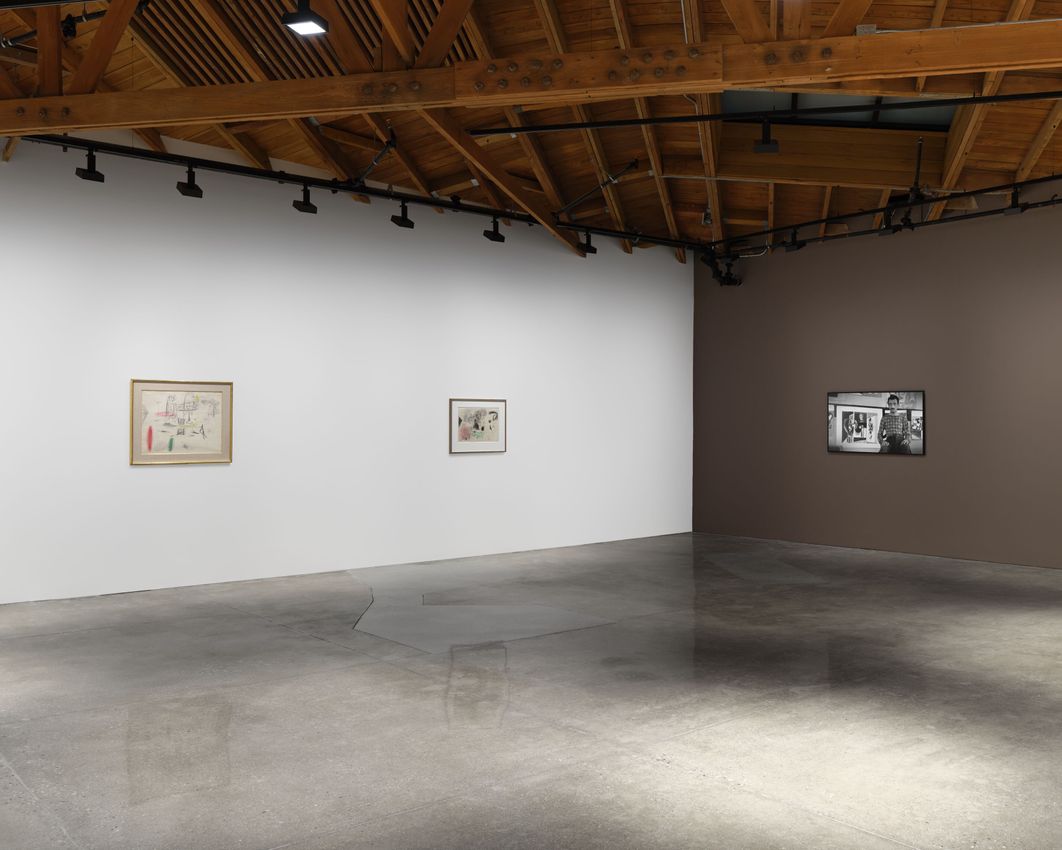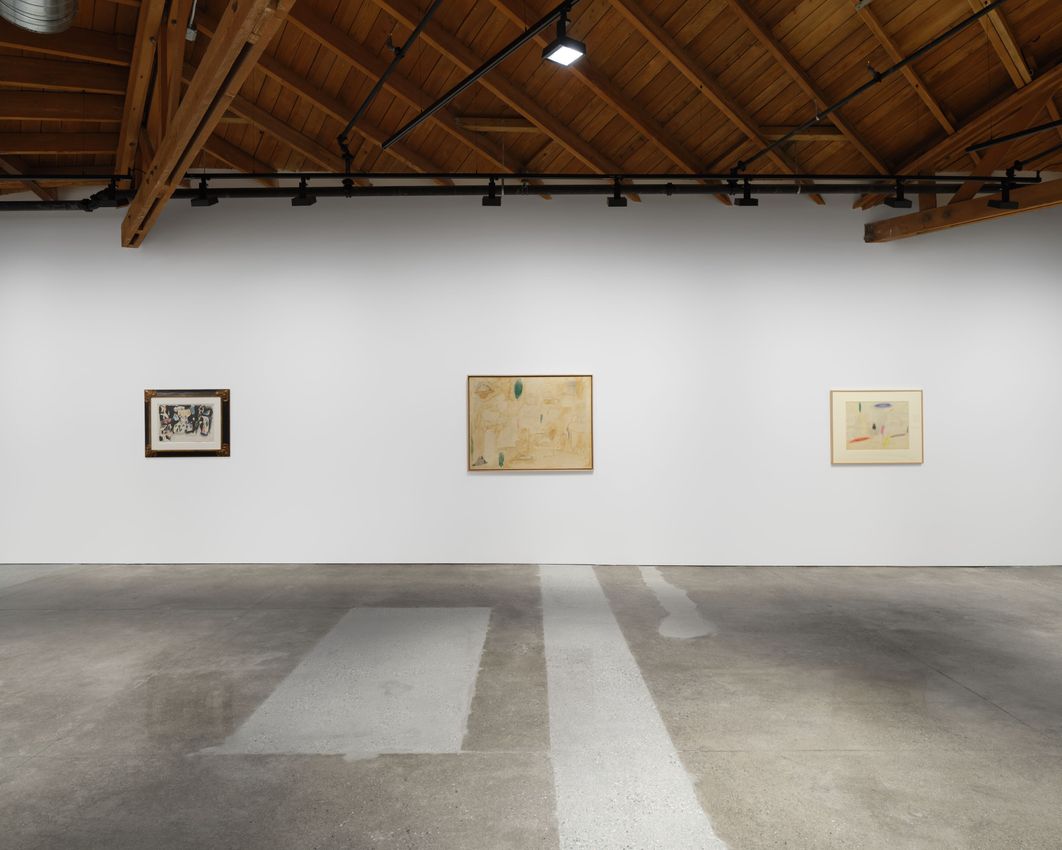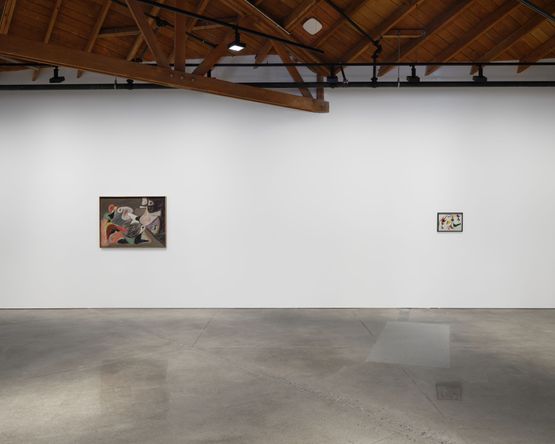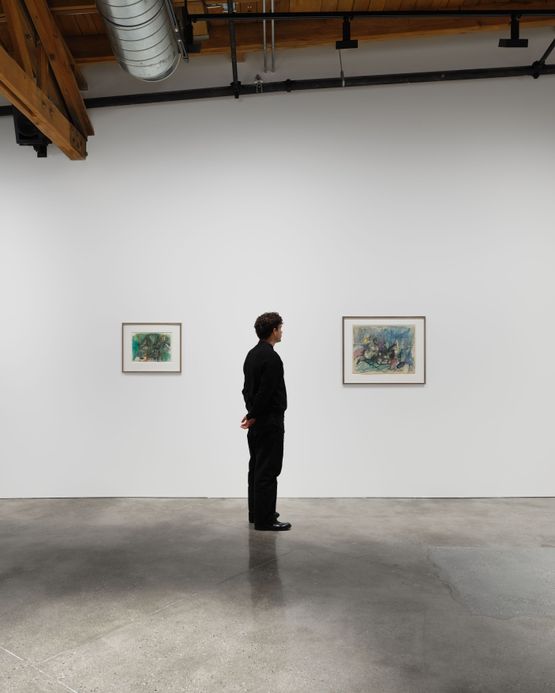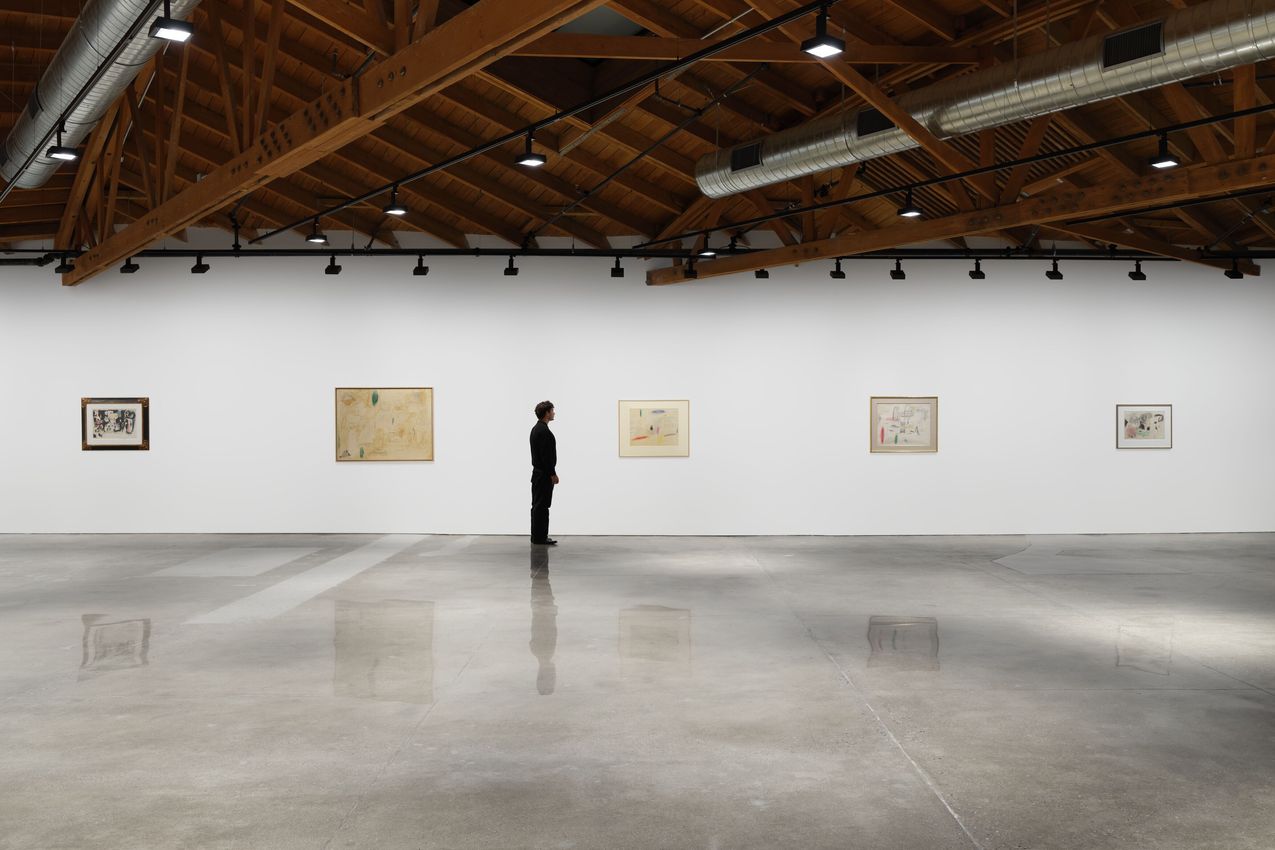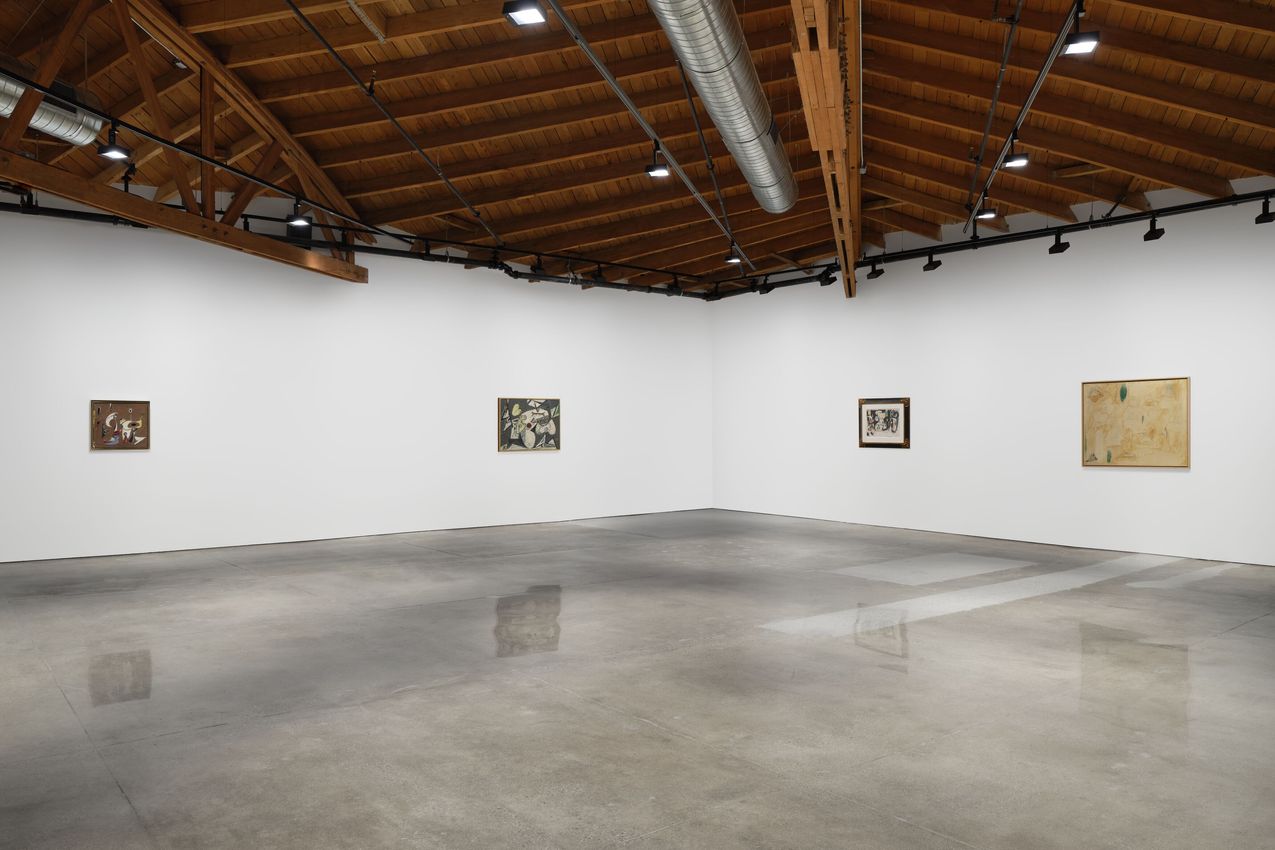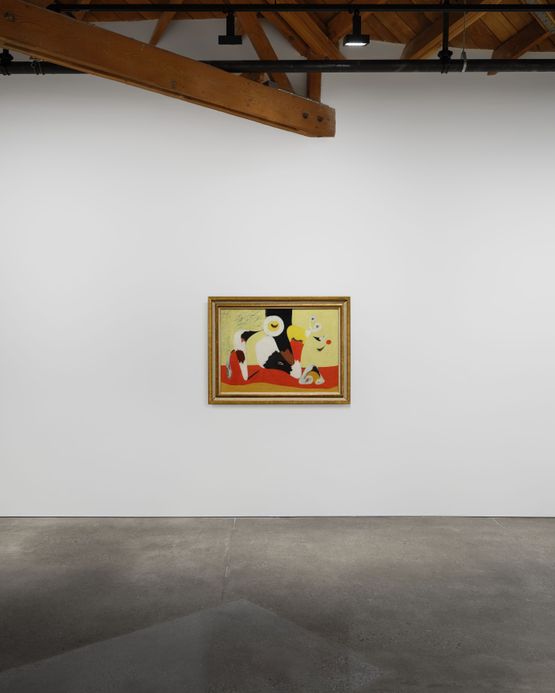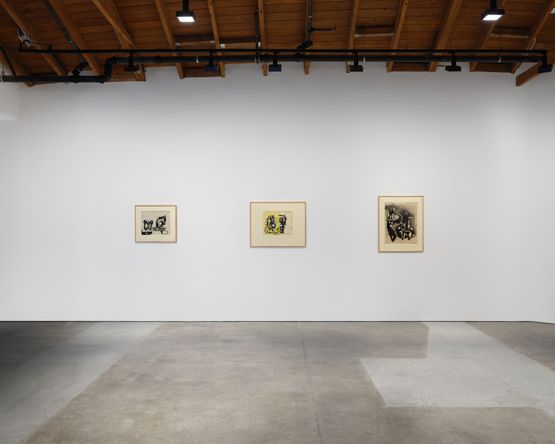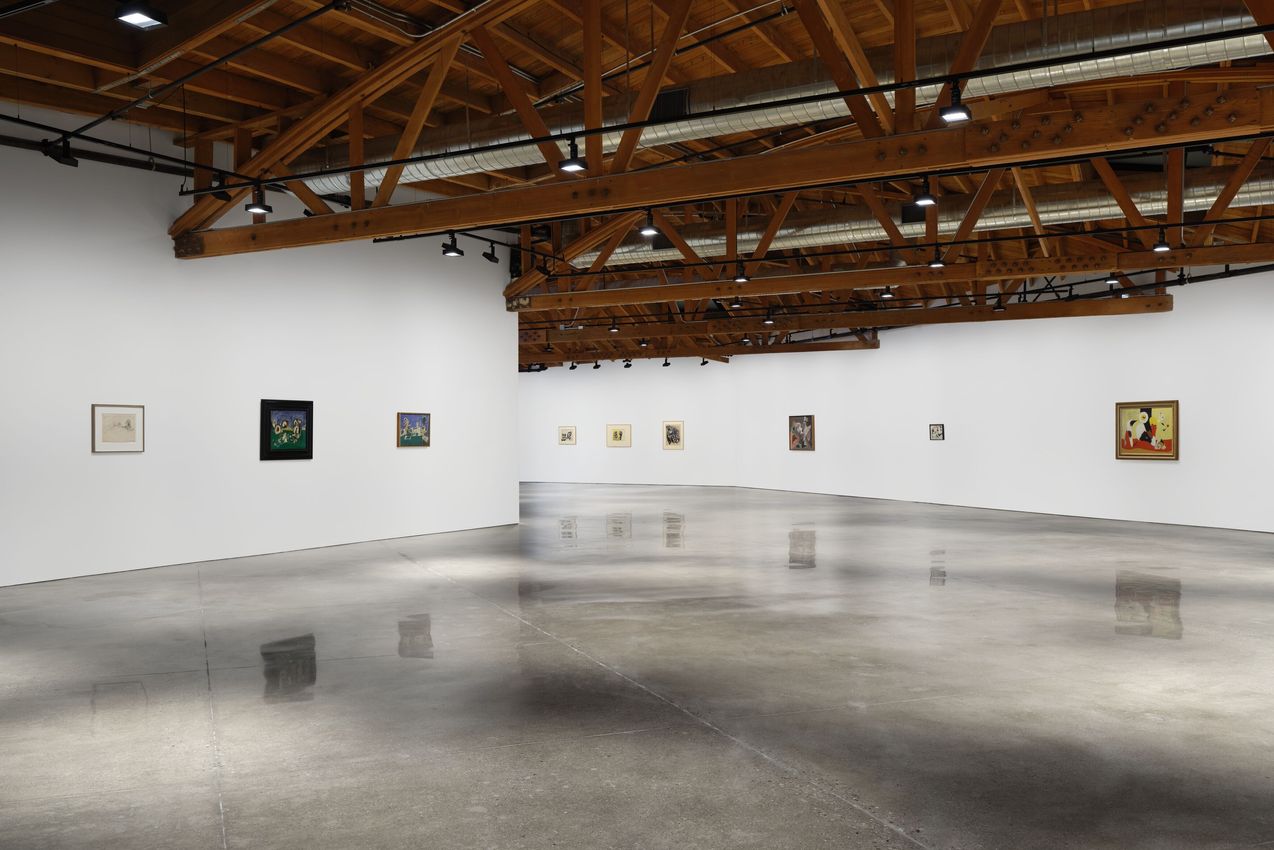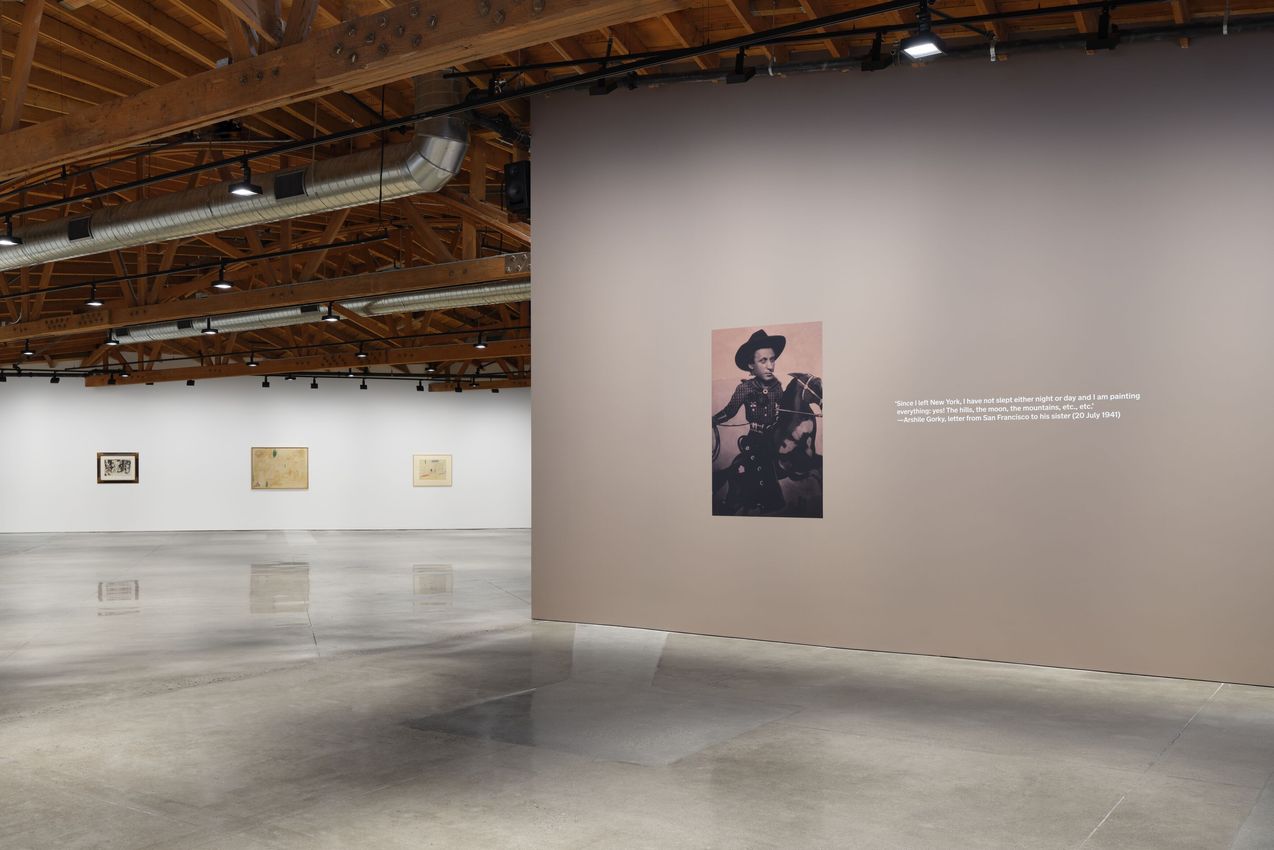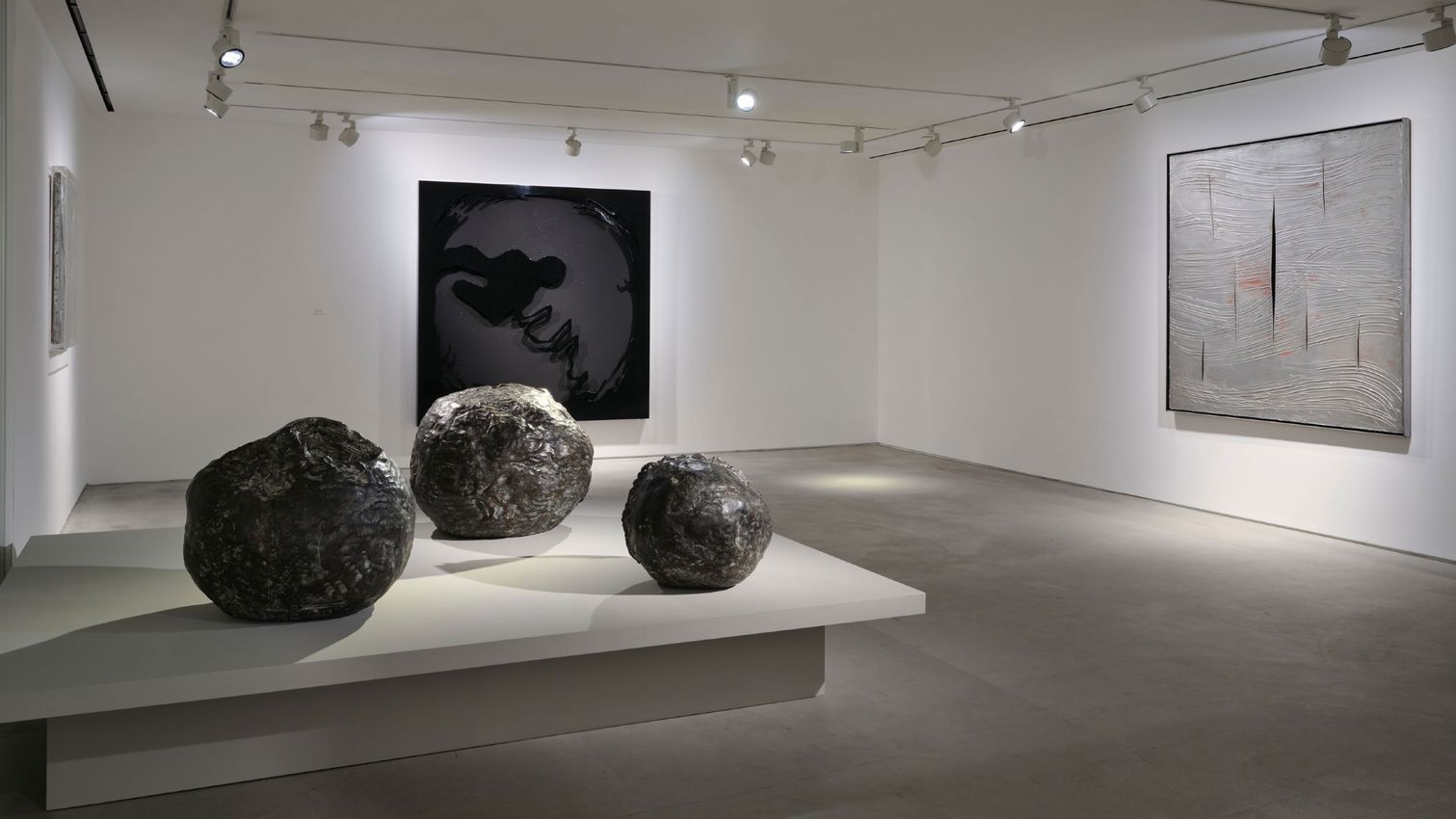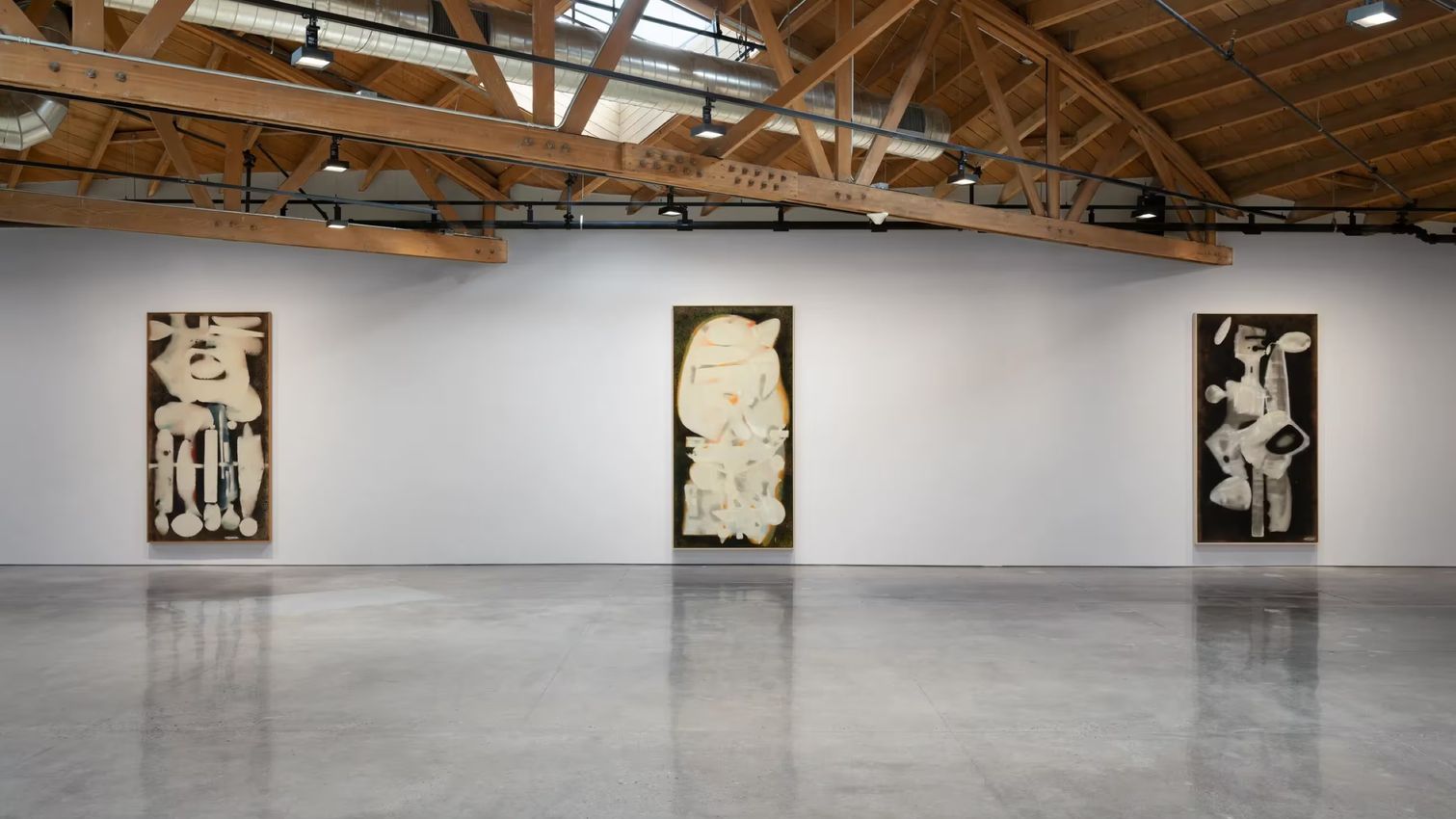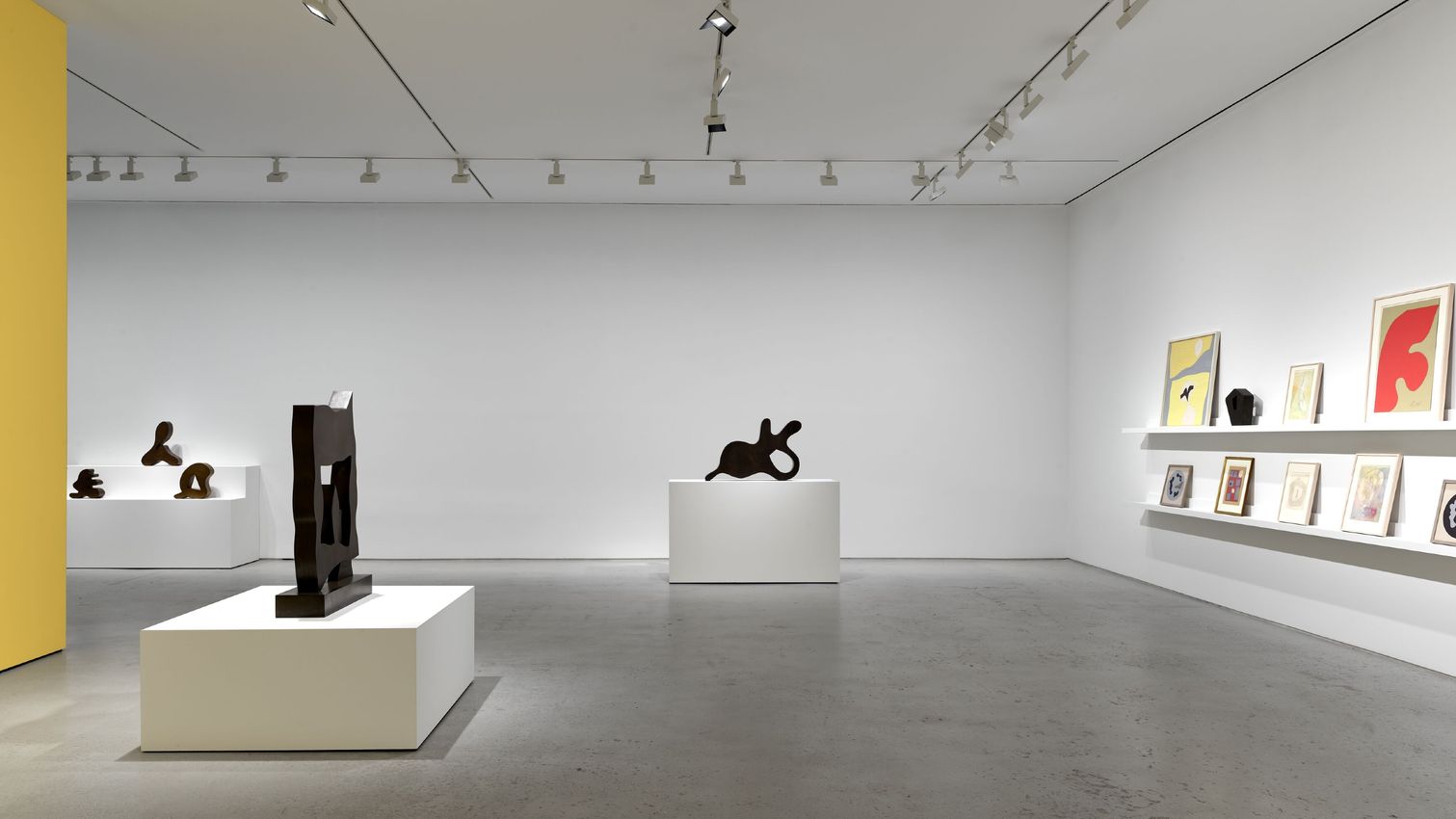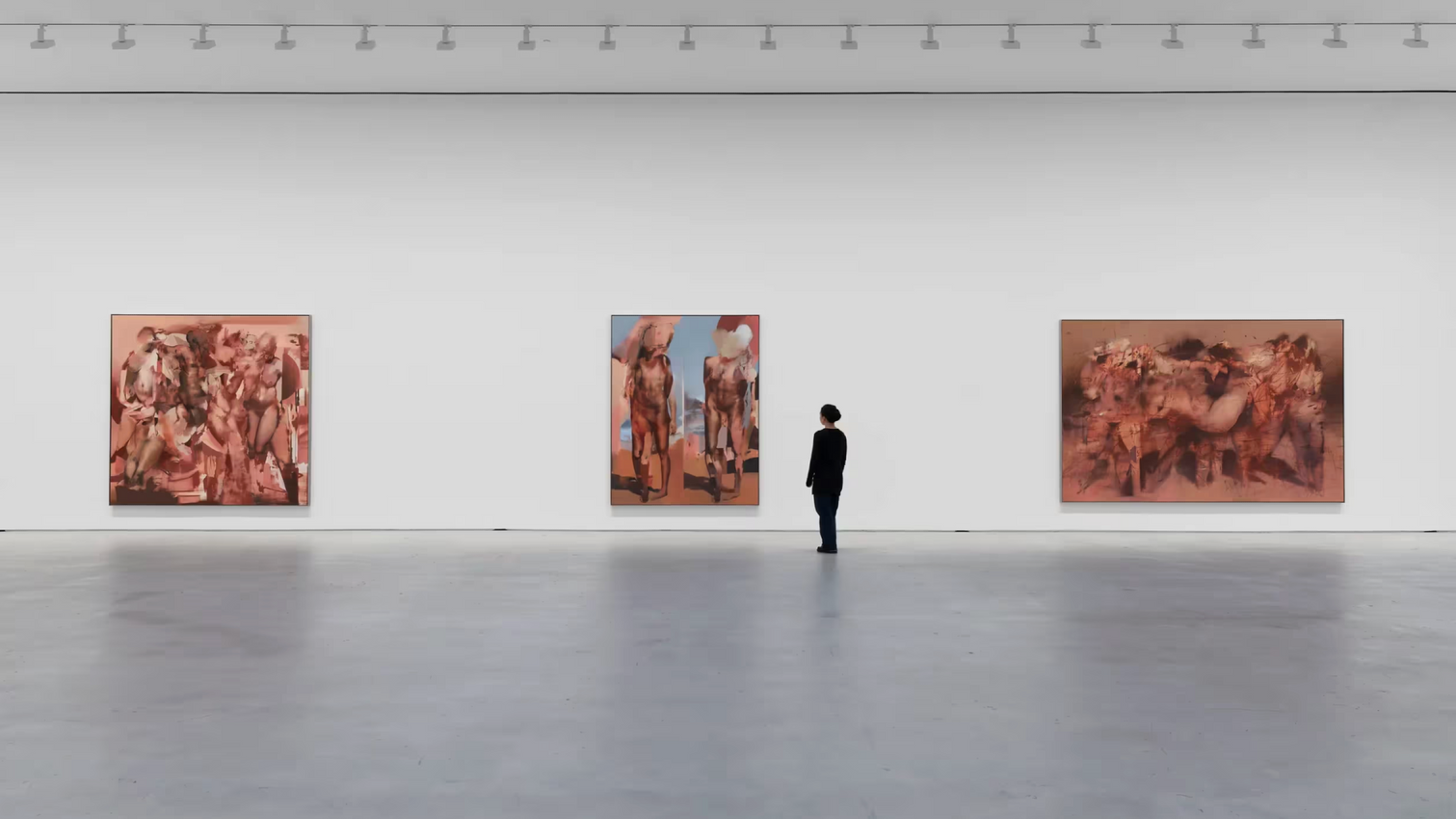
In the summer of 1941, Arshile Gorky, his soon-to-be wife Agnes ‘Mougouch’ Magruder and Isamu Noguchi packed into Noguchi’s brand-new Ford station wagon and set out for Los Angeles from New York City. Their two-week road trip marked Gorky’s first visit to California and his first extended time away from the East Coast since arriving in America as an Armenian refugee in 1920. Focused on the transformative impact of this journey, ‘Horizon West’ will present a selection of Gorky’s landscapes from before, during and after the transcontinental trip, tracing the development of his incomparable approach to the genre.
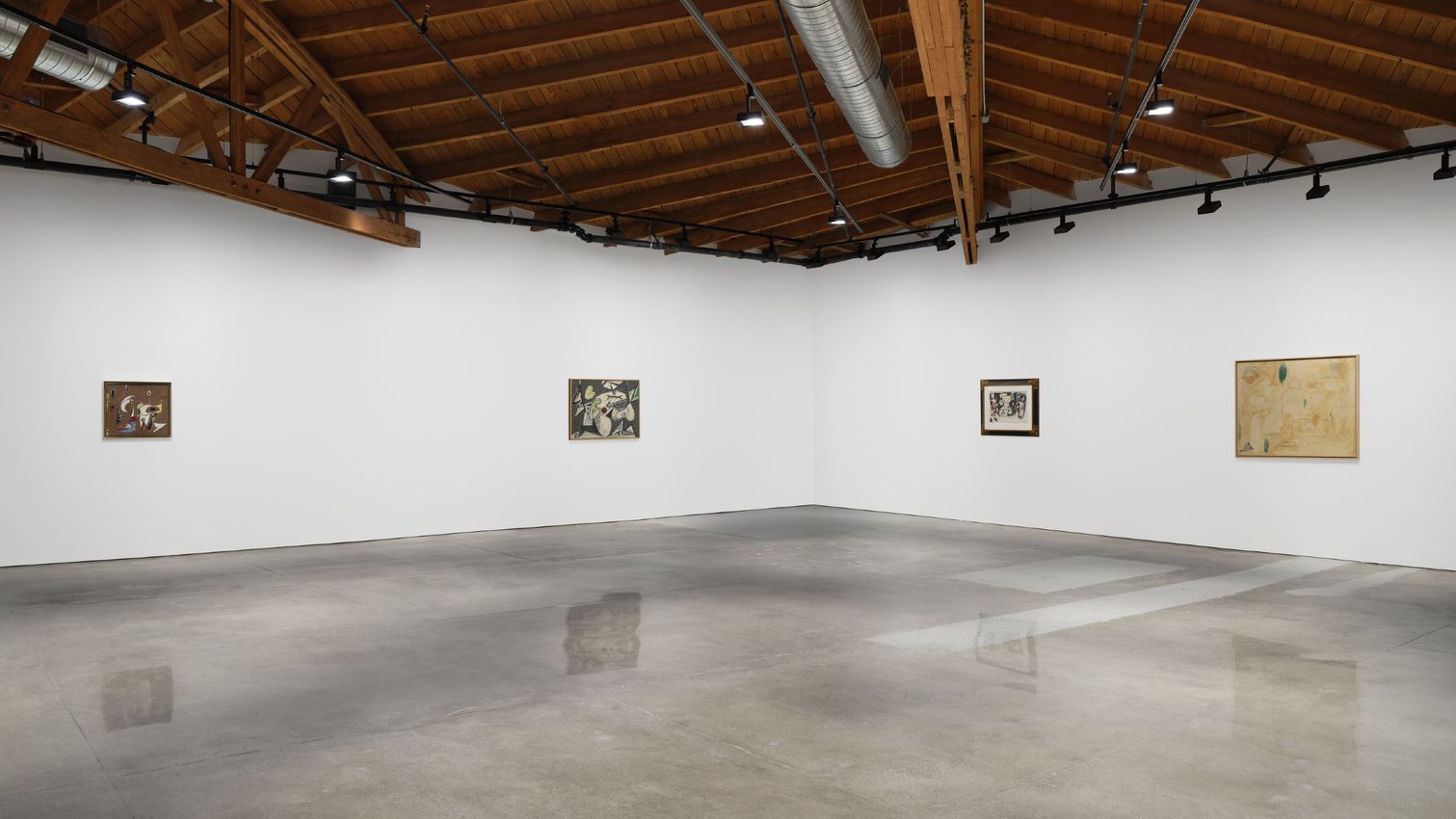
Presented in our West Hollywood location, the exhibition will feature never-before-exhibited works alongside paintings from the artist’s first solo museum show in August 1941 at the San Francisco Museum of Art (later SFMOMA), offering visitors a rare opportunity to study at close range the evolution of Gorky’s landscapes in response to his first-hand experience of America’s terrain.
Gorky helped drive the shift toward abstraction in 20th-century American art, serving as a crucial bridge between the dreamlike imagery of surrealism and the later development of abstract expressionism. Synthesizing the legacies of art history and engaging the innovations of such contemporaries as Pablo Picasso, Joan Miró and Willem de Kooning, he developed a wholly original visual vocabulary. The 1940s marked a period of intensified creativity for Gorky, sparked by his journey through the American West—an experience that prompted him to dramatically change his thinking and subject matter, particularly his intimate encounters with revelatory details: Mougouch recounted that when the trio arrived at the Grand Canyon, Gorky and Noguchi turned their backs on the immense vista, declaring it ‘too big to be interesting.’ Yet at a nearby Hopi reservation, Gorky was enthralled by handmade adobe ovens that reminded him of the clay stoves from his childhood in the Armenian Highlands. ‘We drove up to Big Sur,’ she recalled, ‘It was all so beautiful, but he wasn’t stunned—he only liked things he could get close to; he liked hills he could walk over.’
After Gorky’s exhibition in San Francisco closed, Noguchi remained in California while the couple traveled back to New York. On their way, they stopped in Virginia City, Nevada, where they married in September 1941, and then honeymooned along the Yuba River in the Sierra Nevada Mountains. Upon their return to New York City that October, Gorky created works inspired by their travels, rendering new contours and colors that would stir memories from his early years. It was during this period that he painted the masterful ‘Untitled (Mojave)’ (1941), its vivid palette reflecting the desert’s stark intensity. Prior to traveling west, Gorky had been working on a series that referenced his upbringing in Khorkom; immediately after his return, this work crystallized into his breakthrough Garden in Sochi series, which presaged his later celebrated abstract landscapes. According to Mougouch, Gorky painted the final surface of his masterful green ‘Garden in Sochi,’ now in the collection of the Museum of Modern Art, New York, on the night they returned to New York.
Over the ensuing years, Gorky continued to seek solace and inspiration in the natural world, often deploying landscape motifs to express emotional undercurrents and fragmented childhood memories. Between 1943 and 1946, he spent extended periods at Crooked Run Farm, the Virginia homestead owned by his wife’s parents. There, he produced numerous drawings ‘en plein air,’ channeling his immediate bodily responses to the environment through automatic drawing and free association. ‘I do not paint in front of, but from within nature,’ he explained. The resulting works, including ‘Untitled (From a High Place II)’ (1946), signal a profound reawakening of his connection to the landscape.
As the exhibition’s title suggests, Gorky’s travels catalyzed shifting perspectives, both literal and psychological. By bringing the artist’s transcontinental road trip into focus, ‘Horizon West’ invites visitors into the eye and mind of a 20th-century visionary. It offers insight into what compelled Gorky to ‘look into the grass,’ toward the micro, the intimate and the worlds once lost to memory, where his observations of the physical landscape coalesced into an indelibly provocative visual cosmos.
Courtesy Hauser & Wirth.


Arshile Gorky emigrated from Ottoman Armenia to the United States in 1920, fleeing the Armenian genocide. In an attempt to assimilate with the new culture in which he found himself, Gorky changed his name and consciously assumed the persona of an avant-garde artist. After five years in Massachusetts, Gorky moved to New York and became absorbed into the cultural milieu of a city on the brink of Modernism. Uncommitted to the political causes that engaged many of his contemporaries, Gorky busied himself with questions of artistic theory and the pursuit of a personal vision.


A respected voice in contemporary art discourse.
Focusing on ambitious storytelling and insightful art-world commentary. Ocula Magazine publishes in-depth interviews, critical essays and timely analysis on the artists, exhibitions and ideas driving the global art world.
Learn more about Ocula Magazine
Showcasing the best of the art world.
Ocula partners with galleries from around the world to highlight their artists, artworks and exhibitions. Gallery membership is by application and invitation, with each member vetted by an independent panel.
Learn more about Ocula Membership

Specialises in the sale of major artworks.
Led by a team with deep ties to the world’s leading auction houses, galleries and collectors. Ocula’s advisory team offers bespoke services to high-net-worth clients from around the world who are looking to acquire the best of contemporary and modern art.
Learn more about our team and services