Press Release

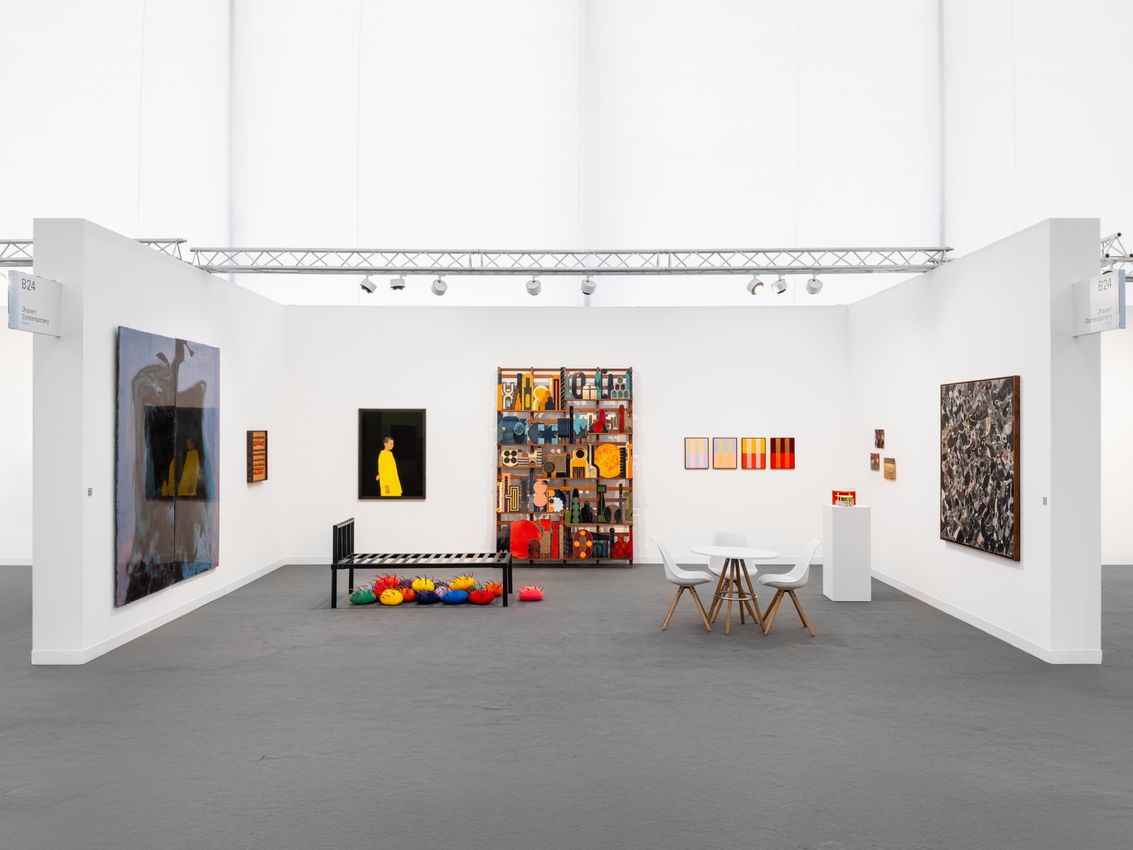
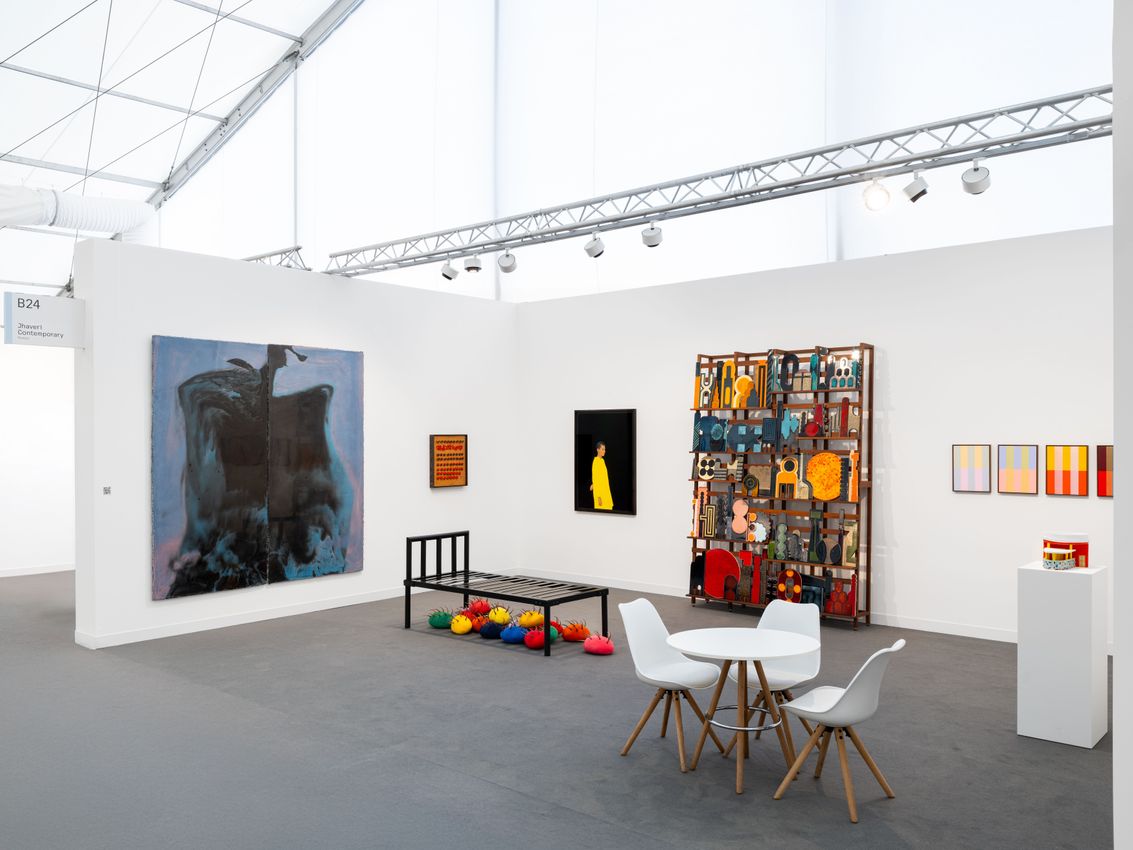
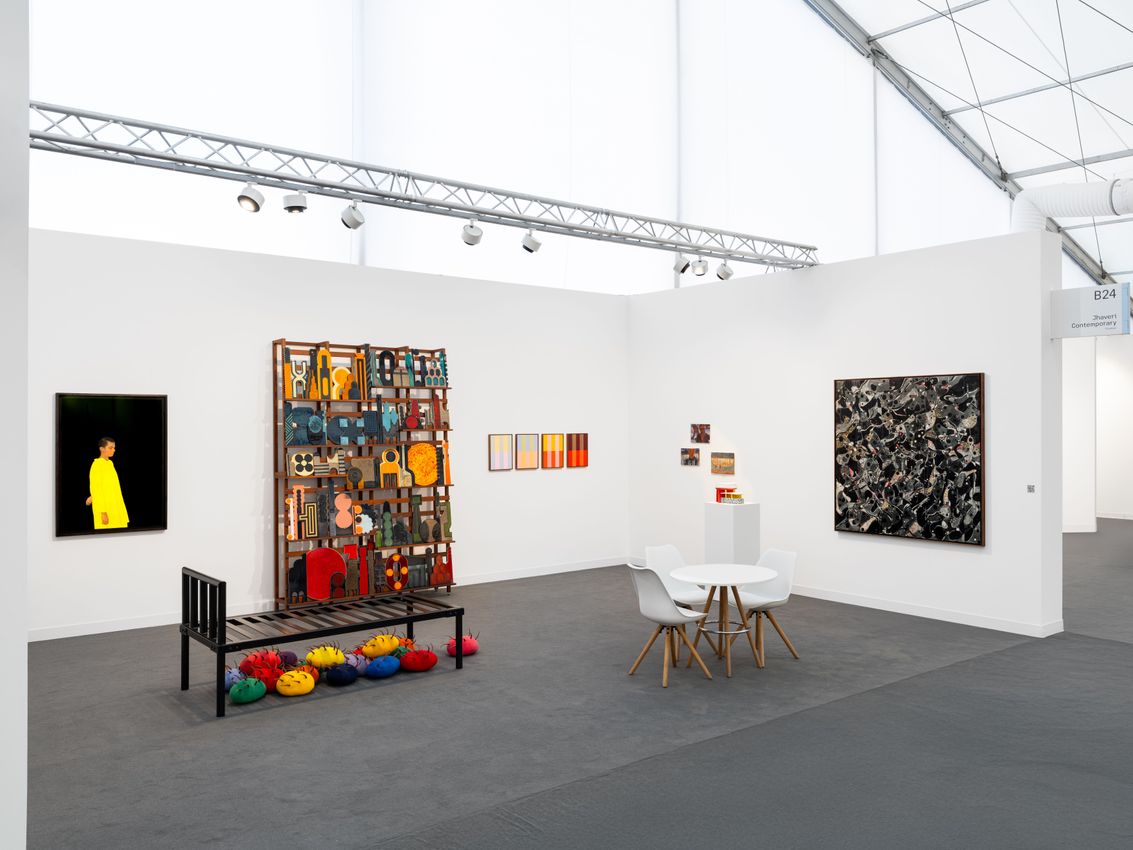
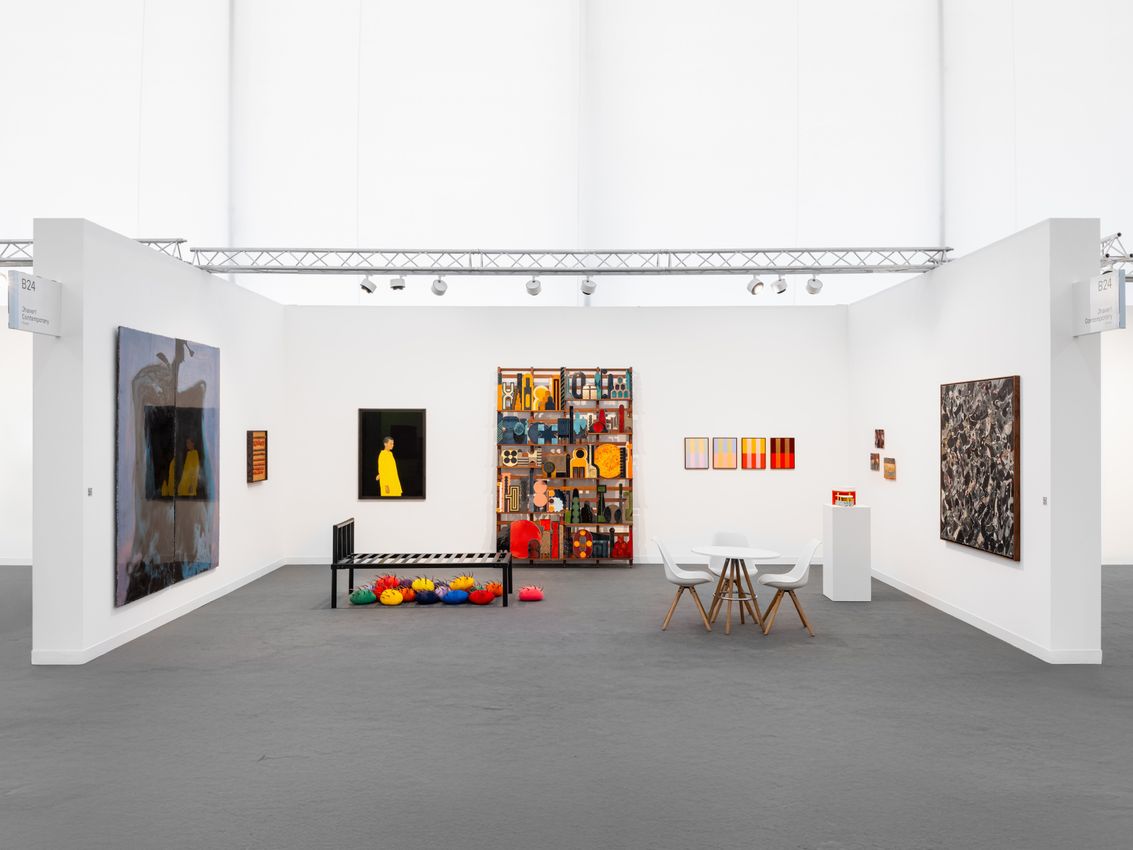
For Frieze London 2025, Jhaveri Contemporary is delighted to present nine artists whose works consider the relationships between architecture, anthropology, and design as a means of exploring cross-cultural identities. Collectively, the stand celebrates aesthetic hybridity and challenges historical ideas around form, design, and ornament.
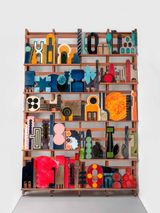
Lubna Chowdhary’s ceramic installation Assembly (2025) anchors the display. A range of individually shaped and glazed ceramic elements are arranged on a series of vertically stacked shelves in a manner that playfully investigates global tropes of architectural design. Chowdhary centres the highly ornamented aesthetics of the Middle East and Asia that seem contrary to the austere forms of modernism. Chowdhary has previously attributed this enquiry as one between the East and the West, as a way of navigating her own position as a member of the Asian diaspora in the UK. Each section where simple and complex geometric and patterns meet can be, as Murtaza Vali describes, ‘interpreted as linguistic or semiotic compositions, as coded phrases or sentences, each individual tile a lexical unit in an unfamiliar language.’
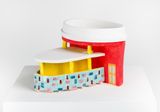
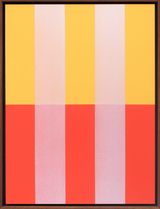
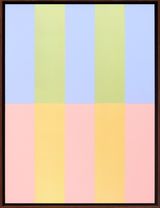
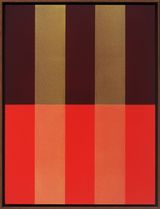
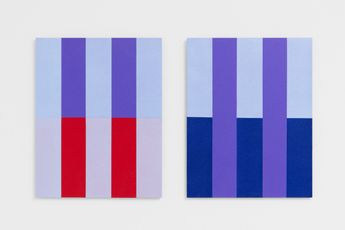
Architectural histories are also the inspiration for Shezad Dawood. Cine Kalunga 1 (2022) is a ceramic sculpture based on a movie theatre located in the city of Benguela, Angola. The piece is part of his Integrations series which explores modernist buildings across the Global South and what these reveal about the larger geopolitical backdrop that informed them. Positioned close by, an ongoing series of acrylic paintings by Rana Begum on anodised aluminium explore colour transitions and the process of layering. When layered or brought into contrast with each other, the colours can either heighten to create a sense of drama, or soften to offer a moment of tranquillity. Throughout the series, the rhythm of the geometry creates a dynamic interplay between light and dark which is characteristic of her broader practice. Whether working in painting, sculpture or architecture, Begum gives colour a physical presence and generates tangible interactions for her audience.

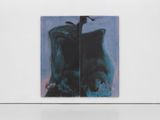
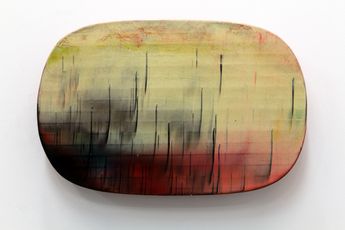
Harminder Judge’s compelling plaster-and-pigment panels, which bridge painting, sculpture, and architecture, similarly harness colour to stimulate the viewer. Drawing on Neo-Tantrism and Western traditions of abstraction and colour field painting, his works are shaped by personal experiences, often associated with ritual and spirituality. With these potent frames of reference, Judge regards his artworks as portals. He says, ‘you don’t look at them, you look through them to think about ideas that are bigger than you.’

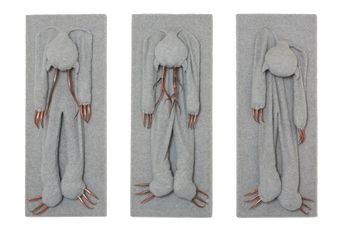
A sculpture by Permindar Kaur, Untitled - Bed (2020), made of steel, copper, fabric, and stuffing, addresses the subtleties of cultural belonging. Since her emergence into the British art scene in the early 1990s, Kaur’s practice has embraced incongruous dualities. In her work, the domestic is both a place of shelter and threat. The empty bed and seemingly childhood toys take on a more surreal and disturbing quality through Kaur’s manipulation of scale and juxtaposition of materials.

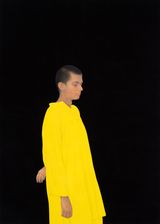
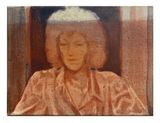
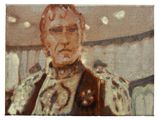
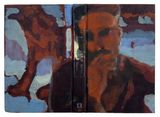
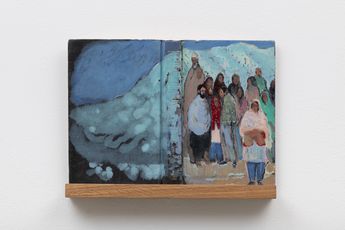
Ali Kazim’s striking portrait of a boy heightens this dual sense of fear and comfort. Set against a black background, the figure, rendered using his specialised method of pencil, ink, and watercolour washes, feels equal parts contemplative and unsettling. Kazim has an ability to translate his direct observations of people into humanising portraits that capture and are attune to the complexities of his characters. Suleman Aqeel Khilji’s paintings too are like anthropological enquires which emerge often from everyday encounters on the streets of London, Lahore or his hometown of Quetta, Pakistan. Interested in the layers of identity and negotiating disparities and distances between place and time, his works appear hazy and blurred.

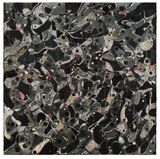
Historical works on the stand include a wood relief by Anwar Jalal Shemza and a painting by Balraj Khanna titled Black diamond quarry (1970)—among his most accomplished and widely exhibited works. Khanna’s painting addresses the inequitable treatment of non-Western artists, connected with broader political and cultural tensions of the 1970s. The title of Khanna’s dynamic abstraction is revealing of the postcolonial power dynamics and extractive policies which impacted artists of his generation.

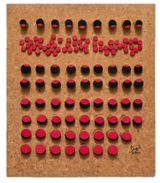
An inspiration to, and in conversation with younger artists Rana Begum and Lubna Chowdhary, Anwar Jalal Shemza explored the possibilities of geometry, often combining it with calligraphic tropes. A rare wooden relief, Red and Black (1966), made from sawn pieces of discarded tables and chairs, has a topographical quality, likely related to the waxing and waning of the moon. Similar to collages in the collections of Tate and Sharjah Art Foundation, this particular collage was exhibited in the 1969 Commonwealth Institute in Edinburgh.

Read More

Installation Views

Selected Works

Loading...

Artists Exhibiting

The art world in focus