



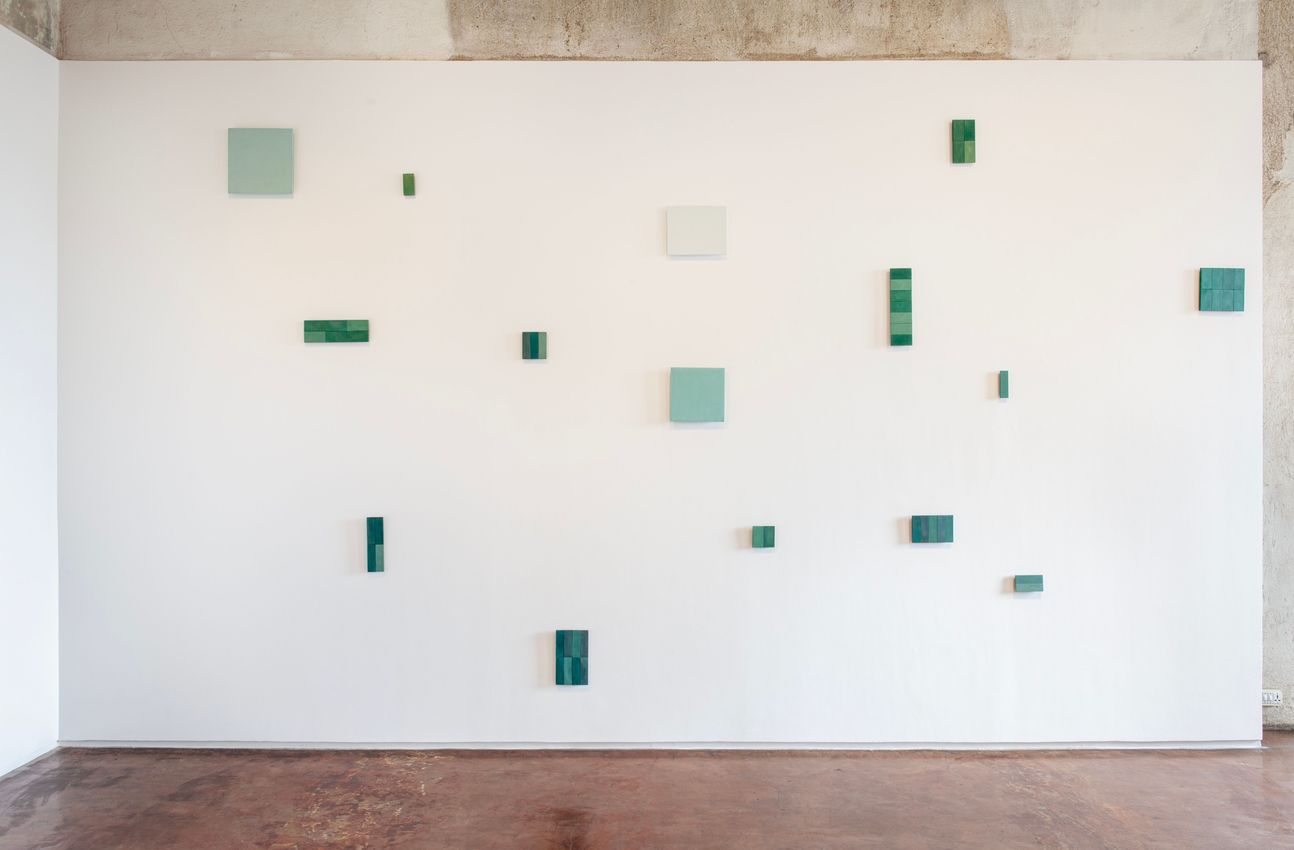
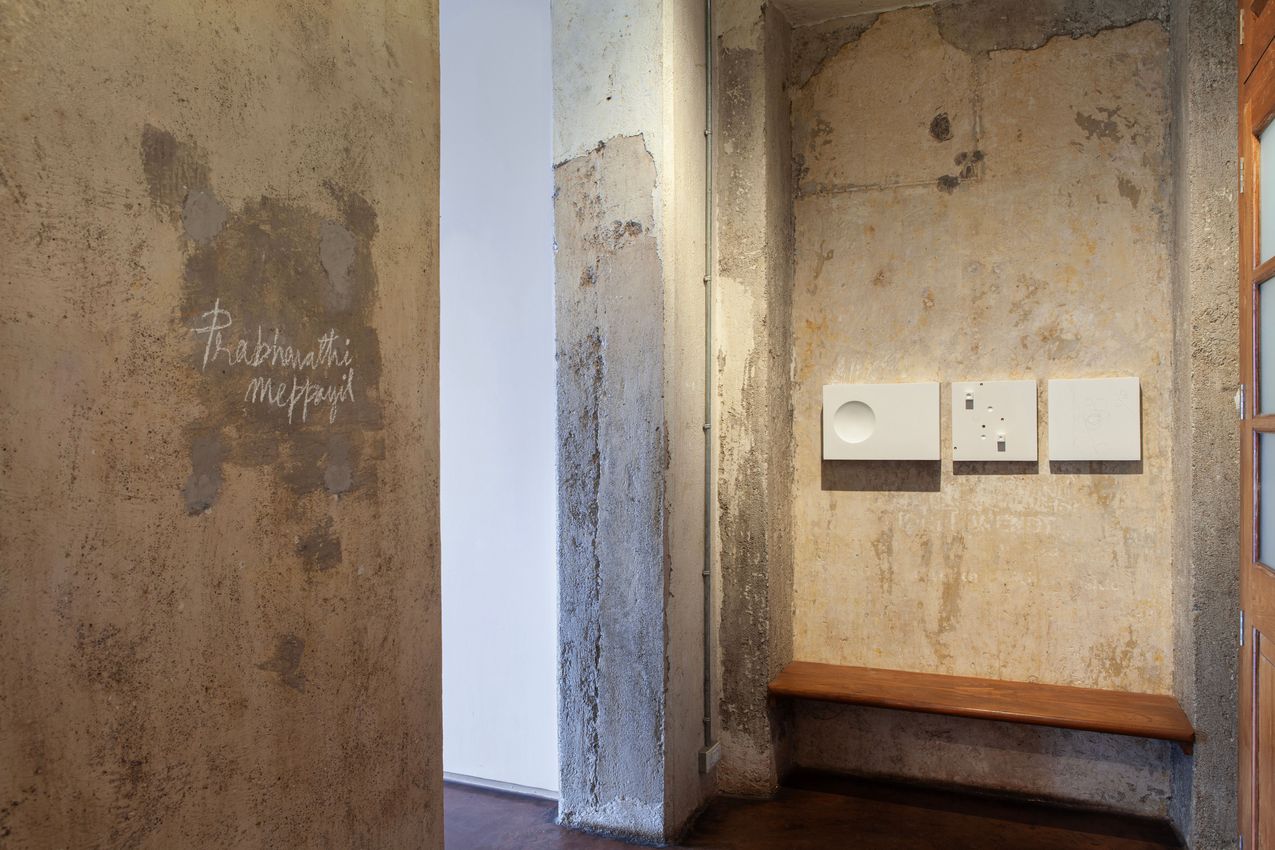
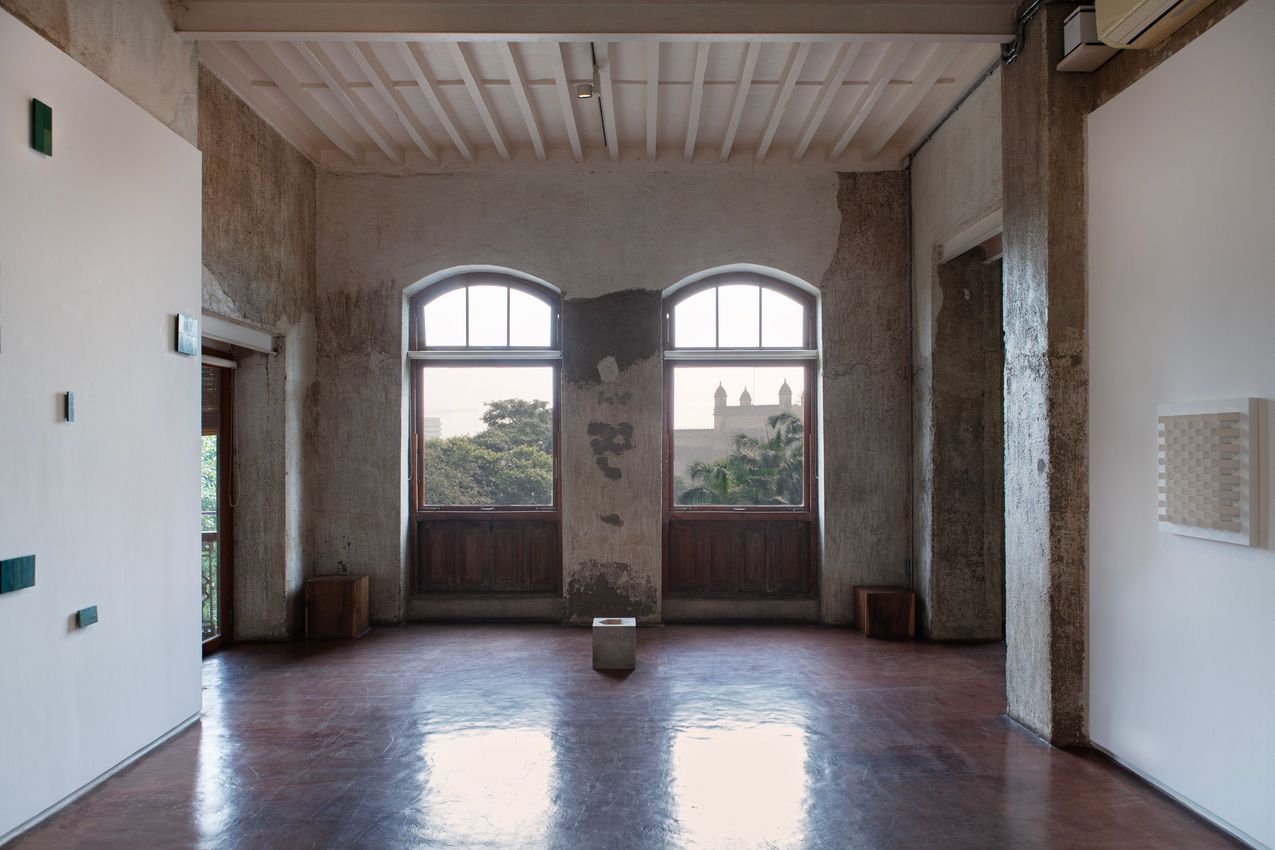
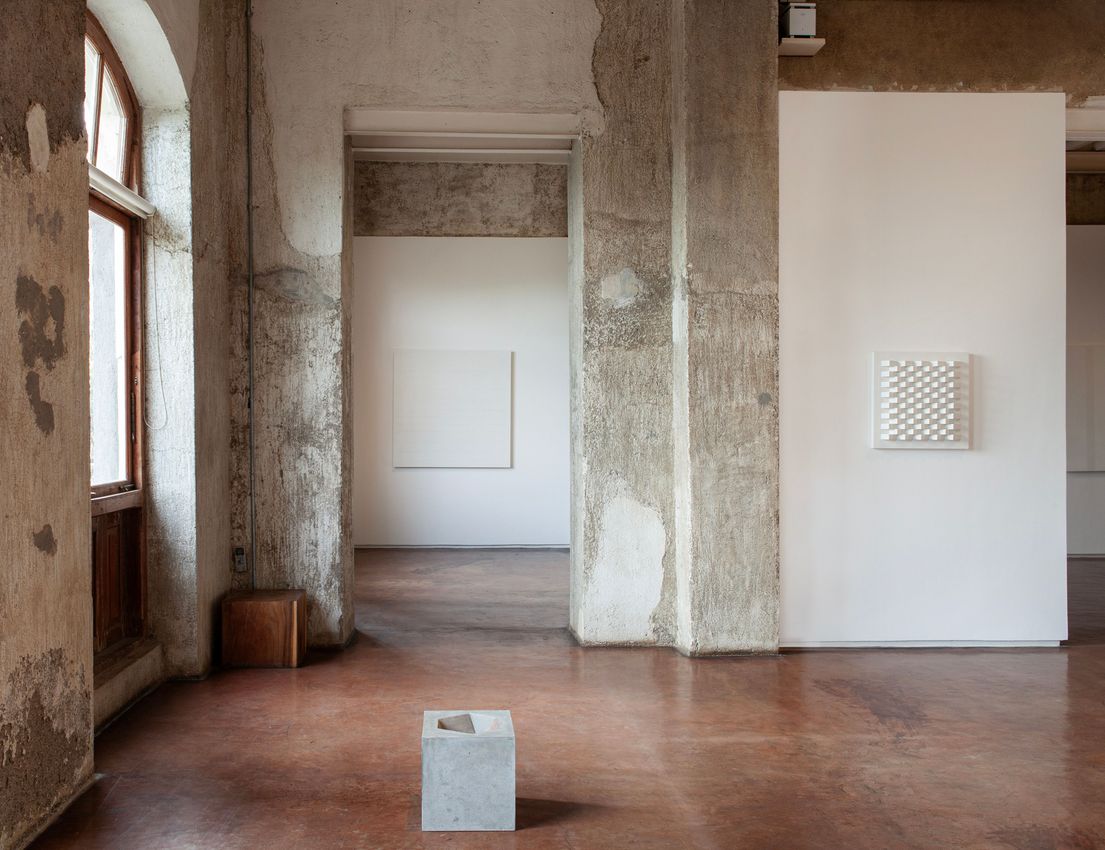
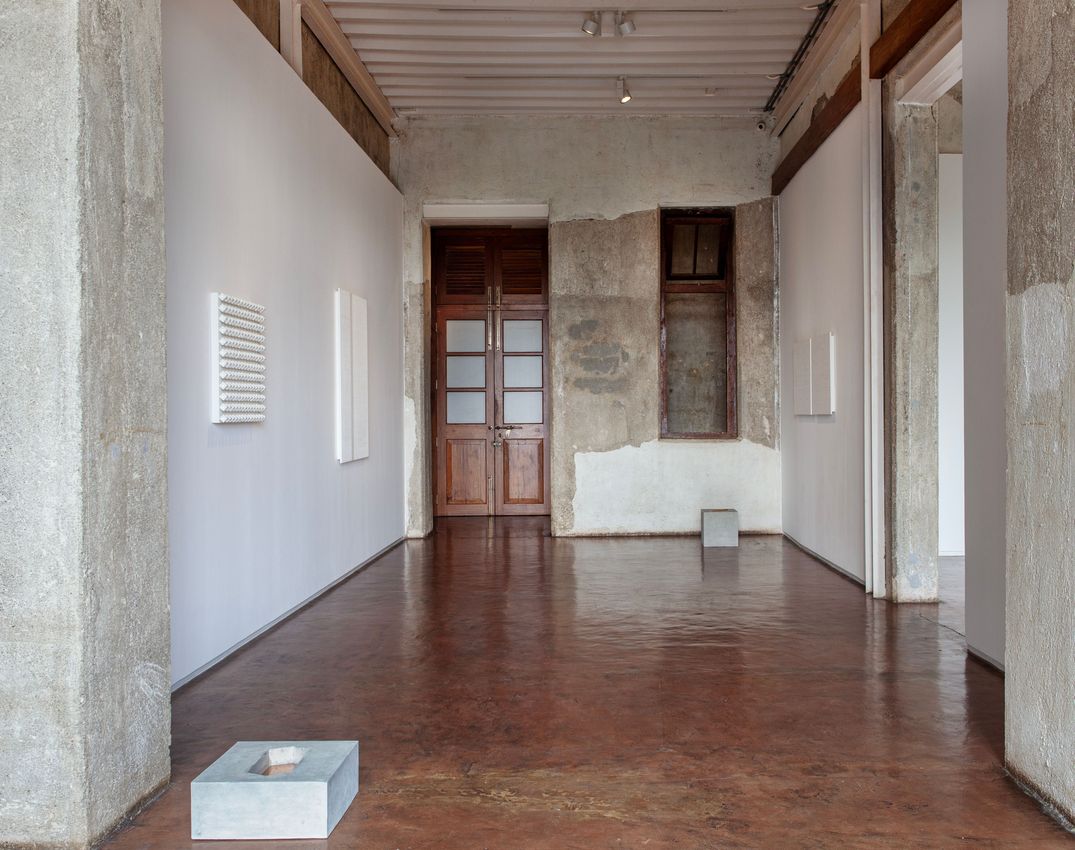



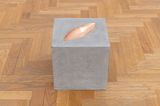
Jhaveri Contemporary proudly presents Prabhavathi Meppayil’s first solo exhibition in Mumbai since 2007. Meppayil has long been acclaimed for her delicate and subtle geometric and grid-based wall-based works that can be considered paintings as much as they are sculptures. She equally unsettles and restructures notions of modernism and Minimalism through the use of age-old artisanal practices; copper wire is worked into gessoed panels, found jewellery-making equipment is organised with regularity into abstract sculptures and goldsmith tools used to create mosaic-like impressions.
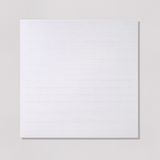
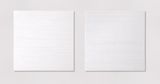
There are elements of autobiography held in these pieces. In her copper-wire works, like m/eighteen, and m/sixteen(both 2023), around twenty thin layers of white gesso are inlaid with wire lengths, overpainted with another fifteen or so coats and then sanded back. The effect is mesmerising and mediative. The metal, like a fine thread, at times rises to the surface of the panel and then sinks into the pristine white solid. This matching of materials relates to Meppayil’s encounters with India’s historic cave frescos, like those at the Ajanta and Sittanavasal, and her childhood spent among the supplies of her family’s goldsmith shop in Bangalore.
Her studio remains in the city’s metalworking district among the intensive activities of this industry. The area is a plentiful resource for Meppayil. Here, the tools and traditions associated with the trade are encountered as are the sounds of tapping metal. ‘I come to things via found objects’, she explains. ‘It’s what happens to these things when you transform them and intervene in small ways, which is interesting to me’.
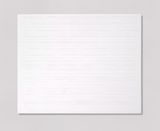
m/fifteen(2023), is a result of this inquisitive spirit. Small wooden blocks, used by goldsmiths as molds to form circular shapes, are covered in gesso and arranged on a wooden panel to form an expansive and rhythmic grid. Meppayil’s skill is in both obscuring the object’s utility and yet humanising the traditions of Minimalism; each block would have formerly been used by an artisan and held in their hands. Similarly, the use of a thinnam, a device to stamp patterns on metal, which is gently pressed into layers of white gesso similarly embodies traditions of craftsmanship while maintaining a counterintuitively pared back and sparse aesthetic.
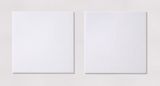
Processes of making have, as Meppayil says, ‘led to my language’. Throughout her practice, she has maintained a degree of deference to her materials. Meppayil is a purist; the gesso she uses is self-made from chalk, lime and glue. The lengths of metal are treated with absolute diligence, heated with such precision as not to melt them but render them tensile enough to stretch. The jade-looking polishing stones in m/twenty one(2024) are left in their original state. And while she does alter some items, ultimately, their material qualities dictate her final forms. They can be reactive and respond to the surrounding atmospheric conditions. Copper oxidises, stone lightens. That is to say, for Meppayil, the objects have their own processes that are ongoing, even once the work is hung
Indian abstract artist Prabhavathi Meppayil creates minimalist paintings and installations that are monochrome and highly textured. Her artistic practice embraces modernism and emphasises process, gesture, and the artisanal traditions from her motherland, India.

Jhaveri Contemporary was formed in 2010 by sisters Amrita and Priya with an eye towards representing artists, across generations and nationalities, whose work is informed by South Asian connections and traditions. The gallery’s dedication to original scholarship, engendered through its carefully crafted shows, is one of the many ways it distinguishes itself. Entwined with this philosophy is another guiding principle: showcasing the heterogeneous practices of long-celebrated luminaries as well as emerging talents, often in generously interrogative conversations. With a focus on mining lesser-known art histories, Jhaveri Contemporary facilitates dialogue between artists, curators and historians to add to the wider field of art. Estates served by the gallery include Mrinalini Mukherjee and Anwar Jalal Shemza.

A respected voice in contemporary art discourse.
Focusing on ambitious storytelling and insightful art-world commentary. Ocula Magazine publishes in-depth interviews, critical essays and timely analysis on the artists, exhibitions and ideas driving the global art world.
Learn more about Ocula Magazine
Showcasing the best of the art world.
Ocula partners with galleries from around the world to highlight their artists, artworks and exhibitions. Gallery membership is by application and invitation, with each member vetted by an independent panel.
Learn more about Ocula Membership

Specialises in the sale of major artworks.
Led by a team with deep ties to the world’s leading auction houses, galleries and collectors. Ocula’s advisory team offers bespoke services to high-net-worth clients from around the world who are looking to acquire the best of contemporary and modern art.
Learn more about our team and services