Press Release

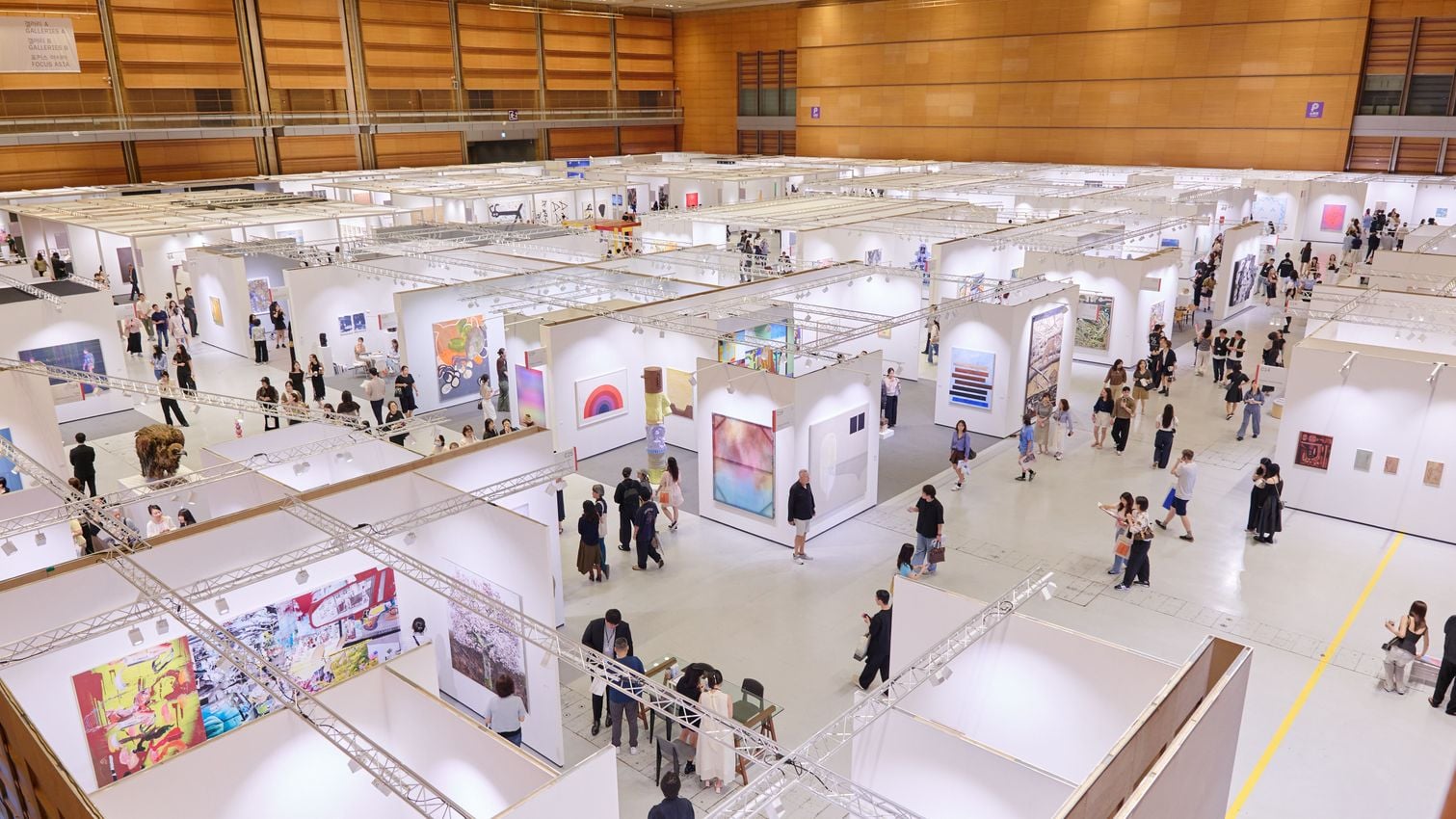
Frieze Seoul will once again reaffirm the city’s position as a major hub for contemporary art, bringing together 125 galleries from 30 countries. Alongside the main section “Galleries” and a reimagined “Focus” section, which features 16 galleries established since 2014 from across Asia and the world, two new sections will add further diversity to the fair. Curated by Wonseok Koh, director at the Line Culture Foundation, “Spotlight” presents solo booths dedicated to artists who have been underrepresented in the history of 20th-century art. “Material Practice”, curated by independent curator Hyeyoung Cho, pays tribute to Korea’s long-standing craft traditions and material practices while exploring rich works situated at the intersection of contemporary art and the visual arts. Beyond the fair itself, a wide range of programs across Seoul—including Frieze LIVE, Busan Biennale x Frieze Film Seoul 2026, talks, and Neighborhood Nights—continue to bring the celebration of art and culture beyond the exhibition halls and into the city.
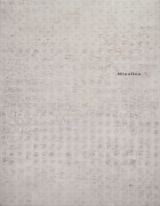
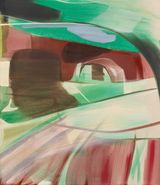
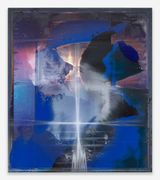
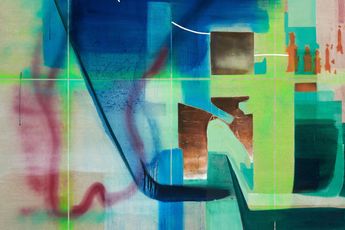
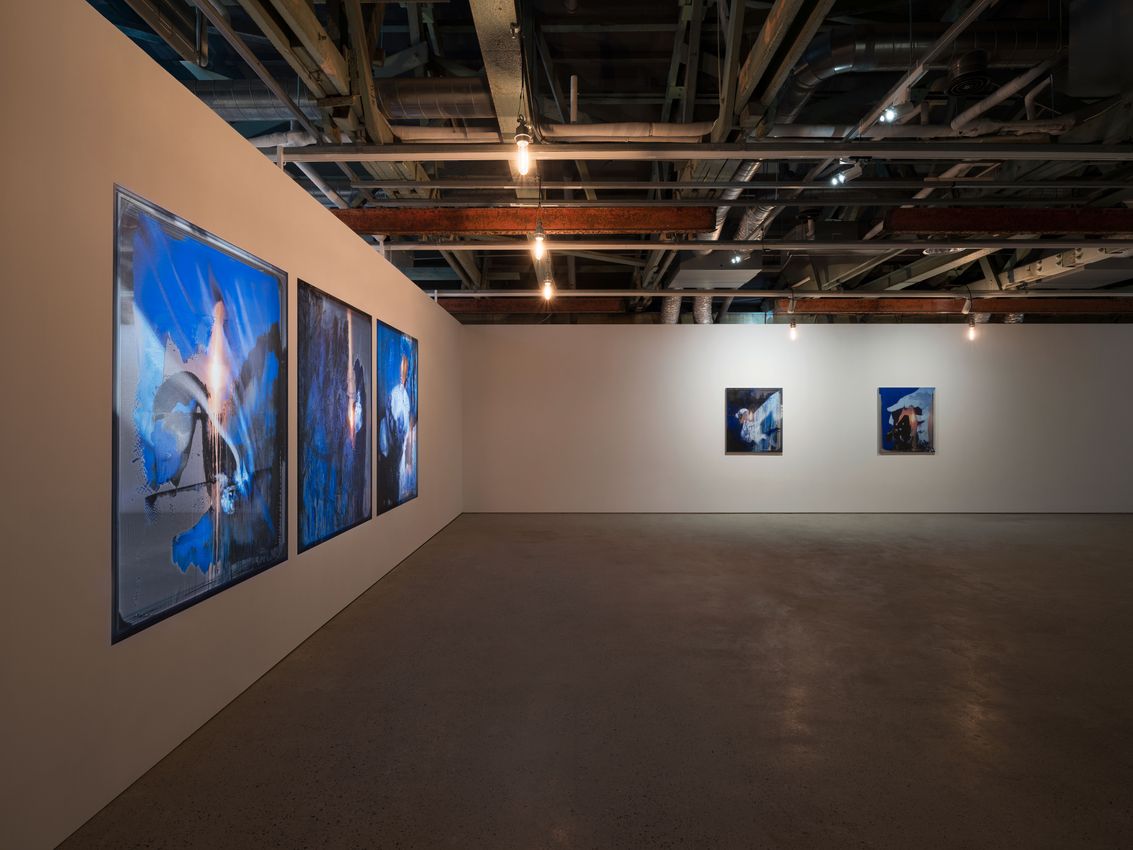
Kukje Gallery presents a selection of key works by artists who either have held or are scheduled to hold solo exhibitions at the gallery this year. Park Seo-Bo’s Ecriture No. 220611 (2022) is featured ahead of his major retrospective Changing Unchanging, opening at the Seoul space on August 24 to mark the third anniversary of his passing. Part of his renowned Ecriture series, this ceramic work is made from white porcelain clay, with ridges carved into the surface, incorporating the spiritual ethos of Korean ceramics into the artist’s signature formal language of “Color Ecriture.” Seeun Kim’s Wall over wall (2026) is presented in conjunction with her first solo exhibition at Kukje Gallery Seoul, Pictos and Pitwall. Through her distinctive painterly language, Kim explores urban environments that are constantly reshaped according to the principles of economic value and efficiency, as well as the spatial and temporal transformations that unfold within them. Korakrit Arunanondchai, who is set to present a solo exhibition at Kukje Gallery Busan, presents his new painting, Let the echoes ring (2026). Created using a thermal imaging camera to capture family members hugging their cherished stuffed toys, the work traces the fleeting imprint of human body heat left on the objects. The projected image is presented like the “skin” of the body—a surface that holds and conveys sensations and memories.

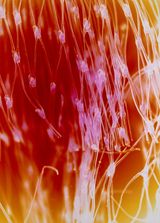
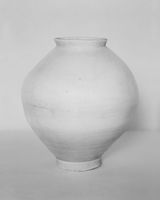
Lotus L. Kang, who successfully concluded her first solo exhibition in Korea at Kukje Gallery last March, brings her luminogram work Synapse, 15:23 (2025) to the booth. Created without a camera, the work uses light and materiality alone to form images on photosensitive paper. In the Synapse series, Kang enlarges details of nylon-woven produce bags in a color darkroom, generating images that resemble biological structures such as cells, tendons and veins. Kang is currently participating in the 61st International Art Exhibition of La Biennale di Venezia, selected as one of the inaugural artists for the Bvlgari Pavilion. Also featured is Vessel (AM 09 BW) (2006) from Koo Bohnchang’s acclaimed “Vessel” series, following his successful photography group exhibition at the Seoul gallery this July. Over the course of more than a decade, Koo has photographed white porcelains in institutional and private collections around the world, capturing the serene beauty and timeless formal qualities of Korean white porcelains through his restrained black-and-white compositions.
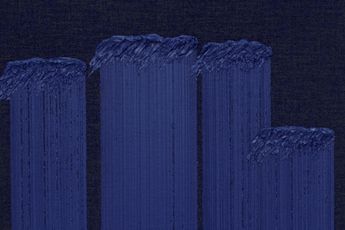
Missiles (2024) by Jenny Holzer is also on view at the booth. Renowned for using language as a medium to examine power and violence, memory, and the human condition, Holzer opened her first major solo exhibition in Portugal at the Serralves Museum this June, and whose solo exhibition will be held at Kukje Gallery Seoul this November. She has been selected as an Icon Artist for the second edition of the Art Basel Awards, with the final results to be announced in Miami this December.
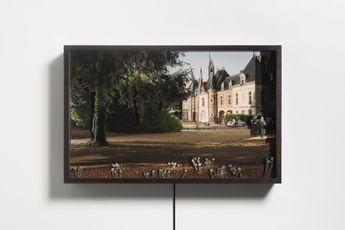
Kukje Gallery’s booth also brings key works by artists who are actively presented at major institutions both in Korea and internationally. Among them is Post-Conjunction 21-512 (2021) by Ha Chong-Hyun, a leading figure of Dansaekhwa and pioneer of Korea’s avant-garde movement. In the 1970s, Ha developed his signature bae-ap-bub (背押法, “back pressure method”), applying thick paint from the back to the front of coarse hemp canvas, exploring new material and spatial possibilities within painting. On September 25, Ha will present their first institutional exhibition in North America at the Asian Art Museum in San Francisco, offering a comprehensive overview of his longstanding practice.

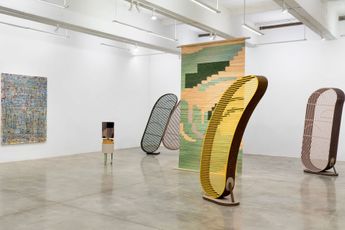
Mat #24-10 (2023–2024) by Suki Seokyeong Kang, who has expanded the aesthetics of Korean traditional culture into a contemporary sculptural language, is exhibited at the booth. Kang’s acclaimed Mat series draws inspiration from the structure and the repetitive form of hwamunseok, a woven mat that served as the performance space for chunaengmu (春鶯舞), a solo court dance from the Joseon Dynasty. Through the series, Kang explores the relationship between the body, space, and movement. Selected as a major participating artist in the upcoming Busan Biennale, opening in late August, Kang’s large-scale installation will be showcased at the Museum of Contemporary Art Busan.

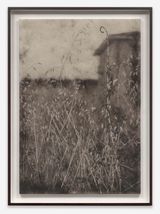
Currently the subject of a solo exhibition at the Gyeongnam Art Museum, Yeondoo Jung introduces his drawing work Smoke Drawing - The Balance (2026) at the booth. Created using soot, the new series takes weeds found in Tashkent, Uzbekistan, as its motif. Jung transfers the minute carbon particles suspended in the soot left behind after a fire onto paper, repeatedly layering and meticulously tracing them with a fine brush. Through this process of accumulation—moving between creation and extinction—the weeds emerge as forms suspended between presence and absence. Julian Opie, whose work is currently on view at the Ulsan Museum of Art, is represented at the booth with his mosaic tile work Dance 2 figure 2 step 2. (2022). Drawing on traditional mosaic techniques, the work creates a striking contrast between the solid texture of stone and the fluid contours of the human body, generating a rich formal language that vividly conveys movement and the body.

The booth also features Song of My Soul 2010-215 (2010), a painting by Kim Yun Shin, one of Korea’s first-generation woman sculptors. This June, Kim recently concluded a major retrospective at the Hoam Museum of Art in Yongin, the institution’s first large-scale retrospective dedicated to a Korean female artist. The painting’s distinctive composition divides the picture plane into sections, resonating with her celebrated wood sculpture series and thus demonstrating her fluid sculptural language across the boundaries of painting and sculpture. Inspired by both her longstanding residency in Argentina and Korea’s five traditional colors, obangsaek, the painting combines organically recurring curves with richly textured, heavily applied paint to create a sense of vitality and rhythm.

Haegue Yang’s new work Fertile Order (2026) is highlighted at the booth. The work features floral embroidery ornaments newly created from the “remnants” Yang encountered piled up in a historic traditional embroidery workshop during a visit to Tainan, Taiwan. Yang recently concluded the solo exhibition Haegue Yang: Star-Crossed Rendezvous at the Museum of Contemporary Art, Los Angeles, while expecting a new solo exhibition, Haegue Yang: Through, at Dia Beacon this October.

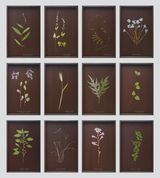
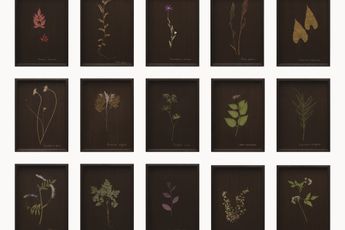
Joining the presentation is Gala Porras-Kim’s new drawing, 16 Volcanoes (2026). Porras-Kim is the subject of the Applied Arts Pavilion at Biennale Arte 2026 in Venice, organized in collaboration with the Victoria and Albert Museum in London. The work draws attention to the processes of collecting and classifying natural objects by creating a private collection of 16 suseok, also known as viewing stones or scholar’s stones, selected by the artist for their resemblance to volcanoes. Jae-Eun Choi, who is featured in Grass Babies, Moon Babies at the Japan Pavilion of Biennale Arte 2026, brings When We First Met (2025) to the booth. The work comprises wildflowers gathered from the streets of Kyoto, pressed onto lacquered wooden panels. By naming each flower and framing it as an individual work, Choi grants these humble forms their own names, drawing attention to the value of ordinary life, nature, and existence.

Read More

Installation Views

Kukje Gallery, Kiaf SEOUL 2026 (2–6 September 2026). Courtesy of the artists and Kukje Gallery. Photo: Sebastiano Pellion di Persano.

Artists Exhibiting

Also Exhibiting at Kukje Gallery

The art world in focus