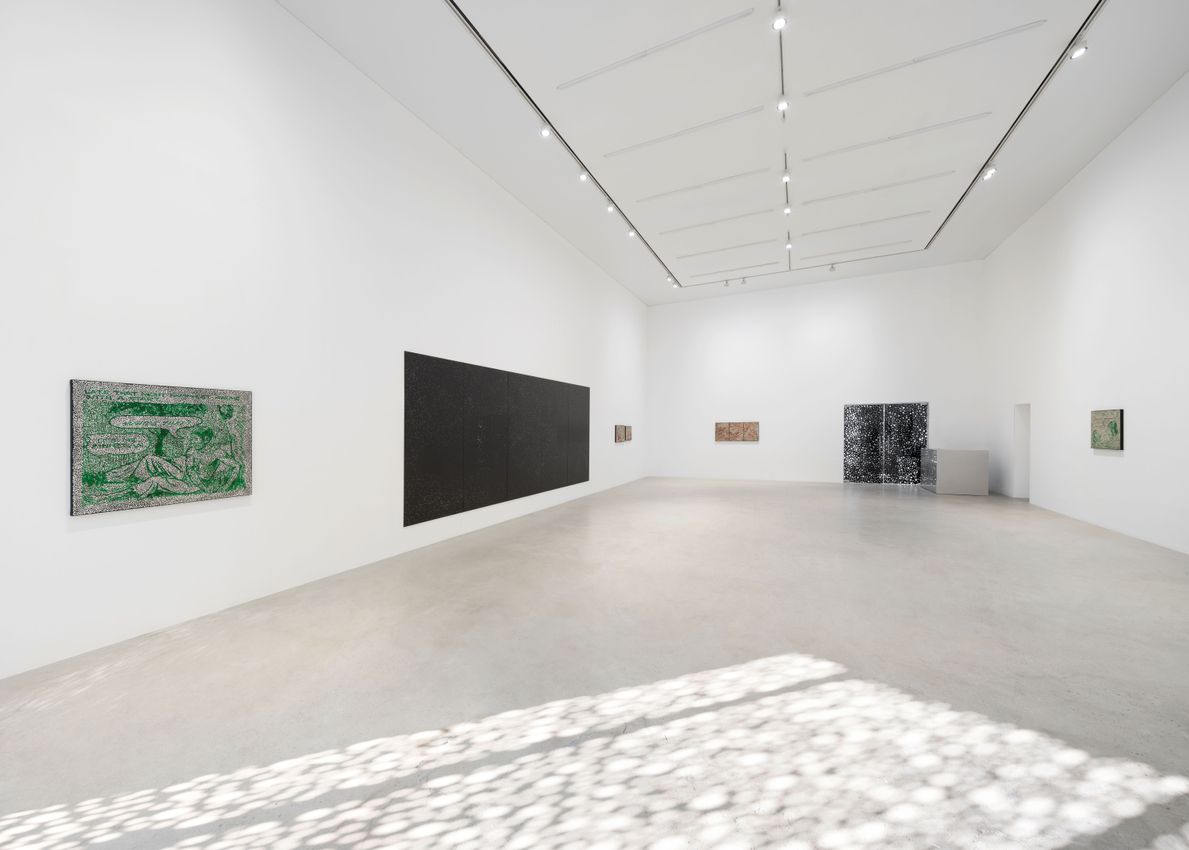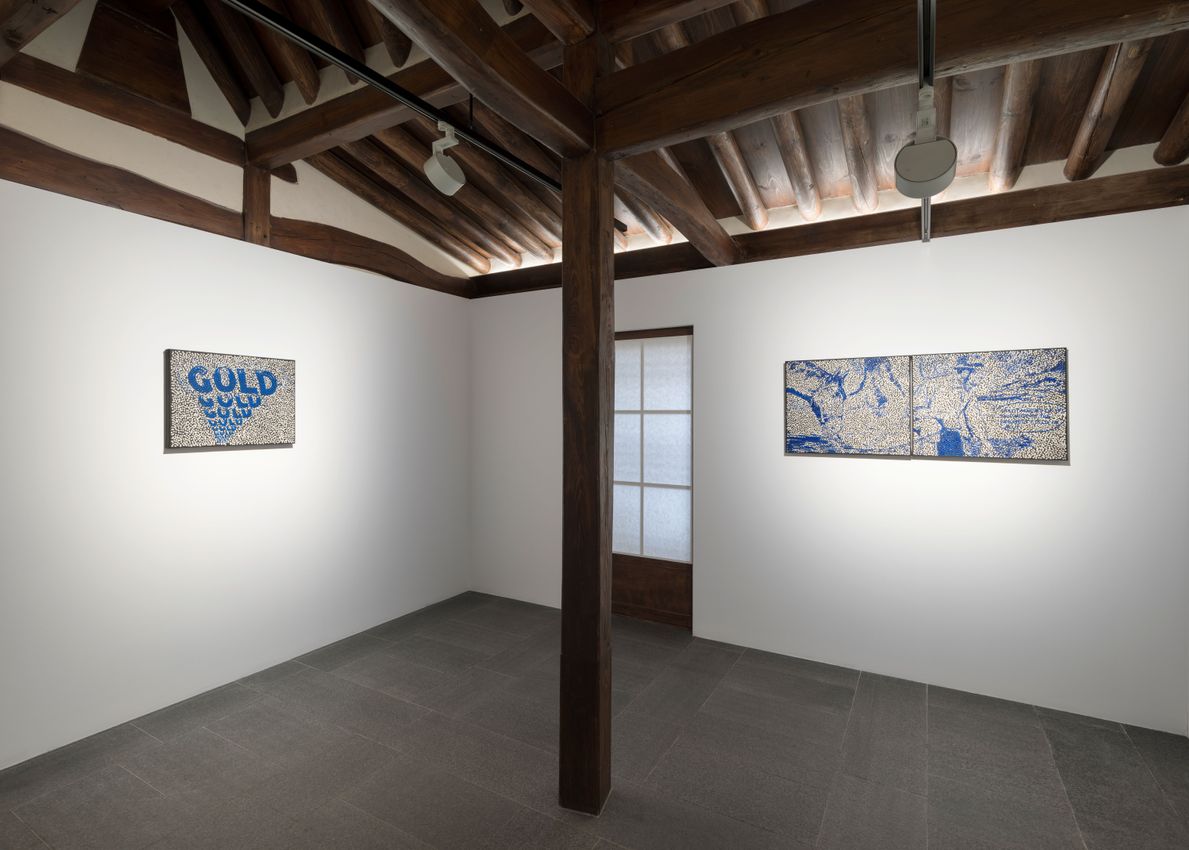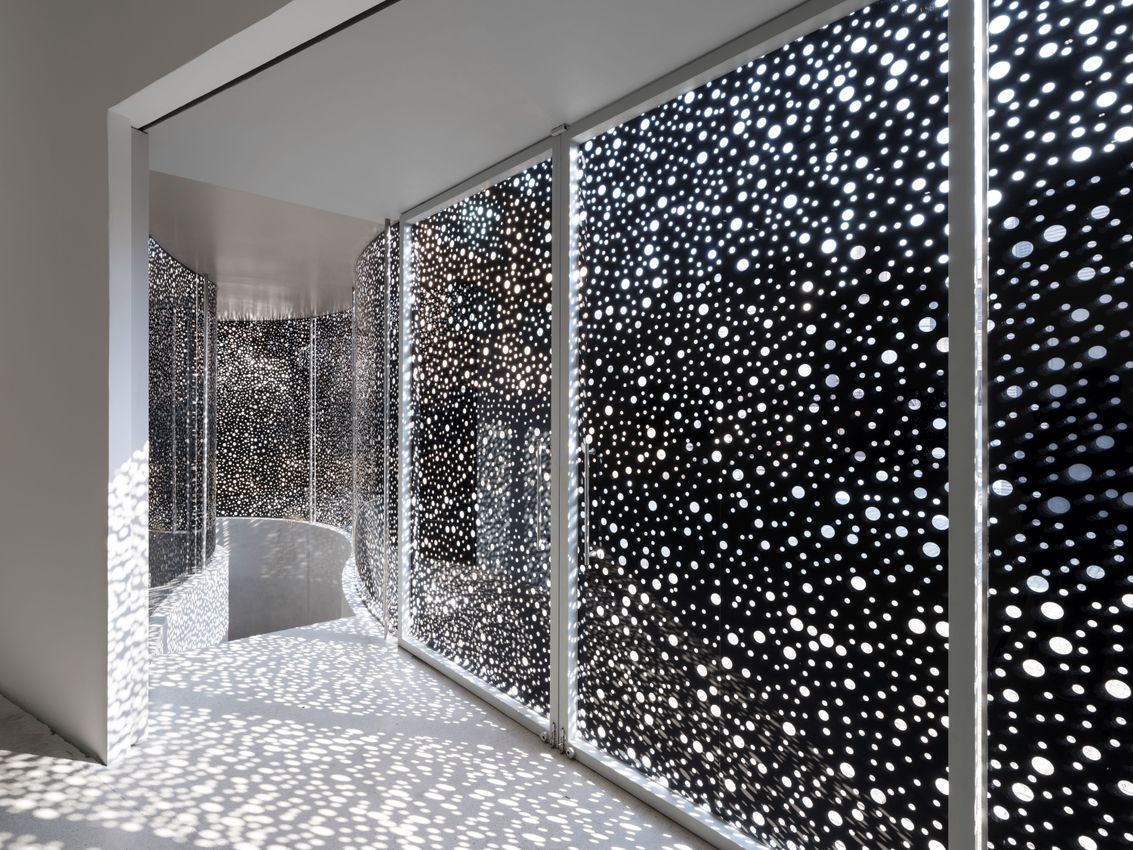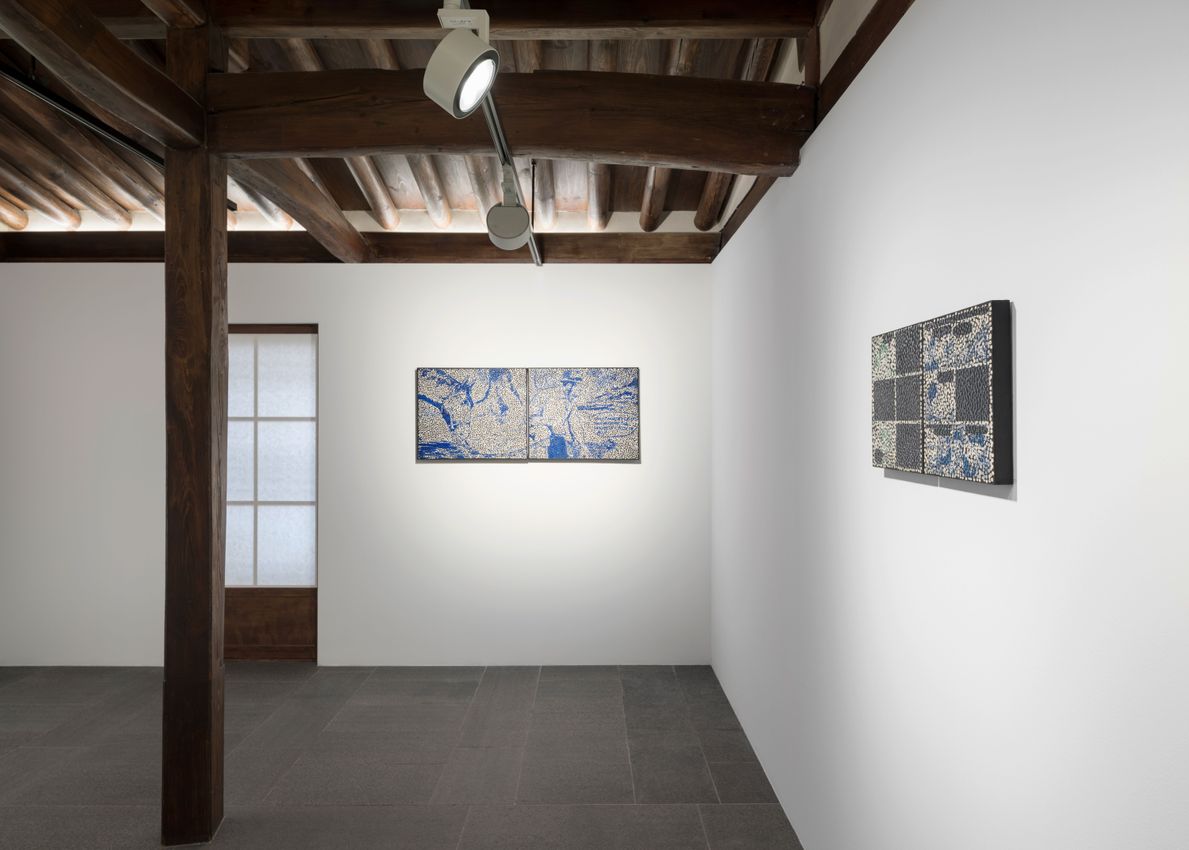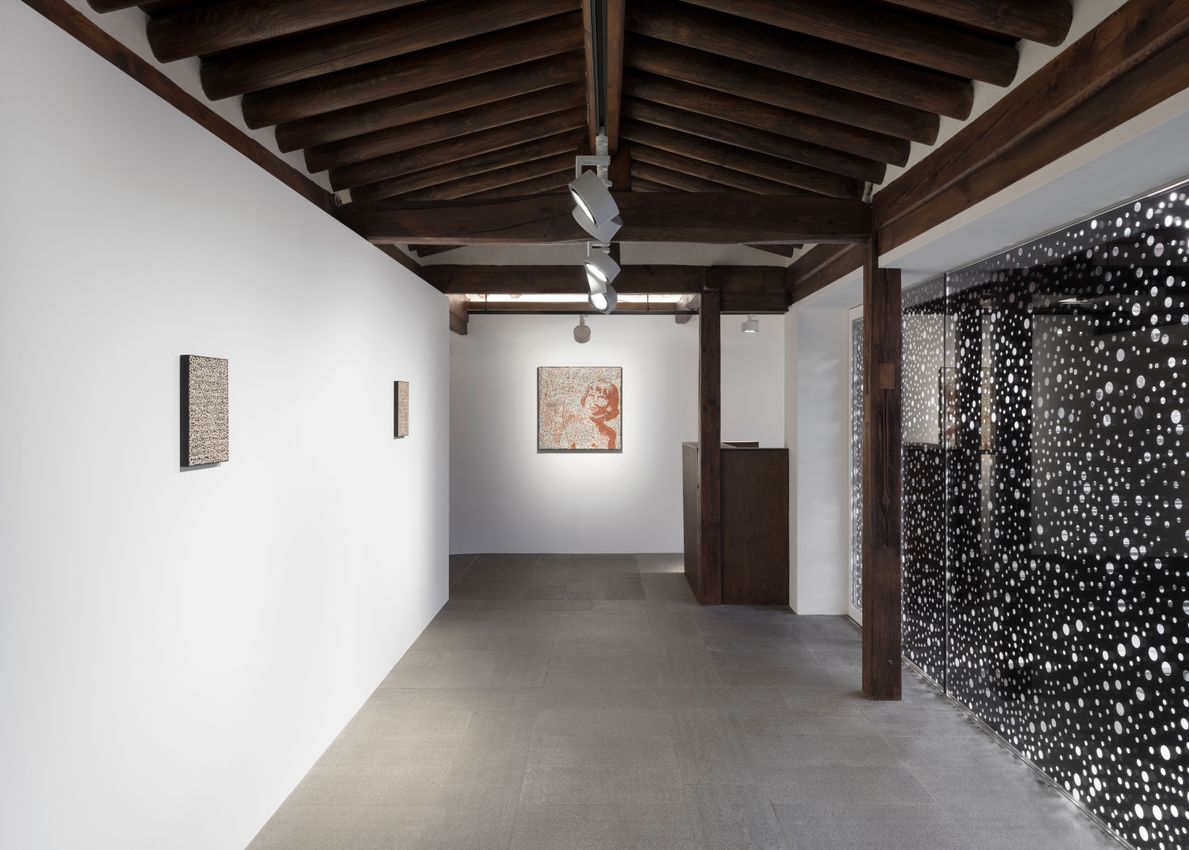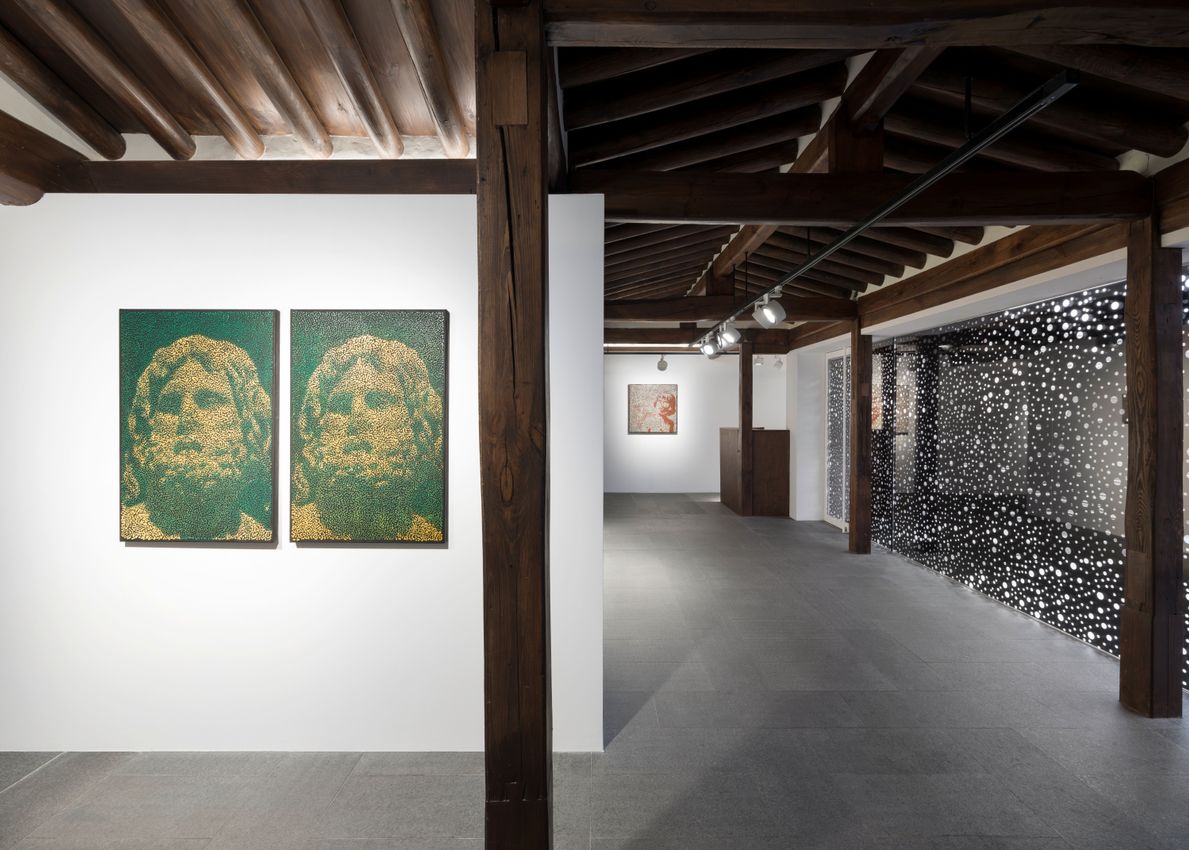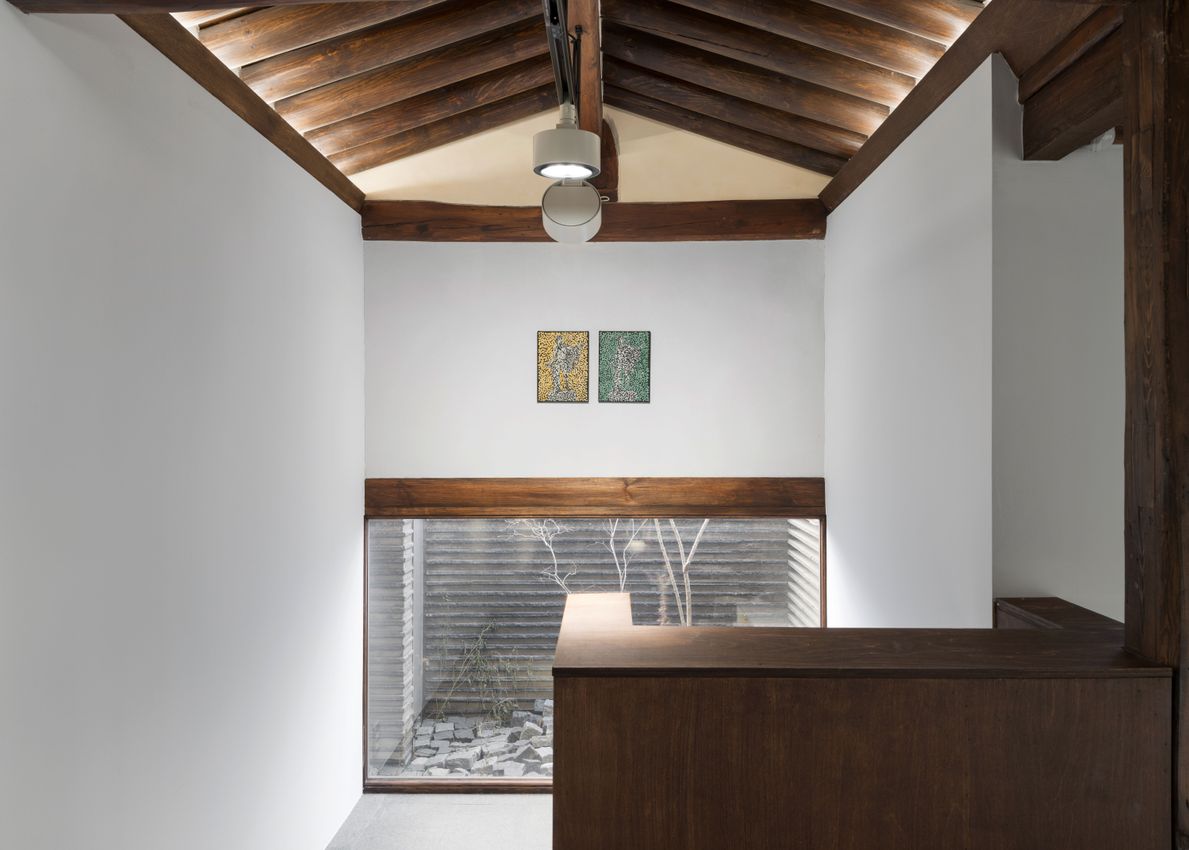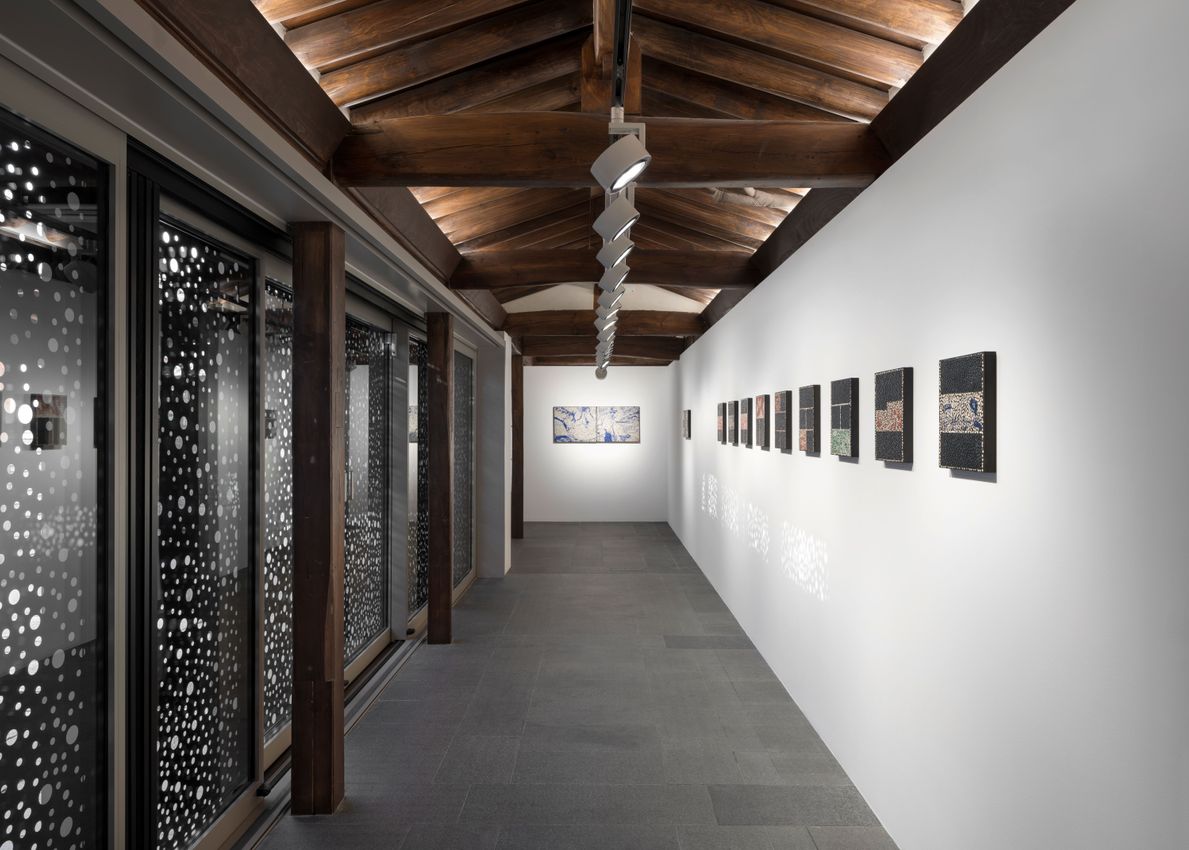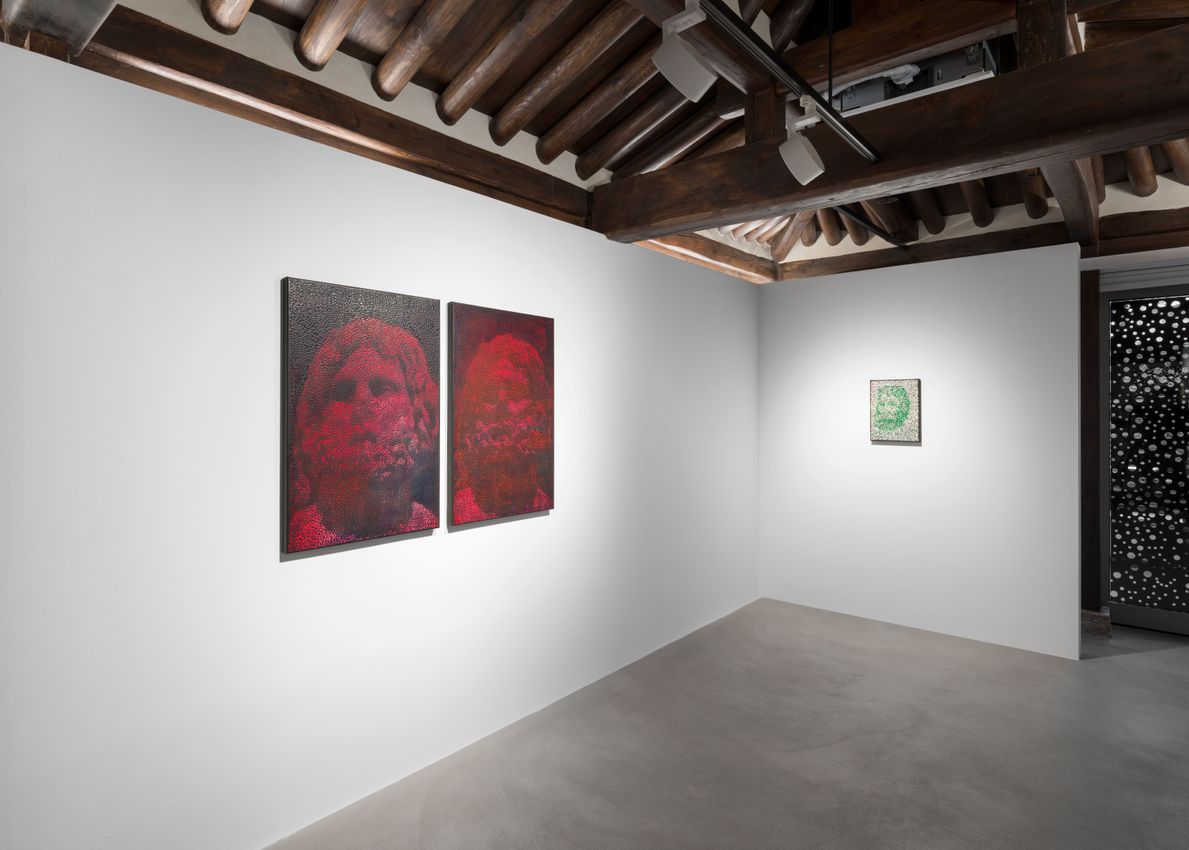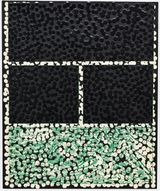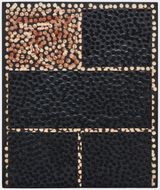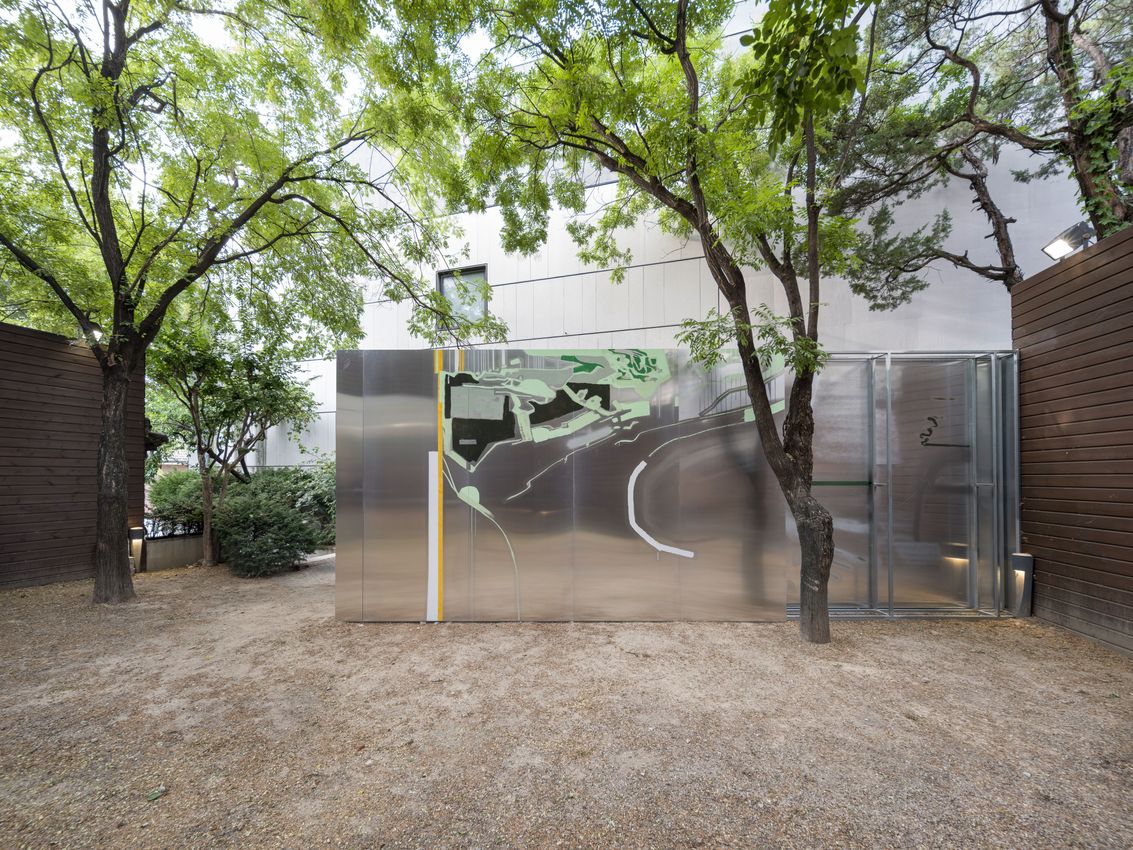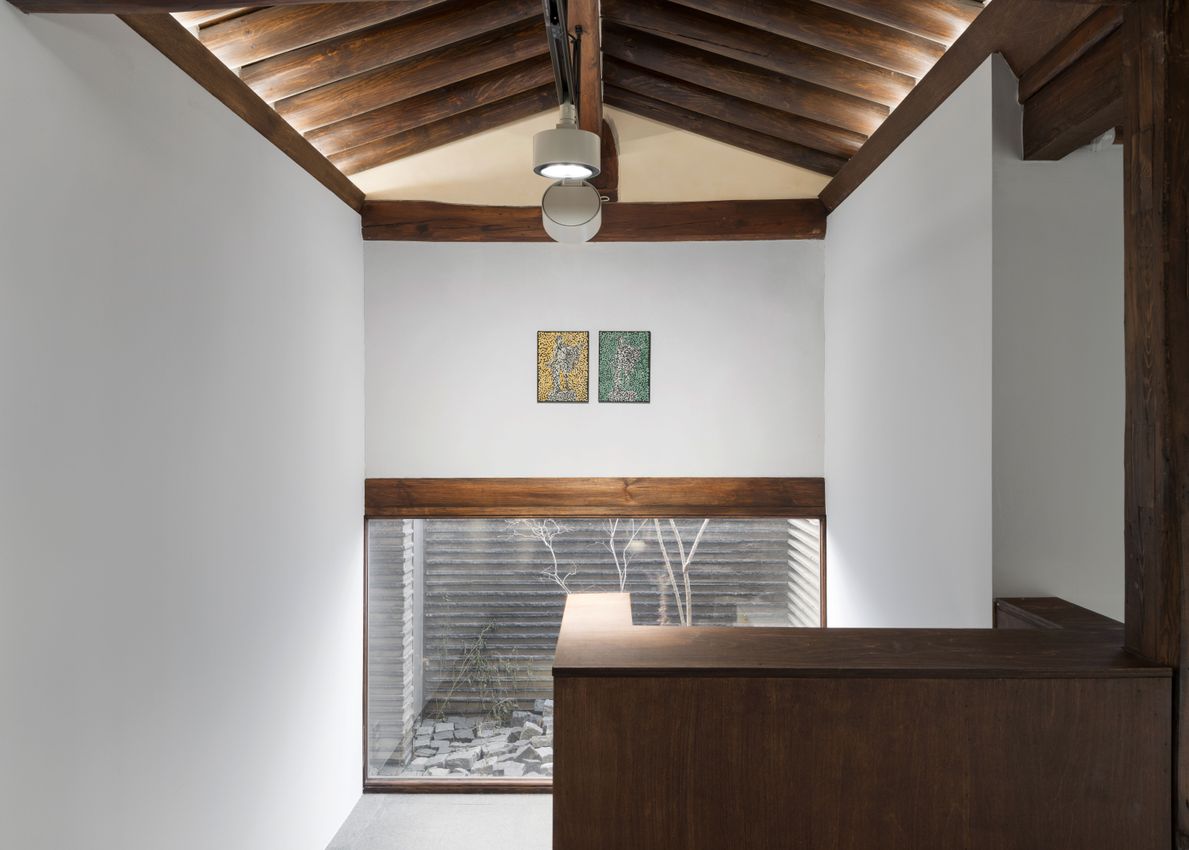
Kukje Gallery is pleased to present Daniel Boyd’s solo exhibition Finnegans Wake, on view in the gallery’s K3 and Hanok spaces from 9 December 2025, to 15 February 2026. Born in Cairns, Australia, and of Indigenous heritage, Boyd has long sought to reclaim perspectives and memories erased within Eurocentric historical narratives. His practice expanded during his residency at London’s Natural History Museum in 2011, where he researched the museum’s expansive collection, including artifacts related to Australia’s earliest penal transportation fleets. Grounded in a critical awareness of colonialism, epistemological systems, and cultural values, Boyd’s work examines power and mythmaking embedded within Romanticist aesthetics. Through his distinctive use of the ‘lens,’ Boyd continues to contemplate the unseen, the unspoken, and the unrecorded.
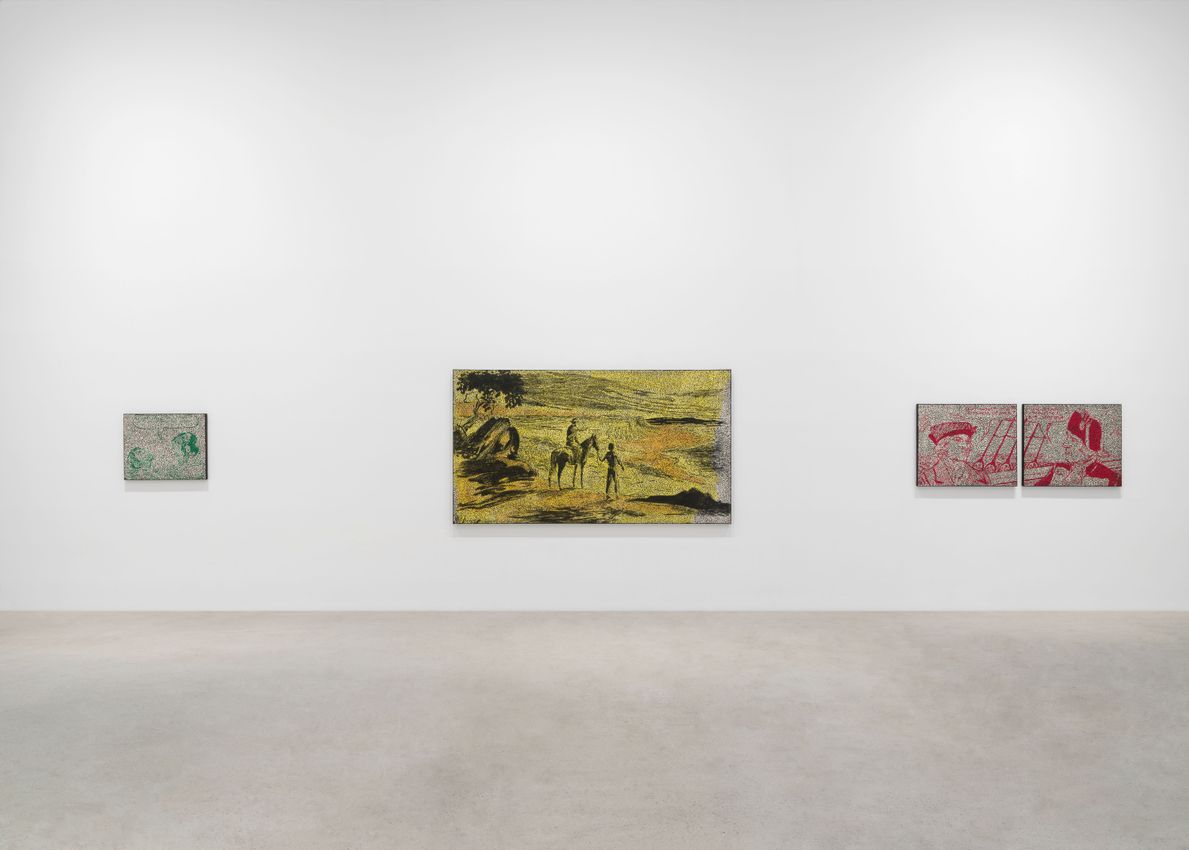
The exhibition features over 30 new works that build on the artist’s longstanding inquiry into hegemonic visual regimes that structure modern history and its representations. The title is taken from the 1939 novel by James Joyce (1882–1941), Finnegans Wake, in which the continuously shifting, dreamlike narrative structure parallels Boyd’s own practice. By referring to the nineteenth-century accounts of exploration and the historical but apocryphal search for an inland sea in the center of the Australian continent, Boyd overlays colonial myth with literature. Here, a ‘white native’ is rescued by an Indigenous figure, also named Finnegan, while searching for the mythic body of water.
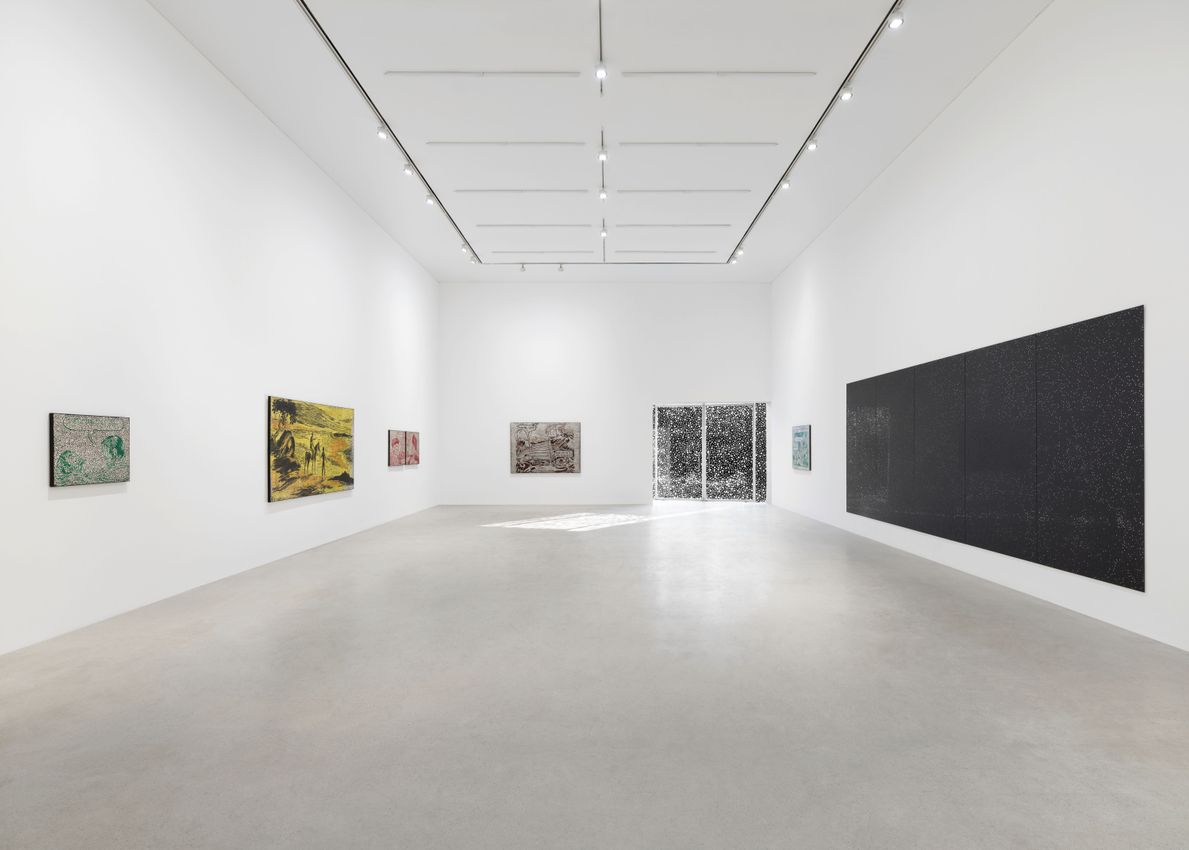
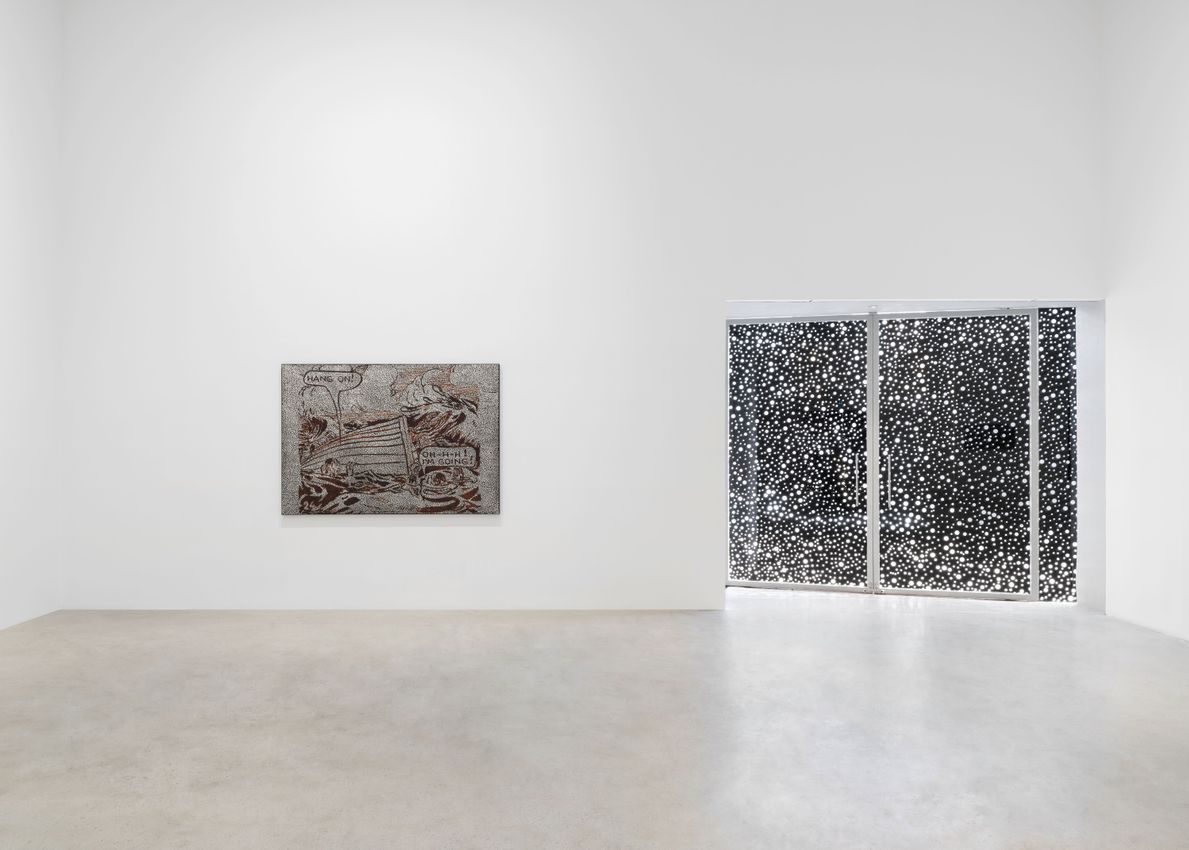
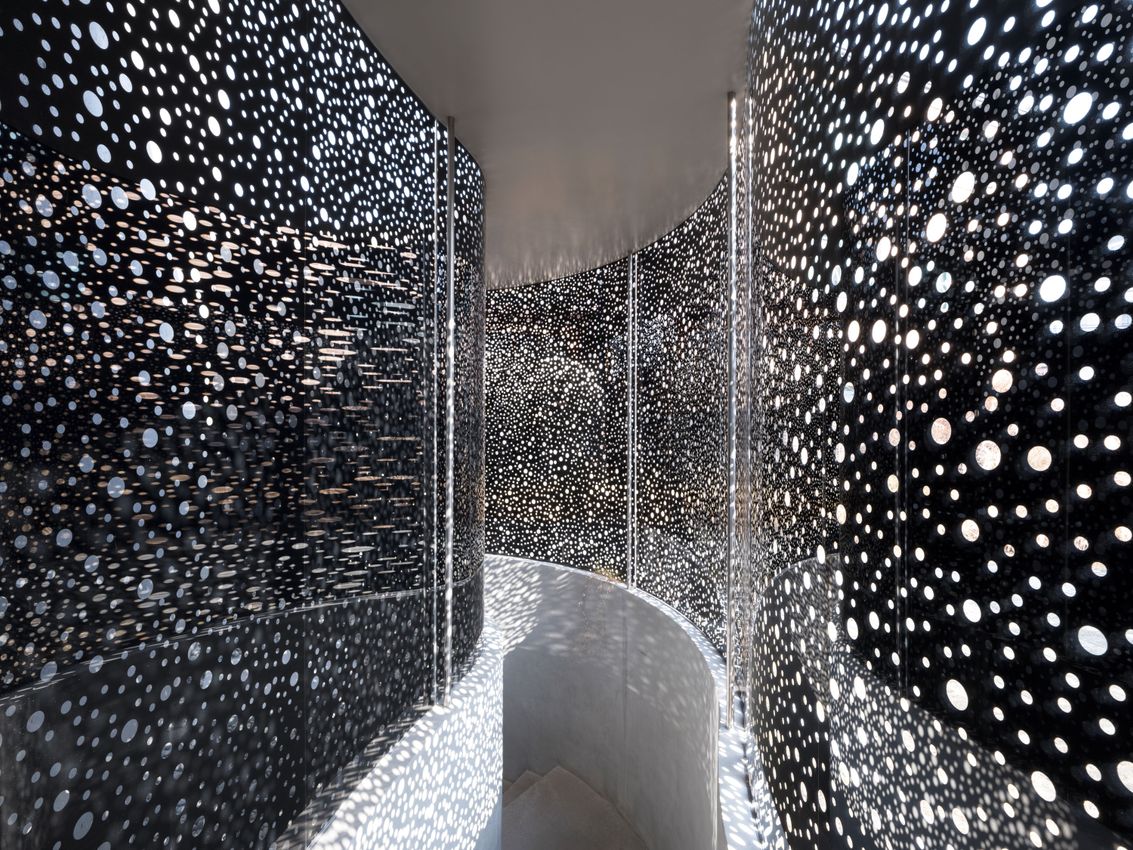
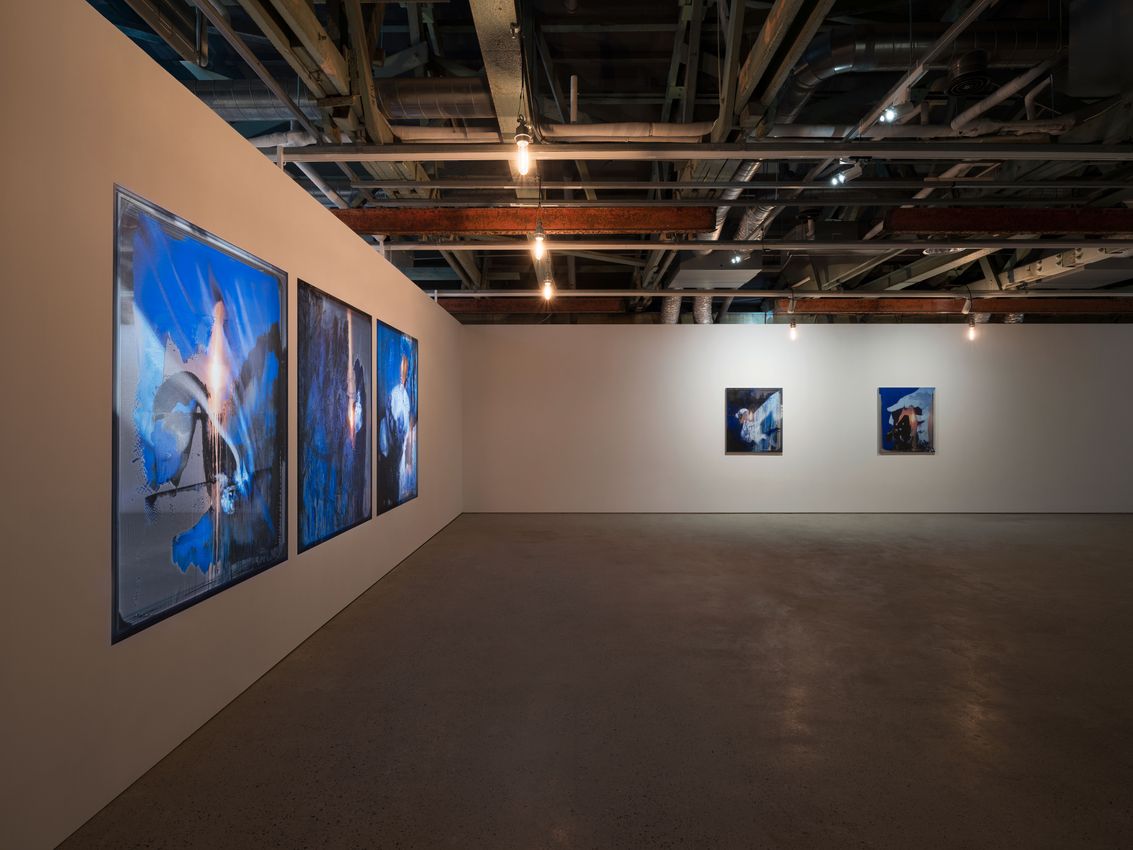
The works draw from the illustrated series known as the Australian Children’s Pictorial Social Studies, initiated and published by the government in 1958. Boyd views these educational tools as a subtle reinforcer of the colonial worldview and prompts questions about how history is taught and myths are constructed. Notably, he disperses a motif of ‘drowning man’ from the Inland Sea myth—also frequently referenced by Australian artist Gordon Bennett (1955–2014)—throughout the K3 space, connecting it to contemporary political and social conditions. At the center of this exhibition space hangs a large-scale painting, Untitled (LOTAWYCAS), in which a man searching for an inland sea guided by an Indigenous man reveals the fiction of myths once received as historical truth. On the opposite wall, Untitled (PCSAIMTRA), an installation consisting of five one-way mirror sheets, takes Boyd’s exploration of the optical lens to a deeper level. While one side of the mirror is half-silvered and reflective, the other side is translucent—as often used in interrogation rooms. The installation creates moments in which viewers witness events they do not directly experience with an ‘external gaze,’ framing how history is shaped by selective narratives and points of view. Boyd invites visitors to enter into the work itself, expanding the viewer’s perceptual layers towards a necessary plurality.
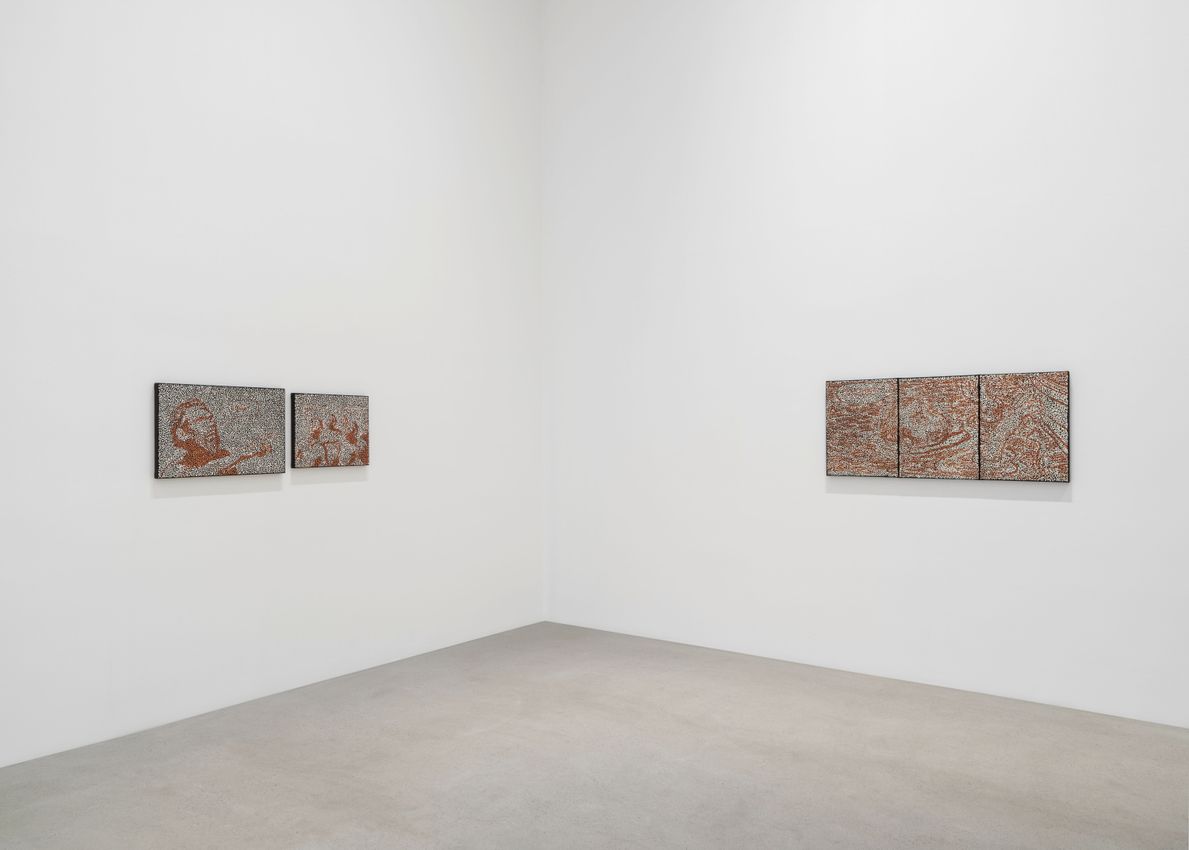
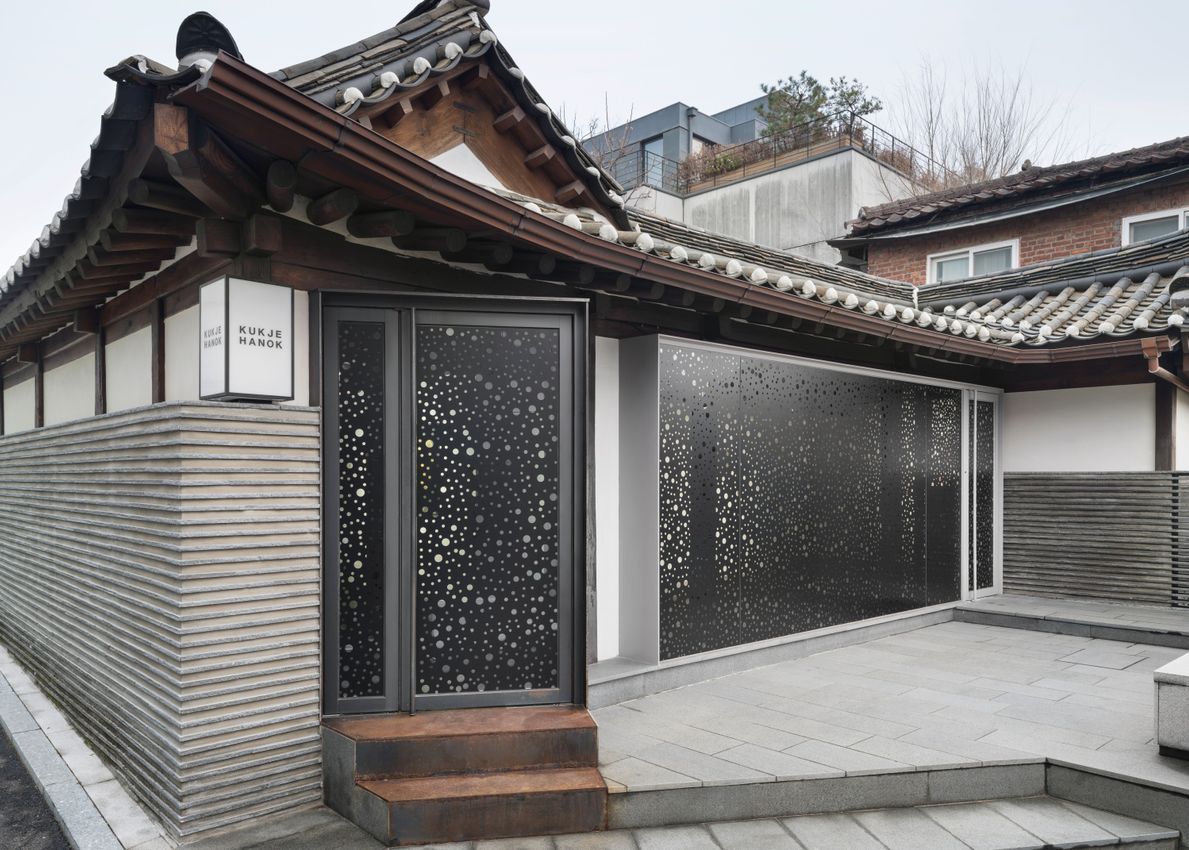
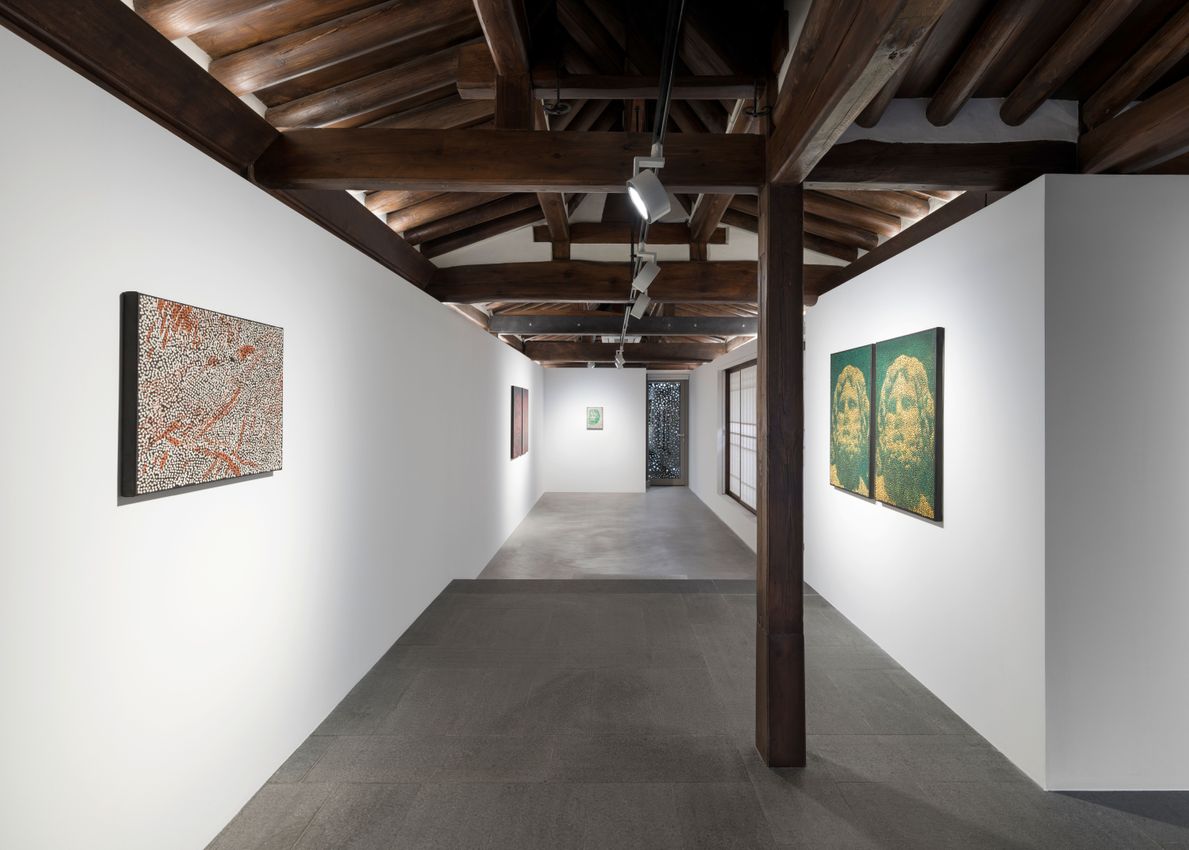
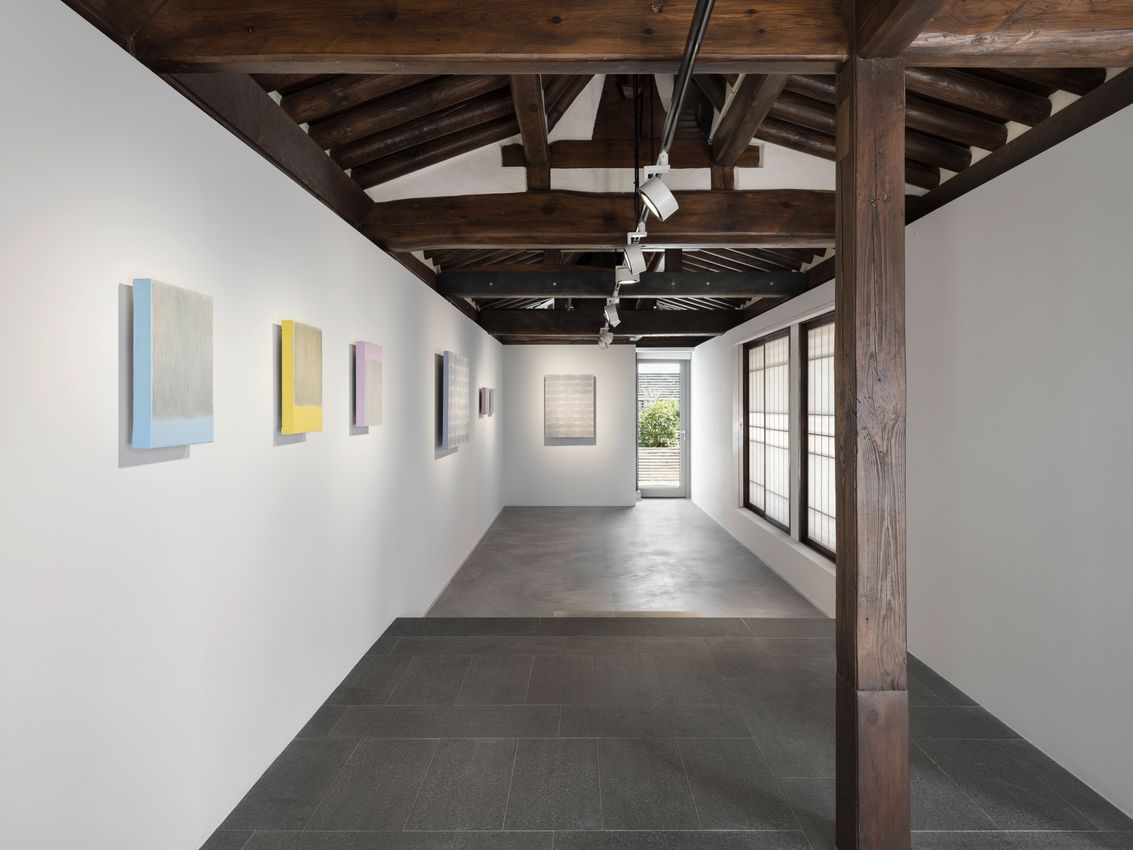
In the Hanok space, subtle yet incisive visual rhythms greet visitors. Two musical scores—titled A Corrobboree and Aboriginal Nonsense Song—translate how traditional culture becomes distorted when mediated through the Western form of language. Complementing these works, the dialogue between the Aboriginal woman in Untitled (BCJCVET) and the bird in Untitled (BBCWM) foregrounds colonial tension, signaling the presence of invasive threats. Collages made from Australian Children’s Pictorial Social Studies are affixed to wooden panels, further unpacking these narratives. In Untitled (MDKTMOU), Boyd juxtaposes the Inland Sea myth with Captain James Cook’s story, where two mythologies respond to each other. By partially obscuring scenes in black, he disrupts the authority and gaze of the misrecorded narratives, revealing his pursuit of a closer approach to truth. Boyd’s method of fragmenting and reassembling imagery continues in his recent mythological figurations. Centering on the sea as the exhibition’s symbolic motif, Boyd examines Western archetypes of beauty and white supremacy through his depictions of the Greek god of the sea Poseidon in Hanok, as well as Apollo as seen in the diptych Untitled (STGLWOAGLM), Untitled (FWIGSKWIK) in K3.


Daniel Boyd is an Indigenous Australian multidisciplinary artist. His paintings, installations, and sculptures are informed by his Kudjla/Gangalu heritage, and examine Eurocentric narratives around Australia’s colonial history.


Established in the heart of Seoul in 1982, Kukje Gallery is a leading Korean gallery dedicated to showcasing works by Korean and international artists and promoting modern and contemporary art. At 54 Samcheong-ro, Jongno-gu, the gallery has 3 key exhibition spaces, respectively named K1, K2, and K3. In 2018, the gallery opened a second location in F1963, a cultural complex housed in a former wire factory in Suyeong-gu, Busan.

A respected voice in contemporary art discourse.
Focusing on ambitious storytelling and insightful art-world commentary. Ocula Magazine publishes in-depth interviews, critical essays and timely analysis on the artists, exhibitions and ideas driving the global art world.
Learn more about Ocula Magazine
Showcasing the best of the art world.
Ocula partners with galleries from around the world to highlight their artists, artworks and exhibitions. Gallery membership is by application and invitation, with each member vetted by an independent panel.
Learn more about Ocula Membership

Specialises in the sale of major artworks.
Led by a team with deep ties to the world’s leading auction houses, galleries and collectors. Ocula’s advisory team offers bespoke services to high-net-worth clients from around the world who are looking to acquire the best of contemporary and modern art.
Learn more about our team and services