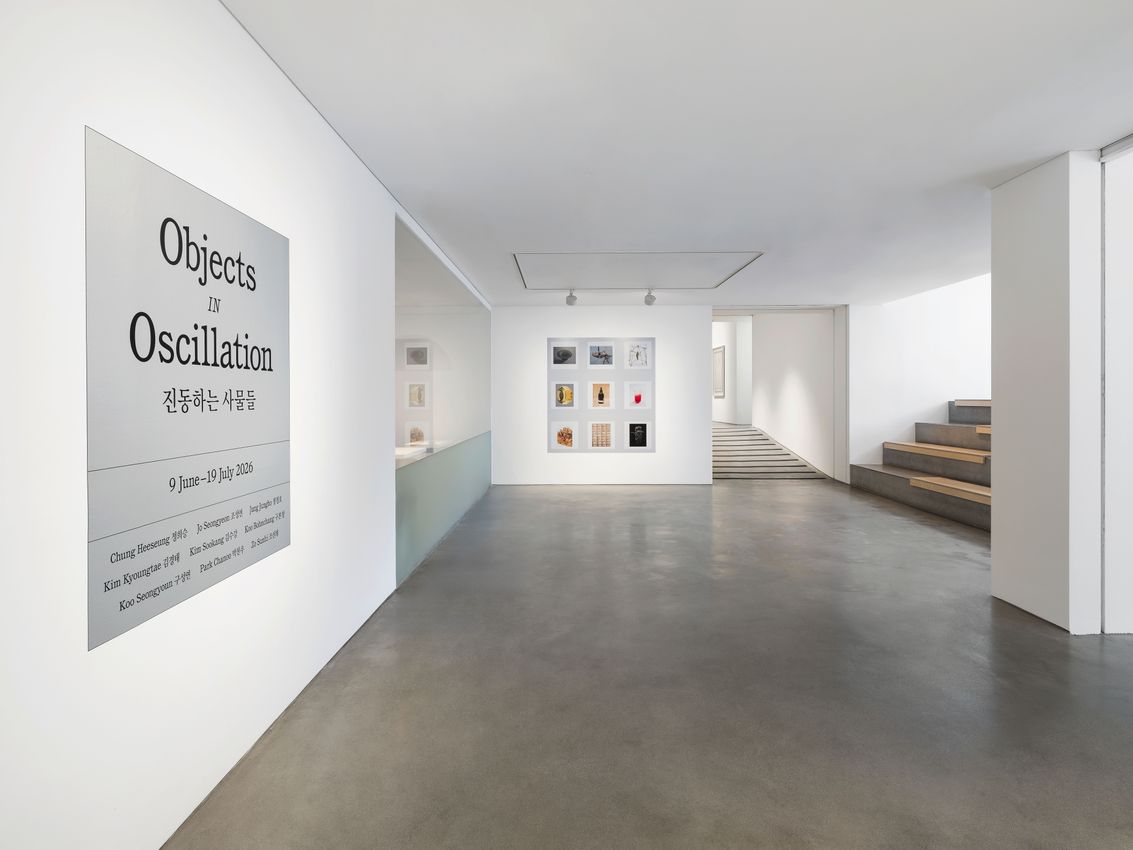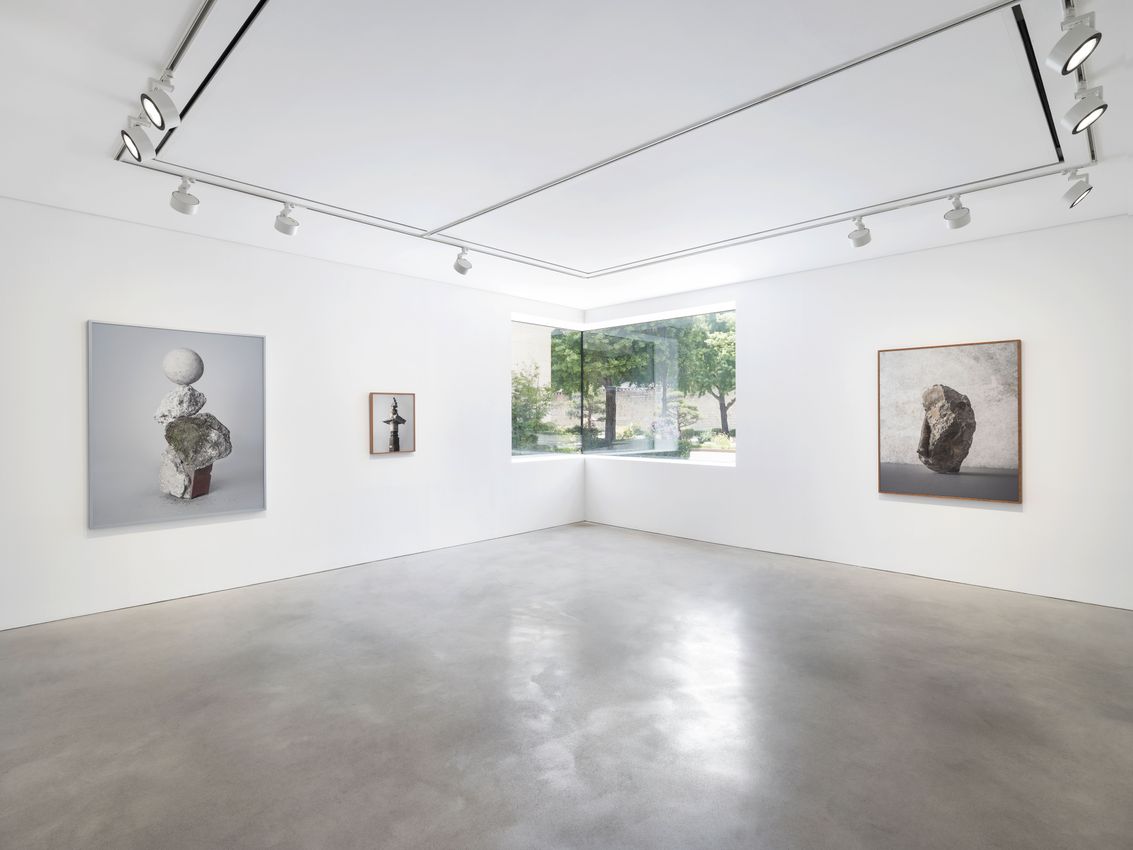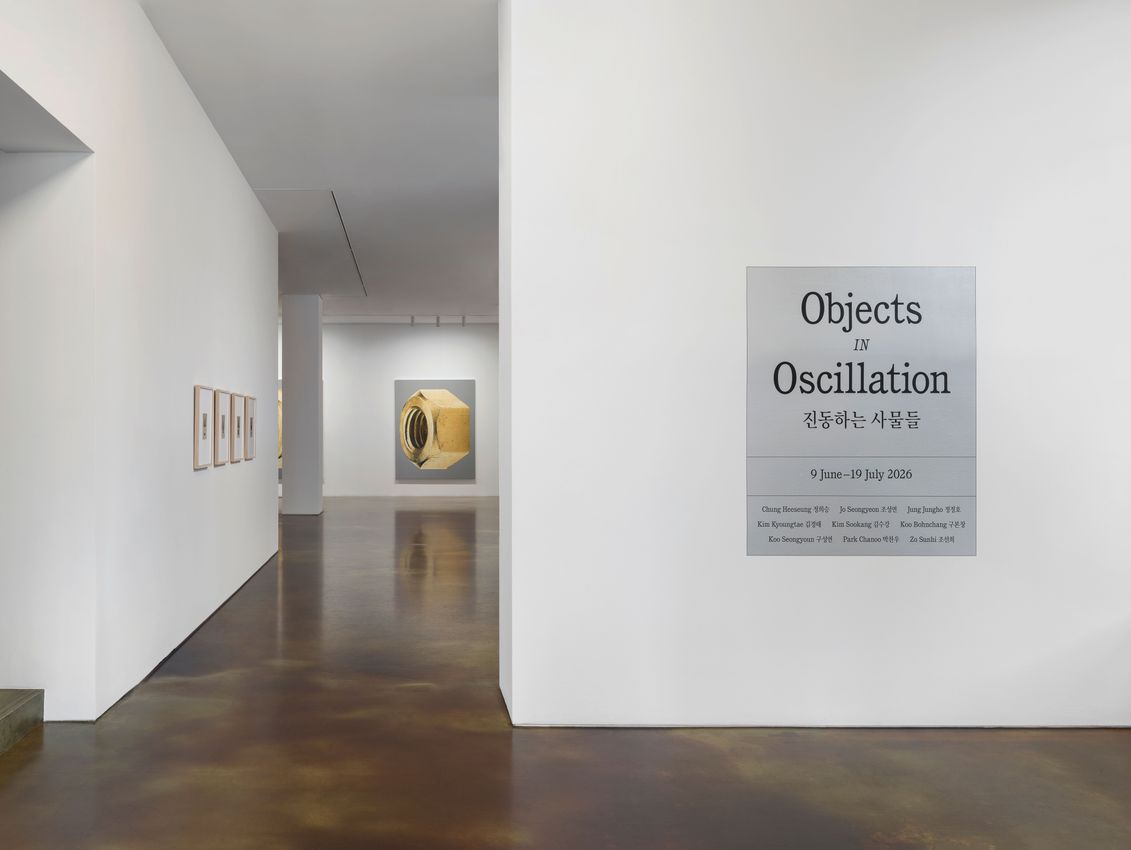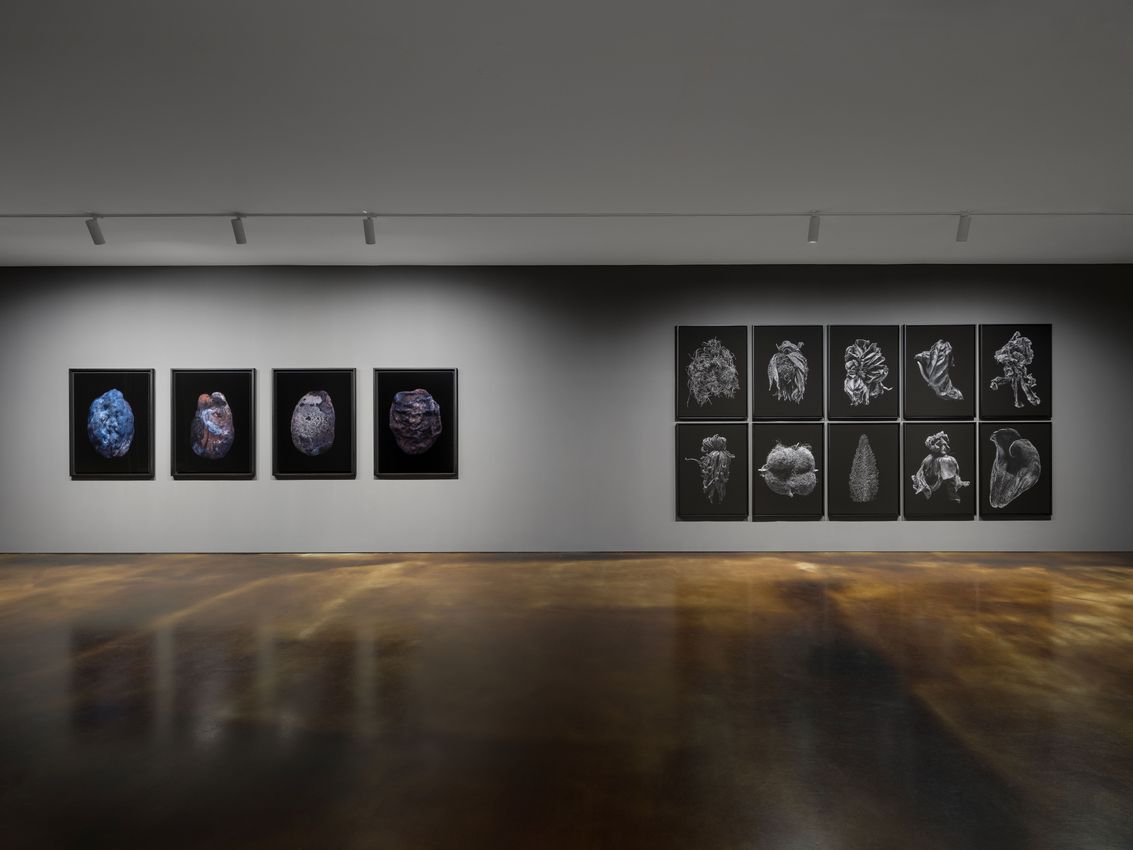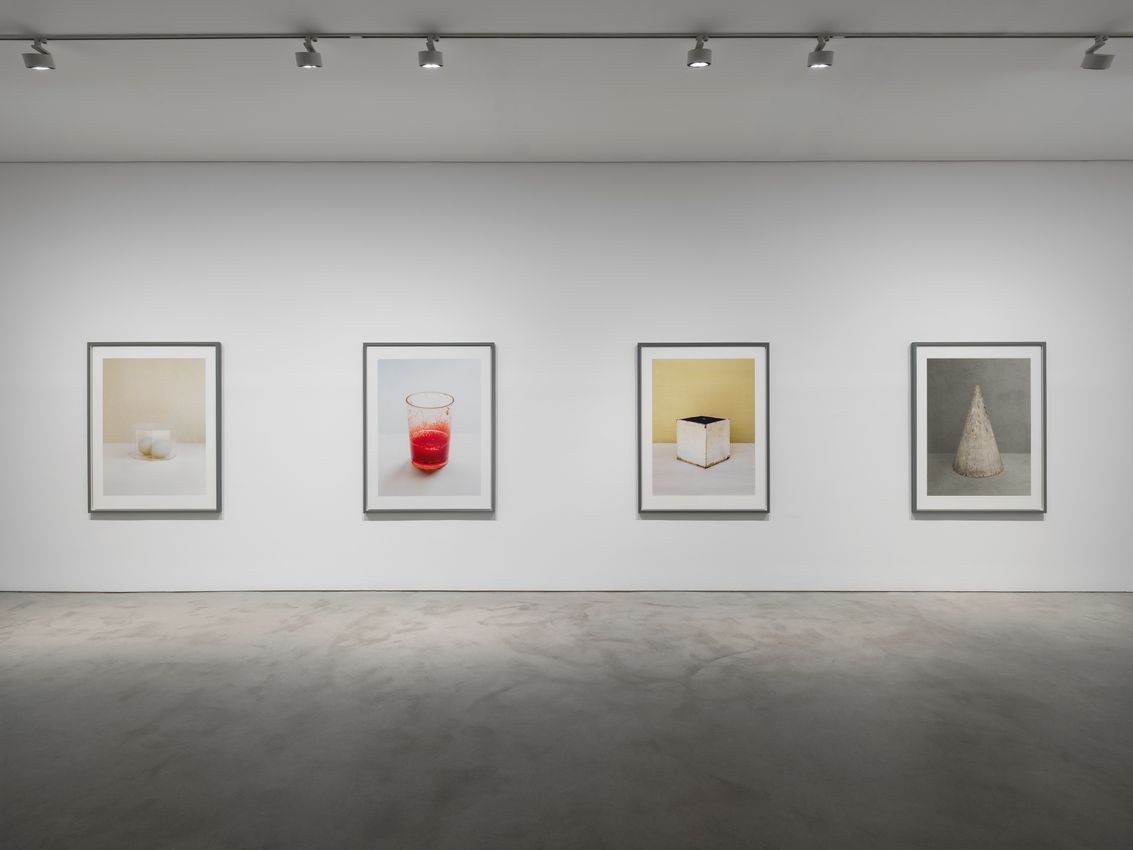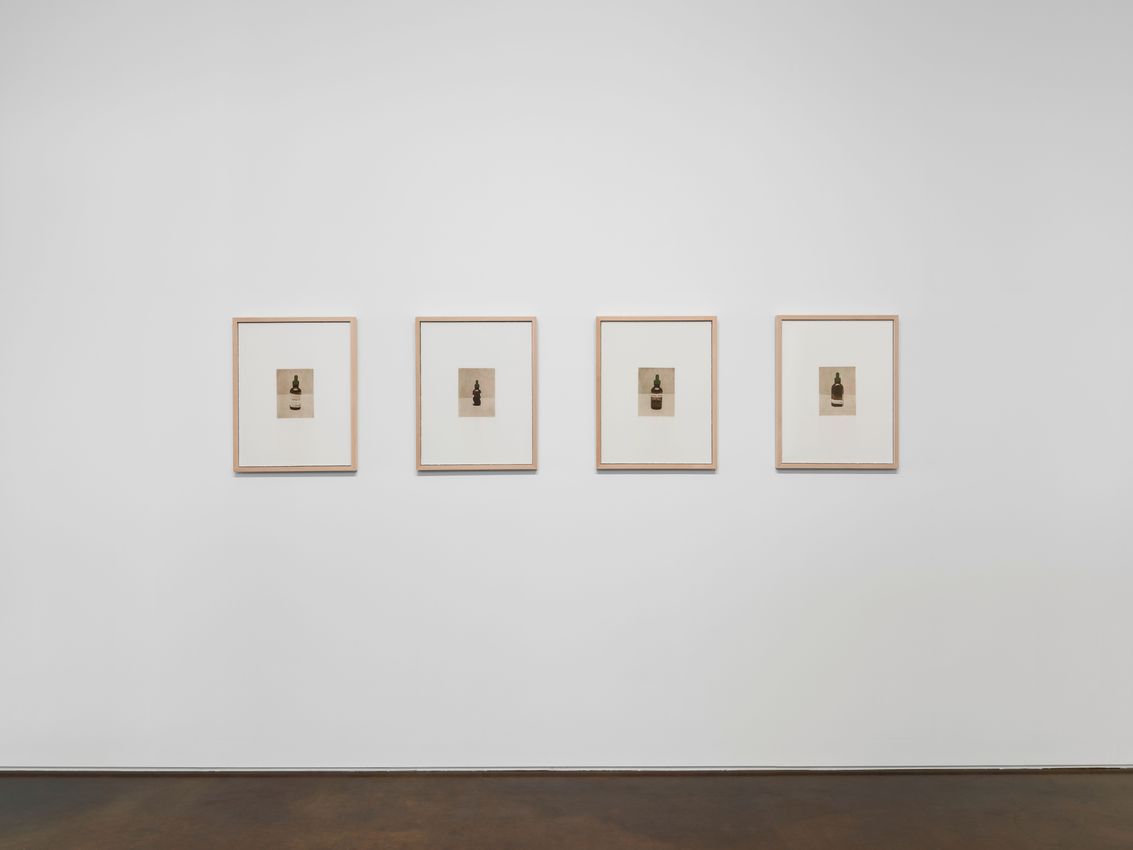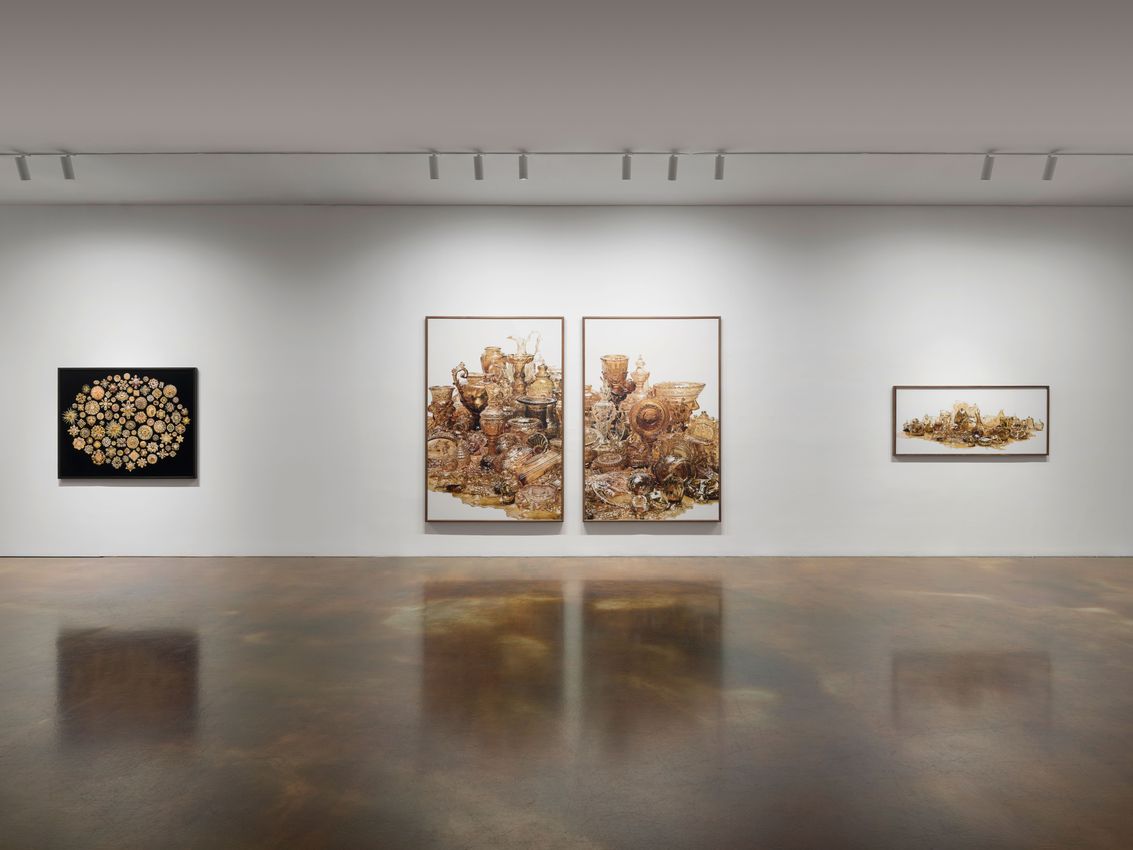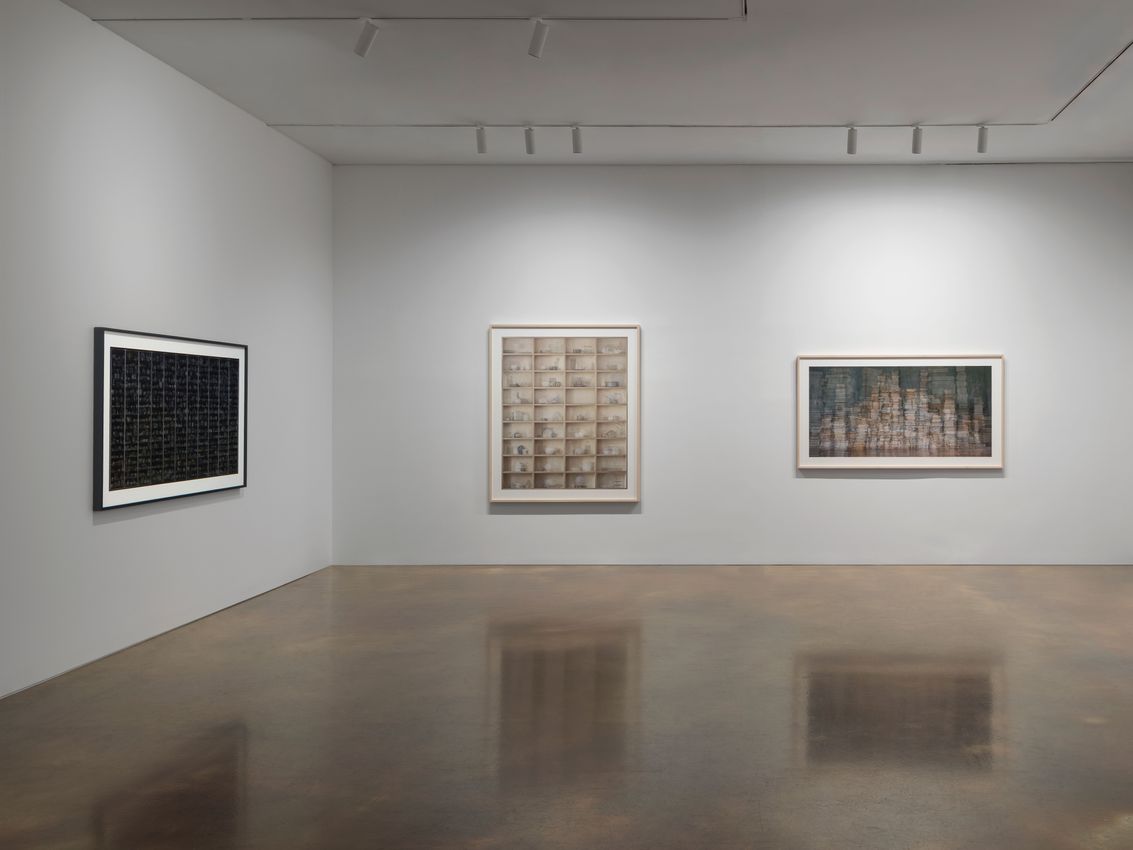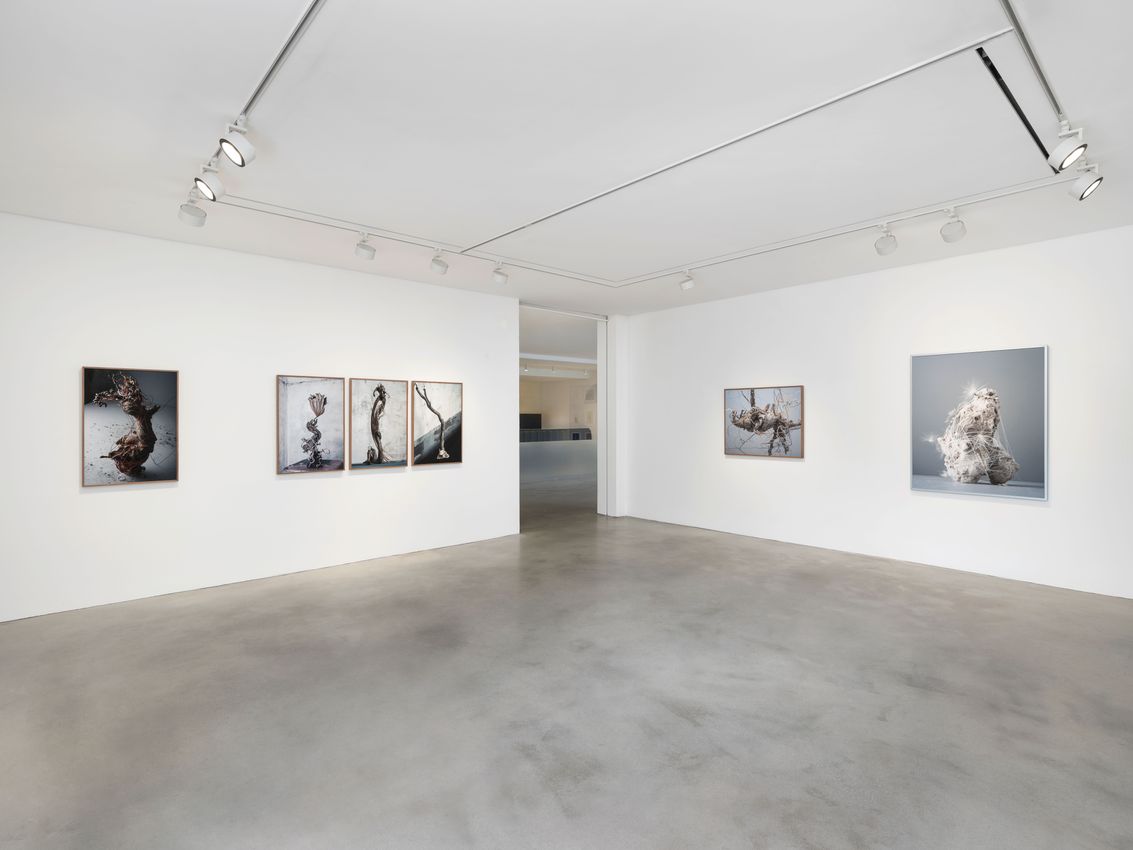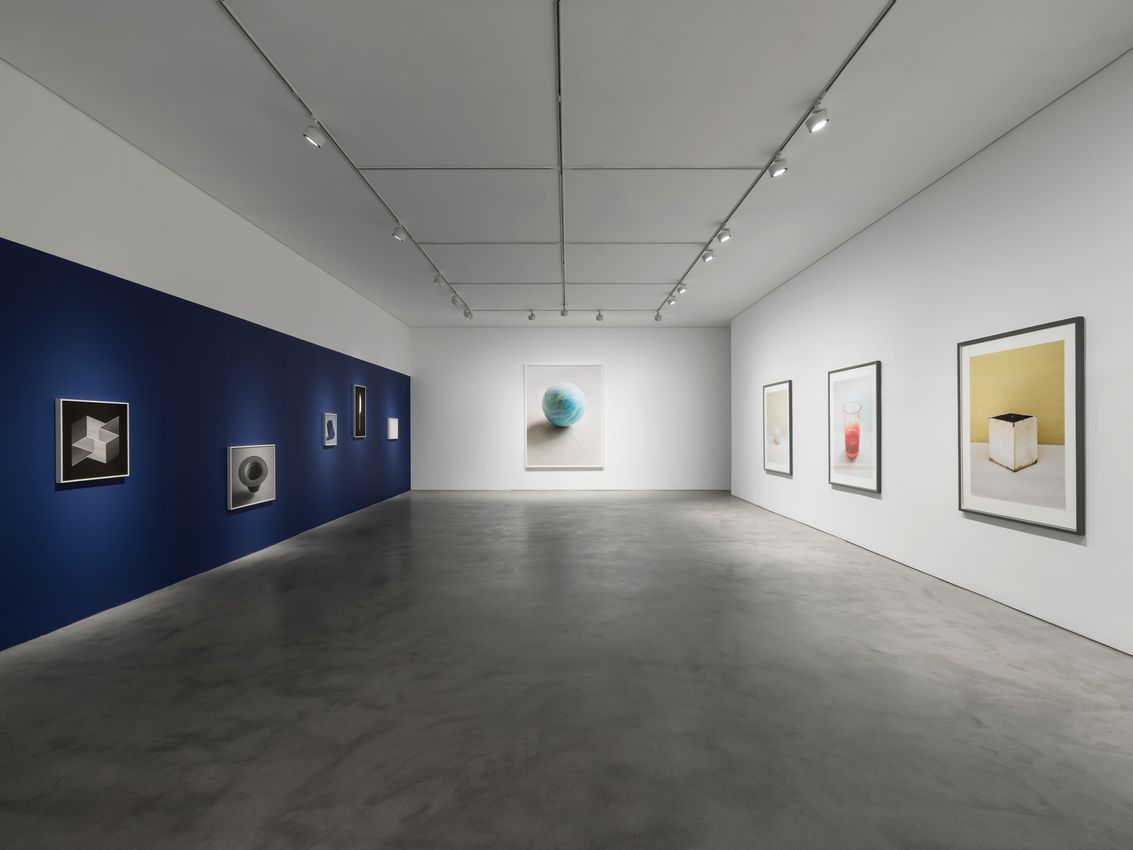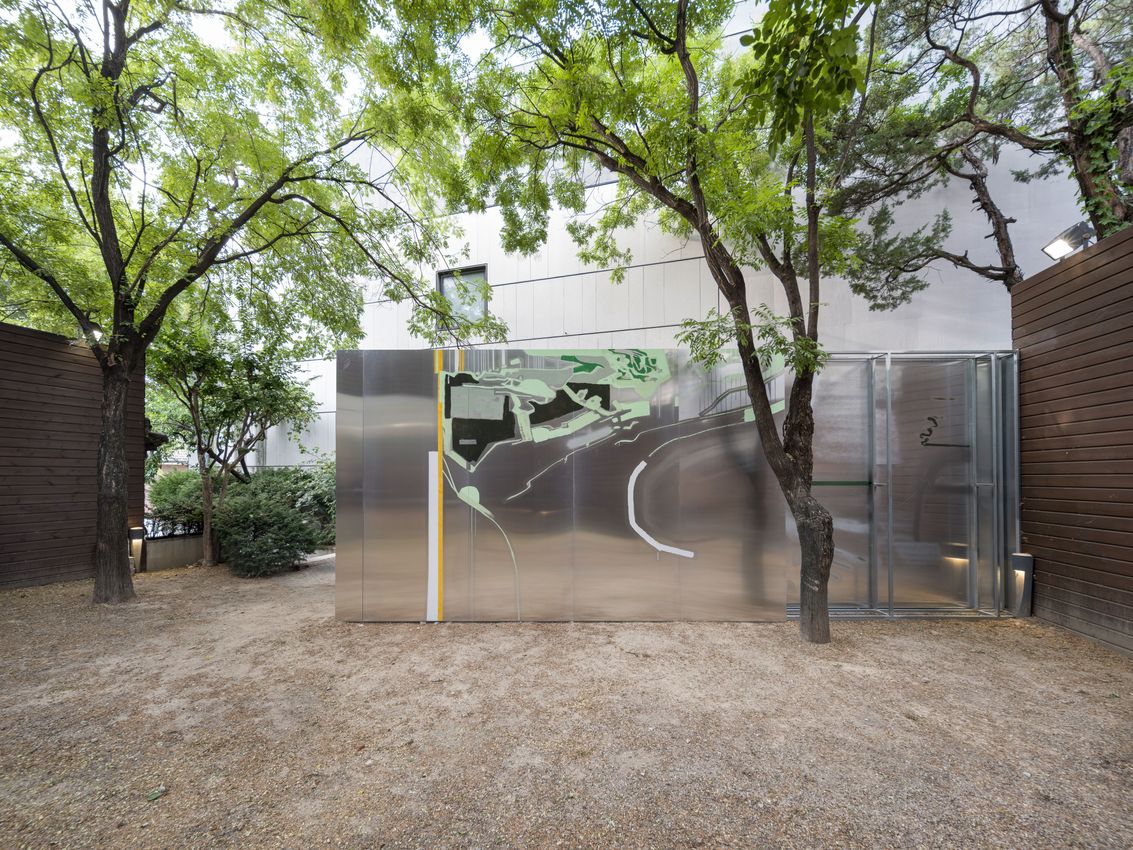
Kukje Gallery is pleased to present Objects in Oscillation, a group exhibition of contemporary Korean photographers, in the gallery’s K1 and K2 spaces from 9 June through 19 July 2026. Focusing on the genre of still life, the exhibition brings together nine artists, whose works interrogate the photographic medium’s intrinsic modes of expression while questioning how one encounters and relates to objects. In an era marked by relentless updates and rapid consumption of digital imagery, the participating artists create works without relying on excessive digital post-production or AI-driven image modification. Instead, they produce images grounded solely in the immediacy of their own vision, sensory perception, and the camera’s optical technology.
Curated by Koo Bohnchang, the renowned artist, curator, and educator who has played a pivotal role in integrating photography into the fabric of Korean contemporary art, the exhibition convenes a cohort of photographers, including Koo himself, whose still lifes are also on view. Presented in the rear gallery of K1, Koo’s Object series documents a collection of empty boxes lined with satin material. These boxes retain traces of their former contents as negative imprints, and they call into question the relationship between presence and absence, center and periphery. This affectionate engagement with quiet presences is also manifest throughout the Collections series. Gathering and attending closely to objects encountered by chance, Koo photographs his subjects against minimal backdrops and subdued lighting, creating a setting in which each object is allowed to reveal its own story.
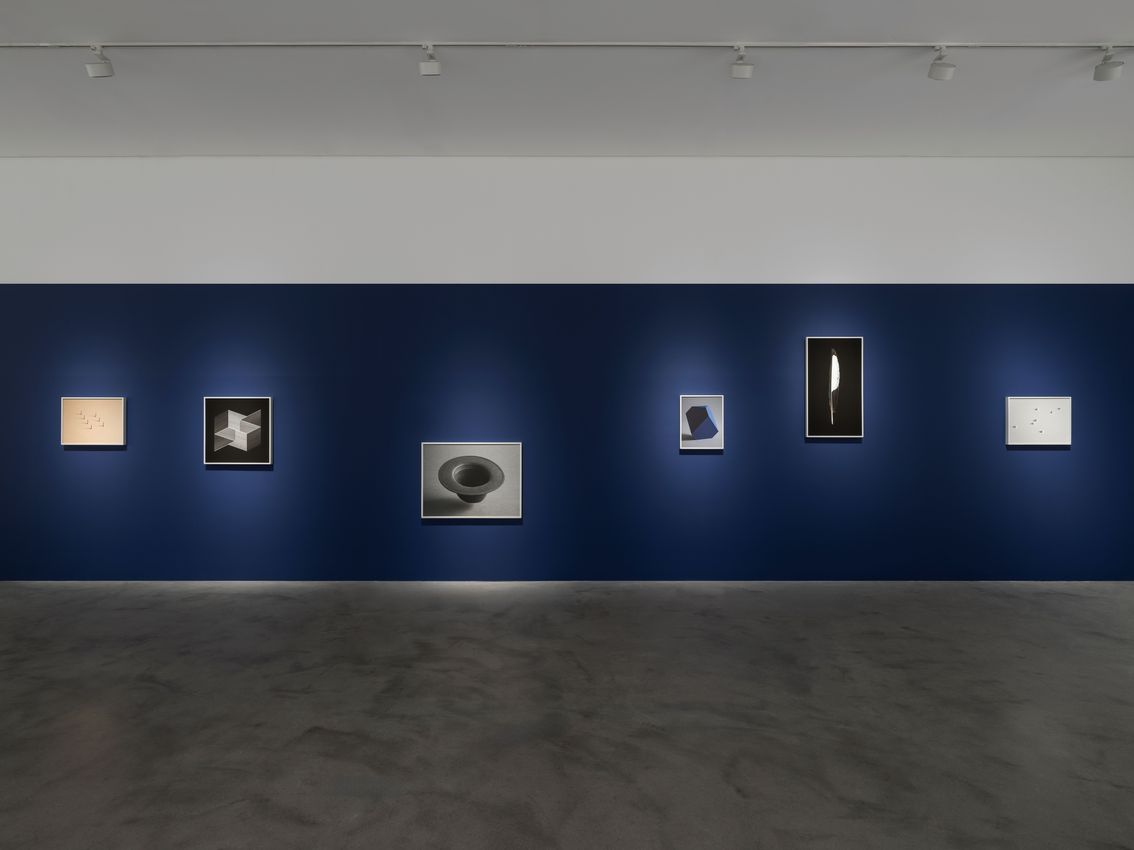
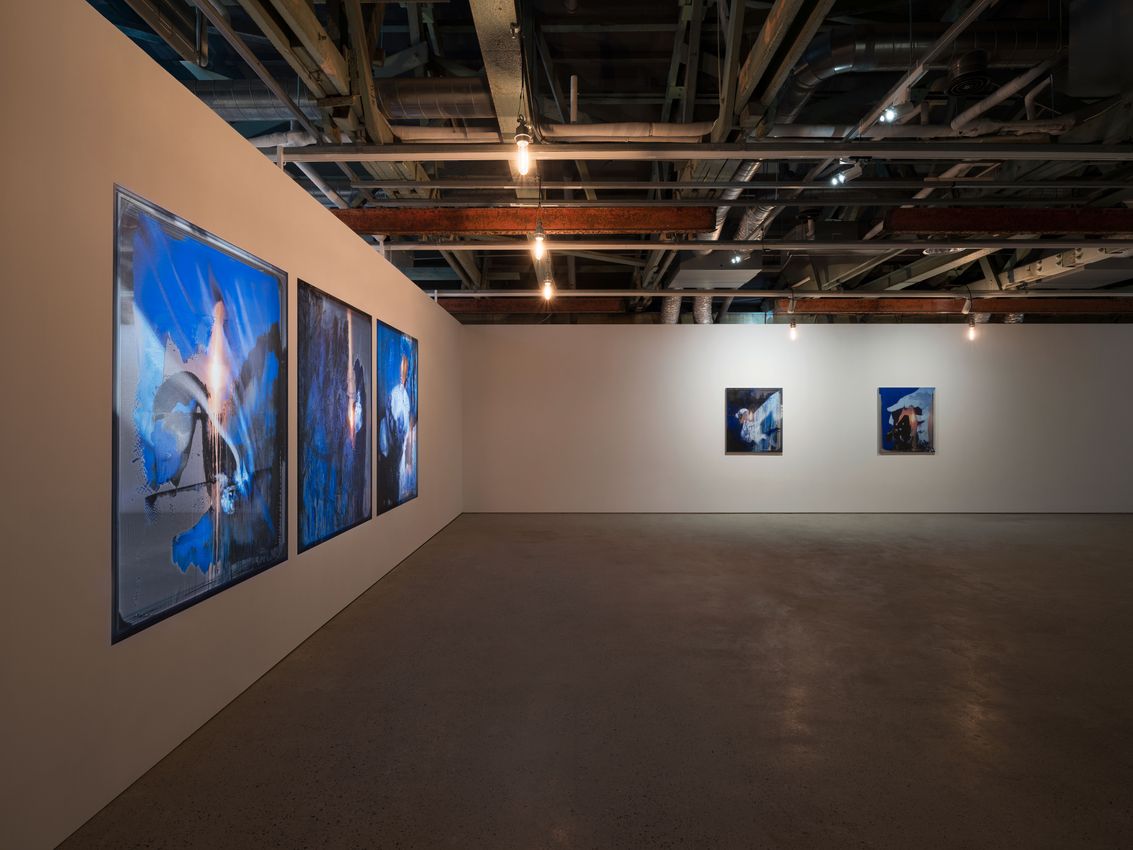
Featured in the same room are works by Chung Heeseung. Chung approaches photography as a state of hesitation, a suspension between life’s fleeting, accidental moments and the artistic attempt to transmute them into an inevitable image. In her new series Parallel Projection (2026), the artist offers a photographic translation of Stéphane Mallarmé’s A Throw of the Dice (1897), unpacking reflections on the ontology of the photographic medium. Translating into visual imagery the poem’s mathematical exploration of chance and its abyss, Chung adopts subjects that evoke symbolic motifs and summon the unknown. In order to position the photographic image and the original text’s concept in parallel—one that progresses side by side without ever intersecting at a vanishing point—the artist employs “parallel projection,”¹ a technique that eliminates vanishing points entirely, utilizing a perspectival system known as an isometric² grid. Oscillating between chance and necessity, Chung’s constellation of distinctive photographs bridges the specificity of the medium with a profound metaphysical point of view.
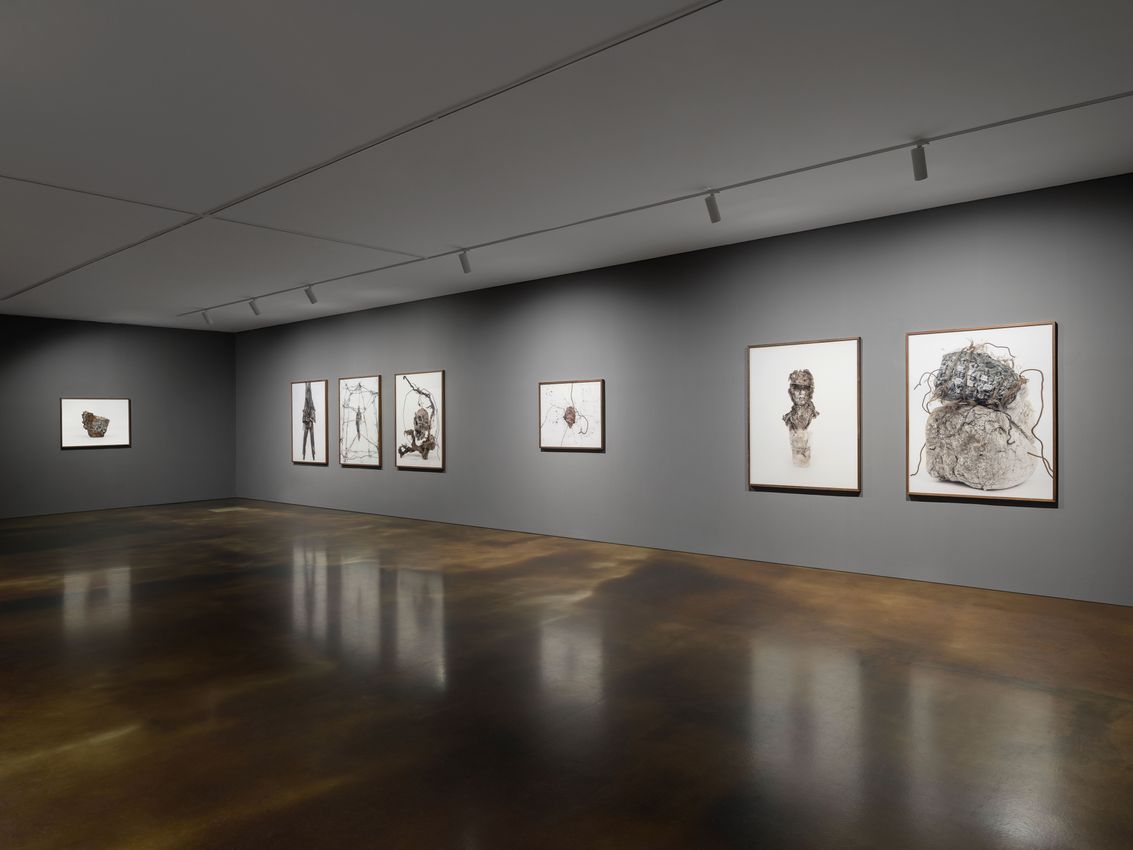
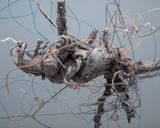
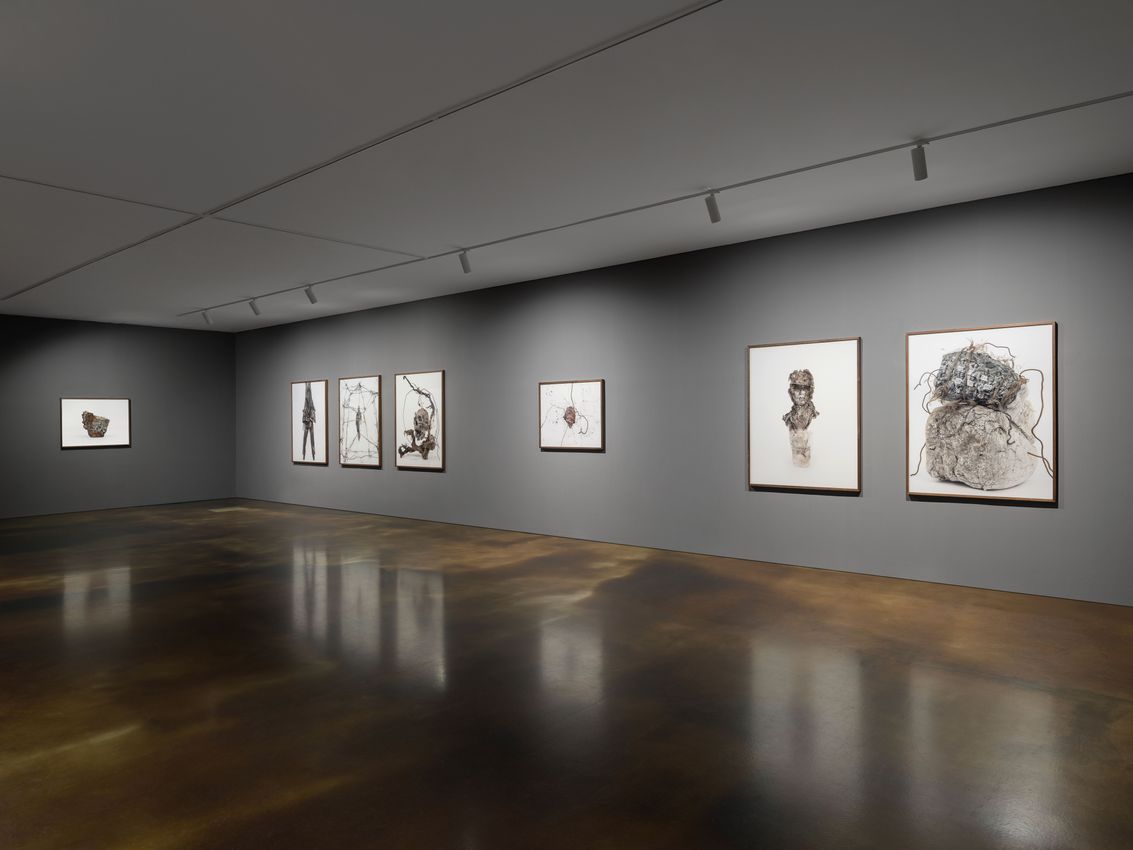
Other works in the exhibition cultivate an intimate dialogue with the minor and seemingly trivial elements of everyday life, allowing them to emerge in an entirely different light. Installed in the front gallery of K1, Jo Seongyeon’s Become a part of something and A Complete Coincidence series combine fragments gathered from urban peripheries—concrete shards, rebar, wires, mechanical components, and plant debris—capturing the novel possibilities latent within them. Rather than being the outcome of calculated staging, these scenes are closer to the product of time and affinity shared between the artist and the objects. Within this ephemeral equilibrium, the objects manifest an innate potentiality and vitality.
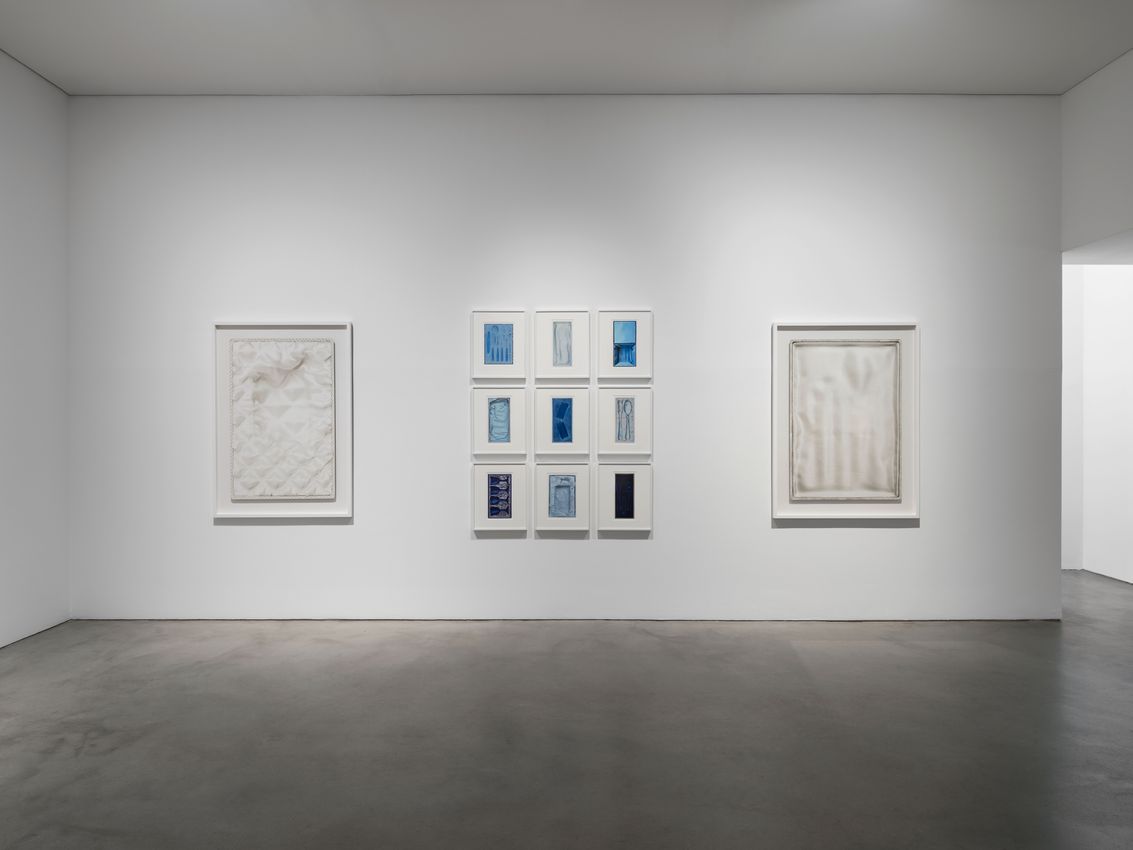
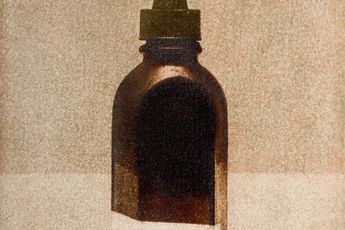
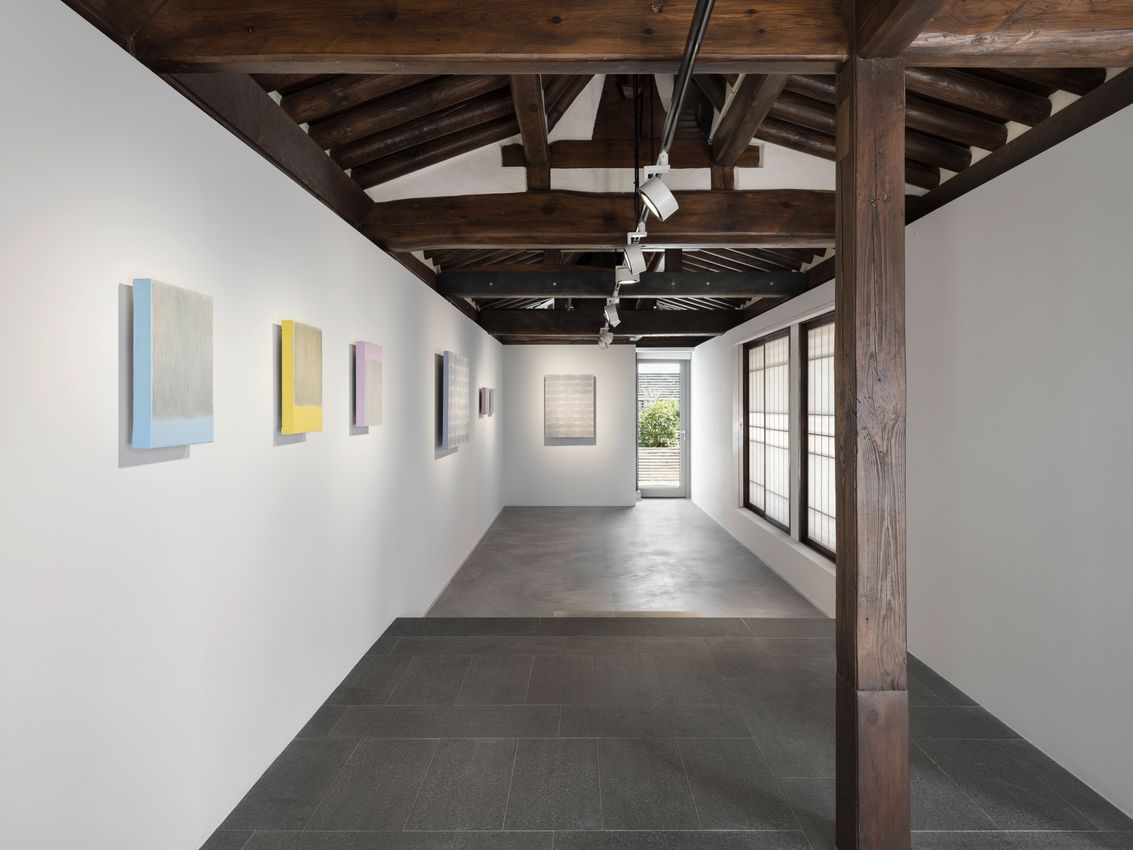
On the first floor of K2, the exhibition showcases Kim Sookang’s attentive engagement with objects inhabiting the quiet margins of everyday life. Through prolonged and meditative observation of stones, bottles, paper bags, and other mundane objects drawn from the artist’s immediate surroundings, the works reveal the subtle aura inherent in them. Crucial to this practice is a process known as “gum printing,” which imbues the images with a distinctive tactile texture. This intricate, manual process involves coating the paper with a pigmented solution, exposing it to light, and developing it in water—a cycle repeated multiple times to build rich tonal depths. Defined by this unique painterly materiality, these photographs illuminate the invisible interiority of objects with precise, calibrated weight.
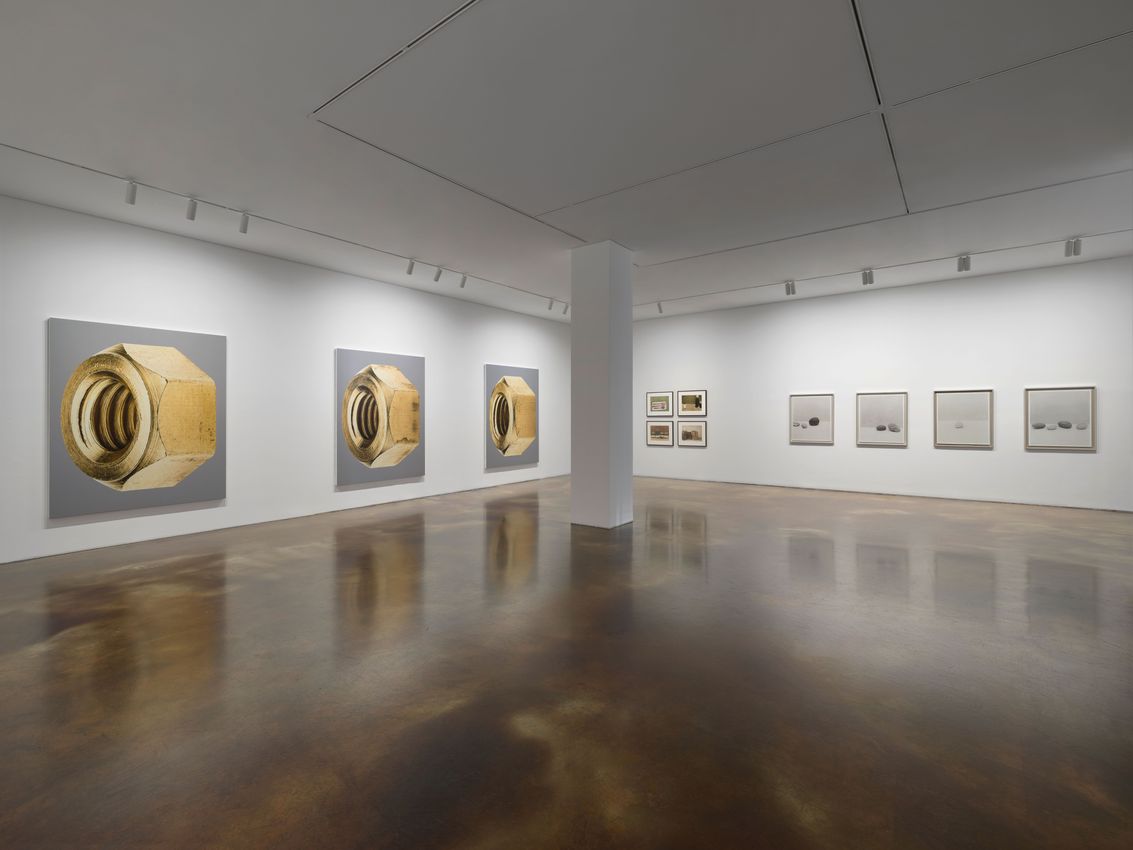
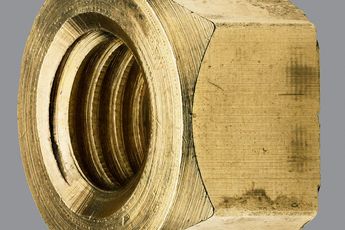
While Kim Sookang expands the possibilities of the photographic medium through classical techniques, Kim Kyoungtae creates images that transcend the limitations of optical lenses by layering and compositing photographs. Incrementally advancing the camera toward the subject, the artist captures hundreds of frames and combines them through a process called “focus stacking.” This is a technique that merges the sharpest focal points of each shot to generate a clear image where every coordinate of the visual plane remains in perfect focus. Showcasing a representative use of this technique, the exhibited Brass Hex Nut (2016) series maximizes the texture of the familiar subject’s surface, while its triptych-like arrangement of three sequential frames visualizes the physical shift of the viewer’s gaze and focal point.
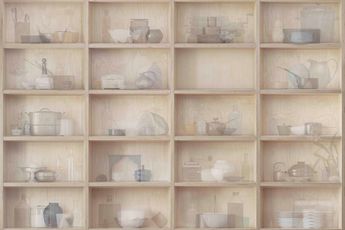
Park Chanoo also employs a process of layering to reveal lingering memories and the residues of accumulated experience. In this exhibition, he presents works structured after chaekgeori, a genre of Joseon Dynasty painting in which the “finest” objects were placed on shelves to display one’s knowledge, taste, and values. While traditional chaekgeori functioned as a pictorial framing of prized objects, Park reconsiders the notion of value not through commercial or material qualities, but through cumulative temporalities, as he juxtaposes everyday items in a similar process of display. Captured through a multi-perspective layering method, these objects resist any fixed hierarchy or singular viewpoint. By questioning contemporary systems of value through historical forms, his works invite reflection on how meaning emerges through the sedimentation of memory and experience.
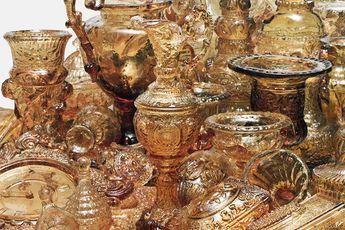
Displayed alongside these works, Koo Seongyoun’s sugar series presents treasures and ornaments finely sculpted from sugar. The artist creates objects from variable materials and arranges them in still life compositions before photographing them. Her images transform these crafted objects into something deceptively real while simultaneously exposing the gap between reality and imitation, leading the viewer to suspend judgment. At once sweet, glittering, and transient, these photographs of sugar objects illuminate human desire at the boundaries between the real and the staged, permanence and transience, and the ideal and the illusory.
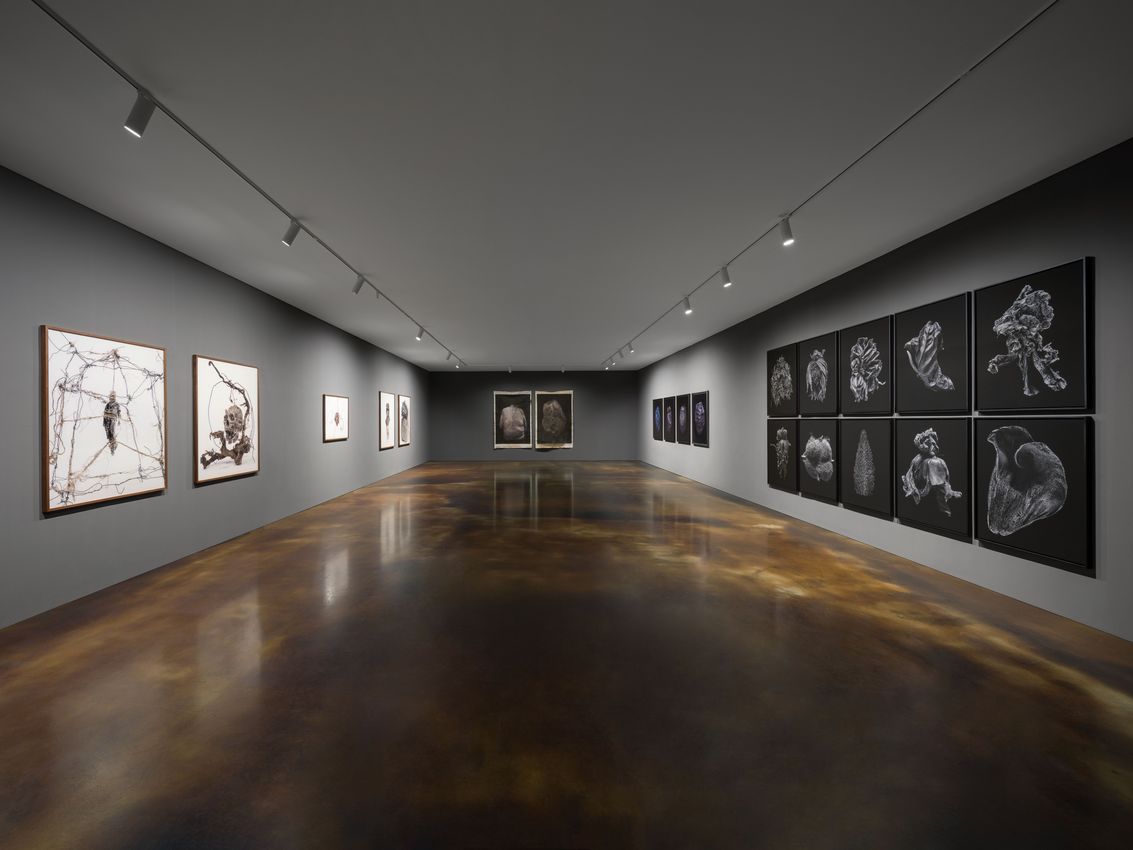
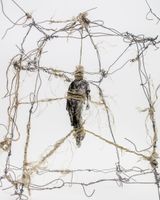
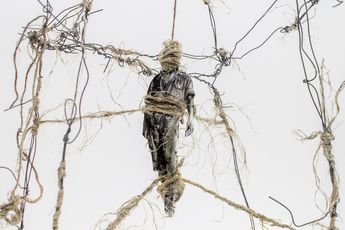
Meditation on this idea of “disappearance” continues on the upper floor of K2. Jung Jungho traces and documents the life of his grandfather, who was mobilized as a wartime laborer. In the course of his research, the artist encounters fragmented records and inaccessible sites; rather than filling the gaps of erased history with external information, he reinterprets them through his own contemporary perspective. He arranges and photographs collected objects—including shell casings, wire, rope, archival documents, and military photographs of his father—to reconstruct the lost history of an individual caught within the Korean War. The prolonged process of researching, collecting, and assembling becomes a means of connecting with forgotten lives, leaving the photograph as evidence of the entire process.
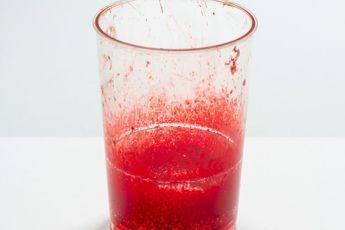
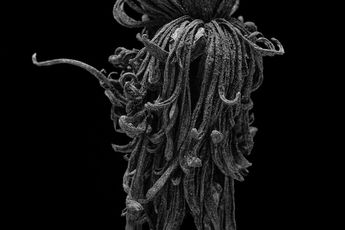
Zo Sunhi’s photographs explore absence and decay. Black Imago (2024–2025) is a photographic series in which withered flowers are coated in black pigment reminiscent of crematory ash. Covered entirely in black, the flowers lose their vitality and function, condensing into inorganic textures, while photography preserves this final state as a material record. In the Planet (2024–2025) series, decaying fruits are captured in their dissolution in withered forms that echo small planets. Picturing the state of matter after life has exhausted its function, the artist records death not as an ending, but as a transformative moment that gives birth to another aesthetic state.
The diverse still lifes presented in Objects in Oscillation appear silent and immobile, yet beneath the camera’s gaze each pulse with its own rhythm and poetry. These photographs crystallize prolonged moments of attentive observation, in which the artists’ care and keen engagement reawaken the objects, allowing their time to unfold once more.


Established in the heart of Seoul in 1982, Kukje Gallery is a leading Korean gallery dedicated to showcasing works by Korean and international artists and promoting modern and contemporary art. At 54 Samcheong-ro, Jongno-gu, the gallery has 3 key exhibition spaces, respectively named K1, K2, and K3. In 2018, the gallery opened a second location in F1963, a cultural complex housed in a former wire factory in Suyeong-gu, Busan.
A respected voice in contemporary art discourse.
Focusing on ambitious storytelling and insightful art-world commentary. Ocula Magazine publishes in-depth interviews, critical essays and timely analysis on the artists, exhibitions and ideas driving the global art world.
Learn more about Ocula Magazine
Showcasing the best of the art world.
Ocula partners with galleries from around the world to highlight their artists, artworks and exhibitions. Gallery membership is by application and invitation, with each member vetted by an independent panel.
Learn more about Ocula Membership

Specialises in the sale of major artworks.
Led by a team with deep ties to the world’s leading auction houses, galleries and collectors. Ocula’s advisory team offers bespoke services to high-net-worth clients from around the world who are looking to acquire the best of contemporary and modern art.
Learn more about our team and services