Press Release

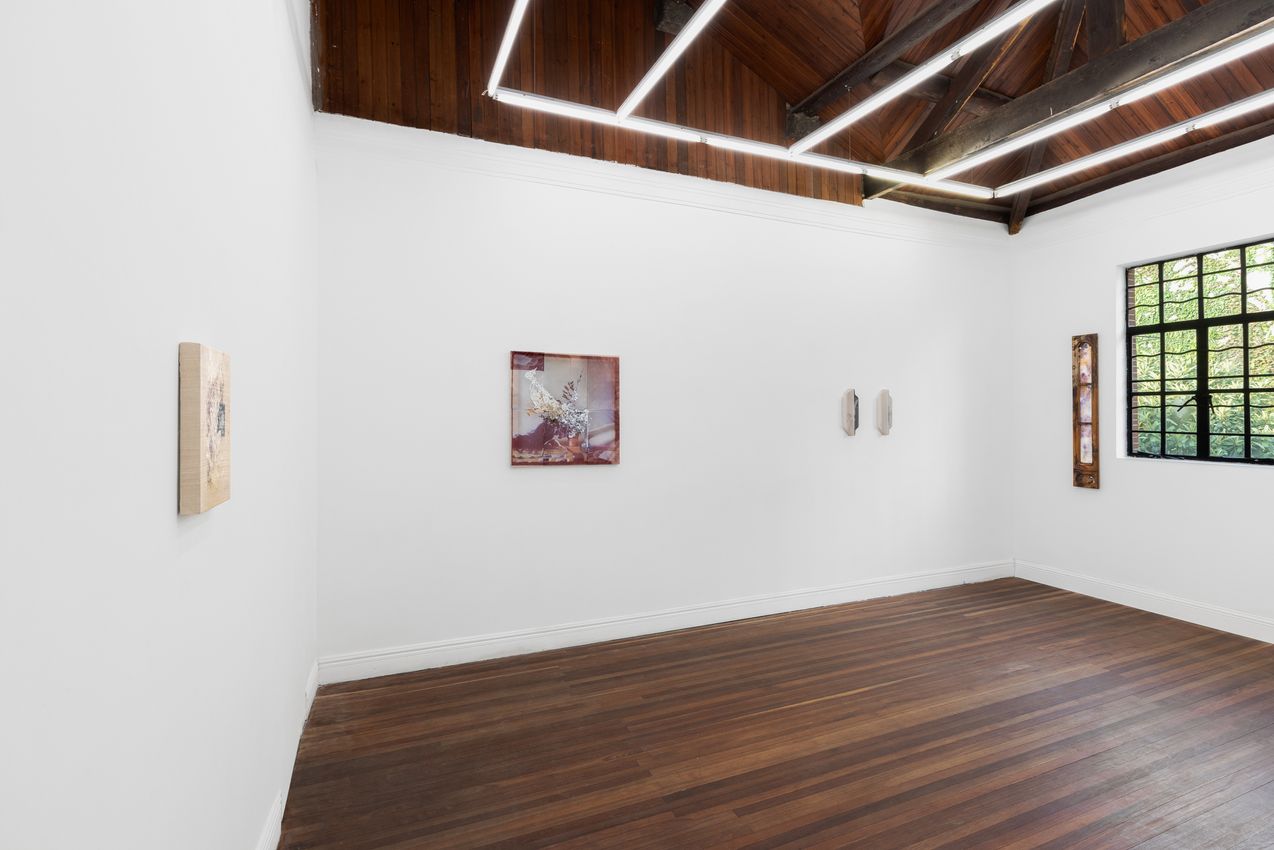
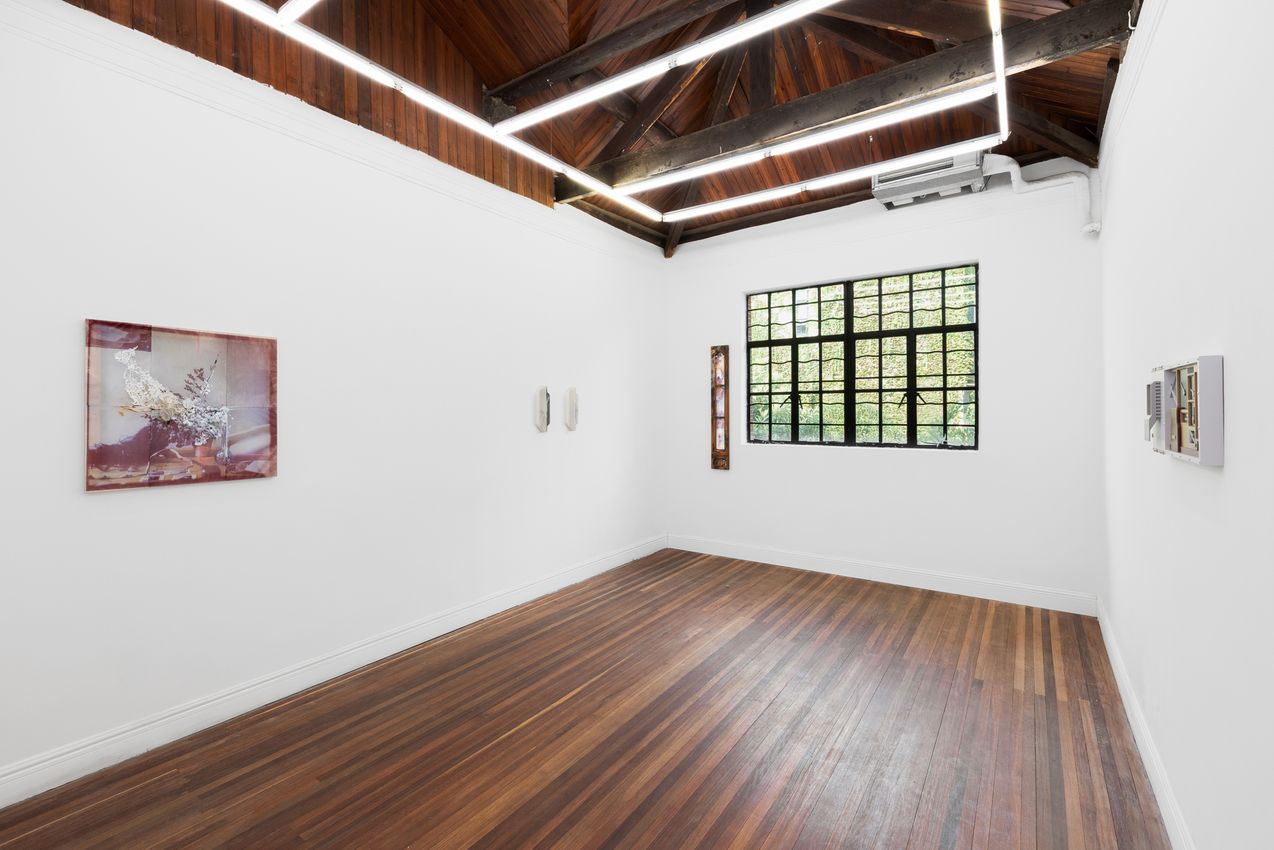
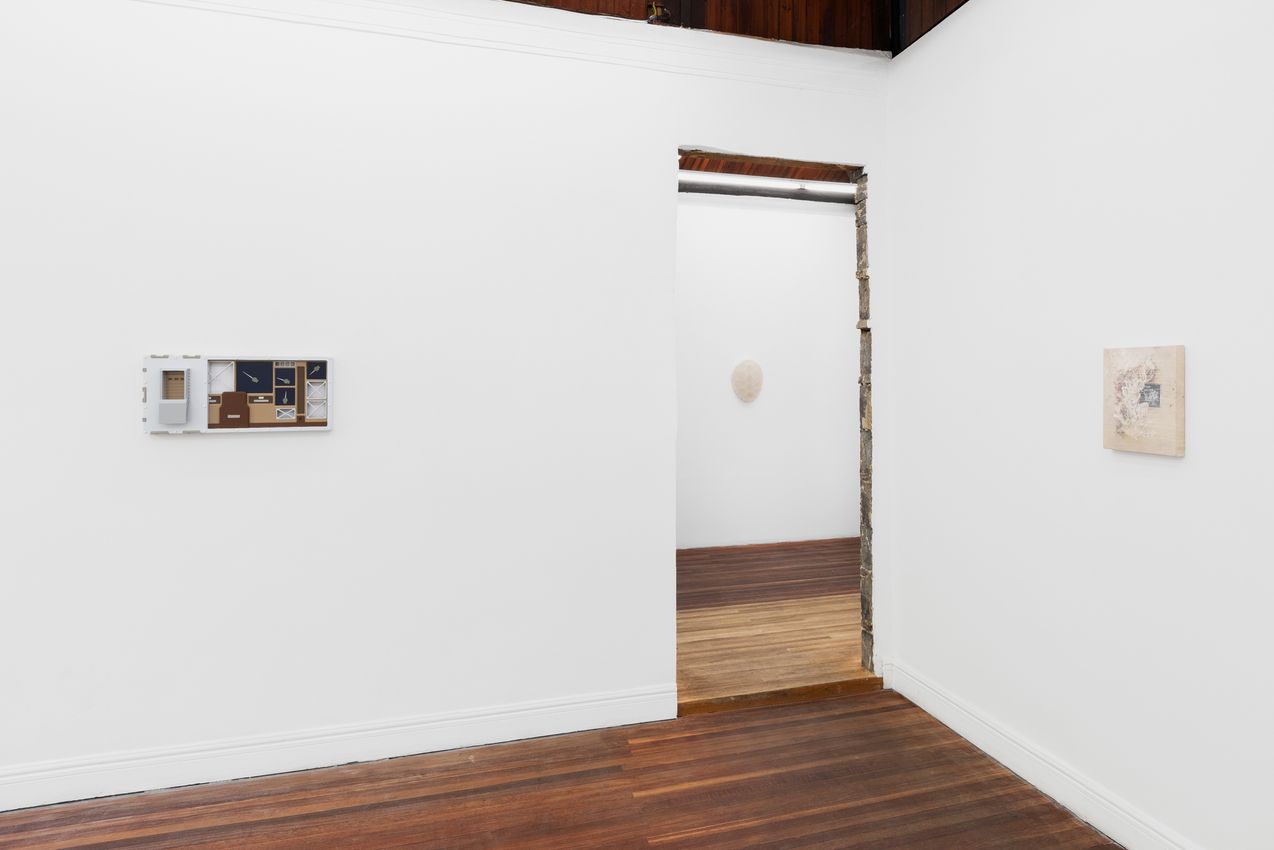
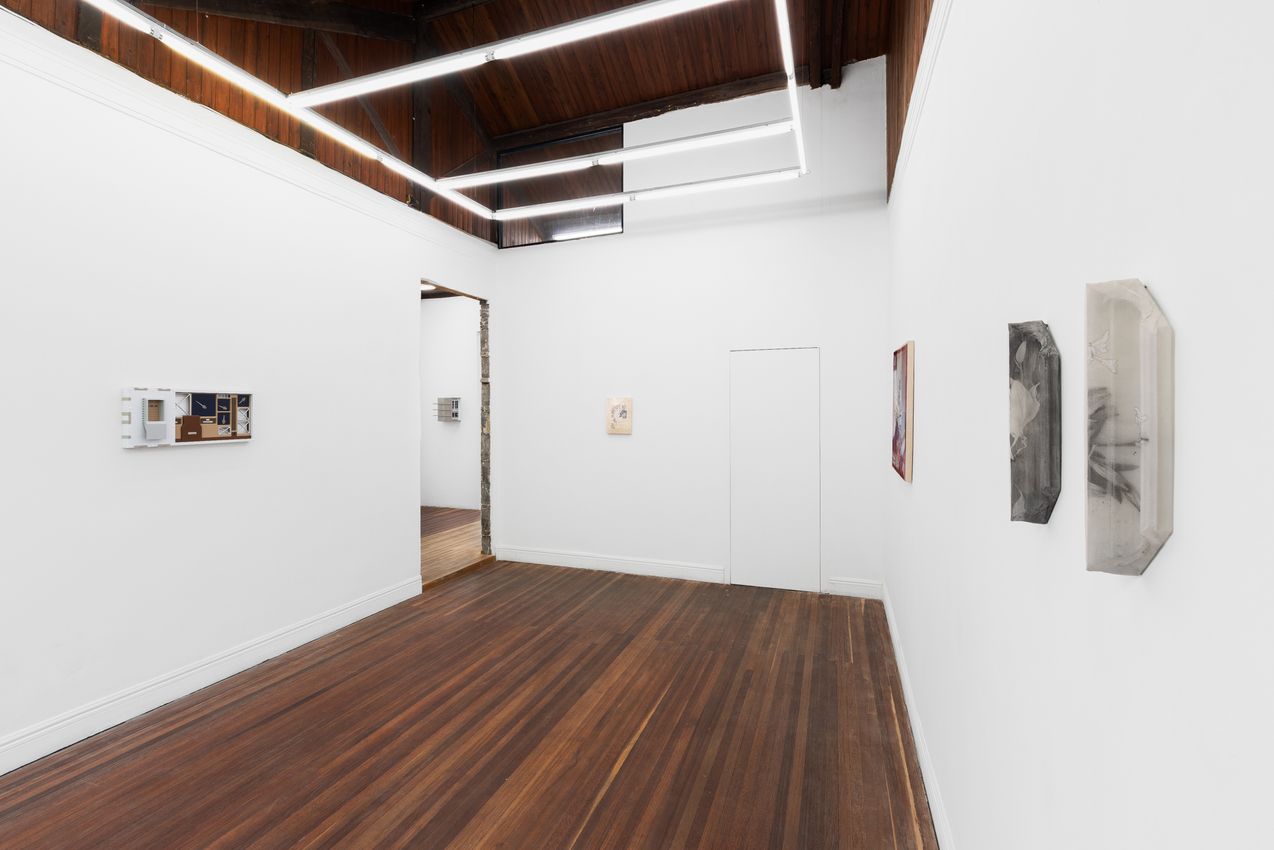
LINSEED is delighted to present Gently Bruised, Softly Burned, a group exhibition featuring recent works by Antone LIU (b. 1999, Liaoning, China), Augustine PAREDES (b. 1994, Cagayan de Oro, Philippines), and Adam Shiu-Yang SHAW (b. 1987, Edmonton, Canada). The exhibition also includes two collaborative works by Liu and Paredes. Throughout the exhibition, materials act as surfaces that absorb, register, and preserve different forces. Histories of violence and beauty are layered through fabric and image; Tensions between domestication, ritual, and the unknown take shape in sculpture; Urban systems and industrial landscapes are translated into visible, material forms. Working from distinct diasporic experiences and cultural backgrounds, the three artists approach history and environment at different scales, using a wide range of materials to carry these inquiries forward. Through processes of breaking, stitching, burning, and reassembly, these histories and environments are brought back into view. The exhibition opens on 13 September 2026 and runs through 31 October 2026.

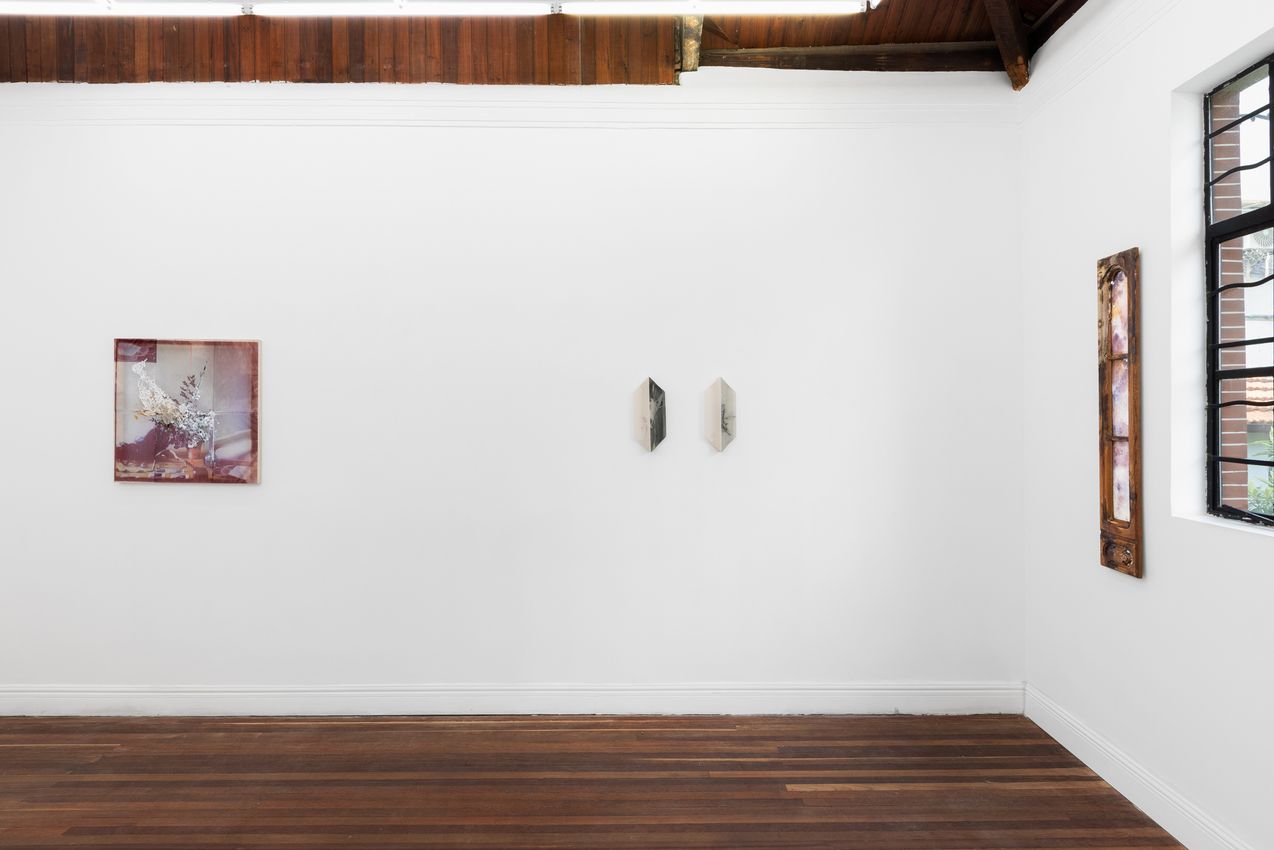
Born in the Philippines, Augustine PAREDES spent many years living in Dubai before relocating to Germany. His practice brings together and reconfigures materials charged with postcolonial histories. These materials often appear as symbols of beauty while also carrying traces of violence. Go Gentle Good Night is made on a found window, extending Paredes’s long-standing engagement with domestic space and his exploration of home and belonging. Here, the window becomes an in-between space, suspended between interior and exterior. Delicately painted images of flowers and birds on the glass are drawn from currency issued during the Pacific War under the occupation. Layers of piña and fragments of pearl placed across the surface likewise carry references to the colonial history of the Philippines. In To Rose a Funeral, outlines of roses are burned directly into fabric with incense. As the floral forms break apart and fade across the surface, beauty takes on a darker, more unsettling charge.

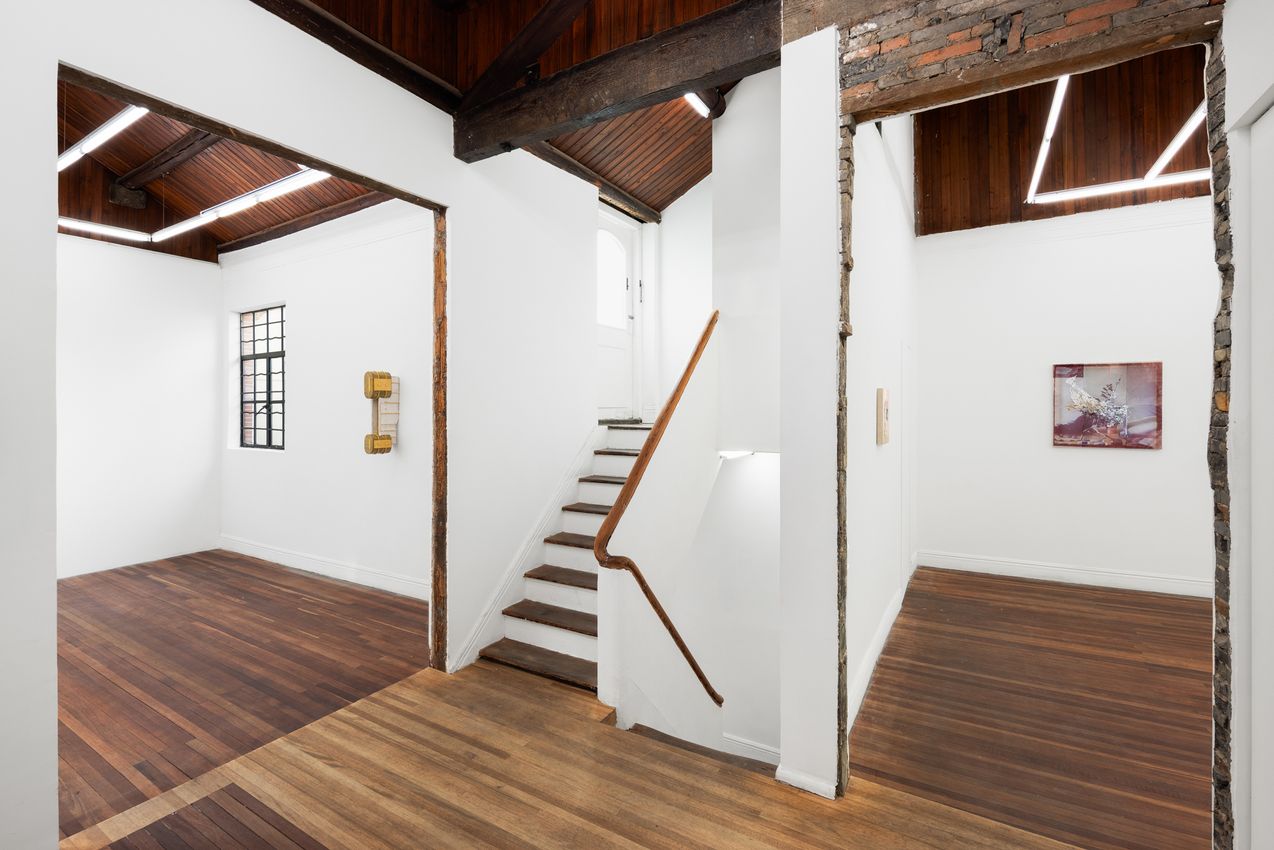
In The Mouth Is the House on Fire, this layering of history, material, and image becomes more complex. Built around one of Paredes’s photographs, the work extends his ongoing reflections on power and violence. Within the image, an ikebana arrangement, a wig suggesting a human head, and a red cross resembling a target mark are brought into a tense visual relationship. Layers of lace and silk from Vietnam and piña from the Philippines are then added across the work, turning the photograph itself into a surface for material collage. An ikebana arrangement, a wig standing in for a human head, and a red cross that recalls a target mark form a charged visual constellation. Over this image, Paredes layers lace and silk from Vietnam with piña from the Philippines, turning the photograph into a surface where different materials, geographies, and histories meet.

Layering likewise serves as a working method in Despair Is Desire Overburdened. Paredes uses waxed thread to stitch together materials charged with regional colonial histories, following a method drawn from surgical suturing, as if suturing a wound in the hope that it might heal. Beneath overlapping layers of piña, silk, and lace sits a peeled Instax photograph, through which the shadow of a tree in bloom remains faintly visible. Layering runs throughout Paredes’s practice. It takes place not only between materials, but also across personal experience and regional history. For the artist, history is a mixture of different presences, and layering becomes a way for them to coexist.

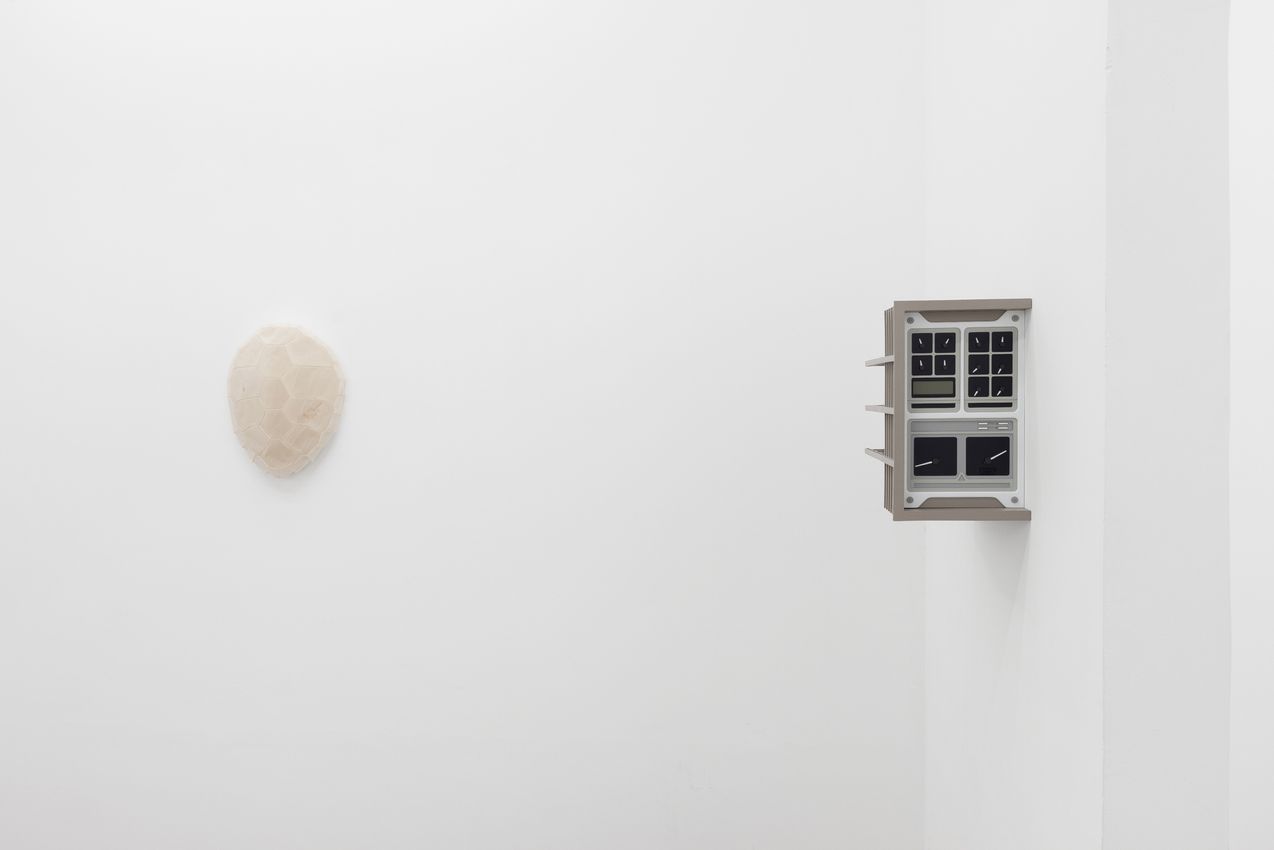
Liu’s evolving practice consolidates fashion, sculpture, and painting, drawing upon Gongbi painting, Western framing, and cross- stitching. The hollow silk sculpture Cast takes the form of a tortoise shell, a long-standing object associated with divination in Chinese tradition. Across its surface, Liu paints a feather duster, bringing the acts of divination and cleaning into proximity.

Before modern ideas of science and hygiene took hold, acts of cleaning could carry sacred or spiritual meanings in both Eastern and Western contexts. This connection also speaks to Liu’s recent interest in secrets. Divination emerges from the desire to grasp what remains unknown, to anticipate the future, or to glimpse what others might be thinking, yet neither can ever be fully foreseen or controlled. The work remains suspended between knowing and not knowing, prediction and loss of control.

Bee’s Knees shifts Liu’s interest in latent states and the unknown toward a more bodily form. In a spring garden, bamboo shoots quietly break through the soil as bamboo bees circle and settle nearby. When stitching the silk sculpture, Liu retains the side seams associated with garment construction. The fabric draws inward along these lines, holding the form in a state of continuous tension, as if an unseen force were temporarily contained within, waiting to emerge.

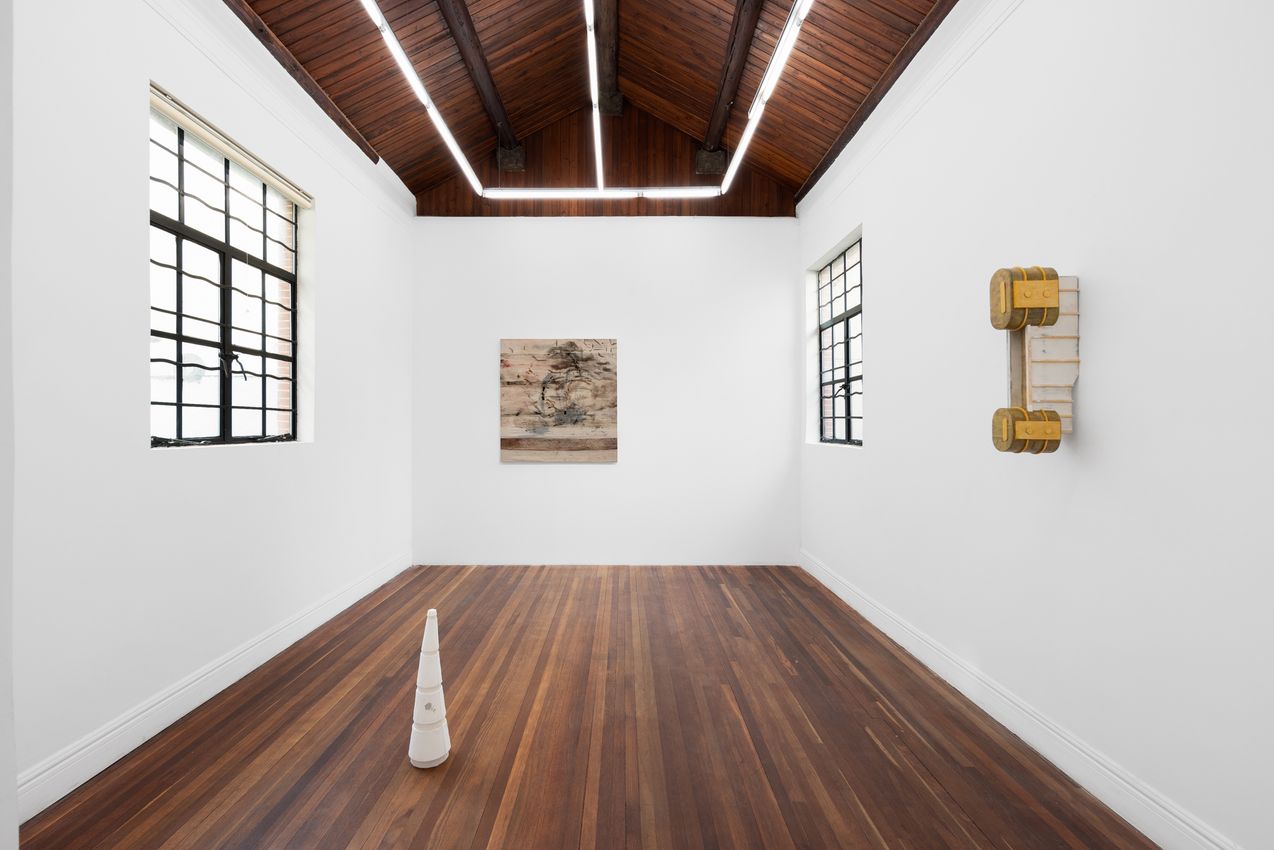
The collaborative works We Don’t Talk About It Anymore I and II grow out of Paredes and Liu’s research into wartime sexual violence and the bodies subjected to it. Holding together life and decay, control and its loss, the works also emerge from the artists’ close observation of each other’s practices. Liu tends toward precision and a high degree of control over material and structure, while Paredes is drawn to the contingencies produced through processes such as burning. Their contrasting approaches gradually opened onto a shared desire to work together. Across a pair of symmetrically shaped silk sculptures, images by the two artists overlap and meet, occupying opposite ends of each form in different tonal densities. Paredes photographed lilies at various stages between bloom and decay, then laser-printed the images onto silk for Liu to paint over. The lily carries associations of purity and beauty, while in different cultural contexts flowers have also been used to refer to women subjected to violence. Liu’s sword-bearing angel hovers between the sacred and the threatening, allowing beauty and cruelty to coexist. The silkworm moth, shaped by centuries of domestication and with its life cycle fully embedded within human systems of production, points to another form of violence. Together, they hold beauty and violence in continual tension. A sword-bearing angel hovers between the sacred and the threatening, while the silkworm moth evokes a species so deeply shaped by centuries of domestication that its biological life has become inseparable from human systems of production. Across these images, beauty and violence remain in constant tension.

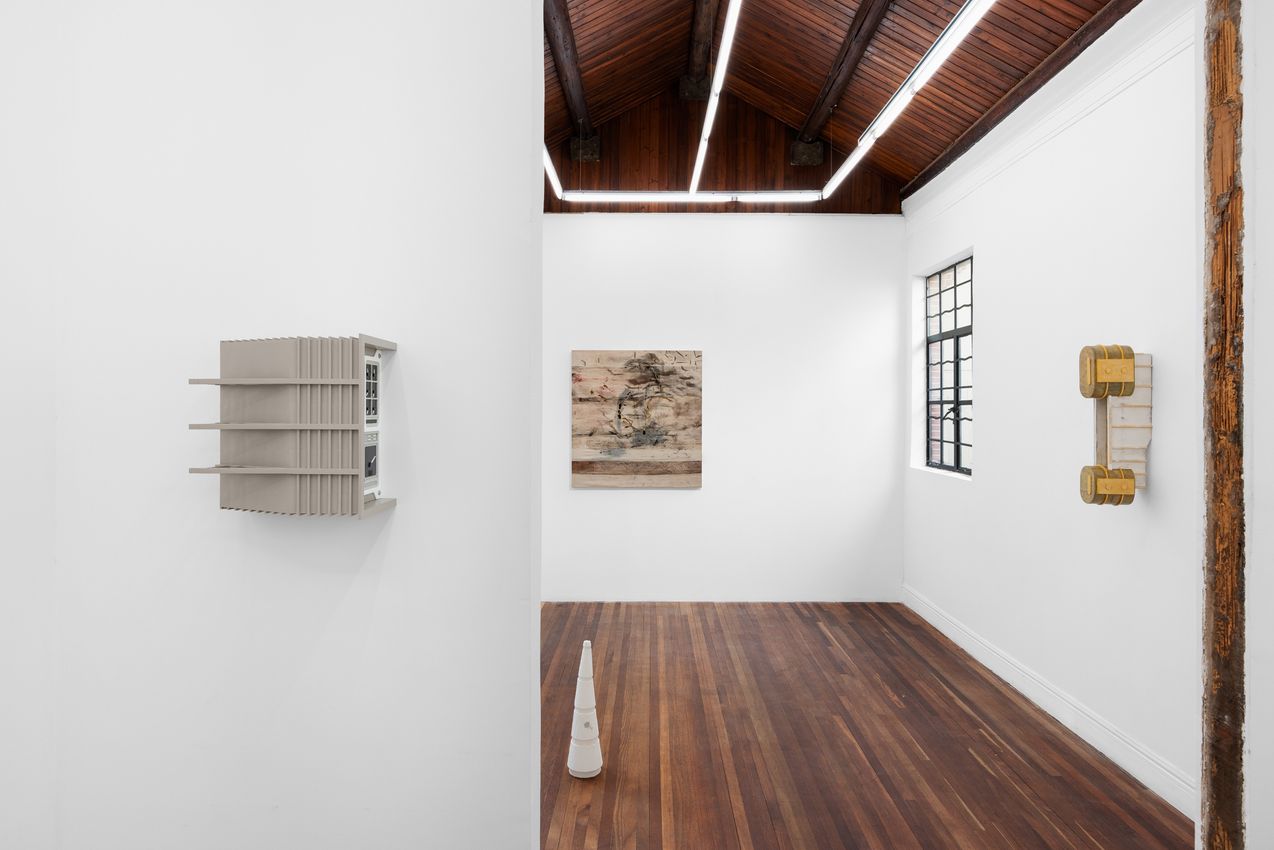
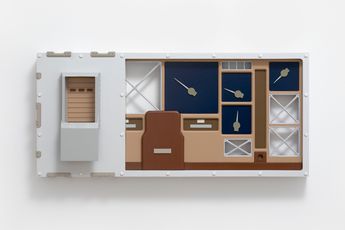
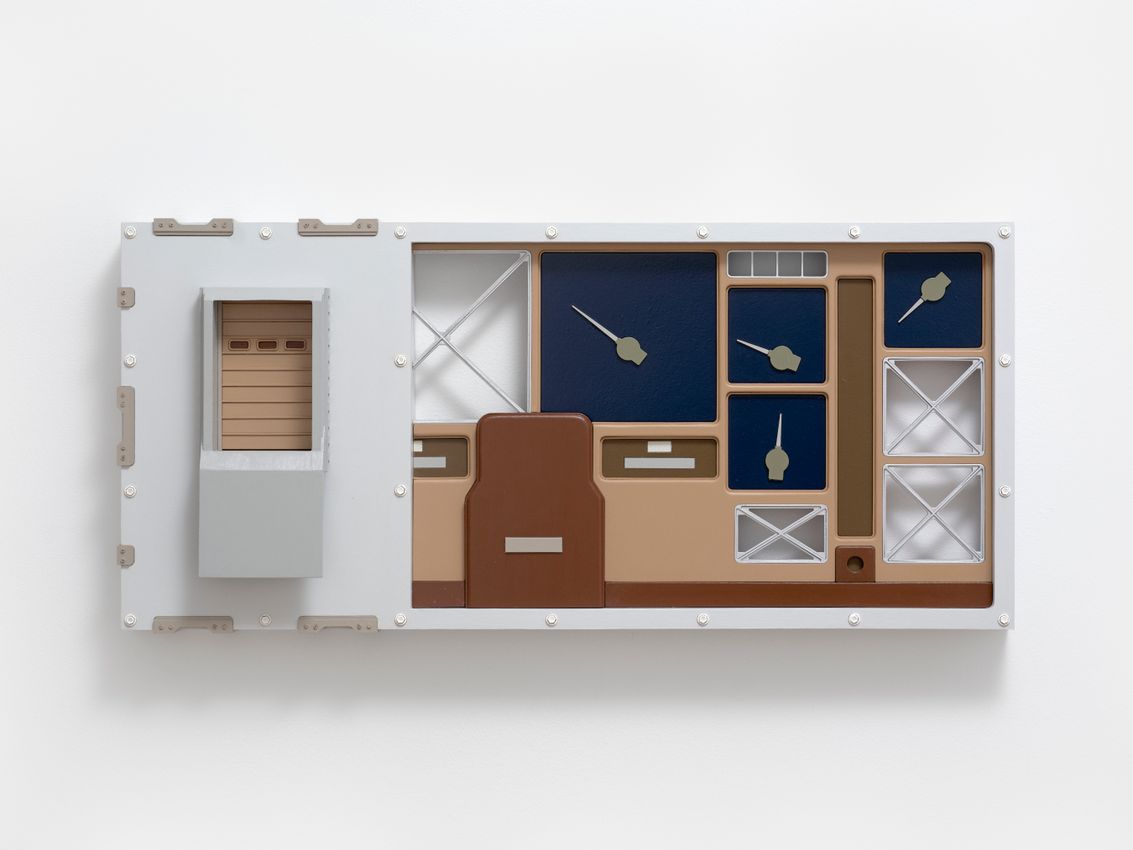
Adam Shiu-Yang Shaw grew up in a culturally diverse family shaped by Chinese, British and Canadian backgrounds. This exhibition marks the first presentation of his work in China. The works on view stem from his long-standing attention to an oil sands region in Alberta, Canada, where he grew up. Observing industrial infrastructure and landscapes of resource extraction, Shaw breaks down and reassembles gauges, mechanical components, and architectural forms into fragmentary sculptures. int.

Gauge borrows the visual language of instruments and measuring devices, compressing complex systems into signals that can be read and interpreted. The viewer is no longer positioned simply as an observer, but as an operator required to monitor, assess, and respond. Surge II takes on a more fluid and pressurised structure, suggesting a system in the process of accumulating force and remaining in motion. Stripped of their original functions, these forms appear at once as fragments of industrial infrastructure and as relics from a future whose uses can no longer be identified.

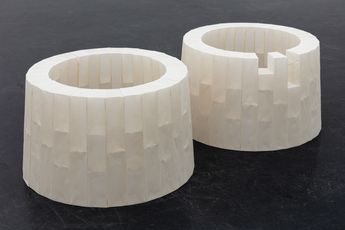
Cans (open-top) takes its form from open-top industrial waste containers. Using found objects, discarded materials, and common building materials, Shaw reconstructs a structure originally designed to collect, transport, and process waste. Once displaced from the street or industrial site and brought into the exhibition space, the familiar container no longer functions simply as a receptacle. It also makes visible the systems through which cities continually organise, move, and process the material they produce.

Read More

Installation Views

Selected Works

Loading...

Artists Exhibiting

Also Exhibiting at LINSEED Projects

About the Gallery

LINSEED was established in Shanghai, focusing on the practices and artistic development of young emerging artists flowing across the Asian and global scenes. Initially exploring the potential and flexibilities of exhibitions in alternative spaces and diverse contexts, LINSEED launched its gallery space in 2022. Discovering, representing, and supporting a new generation of forward-looking artists across different backgrounds and disciplines, LINSEED invites exciting interactions among the talents and institutions, and converses with multifaceted mechanisms and cutting-edge topics.

View Gallery Profile
Address
No.4, 165 Wuyuan Rd
Shanghai
China
Opening Hours
Tuesday–Saturday
11:00am–6:00pm
(1)
Shanghai No.4, 165 Wuyuan Rd
LINSEED Projects
No.4, 165 Wuyuan Rd, Shanghai, China

Opening hours
Tuesday–Saturday
11:00am–6:00pm
The art world in focus