



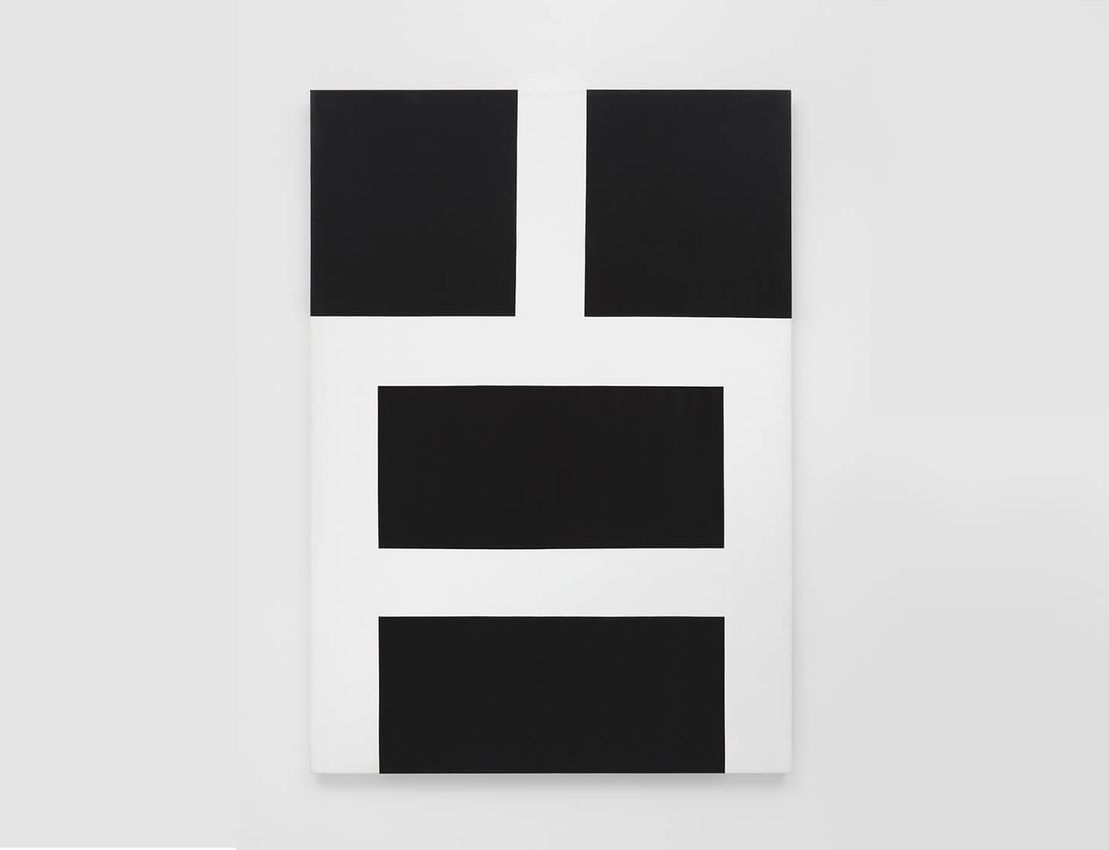
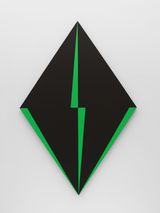
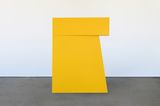
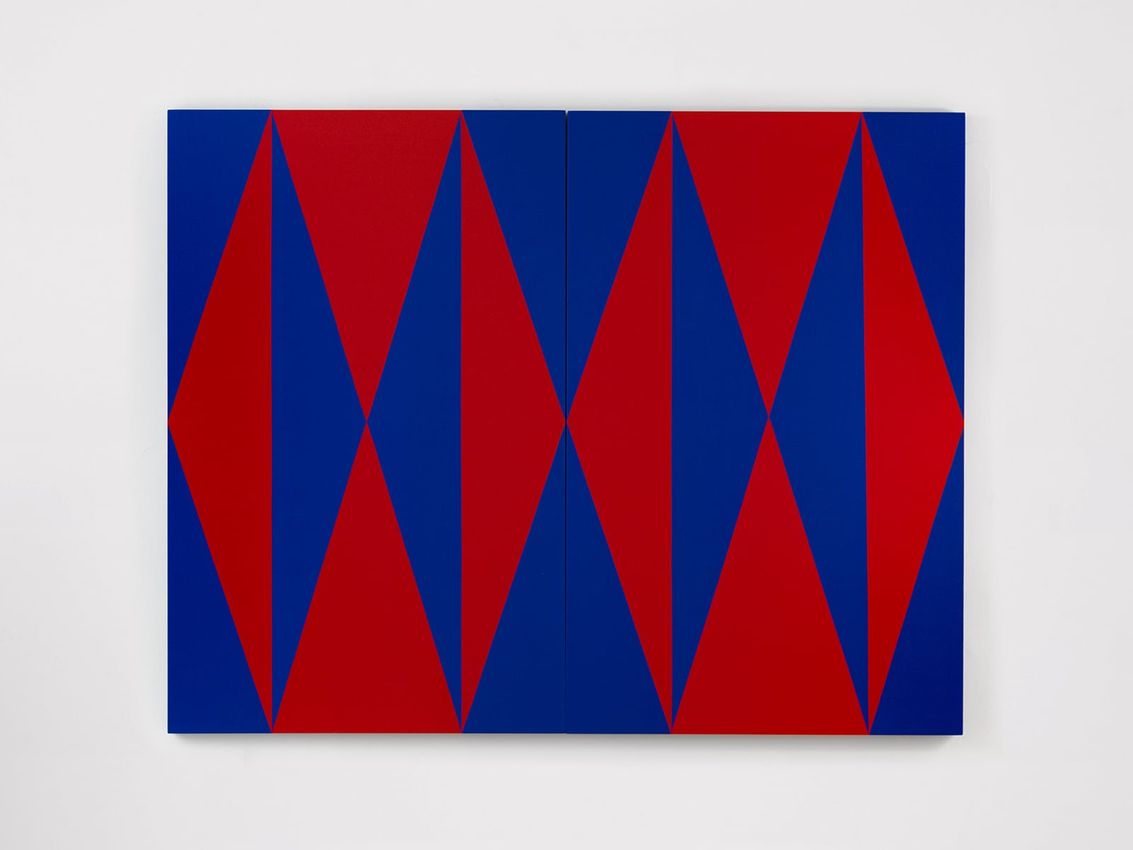
The 1970s marked an important moment in Carmen Herrera’s evolution, wherein she concluded her widely celebrated ‘Blanco y Verde’ series, made her triumphant return to sculpture, and opened new forays into her painting practice, notably concluding with her influential and rarely exhibited Days of the Week series. Bringing together more than 20 artworks for an unprecedented presentation that ranges from sketches to paintings to historical Estructuras, this exhibition will demonstrate the breadth of Herrera’s achievements during this transformative decade—all garnered despite her relative obscurity amongst the New York art world. The exhibition in New York is the first of a two-part presentation that focuses on Carmen Herrera’s work from the 1970s. Following this is a special presentation of Herrera’s ‘Days of the Week’ series–seven paintings that evoke the distinctive character of each day–that will inaugurate Lisson Gallery’s new permanent Los Angeles gallery.
Core to Carmen Herrera’s painting is a drive for formal simplicity and a striking sense of colour: “My quest”, she says, “is for the simplest of pictorial resolutions” (2012). A master of crisp lines and contrasting chromatic planes, Herrera creates symmetry, asymmetry and an infinite variety of movement, rhythm and spatial tension across the canvas with the most unobtrusive application of paint. As she moved towards pure, geometric abstraction in the post-war years in Paris, she exhibited alongside Theo van Doesburg, Max Bill and Piet Mondrian and a younger generation of Latin American artists, such as members of the Venezuelan Los Disidentes, Brazilian Concretists and the Argentinian Grupo Madi. Her work also chimed with painters from the US school such as Barnett Newman, Leon Polk Smith and Ellsworth Kelly. Reflecting on this period, she says, “I began a lifelong process of purification, a process of taking away what isn’t essential” (2005). While allied with Latin American non-representational concrete painting, Herrera’s body of work has established, quietly but steadily, a cross-cultural dialogue within the international history of modernist abstraction.


Established in 1967 in London, Lisson Gallery is one of the most well-known galleries operating globally. Boasting an influential and continuing legacy, including playing a pivotal role in the careers of many pioneers of historically important art movements, the gallery works with some of the most significant contemporary artists today.

A respected voice in contemporary art discourse.
Focusing on ambitious storytelling and insightful art-world commentary. Ocula Magazine publishes in-depth interviews, critical essays and timely analysis on the artists, exhibitions and ideas driving the global art world.
Learn more about Ocula Magazine
Showcasing the best of the art world.
Ocula partners with galleries from around the world to highlight their artists, artworks and exhibitions. Gallery membership is by application and invitation, with each member vetted by an independent panel.
Learn more about Ocula Membership

Specialises in the sale of major artworks.
Led by a team with deep ties to the world’s leading auction houses, galleries and collectors. Ocula’s advisory team offers bespoke services to high-net-worth clients from around the world who are looking to acquire the best of contemporary and modern art.
Learn more about our team and services
