Lisson is pleased to present Balboa of House and Garden, Spencer Finch’s first exhibition in Los Angeles and his inaugural presentation with the gallery in the United States. Comprised entirely of new work, the exhibition brings together over fifty unique works on paper, a site-specific skylight installation, and a monumental outdoor sculpture, extending Finch’s longstanding exploration of light, perception, memory, and the emotional resonance embedded within ordinary experience. The presentation at Lisson also coincides with the unveiling of Finch’s site-specific commission at the Obama Presidential Center in Chicago this summer.

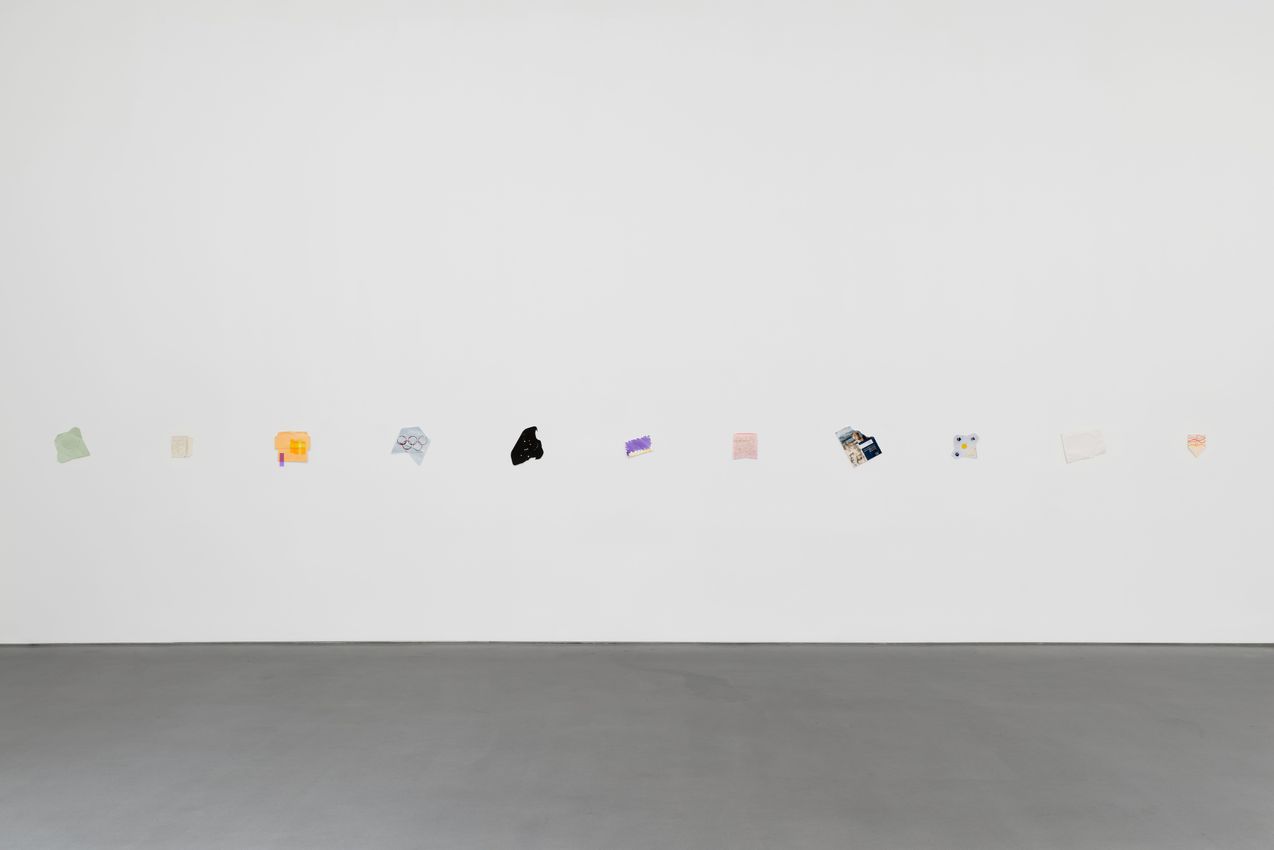
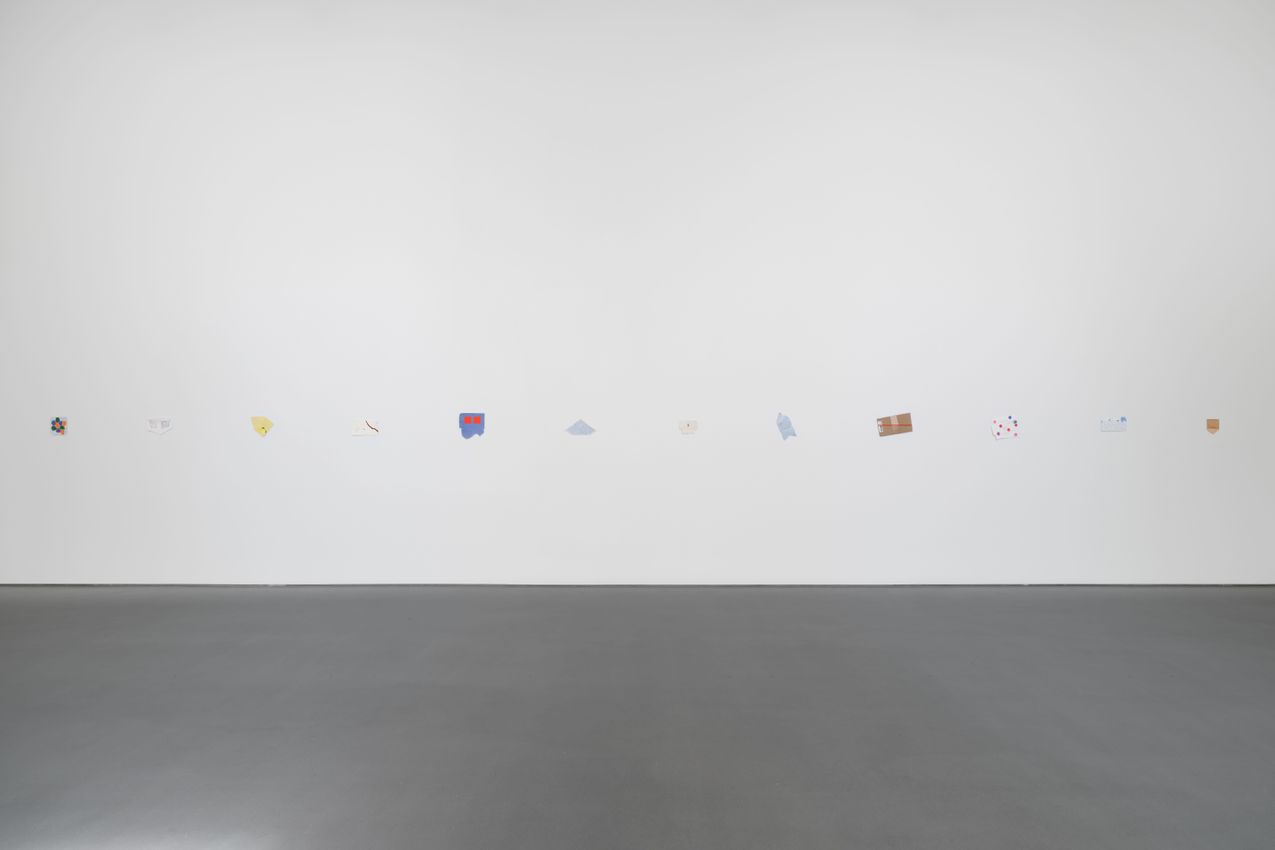
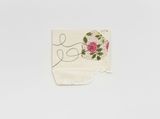
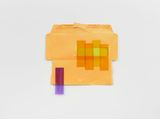
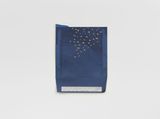
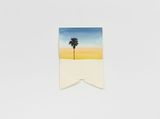
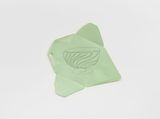
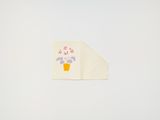
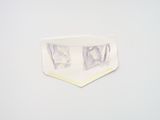
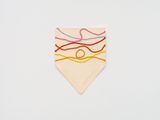
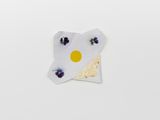
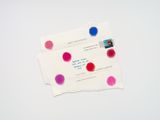
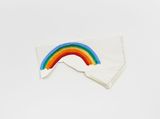
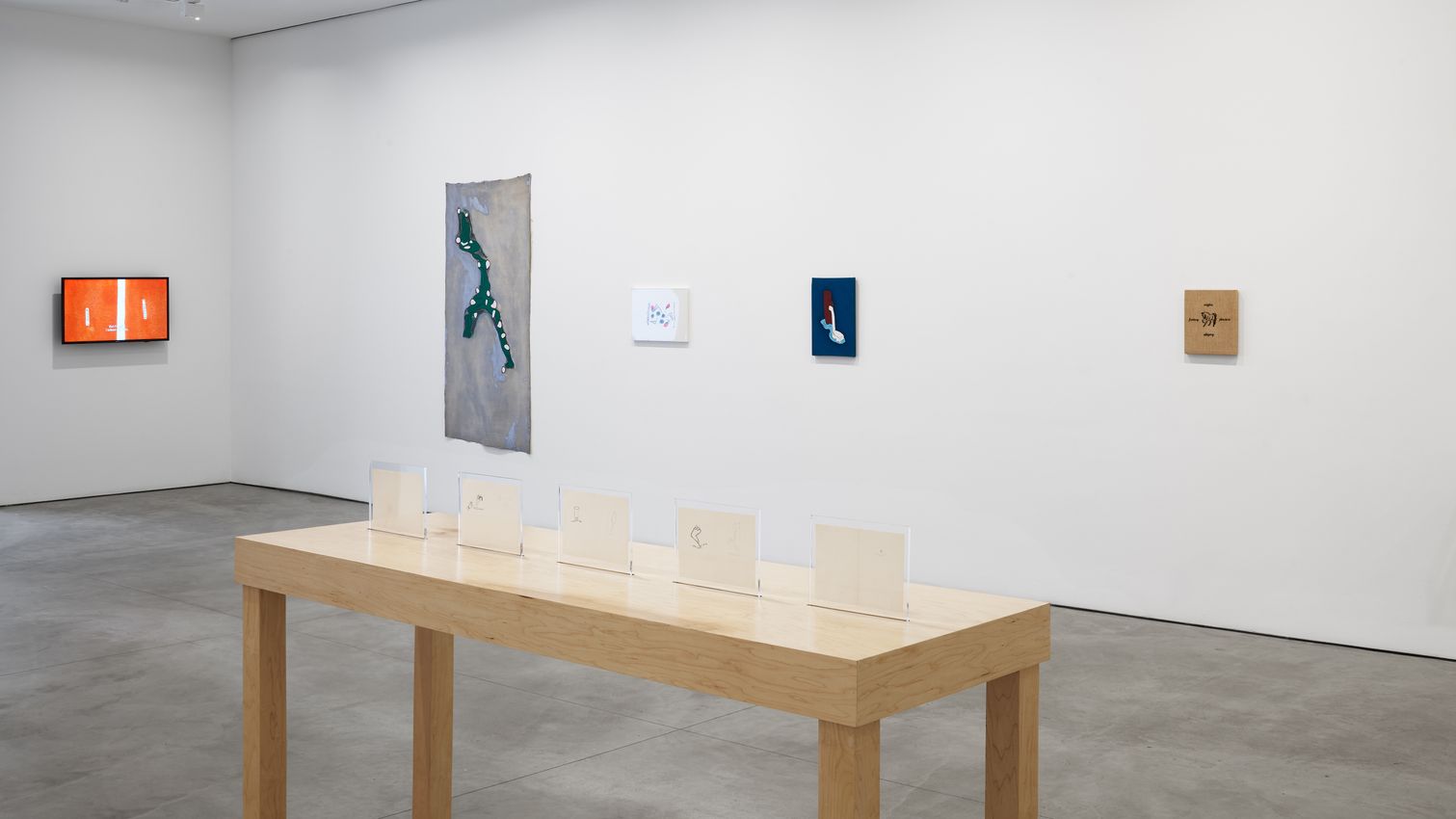
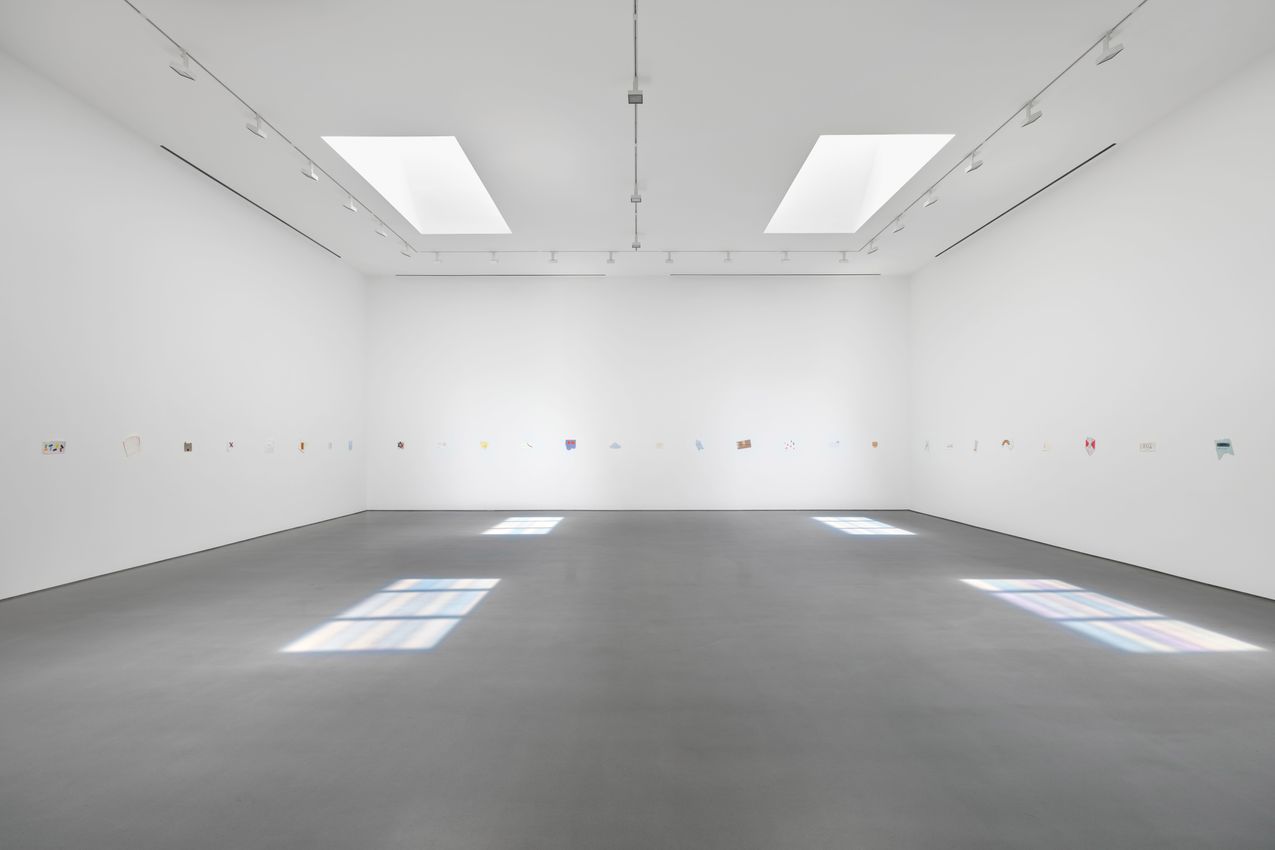
At the center of the Los Angeles exhibition are Finch’s Gorgeous Nothings, a new series of works on paper inspired by Emily Dickinson’s practice of composing poems on discarded envelopes. Finch meticulously recreates envelopes collected from the street, his personal correspondence, and the junk mail delivered to the studio by hand on archival paper before transforming it through interventions in watercolor, pastel, ink, colored pencil, collage, and other media. Drawing upon the tradition of trompe l’oeil, the works blur distinctions between reproduction and invention, illusion and object, while foregrounding the histories embedded within everyday materials. Installed unframed and affixed directly to the wall with magnets, the drawings project subtly into space in a sprawling, constellation-like arrangement, their folds, shadows, postmarks, handwritten markings, and layered surfaces emphasizing both their sculptural presence and intimate materiality.
Across the series, Finch locates moments of wonder within the overlooked textures of daily life. The works depict fleeting yet personal observations: sunlight reflecting across the surface of the Gowanus Canal, the drifting path of dust particles through the artist’s studio, coffee cup rings, a grocery list, shadows cast against a table, and other quiet atmospheric shifts that might otherwise go unnoticed. The Gorgeous Nothings also recall earlier bodies of work by Finch, including his Color Notes and the Blooming Calendar, in which systems of notation, accumulation, and observation become ways of recording the passing of time. Here, however, the use of the envelope introduces an additional register of intimacy and circulation, objects that have traveled through the world carrying traces of private exchange, now reimagined as sites of reflection and invention.
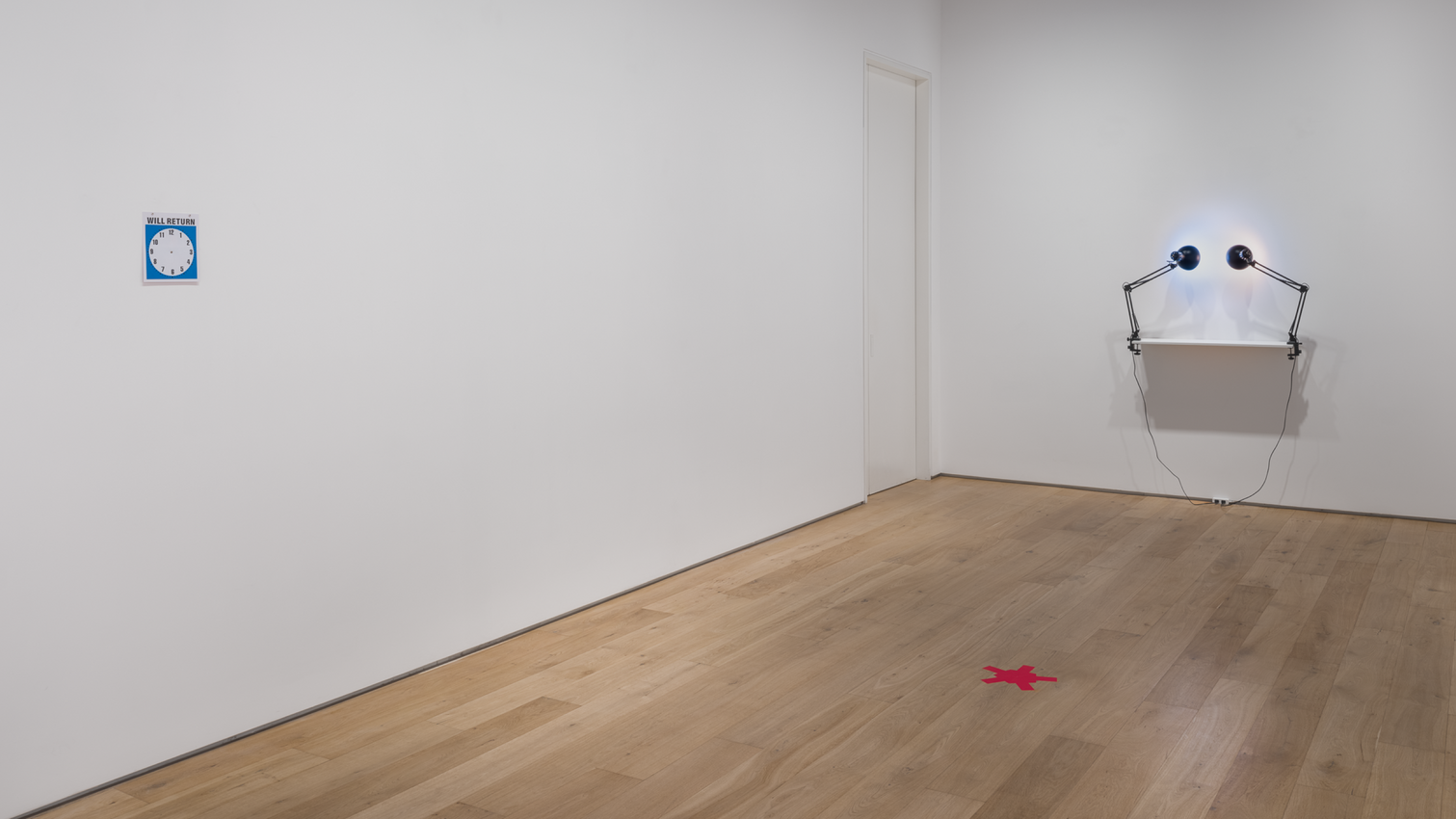
Throughout the exhibition, Finch extends this sensitivity to atmosphere into the architecture of the gallery itself. Colored filters installed across the skylights transform the quality of light within the space, shifting Los Angeles’s warm yellow daylight toward the cooler blue tones of Amherst, Massachusetts, informed by light measurements Finch made of a passing cloud in Emily Dickinson’s garden. The immersive installation continues Finch’s decades-long engagement with light as both subject and medium and joins a significant body of works and commissions that translate fleeting atmospheric conditions into physical experience, including Moonlight (Reflected in a Pond__) (2025), Mars (Sunrise) (2016), and his 120-meter cloud canopy for Paddington Station’s Elizabeth Line in London (2022).
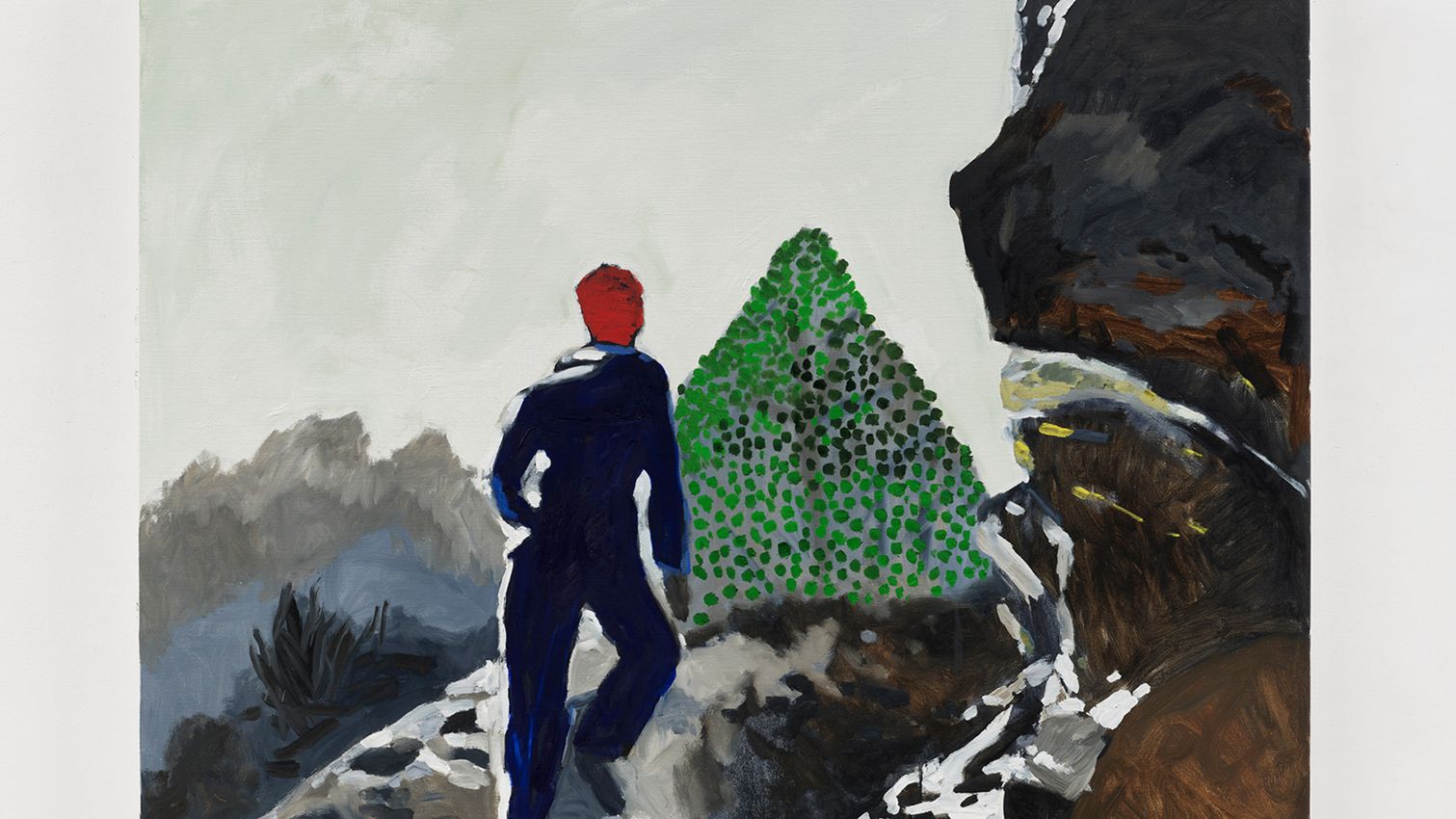
Outside the gallery, Finch presents Wreck (Raft of the Medusa) (2026), a monumental sculpture derived from a found dumpster and reimagined through the histories of Romantic painting, Dada, assemblage, and the readymade. Referencing Théodore Géricault’s The Raft of the Medusa, the work translates key elements of the painting into sculptural form: large pieces of reclaimed wood evoke the raft itself, while used nautical rope, fabric, a bag, and a hatchet recall the improvised materials and desperate conditions of the shipwrecked survivors. Acting as a kind of enclosure, the dumpster contains and frames these components much as the surrounding sea contains the raft in Géricault’s composition, transforming a vessel of disposal into a site of survival, memory, and reinvention. The dumpster’s exterior is layered with paint, posters, stickers, and a prominent “Medusa” graffiti tag, employing the visual language of the street to parallel the expressive force of Romantic painting. Through deliberate accretions of mark-making and color, Finch translates the emotional intensity and drama of Géricault’s canvas into the contemporary vernacular of urban surfaces. Occupying a space between monument and detritus, ruin and renewal, the sculpture functions simultaneously as a pile of found materials and a meticulously composed assemblage.
Courtesy Lisson Gallery.


Spencer Finch is best known for ethereal light installations that visualise his experience of natural phenomena. His investigations into the nature of light, colour, memory and perception proceed in watercolours, drawings, video and photographs. Finch distills his observations of the world into glowing abstract colour but also diverts them through cultural and historical filters: in homage to Emily Dickinson’s 1862 poem ‘Before I got my eye put out’, he measured the sunlight in her Massachusetts garden then recreated the effect of a passing cloud by means of fluorescent tubes covered in gel and suspended theatre filters. He has painted the changing shades of grey on Sigmund Freud’s ceiling in Vienna, viewed from the psychoanalyst’s couch and later, in 102 Colors from My Dreams, 2002, recorded the colours he saw in his sleep then colour-matched inks to make a sequence of Rorschach blots. Compelled by what he describes as ‘the impossible desire to see oneself seeing’, Finch holds up an enchanting prism between the outer world and inner thought.


A respected voice in contemporary art discourse.
Focusing on ambitious storytelling and insightful art-world commentary. Ocula Magazine publishes in-depth interviews, critical essays and timely analysis on the artists, exhibitions and ideas driving the global art world.
Learn more about Ocula Magazine
Showcasing the best of the art world.
Ocula partners with galleries from around the world to highlight their artists, artworks and exhibitions. Gallery membership is by application and invitation, with each member vetted by an independent panel.
Learn more about Ocula Membership

Specialises in the sale of major artworks.
Led by a team with deep ties to the world’s leading auction houses, galleries and collectors. Ocula’s advisory team offers bespoke services to high-net-worth clients from around the world who are looking to acquire the best of contemporary and modern art.
Learn more about our team and services