Press Release

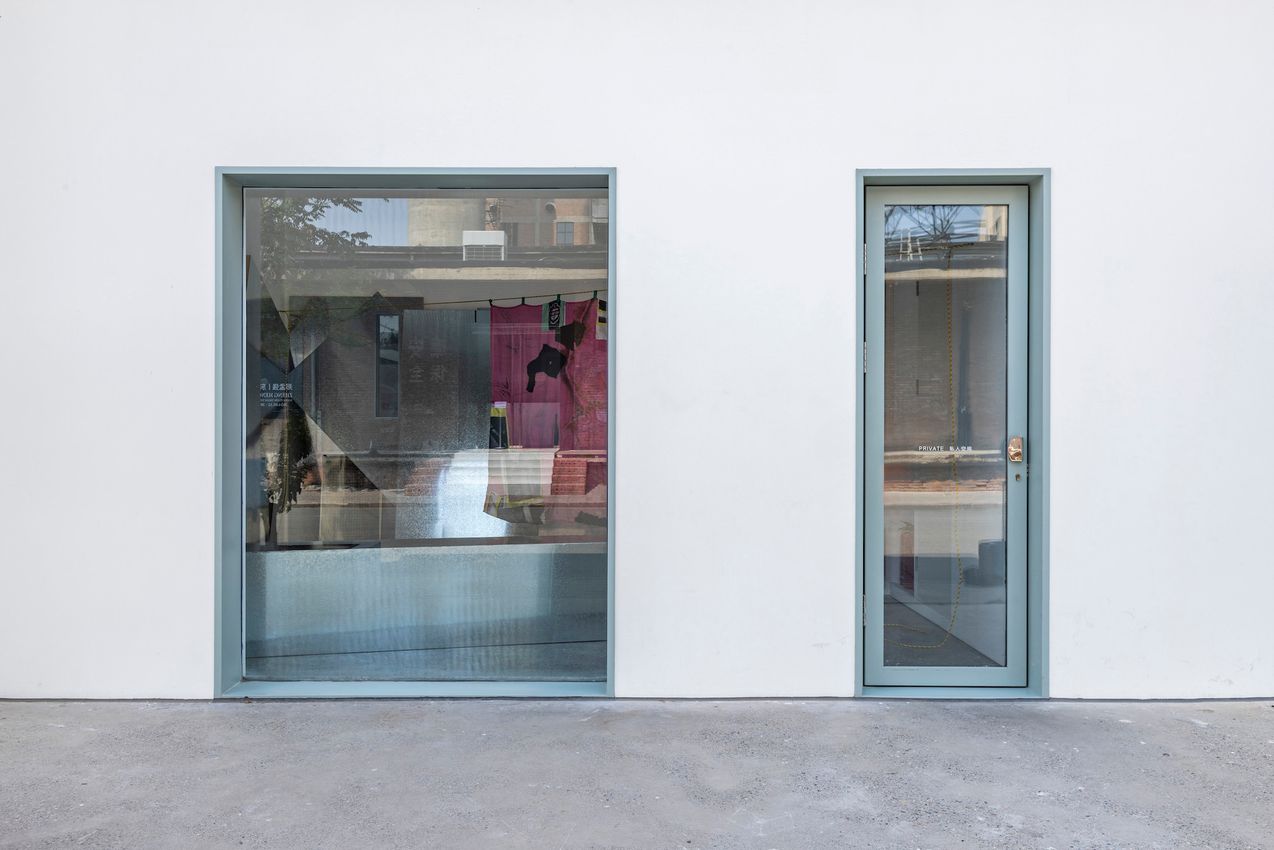
Magician Space has been keeping pace with groundbreaking artworks that venture into uncharted territories, while providing support to experimental practices in art. In 2024, Magician Space expanding and upgrading the gallery space and introduced The Antechamber, a dedicated project space that operates separately from the gallery. The Antechamber features cutting-edge art projects invited by Magician Space. It aims to build a platform that encourages unrestricted experimentation for artists with visionary insight, intellectual depth, and creativity.

The word “boundlessness” is derived from the poem Song of Leyou Park by Tang-Dynasty poet Du Fu (712-770). This poem describes what he saw at the banquet, from trivialities of the feast and delights in touring the partk, to events of national significance that privileged aristocrats and the powerful. He thus expressed sorrows over his personal experiences, as well as sentiments of the political climate and the society. The entire poem is visually sophisticated, and full of depressed emotions, grandeur power, and deep meanings. The poem’s concluding verses, “Finished drinking, I have nowhere to go; I stand in a boundless vastness, chanting a poem to myself” encapsulate a complex array of implications. Having “nowhere to go” rhetorically alludes to the bleak prospect of his career, his unfulfilled aspirations, and having no allies in his vision. The term “boundlessness” both refers to the state of twilight, and also conveys a sense of uncertainty about the future, a concern for politics in the country, and a profound sense of history where the expanse of the world is embedded. The image of “being solitary in the room of boundlessness” has become an embodiment of the concern of literati for the reality. When confronted with the hustle and bustle of the world and the ups and downs of social changes, one retreats to his/her own space, not to isolate oneself from the rest of the world, but to maintain a consciousness of one’s position. It is about connecting the individual self to the fate of the society, so as to excavate possible pathways to voluntarily undertake one’s responsibilities for the reality. In this sense, “being solitary in the room of boundlessness” is a schematic demonstration of both helplessness and anticipation, a belief in the strength of independent spirit and culture, and an intellectual quality that dares to confront daunting realities with individual agency.

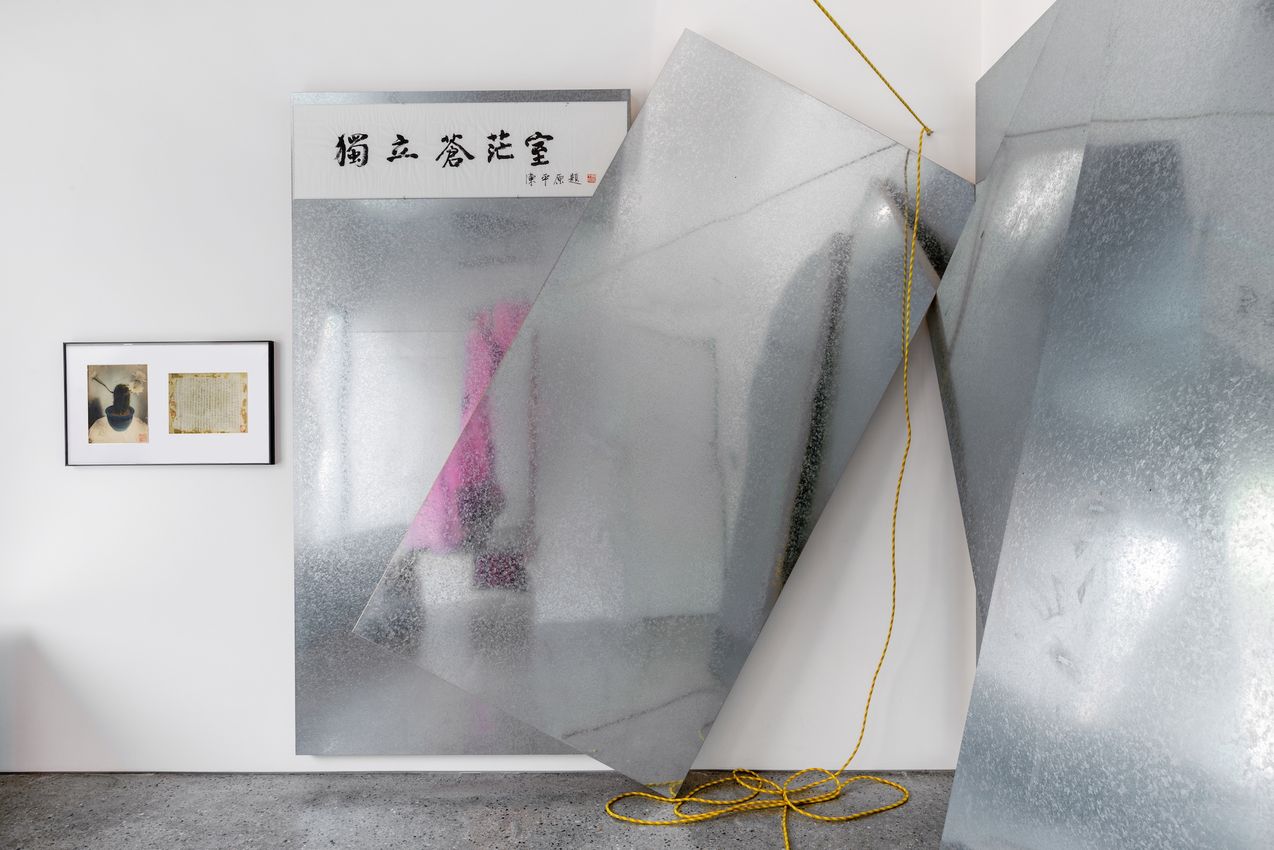
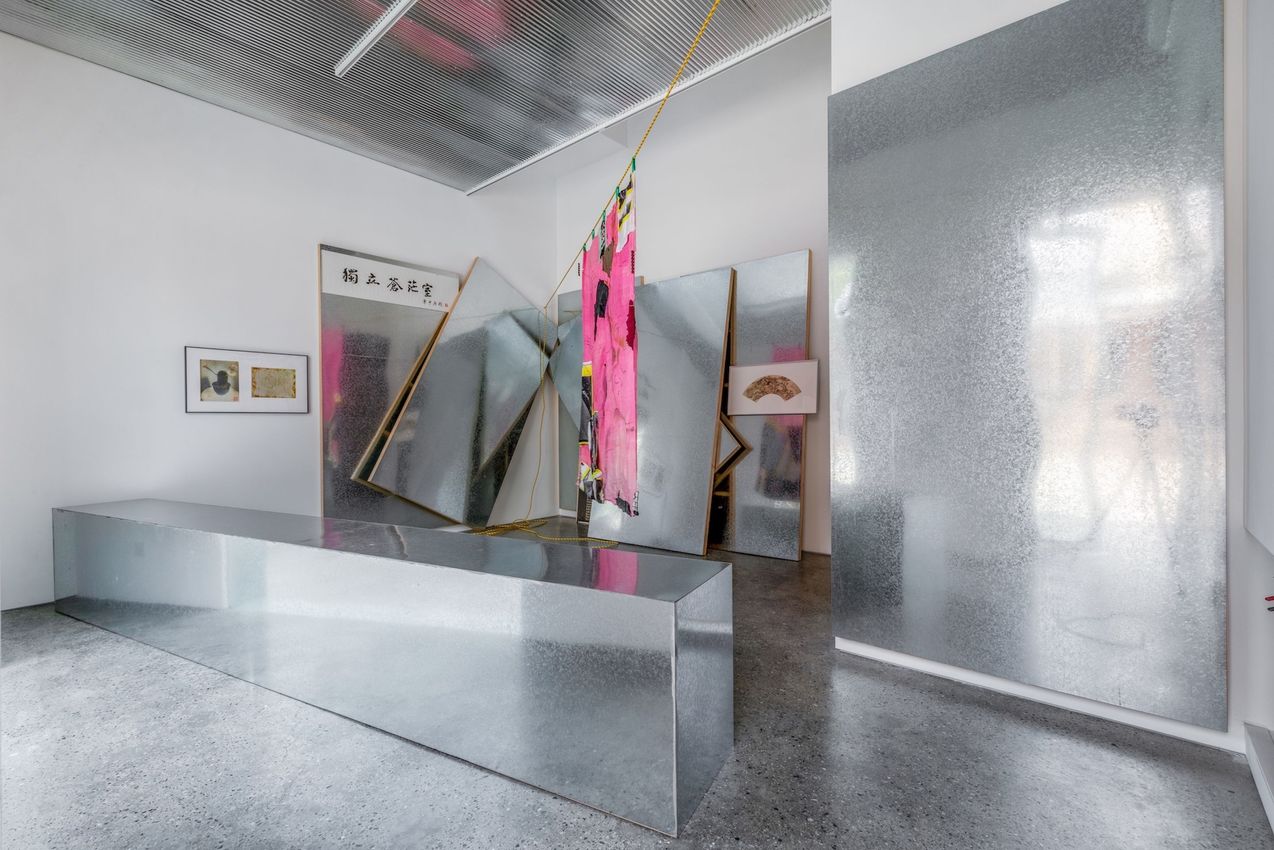
When we take such aspects as one’s heart, emotion, disposition, inherent nature, potential and ambition into consideration, we can obtain more precise and flexible insights to understand historical figures and events within their contexts. For this project, I have brought together a collection of works and documents from renowned littérateurs and artists, to ceate the “Room of Boundlessness.” Professor Chen Pingyuan, a distinguished scholar of modern literary history, has written a calligraphic inscription, “being solitary in the room of boundlessness” for this project. Since the early 1990s, by “retreating” to the “academics,” Professor Chen has been at the forefront of a movement to revitalize the study of literature history and history of scholarship, emphasizing the importance of setting up rigorous “academic criteria,” and pushing for innovation and development in scholarly “production.” In his view, this is how an intellectual can contribute to the society. The “Room of Boundlessness” serves as a vessel, carefully constructed from a pastiche of fragmented experiences and lived feelings. Prior to this project, I have organized two previous exhibitions under the same title.

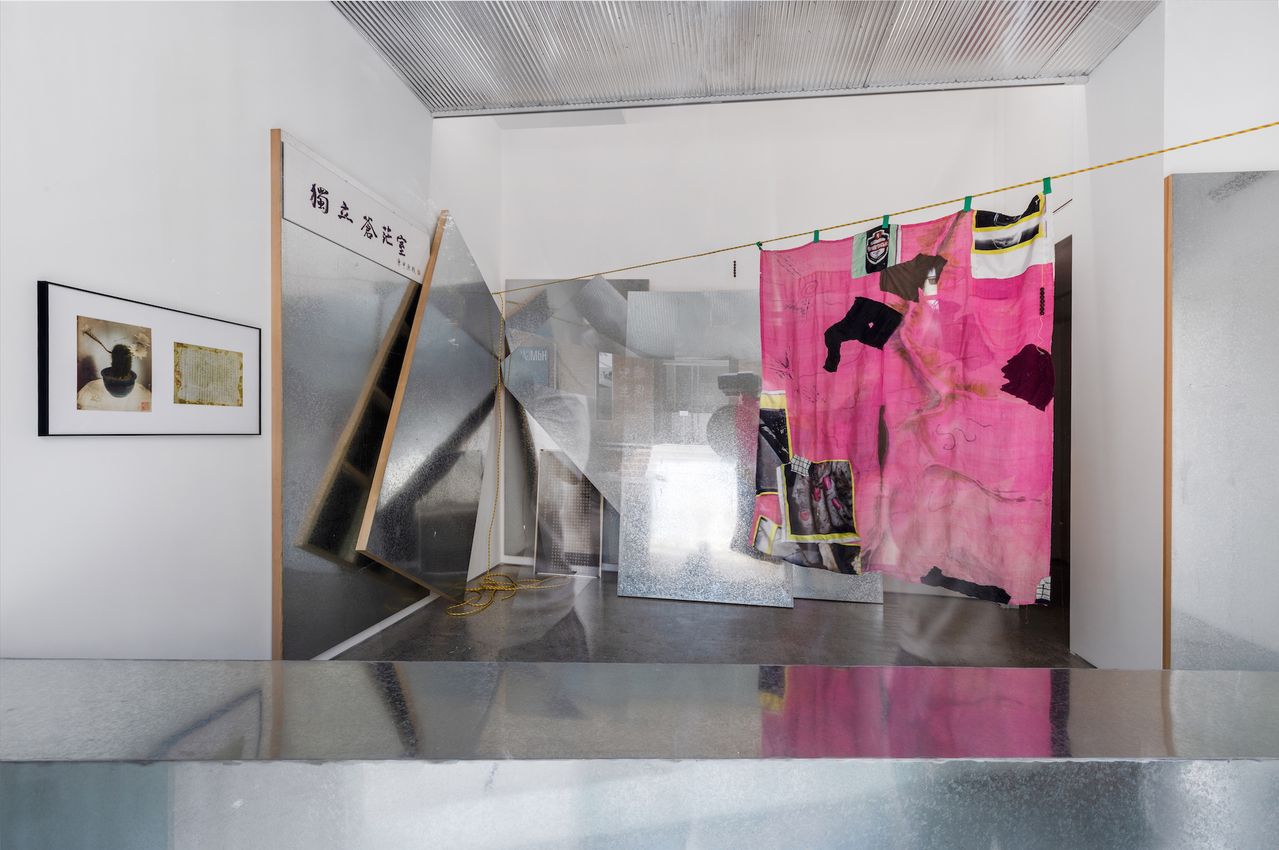
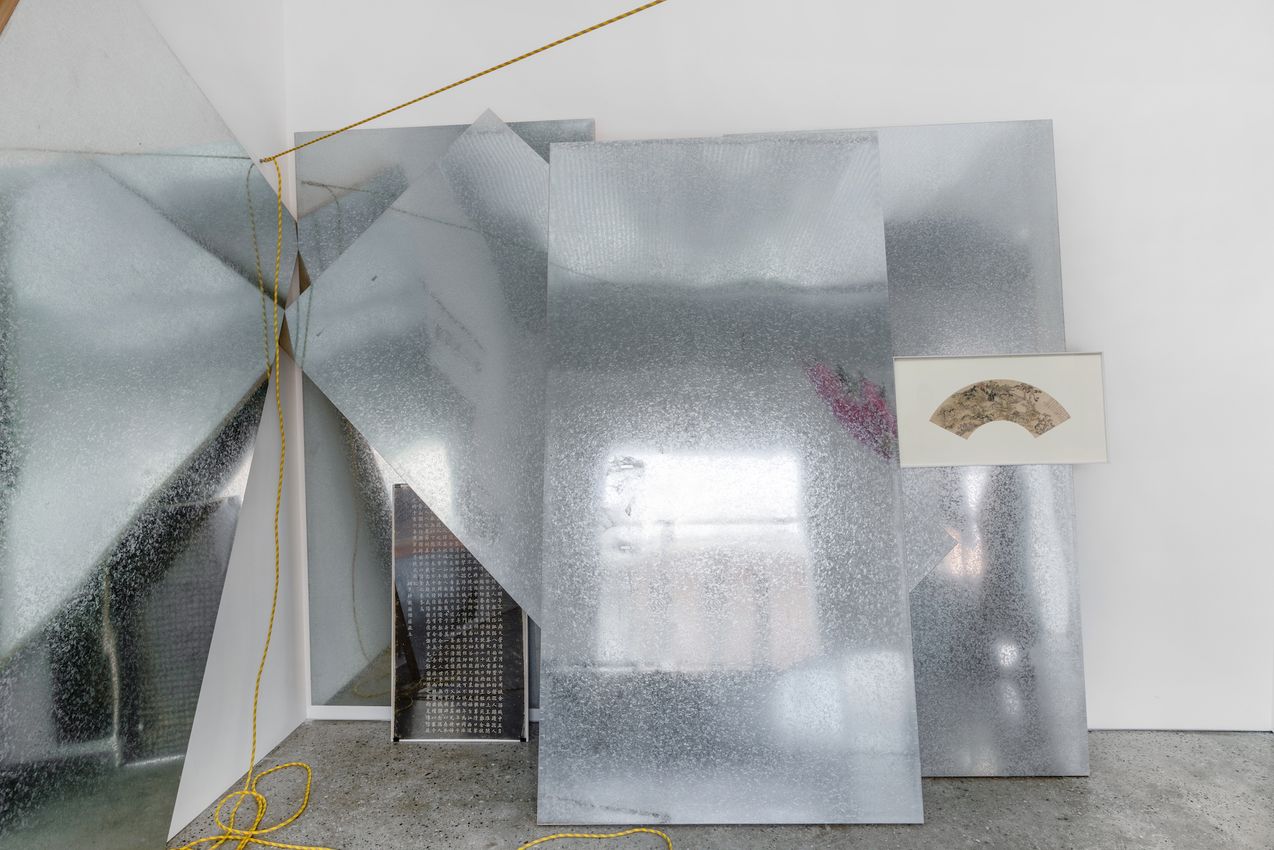
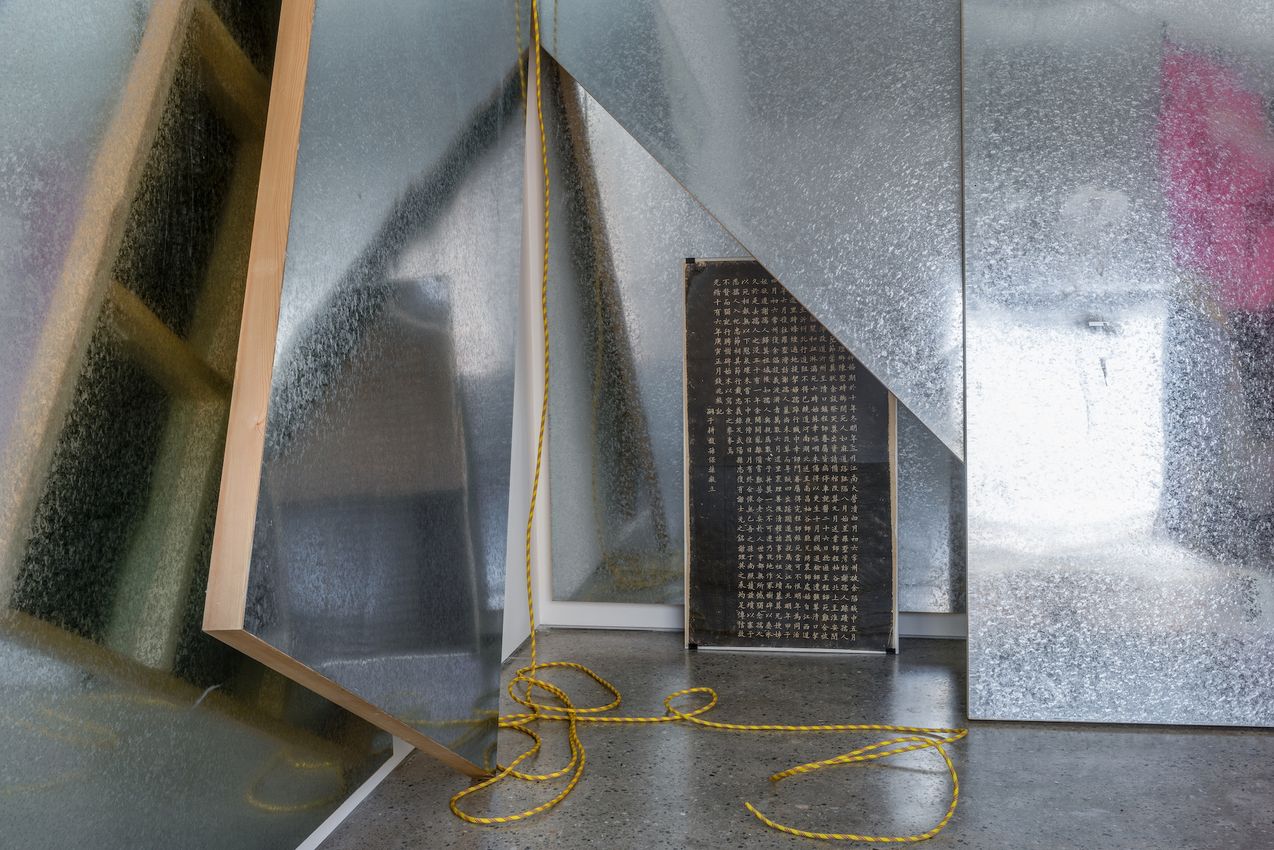
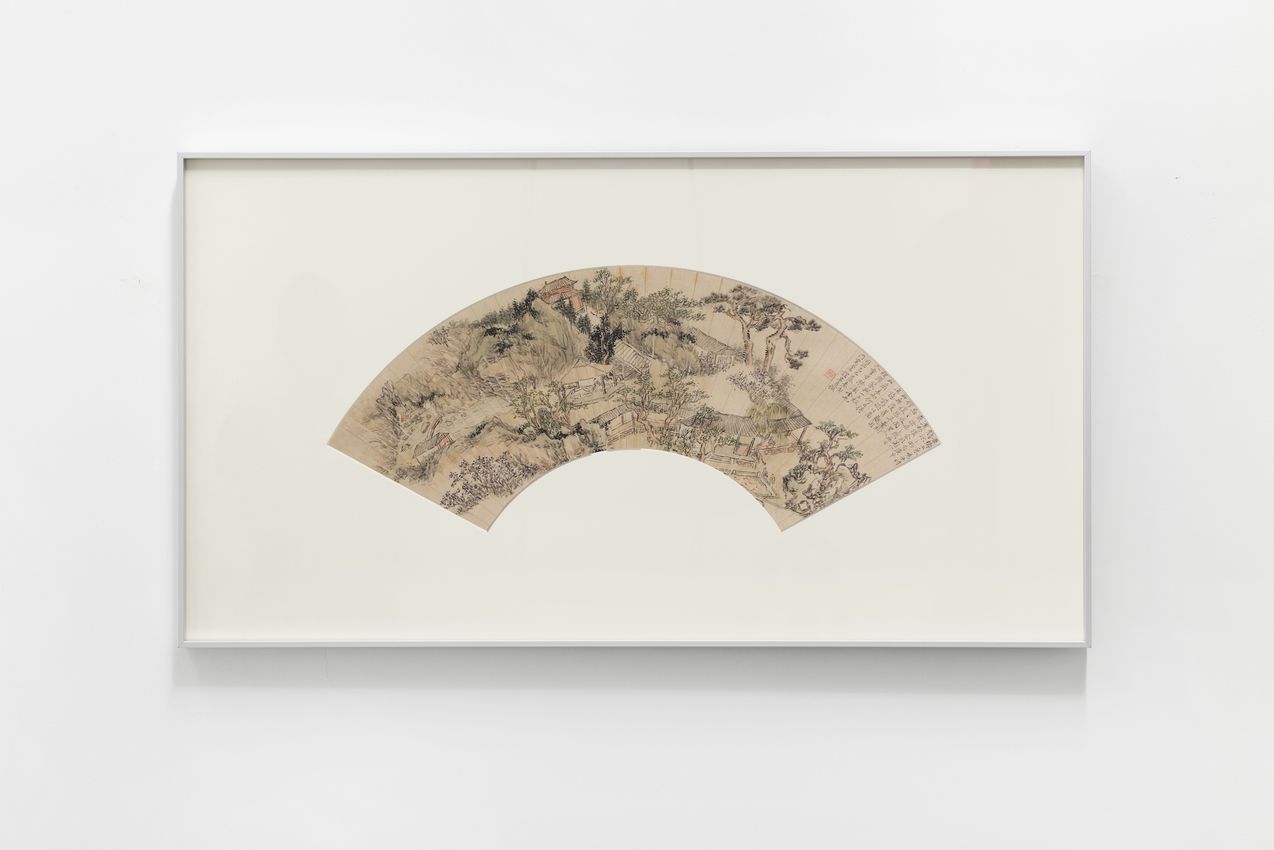
For this time, I interweave my personal collection with my own artworks, presenting a two-chapter installation. This “Room of Boundlessness” is like an extension of my private study room, residing temporarily in Magician Space’s Antechamber. Within this space, I first cover the entire gallery walls with eight silver iron plates, transforming the space into an austere and metallic enclosure. Then in the second chapter, four of these plates are removed and repositioned, now slanting between their still-affixed counterparts. This reconfiguration partially obscures the remaining wall plates and, in one instance, even obstructs the viewer’s direct line of sight to a displayed work. My seemingly minor alteration to the exhibition design catalyzes a dramatic transformation of the gallery space, shaping it into a scene of fragmentation and unease.

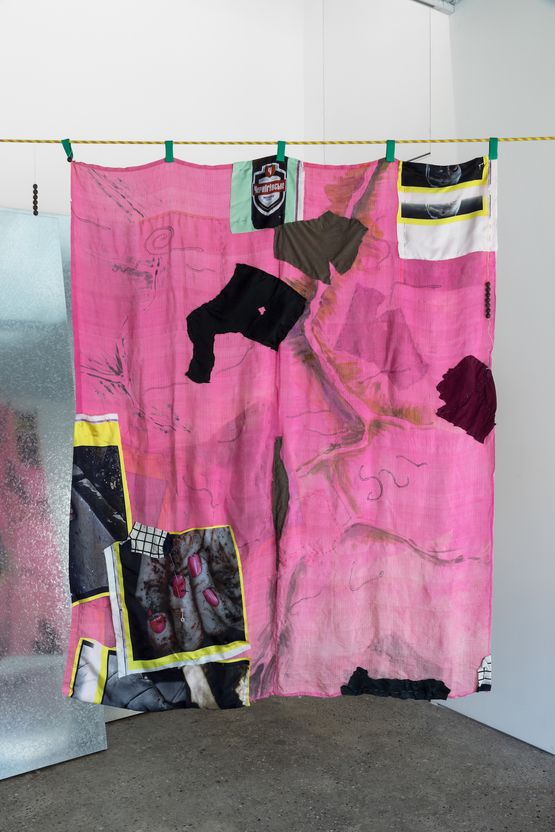
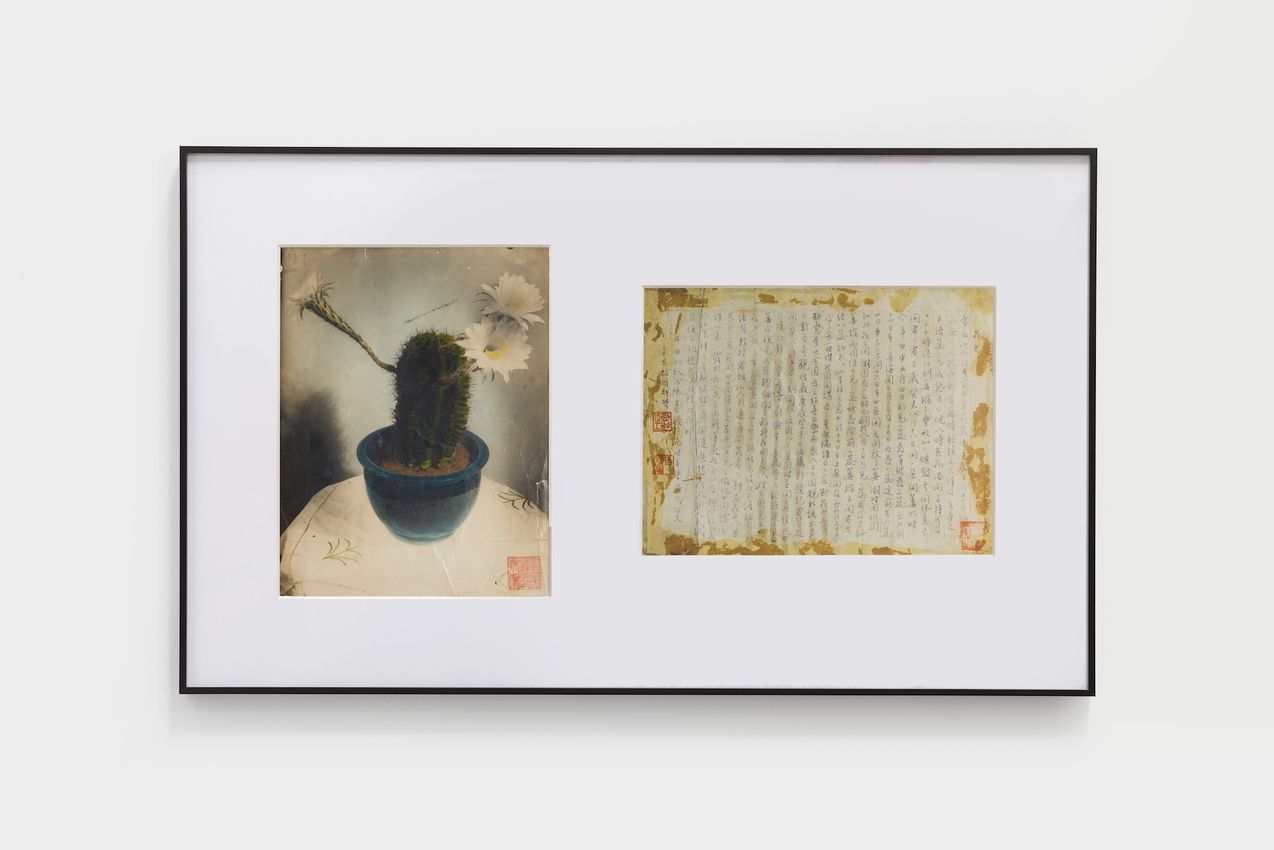
The group of works presented in “Room of Boundlessness I” consists of inner thoughts of people having been through varied life conditions and experiences in the contemporary society. They are symbols of depression, as well as “portraits” of people in despair. The second chapter “Room of Boundlessness II,” features four works, all about the excruciating agony and helplessness wrought by wars past and present, as well as intricate emotions that linger in people’s hearts in the aftermath of war. Together, the two-part “Room of Boundlessness” charts a thought-provocative topography of the unsettling historical moment we face today.

Read More

Installation Views

About the Artist

Born in 1976 in Changzhou, China, Liu Ding is both an artist and curator. In July 2012, Liu Ding participated in the launch of the Tate Modern’s new experimental program, The Tanks, and had his first solo exhibition in the United States at the Frye Art Museum in Seattle. He’s a participating artist of the 8th Taipei Biennale in September 2012. In 2009 he was chosen to represent China at the 53rd Venice Biennale in a group exhibition titled See a World in Grain of Sand.

View Artist Profile Liu Ding contemporary artist
About the Gallery

The Chinese transliteration for magician – ‘mó jīn shí’ has the meaning of sharpening and refining, suggests a kind of reflection and introspection, while the English word ‘magician’ itself means something fantastical and unpredictable, implying further possibilities.

View Gallery Profile
Address
798 Art Zone, No.2 Jiuxianqiao Road
Chaoyang District
Beijing
China
Opening Hours
Tuesday - Saturday
10.30am - 6.30pm
(1)
Beijing Magician Space, 798 Art Zone, No.2 Jiuxianqiao Road
Magician Space
798 Art Zone, No.2 Jiuxianqiao Road, Chaoyang District, Beijing, China

Opening hours
Tuesday - Saturday
10.30am - 6.30pm
The art world in focus