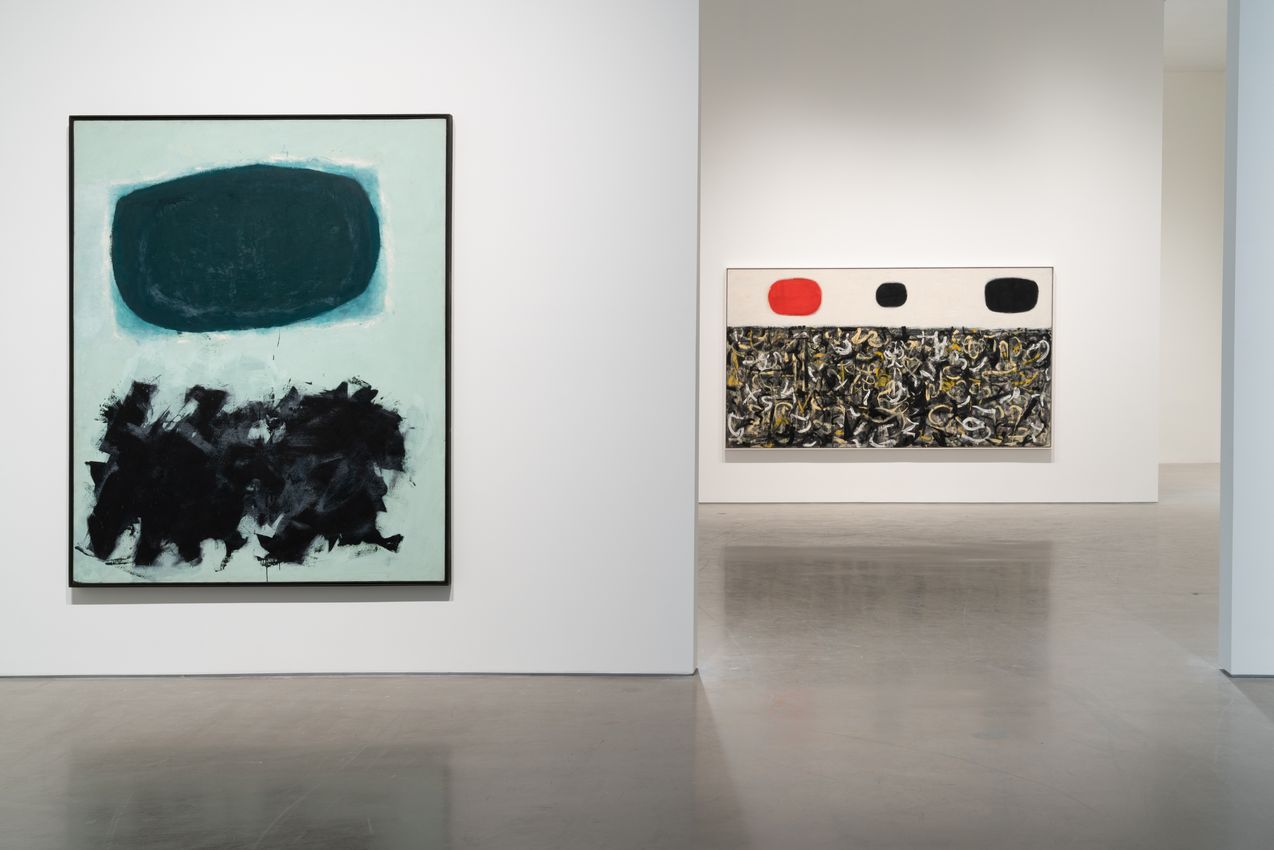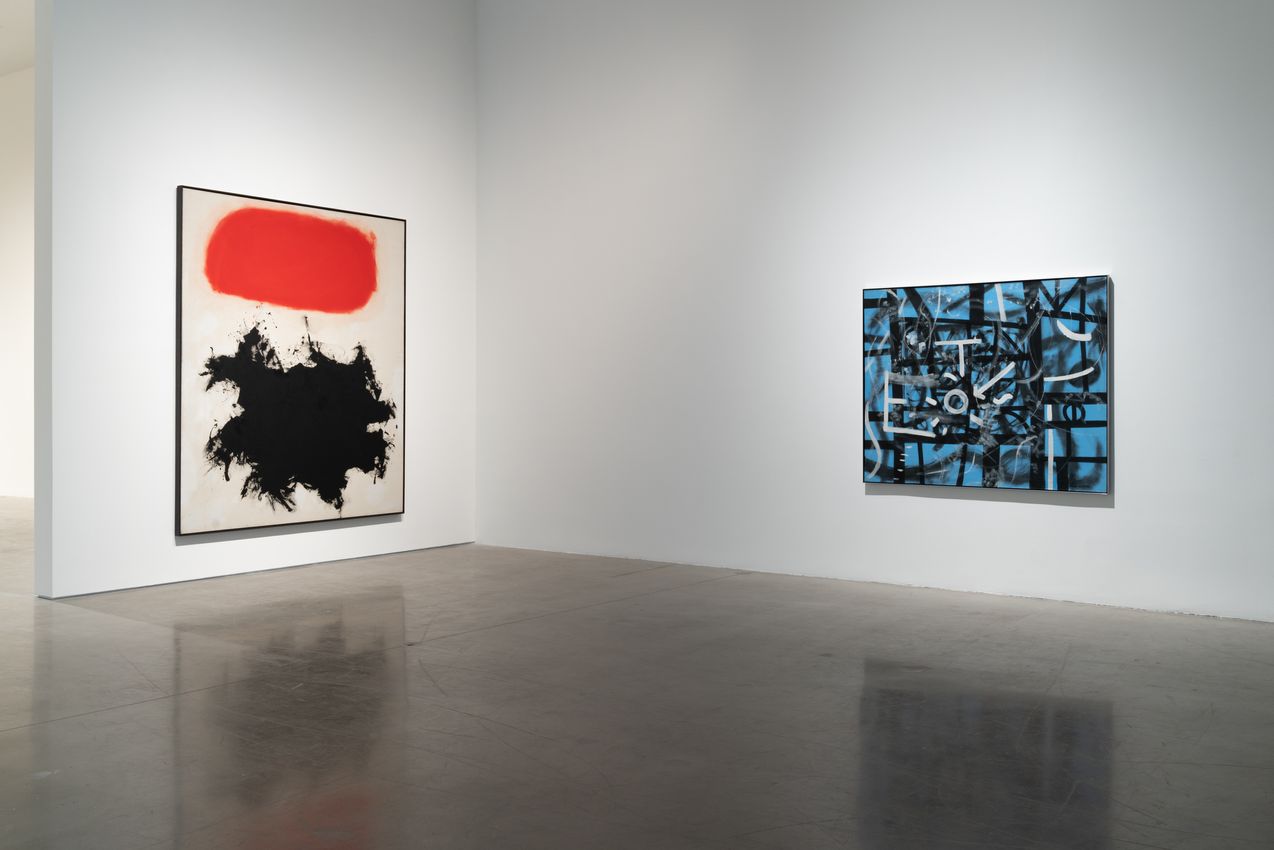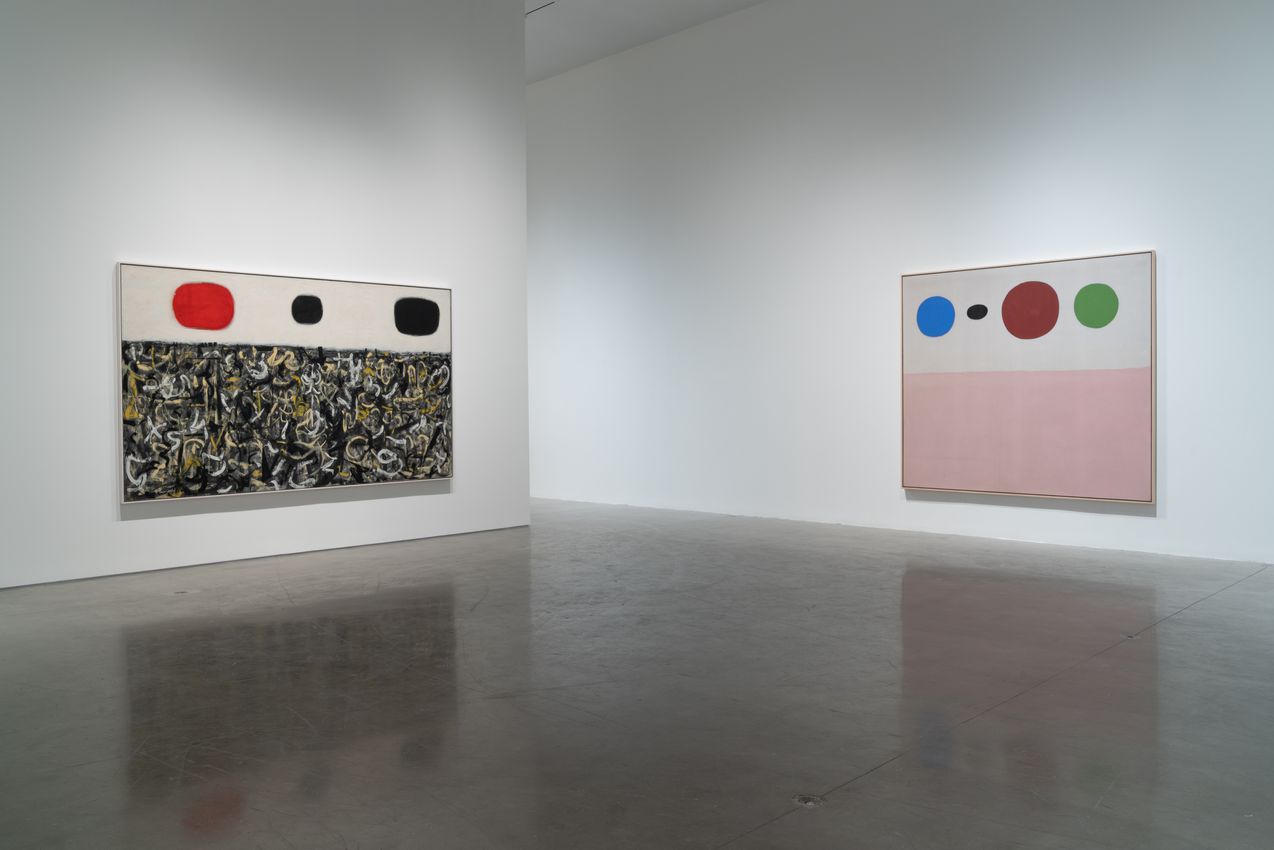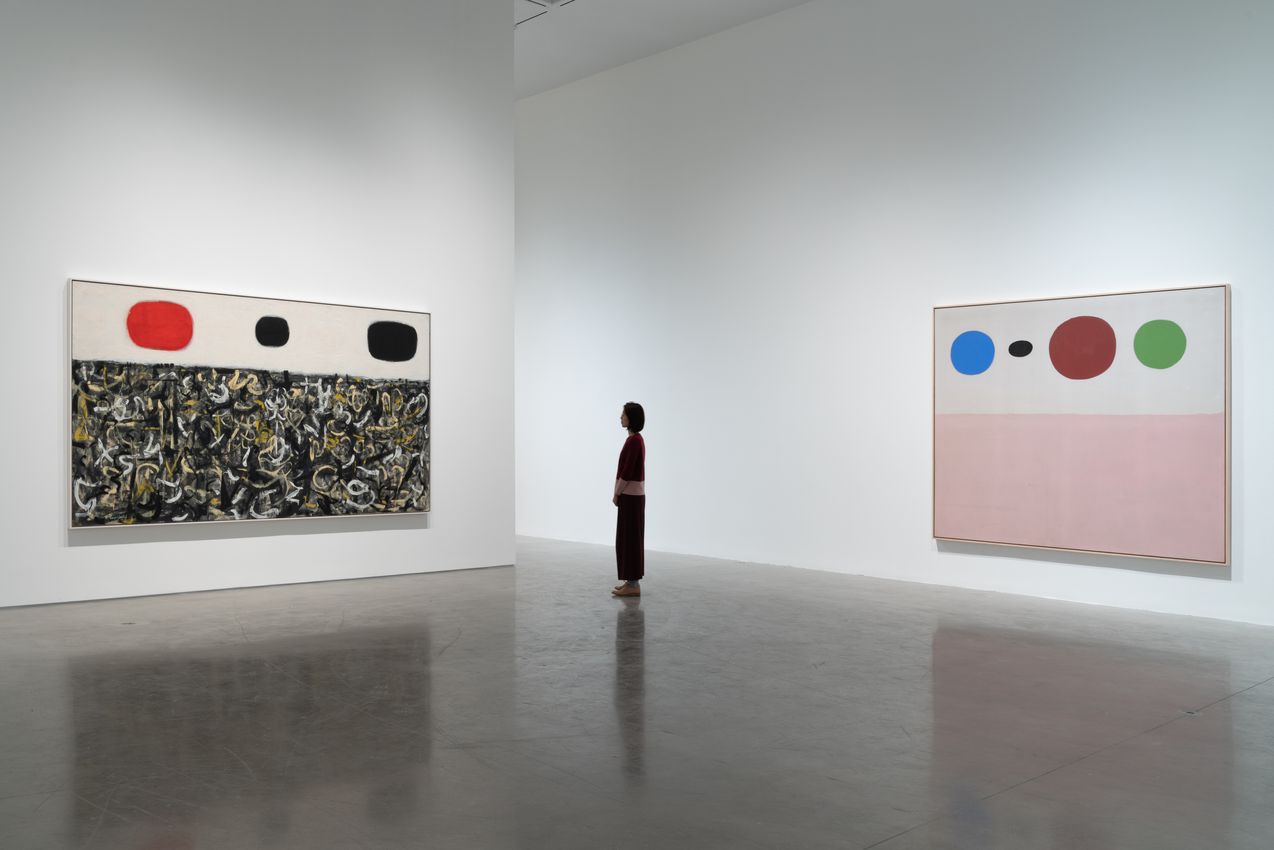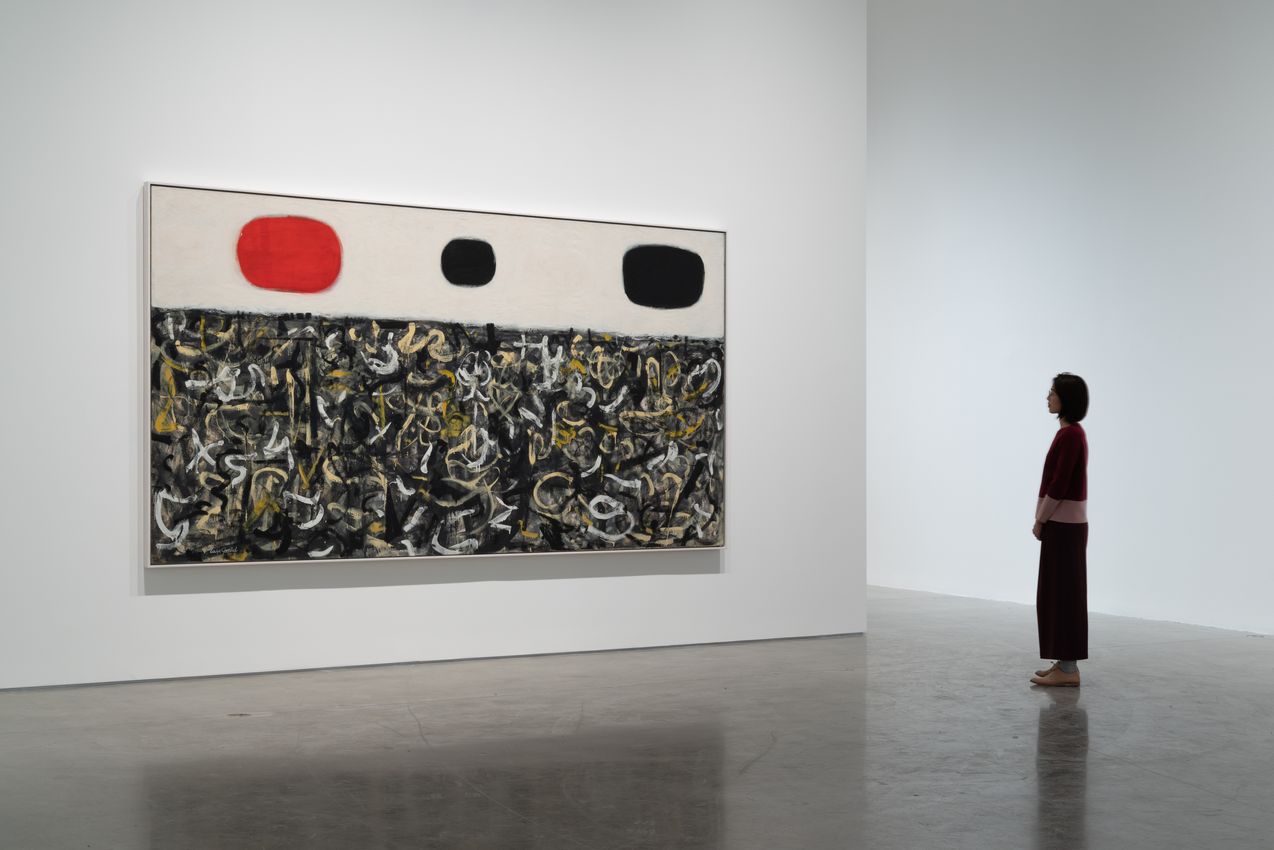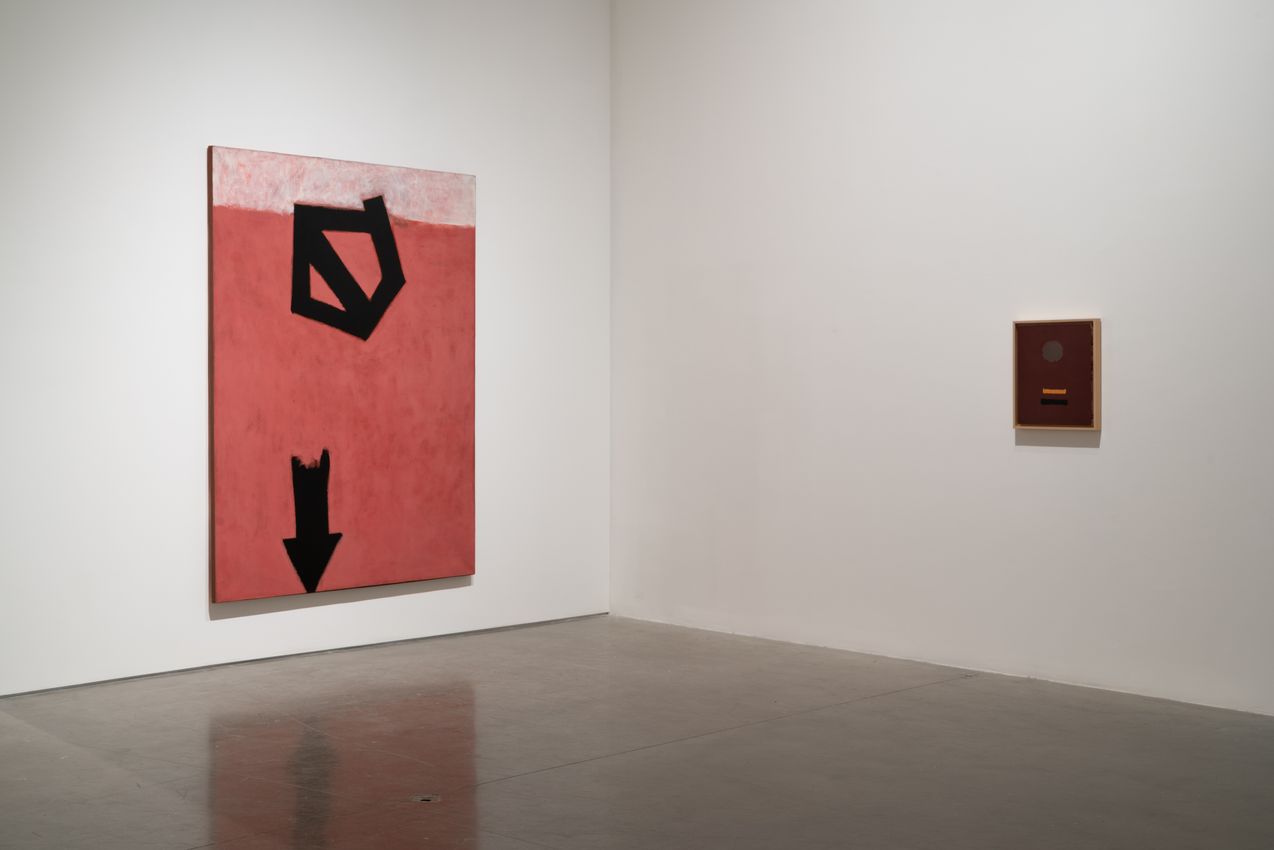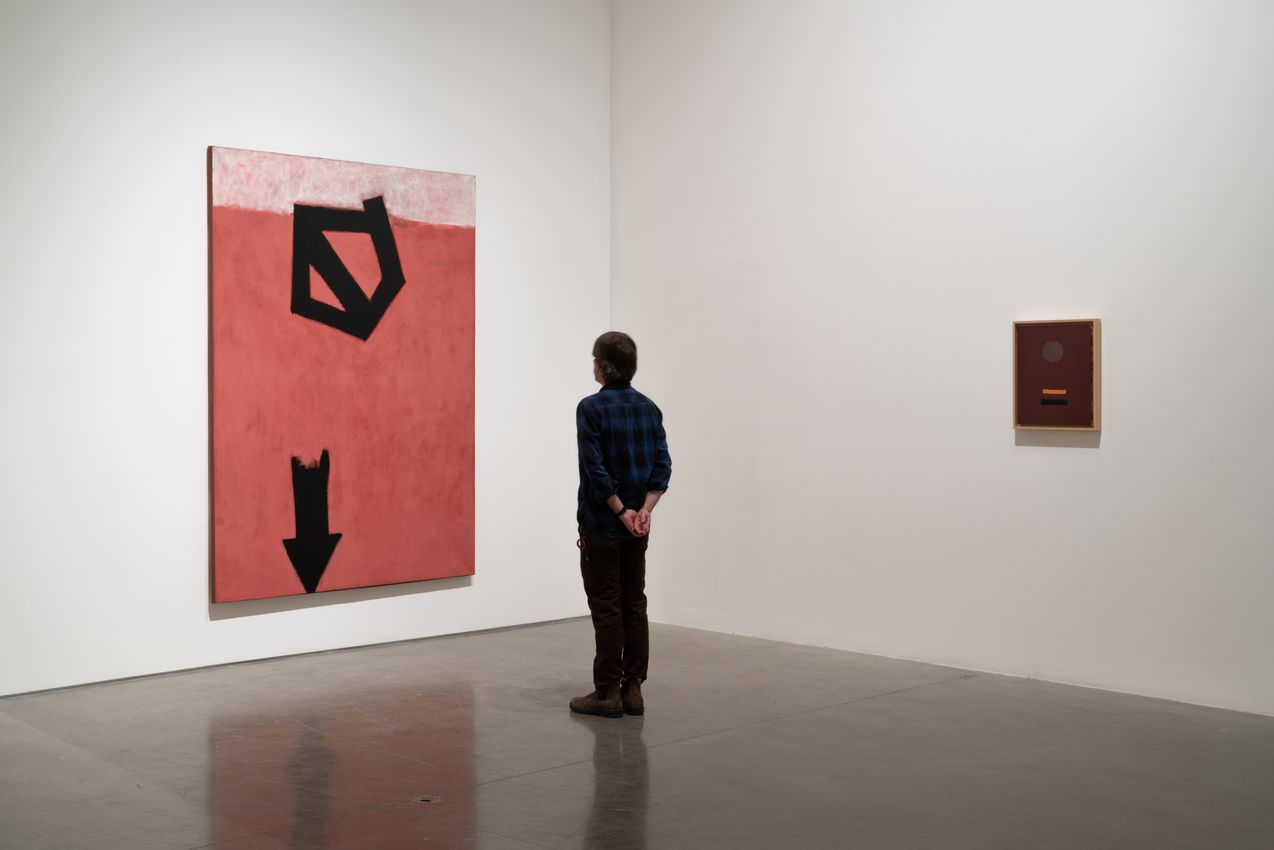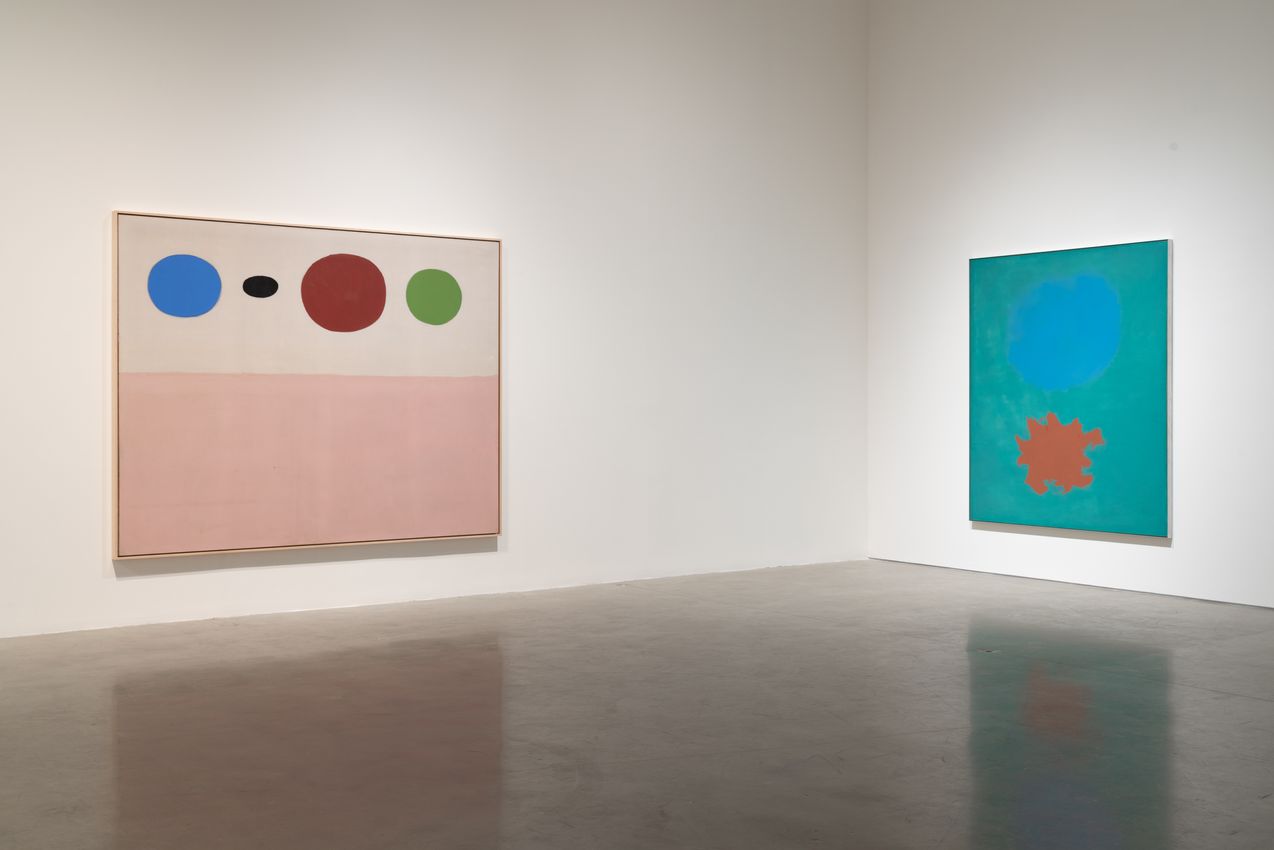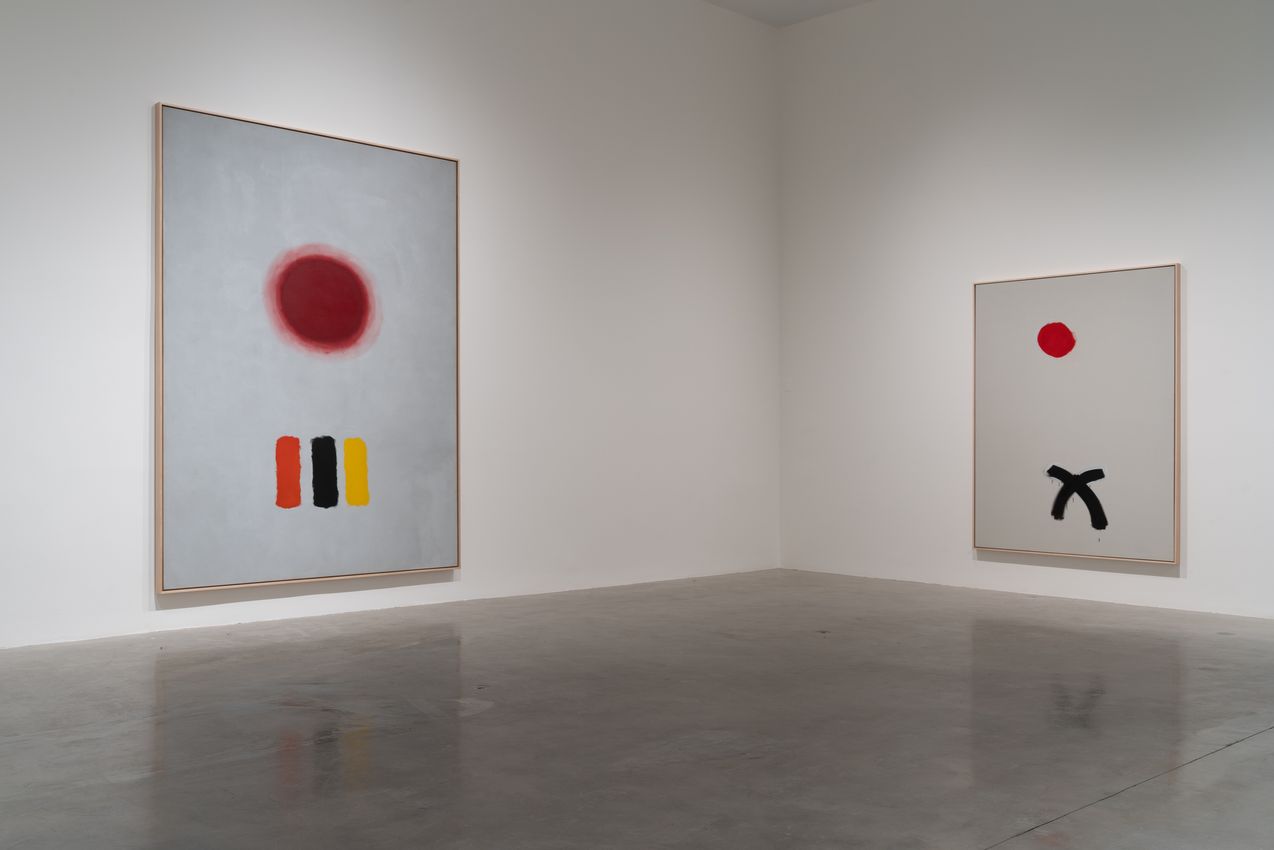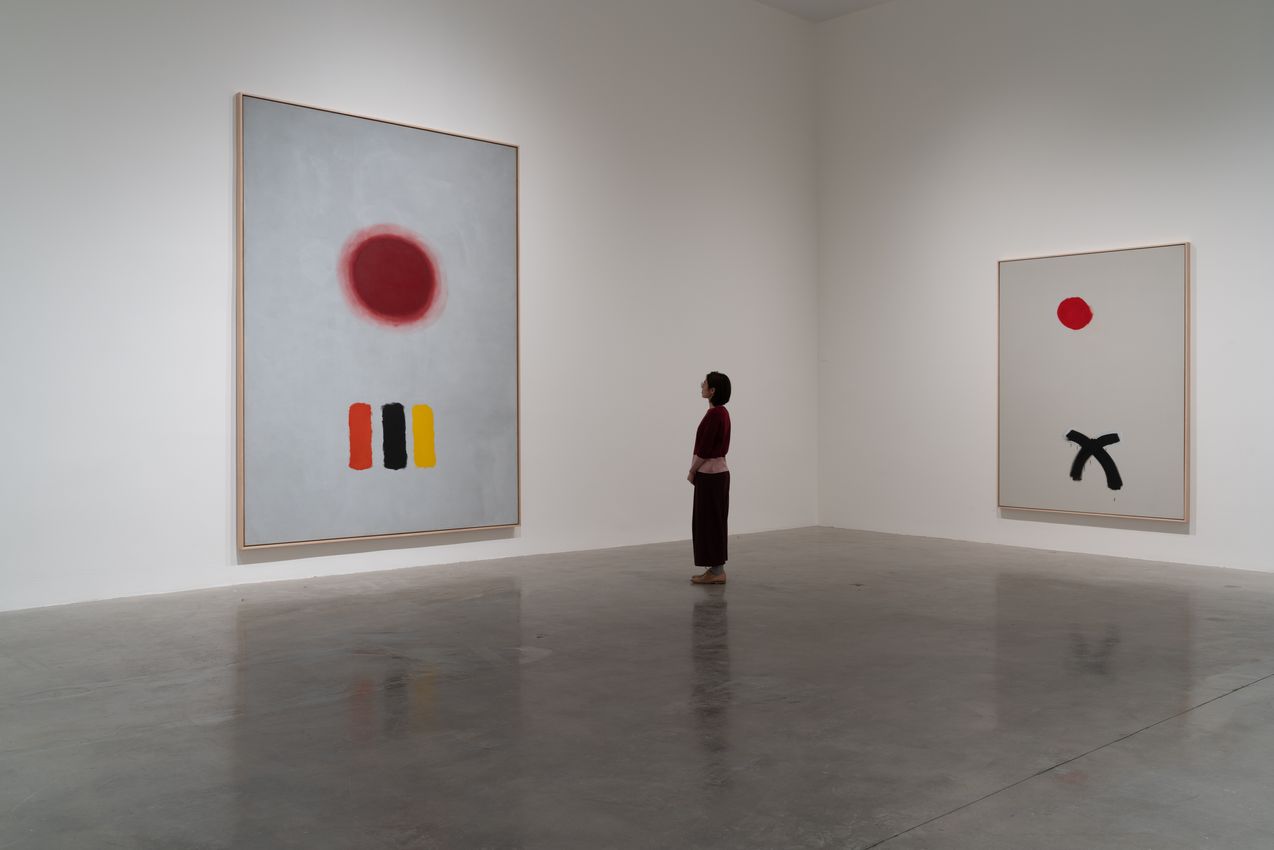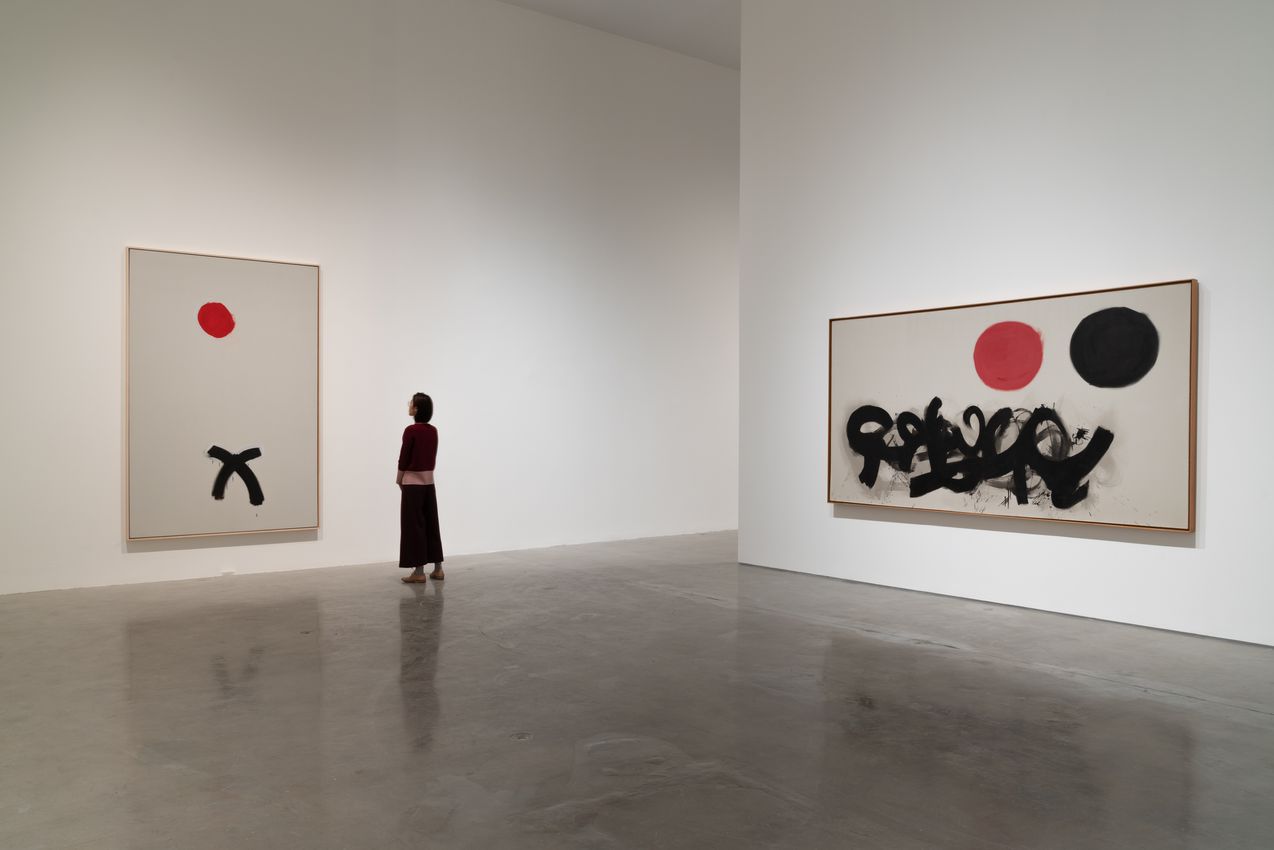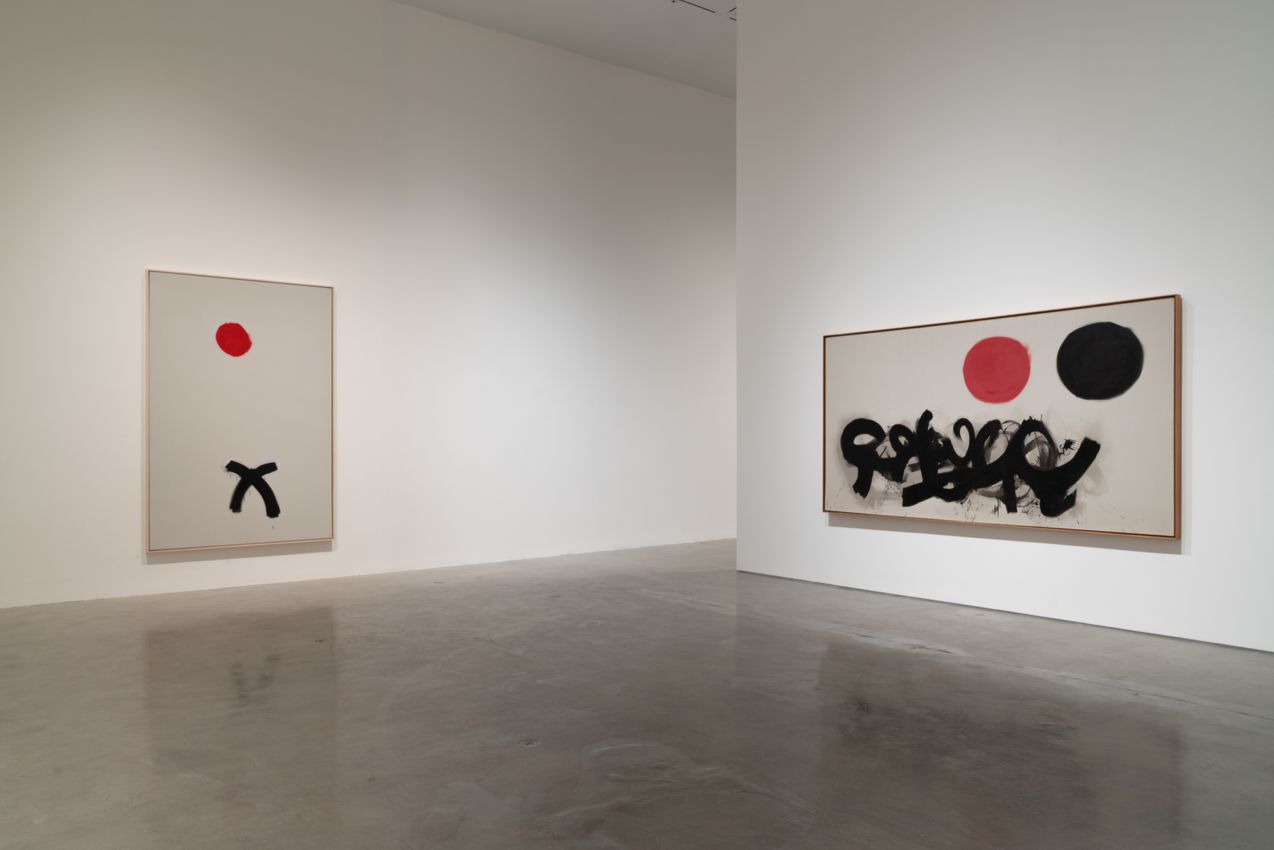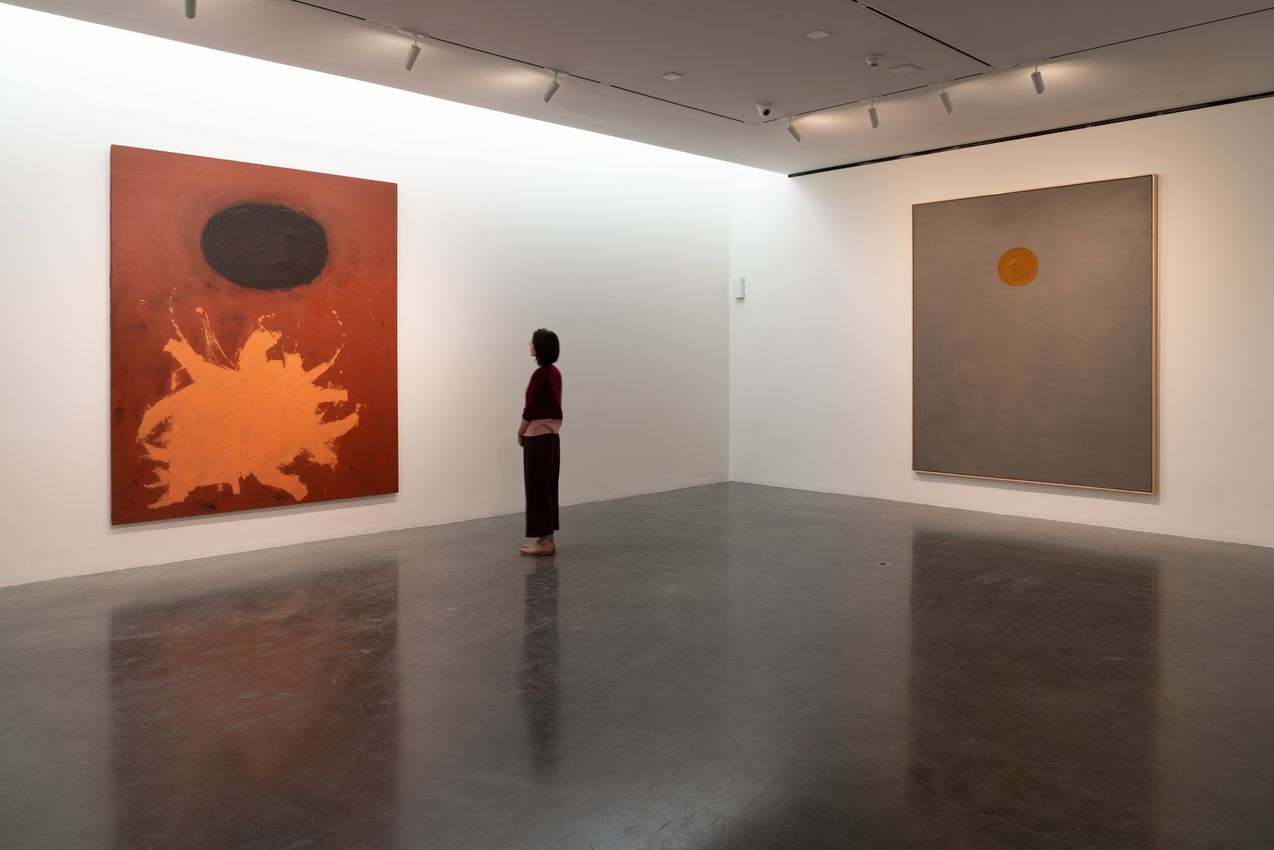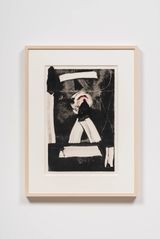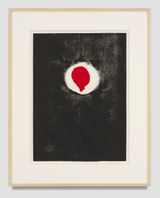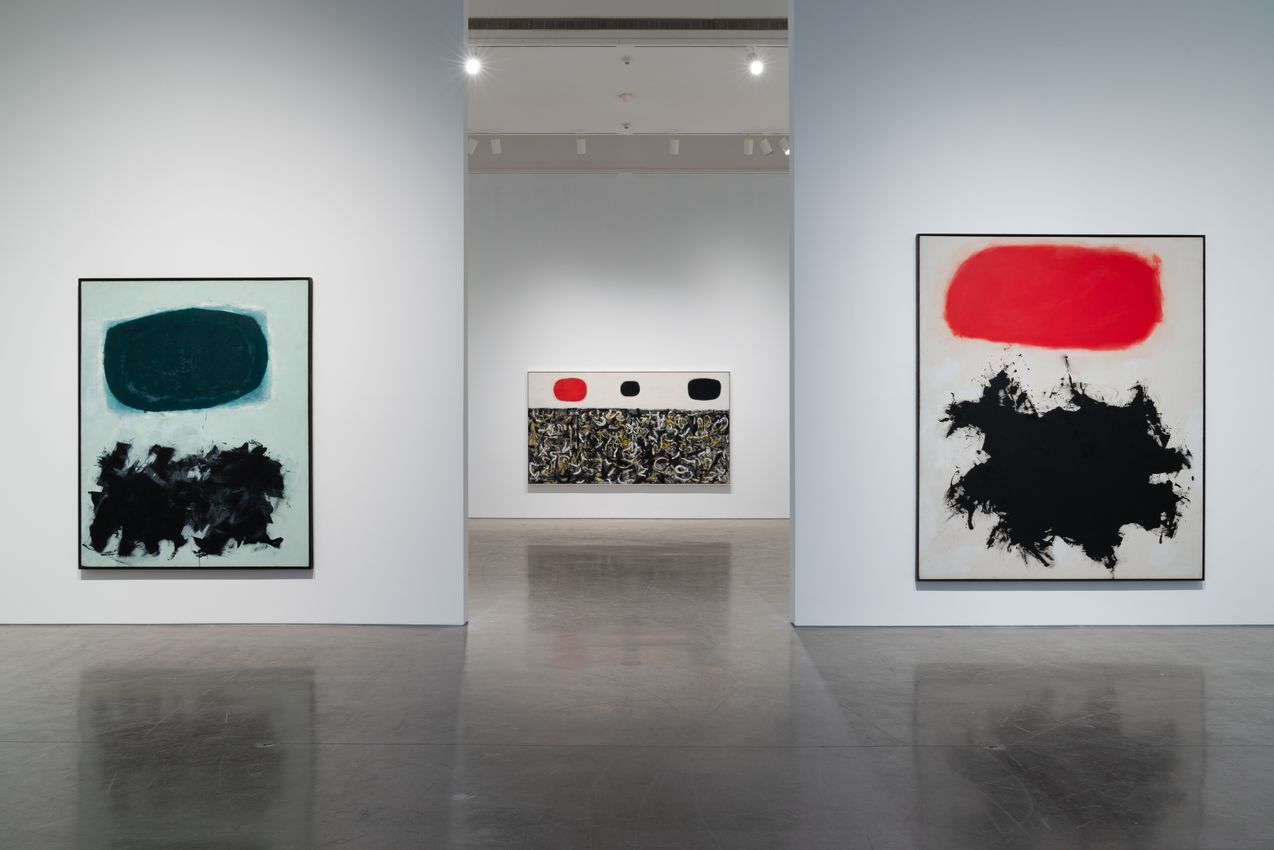
New York—Pace Gallery is honoured to present an exhibition of paintings by Adolph Gottlieb (1903–1974), a leader of the New York School and seminal force in abstraction. Drawing together works from the Adolph and Esther Gottlieb Foundation alongside a number of paintings on loan from major institutions–including The Museum of Modern Art, Whitney Museum of American Art, Jewish Museum, Albright-Knox Art Gallery, Walker Art Center, and Princeton University Art Museum, among others–Adolph Gottlieb Classic Paintings features over 20 large-scale paintings created by Gottlieb from the mid-1950s until his death in 1974. The exhibition will be on view at 510 West 25th Street from 1 March–13 April, 2019, with an opening reception on Thursday, 28 February from 6– 8 pm. A full-colour catalogue with a new essay by Dr. Kent Minturn accompanies the exhibition.
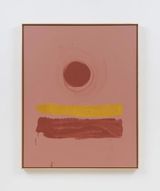
The exhibition focuses on two major images from Gottlieb’s later work: Bursts and Imaginary Landscapes. In the early 1950s, Gottlieb began to further pare down his compositions resulting in horizontally-oriented Imaginary Landscape paintings, such as the 7-by-12-foot work Groundscape (1956) included in this exhibition. Observing that the ‘all-over’ motif that he had begun to utilise in 1941 had become a common element of American abstract painting, Gottlieb radically compressed his image to the mutually-opposing dual registers of the Imaginary Landscape. In these paintings, the composition is divided into an upper and lower horizontal area, each one characterised by different painting techniques to yield seemingly opposing emotional material, while the paintings ultimately balance as a complex single image.
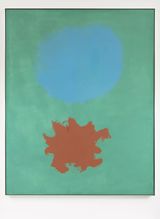
By 1956, Gottlieb began to evolve these landscapes from a horizontal to a vertical format, culminating in the creation of the image that has come to be known as the Burst. These atmospheric grounds of colour on which a contained, ovoid shape at the upper half hovers above an opposing, expansive shape painted in the lower half remained an active element of Gottlieb’s art until his death in 1974. In early Burst paintings, such as Exclamation (1958) and Cadmium Red Above Black (1959), Gottlieb began to move the painterly fields at the bottom of his Imaginary Landscapes away from the edges of the canvas–reducing their size but maintaining their dynamic, gestural treatment. Echoing one another, the two forms exist in a universe of colour, encompassing subtle variations in hue and density that engage the viewer.
While at first seemingly simple, the motifs served as vibrant territory for Gottlieb to experiment in colour theory, asymmetrical compositions, and innovative painting techniques, and to extend the emotional impact of abstraction that he and his friend Mark Rothko had claimed as a focus of their work in the early 1940s. Following their first exhibition in January 1957 at the Martha Jackson Gallery, the Bursts inspired a broad range of interpretations–from allusions to threats of the Cold War to the vastness and majesty of the universe. Never prescriptive and always dedicated to the individualised, experiential power of art, Gottlieb observed in 1962: ‘It’s really...an attempt to express abstractly almost all my experience which is emotional. And, at the same time, I attach a great deal of importance to the thought process and a kind of intellectual approach to painting; and I can’t separate them. I can’t compartmentalise and break down...because the whole effort of my work is to make a synthesis of all these things. In other words, to get a totality of my experience, which is emotional, irrational and also thoughtful.’
Adolph Gottlieb (b. 1903, New York; d. 1974, New York) worked his passage to Europe when he was seventeen, after studying briefly at The Art Students League. He spent six months in Paris visiting the Louvre every day and auditing classes at the Academie de la Grande Chaumiere. Gottlieb made his solo debut in 1930. In 1935, he became a founding member of ‘The Ten,’ group of artists devoted to expressionist and abstract painting. Eight years later, he would become a founding member of another group of abstract painters, ‘The New York Artist Painters,’ that included Mark Rothko, John Graham, and George L. K. Morris. In 1943, Gottlieb co-authored and published a letter with Rothko in The New York Times, expressing what is now considered to be the first formal statement of the concerns of the Abstract Expressionist artists. Pace Gallery has represented Gottlieb’s estate since 2001.


A respected voice in contemporary art discourse.
Focusing on ambitious storytelling and insightful art-world commentary. Ocula Magazine publishes in-depth interviews, critical essays and timely analysis on the artists, exhibitions and ideas driving the global art world.
Learn more about Ocula Magazine
Showcasing the best of the art world.
Ocula partners with galleries from around the world to highlight their artists, artworks and exhibitions. Gallery membership is by application and invitation, with each member vetted by an independent panel.
Learn more about Ocula Membership

Specialises in the sale of major artworks.
Led by a team with deep ties to the world’s leading auction houses, galleries and collectors. Ocula’s advisory team offers bespoke services to high-net-worth clients from around the world who are looking to acquire the best of contemporary and modern art.
Learn more about our team and services