Gomide&Co is pleased to present the first exhibition in Brazil dedicated to the work of Alfredo Spampinato (Italy, 1925–Argentina, 2012). The exhibition brings together exclusively paintings from the 1950s and 1960s, the period in which the artist consolidated both his visual language and his presence within the Buenos Aires art scene. The show continues Gomide&Co’s ongoing research into artists and trajectories that remain underrepresented within established narratives of Latin American art. Featuring a critical essay by Fernanda Pitta, the exhibition runs from October 29 to December 19, 2026.
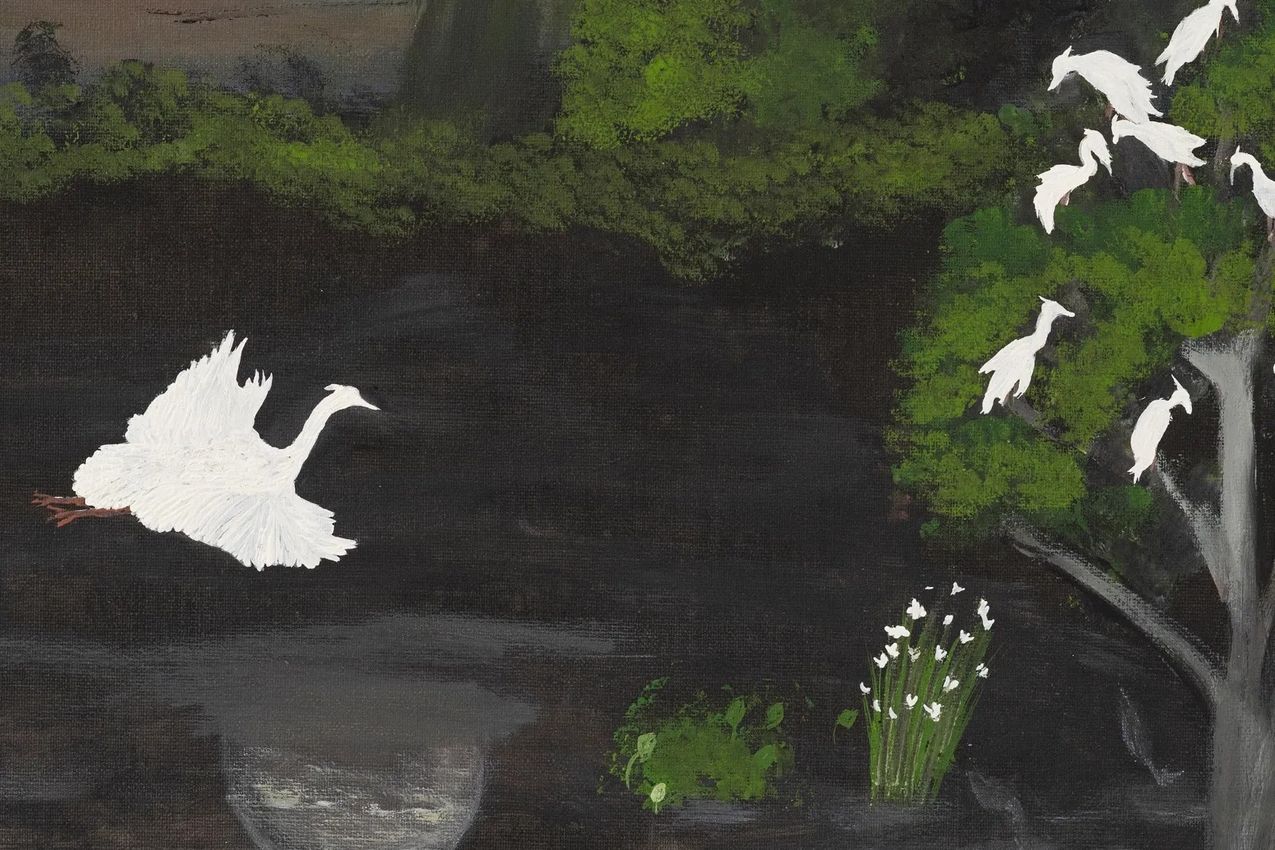
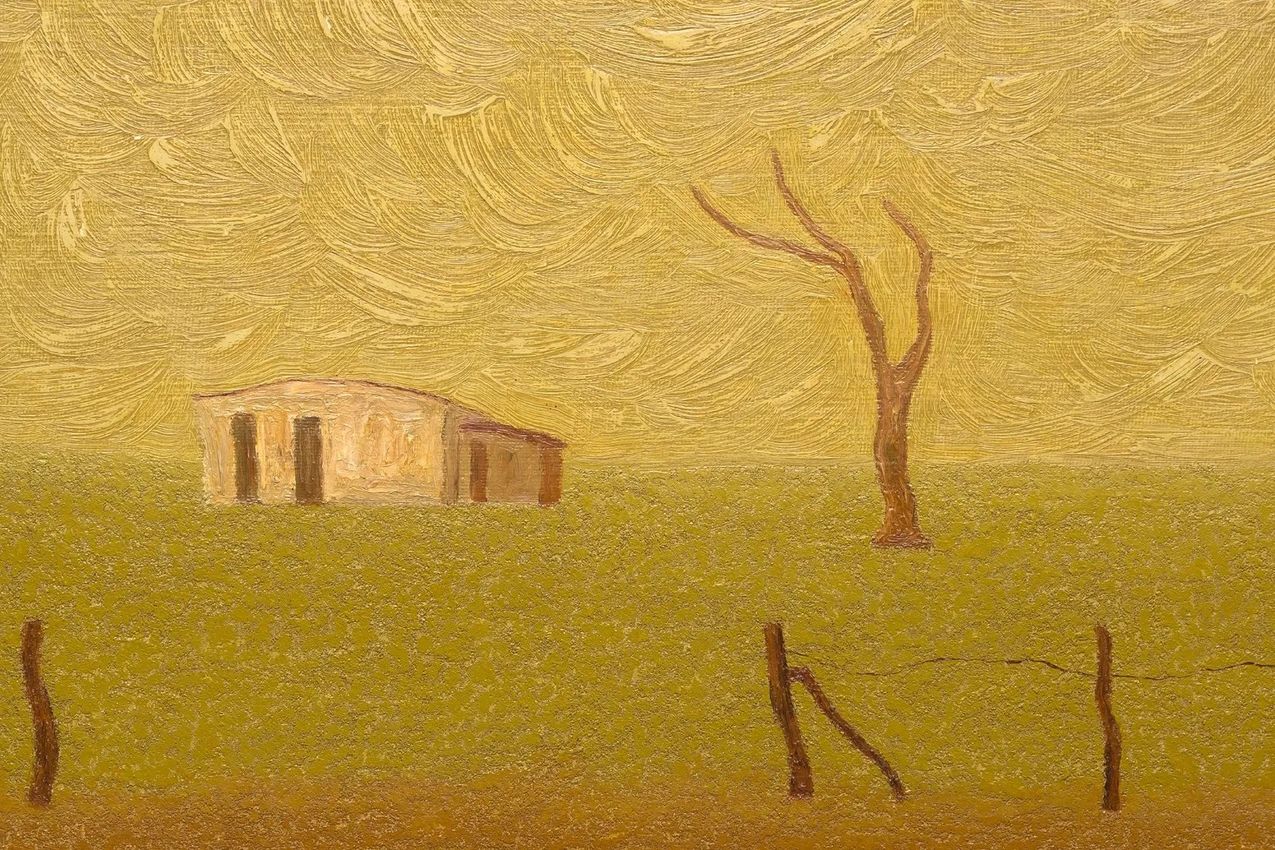
The observation of natural phenomena lies at the heart of Spampinato’s painting. Heavy skies, winds, rain, storms, lagoons, and expansive horizons are built through brushstrokes that animate the surface and register the shifting conditions of the landscape. His paintings possess a distinctive texture, formed through successive layers of paint and, at times, the addition of clay. Many were executed on hardboard panels that the artist himself purchased, cut, sanded, and prepared. The resulting surfaces are dense and almost topographical, with matter, light, and gesture participating directly in the construction of the image. Ranch houses, trees, horses, and other elements are reduced to essential forms.
Born in Gravina, Italy, Spampinato moved to Argentina as a child and studied with Pedro Domínguez Neira and Enrique Policastro. In the mid-1950s, he settled in José C. Paz, where he would live for the rest of his life, and became associated with Grupo Mayo, a collective of postwar figurative artists. Although frequently linked to Argentine naïve painting, Spampinato preferred to describe his work as a form of “poetic realism.” Throughout the 1960s and 1970s, he participated in exhibitions and salons in Argentina and abroad, including Primitivos actuales de América (Madrid, 1967) and Arte Naif (Museo Emilio Caraffa, Córdoba, 1968), as well as solo exhibitions at the Museo Rosa Galisteo Rodríguez, Galería Witcomb, Galería Rubbers, and Galería Casa de Catalunya.
In the decades that followed, José C. Paz, where Spampinato lived and worked, underwent an intense process of urban expansion. His paintings do not document that transformation directly, but they preserve images of a landscape that no longer exists in the same form. In this sense, they act as vessels for an experience of place that remains accessible in the present, preserving the memory of a landscape profoundly transformed over time.
By presenting Spampinato’s work in Brazil for the first time, Gomide&Co expands its research into 20th-century Argentine painting and brings renewed attention to a trajectory shaped, over more than five decades, by a sustained observation of the Pampas landscape.


A respected voice in contemporary art discourse.
Focusing on ambitious storytelling and insightful art-world commentary. Ocula Magazine publishes in-depth interviews, critical essays and timely analysis on the artists, exhibitions and ideas driving the global art world.
Learn more about Ocula Magazine
Showcasing the best of the art world.
Ocula partners with galleries from around the world to highlight their artists, artworks and exhibitions. Gallery membership is by application and invitation, with each member vetted by an independent panel.
Learn more about Ocula Membership

Specialises in the sale of major artworks.
Led by a team with deep ties to the world’s leading auction houses, galleries and collectors. Ocula’s advisory team offers bespoke services to high-net-worth clients from around the world who are looking to acquire the best of contemporary and modern art.
Learn more about our team and services