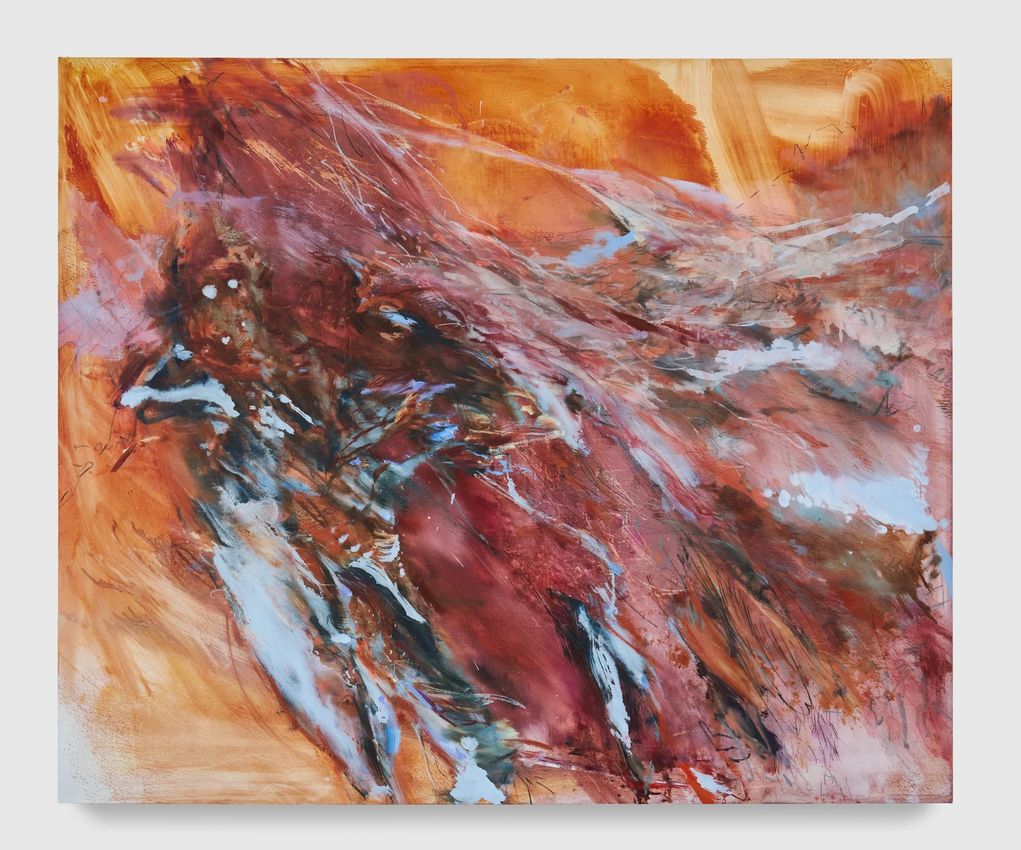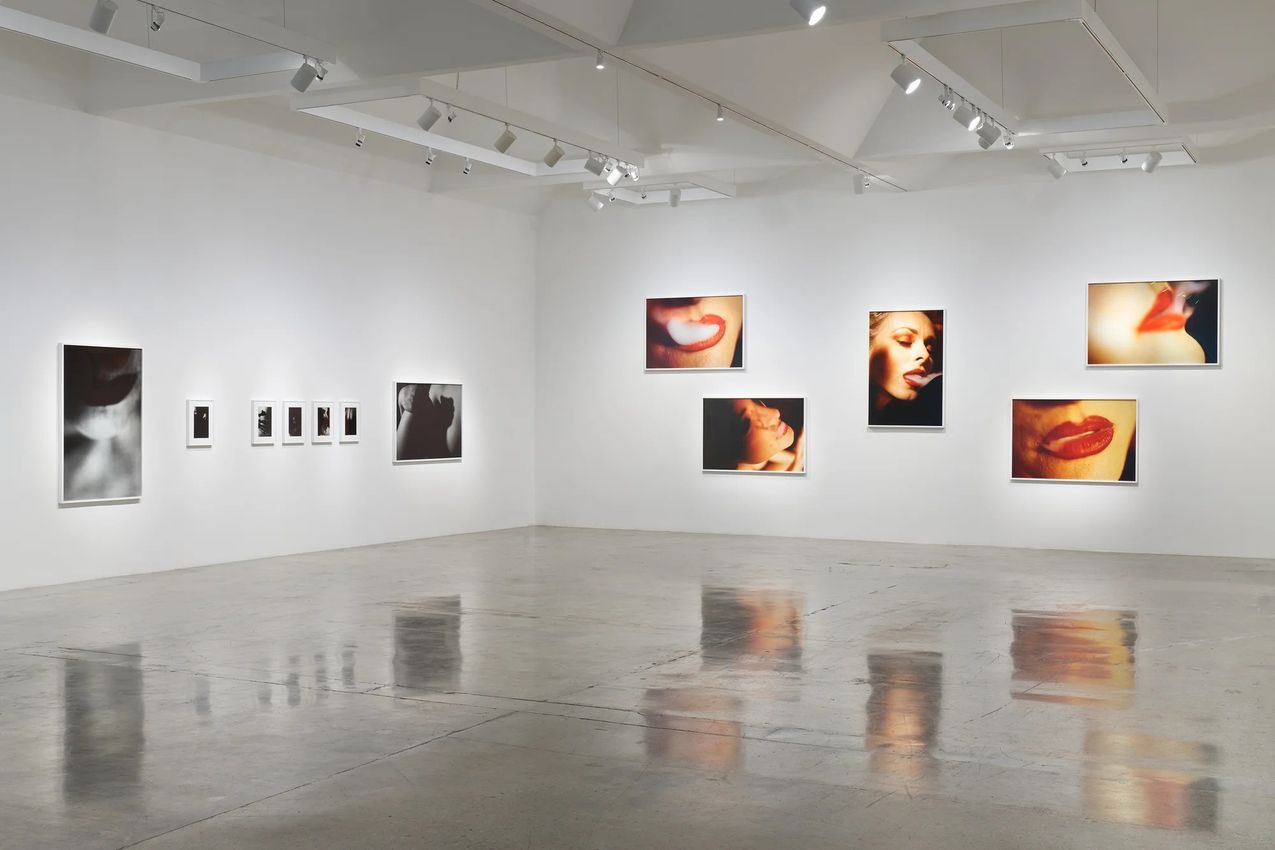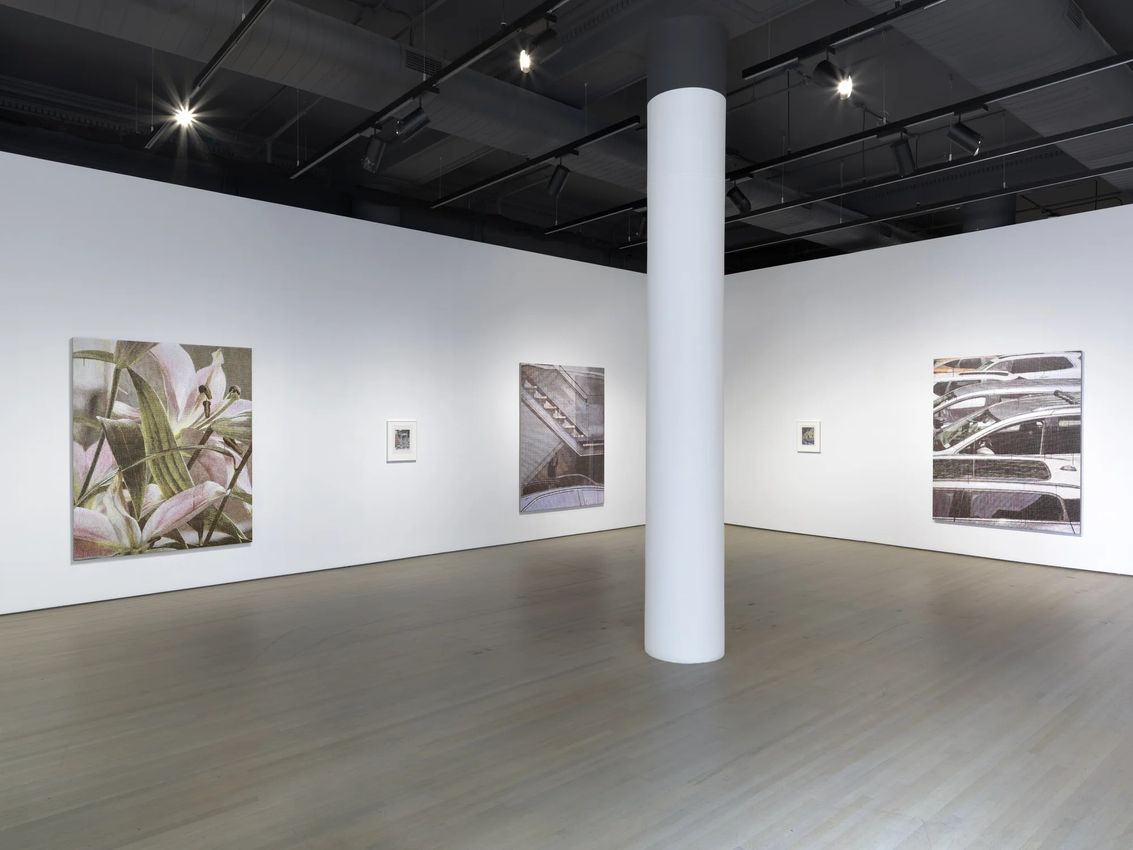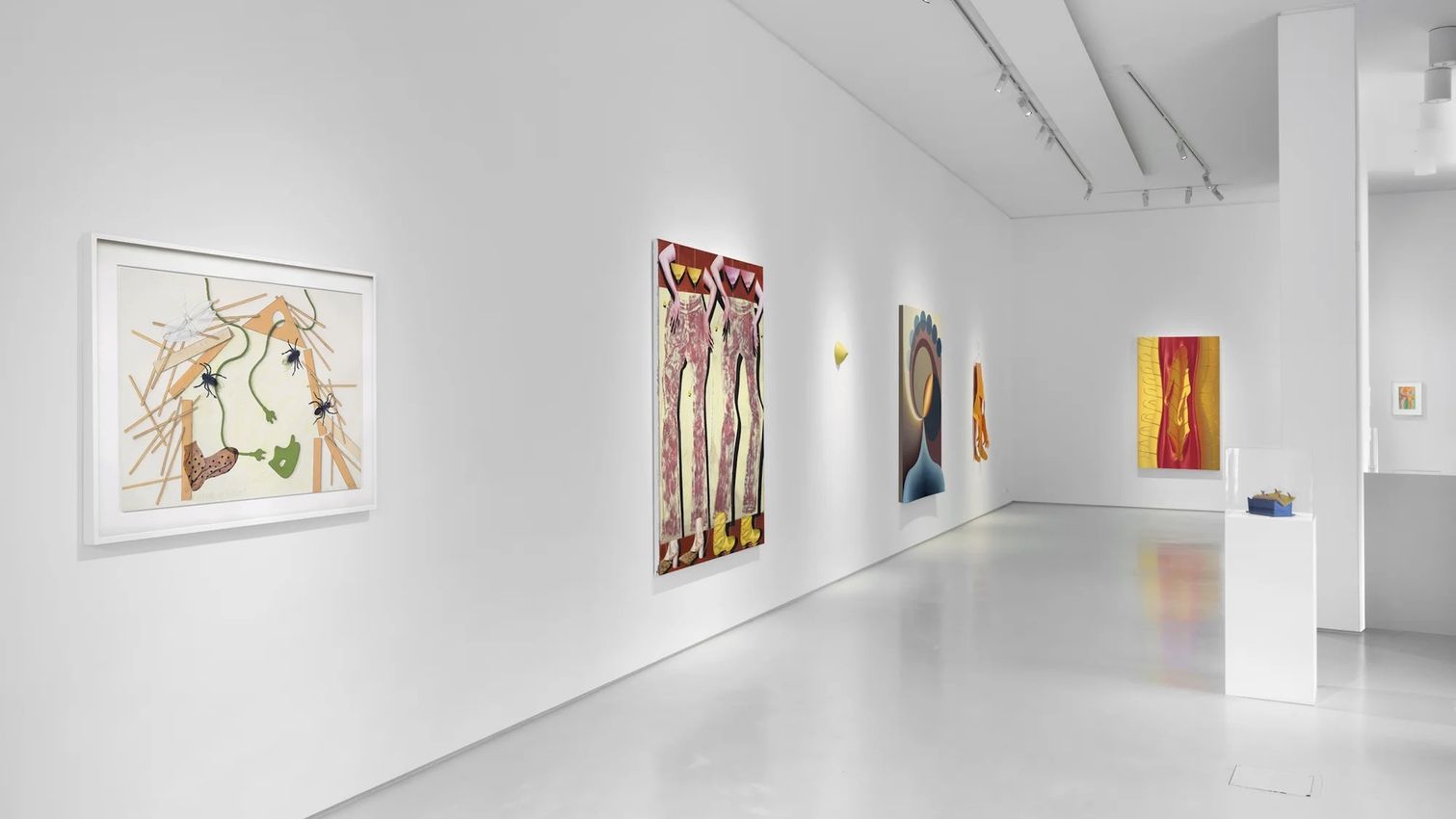
Pace will present an exhibition of new paintings by Kraków-based artist Krzysztof Grzybacz at its London gallery from September 4 through October 3, 2026. Marking the artist’s first solo presentation in the UK, Haruspex will bring together eight new paintings, including his largest work on a single surface to date. Across the exhibition, Grzybacz considers the body as a layered structure that retains traces of earlier selves, asking how memory and lived experience remain present as it changes and ages.
Developed intuitively from studio sketches, fragments of thought, and subconscious associations, the paintings operate as self-contained worlds while all tying into a new conceptual direction for the artist.
Throughout his practice, Grzybacz has examined the shifting relationships between the human body, everyday objects, and the natural world. Working primarily in oil on canvas, he renders bodily forms and nuanced states of color with an intuitive painterly precision. His early works focused on everyday objects—including nail clippers, lighters, and makeup palettes—alongside fantastical figures composed of multiplying clusters of eyes, mouths, and noses, revealing an enduring interest in bodily transformation. Beginning in 2022, he turned increasingly to botanical motifs, developing unsaturated, polychromatic compositions drawn from both nature and memory. In Haruspex, traces of earlier series remain embedded within new investigations of the body, textile, and landscape.
The exhibition takes its title from the haruspex, an ancient Etruscan religious official who practiced a form of divination based primarily on the examination of the entrails of sacrificed animals. By interpreting internal organs, particularly the liver and gallbladder, the haruspex sought to read signs of divine will; unusual natural events and anomalous births could likewise be understood as omens requiring interpretation or ritual response. Grzybacz encountered the term only recently, but its associations with looking beneath surfaces and searching within layered structures resonated immediately with his own working process. Here, haruspicy becomes less a literal subject than a metaphor for painting itself: an attempt to peel back, inspect, and interpret what lies inside.
The paintings in the exhibition are emphatically physical as surfaces appear to peel away, while zips, folds, and openings are worked into expanses of skin rendered in raw beiges and earthen browns. Haruspicy (2026), the artist’s largest single-surface painting at over four meters wide, shares its central motif with Torso (2026). In both works, layers of textile merge with bodily forms, creating a tension between passages that read as highly abstract and others that feel materially immediate. These textiles are not copied from existing fabrics or objects; as in Grzybacz’s earlier flower paintings, they are intuitive inventions, developed through memory and the act of painting itself. Their folds, fibers, and patterned surfaces suggest something recognizable without ever becoming fully indexical.
Grzybacz’s instinctive use of color is informed in part by his interest in the scientific proposition that the evolution of color in plants has shaped the development of color perception in animals and humans. Color therefore operates within his paintings as both a biological and cultural force. The exhibition’s restrained palette also emerges from the physical process of painting. Grzybacz applies paint in thin layers before scraping, washing, and removing it to expose the white canvas beneath. “Rather than adding more paint, I just remove it,” he explains. “Of course, I add various elements later, but the main movement is removing and washing.” Through this subtractive technique, color appears less as a covering than as a residue, embedded within surfaces that retain the evidence of their making.
Elsewhere in the exhibition, the enclosed spaces of the body give way to sparse, purple-hued landscapes. Grzybacz’s earlier flower paintings already contained a latent sense of landscape, but these new works allow him to approach the genre more directly, opening the composition onto spaces that feel exposed and psychologically expansive. The fragments that hang from flag poles stretched across these landscapes appear damaged, pale, and ghostlike. For Grzybacz, their form evokes flags, reflecting his interest in them as both textile object and surface charged with symbolic meaning. Yet instead of giving them fixed identities, the flags remain subtle and partially abstract.


A respected voice in contemporary art discourse.
Focusing on ambitious storytelling and insightful art-world commentary. Ocula Magazine publishes in-depth interviews, critical essays and timely analysis on the artists, exhibitions and ideas driving the global art world.
Learn more about Ocula Magazine
Showcasing the best of the art world.
Ocula partners with galleries from around the world to highlight their artists, artworks and exhibitions. Gallery membership is by application and invitation, with each member vetted by an independent panel.
Learn more about Ocula Membership

Specialises in the sale of major artworks.
Led by a team with deep ties to the world’s leading auction houses, galleries and collectors. Ocula’s advisory team offers bespoke services to high-net-worth clients from around the world who are looking to acquire the best of contemporary and modern art.
Learn more about our team and services