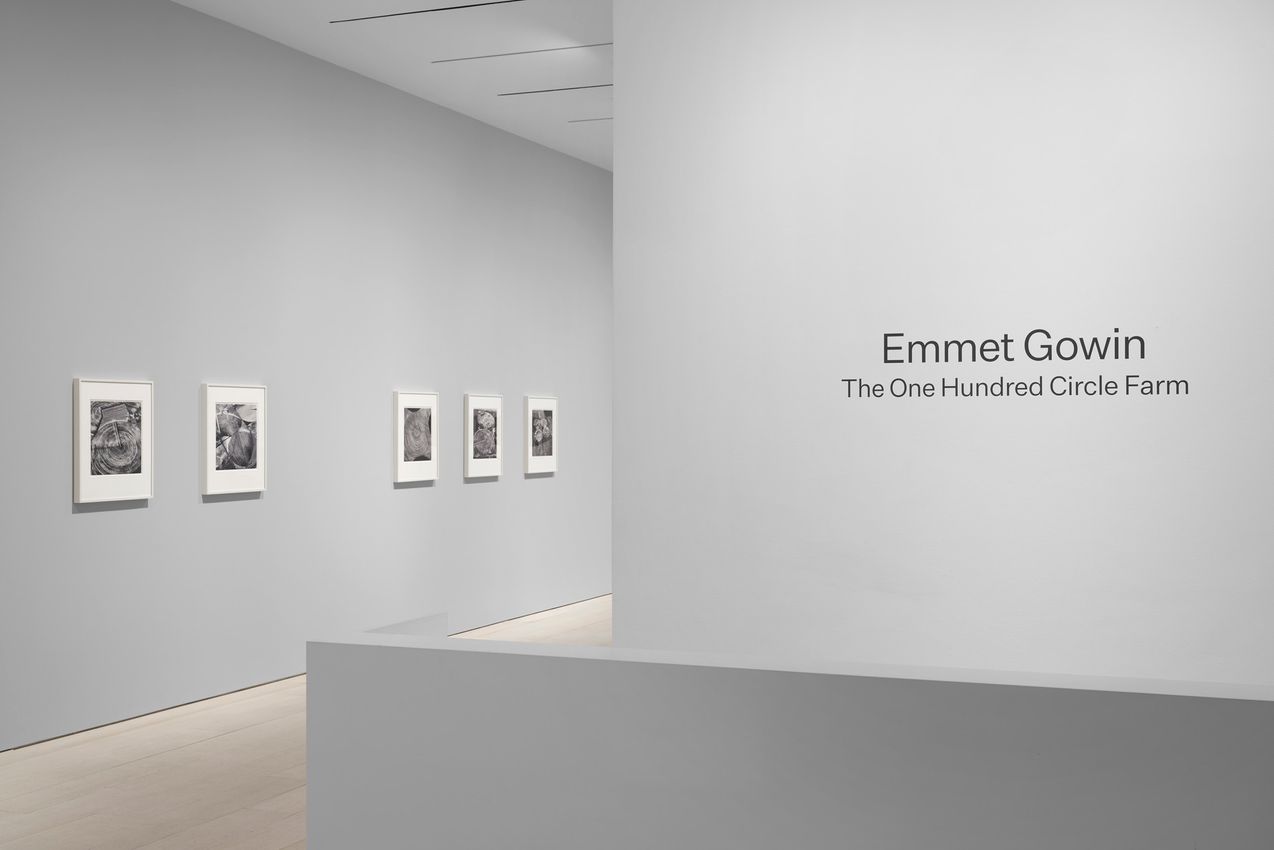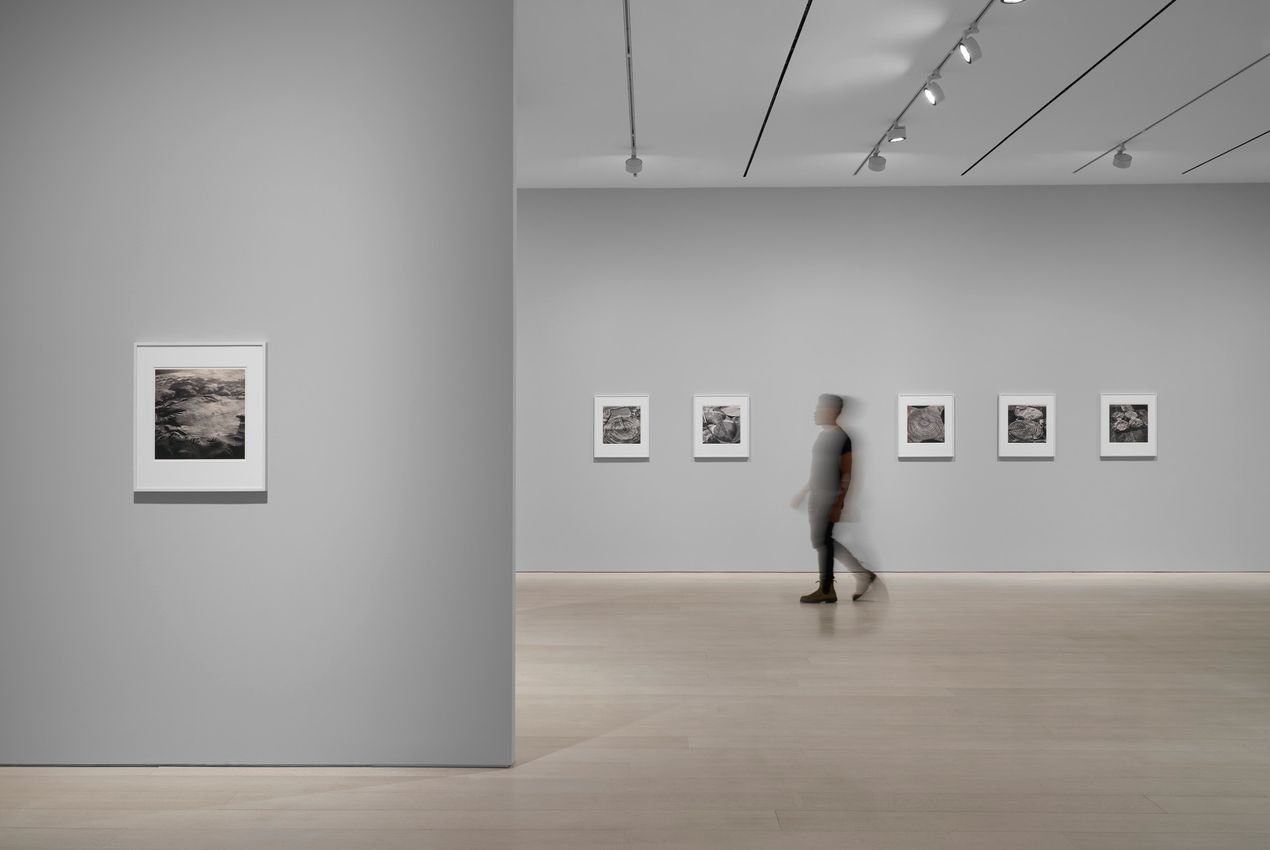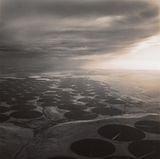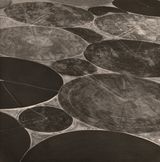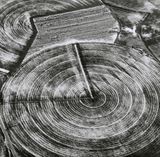
Pace Gallery is pleased to present an exhibition of photographs by Emmet Gowin, a key figure in the history of photography who has explored humanity’s relationship to the natural world for six decades.
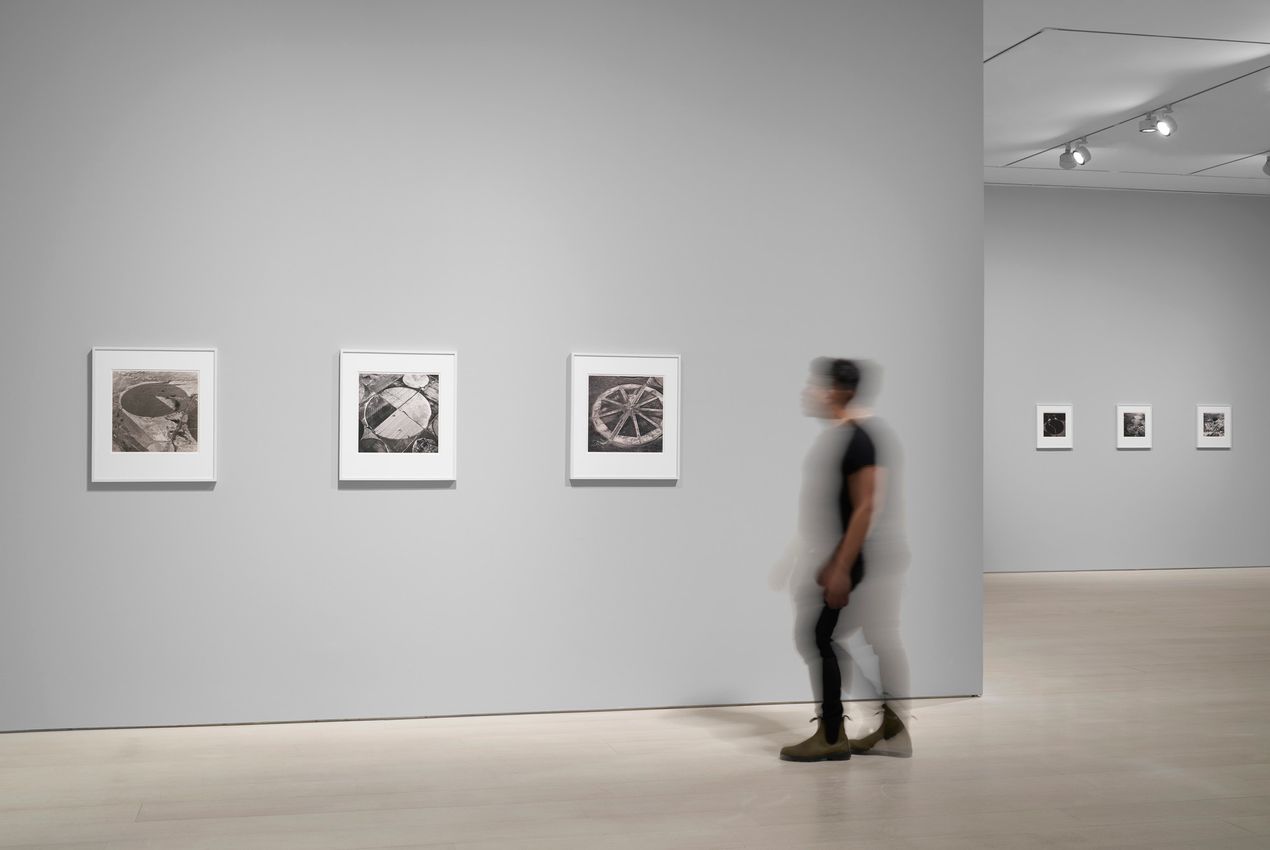
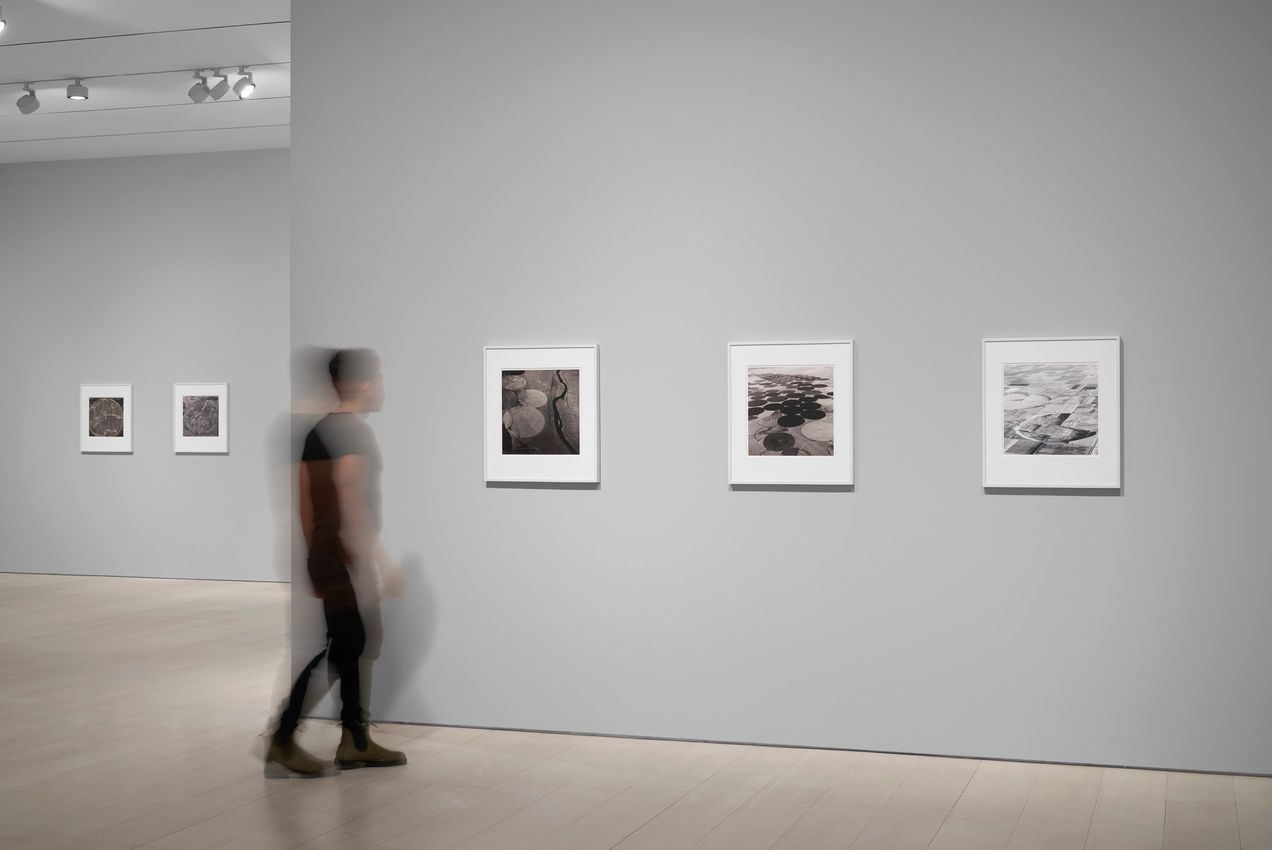
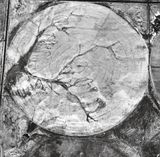
The presentation spotlights aerial images of centre-pivot irrigation circles on farms in the American West and Midwest. Made over the course of a decade beginning in 1987, these photographs are the subject of the forthcoming monograph The One Hundred Circle Farm, published by Princeton University Press and set to be released in the US on April 19. Pace’s exhibition, which takes its title from Gowin’s upcoming book, represents the artist’s first major presentation with the gallery.
Throughout his career, Gowin has captured images of landscapes around the world as well as intimate portraits of family members. His powerful and contemplative photographs offer meditations on the complexities of personhood and family, on humanity’s relationship to the natural world, and on industry’s toll on the Earth. Having studied under the famed photographer Harry Callahan at the Rhode Island School of Design during the 1960s, the artist served as a professor of photography at Princeton University from 1973 until his retirement in 2009.
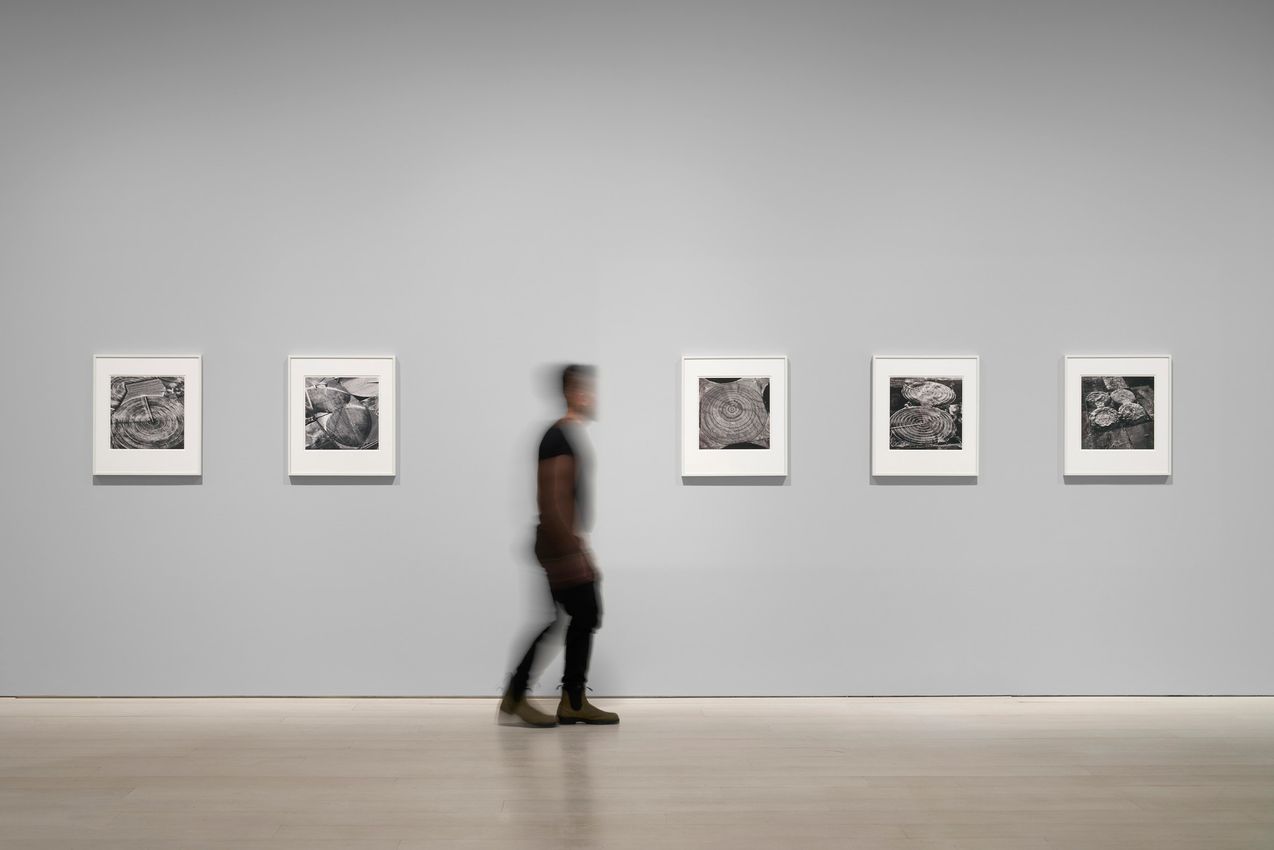
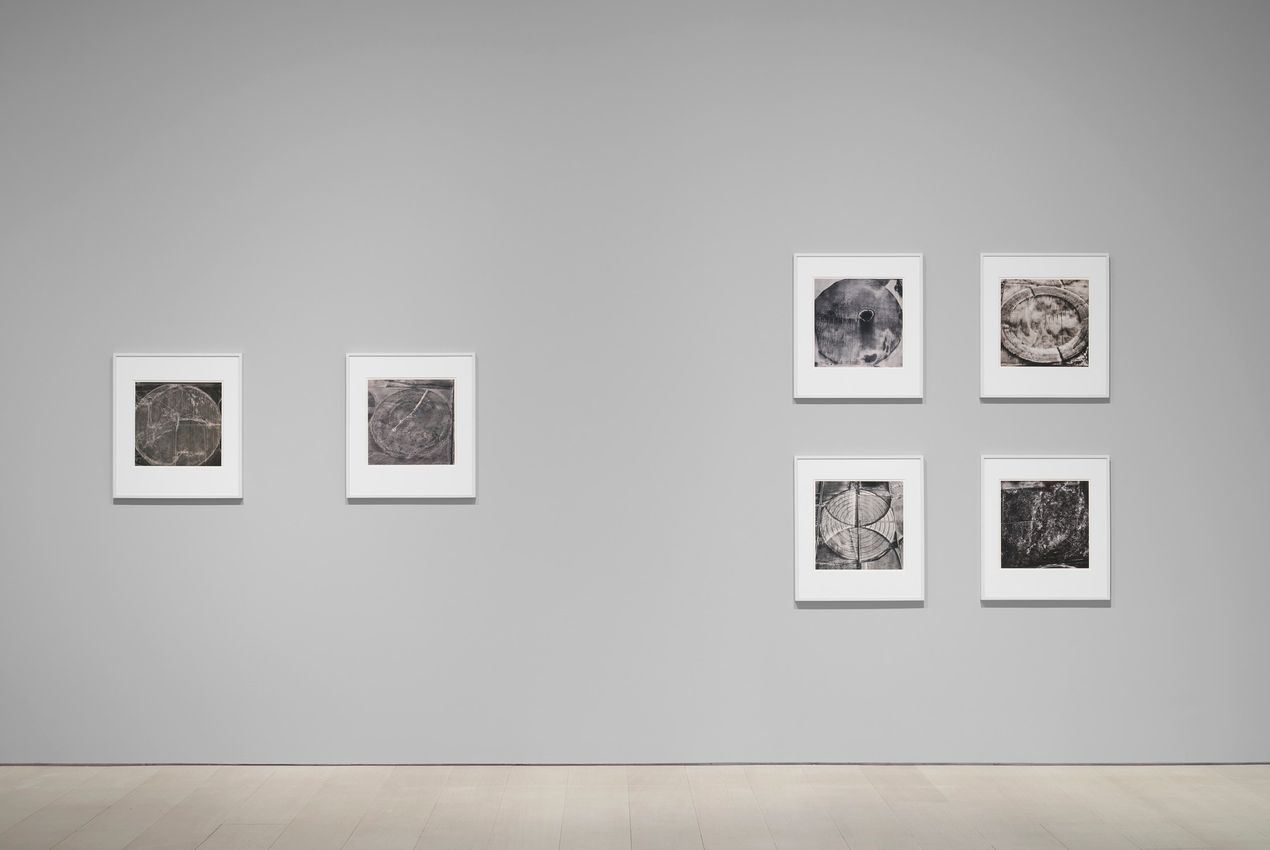
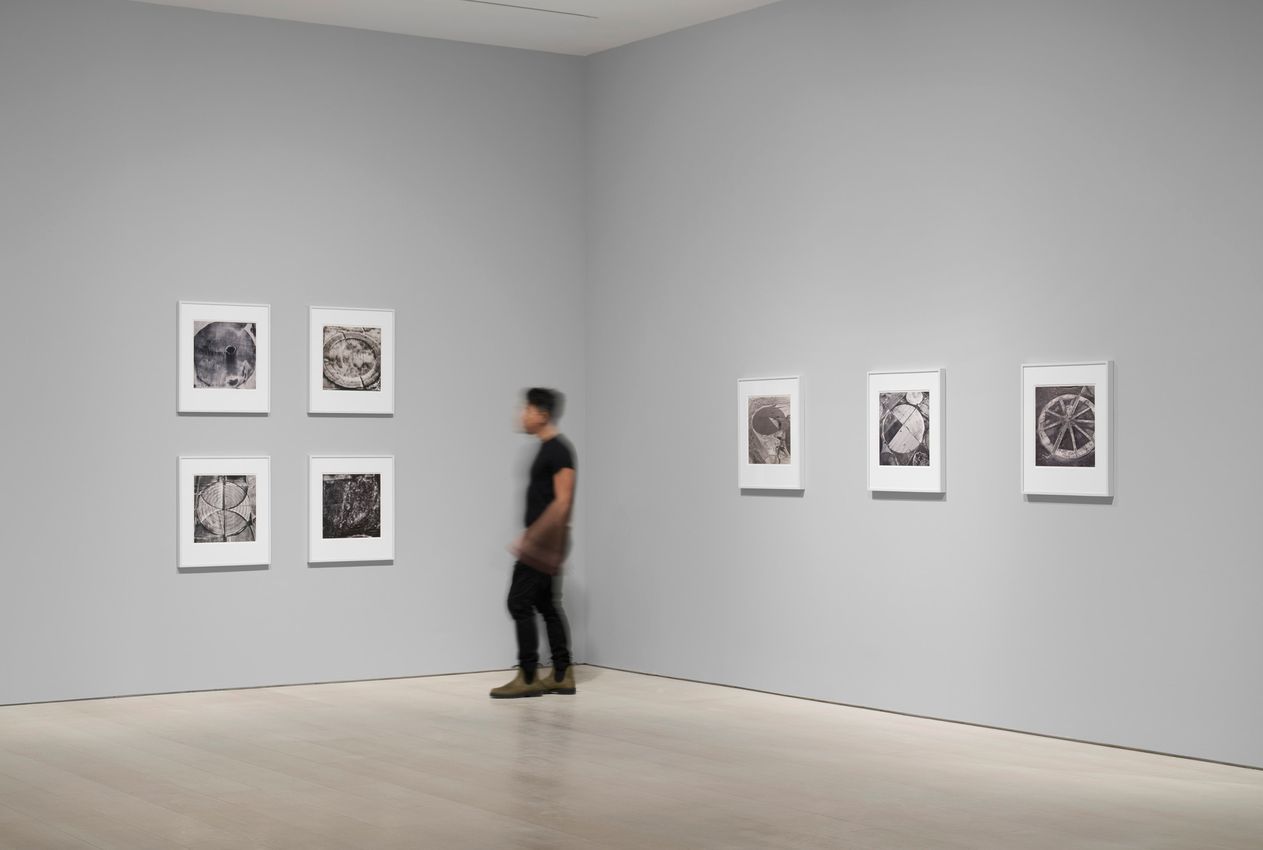
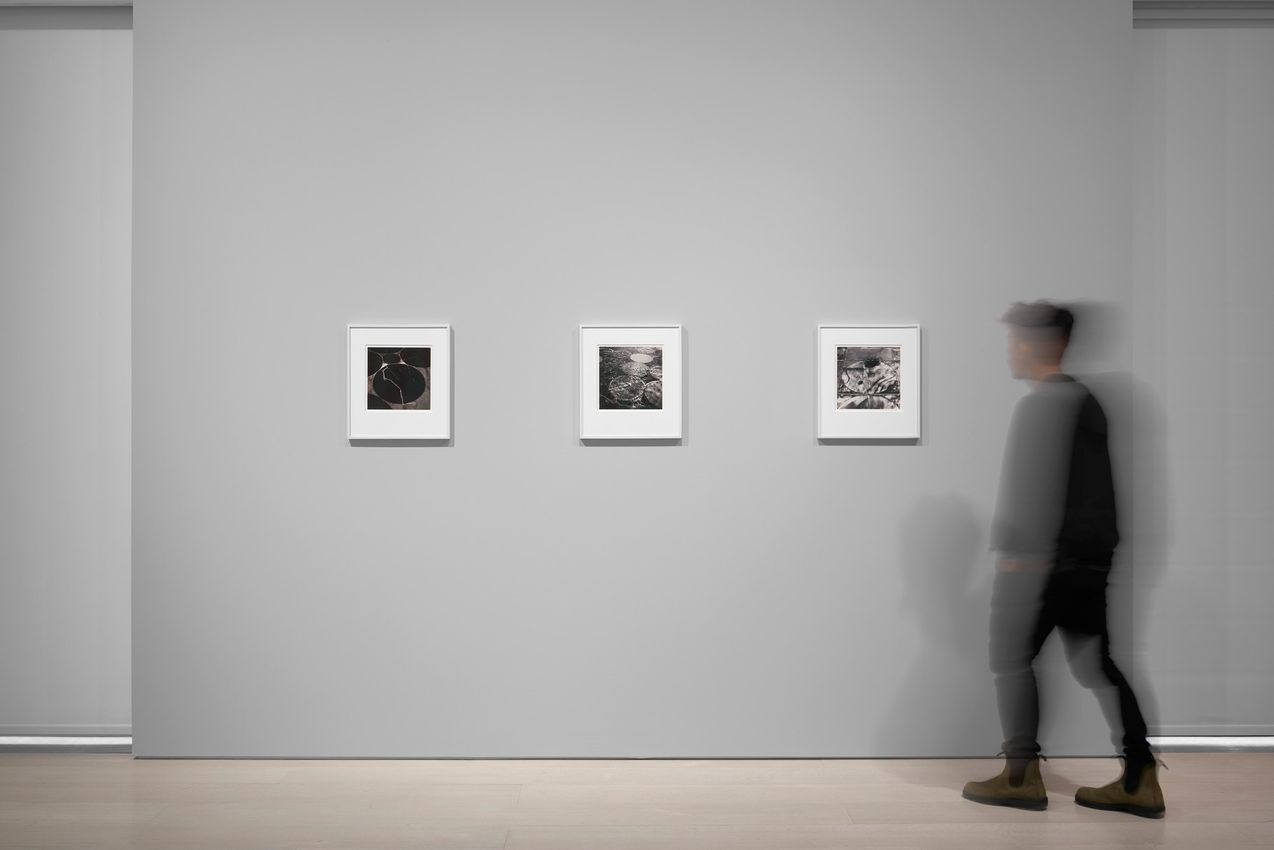
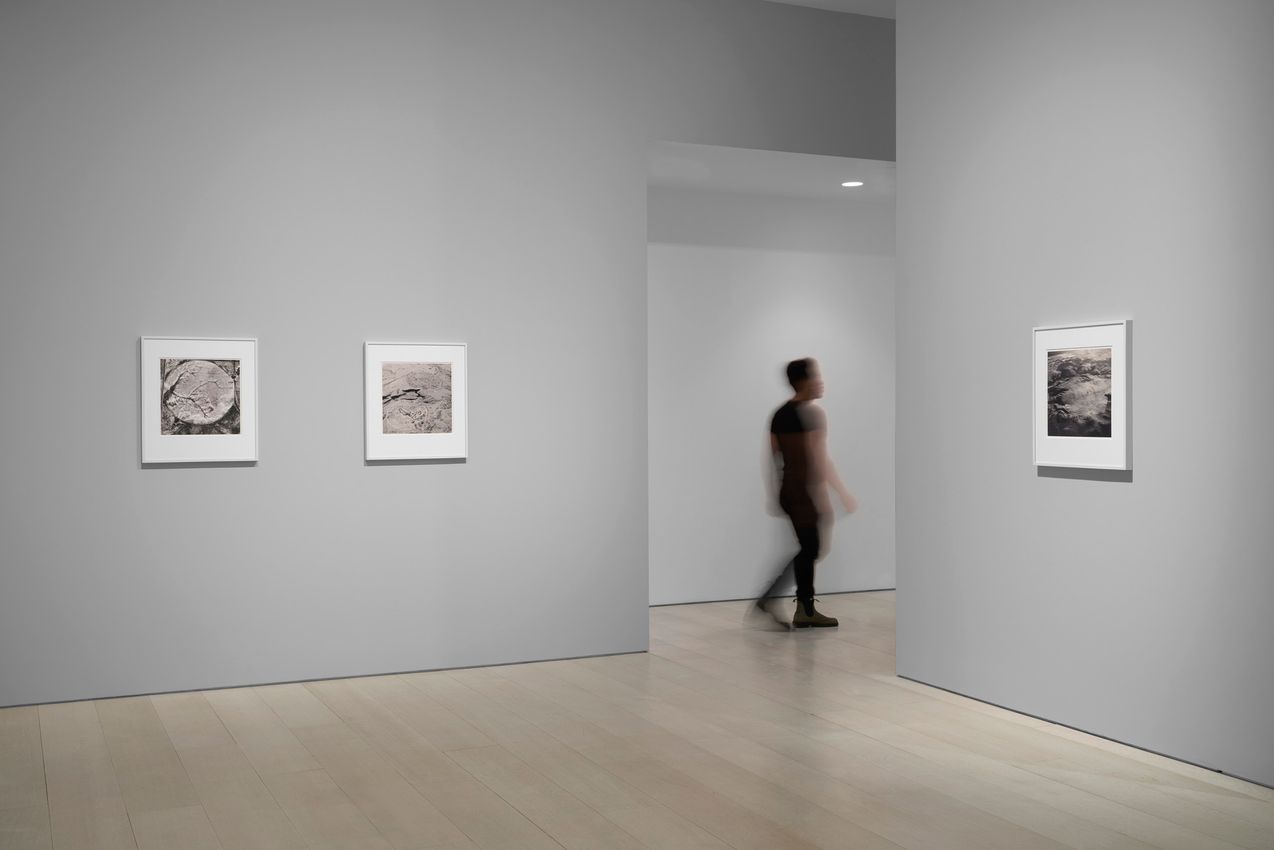
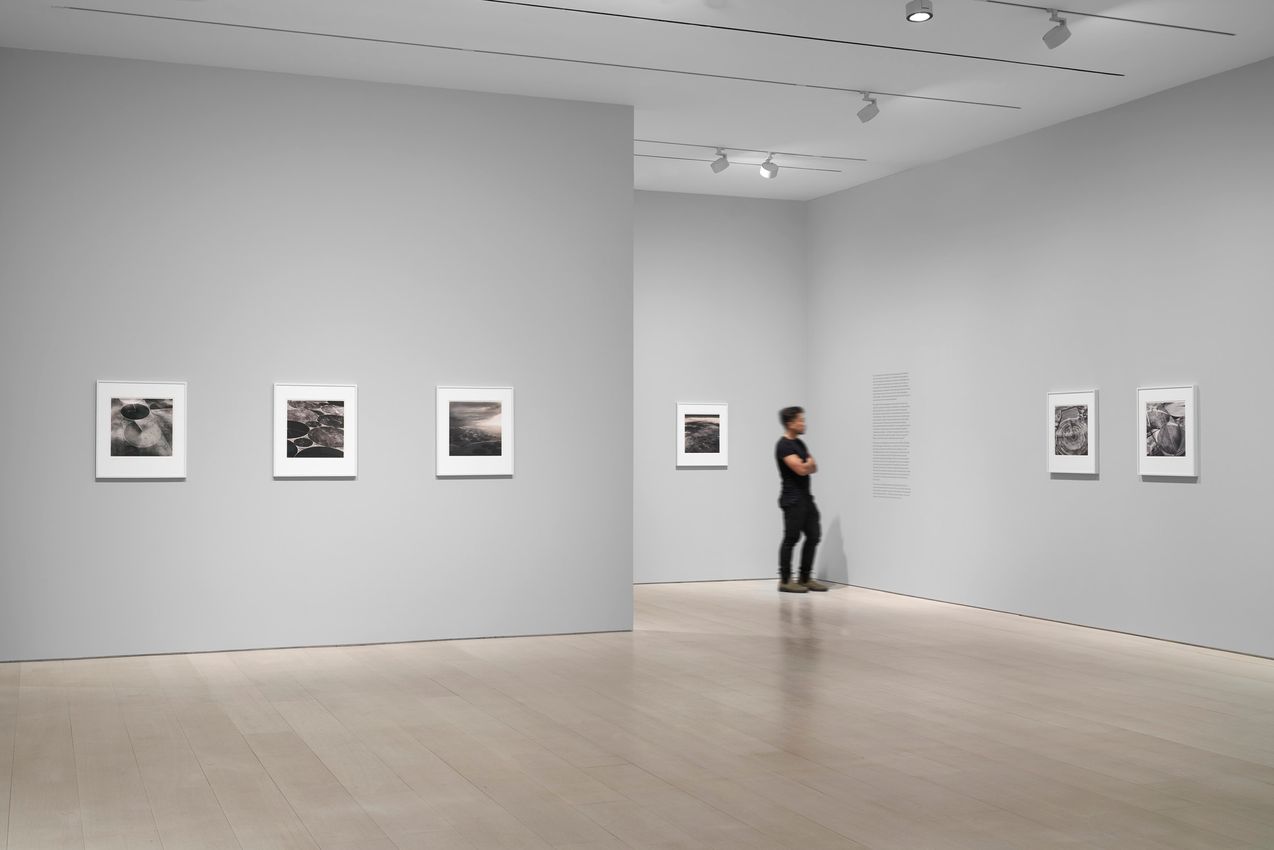
Pace’s show includes some 30 pigment prints from Gowin’s series of circular farms, many of which have been printed for the first time. Most of the works in the exhibition also figure in Gowin’s upcoming publication. Each of these varied images depicts otherworldly formations of land and natural phenomena as seen by the artist from a bird’s eye view of a small aircraft. Depicting scars left by industry as well as traces of geological and climatic processes, the works in this series can be understood as studies of mark-making on the Earth. These images invite reflection on timely questions of sustainability, agricultural practices, and water use through a visual language that often borders on abstraction.
In contrast to their visual dynamism and beauty, the images in this body of work are indices of urgent environmental issues, pointing to the ties between land destruction, water scarcity, and ceneer-pivot agriculture. Ostensibly investigations of form and light, Gowin’s images remain inextricable from contemporary anxieties surrounding climate change, offering prophetic visions of humanity’s troubled relationship to and exploitation of the natural world.
‘I still loved the images themselves even as I began to realise where reality was headed,’ Gowin remarks of the environmental impact of his subject matter in the introduction for The One Hundred Circle Farm. ‘Beauty can also be the agent of difficult and unwanted news.’
For Gowin, the circular formations he photographed in this series also allude to the language of the sacred, which transcends the specificities of a given time and place. The circle, Gowin notes, remains as ‘deeply human and profoundly attractive as worshiping the sun or the moon must have been for the peoples of prehistory.’
The book The One Hundred Circle Farm will be available at Pace Gallery in New York upon its publication. In the afterword, anthropologist Lucas Bessire meditates on the poetry and portent of Gowin’s photographs, writing, ‘Each hand-printed image features a different arrangement of the same elements: circle, pivot, line. The circles are the footprints of industrial irrigation; the centre pivots are icons of American agribusiness; the lines inscribe the founding frontier mythologies of this country. Never have these surfaces been portrayed with such delicacy and force.’
Images from this series can also be understood in dialogue with Gowin’s aerial photographs of America’s primary nuclear testing site in Nevada, which served as the subject of a 2019 exhibition with Pace/MacGill in New York. The artist has also previously focused his environmentally engaged works on the volcanic devastation of Washington’s Mount St. Helens, chemical contamination of the Hanford Nuclear Reservation, and the chemo-petrol industries of the Czech Republic.
Emmet Gowin received a BFA in Graphic Design from the Richmond Professional Institute (now Virginia Commonwealth University) in 1965 and an MFA in Photography from the Rhode Island School of Design in 1967.


Pace is a global art gallery of and for the future, modeled on a set of core values established during its founding in 1960 and designed to serve its artists, estates, and collectors in a way that is focused, responsive, and aligned with its enduring mission.

A respected voice in contemporary art discourse.
Focusing on ambitious storytelling and insightful art-world commentary. Ocula Magazine publishes in-depth interviews, critical essays and timely analysis on the artists, exhibitions and ideas driving the global art world.
Learn more about Ocula Magazine
Showcasing the best of the art world.
Ocula partners with galleries from around the world to highlight their artists, artworks and exhibitions. Gallery membership is by application and invitation, with each member vetted by an independent panel.
Learn more about Ocula Membership

Specialises in the sale of major artworks.
Led by a team with deep ties to the world’s leading auction houses, galleries and collectors. Ocula’s advisory team offers bespoke services to high-net-worth clients from around the world who are looking to acquire the best of contemporary and modern art.
Learn more about our team and services