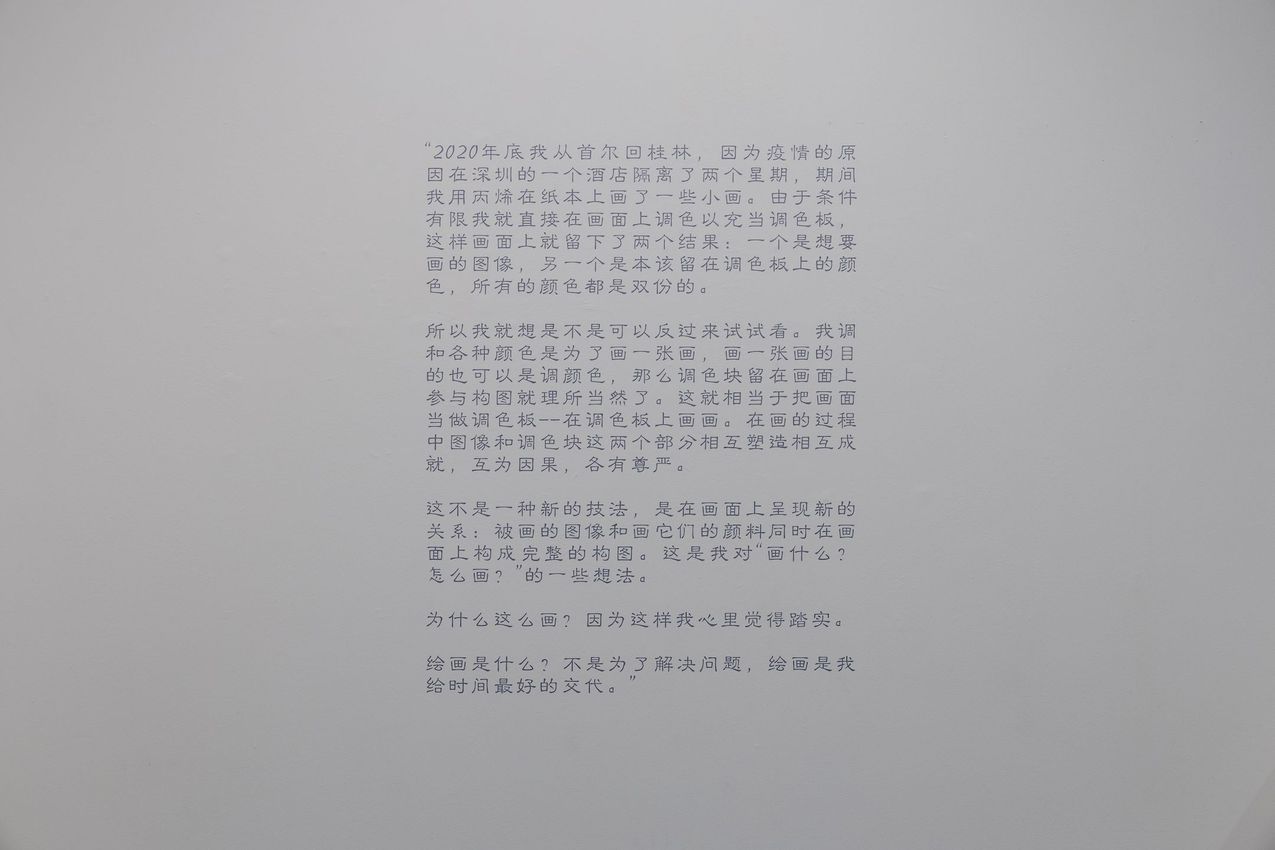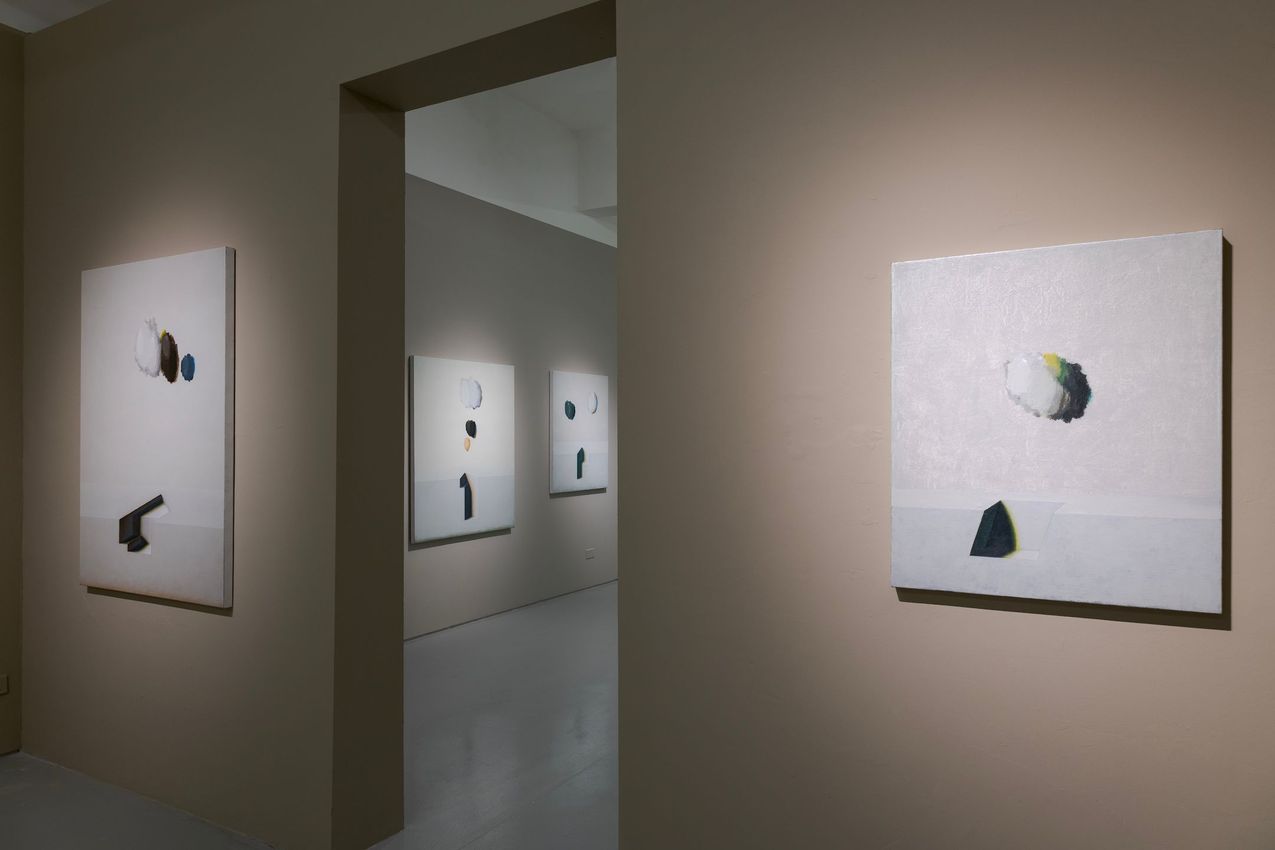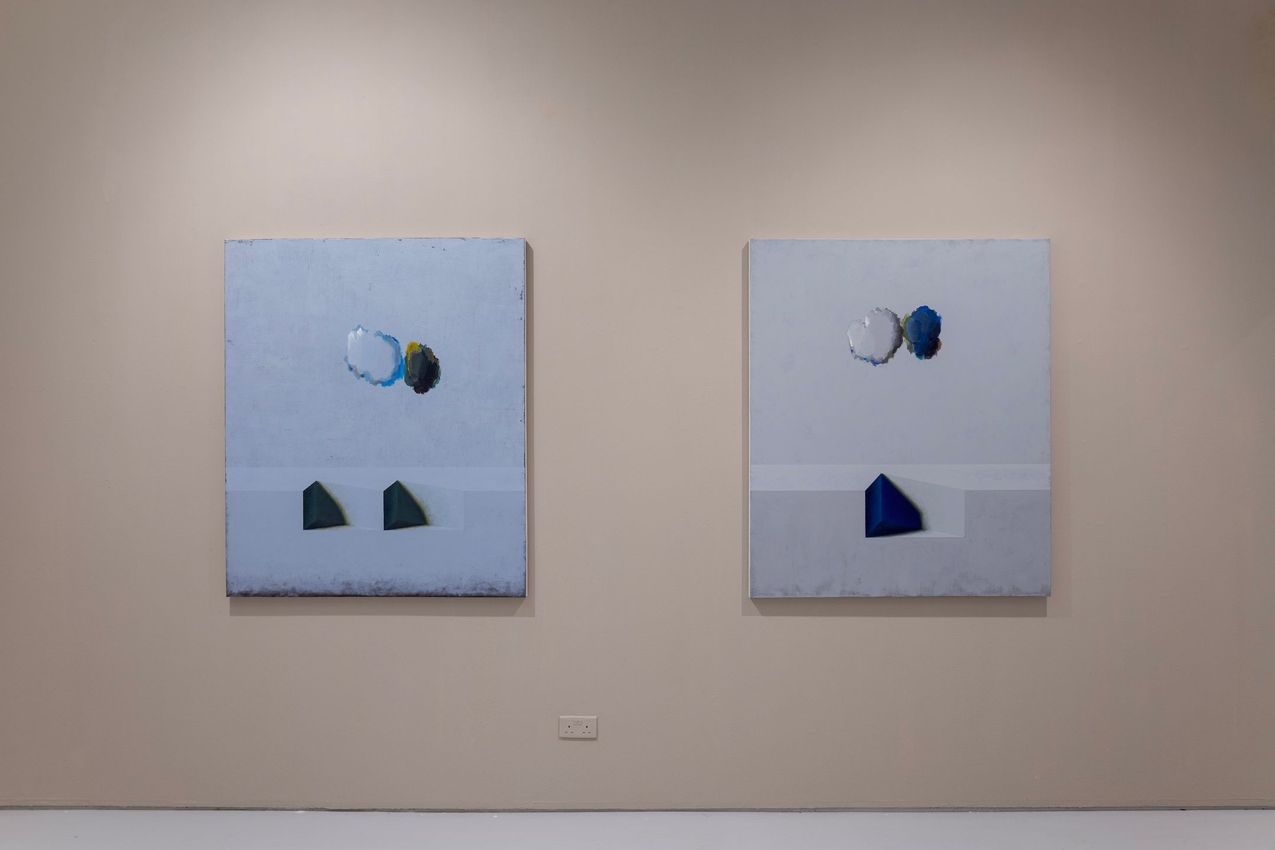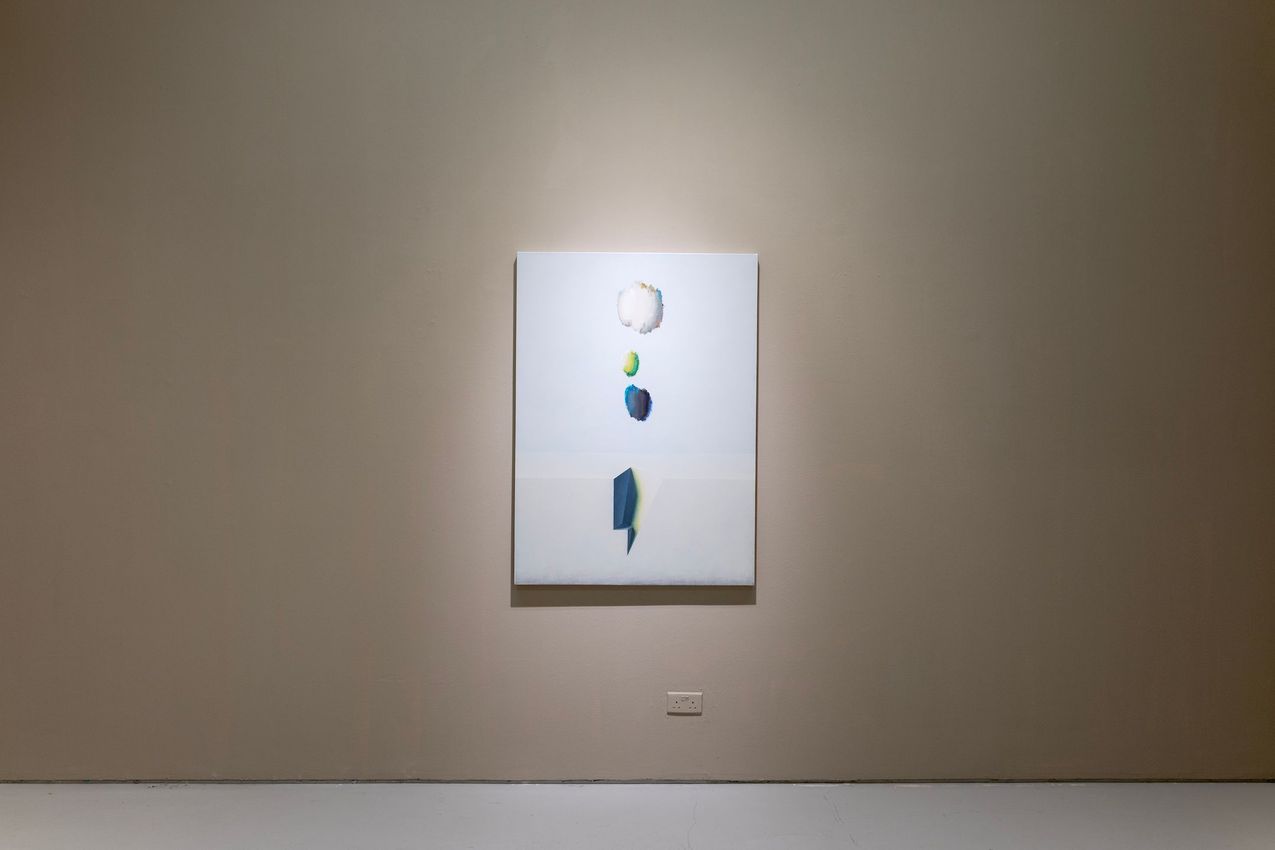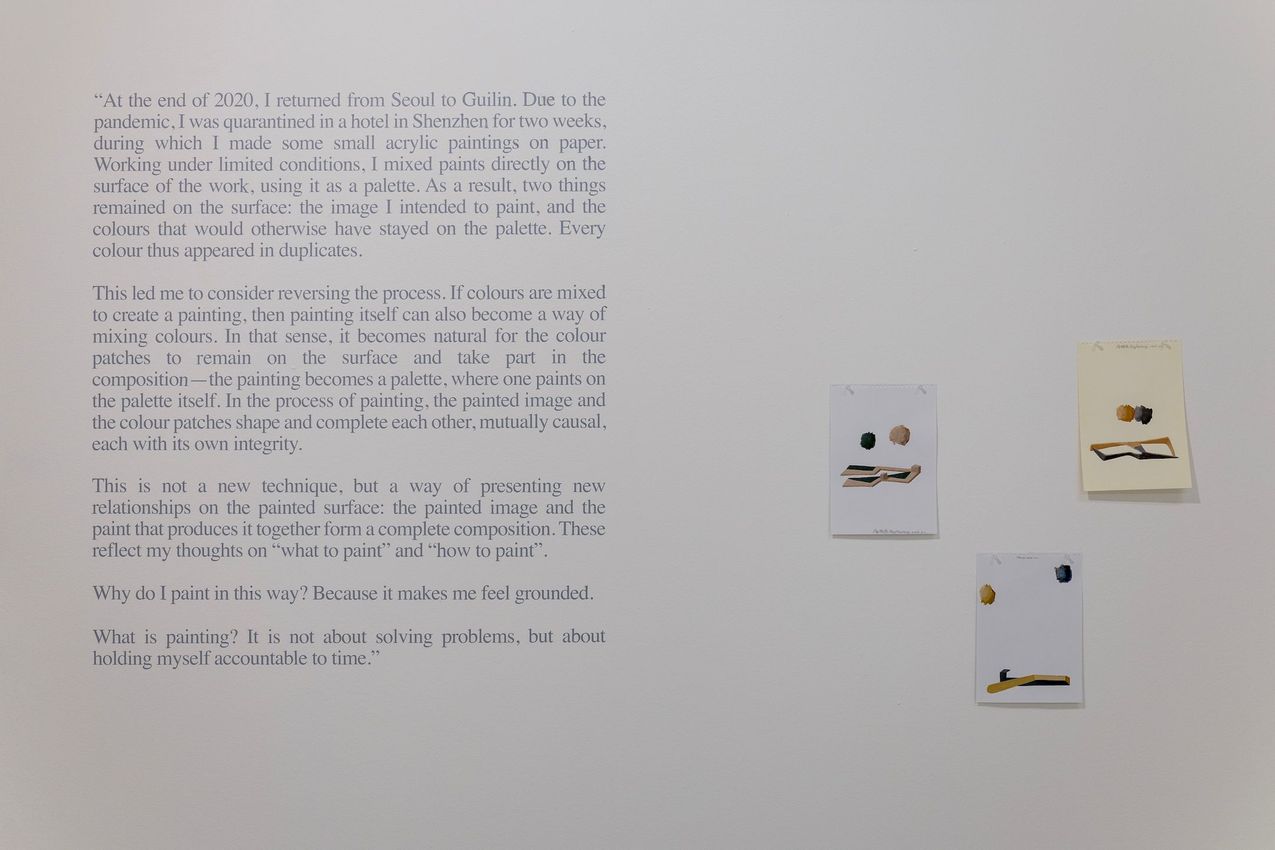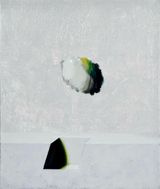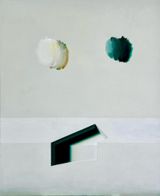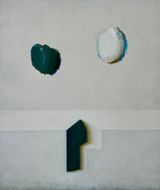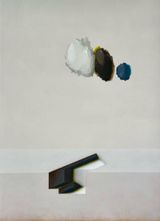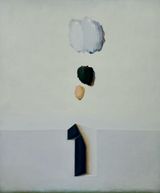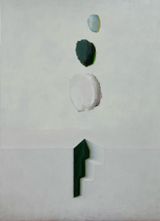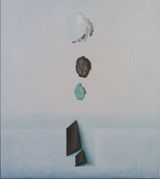
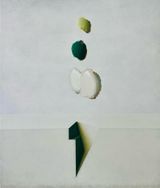
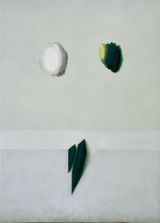
“At the end of 2020, I returned from Seoul to Guilin. Due to the pandemic, I was quarantined in a hotel in Shenzhen for two weeks, during which I made some small acrylic paintings on paper. Working under limited conditions, I mixed paints directly on the surface of the work, using it as a palette. As a result, two things remained on the surface: the image I intended to paint, and the colours that would otherwise have stayed on the palette. Every colour thus appeared in duplicates.
This led me to consider reversing the process. If colours are mixed to create a painting, then painting itself can also become a way of mixing colours. In that sense, it becomes natural for the colour patches to remain on the surface and take part in the composition—the painting becomes a palette, where one paints on the palette itself. In the process of painting, the painted image and the color patches shape and complete each other, mutually causal, each with its own integrity.
This is not a new technique, but a way of presenting new relationships on the painted surface: the painted image and the paint that produces it together form a complete composition. These reflect my thoughts on “what to paint” and “how to paint.
Why do I paint in this way? Because it makes me feel grounded.
What is painting? It is not about solving problems, but about holding myself accountable to time.” — Tang Maohong
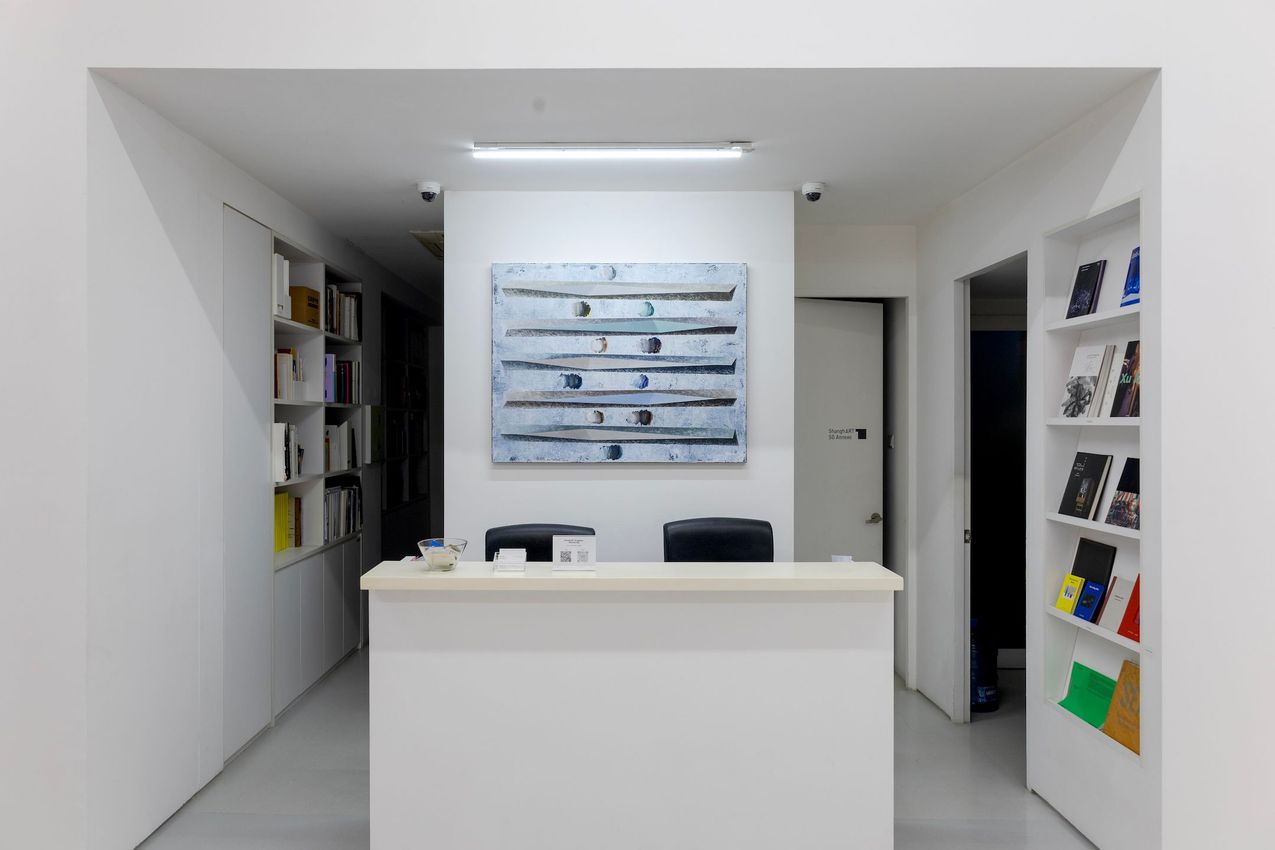
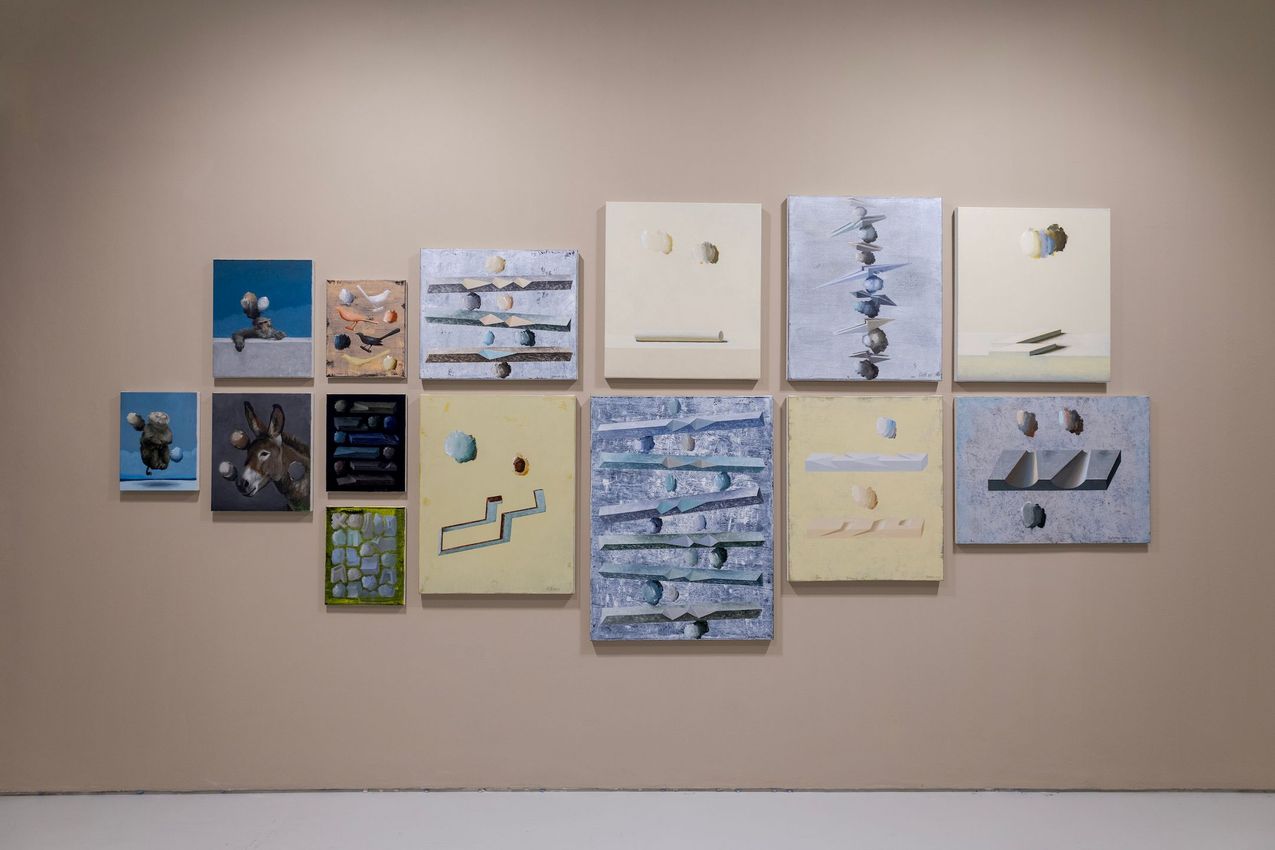
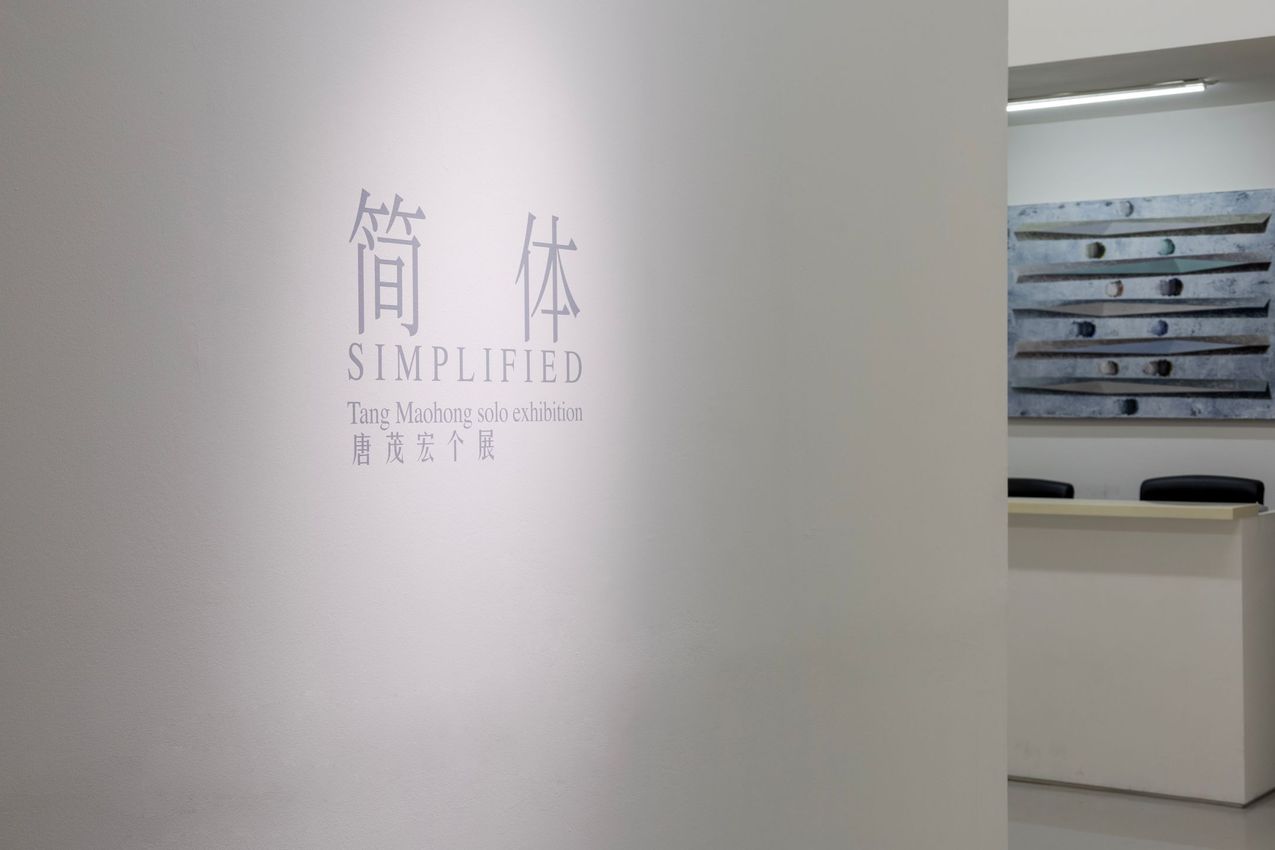
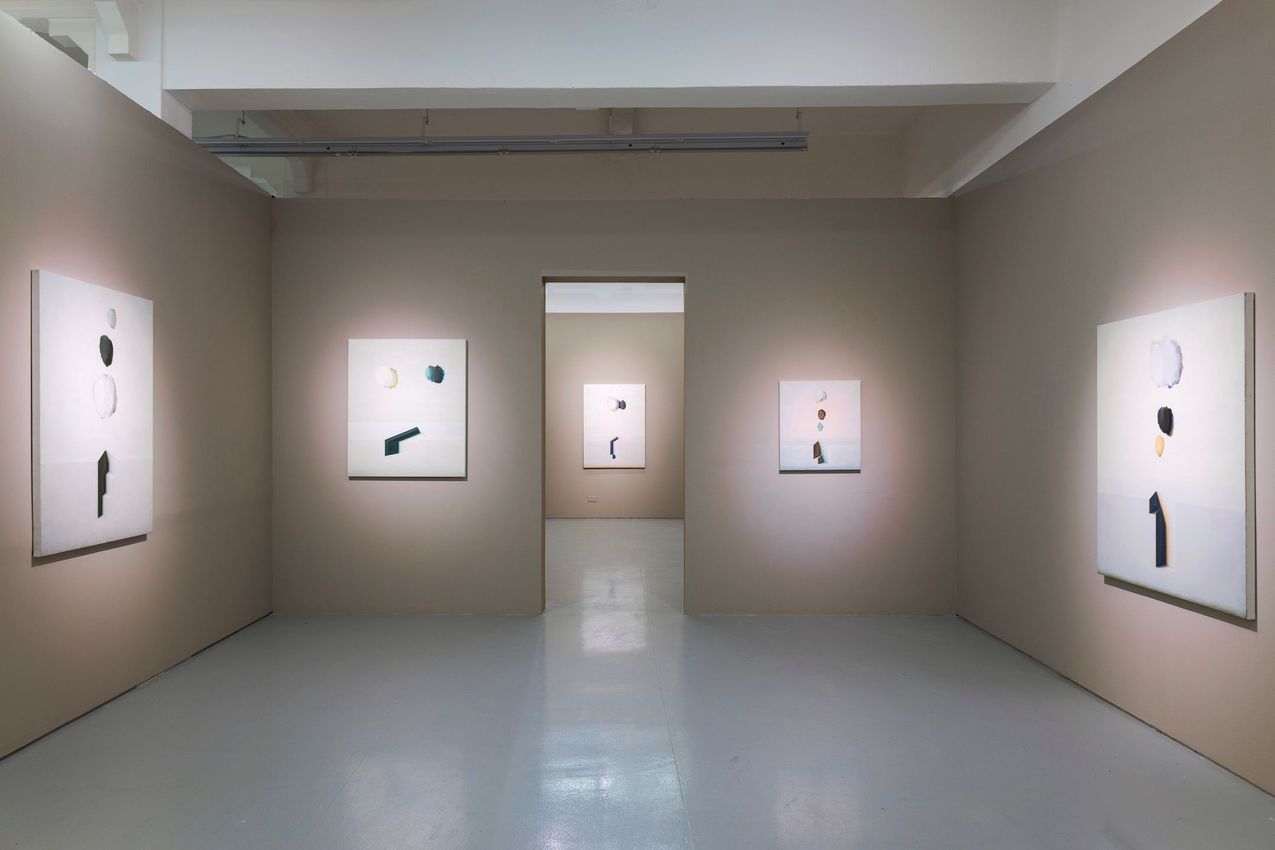
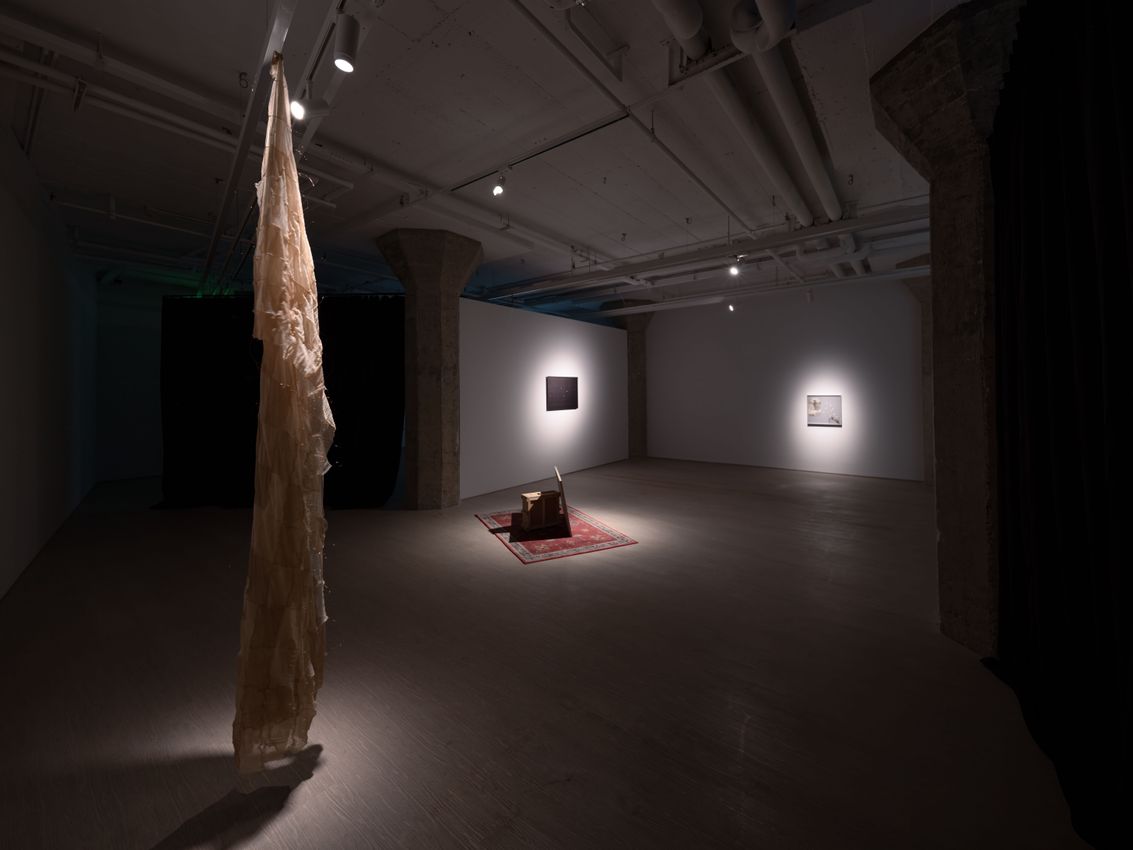
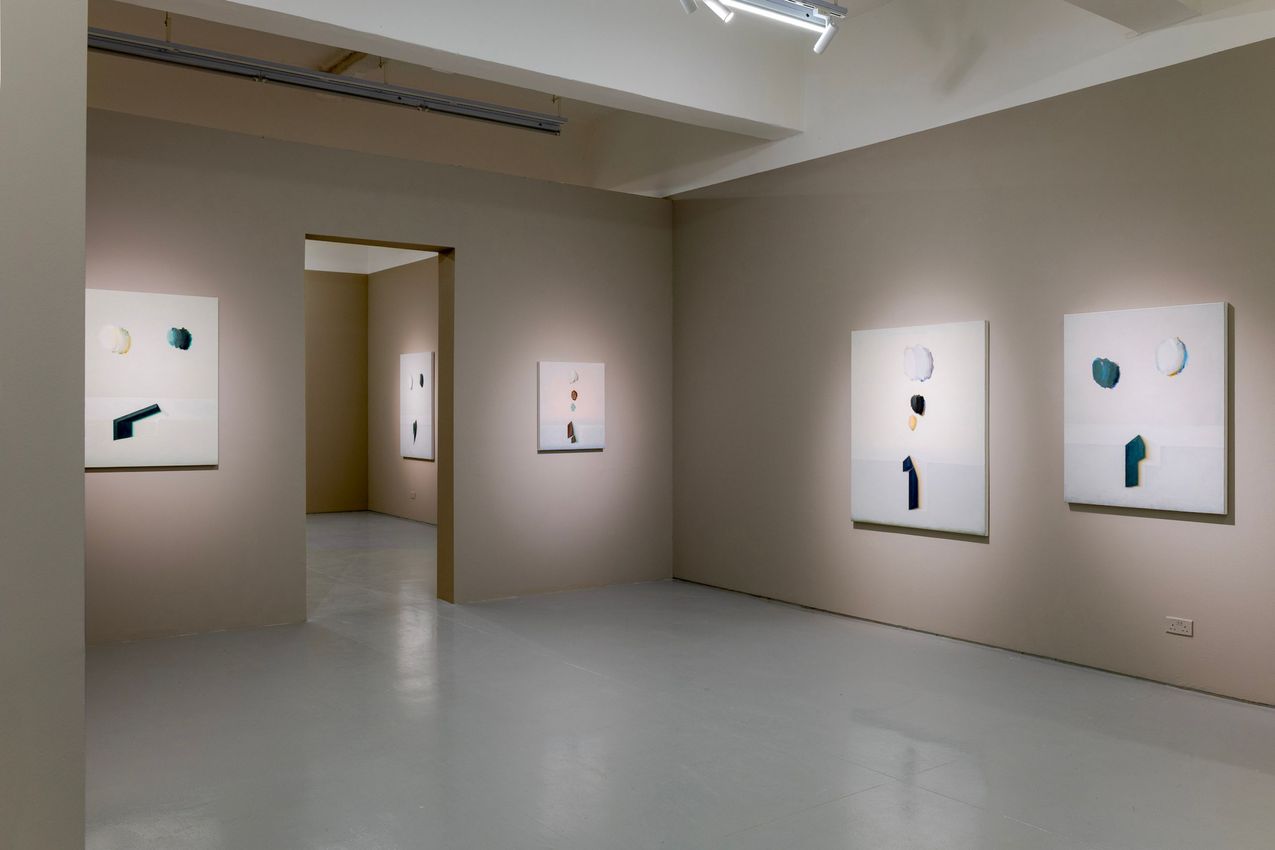
ShanghART Singapore is delighted to present Simplified, a solo exhibition by the Chinese artist Tang Maohong, opening on 16 May 2026 at 4pm. This exhibition brings together a selection of the artist’s latest paintings, developed extensively over the past two years following his relocation to Kuala Lumpur, Malaysia. It also marks his return to Singapore after his 2019 solo exhibition, and twenty years since his participation in the first Singapore Biennale.
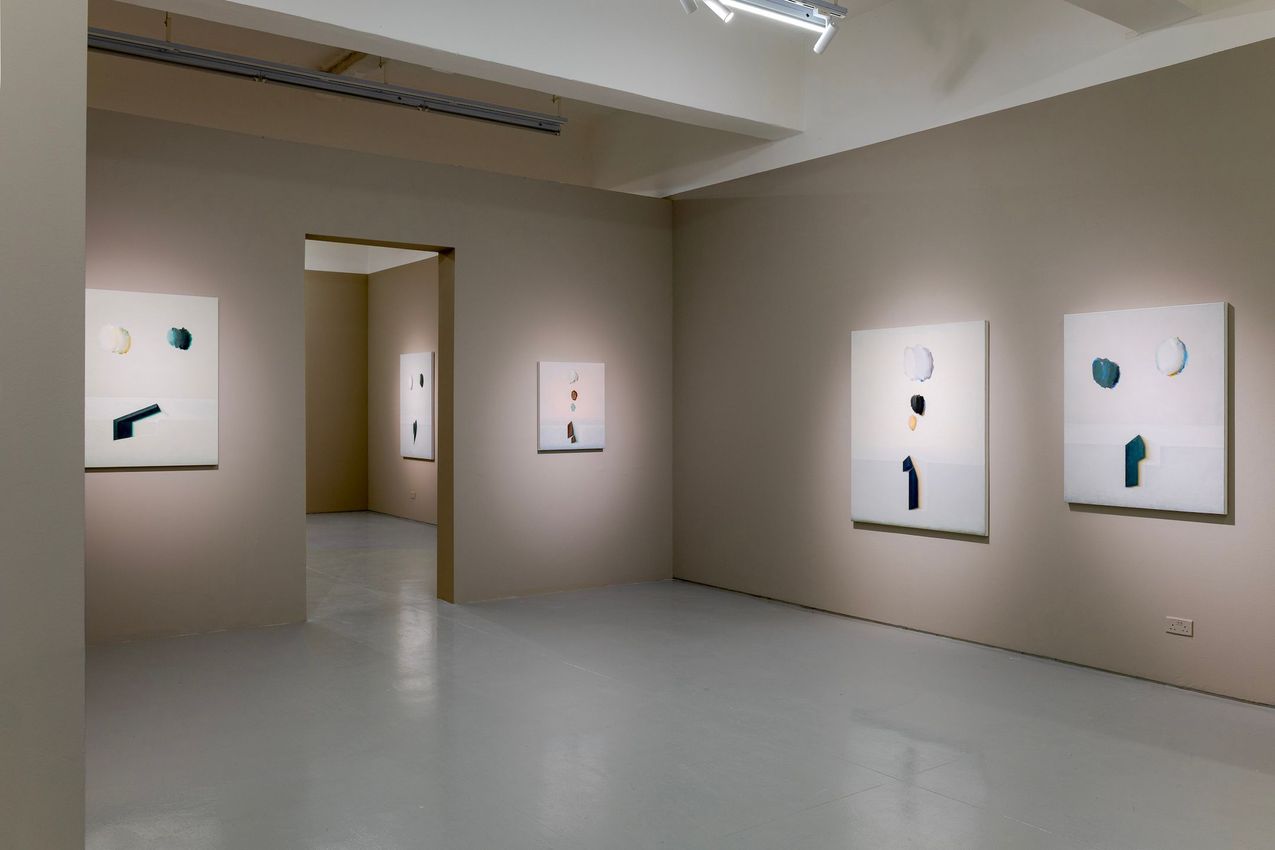
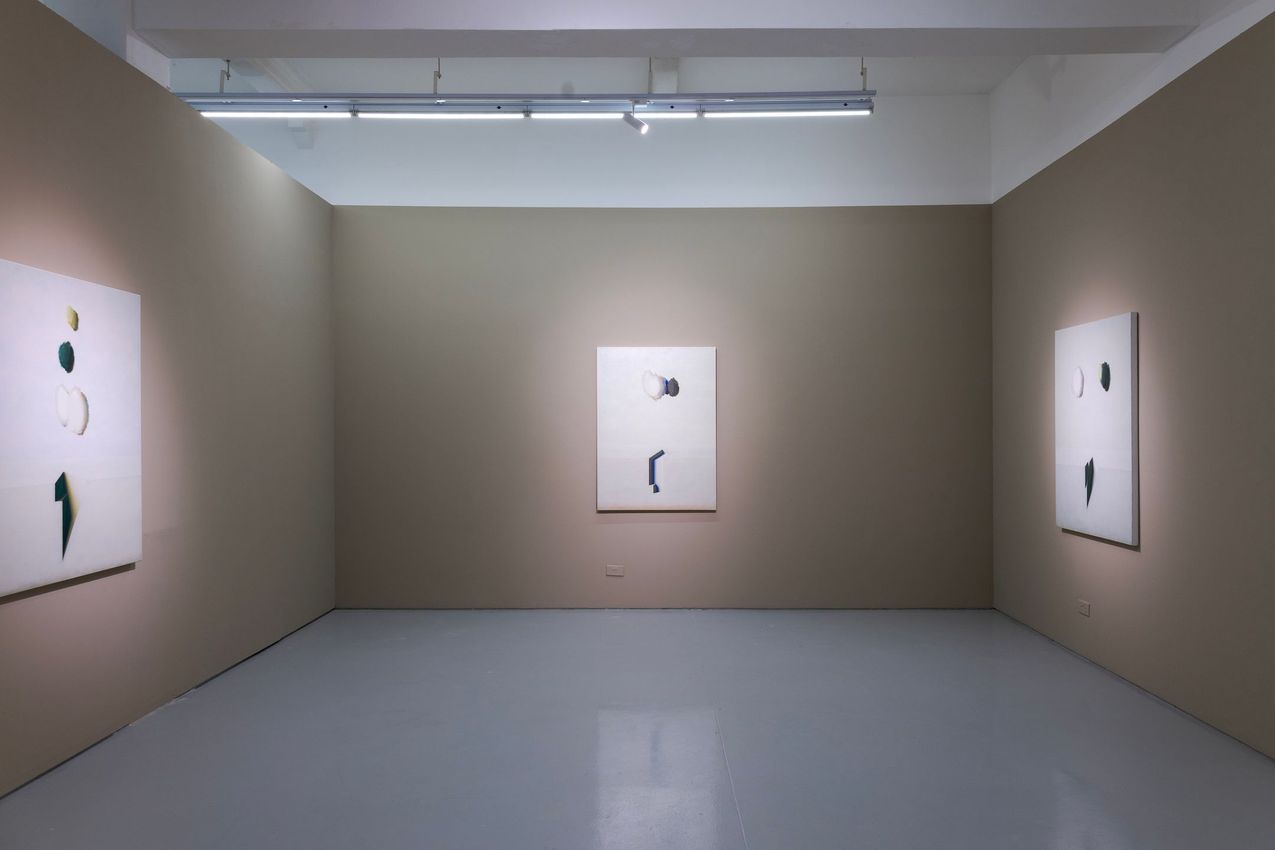
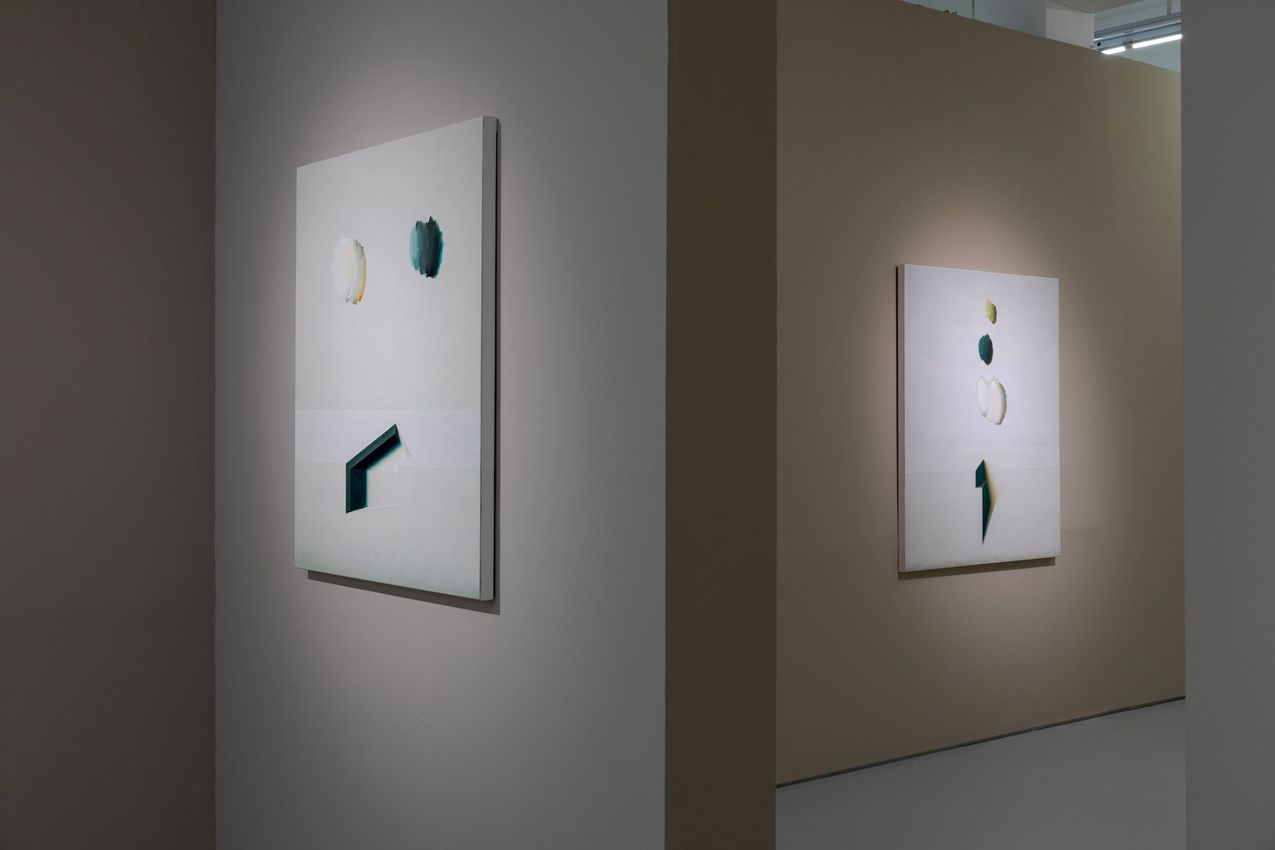
Tang’s new body of work reflects a significant development in his practice, centered around explorations into the process of painting, and its relationship with the result. The act of painting typically results in two outcomes - the image on the canvas and the mixed colours on the palette. The works stem from the approach of mixing colours directly on the painting surface instead of using a palette. This simple gesture collapses two planes into one, creating a mutually-influencing relationship within the same pictorial space.
Originating from a period of constraint, this approach has been refined over the past two years into a more distilled visual language. Tang pares down his compositions to focus on the relationship between the intended image and the residual colour. Deceptively simple, the underlying tension is withheld from the apparent harmonious coexistence of the two elements, experienced only upon prolonged inspection.
Tang’s practice has consistently engaged with the nature of images and how we perceive them. He initially opted to work with animation for its ability to explore the instability of images through time. Forms derived from the real world would morph, dissolve, and reassemble, remaining familiar yet resistant to fixed interpretations. Over time, this temporal process became increasingly condensed, leading him back to painting. What once unfolded sequentially is now internalised, with shifts and transformations embedded within a single, suspended surface.
Operating between abstraction and figuration across different mediums, Tang’s works often resist immediate recognition. His forms appear familiar yet elusive, inviting sustained attention rather than instant interpretation. At the core of his practice is an ongoing inquiry into perception – how images are formed, how meaning emerges, and how both remain inherently unstable.
Across two decades, Tang has continued to refine and distill his approach, pursuing the same fundamental questions with increasing precision. This presentation marks a pivotal moment in that trajectory. The new paintings bring together image, material, and structure into a tightly resolved yet open-ended condition, where process and result are held in balance. For Tang, painting is not a means of searching for fixed answers, but a reciprocal process in which meaning emerges from the act of painting itself.


Tang Maohong simultaneously references and undermines art history and popular culture. He has integrated a variety of visual elements and subject matters, producing works that inhabit the ever-blurred border between elegant art and popular illustration. His works is absurd, magical, humorous and confrontational, hinting that the juxtapositions of figurative objects might be more than just illusions. Tang Maohong’s pictorial universe reflects not only a new subject—a psyche whose internal eclectic imagination is echoed in the environment of constantly flowing images—but also the inversion of out-grown traditions.
When ShanghArt Gallery opened its doors in Shanghai in 1996, it was one of the first contemporary art galleries in China. Today, the gallery operates from two spaces in the city (West Bund and Putuo District), with additional locations in Beijing and Singapore.
A respected voice in contemporary art discourse.
Focusing on ambitious storytelling and insightful art-world commentary. Ocula Magazine publishes in-depth interviews, critical essays and timely analysis on the artists, exhibitions and ideas driving the global art world.
Learn more about Ocula Magazine
Showcasing the best of the art world.
Ocula partners with galleries from around the world to highlight their artists, artworks and exhibitions. Gallery membership is by application and invitation, with each member vetted by an independent panel.
Learn more about Ocula Membership

Specialises in the sale of major artworks.
Led by a team with deep ties to the world’s leading auction houses, galleries and collectors. Ocula’s advisory team offers bespoke services to high-net-worth clients from around the world who are looking to acquire the best of contemporary and modern art.
Learn more about our team and services