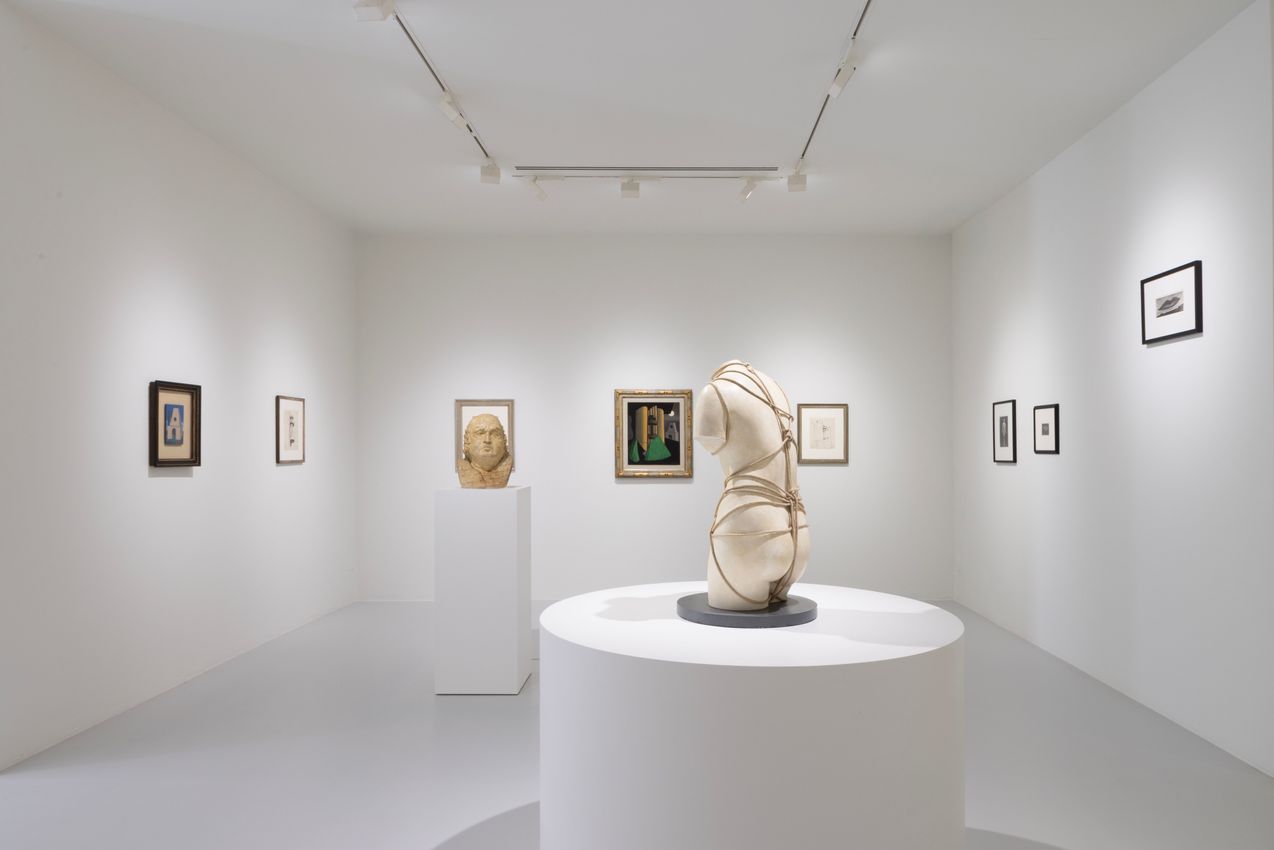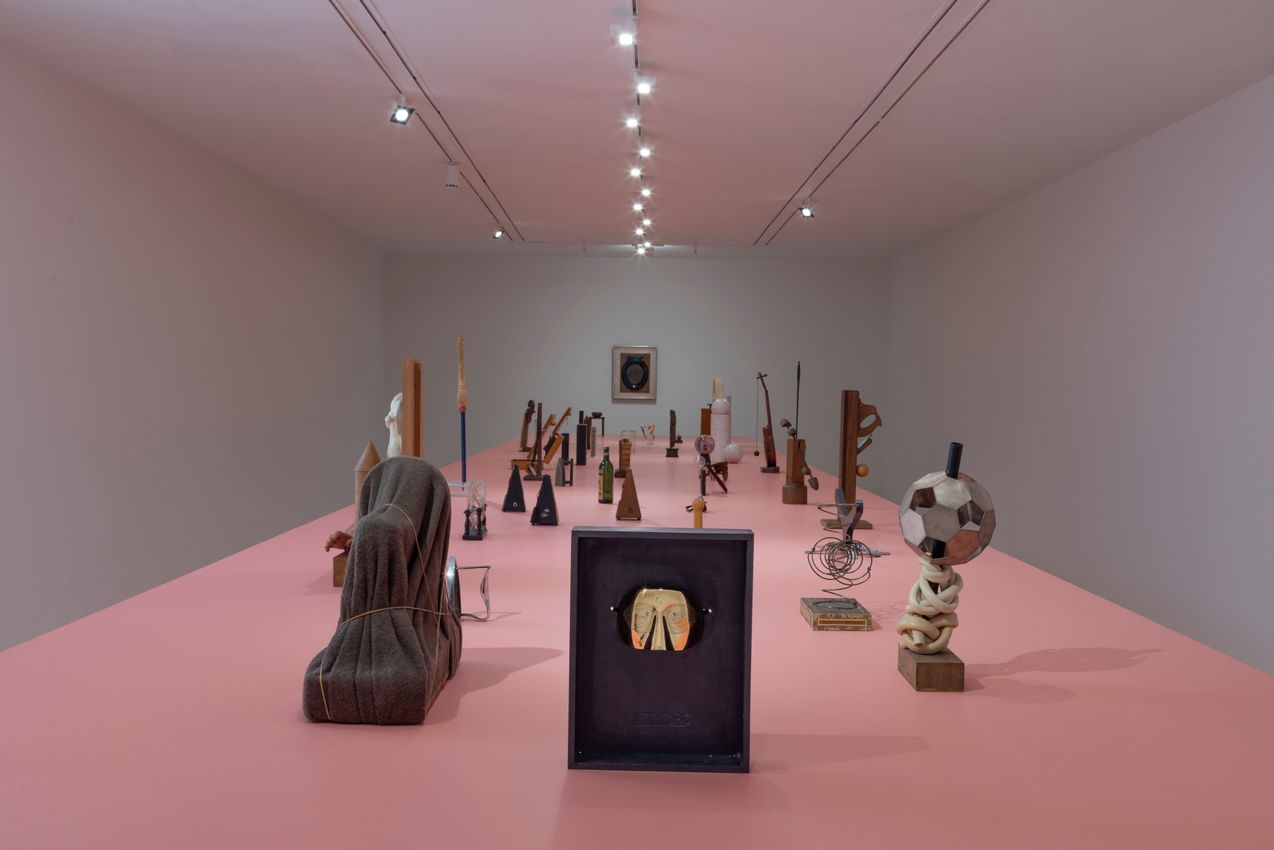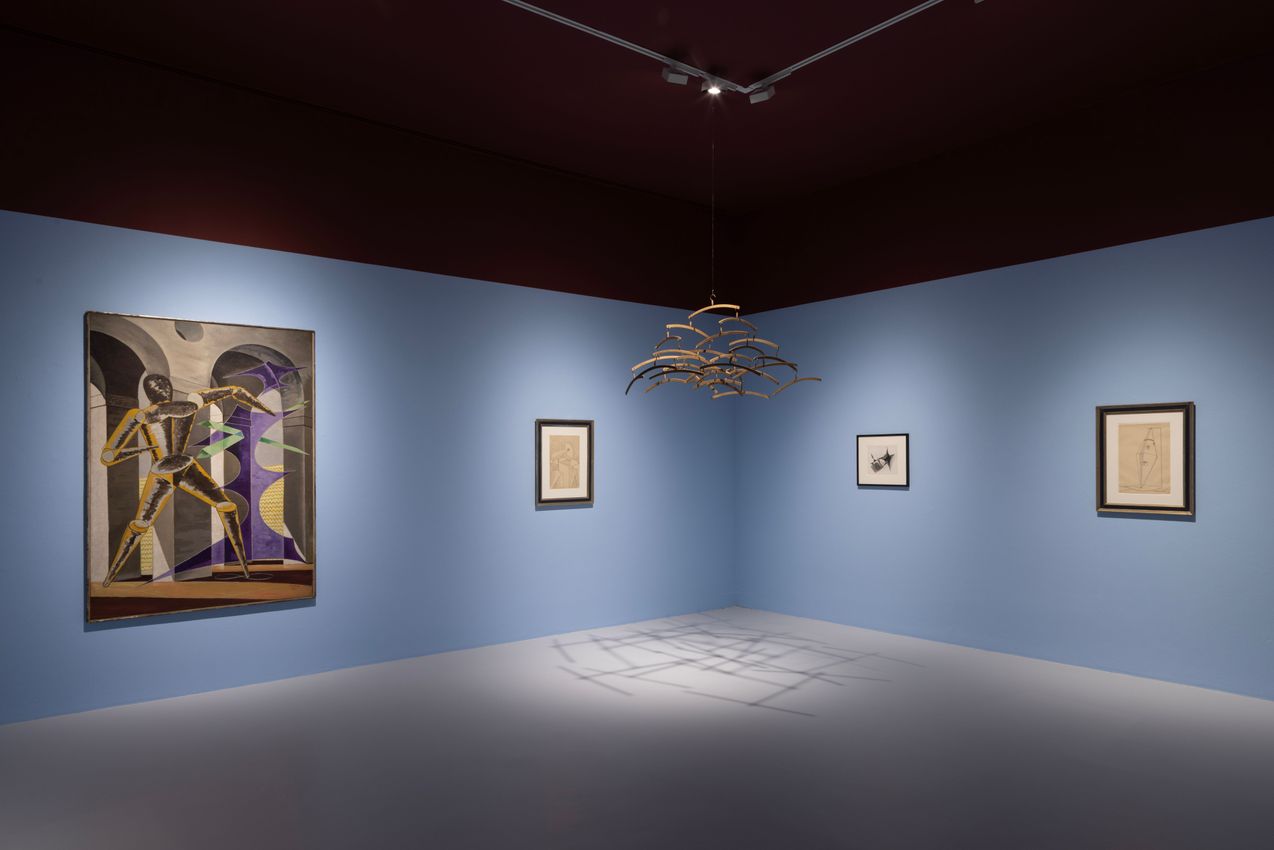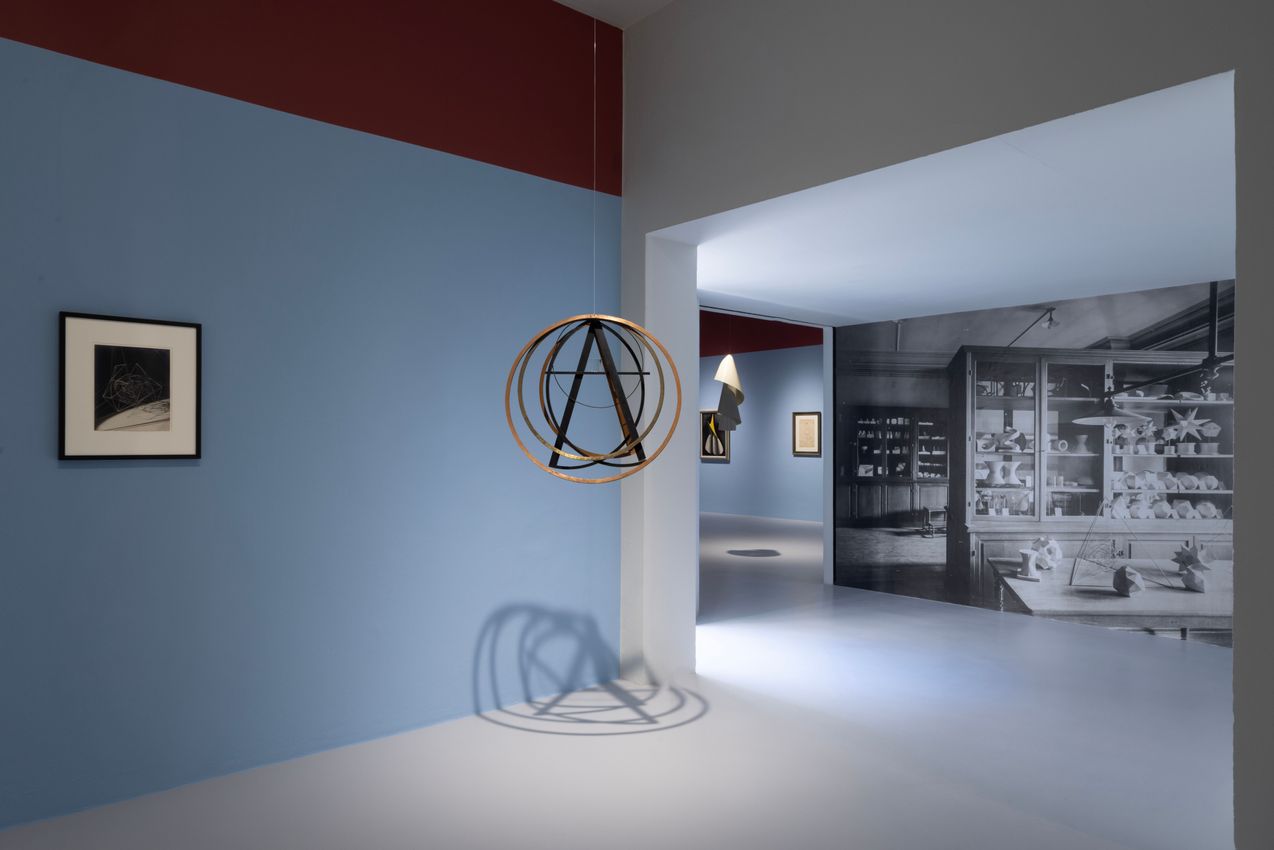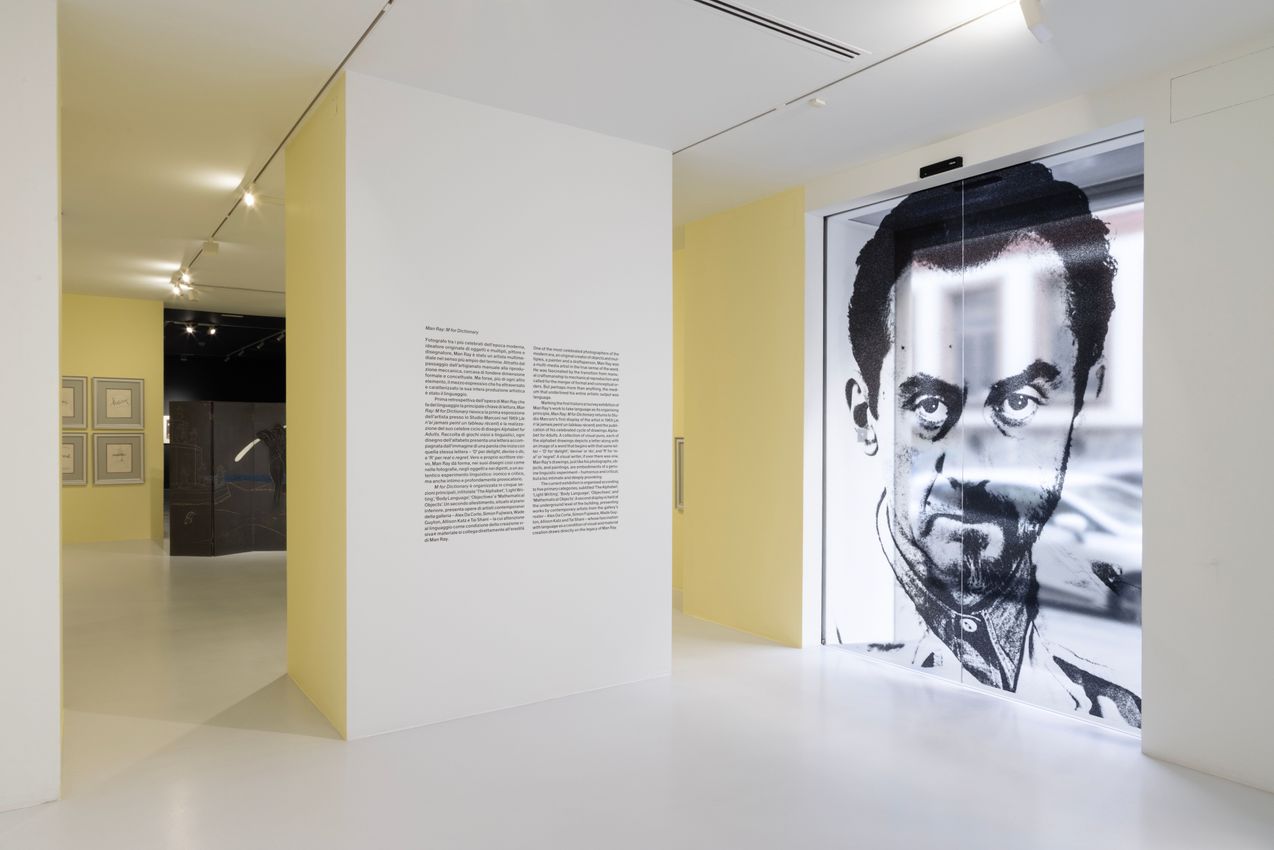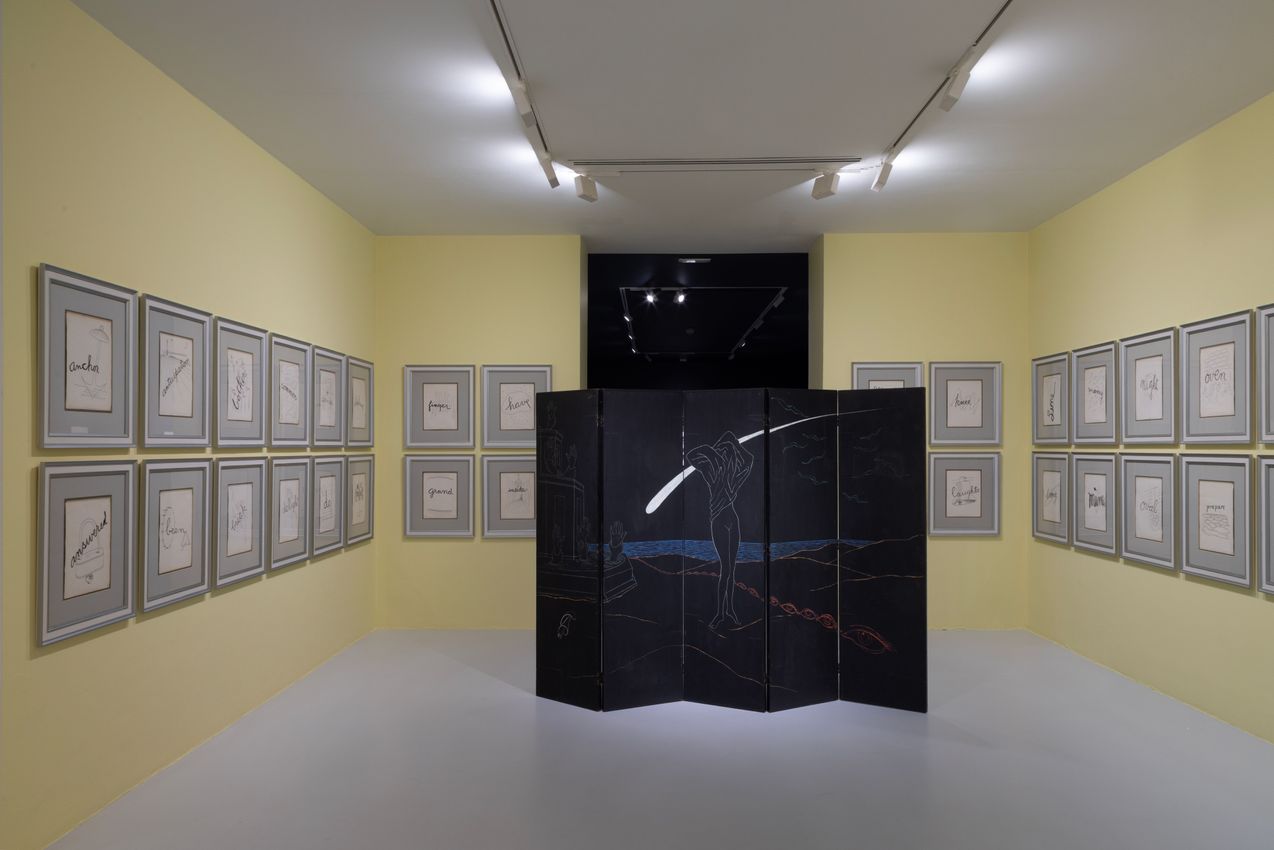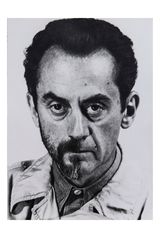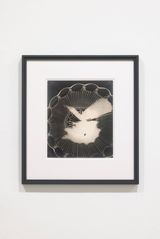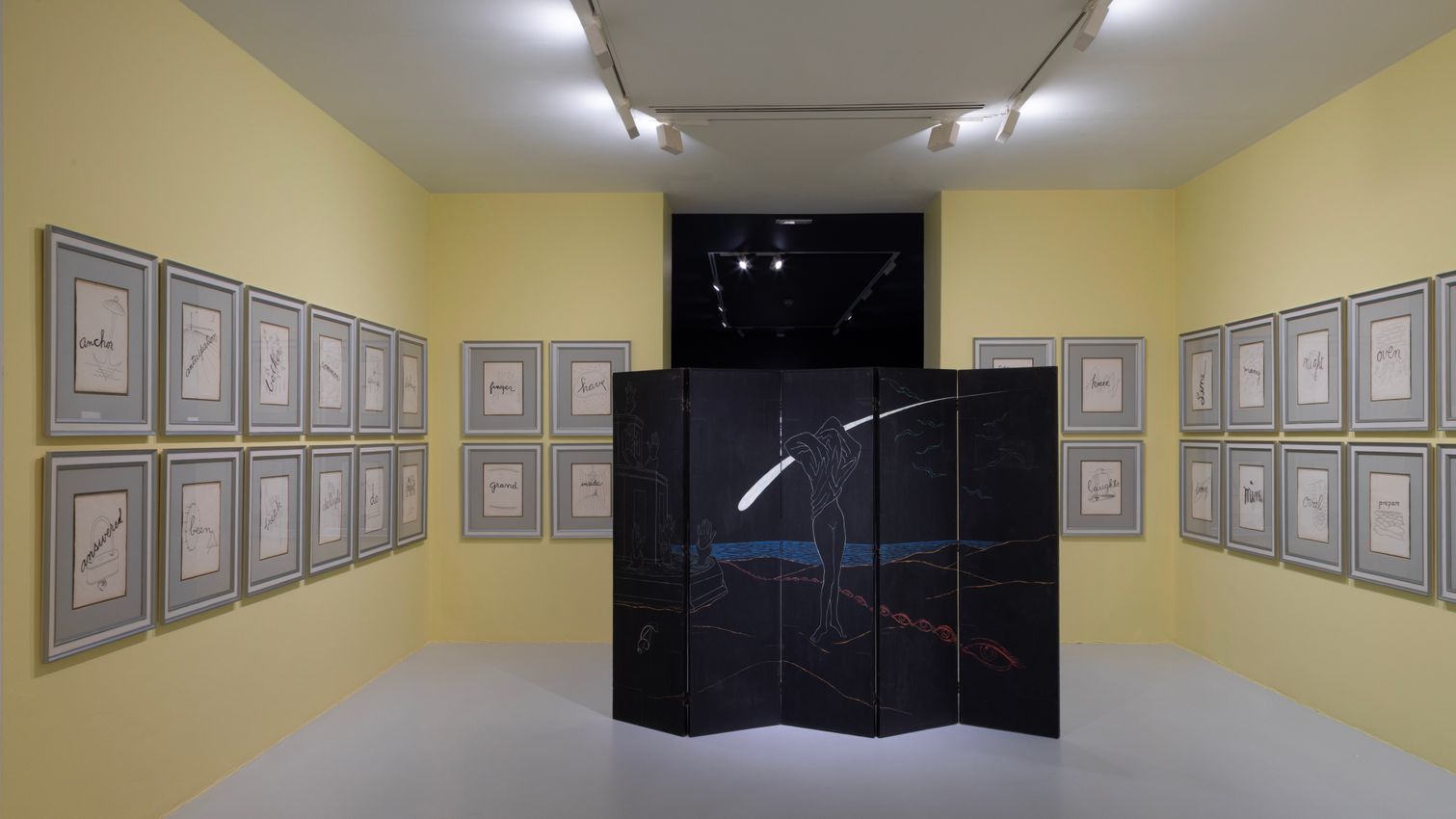
Fondazione Marconi and Gió Marconi are pleased to present Man Ray: M for Dictionary, a comprehensive survey of Man Ray’s work across media, which takes his linguistic thought as its organising principle. The exhibition, presented on the fiftieth anniversary of the artist’s death, is organised in collaboration with curator and art historian Yuval Etgar and Deborah D’Ippolito.
One of the most celebrated photographers of the modern era, an original creator of objects and multiples, a painter and a draftsperson, Man Ray was a multimedia artist in the true sense of the word. He was fascinated by the transition from manual craftsmanship to mechanical reproduction and called for the merger of formal and conceptual orders. But perhaps more than anything, the medium that underlined his entire artistic output was language.
Born Emmanuel Radnitzky in 1890, Man Ray’s parents were Russian immigrants who settled in Philadelphia initially and later moved to Brooklyn. In 1912 the family shortened its name to Ray with the aim to obscure its Jewish origins. Still a young man, Emmanuel followed suit, shortening his name to Man Ray, a transformational play on words that enabled him to reinvent his identity while keeping it alive. The event, inspirational and traumatic at once, would come to symbolise Man Ray’s original approach to his art and was undoubtedly the artist’s first of many further linguistic wordplays.
A dictionary of sorts, the exhibition Man Ray: M for Dictionary unfolds Man Ray’s fascination with unrealised relationships between words, objects, and images.
Marking the first historical survey exhibition of Man Ray’s work to take language as its organising principle, Man Ray: M for Dictionary returns to Studio Marconi’s first display of the artist in 1969 (Je n’ai jamais peint un tableau récent) and the publication of his celebrated cycle of drawings Alphabet for Adults. A collection of visual puns, each of the alphabet drawings depicts a letter along with an image of a word that begins with that same letter – ‘D’ for ‘delight’, ‘devise’ or ‘do’, and ‘R’ for ‘real’ or ‘regret’. A visual writer, if ever there was one, Man Ray’s drawings, just like his photographs, objects, and paintings, are embodiments of a genuine linguistic experiment – humorous and critical, but also intimate and deeply provoking. “To make a new alphabet of the discarded props of a conversation can lead only to fresh discoveries in language”, he wrote, and “concentration is the desired end, as in an anagram whose density is the measure of its destiny”.
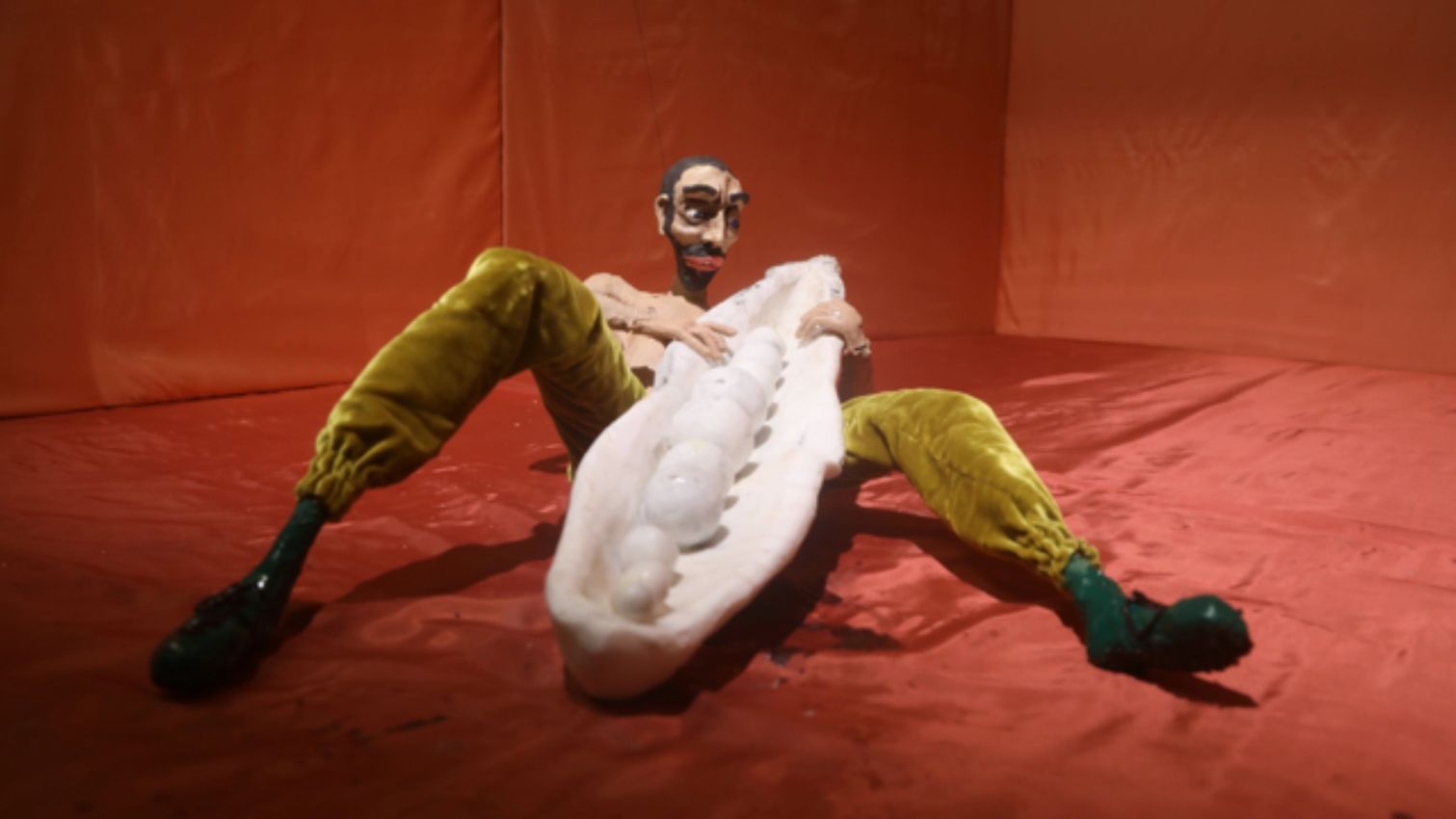
M for Dictionary is organised according to five primary categories, subtitled ‘The Alphabet’, ‘Light Writing’, ‘Body Language’, ‘Objectives’, and ‘Mathematical Objects’. A second display, titled In Other Words, is held at the underground level of the building, presenting works by contemporary artists from the gallery’s roster – Alex Da Corte, Simon Fujiwara, Wade Guyton, Allison Katz and Tai Shani – whose fascination with language as a condition of visual and material creation draws directly on the legacy of Man Ray.


A trailblazer of modern and contemporary art, Man Ray was a pioneering artist whose radical approach to photography, painting, sculpture and film placed him at the centre of both the Dada and Surrealist movements.
Gió Marconi Gallery started in 1990 under the initiative of Gió Marconi who had previously created Studio Marconi 17, an experimental space for young artists and curators that he ran from 1987 to 1990. At the beginning, the new gallery was directed by Gió and his gallerist father Giorgio, who in turn had founded the gallery Studio Marconi (1965-1992). In its opening year, the gallery had showcased exhibitions by Martin Kippenberger, Mario Schifano as well as Richard Hamilton. In the 30 years to follow, Gió Marconi Gallery has developed an ongoing vibrant program and its own consistent approach to exhibiting and combining brave choices well ahead of their time. Throughout the decades, the gallery continued to support the careers of its artists, promoting their diverse practices to audiences and institutions at home and abroad. While the focus of the gallery has always been on contemporary positions, it gradually started to include also historical artists of the Studio Marconi.

A respected voice in contemporary art discourse.
Focusing on ambitious storytelling and insightful art-world commentary. Ocula Magazine publishes in-depth interviews, critical essays and timely analysis on the artists, exhibitions and ideas driving the global art world.
Learn more about Ocula Magazine
Showcasing the best of the art world.
Ocula partners with galleries from around the world to highlight their artists, artworks and exhibitions. Gallery membership is by application and invitation, with each member vetted by an independent panel.
Learn more about Ocula Membership

Specialises in the sale of major artworks.
Led by a team with deep ties to the world’s leading auction houses, galleries and collectors. Ocula’s advisory team offers bespoke services to high-net-worth clients from around the world who are looking to acquire the best of contemporary and modern art.
Learn more about our team and services