




OTTO PIENE
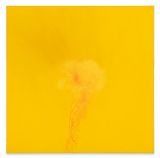
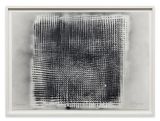
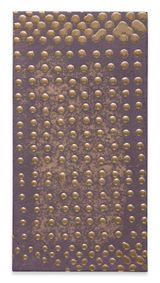
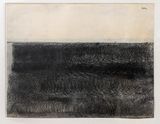
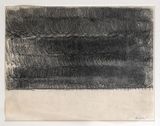
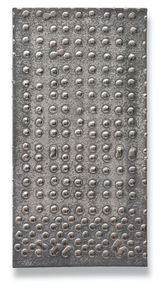
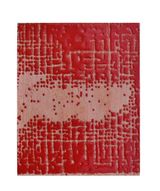
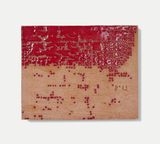
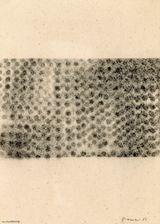
1928-2014, GermanyOtto Piene studied art at the Hochschule für Bildenden Künste in Munich and the Staatliche Kunstakademie in Düsseldorf and then philosophy at Cologne University, graduating in 1957. In the same year he developed the Grid Picture, a type of stencilled painting made from half-tone screens with regularly arranged points in single colours (yellow, silver, white or gold). The vibrating pattern and slight shadow in these works, which were first shown in September 1957 at an evening exhibition in Piene’s studio in Düsseldorf seemed to take the play of light itself as their theme. Their objectivity lay in their lack of any subjective painterly gestures.
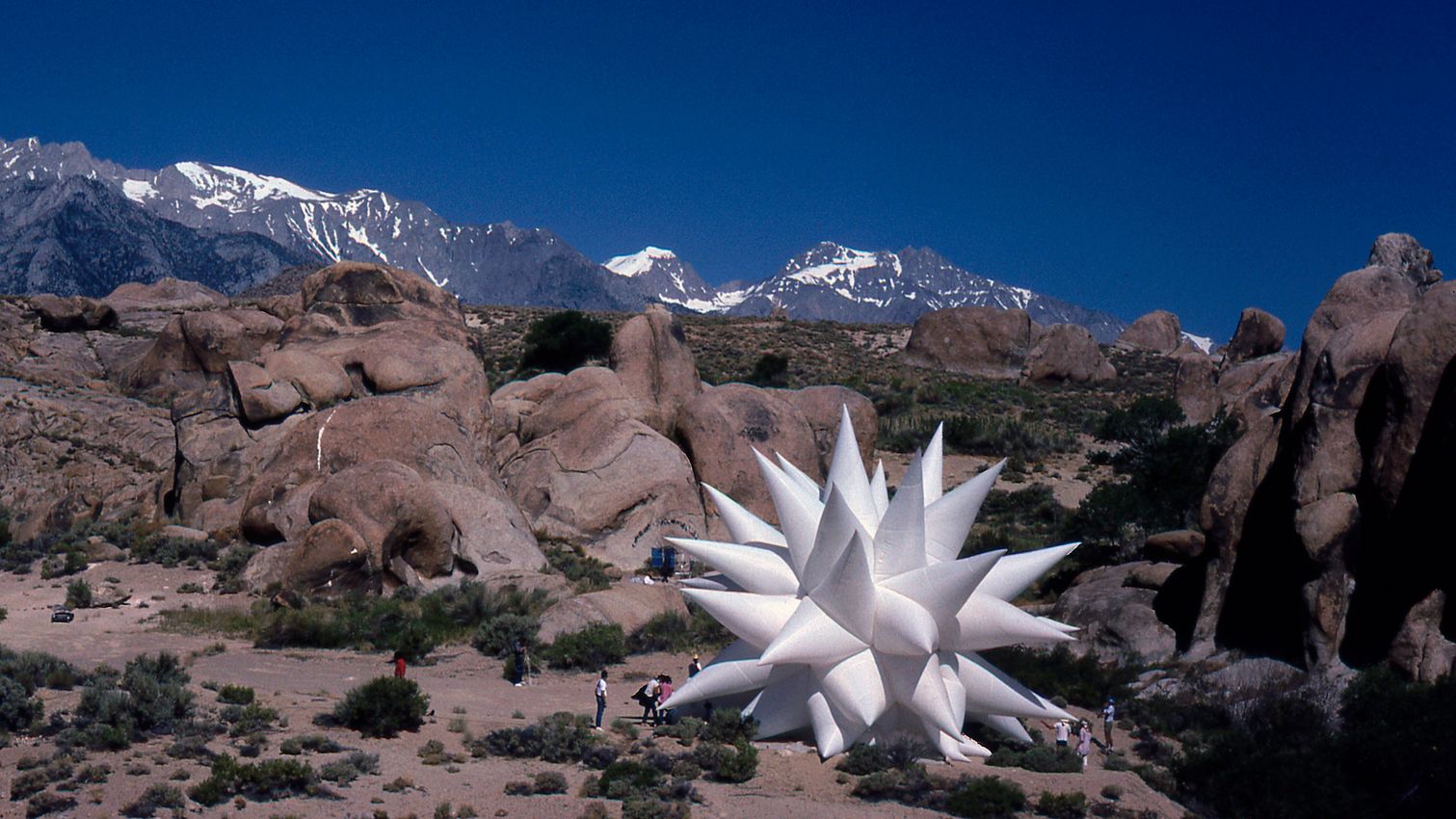
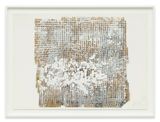
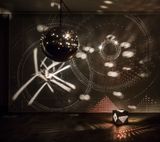
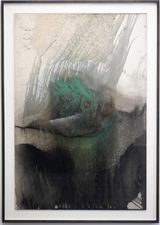
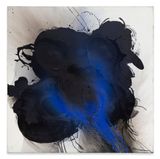
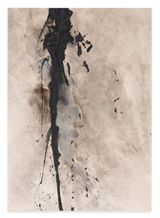
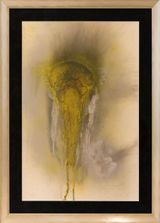
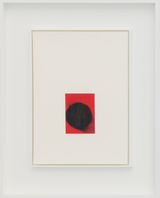
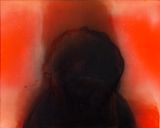
The connection between art, nature and technology remained the goal of Piene’s work, first of all within the Zero group and then, from 1974, as the successor to György Kepes as director of the Center for Advanced Visual Studies at Massachusetts Institute of Technology in Cambridge, MA. There Piene’s work developed in a variety of forms. The Light Ballets (from 1959) were a development of the Grid Pictures: light from moving torches was projected through grids, thus extending and stimulating the viewer’s perception of space. At the same time the combination of these grids with sources of fire (candles, gas-burners) produced smoke-traces and fire paintings, in which the paint was burnt. From 1962 he produced the Black Sun paintings and the Fauna and Flora paintings, which again make explicit reference to the theme of nature. This led in 1967 to Piene’s involvement with ‘Sky Art’, a term he coined in 1969, which allowed him to use landscape and cities themselves as the focal point of his work. In 1972 he produced the Olympic Rainbow for the XX Olympiad in Munich, made up of five differently coloured helium-filled polythene tubes, each one 600 m long.
From 1998 onwards he developed immersive light rooms, utilising projections to alternate light intensity, colour and form for various museums such as the Kunsthalle Bremen. In 2008, Otto Piene founded the international ZERO foundation with Günther Uecker, Heinz Mack and Mattijs Visser. The foundation houses the ZERO group archives from the three Düsseldorfer artists as well as documents and photos from other related artists that include: Lucio Fontana, Yves Klein and Jean Tinguely.


View Otto Piene's Artworks
























Explore and Follow Artists Shaping Contemporary Art
A respected voice in contemporary art discourse.
Focusing on ambitious storytelling and insightful art-world commentary. Ocula Magazine publishes in-depth interviews, critical essays and timely analysis on the artists, exhibitions and ideas driving the global art world.
Learn more about Ocula Magazine
Showcasing the best of the art world.
Ocula partners with galleries from around the world to highlight their artists, artworks and exhibitions. Gallery membership is by application and invitation, with each member vetted by an independent panel.
Learn more about Ocula Membership
Specialises in the sale of major artworks.
Led by a team with deep ties to the world’s leading auction houses, galleries and collectors. Ocula’s advisory team offers bespoke services to high-net-worth clients from around the world who are looking to acquire the best of contemporary and modern art.
Learn more about our team and services