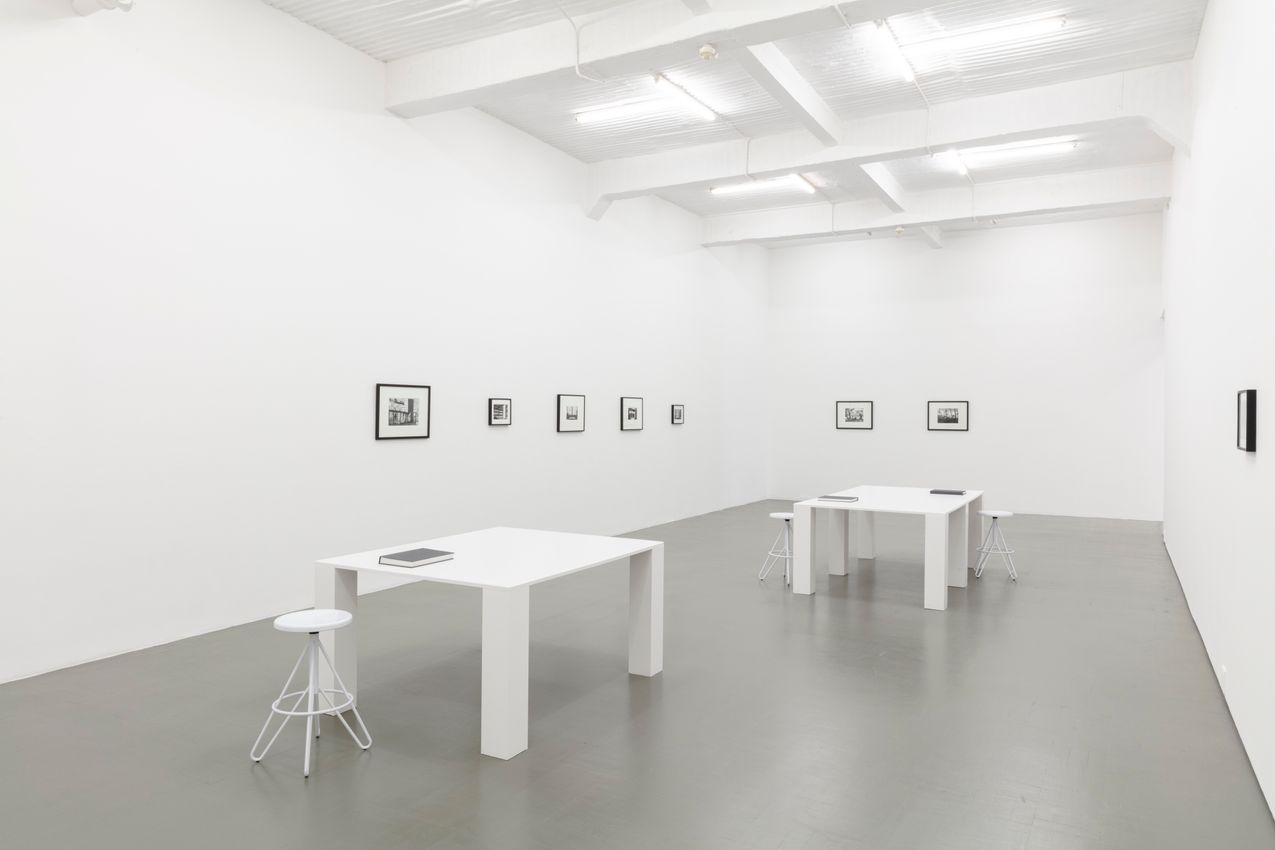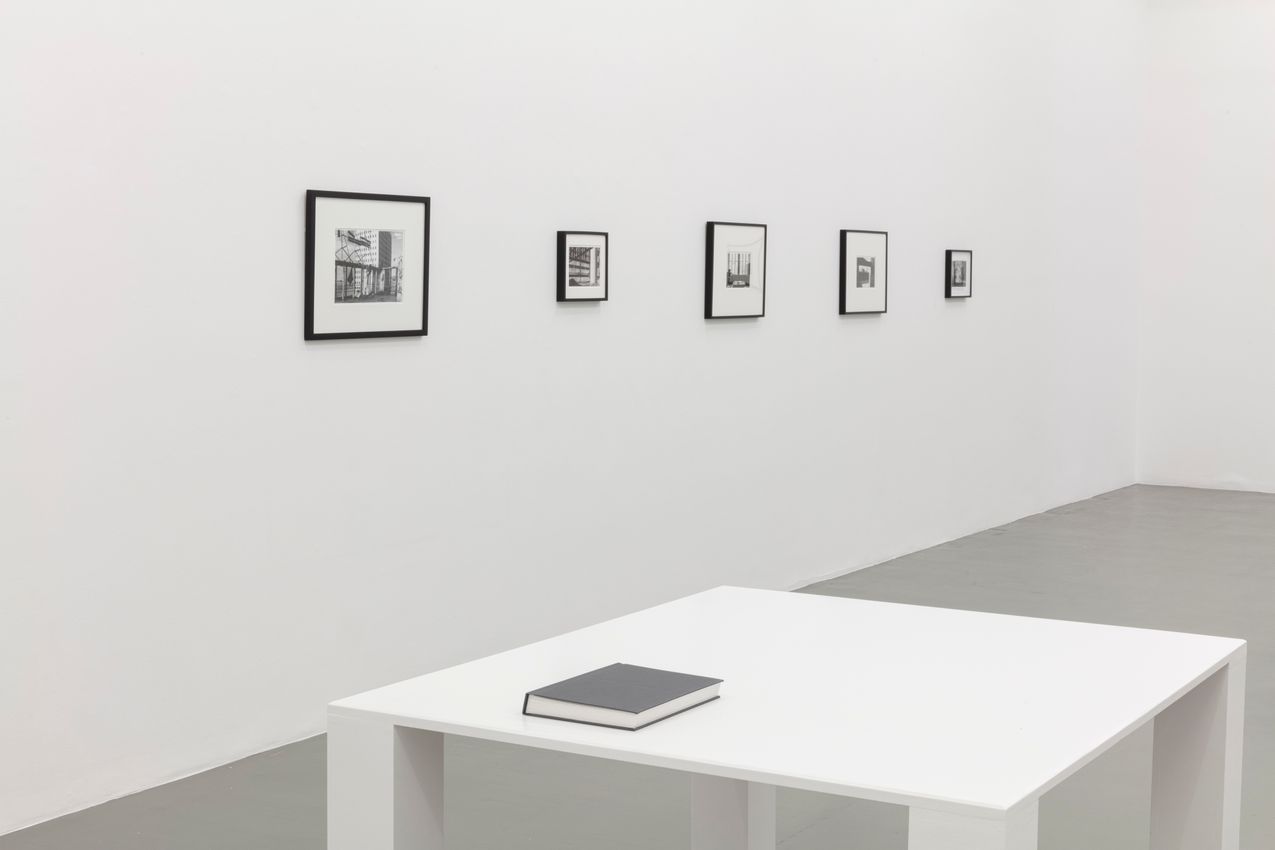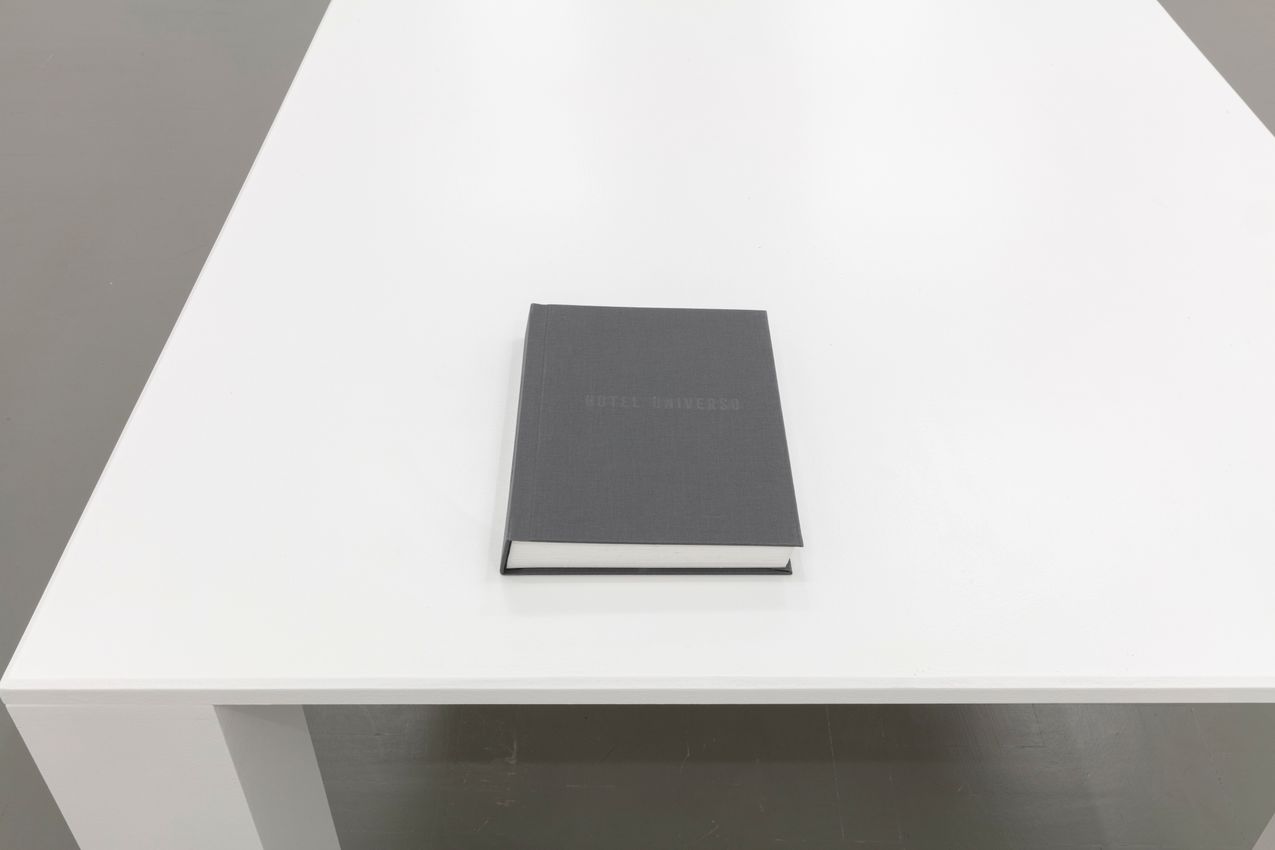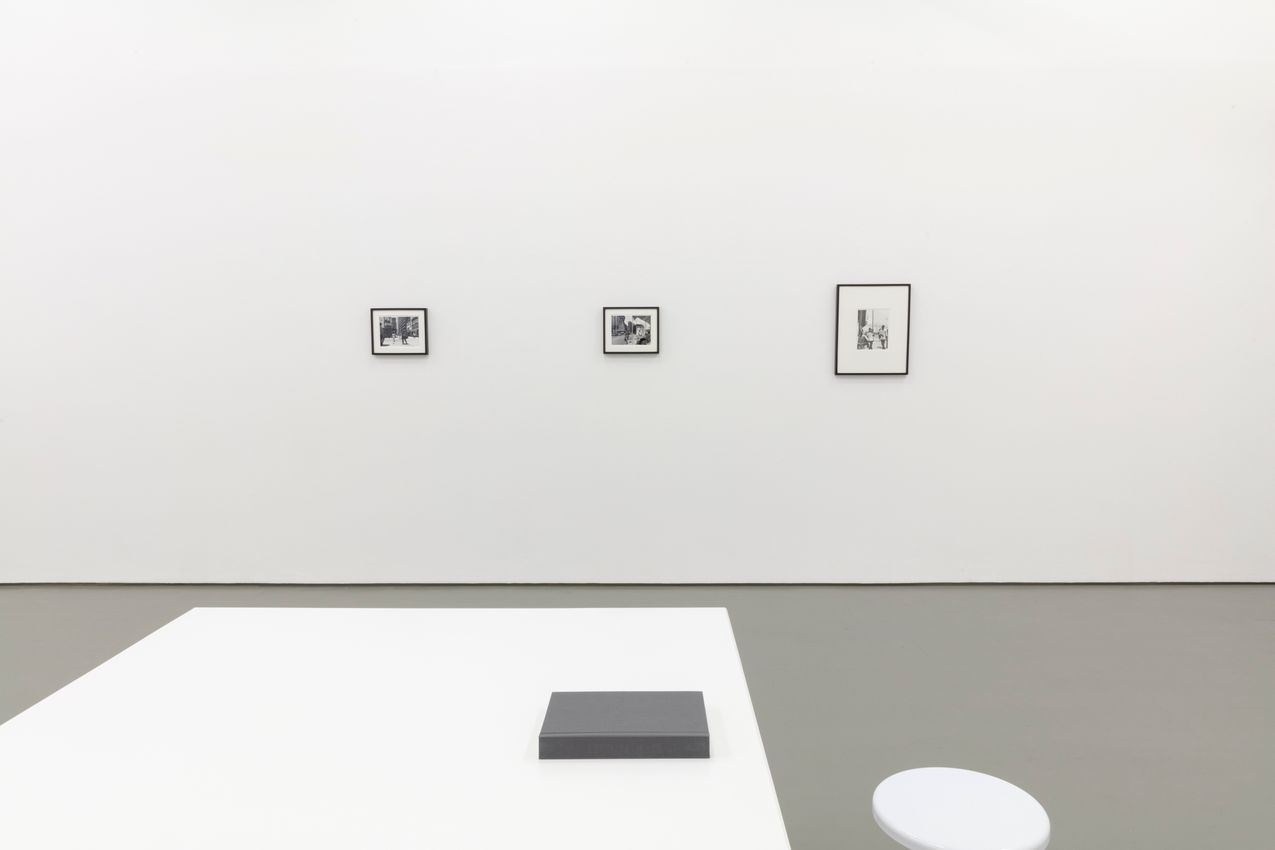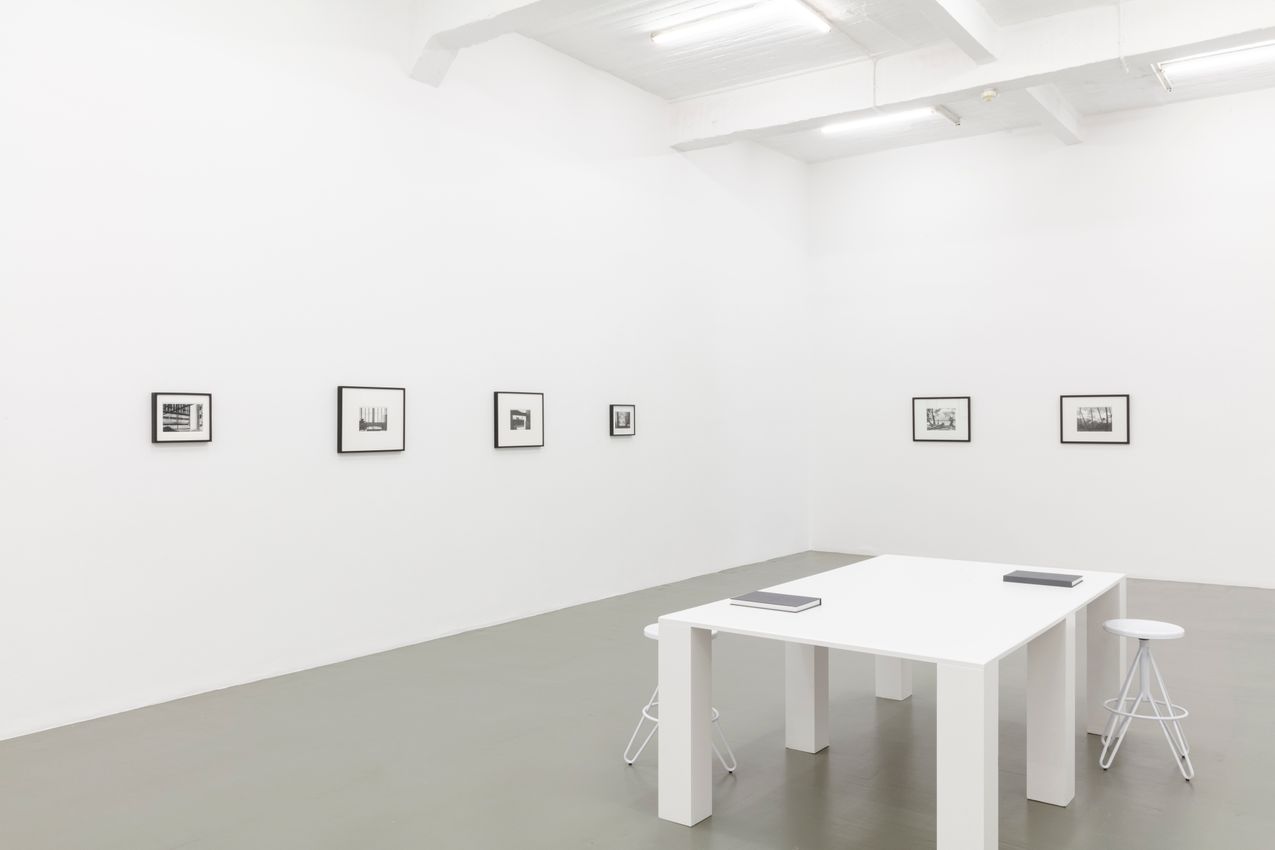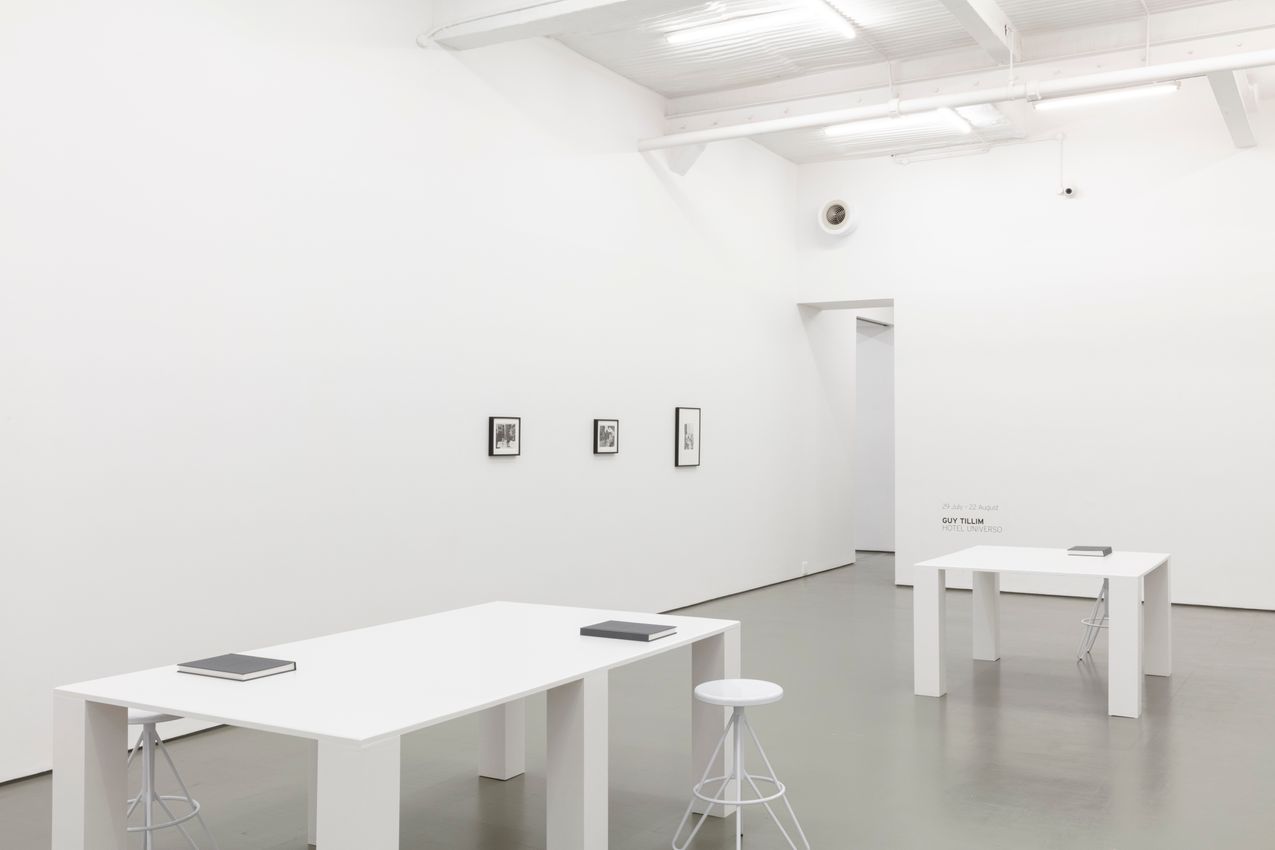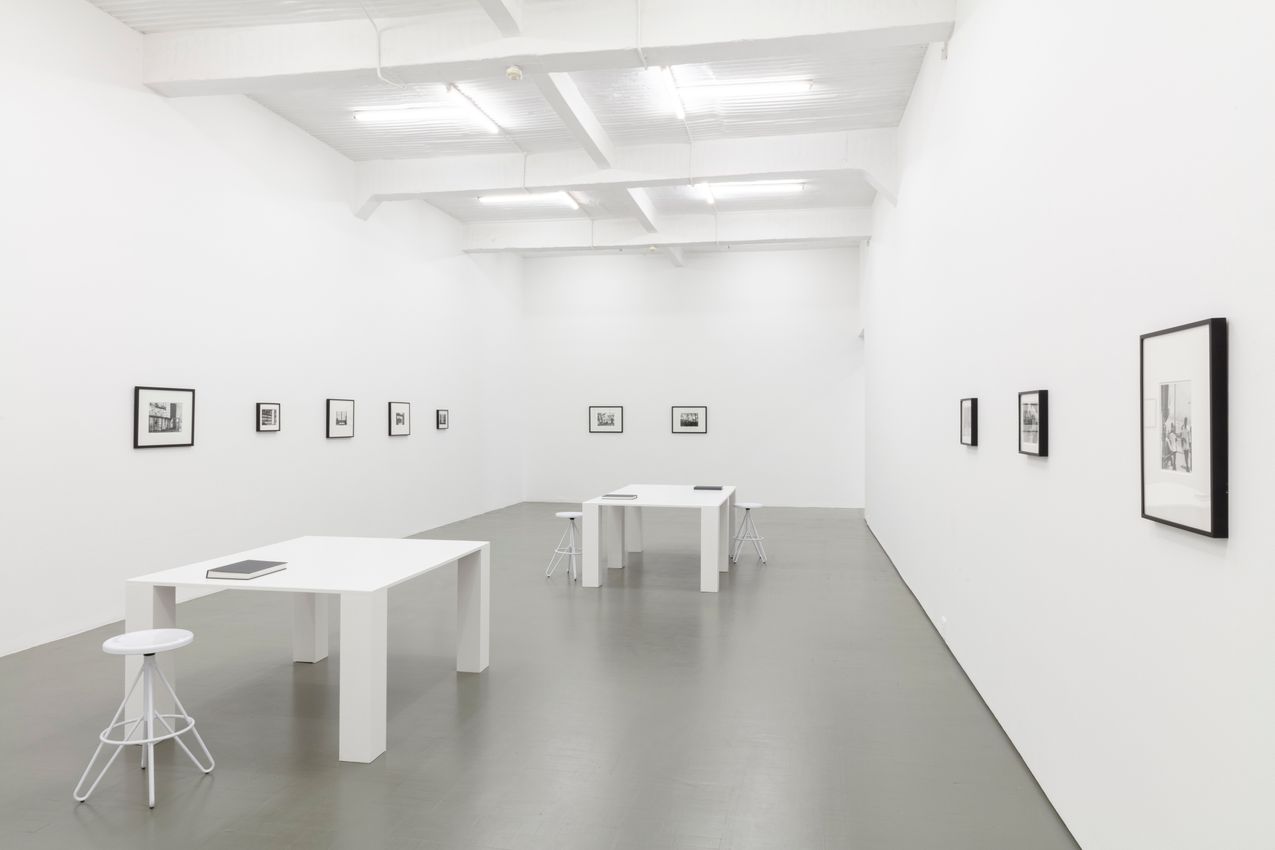
STEVENSON is pleased to present Hotel Universo, a solo exhibition by Guy Tillim.
Moving away from the colour photography that has characterised his recent projects, Tillim returns to his archive and his darkroom to produce new black and white images for the three bodies of work that comprise Hotel Universo.
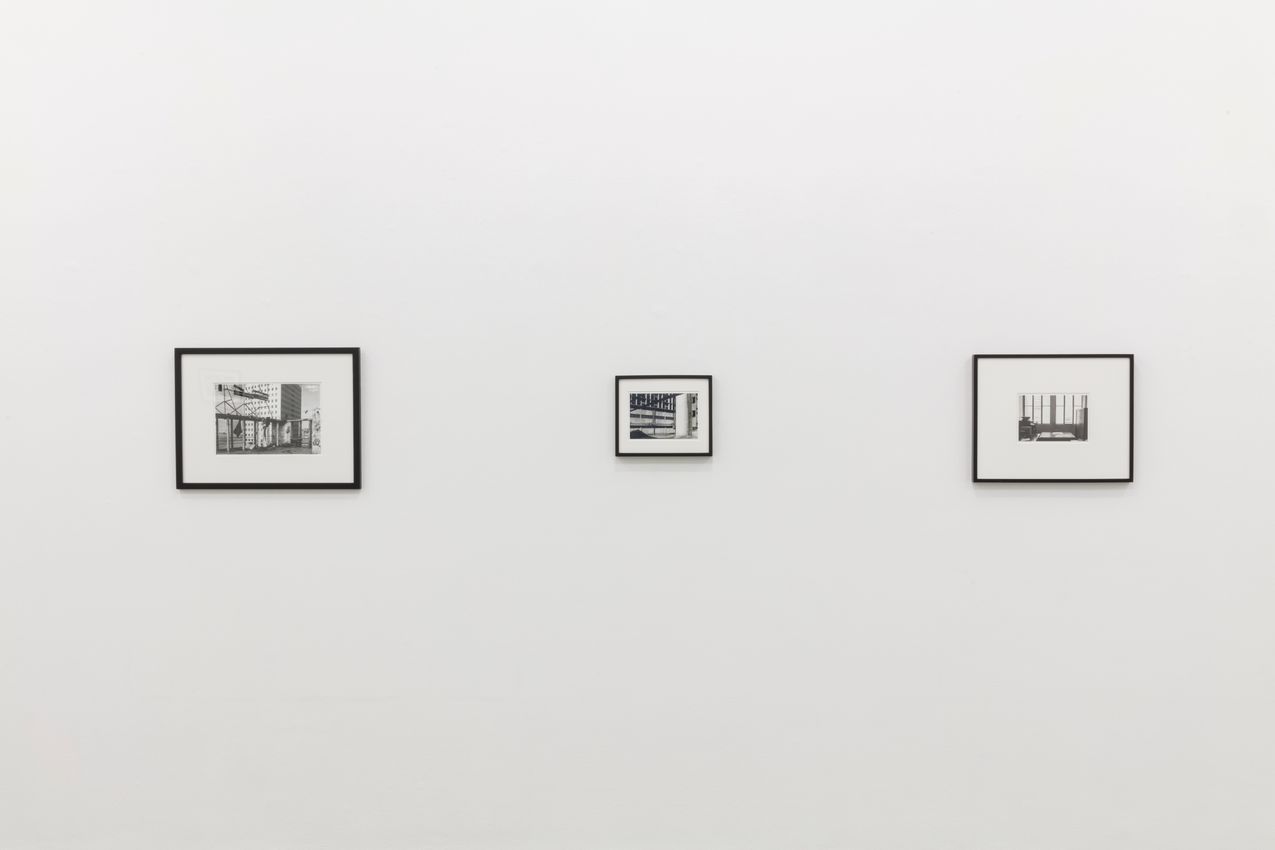
The first, from which the exhibition gets its name, focuses on the built environment, reflecting the ways in which history and the passage of time are inscribed through the processes of construction, maintenance and disrepair. The images were taken in Mozambique, Angola and the Democratic Republic of Congo between 2003 and 2007, their abstracted form offering the viewer a window through which to observe the brick-and-mortar residue left by the collapse of regimes. Tillim states:
‘I didn’t determinedly set about photographing vestiges of colonial power. I was simply fascinated by the place I found myself in, the sensation of it, and the feeling of being utterly lost in fact, so different was this environment from the one I grew up in.’
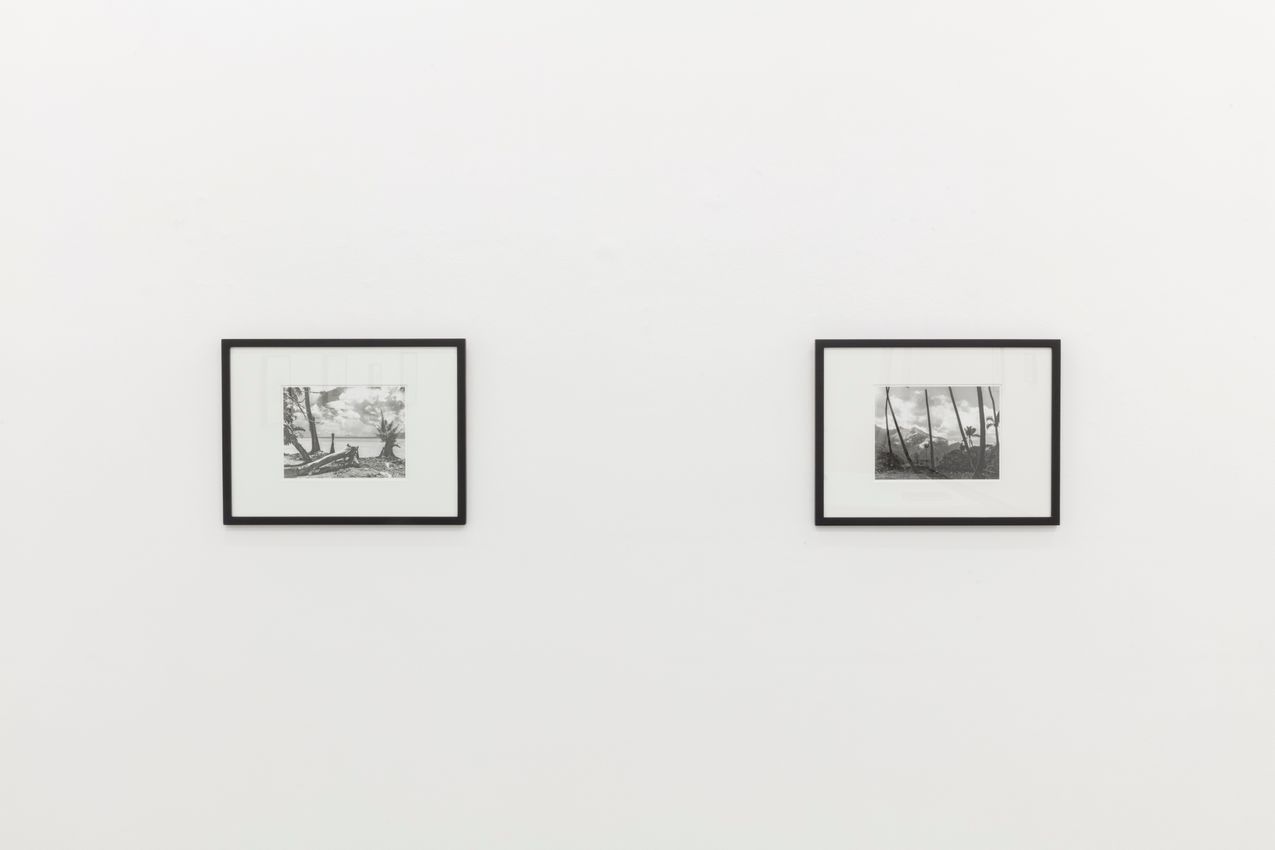
Second Nature, taken in French Polynesia between June 2010 and March 2011, places emphasis on that region’s natural landscape. In the making of Second Nature I, the initial iteration of these works, Tillim described a fascination with the area’s ability to elude convincing representation. Reading through debates, including those had by the artists who accompanied Captain James Cook’s 18th century voyages, Tillim remarked at their parallels with present questions about the complexities of judgment and control around image-making. To one such question, ‘How much do you “give” a scene and how much do you let it speak for itself?’ Tillim now responds:
I suppose that in the end my solution was to try and—I know this sounds trite, but to let the place speak through me, as it were; speak for itself, in other words. To my mind this meant looking for some kind of equality of the elements that I was looking at through the camera - the sea, the mountain, the palms. Not to trade in clichés, or to say too emphatically what was photographed.
In contrast, Dar es Salaam and Abidjan takes its cue from street photography and places emphasis on individuals. The pictured crowds engage in commerce, travel and other acts towards the fulfilment of needs. Tillim combines elements from different frames to create new scenes of urban life ‘so particularly ordinary [they have] effortless grace’. He adds:
‘I suppose I’m playing with time really. The scenes all happened; not in that sequence maybe, but with another throw of the dice, who knows?’
Hotel Universo, Second Nature and Dar es Salaam and Abidjan are presented as unique photobooks, in order to provide an individual experience of each body of work. All three series have been created using digital capture to make traditional silver gelatin prints from digital negatives, with Tillim attributing the renewed focus on this analogue aesthetic to the discovery of new inks and methods.
The exhibition is accompanied by a selection of framed prints, as well as an online presentation that will include a slideshow with audio commentary by the artist.
Tillim was born in Johannesburg in 1962 and lives in Vermaaklikheid in South Africa. He started photographing professionally in 1986, working with the Afrapix collective until 1990. His work as a freelance photographer in South Africa for the local and foreign media included positions with Reuters between 1986 and 1988, and Agence France Presse in 1993 and 1994.

Stevenson opened in 2003 in Cape Town’s Green Point district, after a visit to documenta 11, curated by Okwui Enwezor, by founding directors Michael Stevenson and Andrew da Conceicao. Moved by Enwezor’s ethos, they decided to create a new platform for contemporary art in South Africa, which was short on dedicated spaces at the time. Since its inception, Stevenson has connected local artists to the global art world, and introduced international practitioners to South African audiences.

A respected voice in contemporary art discourse.
Focusing on ambitious storytelling and insightful art-world commentary. Ocula Magazine publishes in-depth interviews, critical essays and timely analysis on the artists, exhibitions and ideas driving the global art world.
Learn more about Ocula Magazine
Showcasing the best of the art world.
Ocula partners with galleries from around the world to highlight their artists, artworks and exhibitions. Gallery membership is by application and invitation, with each member vetted by an independent panel.
Learn more about Ocula Membership

Specialises in the sale of major artworks.
Led by a team with deep ties to the world’s leading auction houses, galleries and collectors. Ocula’s advisory team offers bespoke services to high-net-worth clients from around the world who are looking to acquire the best of contemporary and modern art.
Learn more about our team and services