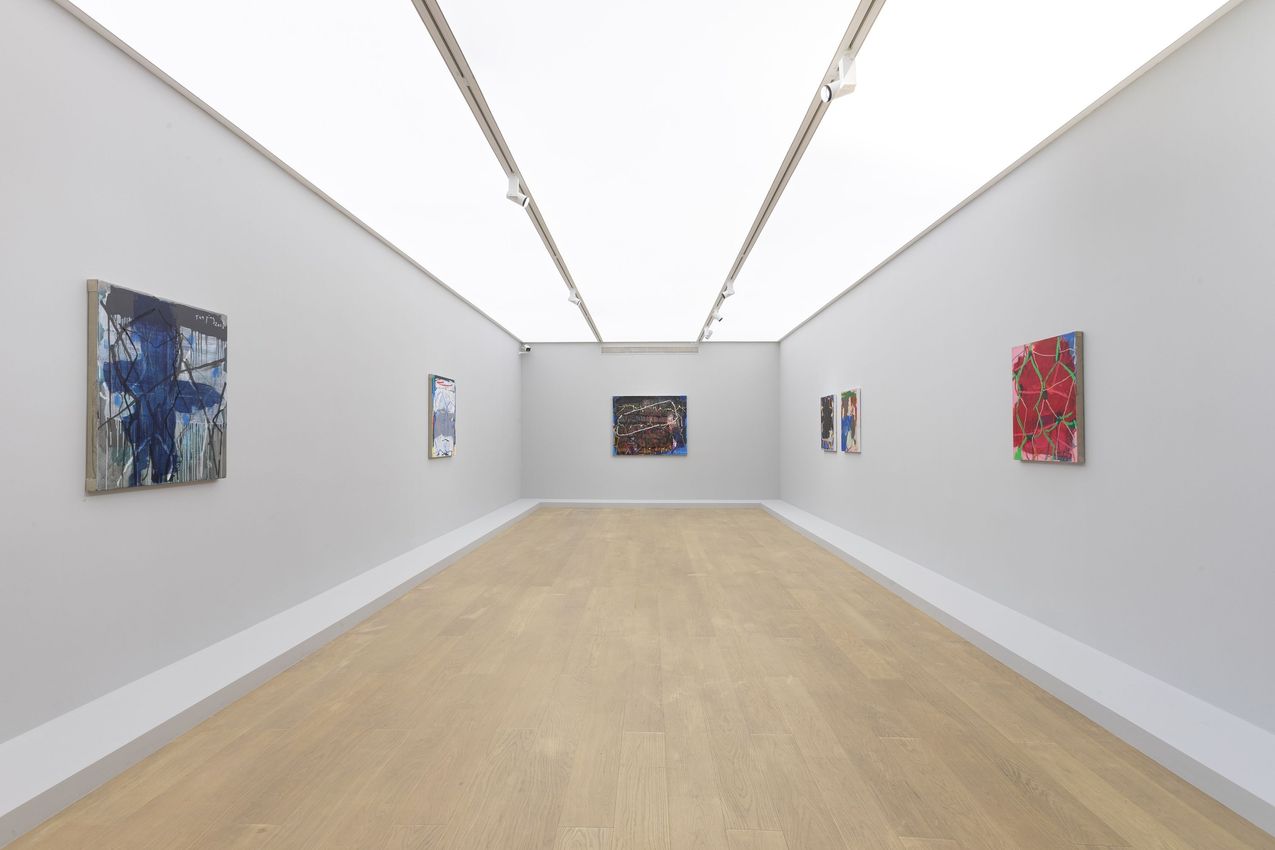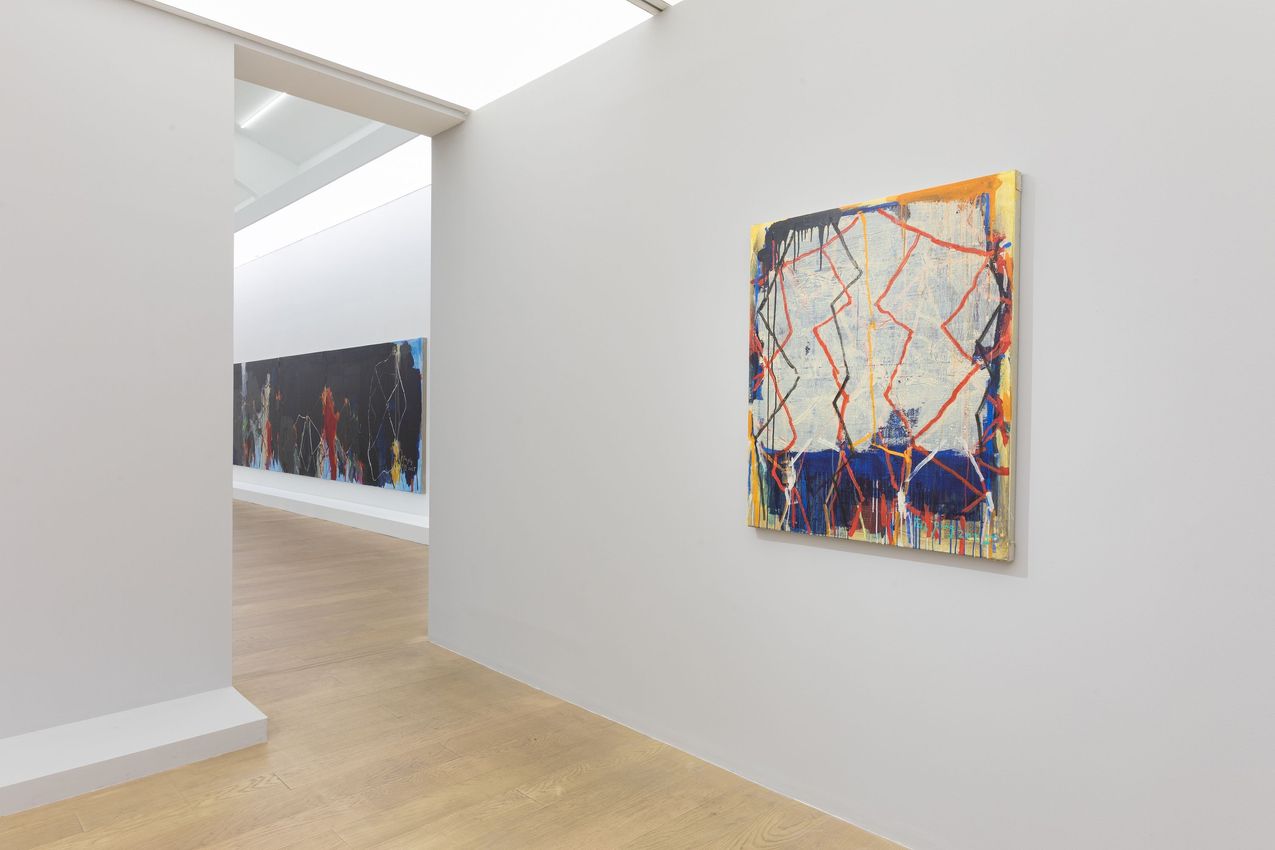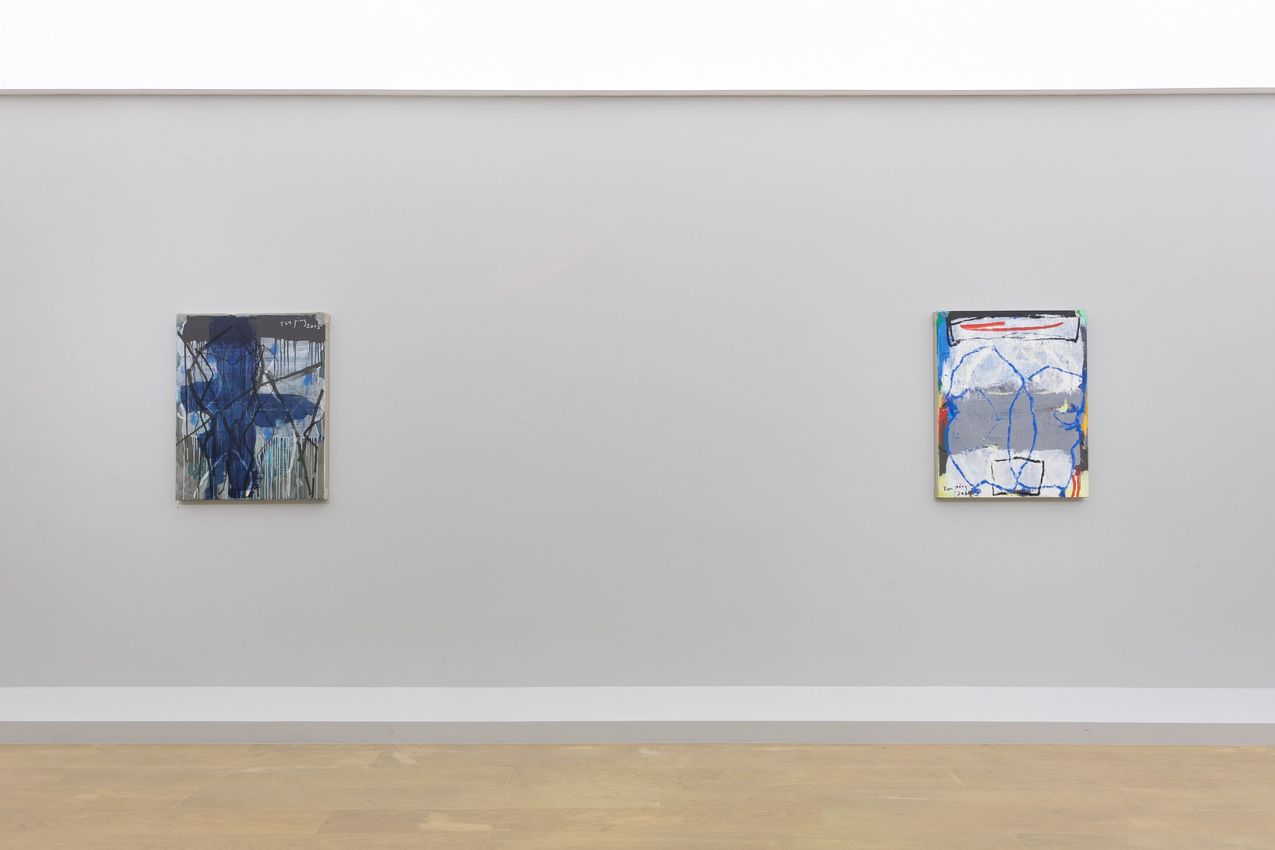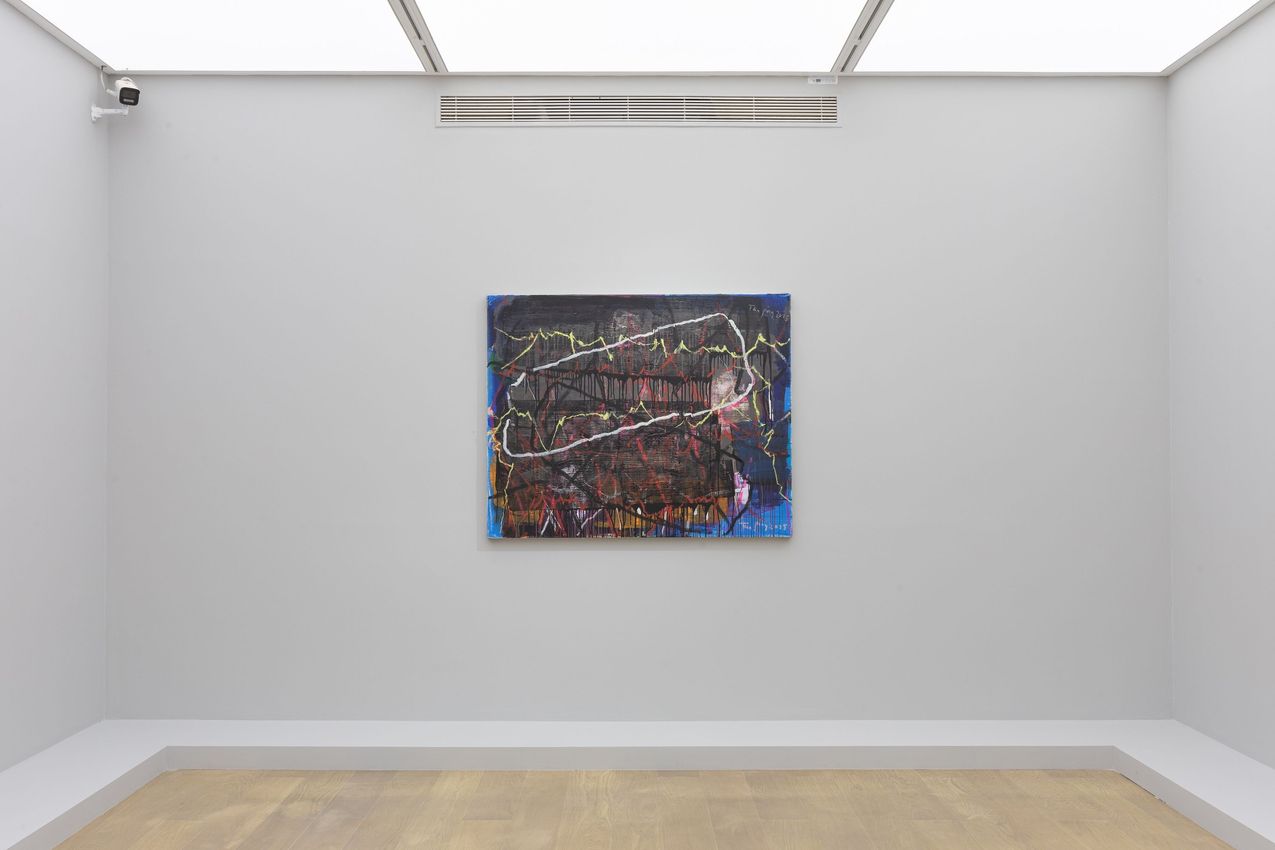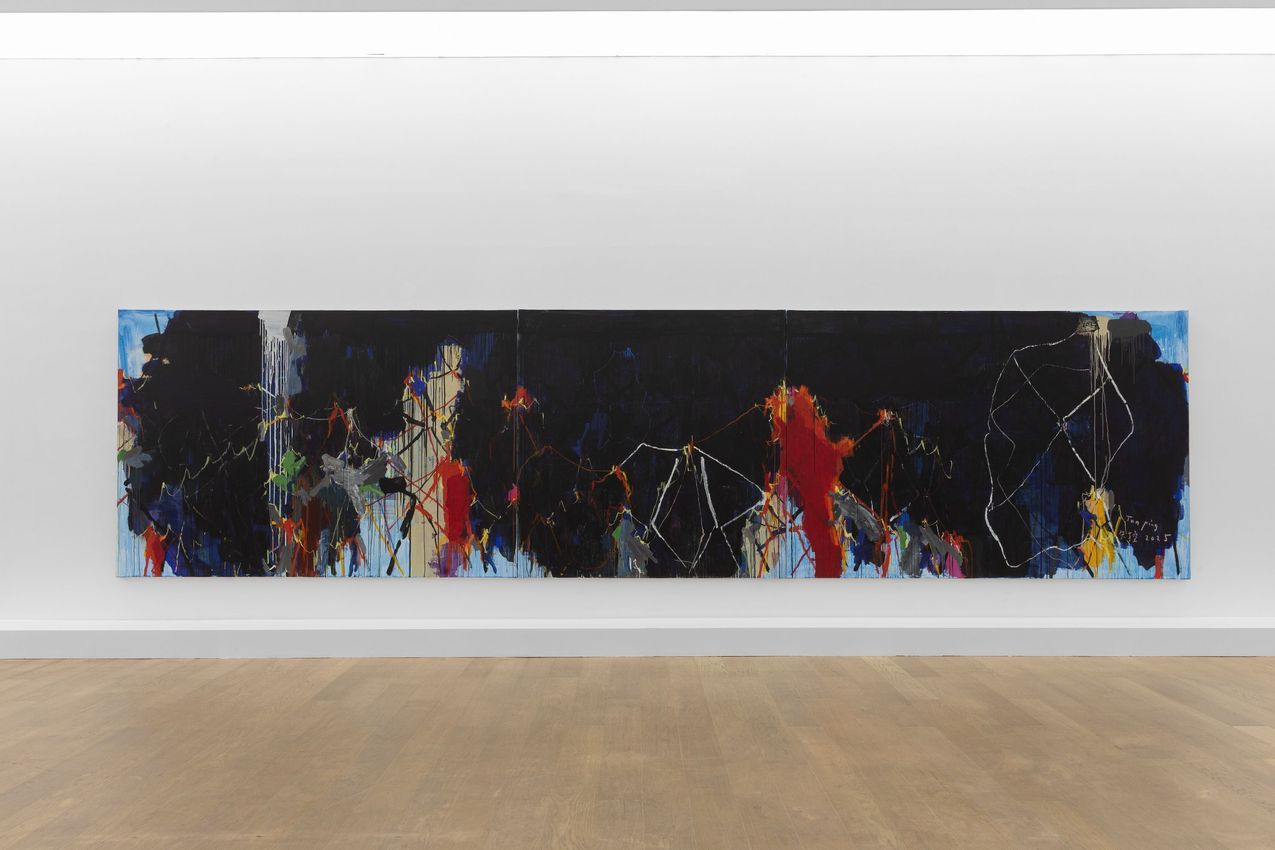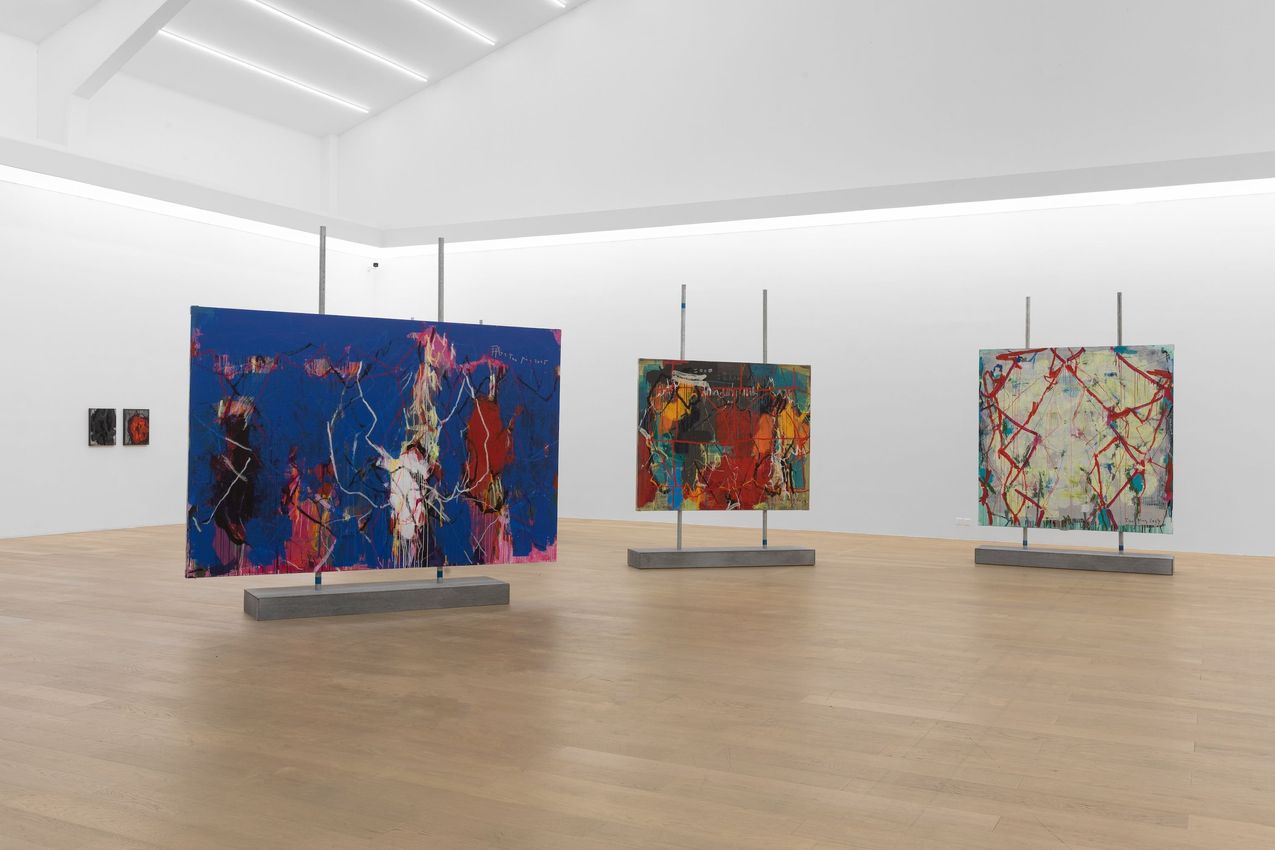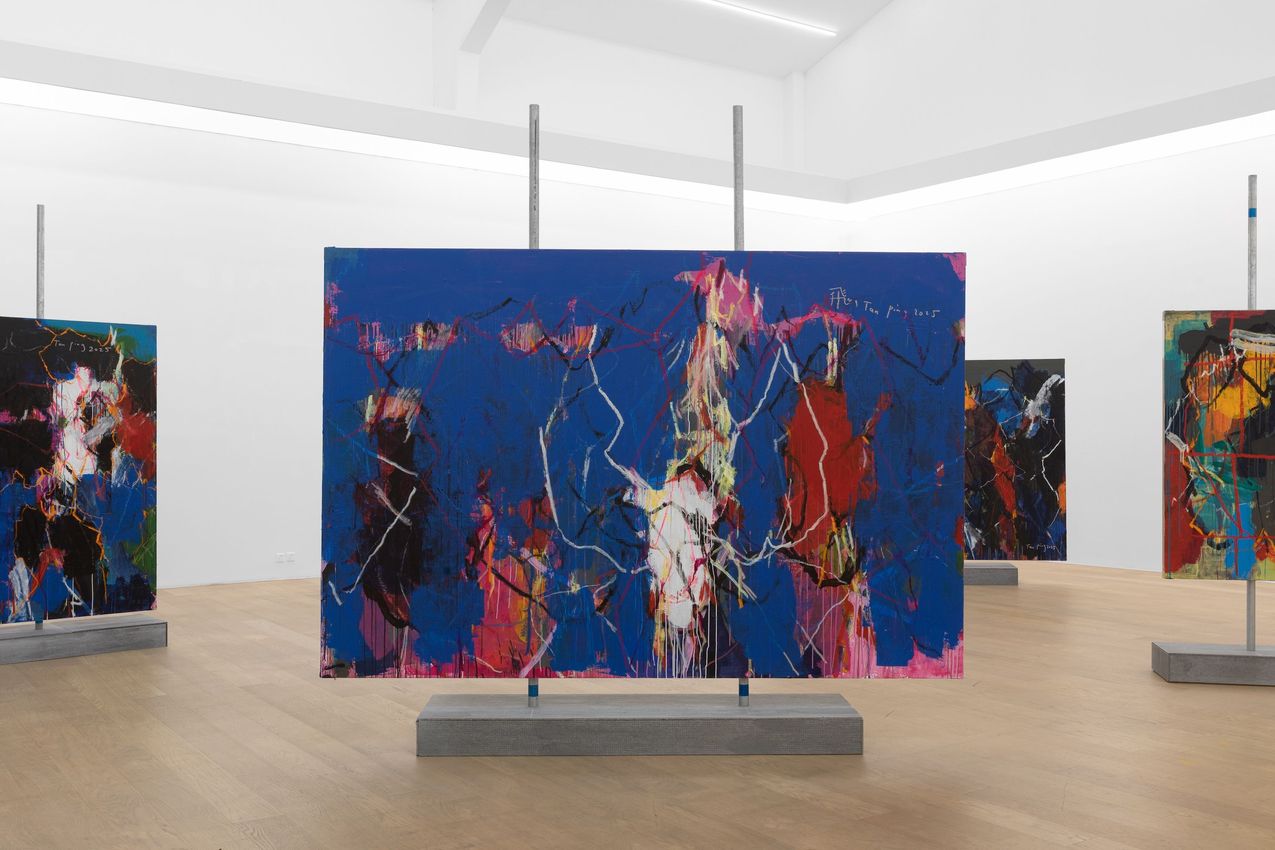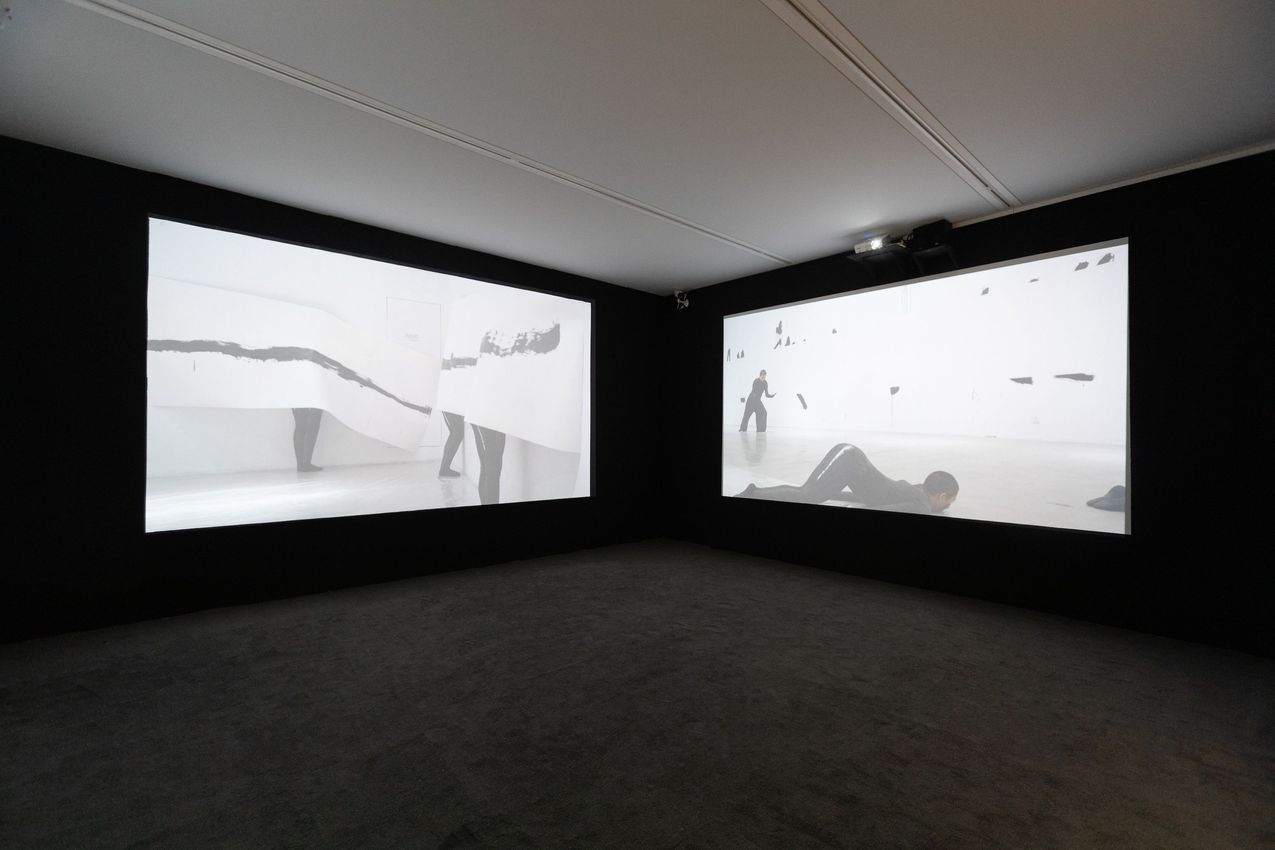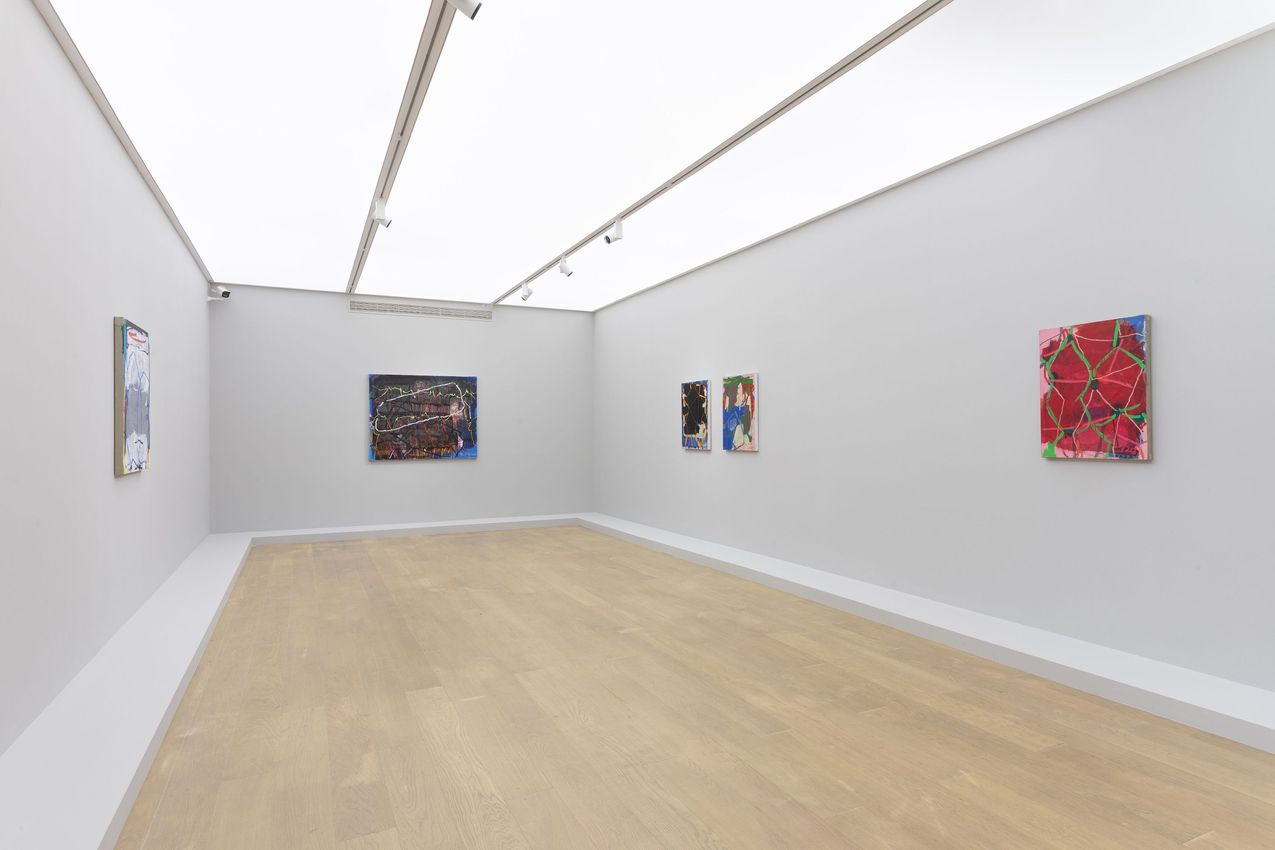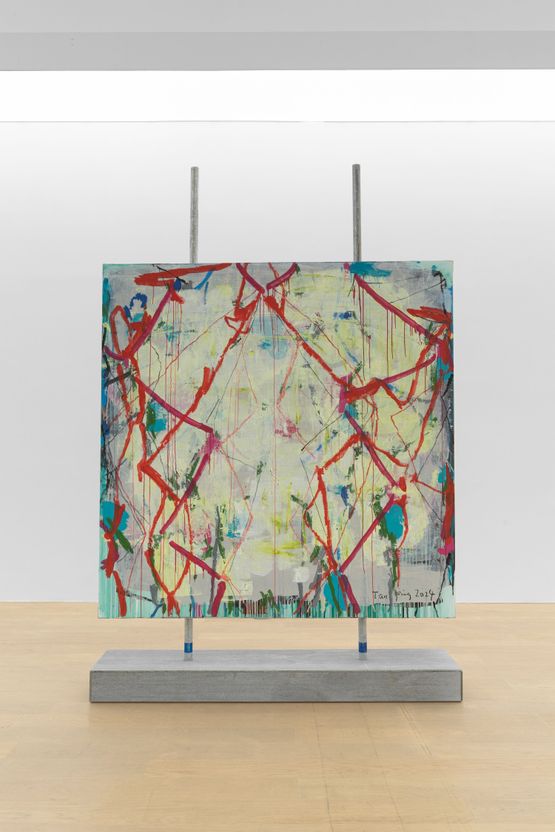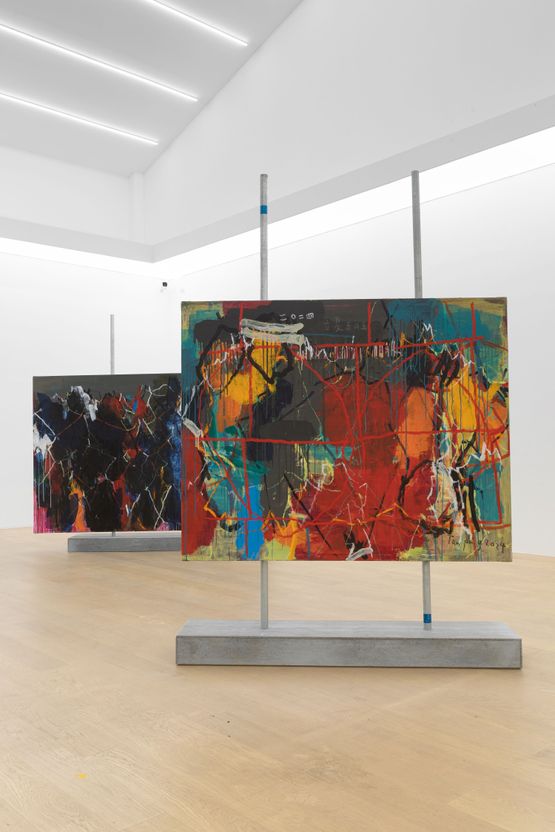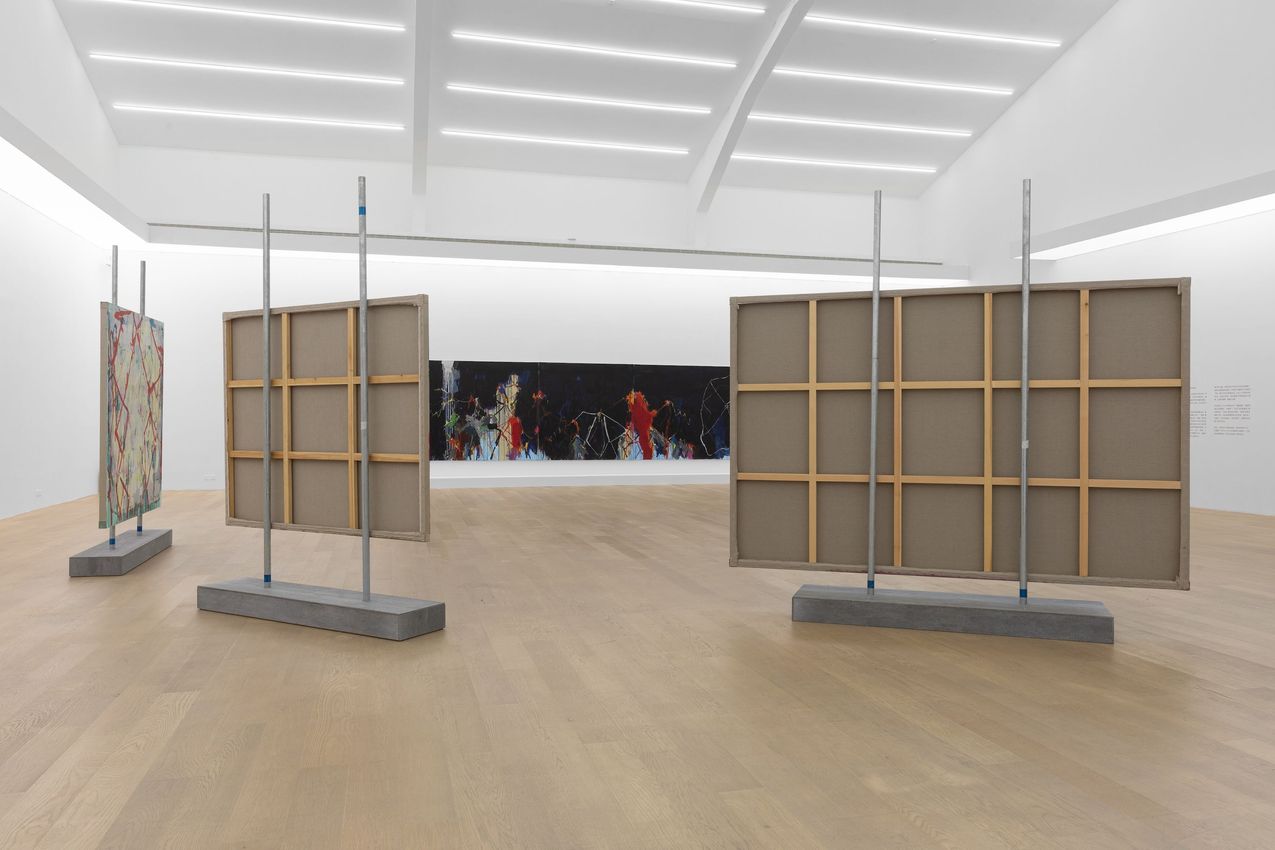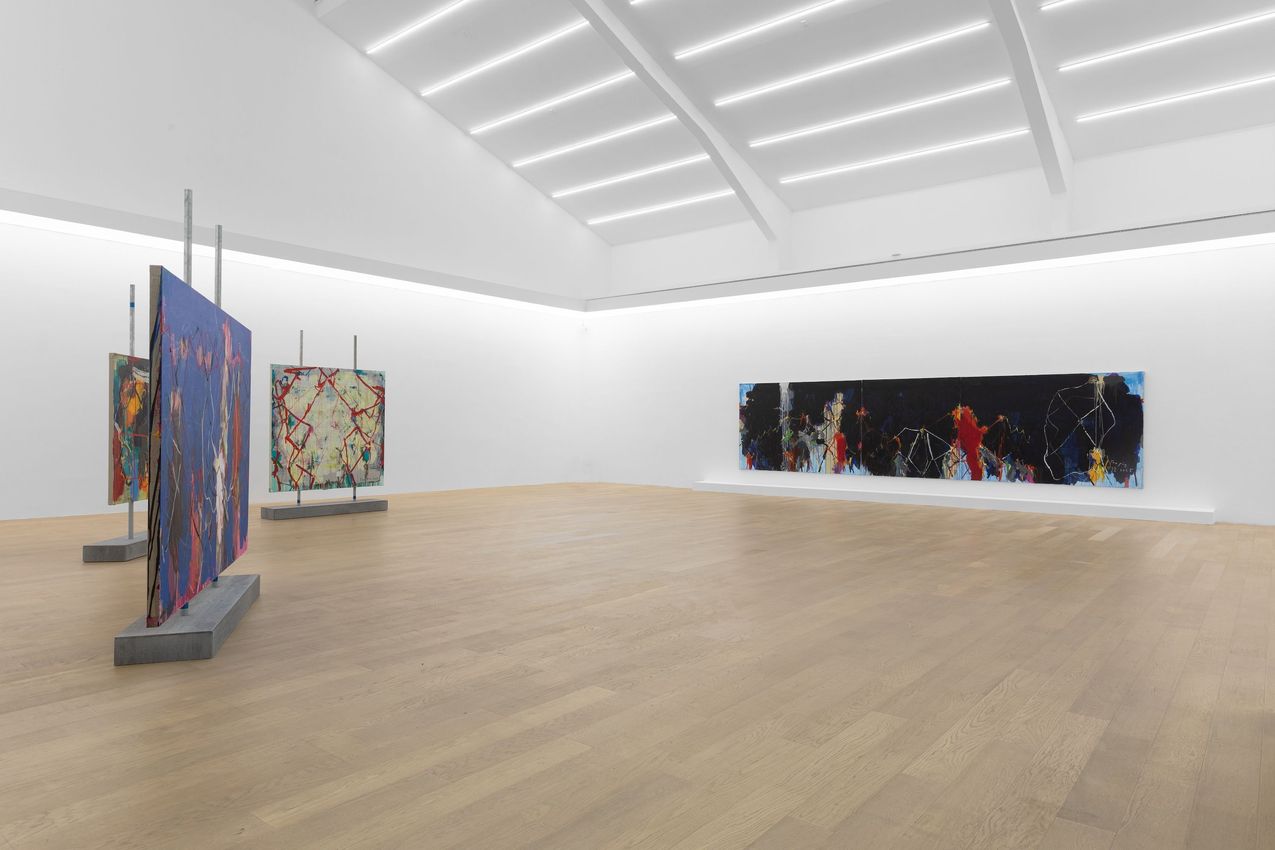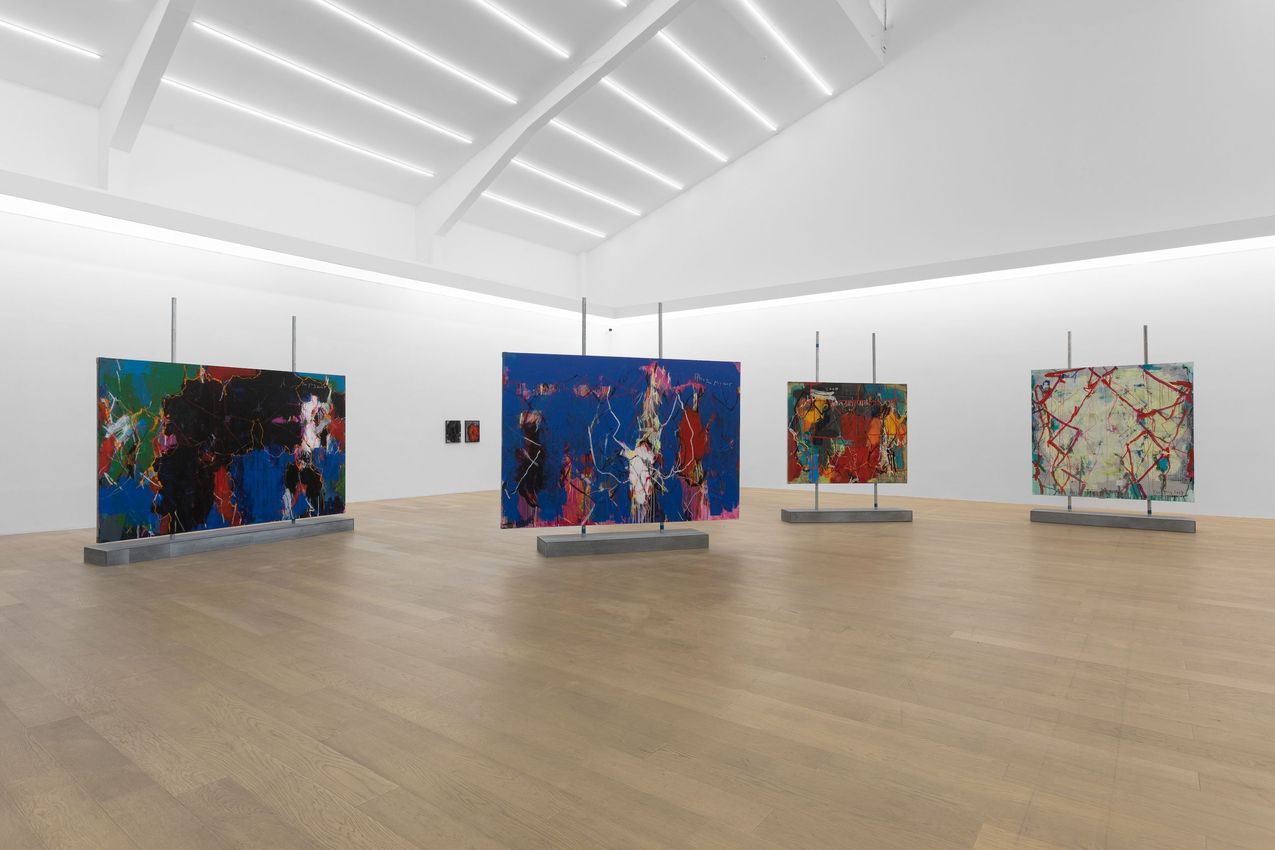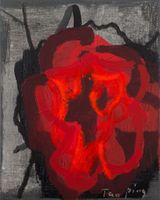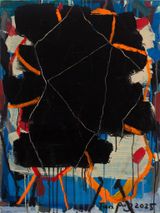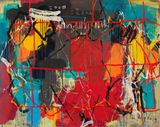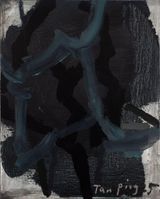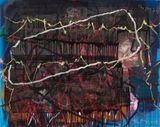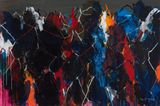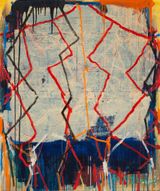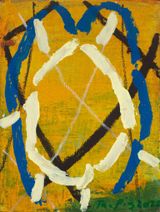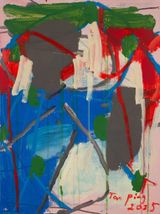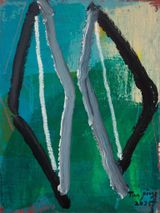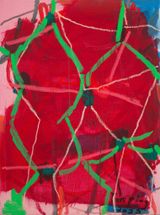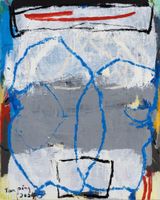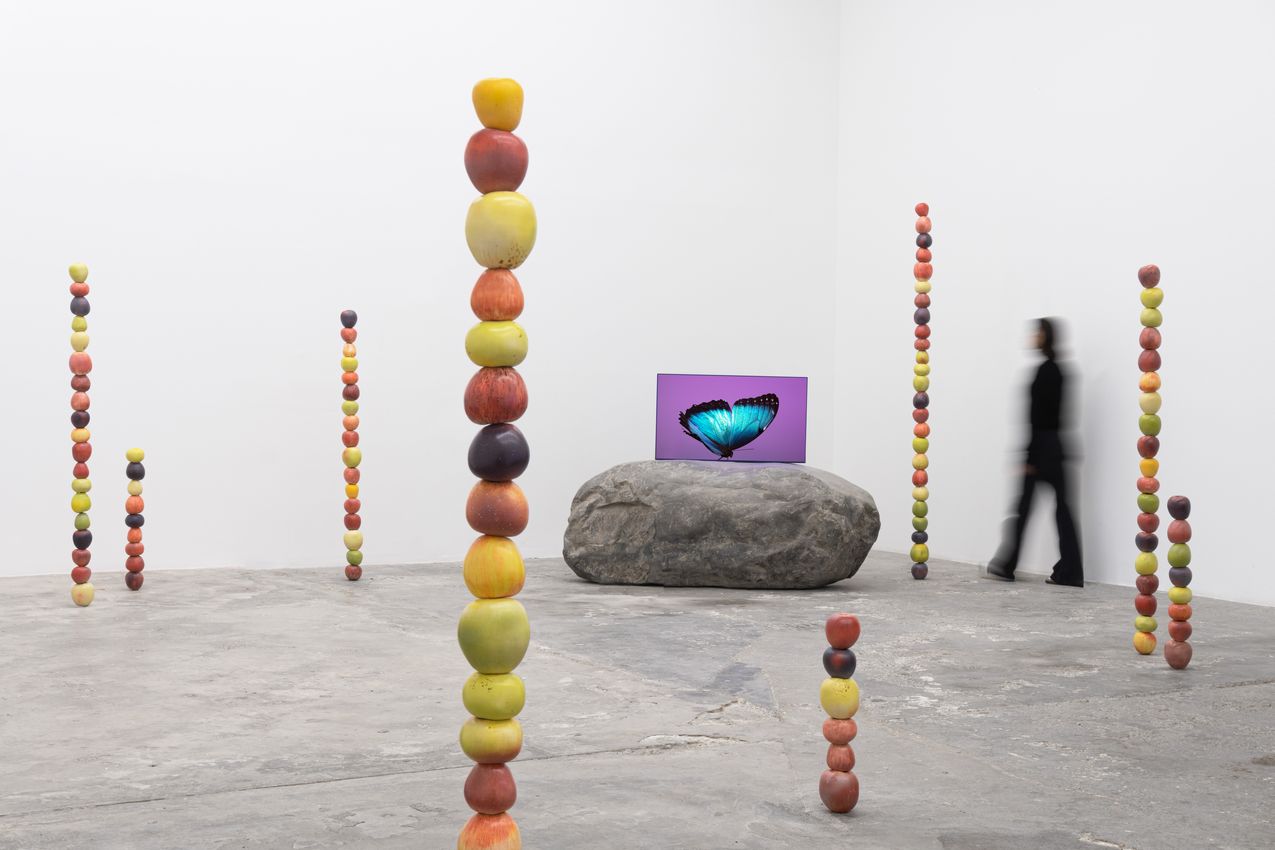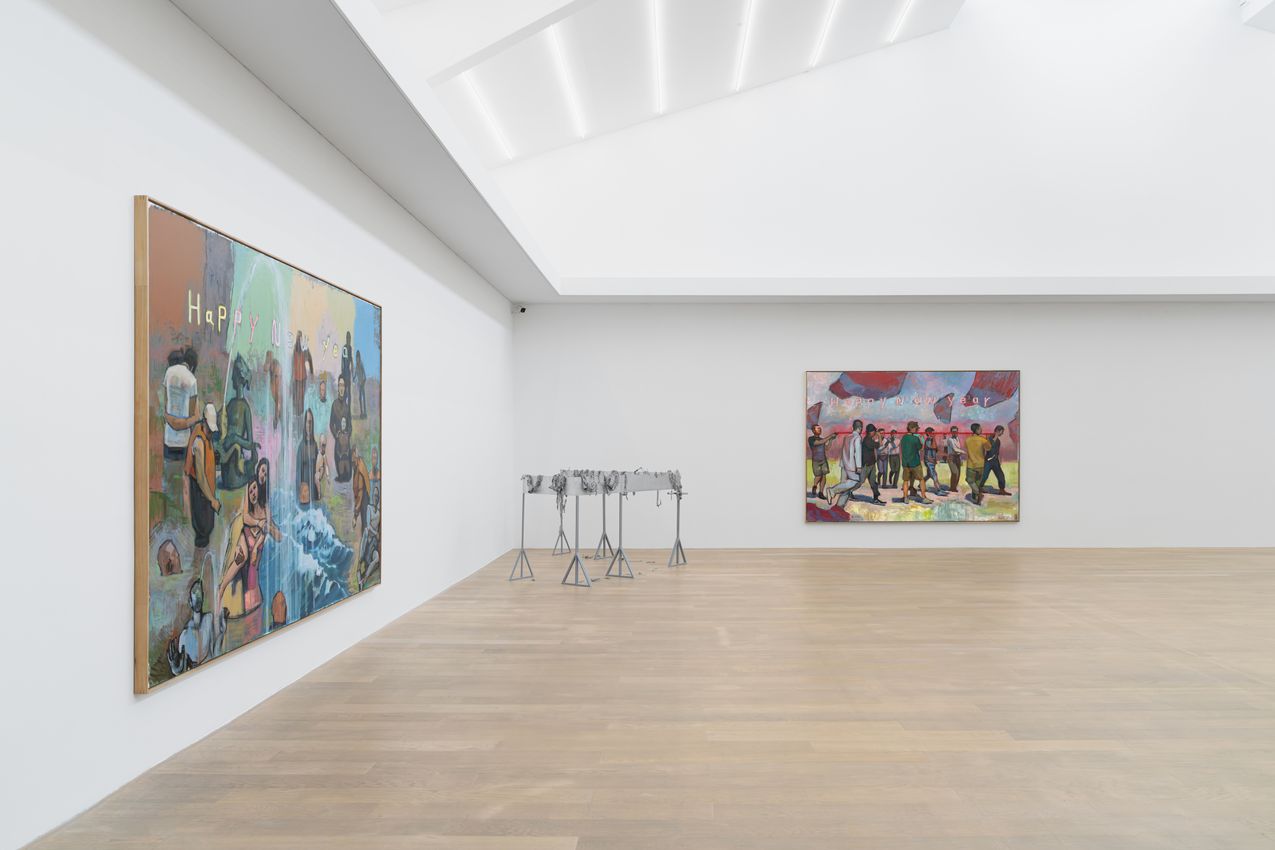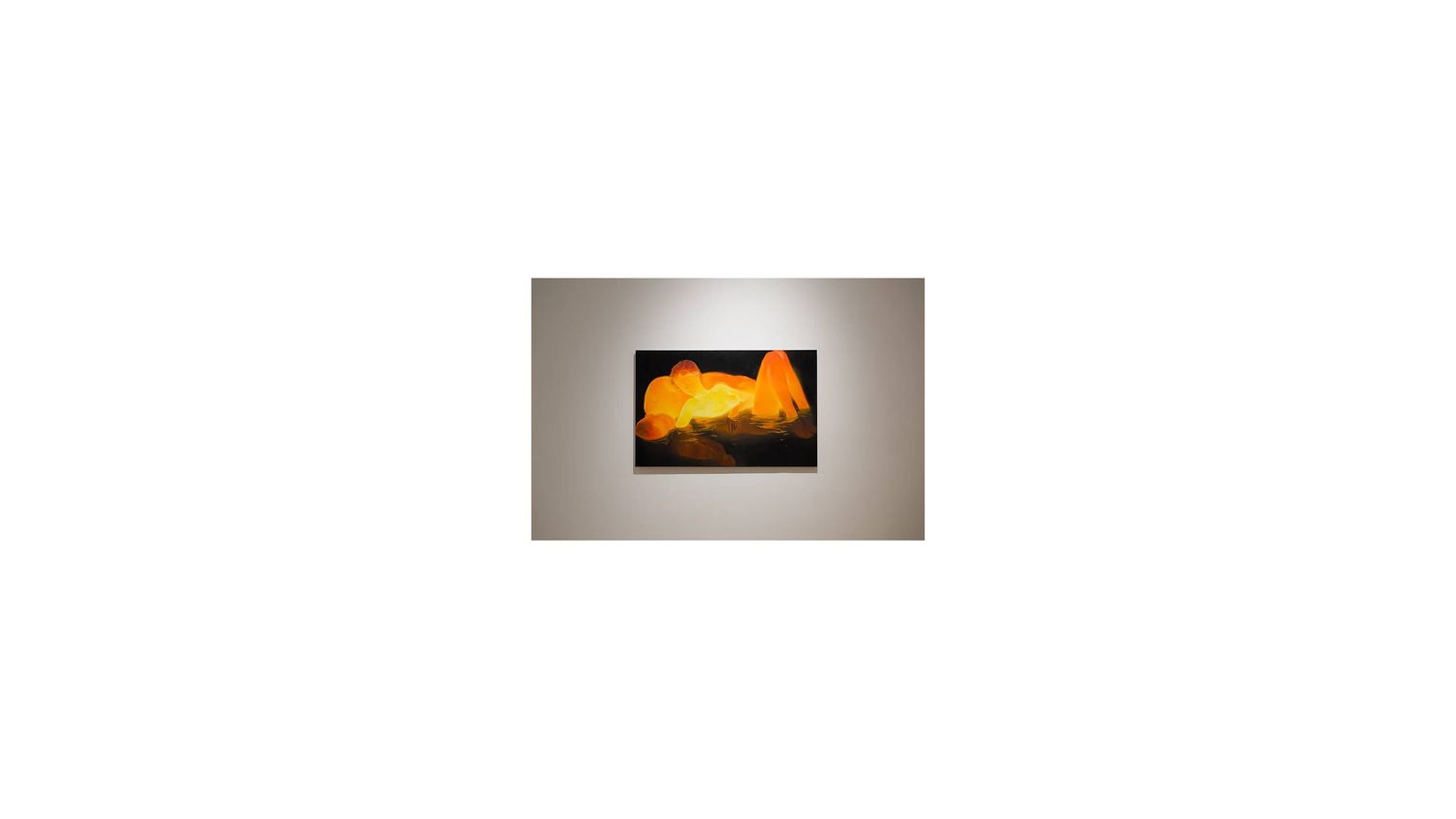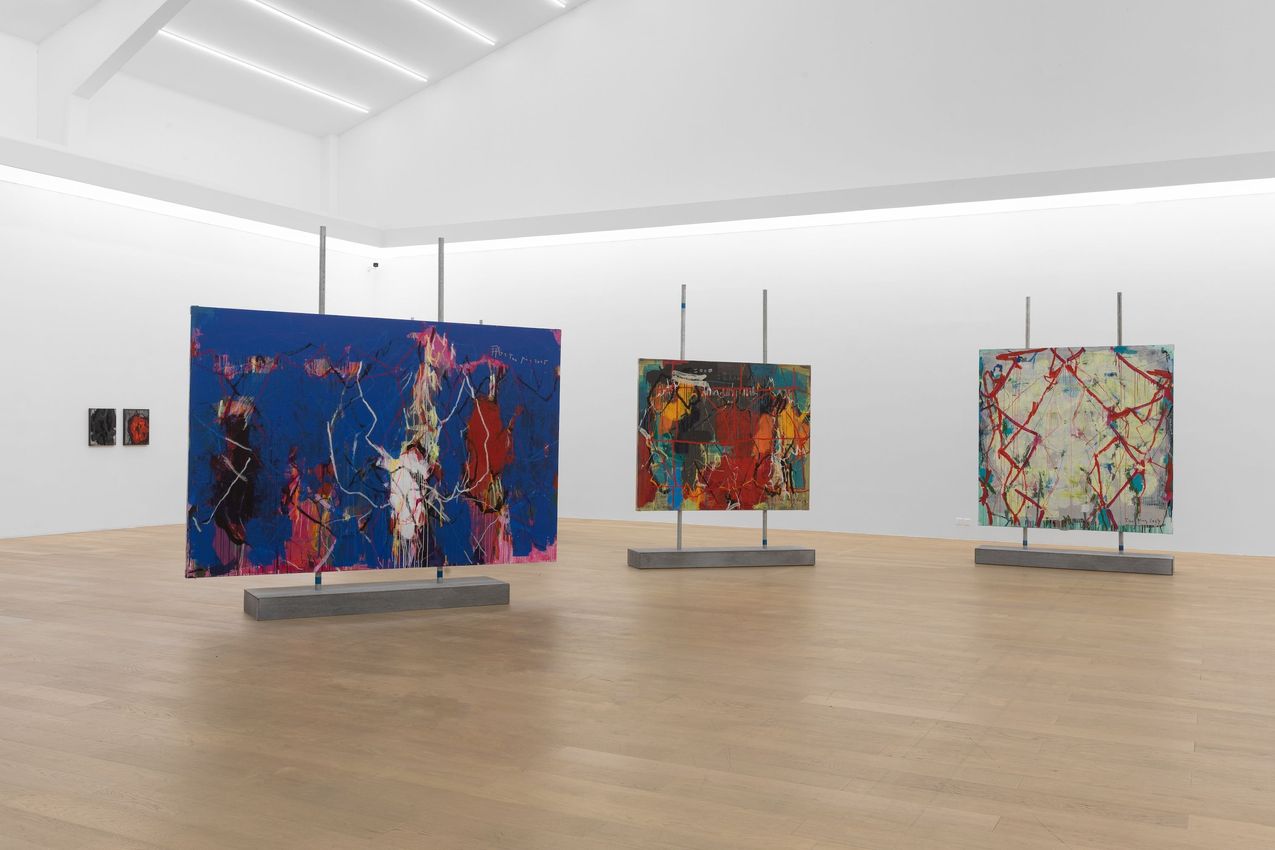
Tang Contemporary Art is pleased to present Chinese artist Tan Ping’s latest solo exhibition, The Unruly Verge Of Flame, at First Space in Beijing on 23 August at 4 p.m. Curated by Cui Cancan, the exhibition features more than 20 paintings and video works created by Tan Ping over the past two years.
What brings a painting into being, and what triggers an artist’s impulse to create? This age-old yet ever-renewed question recurs throughout Tan Ping’s artistic journey. It also frames the position of this exhibition, concerning the profound motives behind change.
Before this transformation unfolded, Tan Ping had prepared thoroughly. How might painting be used in all its possibilities? Forty years of artistic practice have given him invaluable experience, as well as the perspective to reflect upon that very ‘experience.’ From the formalism and surrealism of the 1980s, to the conceptual art, happenings, and Fluxus-inspired experiments of the 1990s; from his explorations since the 2000s into painting and exhibition as performative acts, extending into dance, lighting, and theater—these may all be seen as actions probing the potential of painting.
Next, this transformation arose from reality itself. Since 2020, a sweeping tide of historical moods and social change has invaded everyone’s life and emotions: geopolitical shifts and rivalries, a global economic downturn, and the entanglement of multilateralism—all forming a fractured map of today’s world. Our inner worlds, too, have grown disoriented, disenchanted, and homogenized. A new spiritual indicator has guided Tan Ping to rethink the relationships between reality and abstraction, chance and inevitability, thought and action.
Furthermore, the ‘shifts’ in reality have compelled Tan Ping to reconsider art history, his contemporaries, and his own artistic experience. He must confront multiple measures of abstraction: first, abstraction as a concept, which throughout a lifetime becomes both a ‘constraint’ and a ‘mold’—how not to become imprisoned by one’s own ideas? Second, abstraction as form, where formal ‘avant-gardism’often demands a refusal of reality and the everyday—yet how can a ‘purified language’ avoid ossifying into mere style? And how can it respond to a world in upheaval?
In light of these changes—both real and artistic—Tan Ping seeks a freer, more immediate path, one that returns him to the turbulent stage of reality and society, while remaining anchored in his unique personal sensibility. Thus, the questions of how to correspond with urgent realities, and how to reshape the artistic language of the present, have become the central concerns of this body of work. ‘Fluid transformation’ and ‘the dramaturgy of time’ mark the beginning of an entirely new journey.
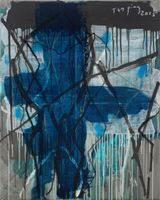
Unlike Tan Ping’s earlier works, this new series does not pursue a conclusive or definitive result. The paintings have no endpoint. The shifting dates inscribed on the canvas, the traces of erasure and retention, and the “discoveries” born of accident all serve as witnesses to process, to change, and to the turbulence of becoming.
Layer upon layer of fragmentary sensations are kept alive. The canvases simmer with boiling points, where ‘improvisation’ ignites ‘improvisation,’ and ‘fracture’ fuels ‘fracture.’ They are ceaselessly struck, consumed, and worn down, only to flare, recede, and slip into ‘loss of control.’ Yet Tan Ping does not fear losing orientation. Rather, he seeks to establish within the paintings the same density as today’s world—a fractured terrain and a spiritual imagery of equal intensity. Only then can form—its weight and scale, its abundance or scarcity—be placed in synchrony with the present moment, allowing language and spirit to probe the condition of humanity.
The force of these works also springs from the emotions embedded in labor and time—from the resilience of repeated gesture. In contrast to the subtractive logic of traditional abstraction, Tan Ping works additively, layering gazes, meditations, and vital rhythms from different moments. Onto each canvas he pours divergent attitudes and emotions, positions and spirits, the finite and the infinite.
As the painting Flying suggests, only by breaking from rules, or freeing oneself from past ignition points, can flight begin. When the ‘flashpoint of disorder’ occurs in succession, freedom offers its reward, and chance naturally inclines toward the artist, arriving through necessity or accident. In this process, there is no need to ‘create,’ only to discover—and to affirm and expand the meaning of what is found.
This ever-renewing language, this mirroring of reality, also restores the ancient humanist power of art: its impulse to feel, to remember, and to console the fate of humankind.


Tang Contemporary Art was established in 1997 in Bangkok, later establishing galleries in Beijing and most recently Hong Kong. Tang Contemporary Art is fully committed to producing critical projects and exhibitions to promote Contemporary Chinese art regionally and worldwide and encourage a dynamic exchange between Chinese artists and those abroad.

A respected voice in contemporary art discourse.
Focusing on ambitious storytelling and insightful art-world commentary. Ocula Magazine publishes in-depth interviews, critical essays and timely analysis on the artists, exhibitions and ideas driving the global art world.
Learn more about Ocula Magazine
Showcasing the best of the art world.
Ocula partners with galleries from around the world to highlight their artists, artworks and exhibitions. Gallery membership is by application and invitation, with each member vetted by an independent panel.
Learn more about Ocula Membership

Specialises in the sale of major artworks.
Led by a team with deep ties to the world’s leading auction houses, galleries and collectors. Ocula’s advisory team offers bespoke services to high-net-worth clients from around the world who are looking to acquire the best of contemporary and modern art.
Learn more about our team and services