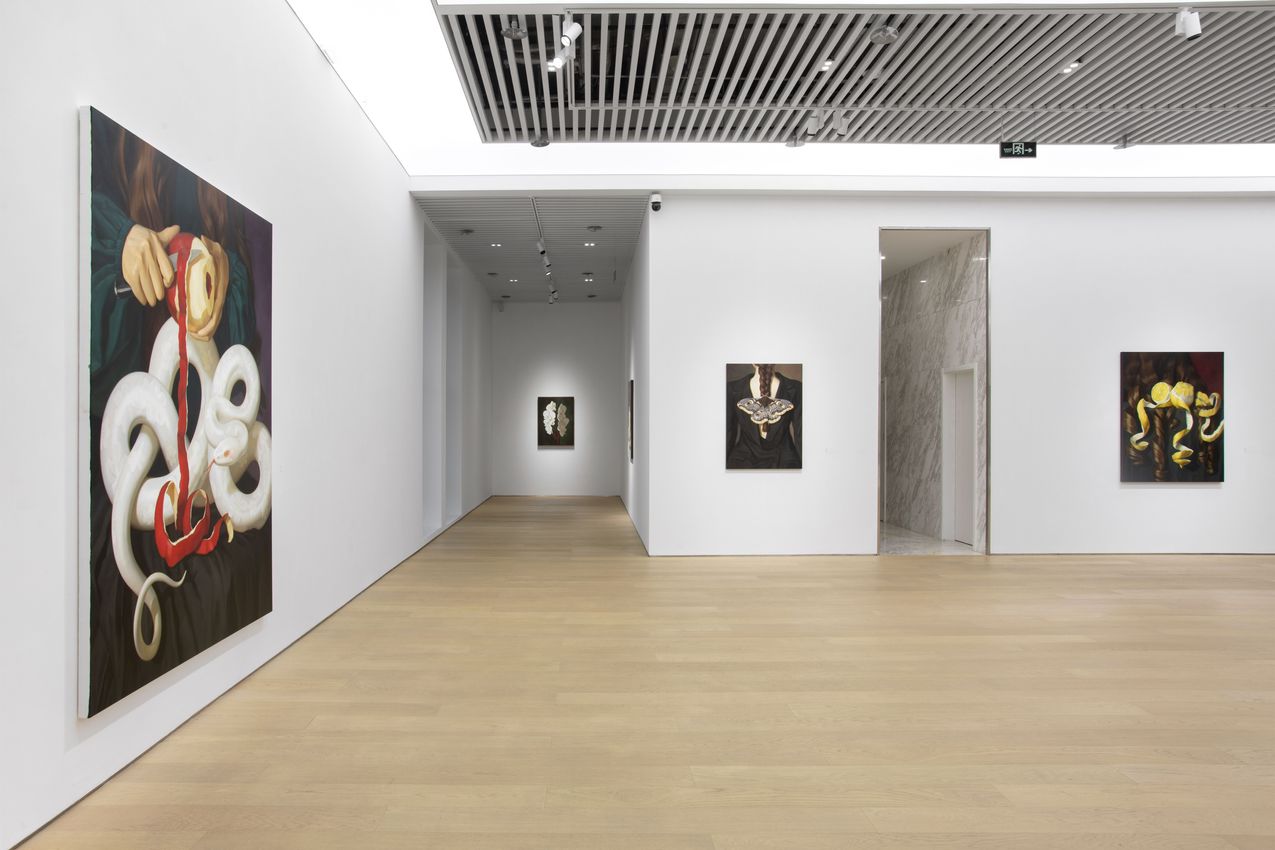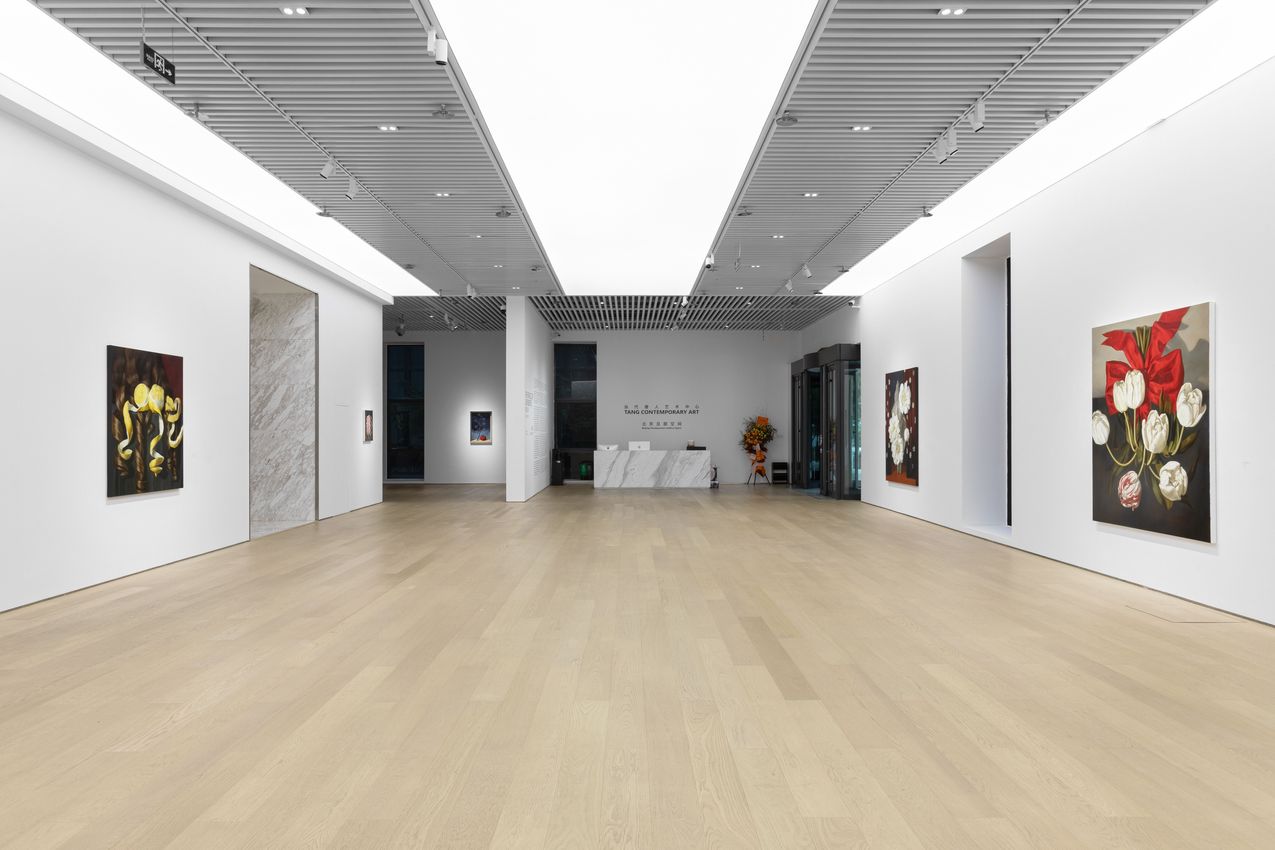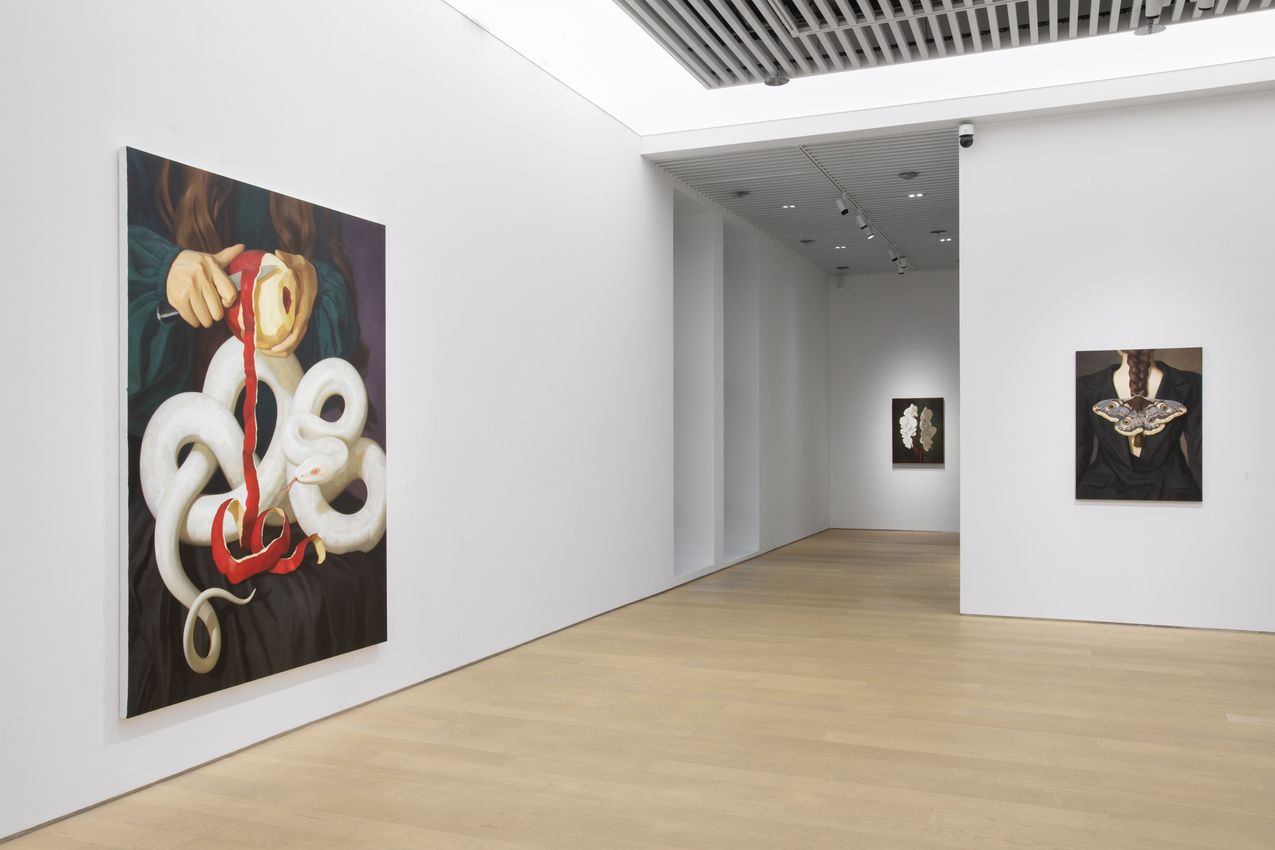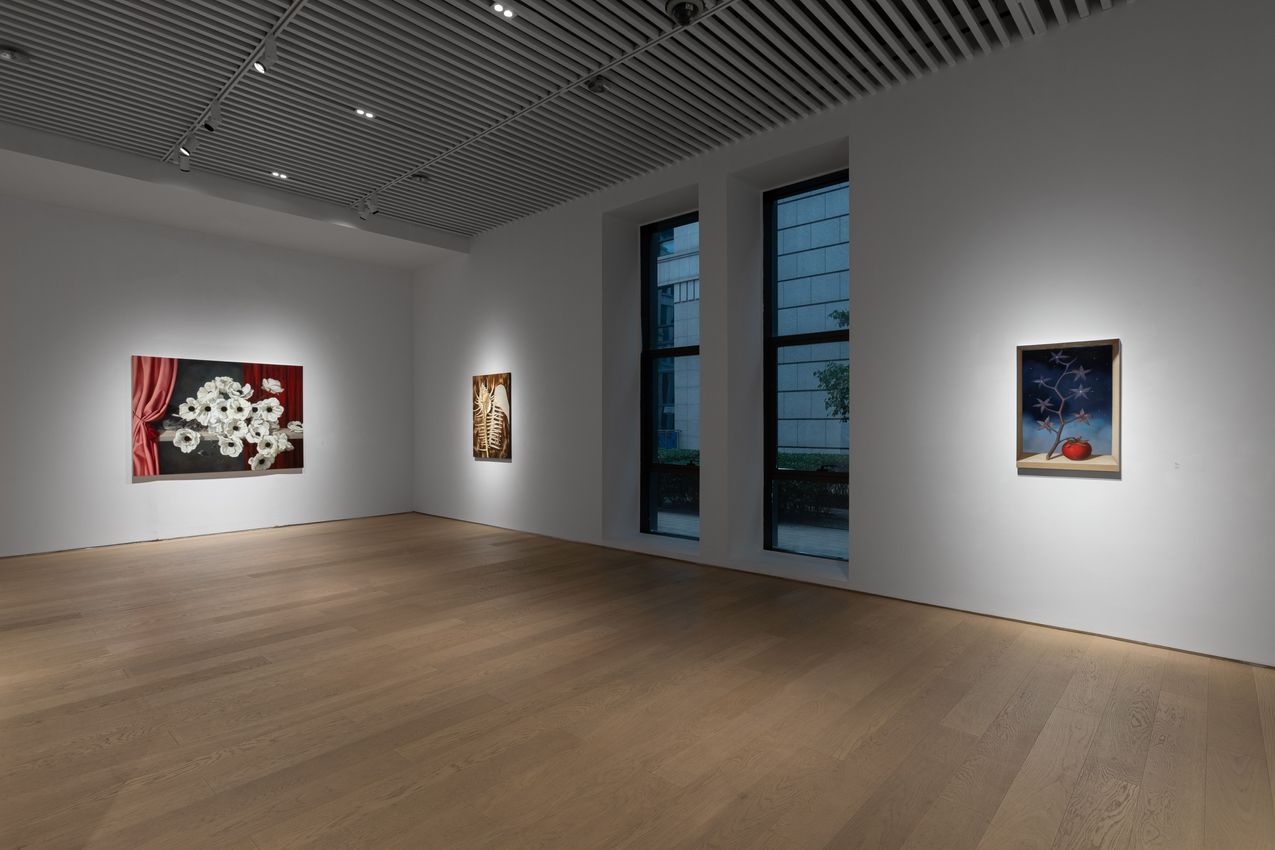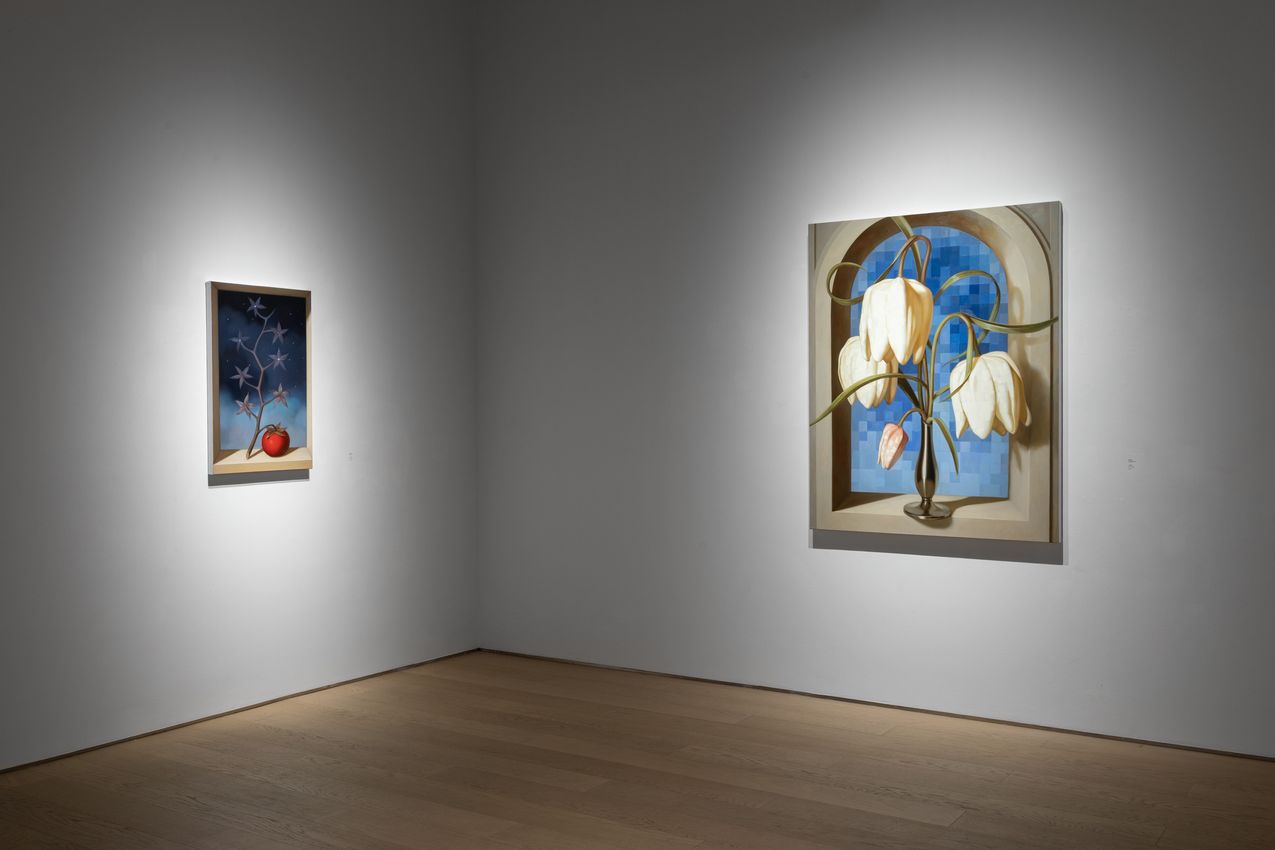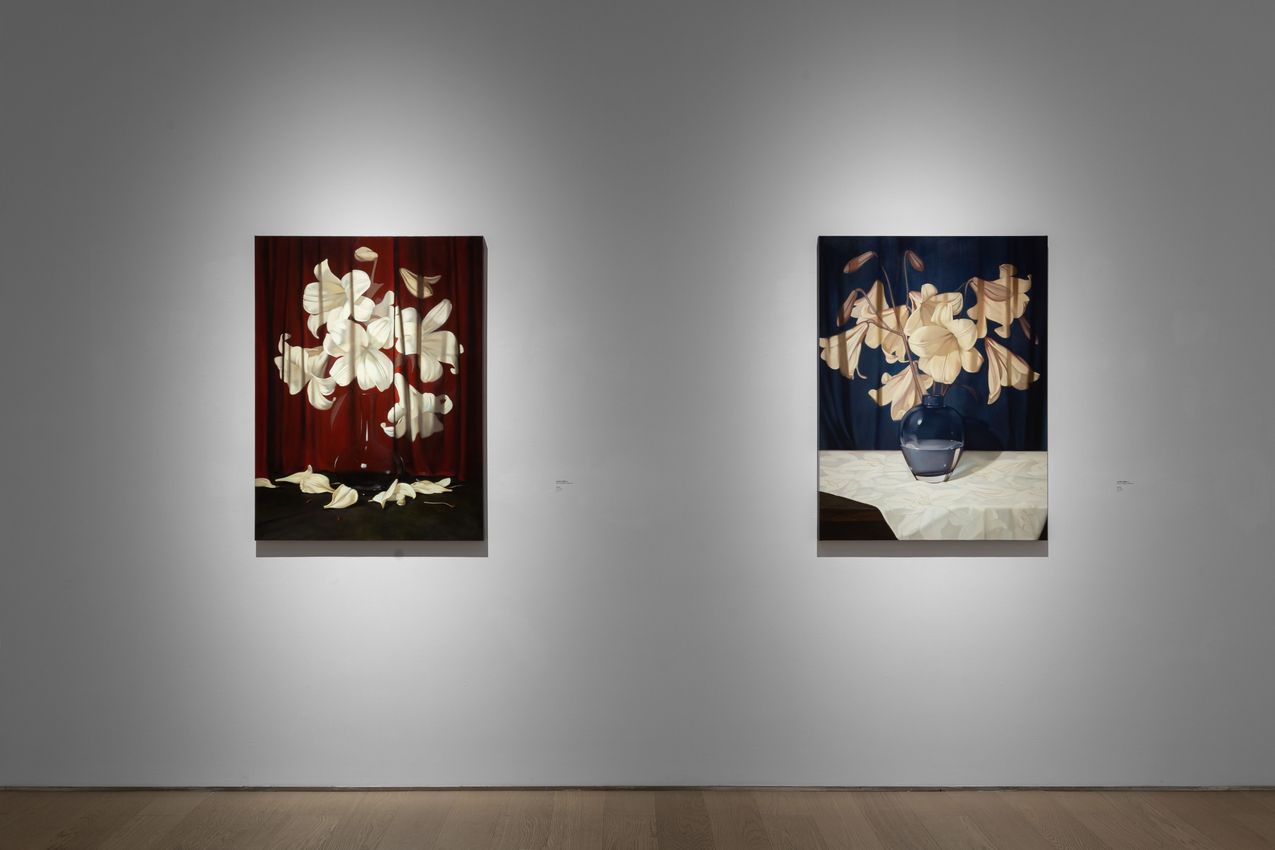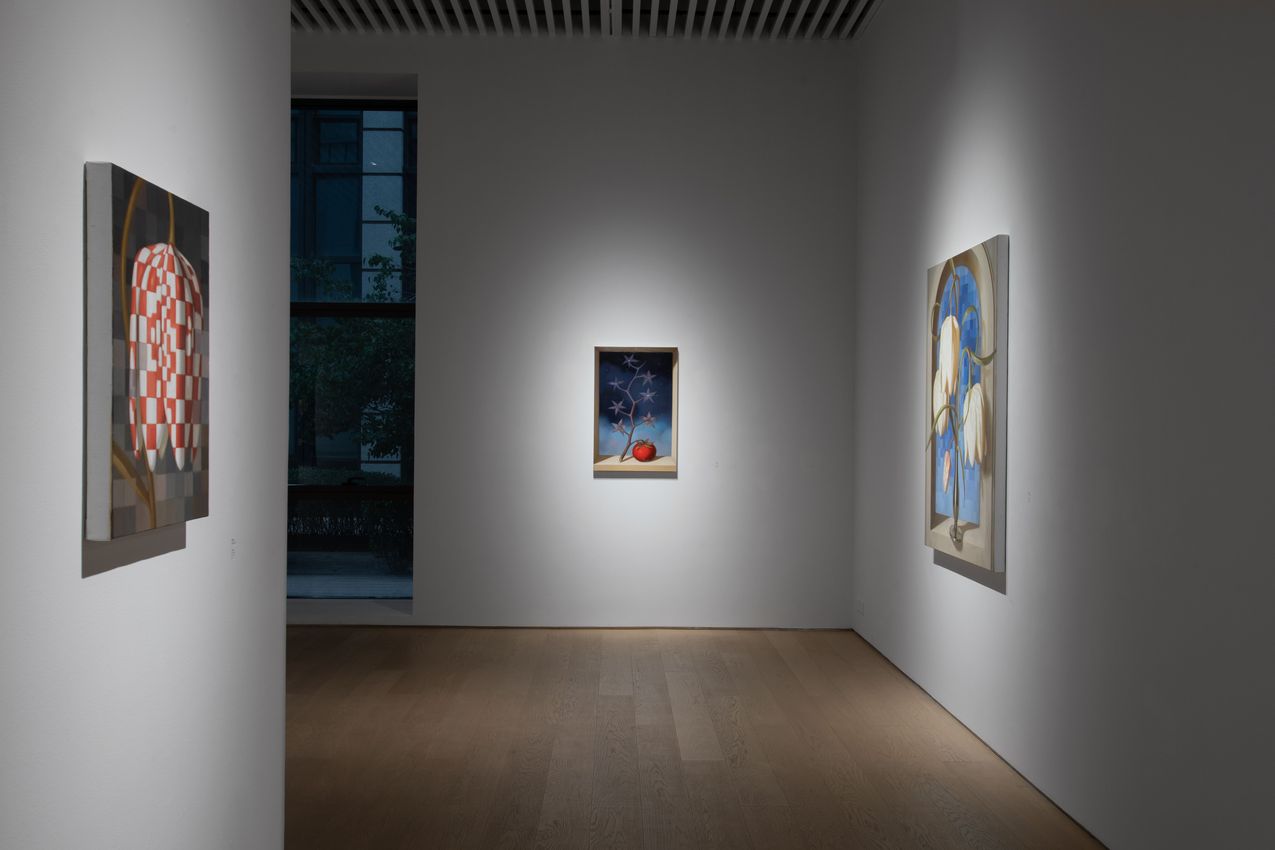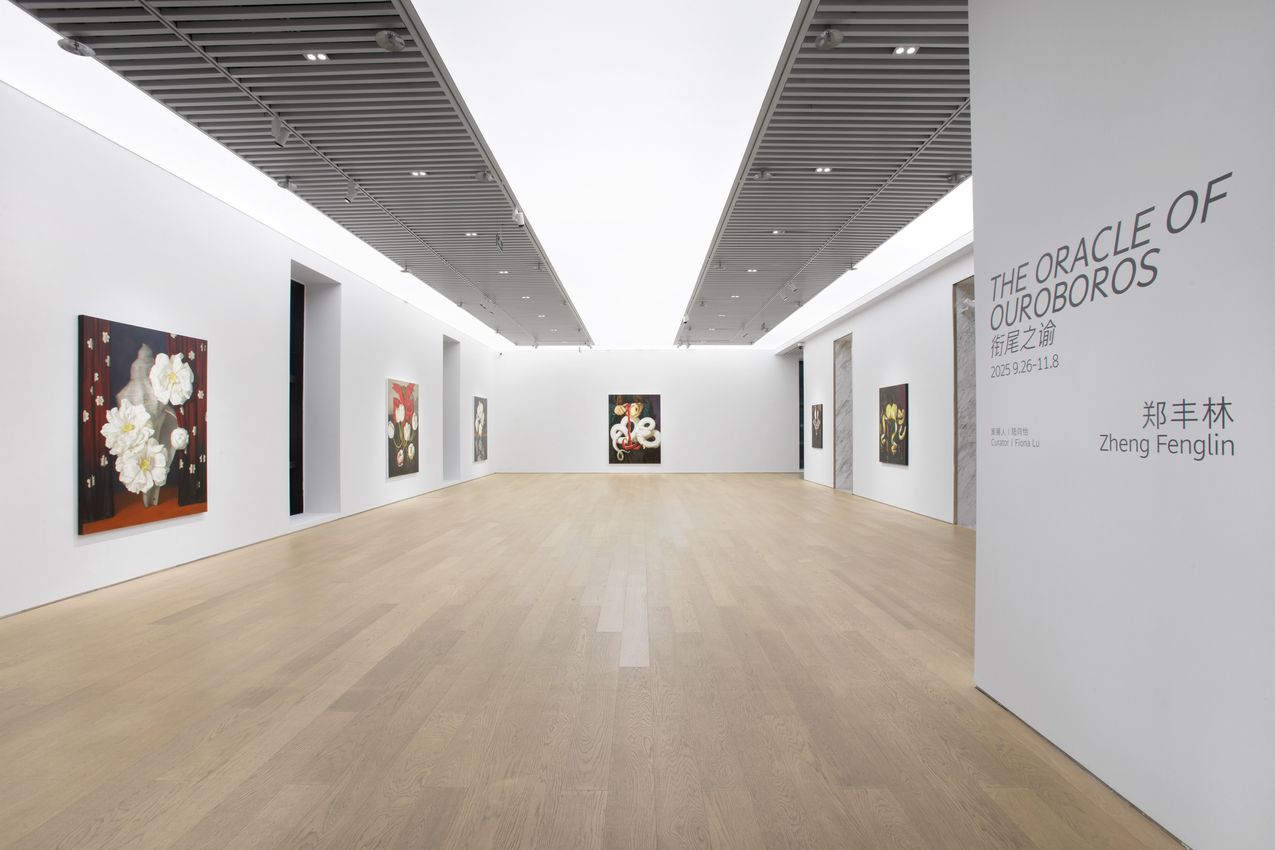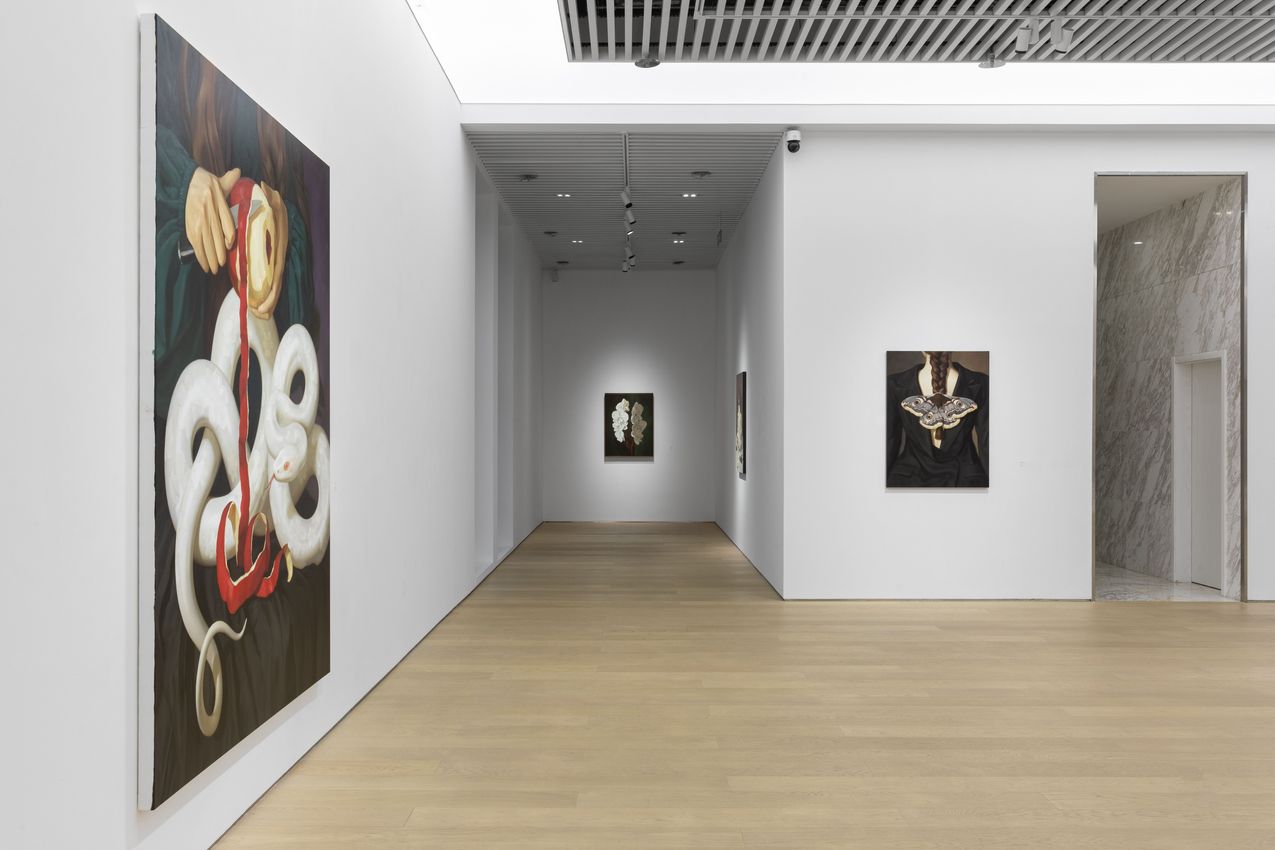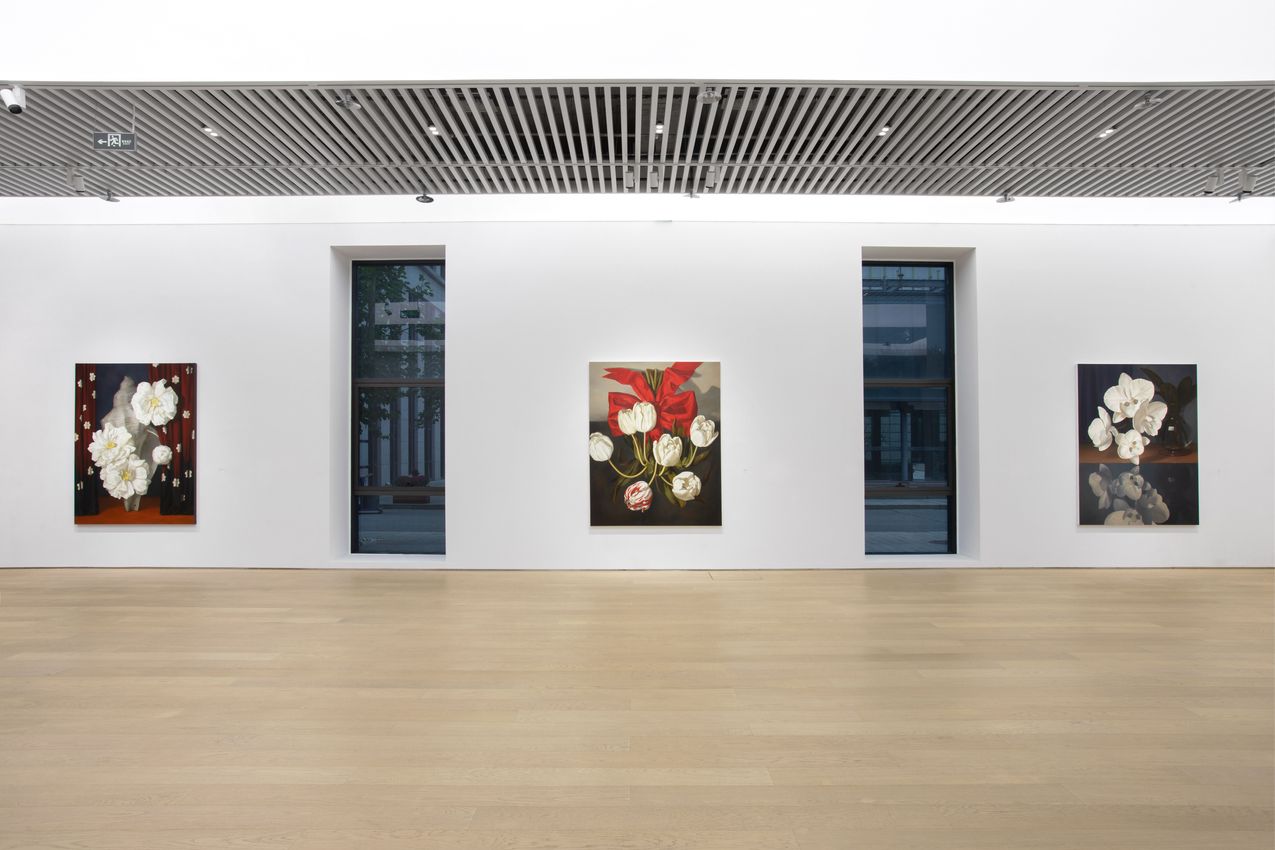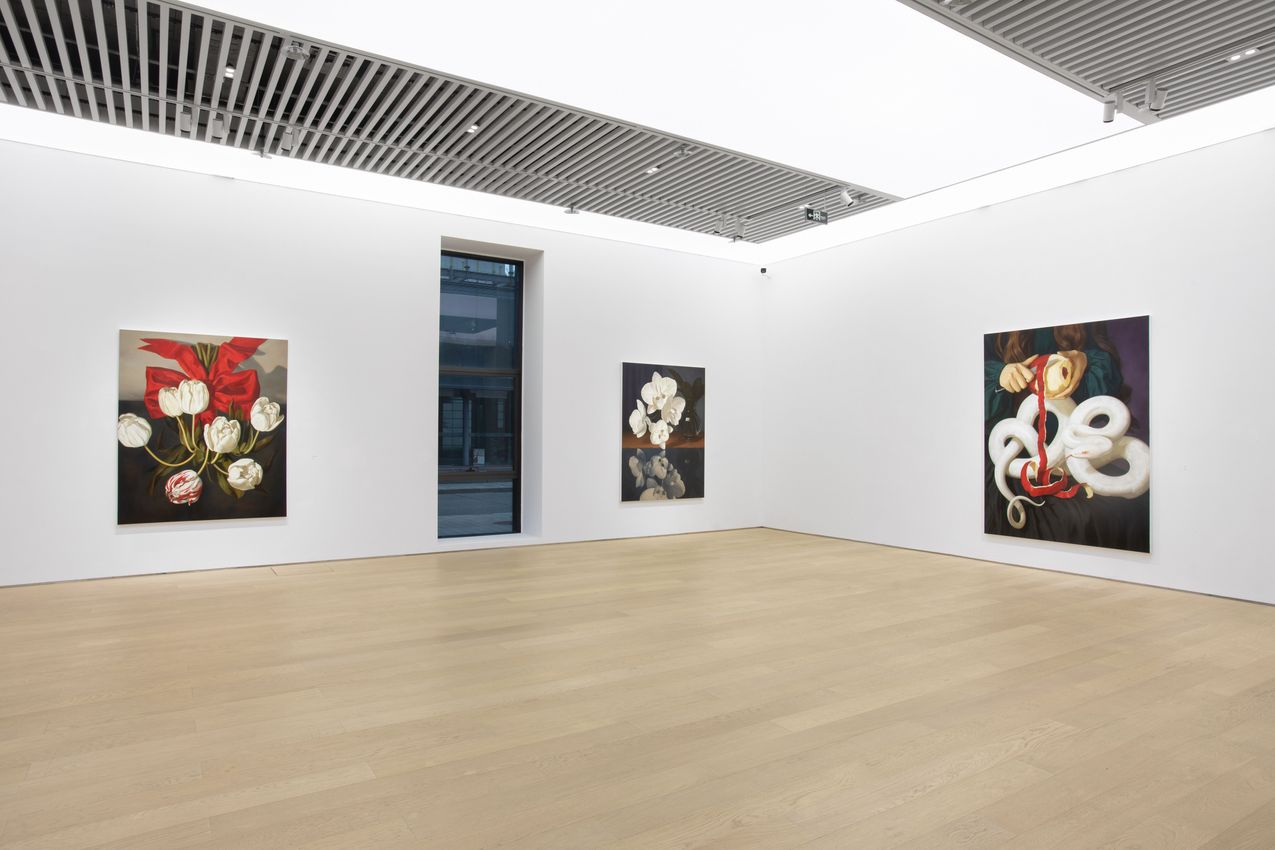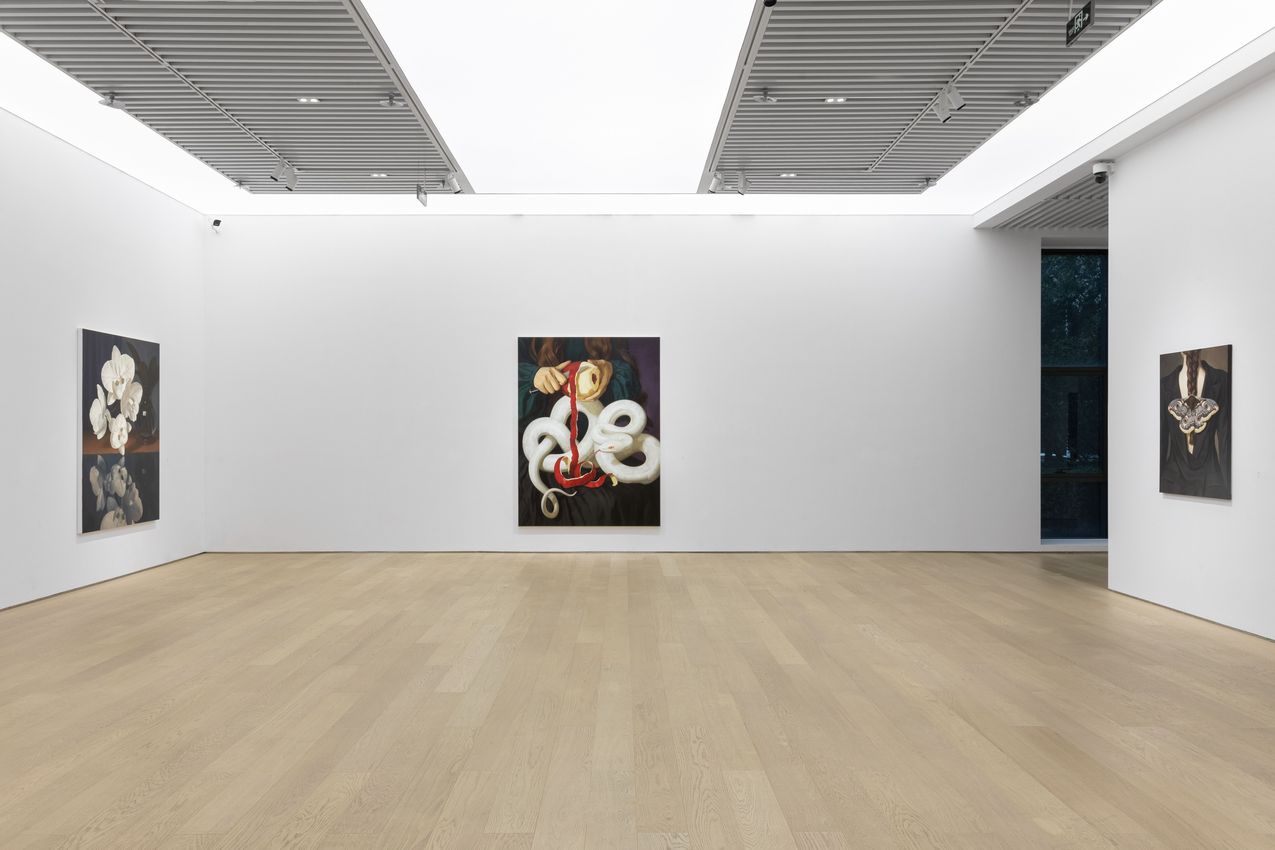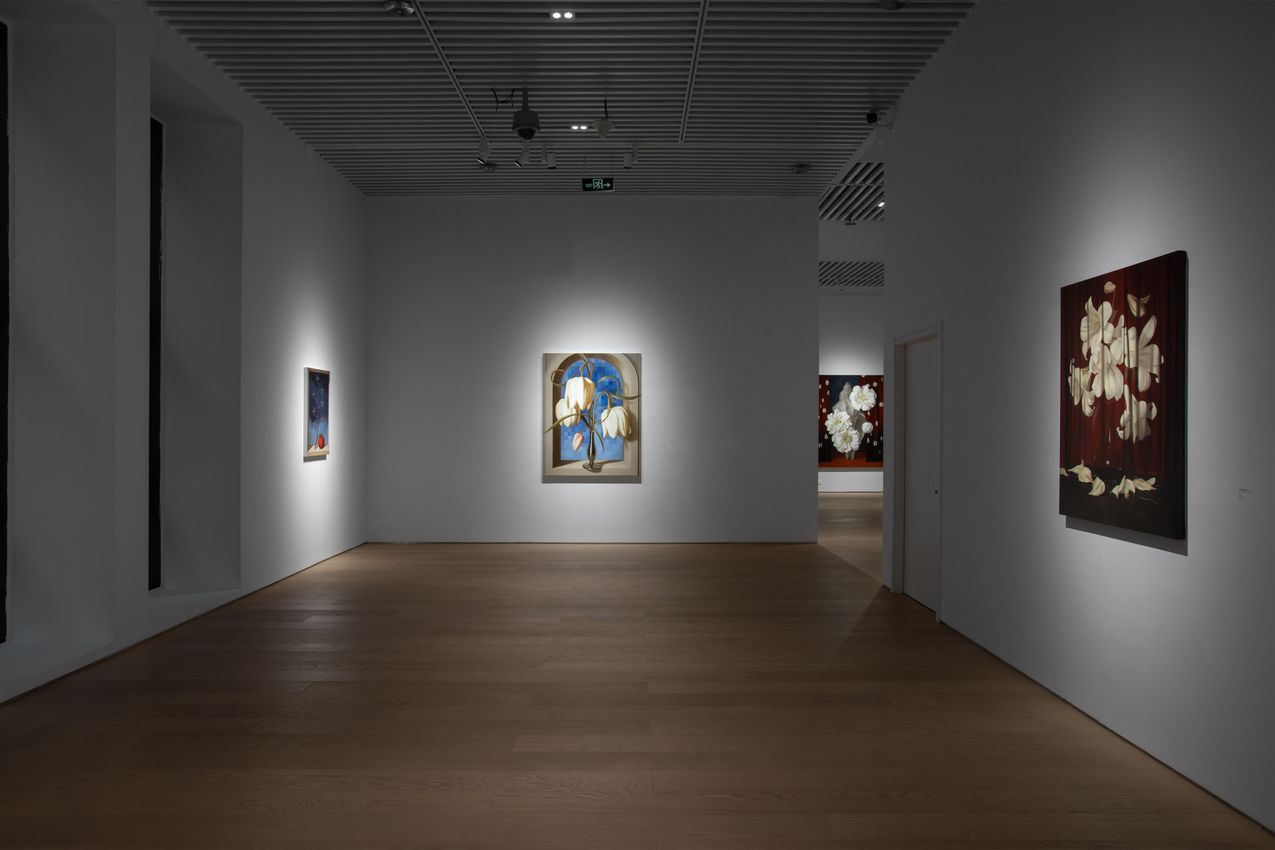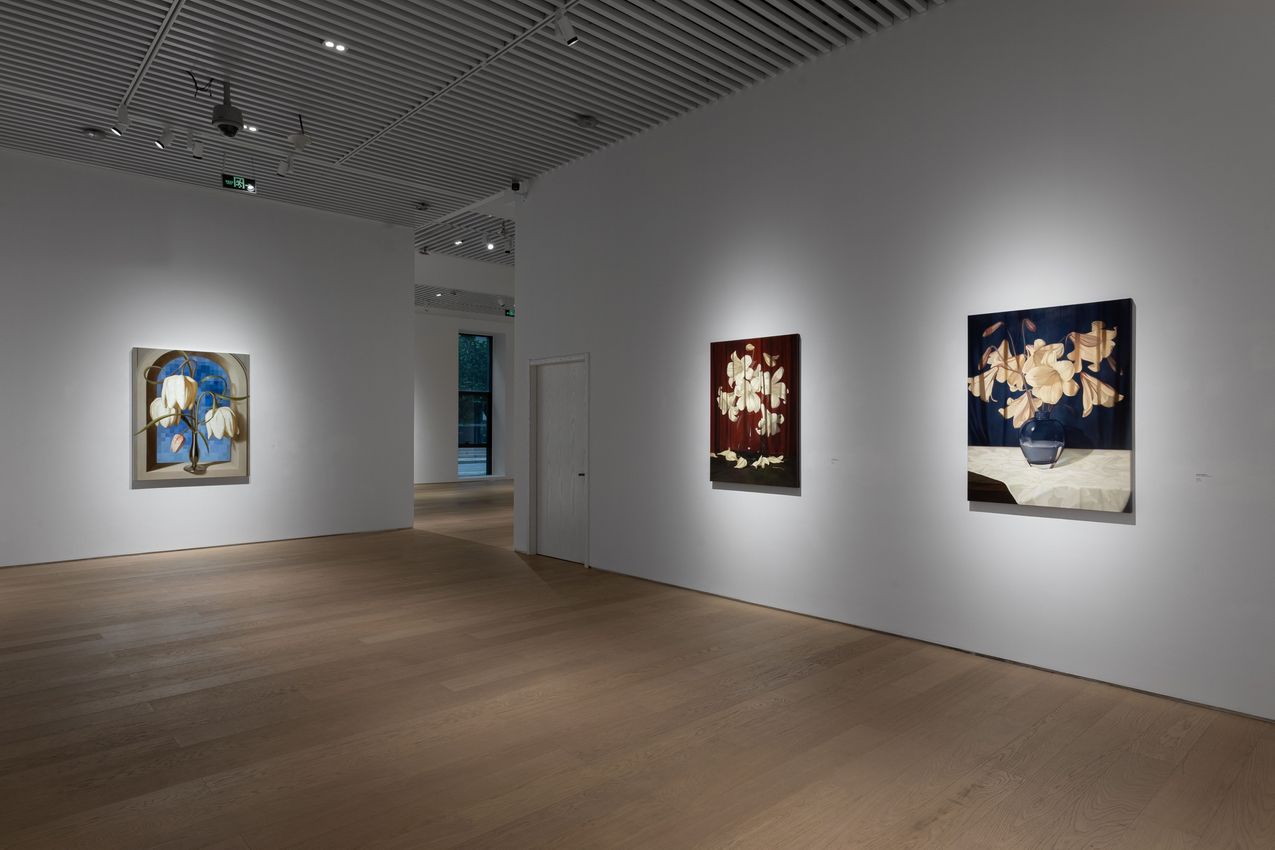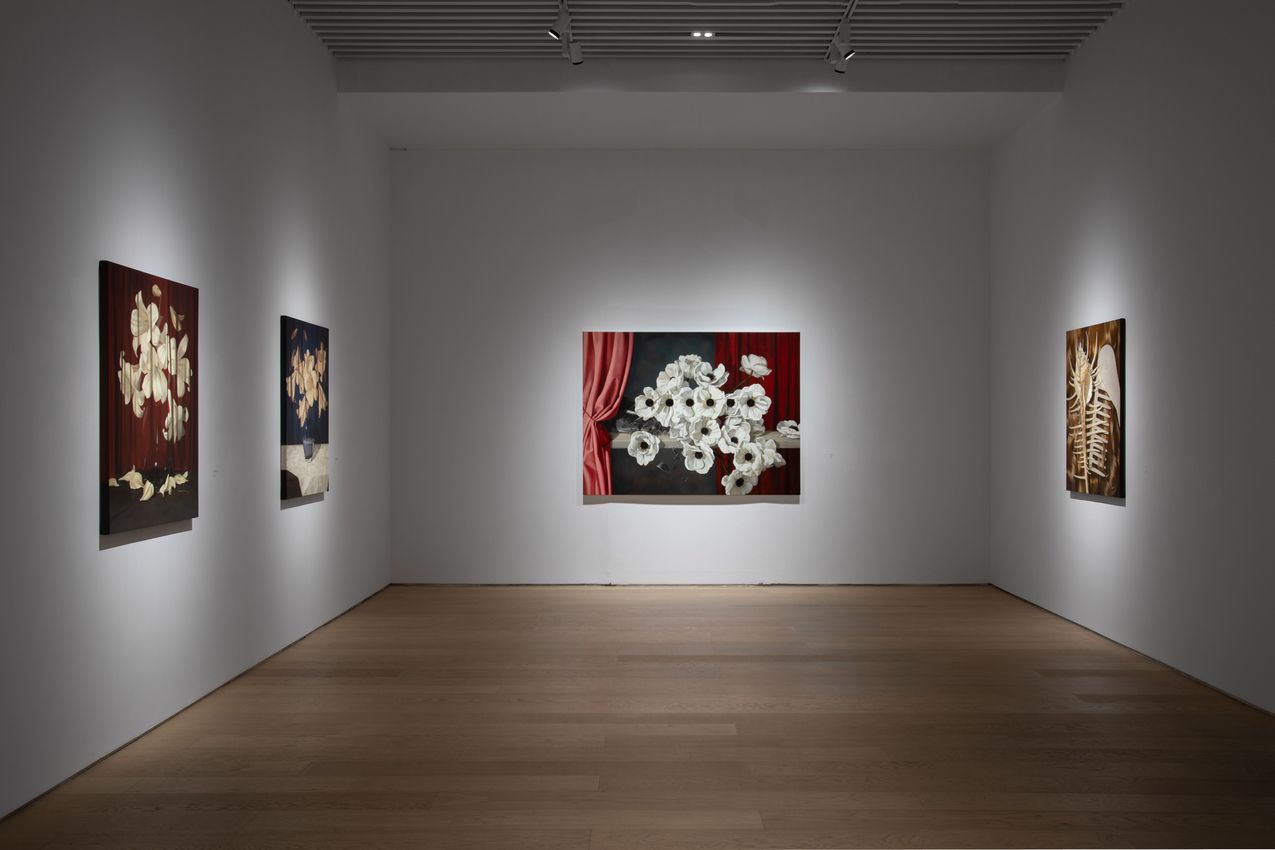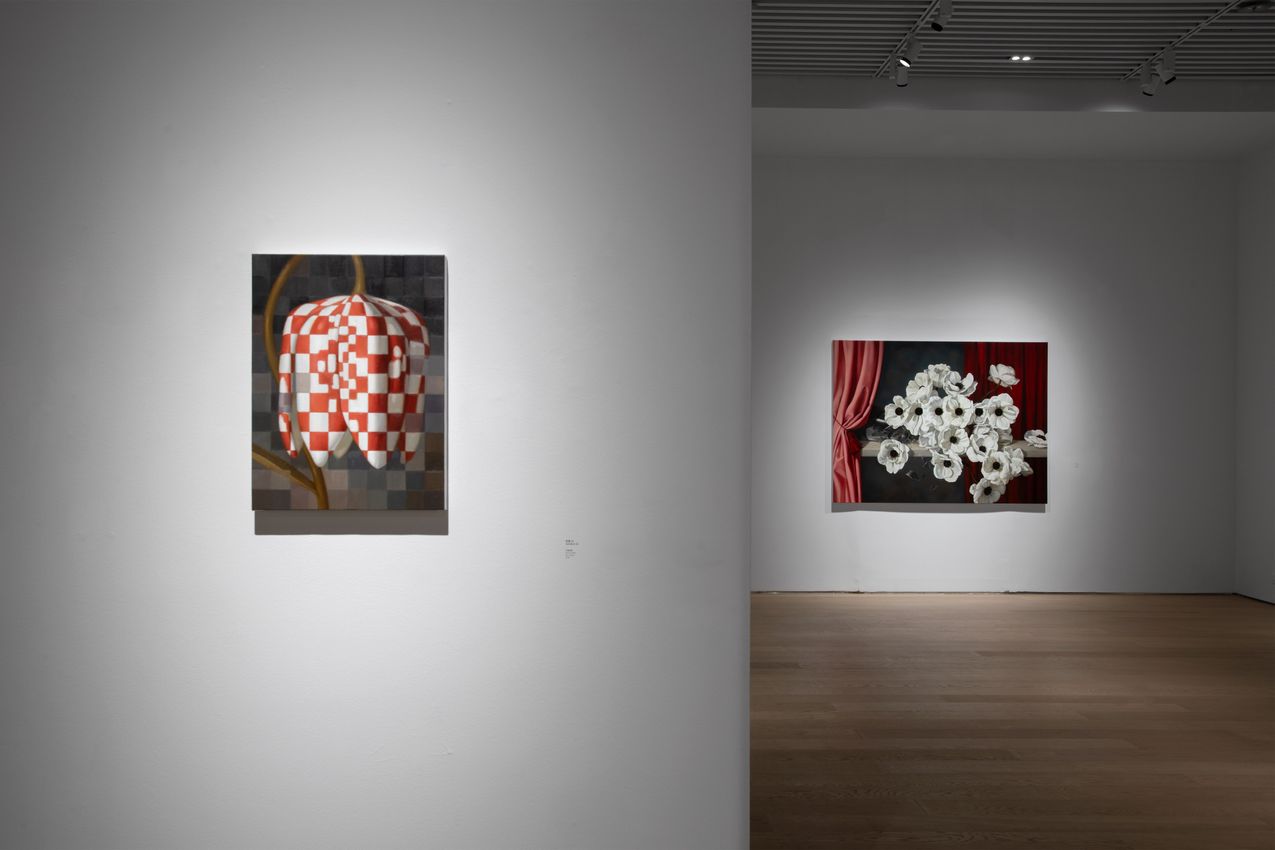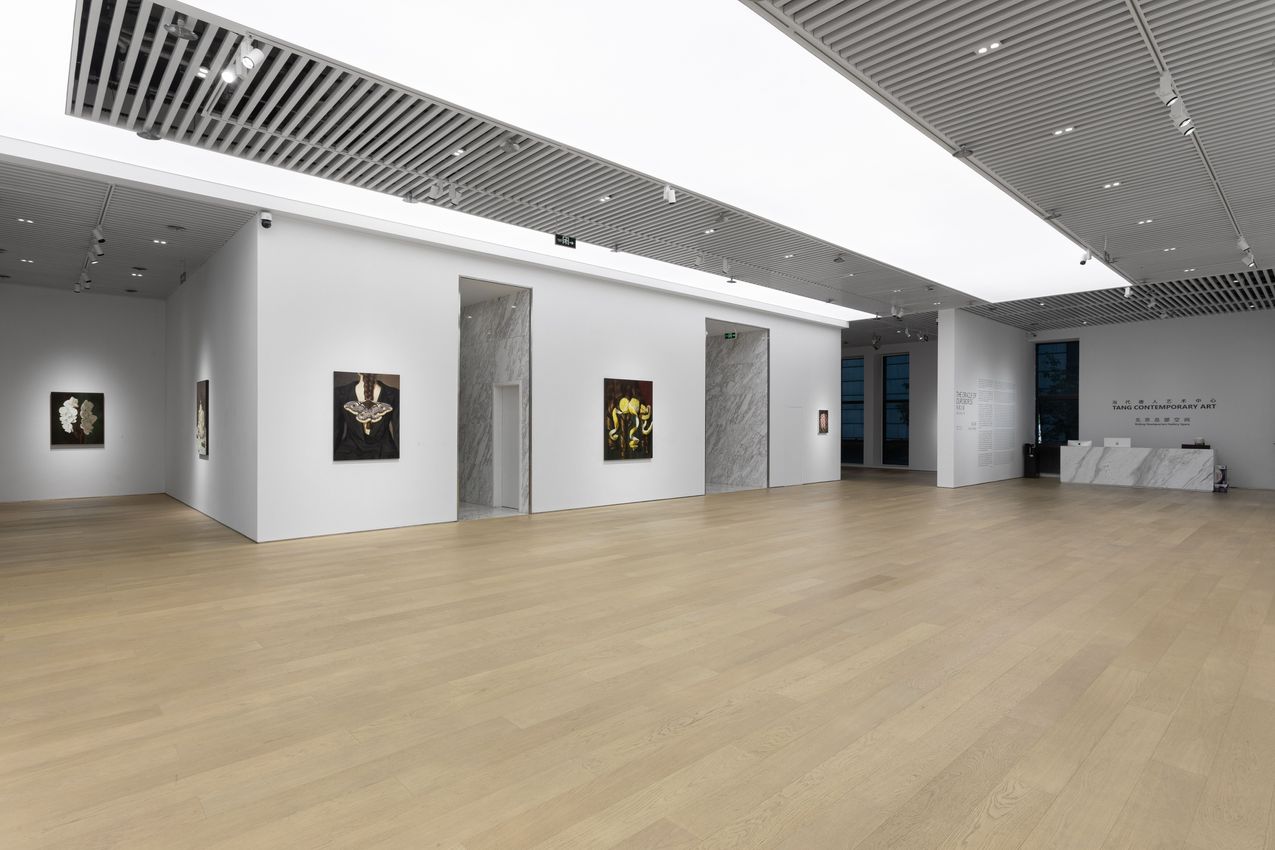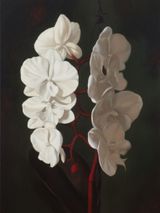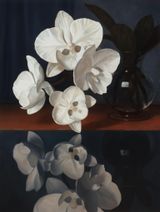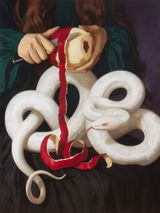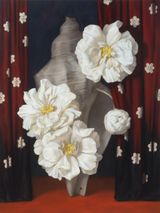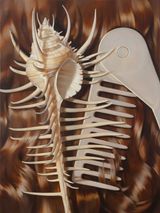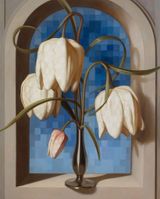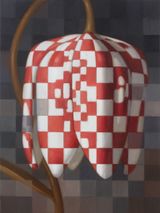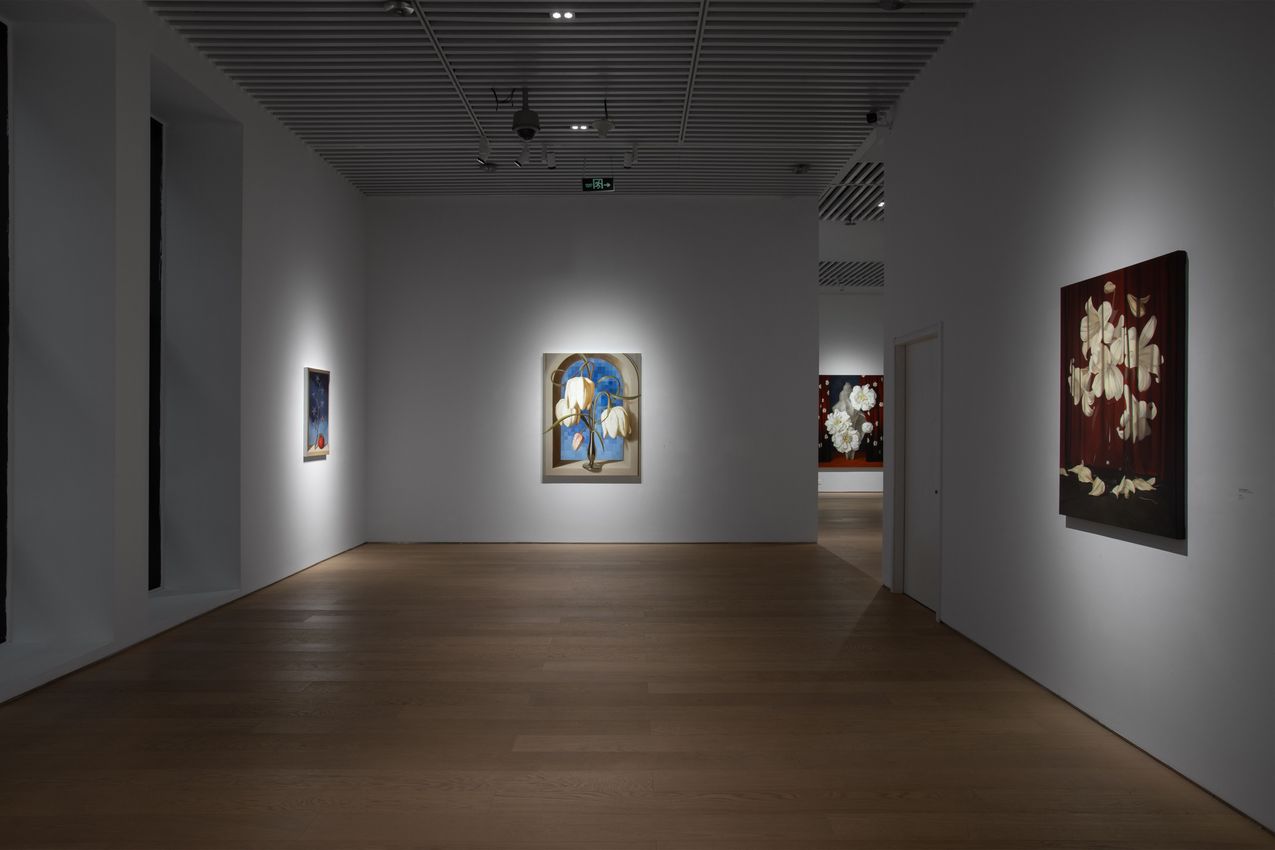
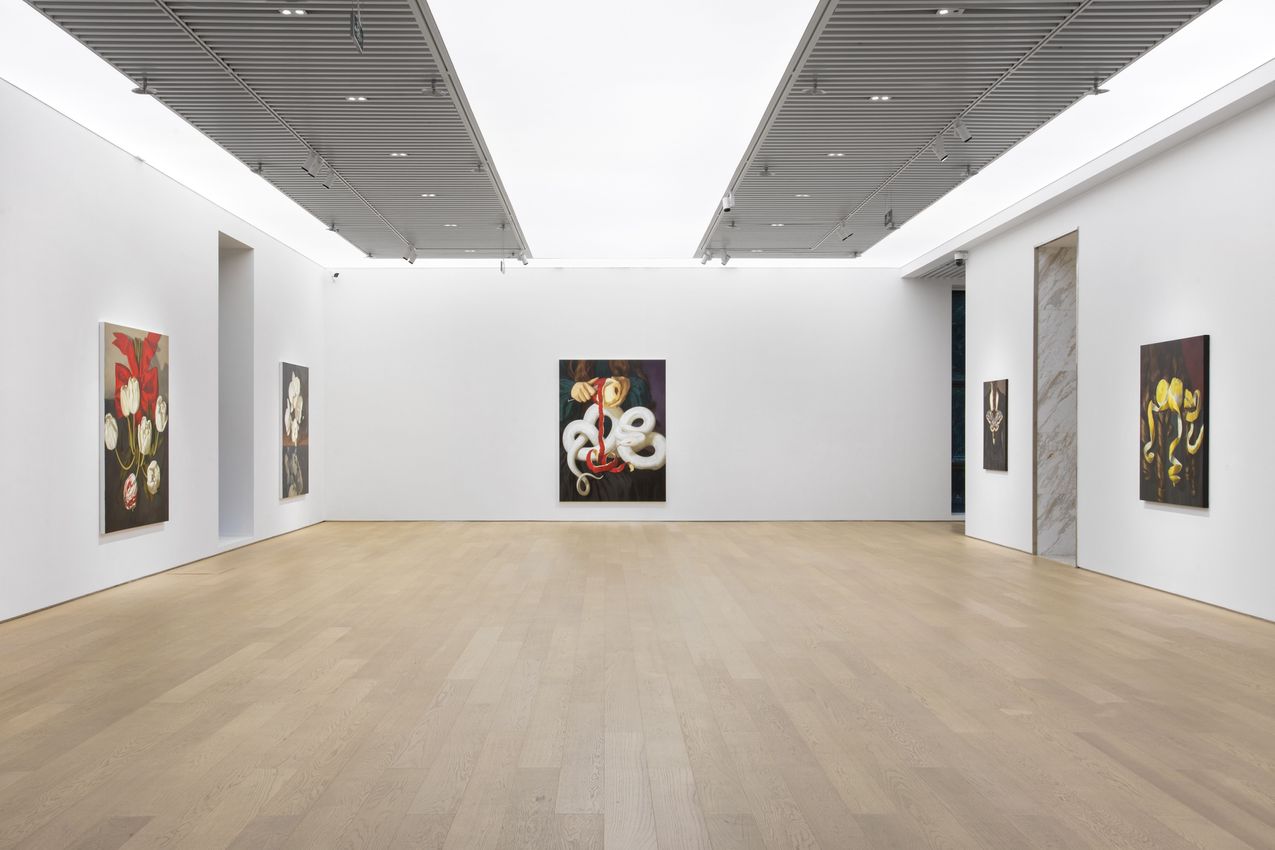
Tang Contemporary Art is delighted to announce the opening of The Oracle of Ouroboros a solo exhibition by emerging artist Zheng Fenglin, at its Beijing headquarters on 26 September 2025. This marks Zheng’s first show since completing her seven-year undergraduate and postgraduate studies at the Central Academy of Fine Arts, as well as her debut solo exhibition under representation by Tang Contemporary Art. The exhibition features twelve remarkable new paintings by the artist, curated by Fiona Lu, and will remain on view until 8 November.
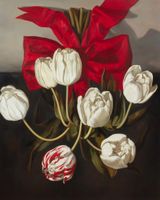
Since the establishment of still life painting as an independent genre in 17th-century Europe, it has always straddled the boundary between representation and metaphor. The still-life works of Dutch Golden Age painter Willem Claesz. Heda, with their lemon peels spiraling in elegant twists, symbolized both wealth and impermanence. In the Book of Job, Job laments: ‘Mortals, born of woman, are of few days and full of trouble. They spring up like flowers and wither away; like fleeting shadows, they do not endure.’ The typical motifs in classical still life painting—flowers, butterflies, niches, shells—are not only demonstrations of technical prowess but also a refined system of symbols. These objects transcend their physical existence, becoming vessels for moral instructions, religious metaphors, and prophecies of fate.
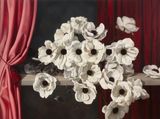
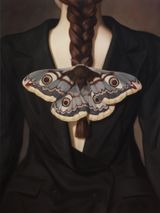
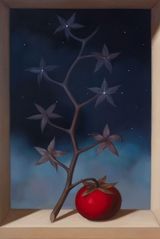
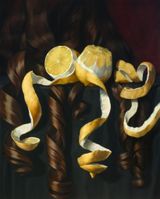
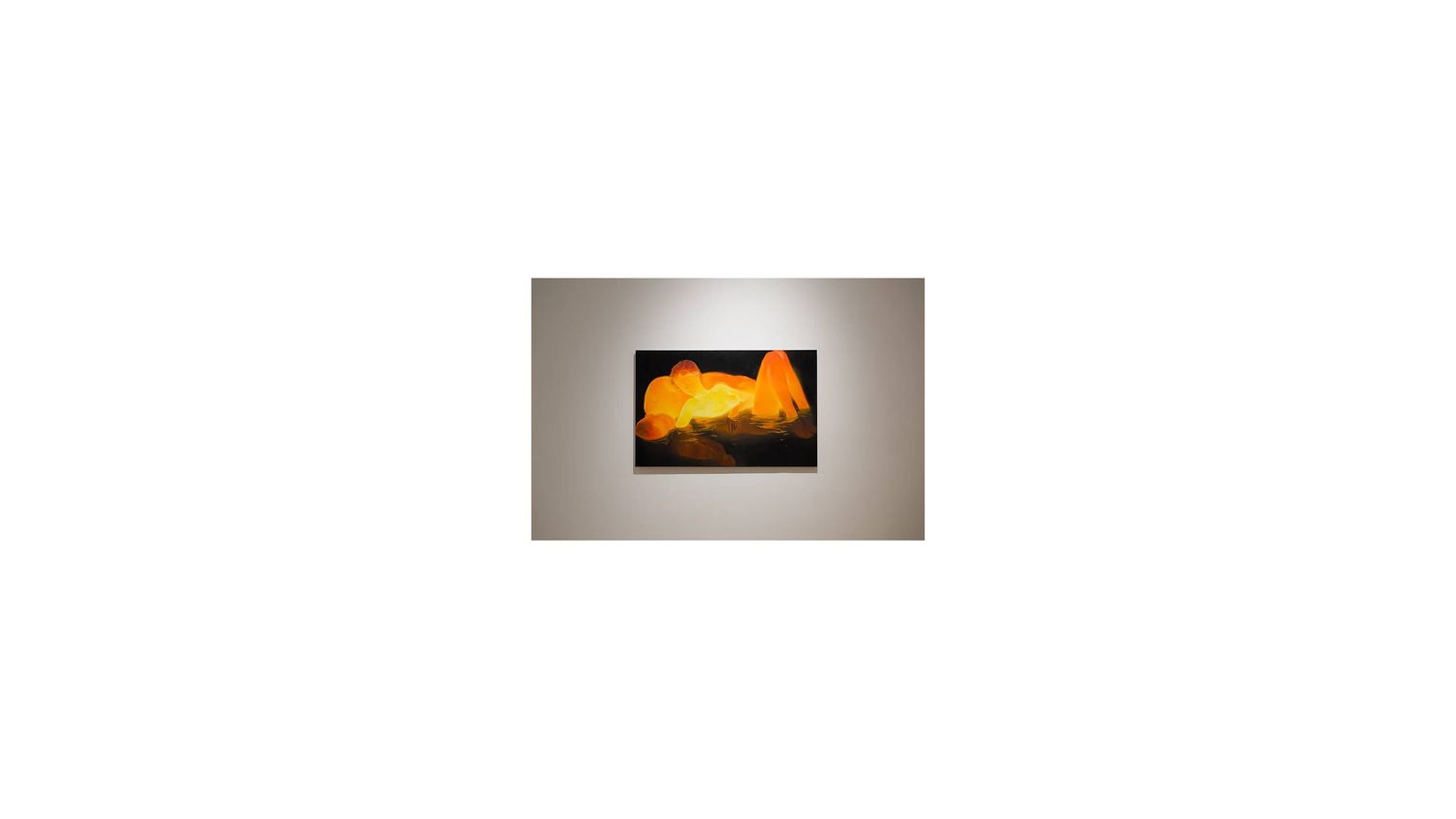
Zheng Fenglin’s practice is deeply rooted in this visual tradition, yet she reconstructs its order from a contemporary perspective. She removes the symbolic meaning of still life from its historical context and reweaves it into the fabric of a personal mythology. Unlike the serene stillness of classical still life, Zheng’s paintings pulse with a lifelike, almost metaphysical, energy. The still life no longer serves merely as a passive object; it takes on the qualities of a person—a living, evolving organism—set in the scene of an unfolding drama. In her works, the still-life objects resemble humans, and humans resemble objects. Under her meticulous orchestration, a delicate, sacred balance is achieved. The detailed textures in her brushwork, such as the spiraled knife cuts of a lemon peel or the delicate lines on flower petals, not only continue the classical still life’s pursuit of materiality but also showcase Zheng’s unique weaving of formal symbols. The colors are rich, like night; the light is intense, like day. Cobalt blue, crimson red, golden yellow, pure white—all clash and reconcile in a harmonious unity. Objects within a surreal field, detached from their naturalistic origins, form heterogeneous yet harmonious relationships: curled hair and lemon peel, comb and shell, butterfly and bow. This transformation driven by imagination is neither a mere imitation of nature nor purely a fantasy but a visual dialectic that alchemizes contradictory elements into a cohesive new life. The colors become a trembling frequency of emotion, where each brushstroke, dense and saturated, marks an object’s transition into a spiritual dimension, ultimately forming an organic syntax that grows organically on the canvas.
The title, The Oracle of Ouroboros, encapsulates the core idea of the exhibition: the ancient symbol of the Ouroboros—the serpent biting its own tail—is reimagined here as an infinite spiral of apple peel and snake form coexisting. Through distorted perspectives and sensory dislocation, the cold, jade-like serpent skin and the warm, biological apple peel are brought together, creating a ‘perceptual suspension’ on a cognitive level. Viewers are guided into a liminal state of contemplation, where they acknowledge the materiality of the objects yet question their real-world references, ultimately allowing access to their spiritual core within this tension. The endlessly extending apple peel, the gleaming white jade snake, the half-concealed angel wings—these elements echo the Baroque still life’s obsession with the ‘eternal cycle’ while also infusing Eastern philosophy’s reflections on ‘the dissolution of cause and effect.’ The imagery weakens the classic narrative’s one-sided accusations of temptation and fall, instead constructing a self-dissolving, self-healing cycle. In the painting, the angel no longer judges the serpent but, through the ritualistic act of peeling an apple, invites desire to manifest, cycle, and ultimately be sublimated into a pure formal play. This dialectical logic of ‘deconstructing temptation with temptation’ is a profound insight into the very essence of still life painting. Objects carry symbols not because of inherent meanings but because humans have always longed to glimpse fate reflected in the material world.
Zheng Fenglin applies her brush with almost monastic patience, imbuing her scenes with a surreal aura. The sourness of the lemon, the sweetness of the apple, the coldness of the snake’s scales—all transform into visual sensations of taste and touch, loosening the boundaries between reality and imagination. Her works are not simple revivals of classical still life but rather a dialogue with the ghosts of art history: with vibrant, meticulous strokes, she pries open the symbolic shell of still life, allowing the spiritual yearnings of contemporary people—the longing for healing, eternity, and the cyclical nature of meaning—to surge from the canvas. When we gaze upon her paintings, we are also gazing at the shape of our own desires: how they coil, how they break, and how they are redeemed in a new narrative. It is in encountering desire that we encounter the ouroboros, the endless prophecy of the world.
Fiona Lu | Tang Contemporary Art


Tang Contemporary Art was established in 1997 in Bangkok, later establishing galleries in Beijing and most recently Hong Kong. Tang Contemporary Art is fully committed to producing critical projects and exhibitions to promote Contemporary Chinese art regionally and worldwide and encourage a dynamic exchange between Chinese artists and those abroad.

A respected voice in contemporary art discourse.
Focusing on ambitious storytelling and insightful art-world commentary. Ocula Magazine publishes in-depth interviews, critical essays and timely analysis on the artists, exhibitions and ideas driving the global art world.
Learn more about Ocula Magazine
Showcasing the best of the art world.
Ocula partners with galleries from around the world to highlight their artists, artworks and exhibitions. Gallery membership is by application and invitation, with each member vetted by an independent panel.
Learn more about Ocula Membership

Specialises in the sale of major artworks.
Led by a team with deep ties to the world’s leading auction houses, galleries and collectors. Ocula’s advisory team offers bespoke services to high-net-worth clients from around the world who are looking to acquire the best of contemporary and modern art.
Learn more about our team and services