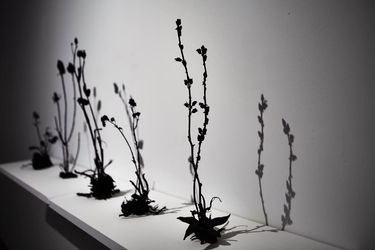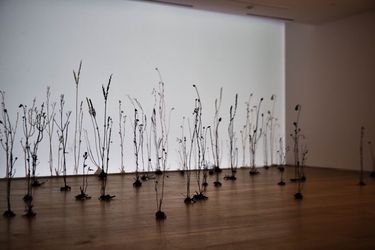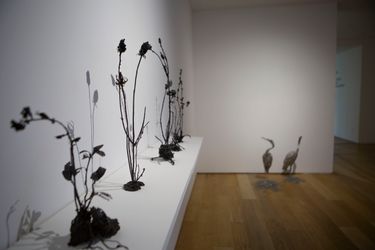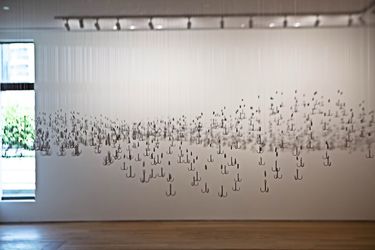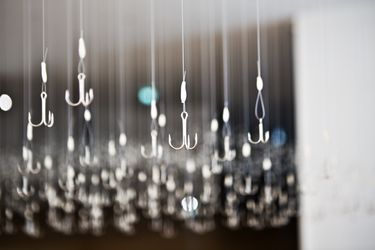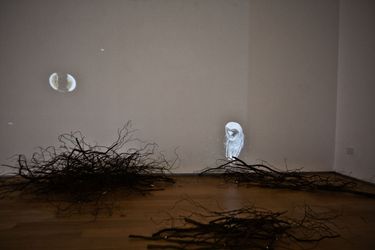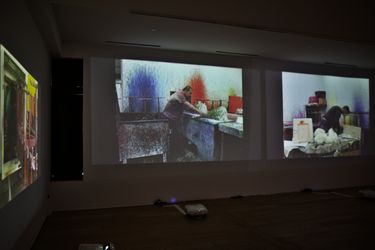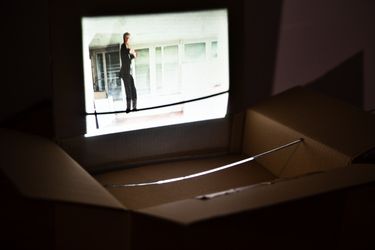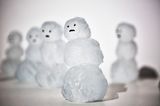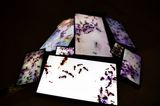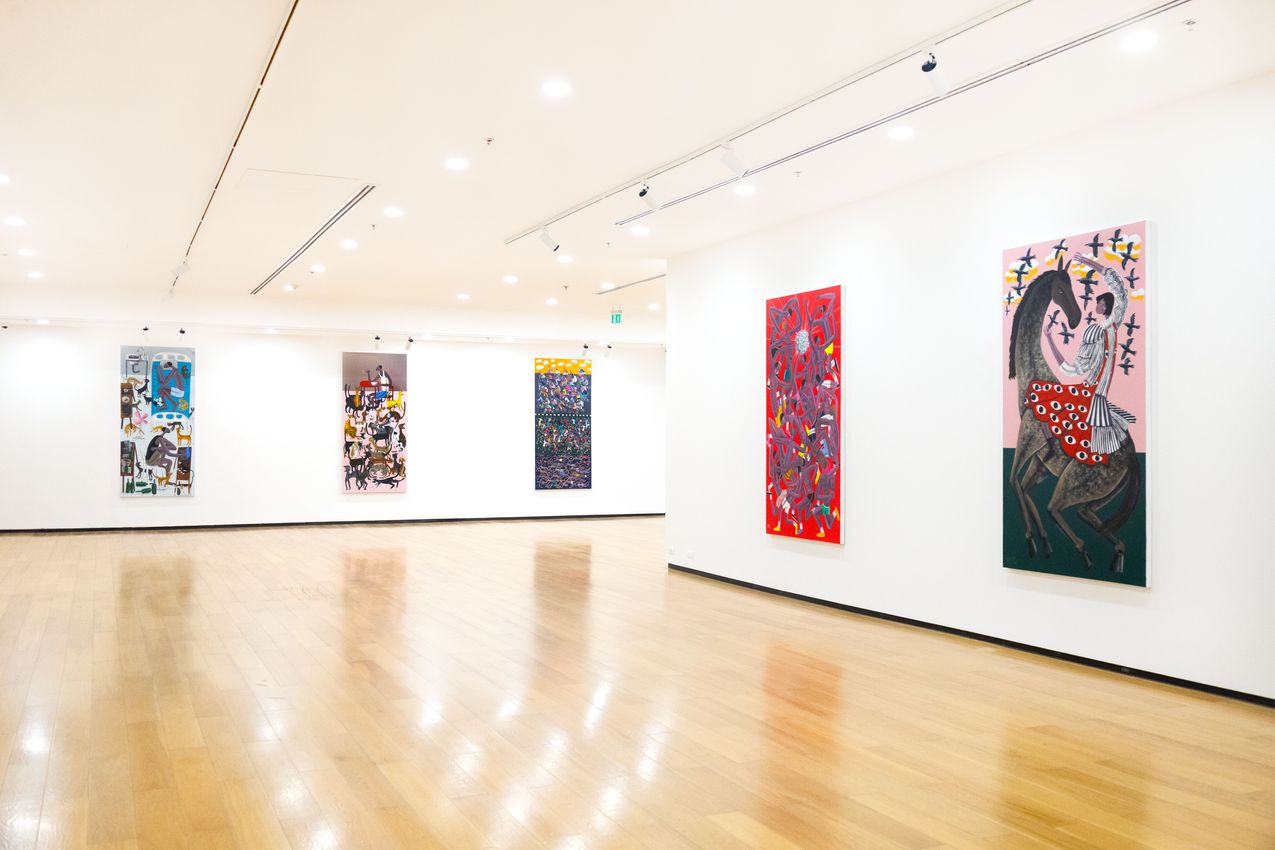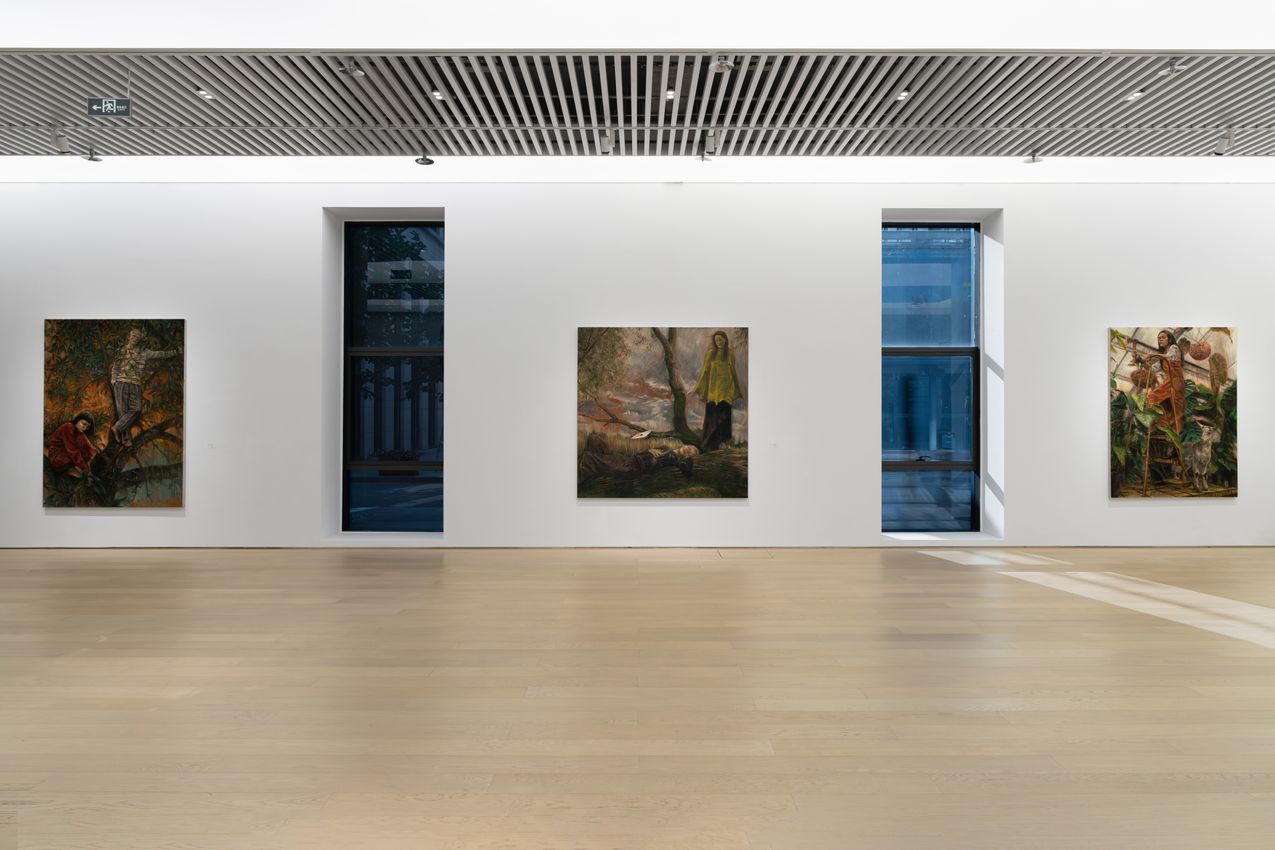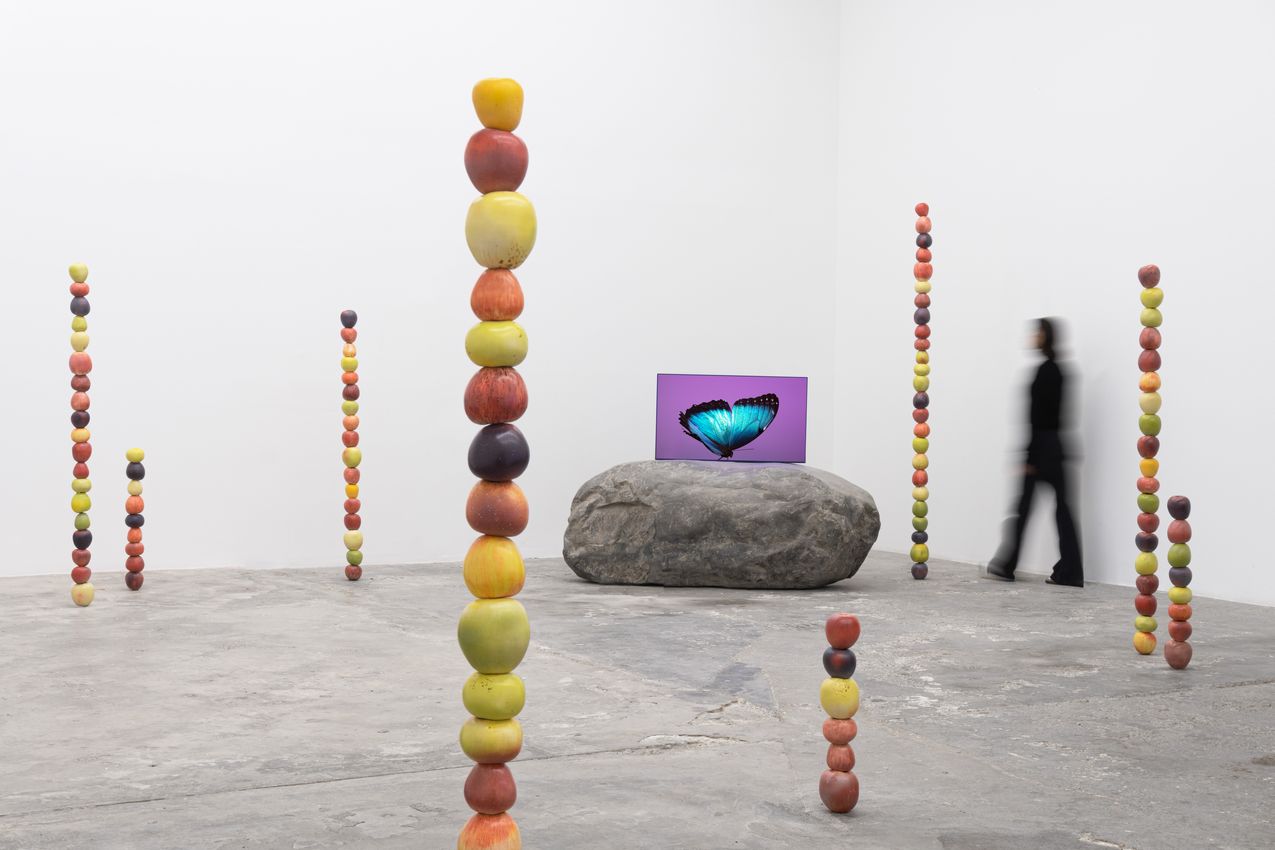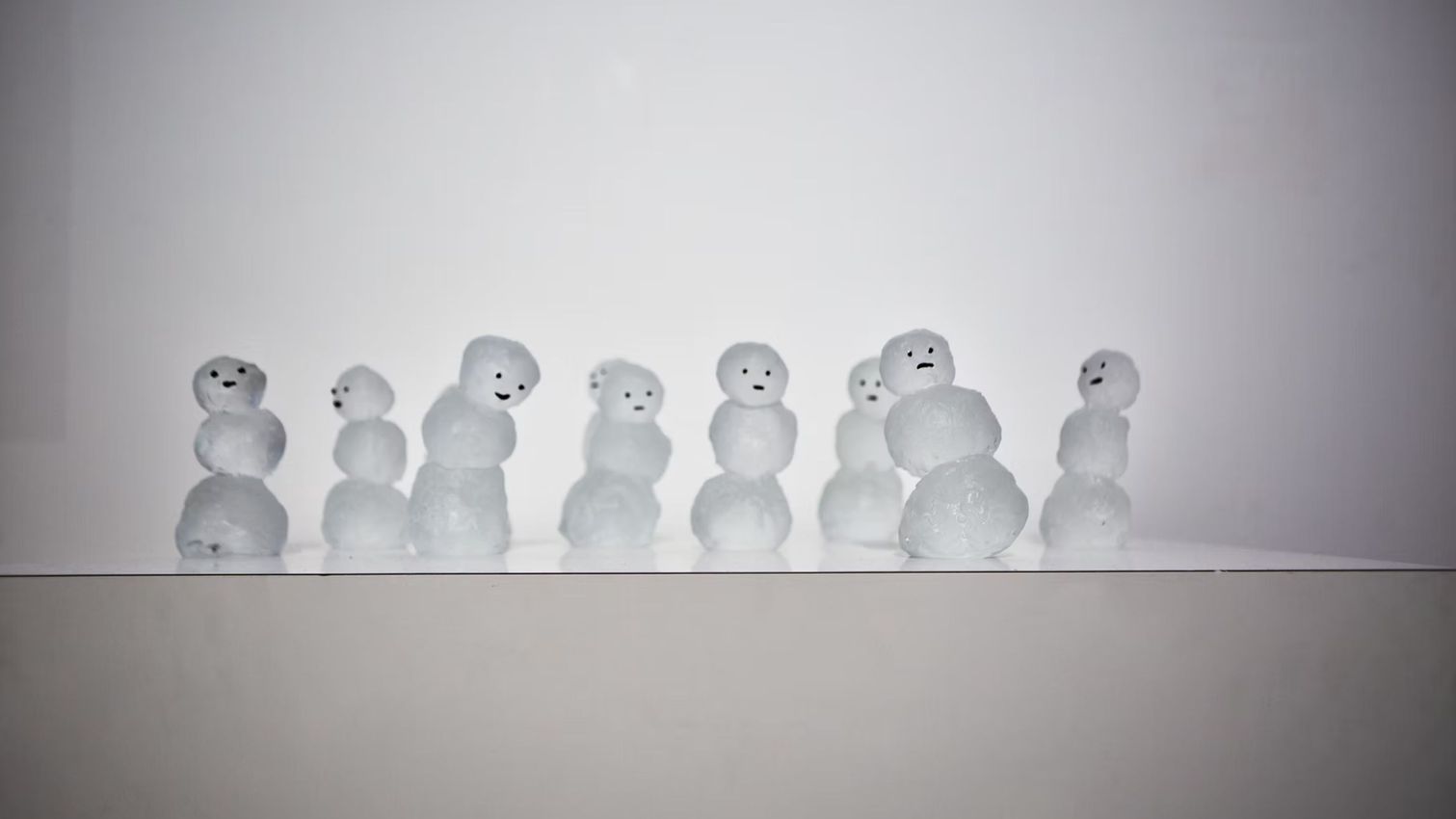
Ursula Palla is known for her subtle, materially sensitive installations that give quiet attention to life at the edge of perception—plants, animals, and forms that resist clear classification. Working with ephemeral materials such as snow, sugar, weeds, bronze, and gun, she constructs environments that hover between presence and disappearance. Her works are not declarations but conditions—fragile, temporal, and unresolved.
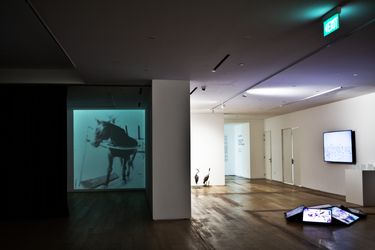
The figures and forms she presents—melting snowmen, motionless birds, bronze-cast weeds, ants dismantling currency, or a horse walking endlessly—do not function as metaphors or symbols. They are beings caught in systems that do not fully register their presence. They persist, not through assertion, but through quiet endurance. They are visible, but not recognized. The exhibition title, Threshold Lives: On Presence without Recognition, points to this condition: lives that exist at the boundary of meaning, where presence is not matched by status or attention. These are not lives entirely excluded, nor fully embraced. They are tolerated, managed, or aestheticised but never fully seen. There are conceptual echoes here of Giorgio Agamben’s idea of bare life, in which beings are included in systems of control only through their exclusion from meaning or protection. While Palla’s penetrated subject- nature, is not directly reducible to this condition (nature, after all, is often protected, regulated, even romanticised), her work nonetheless opens a space to reflect on similar structures. The lives she renders are not abandoned, but they are misread, misclassified, or left without resonance. Their illegibility is not legal, but aesthetic and systemic.
Across these works, Palla constructs a quiet vocabulary for lives that remain unrecognised. She does not rescue, explain, or aestheticise these presences. Instead, she brings forth the unresolved, the unnamed, and the unclaimed—forms of life that resist being reduced to familiar categories. What she offers is not visibility as validation, but a space in which ambiguity is allowed to endure.
Threshold Lives: On Presence Without Recognition asks not for resolution but for attention. It invites us to dwell alongside that which we cannot easily read, to adopt a position not of mastery but of presence. The works do not speak for what they show, and yet they leave us with a question that cannot be ignored:Have you truly seen this life—or have you simply looked away?


Tang Contemporary Art was established in 1997 in Bangkok, later establishing galleries in Beijing and most recently Hong Kong. Tang Contemporary Art is fully committed to producing critical projects and exhibitions to promote Contemporary Chinese art regionally and worldwide and encourage a dynamic exchange between Chinese artists and those abroad.

A respected voice in contemporary art discourse.
Focusing on ambitious storytelling and insightful art-world commentary. Ocula Magazine publishes in-depth interviews, critical essays and timely analysis on the artists, exhibitions and ideas driving the global art world.
Learn more about Ocula Magazine
Showcasing the best of the art world.
Ocula partners with galleries from around the world to highlight their artists, artworks and exhibitions. Gallery membership is by application and invitation, with each member vetted by an independent panel.
Learn more about Ocula Membership

Specialises in the sale of major artworks.
Led by a team with deep ties to the world’s leading auction houses, galleries and collectors. Ocula’s advisory team offers bespoke services to high-net-worth clients from around the world who are looking to acquire the best of contemporary and modern art.
Learn more about our team and services